Choosing the right snus packaging machinery manufacturer for operations in Russia is a decision that affects product quality, production efficiency, regulatory compliance, and long-term costs. This guide walks you through the practical steps and critical considerations to select a reliable supplier who can deliver high-performance snus and nicotine pouch packaging equipment tailored to your production needs.
🔎 Understand Your Production Requirements
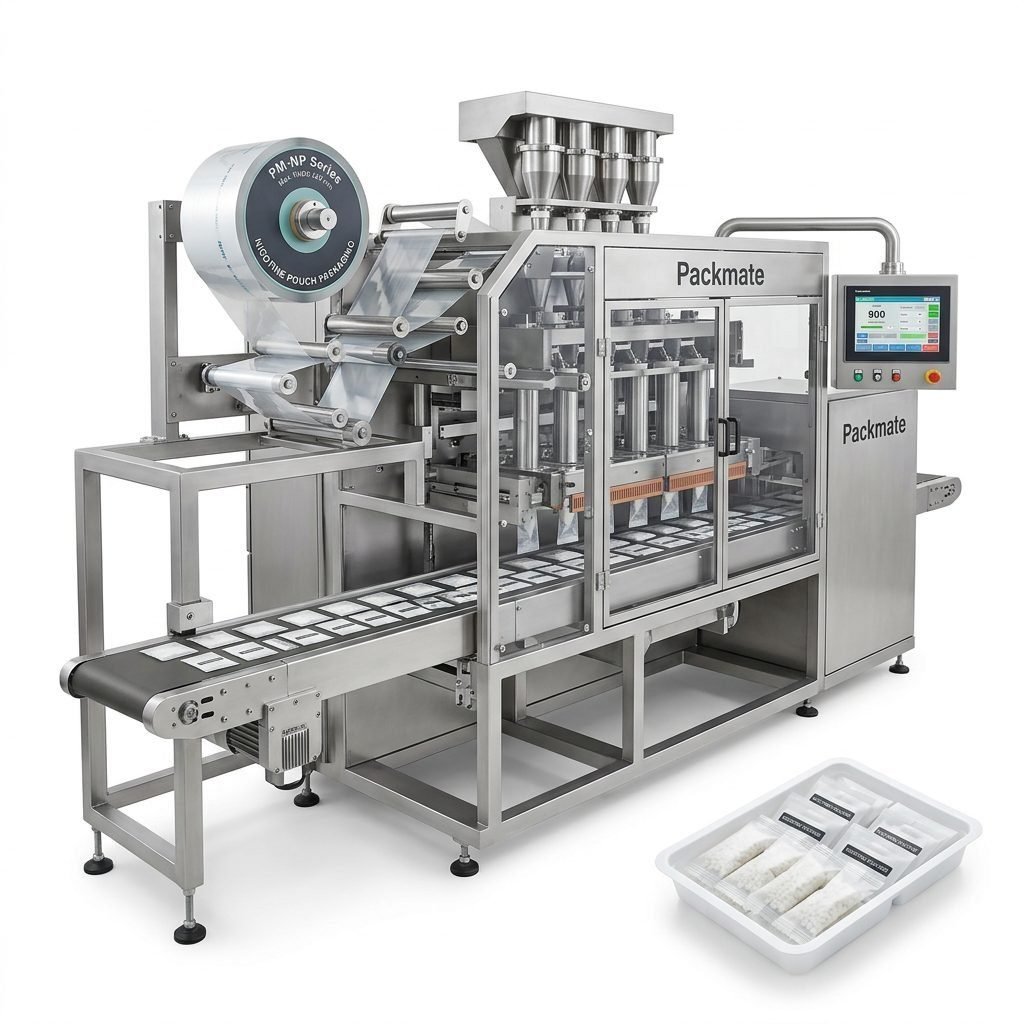
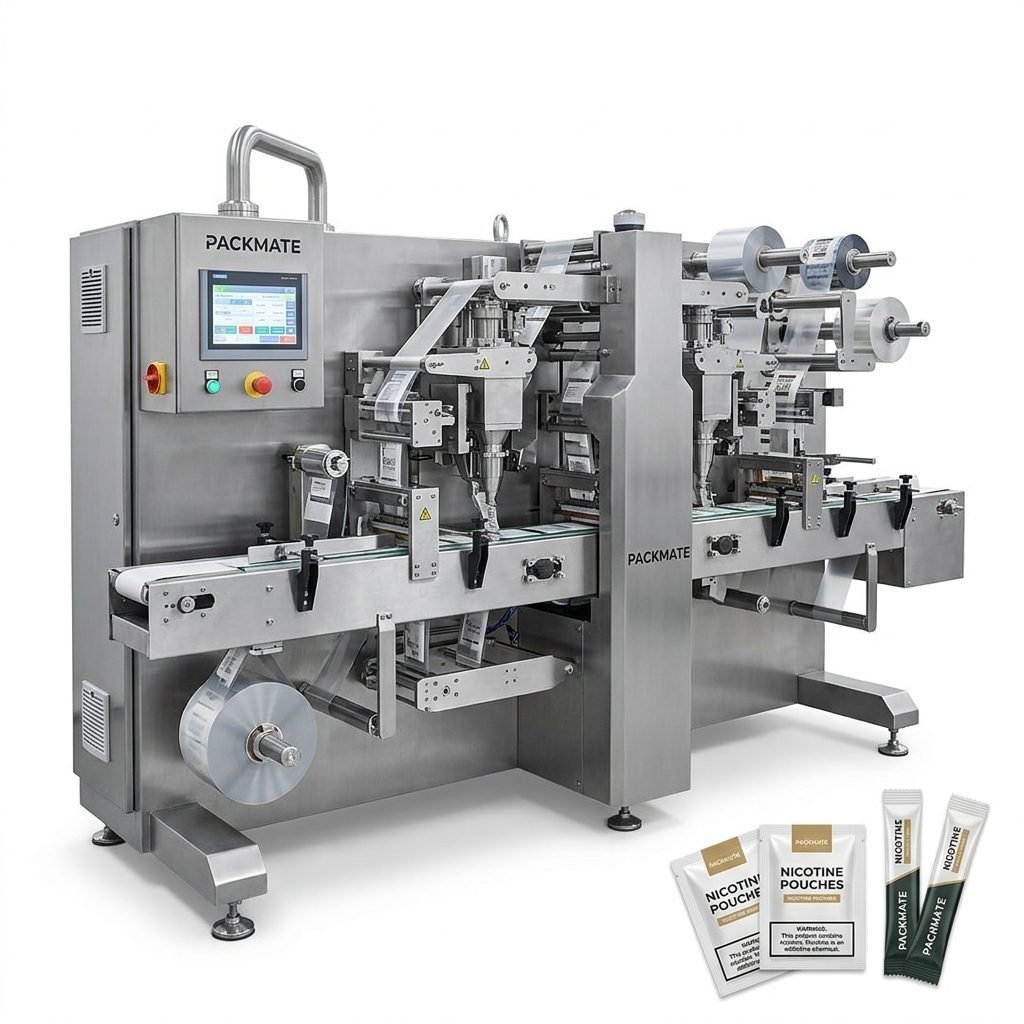
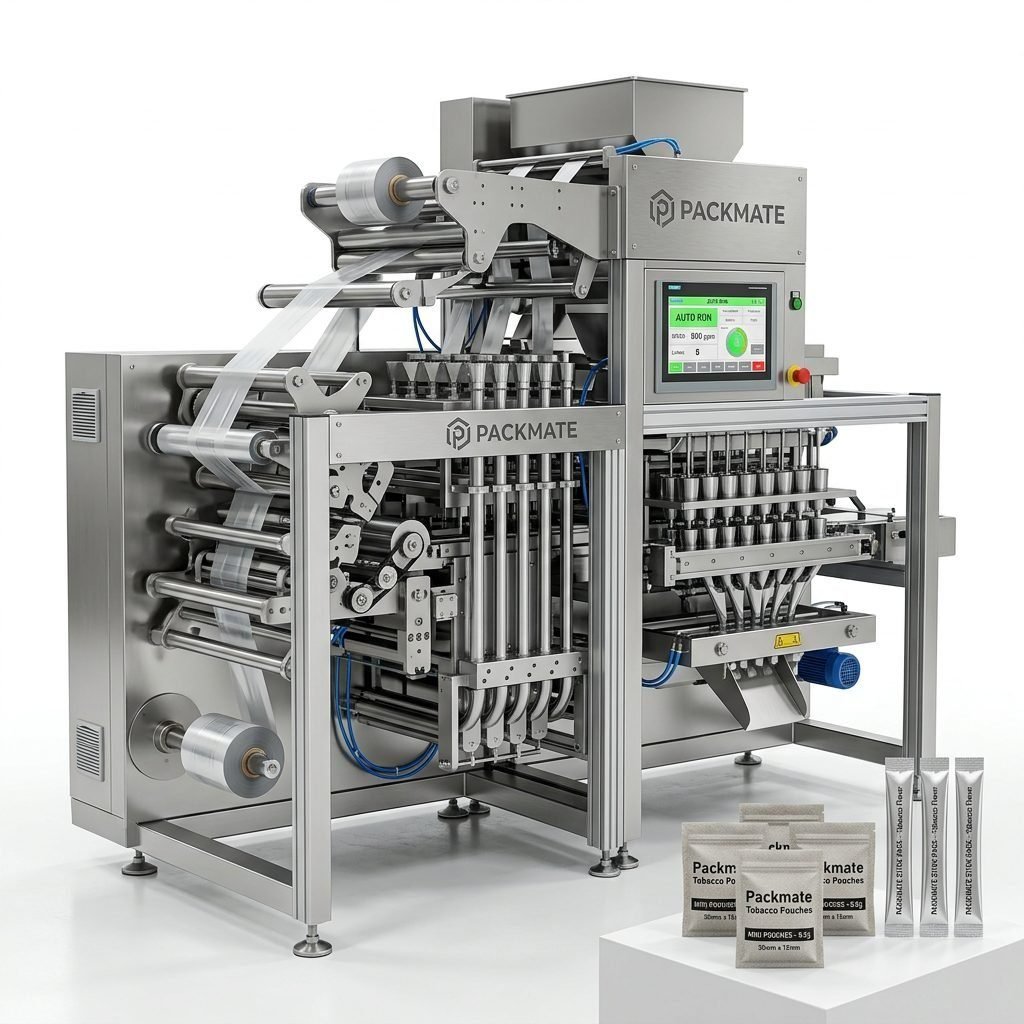
Before evaluating manufacturers, clearly document your production targets: daily output, pouch formats (stick pack, sachet, multi-lane pouches), product types (moist snus, nicotine pouches, powders, liquids), and required fill accuracy. These parameters determine the type of equipment you need — from single-lane stick pack machines to multi-lane snus pouch packaging systems. If you plan to expand capacity soon, prioritize modular and scalable systems.
Key production variables to define
Consider: target output (units/hour), pouch dimensions, materials (ply film, foil), dosing accuracy, multi-lane requirements, inline weighing or dosing integration, and end-of-line needs like cartoning and case packing. Having a well-defined requirement list speeds up vendor assessment and ensures accurate proposals.
📊 Evaluate Machine Performance & Reliability
Performance metrics go beyond maximum speed. Look for sustained throughput at target specifications, changeover time between formats, maintenance intervals, and mean time between failures (MTBF). Ask for references and real-world production data — good manufacturers supply case studies or performance logs from similar installations.
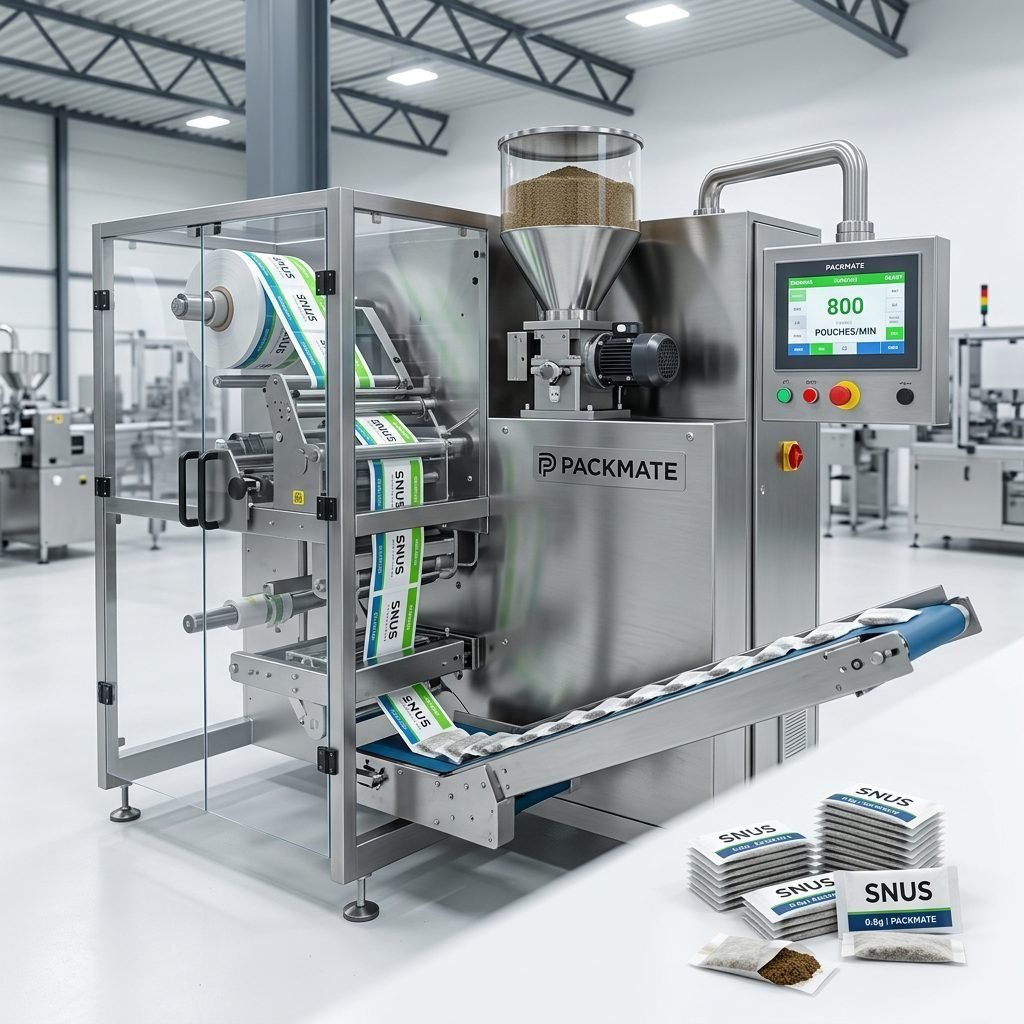
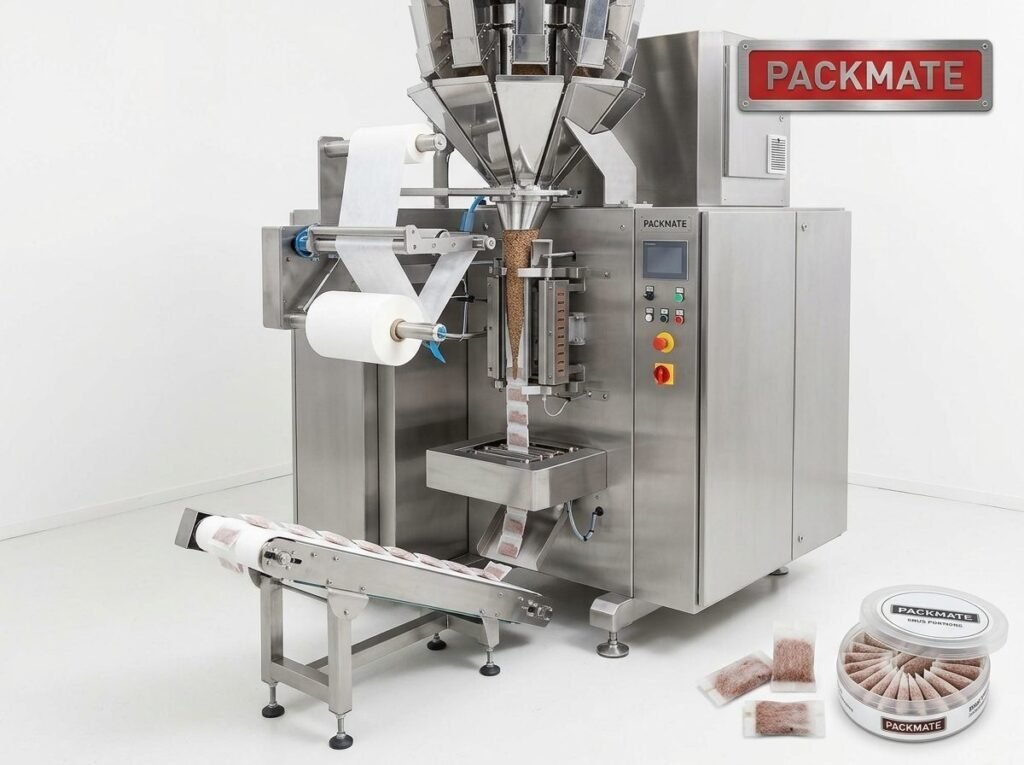
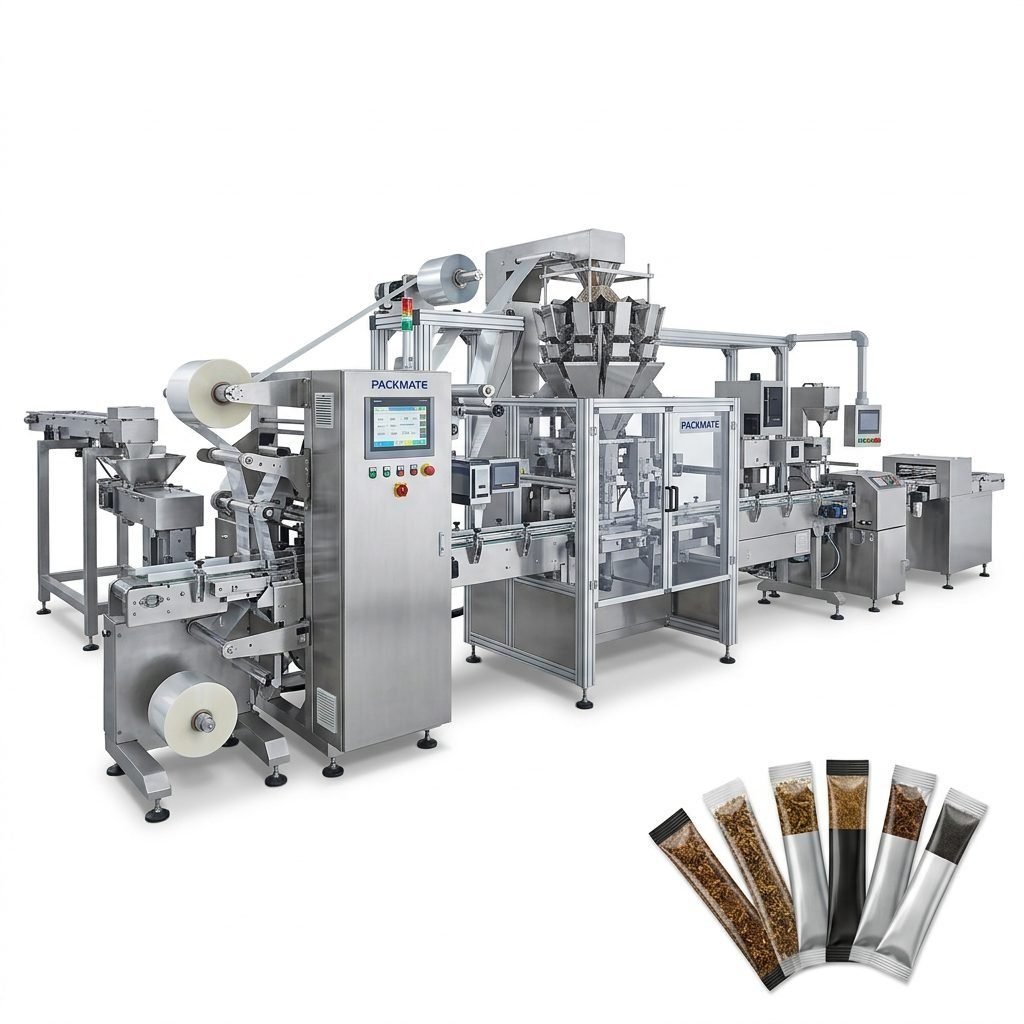
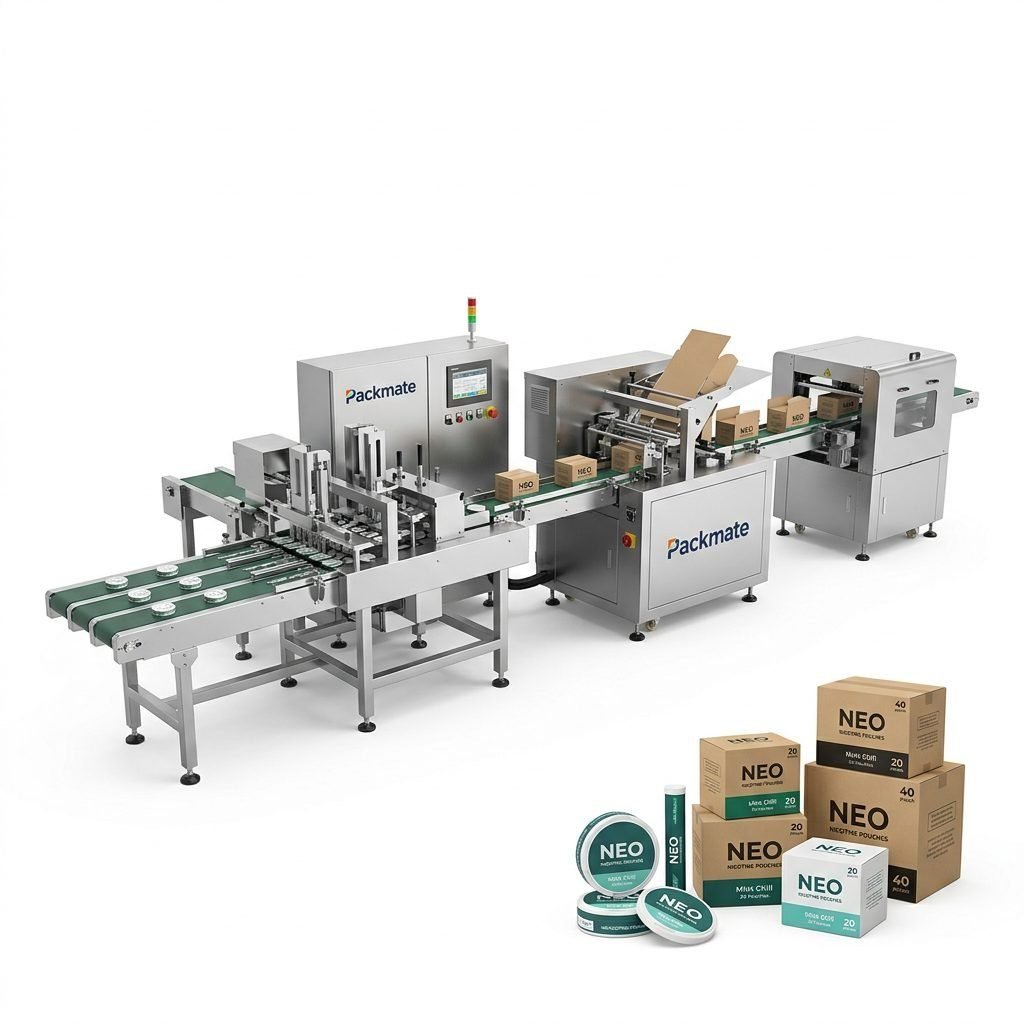
Manufacturers with a strong track record in snus and nicotine pouch equipment will have tailored solutions. For product pages and machine types, check resources such as Snus & Nicotine Packaging Machines and Sachet & Stick Pack Machines.
What to test during inspection
Request on-site demonstrations or video of the exact model running your product type. Evaluate sealing quality, pouch consistency, labeling accuracy, and integration with upstream dosers and downstream packing lines. A reliable manufacturer supports FAT (Factory Acceptance Test) and SAT (Site Acceptance Test) with clear acceptance criteria.
🏭 Factory Strength, Certifications & After-sales Support
A strong manufacturing base indicates stability and capacity to deliver on custom requirements. Look for indicators such as years of manufacturing experience, facility size, machining capabilities, and quality control systems. Packmate Snus Machine, for example, operates a 20,000㎡ facility with advanced CNC and assembly systems and over 30 years of engineering experience, which suggests robust manufacturing capabilities.
Verify international certifications like CE and ISO, which demonstrate compliance with safety and quality standards. Manufacturer pages such as Certificate and company background pages like About Packmate help confirm credentials.
🛠️ Customization, Integration & Turnkey Solutions
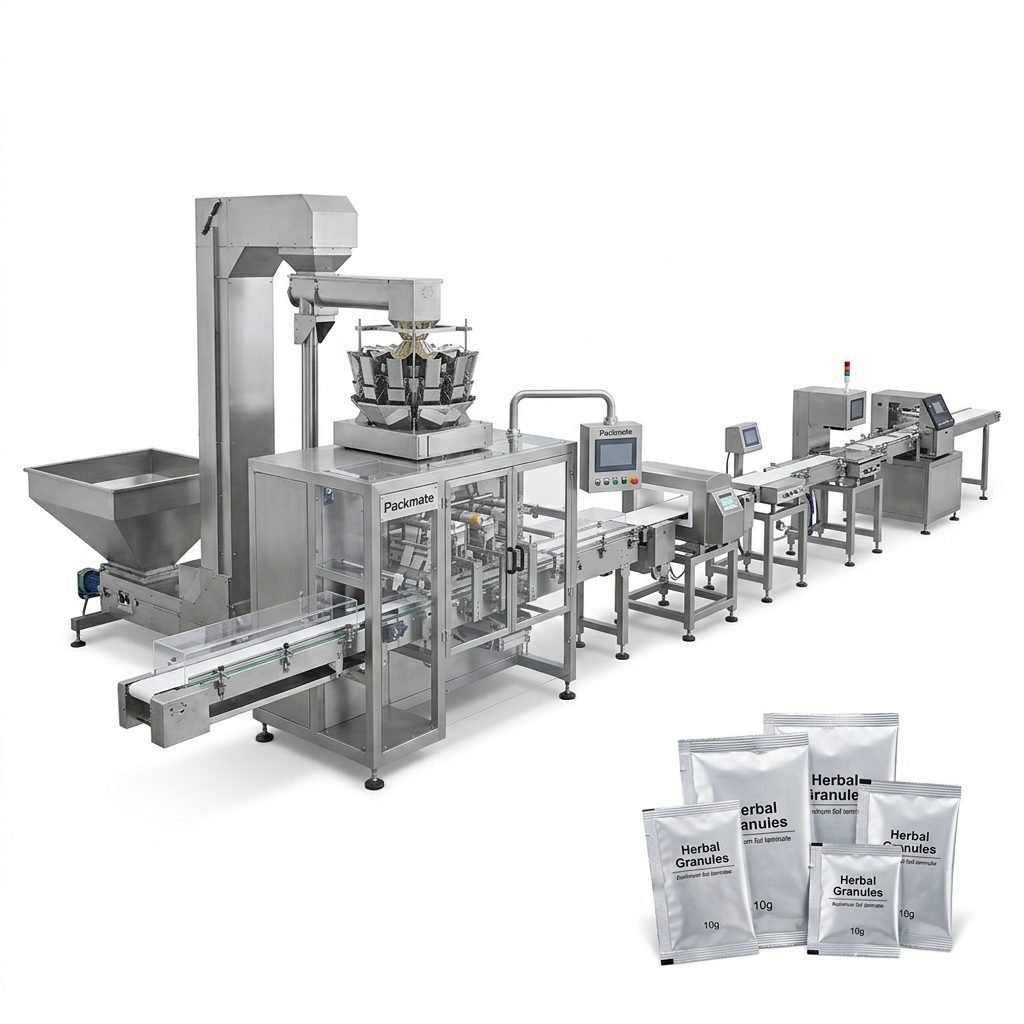
Your snus production line may require custom features: multi-lane synchronization, ATEX zones, special dosing for micro-doses, or custom labeling. Choose manufacturers who offer turnkey solutions — from dosing and filling to weighing and full packaging lines. For integrated systems review, see pages like Weighing & Packaging Systems and Filling & Packaging Lines.
Ask about PLC and HMI standards, communication protocols (OPC-UA, Modbus), recipe management, and data logging. These features make process control, traceability, and quality assurance much easier — essential for regulated markets.
💸 Total Cost of Ownership & ROI
Upfront price is only part of the story. Evaluate energy consumption, spare parts cost, consumables (nozzles, sealing tools), expected lifetime, and maintenance complexity. Request a simple ROI model from suppliers: initial investment, annual operating costs, expected uptime, and payback period. A higher-quality machine may reduce waste and downtime, yielding a faster ROI despite higher purchase cost.
🌍 Selecting a Manufacturer for the Russian Market
When operating in Russia, prioritize suppliers who can provide local or regional support, documentation in Russian, and assistance with customs and import compliance. Confirm lead times and spare parts availability, and ask whether the manufacturer has experience exporting to Russian clients. Case studies demonstrating deployments in similar climates or markets are valuable — review Case examples for real installations.
Local support considerations
Does the manufacturer have local partners, service engineers, or spare parts depots? If not, can they provide quick shipment of critical components? Consider the logistics of retrofitting, upgrades, and emergency repairs — lead times for parts from overseas can increase downtime substantially.
📋 Factory Visits, FAT, and Documentation
Plan a factory visit when possible. During the visit, inspect quality control processes, machining centers, and the assembly line. Request FAT with your product running under agreed conditions. Ensure the supplier provides comprehensive documentation: electrical schematics, parts lists, operation manuals, and maintenance schedules. Good documentation accelerates commissioning and reduces dependency on vendor visits.
⚠️ Common Mistakes to Avoid
– Choosing based on price alone without verifying real-world performance.
– Neglecting spare parts availability and local service capabilities.
– Failing to test machines with your actual product during FAT.
– Overlooking integration with upstream/downstream equipment.
✅ Decision Checklist — Final Steps
1) Confirm that the machine meets your output and quality criteria at target speed.
2) Verify manufacturer credentials, factory capability, and certifications.
3) Secure clear FAT/SAT agreements and demo commitments.
4) Ensure after-sales support in Russia or a reliable parts shipment plan.
5) Agree on spare parts kits, training, and warranty.
Where to find more detailed offerings
Explore full product lines and auxiliary equipment for a complete packaging solution: Bag & Pouch Packaging Machines, Auxiliary Packaging Equipment. For service and contact info refer to Service and Contact Us.
Final Recommendations
Select a manufacturer that combines proven snus-specific experience, robust factory capability, international certifications, and reliable after-sales service in your region. Prioritize demonstration of the exact machine with your product, transparent documentation, and a clear plan for parts and service. These steps minimize risk and ensure consistent, high-quality production for your snus and nicotine pouch products.
Frequently Asked Questions
Q1: How long does it take to receive and commission a snus packaging line?
A1: Typical lead times vary by model and customization. Standard machines can ship in weeks, while turnkey multi-lane lines often require months for manufacture, FAT, shipping, and on-site commissioning. Discuss timelines with the vendor early and include FAT milestones.
Q2: What warranty and spare parts support should I expect?
A2: Expect at least a 12-month warranty on new machines and availability of critical spare parts. Negotiate spare parts kits and options for extended warranties or service contracts to reduce downtime risk.
Q3: Can machines be adapted for multiple pouch formats and future products?
A3: Many manufacturers design modular machines that support format change kits and multi-lane conversions. Ensure format changeover times and tooling costs are documented before purchase.
Q4: Are certifications like CE and ISO necessary for Russian operations?
A4: Certifications such as CE and ISO demonstrate adherence to international standards and often simplify regulatory acceptance. Confirm local regulatory requirements for snus or nicotine products in Russia and ensure documentation supports compliance.
Q5: How can I validate a manufacturer’s performance claims?
A5: Request references, FAT videos or site visits, performance logs, and case studies. Check installations similar to your product profile and ask for direct contact with existing customers if possible.