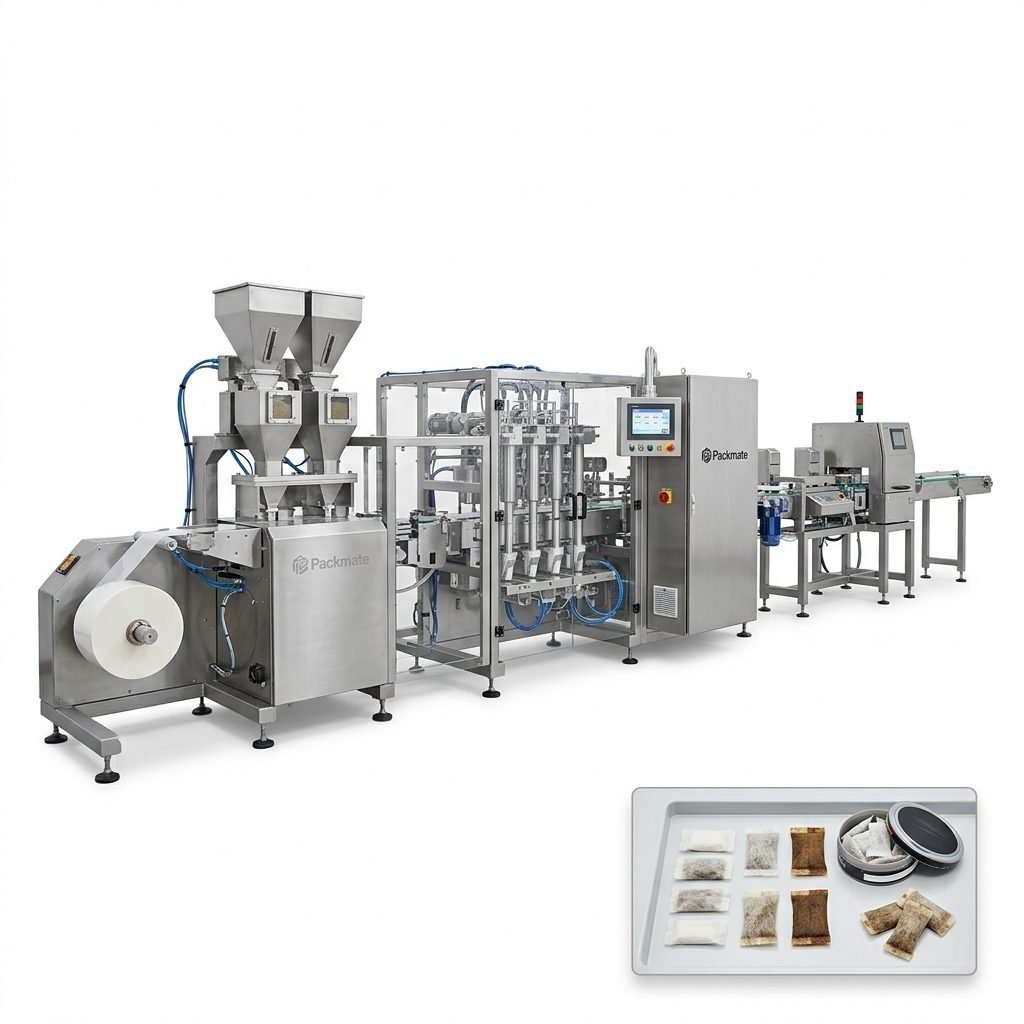
Choosing the right snus packaging machinery manufacturer is one of the most important decisions for producers entering or expanding in Venezuela’s growing nicotine pouch and snus market. This guide walks you through the practical, technical, and commercial factors to evaluate so your investment delivers stable output, regulatory compliance, and long-term value for your production needs.
Understanding the Venezuelan Market & Your Production Needs
Before selecting a manufacturer, clearly define your production targets: target daily output, pouch formats (stick pack, sachet, multi-lane small-dose pouches), product types (powder, granule, liquid, or nicotine pouch), and packaging materials. Venezuela’s market requires flexibility to adapt to supply chain variability and regulatory shifts. A manufacturer that understands snus and nicotine pouch specifics can help you avoid costly redesigns.
Key production questions to answer
- What is your target daily and monthly throughput?
- Which pouch styles and lane counts will you run most frequently?
- Do you intend to scale volume quickly or maintain a steady output?
- Will you need integrated weighing, counting, or secondary packaging?
Tip: For many Venezuelan operations, selecting modular, multi-lane systems provides the best blend of flexibility and cost-efficiency — you can ramp lanes up or down as demand changes without buying entirely new equipment.
1. Manufacturer Experience & Track Record
Look for a manufacturer with deep experience in snus and nicotine pouch machinery. Companies with 20–30+ years of packaging machine R&D and proven multi-lane engineering are more likely to provide machines that run reliably with minimal downtime. Check customer references, case studies, and exhibition presence — these are strong indicators of real-world performance. Packmate Snus Machine, for example, has decades of engineering history and global case references.
2. Machine Portfolio & Technology Fit
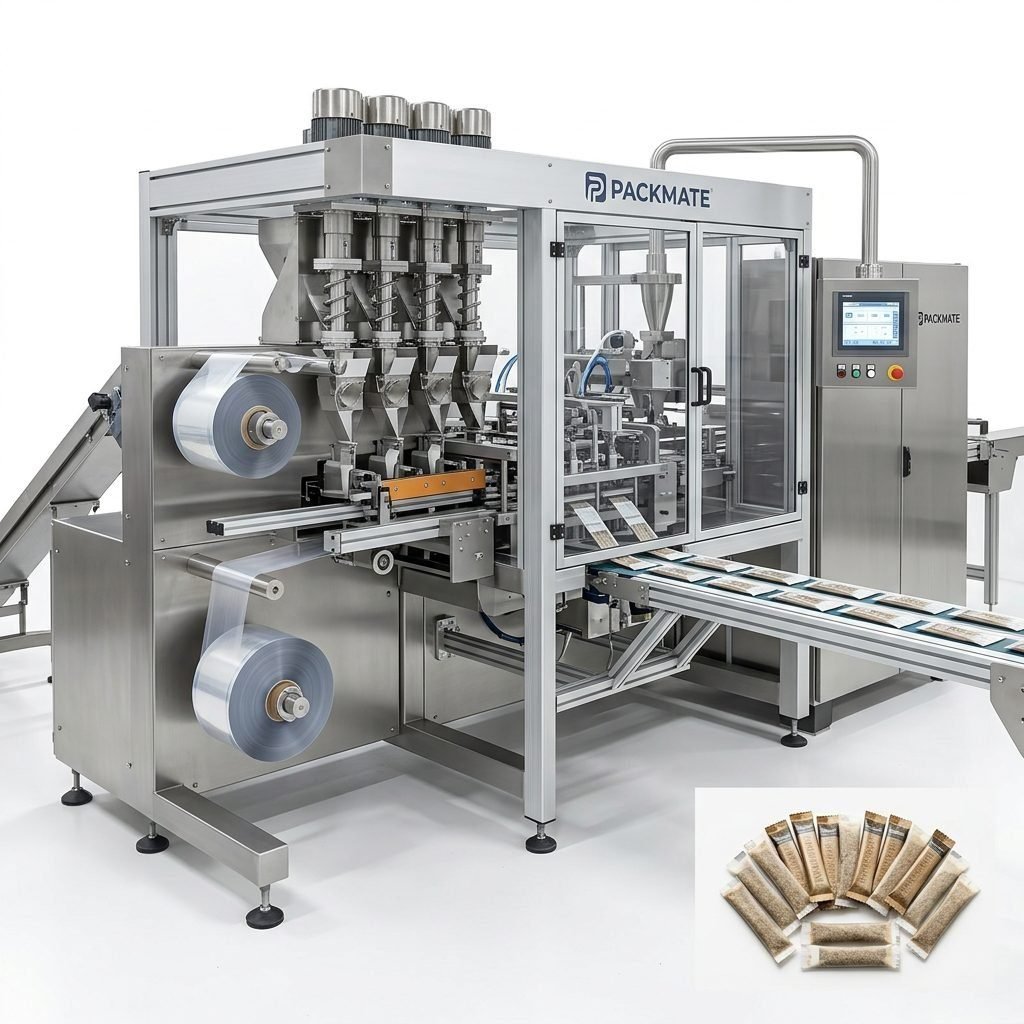
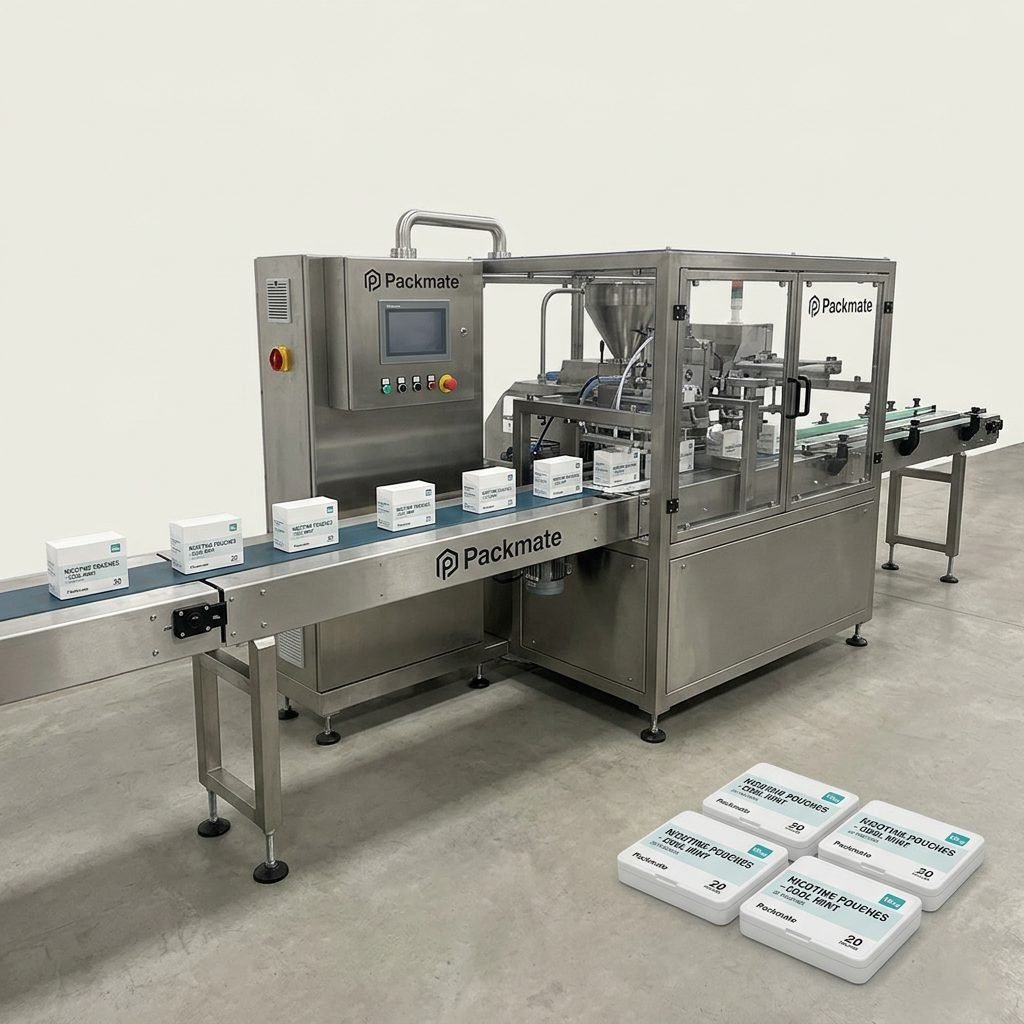
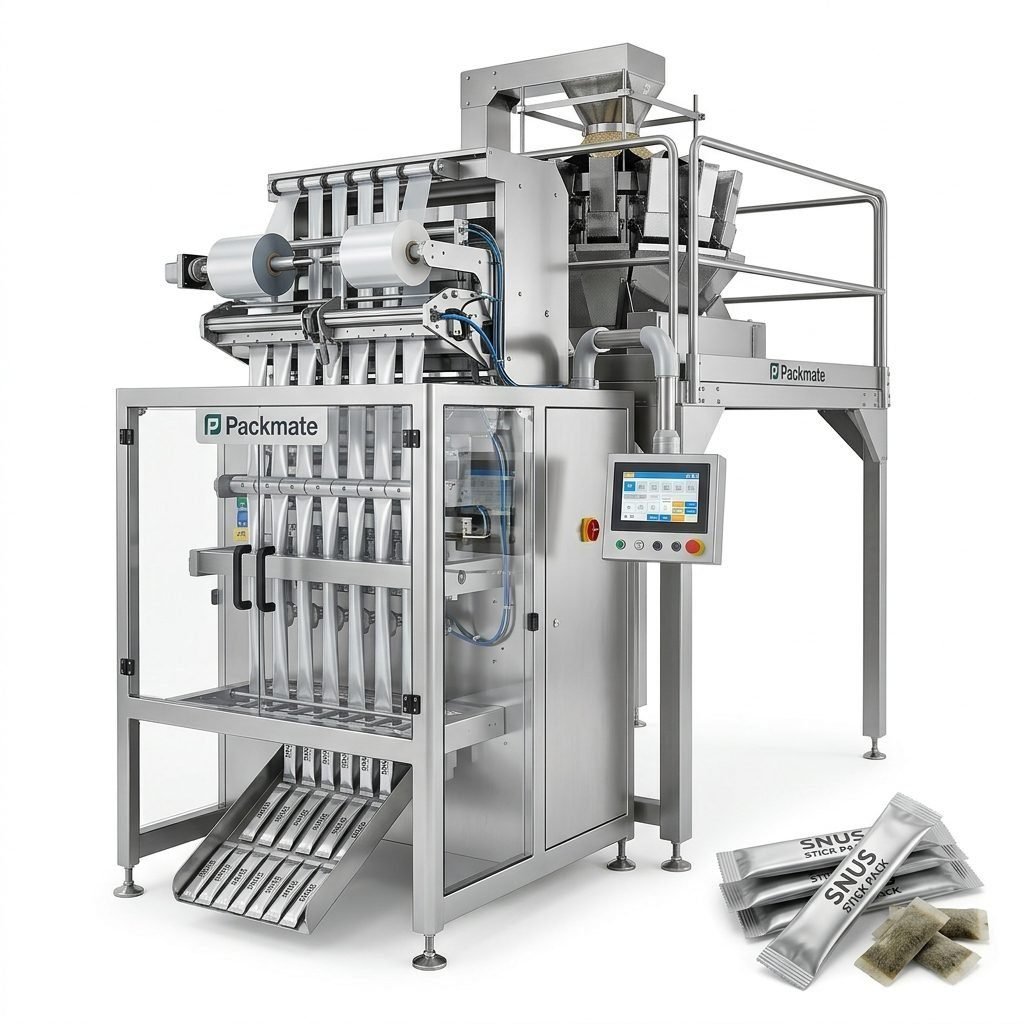
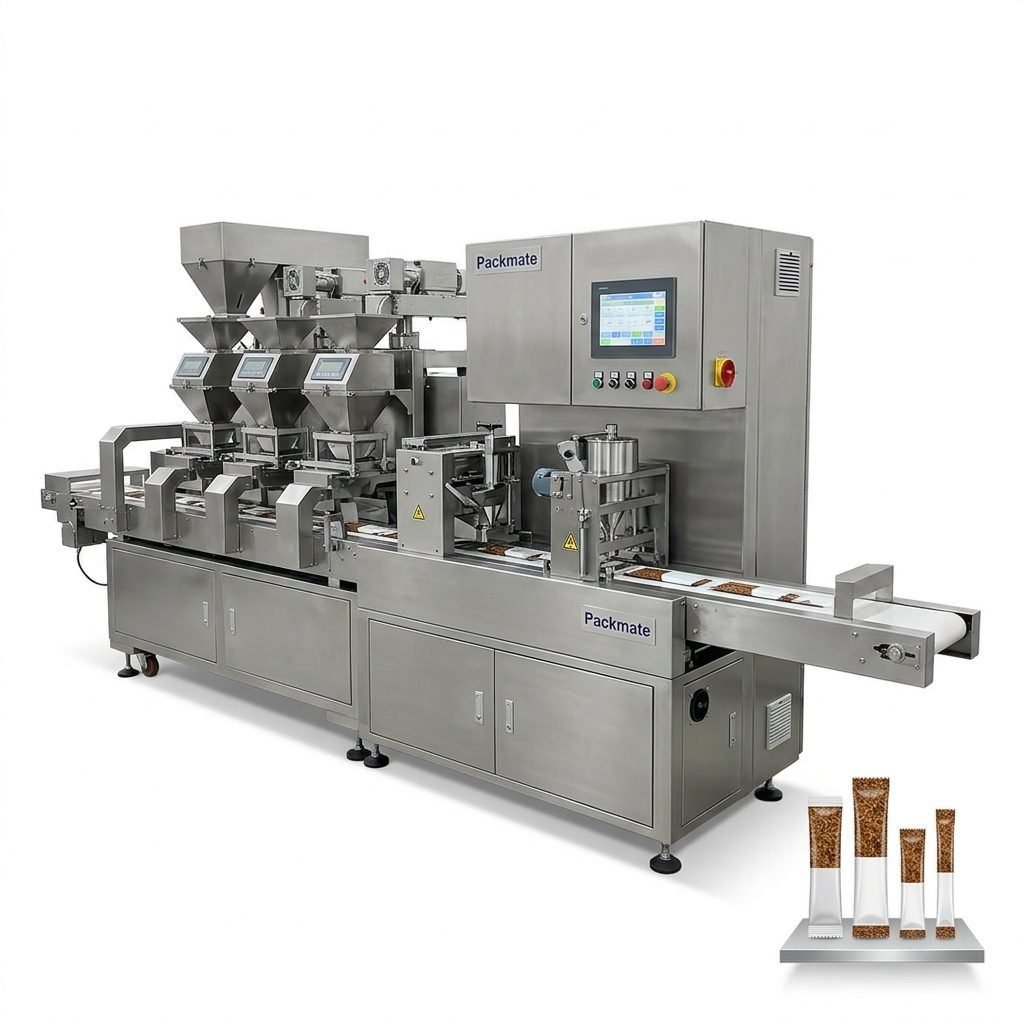
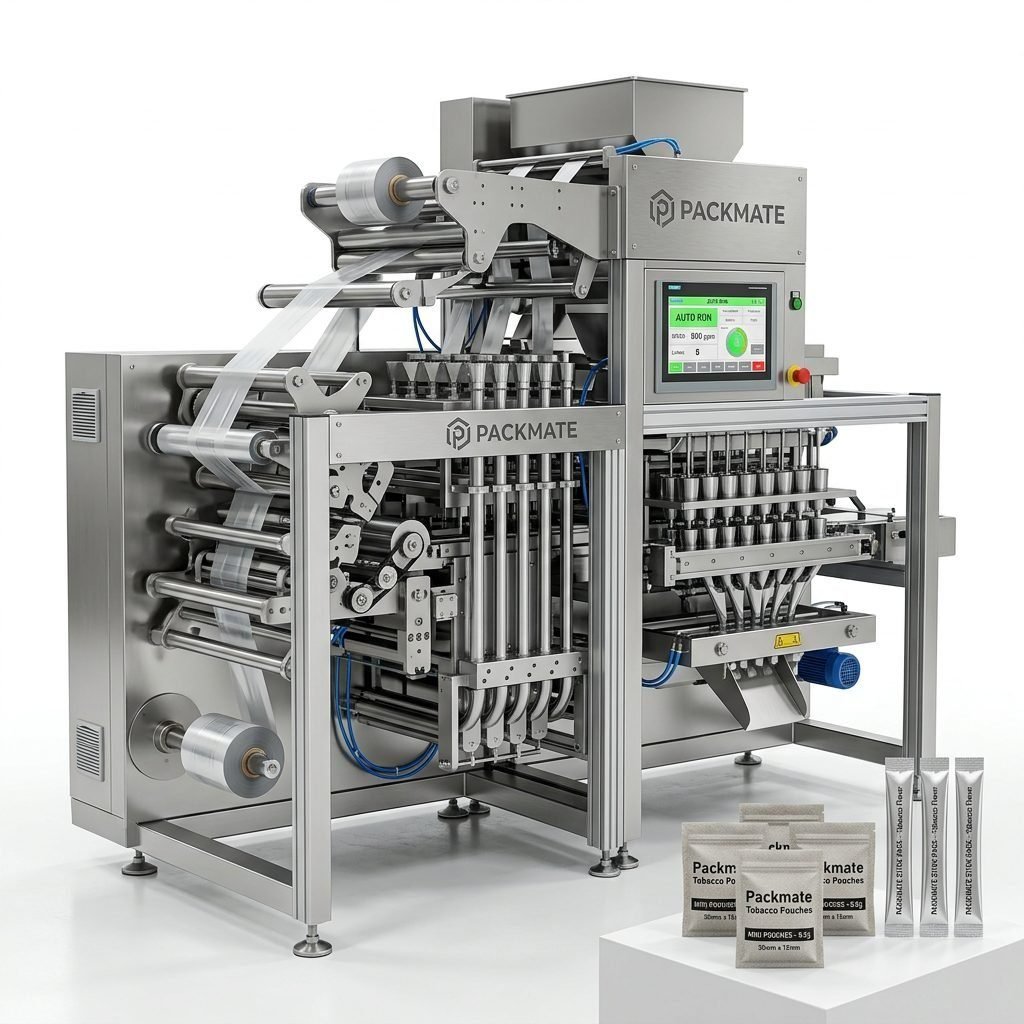
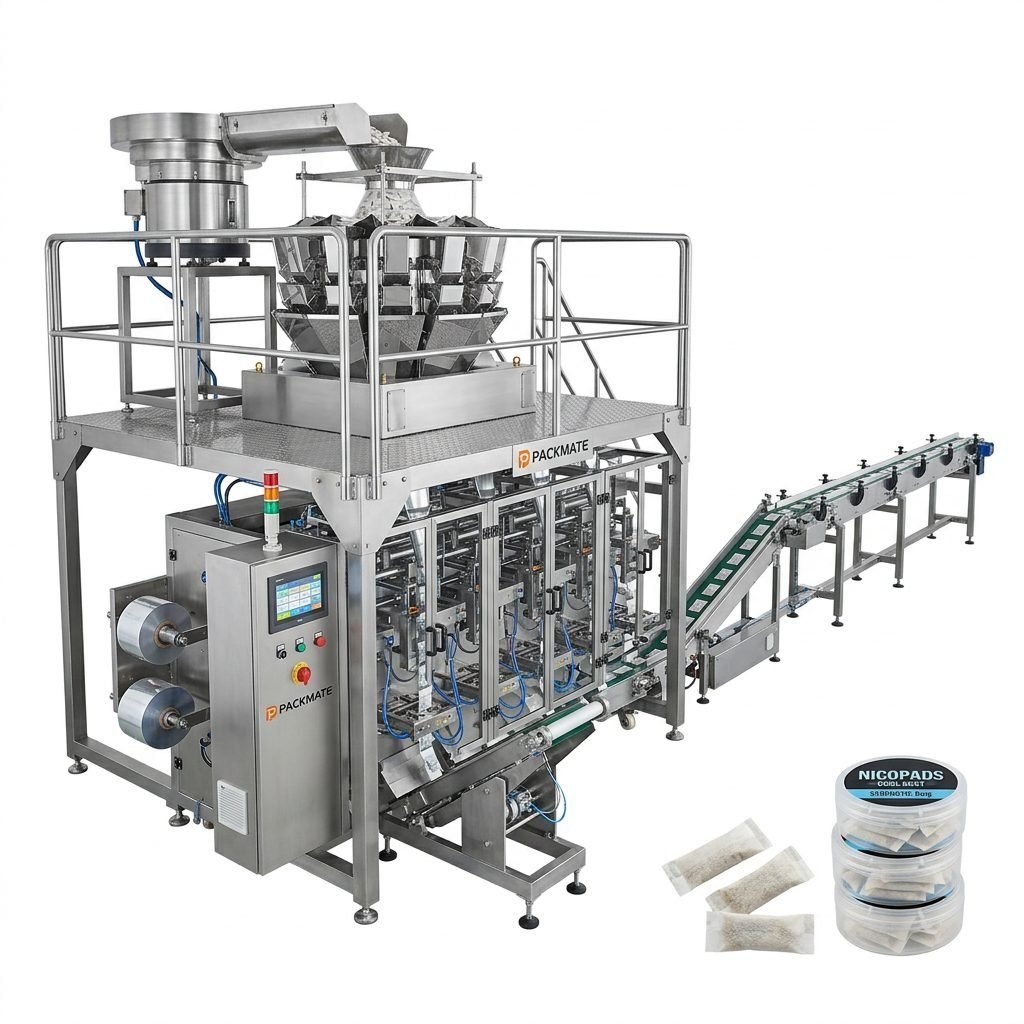
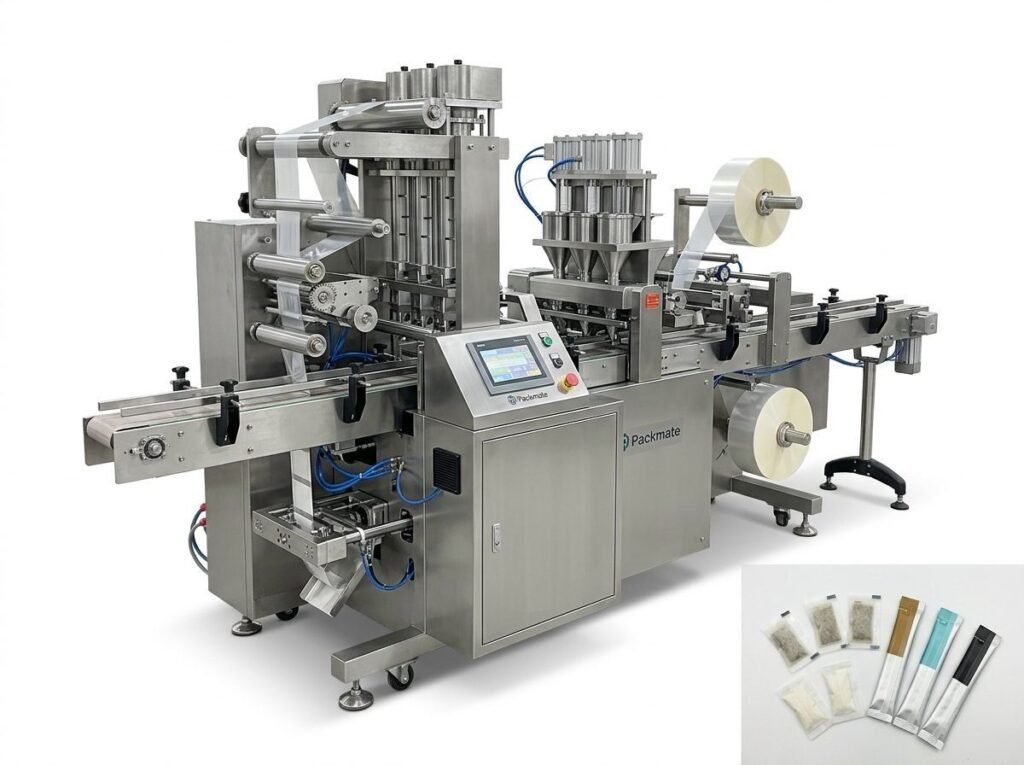
Your chosen supplier should offer a diverse portfolio: stick packs, sachets, multi-lane snus pouch lines, and auxiliary equipment (weighers, fillers,/cartoners). Avoid suppliers that only sell one machine type if your line requires combined solutions. Evaluate machine specs: lane count, sealing technology, dosing accuracy, servo controls, HMI capabilities, and clog-resistant filling systems for powders or nicotine blends.
Useful links for machine categories:
Snus & Nicotine Packaging Machines,
Sachet & Stick Pack Machines, and
Weighing & Packaging Systems.
3. Customization & Turnkey Solutions
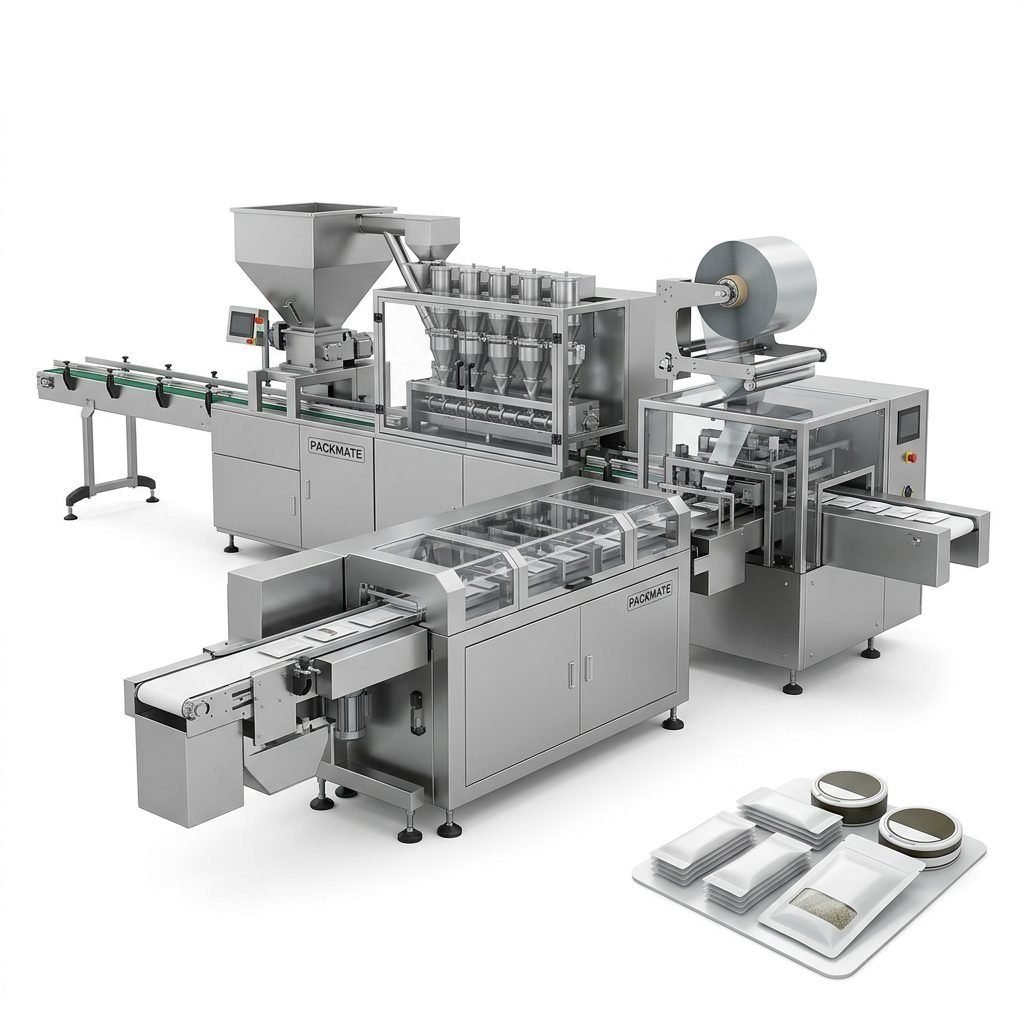
For niche snus formats or special dosing requirements, customization is essential. Manufacturers that offer turnkey lines (including filling, weighing, multi-lane forming, sealing, and secondary packaging) reduce integration risk. Ask if they provide engineering drawings, layout planning, and onsite commissioning support. Look for modular designs so upgrades are manageable later.
What to confirm about customization
- Can the machine be adapted to different pouch sizes without major tooling changes?
- Are spare parts standardized across model families?
- Is PLC/HMI language and control tailored for your operators?
4. Quality Standards, Certifications & Testing
Ensure the manufacturer adheres to international quality standards such as CE and ISO. Machines should be tested under load and you should receive FAT (Factory Acceptance Test) reports, machine performance curves, and calibration certificates for weighing systems. A robust quality control process reduces the likelihood of warranty issues and production interruptions.
Inspection checklist: Request FAT videos, spare parts list, electrical schematics, and a sample production run for your specific product before shipment.
5. Manufacturing Capacity & Lead Times
Lead time can make or break your market entry. Verify the manufacturer’s factory size, machining capabilities, and assembly throughput. A 20,000㎡ facility with advanced CNC centers typically handles complex multi-lane assemblies and can meet tight schedules more reliably than smaller shops. Confirm realistic lead times for standard models and customized turnkey lines, and build contingency time into your launch plan.
6. After-Sales Service & Spare Parts Support
After-sales support is critical in Venezuela where local technical resources may be limited. Verify:
- Availability of spare parts and typical lead times.
- Remote diagnostics, training packages, and onsite commissioning options.
- Service contracts and warranty scope.
Manufacturers who provide documented maintenance plans and local spare parts kits save you costly downtime. Also check if the supplier lists international partners or technicians who can travel to Venezuela for major repairs.
7. Total Cost of Ownership (TCO) vs. Purchase Price
Don’t let low initial price drive the decision. Evaluate TCO including energy consumption, consumables, spare parts prices, required operator skill level, and expected machine lifetime. Multi-lane, high-efficiency machines may cost more upfront but offer lower per-unit costs and less labor over time. Prioritize predictable running costs and documented Mean Time Between Failures (MTBF).
8. Regulatory Compliance & Traceability
Nicotine products are highly regulated. Your packaging line must accommodate product traceability, batch coding, and tamper-evident features. Ask if the machine supports inkjet/laser coders, serialization modules, and integration with your MES for tracking. Compliance-ready machines reduce legal and recall risks.
9. Technology, Automation & Integration
Modern snus packaging lines incorporate servo motors, PLCs, and HMI controls offering recipe storage, remote monitoring, and statistical output reports. Confirm communication protocols (Ethernet/IP, Modbus) for integration with weighing systems or upstream fillers. Automation reduces variability and improves product consistency — a major advantage when scaling production.
10. Factory Visits, FAT & Acceptance Tests
Arrange a factory visit or a virtual FAT. A thorough FAT should include: live production of your product, verification of lane speeds and sealing integrity, weighing accuracy tests, and demonstration of changeover procedures. Insist on documented performance metrics before shipment.
Must-see during a factory visit: machining centers, assembly lines, testing areas, spare parts warehouse, and evidence of international shipments or exhibitions (shows the company’s export experience).
11. References, Case Studies & Exhibition Presence
Ask for client case studies similar to your product and visit the manufacturer’s exhibition record. Suppliers who regularly demonstrate lines at global trade shows and offer documented cases across continents show maturity in export logistics and support. Review published case examples for performance expectations: Case.
12. Practical Buyer Checklist
Use this condensed checklist when evaluating suppliers:
- Proven snus/nicotine machine models and global references.
- FAT videos and written performance guarantees.
- Clear lead times and spare parts availability.
- Turnkey options including weighing/filling and outer packaging.
- Service contracts, training, and commissioning support.
- Compliance with CE/ISO and traceability features.
13. Negotiation & Purchase Tips
When you’re ready to negotiate, secure clear written agreements about delivery scope, training, warranty, spare parts kits, and performance acceptance criteria. Negotiate payment terms tied to milestones: deposit, FAT approval, and final acceptance. Request a list of recommended consumables and first-year spare parts to avoid delays once the line is operational.
14. Installation, Training & Local Capacity Building
Good manufacturers provide onsite commissioning, operator training, and maintenance coaching. Plan for at least two weeks of combined commissioning and training for complex multi-lane lines. Ask for bilingual manuals if language barriers exist, and request remote support channels for rapid troubleshooting.
15. Long-Term Partnership Indicators
A vendor is more than a supplier — they should be a partner. Positive signals include open R&D communication, willingness to customize for your specific needs, demonstrated export experience, and a documented history of supporting clients post-sale. Check the manufacturer’s About page and certifications: About Packmate, Certificate.
Quick decision guide: Prioritize reliability and support over the absolute lowest price. A slightly higher-capacity or better-supported line will often pay back within months through reduced downtime and higher yield.
Conclusion
Selecting the best snus packaging machinery manufacturer for Venezuela requires careful assessment across technical capabilities, quality assurance, lead times, and after-sales support. Focus on suppliers with proven multi-lane snus solutions, strong factory capacity, and documented global service networks. By prioritizing TCO, regulatory readiness, and hands-on acceptance testing, you ensure your production line becomes a stable, scalable asset for your business.
Frequently Asked Questions
Q1: How long is the typical lead time for a multi-lane snus packaging line?
Lead times vary by customization and seasonal factory loads. Standard models might ship in 8–12 weeks, while turnkey multi-lane customized lines may require 12–20 weeks. Confirm timelines in writing and include FAT milestones to avoid surprises.
Q2: What ongoing costs should I expect after installation?
Expect costs for consumables (sealing films, inks), replacement wear parts, electricity, periodic calibration of weighing systems, and occasional technician visits. Budget for an initial spare parts kit (recommended by the manufacturer) to minimize downtime in the first year.
Q3: Can manufacturers support regulatory traceability and batch coding?
Yes. Reputable suppliers integrate coders and serialization modules, and can connect packaging lines to MES systems for full traceability. Discuss your compliance requirements early so the system is designed to capture required data points.
Q4: Is remote commissioning possible if travel to the factory is restricted?
Many manufacturers offer virtual FATs, video-based testing, and remote commissioning support. However, onsite commissioning and operator training are recommended for complex installations to ensure smooth startup.
Q5: Where can I see machine models and request a quote?
Explore machine models and request technical catalogs or quotes via the manufacturer’s product pages and contact portal: Snus & Nicotine Packaging Machines, Catalog, and Contact Us.