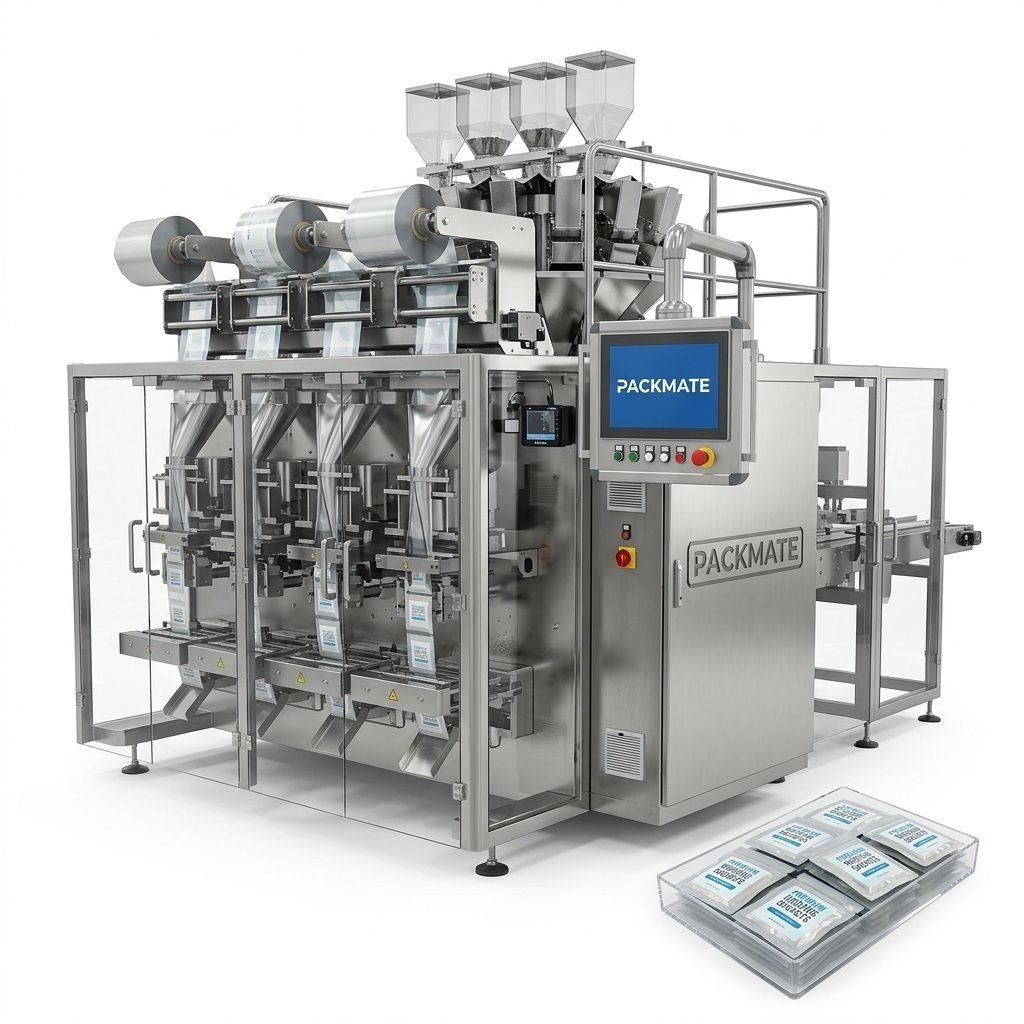
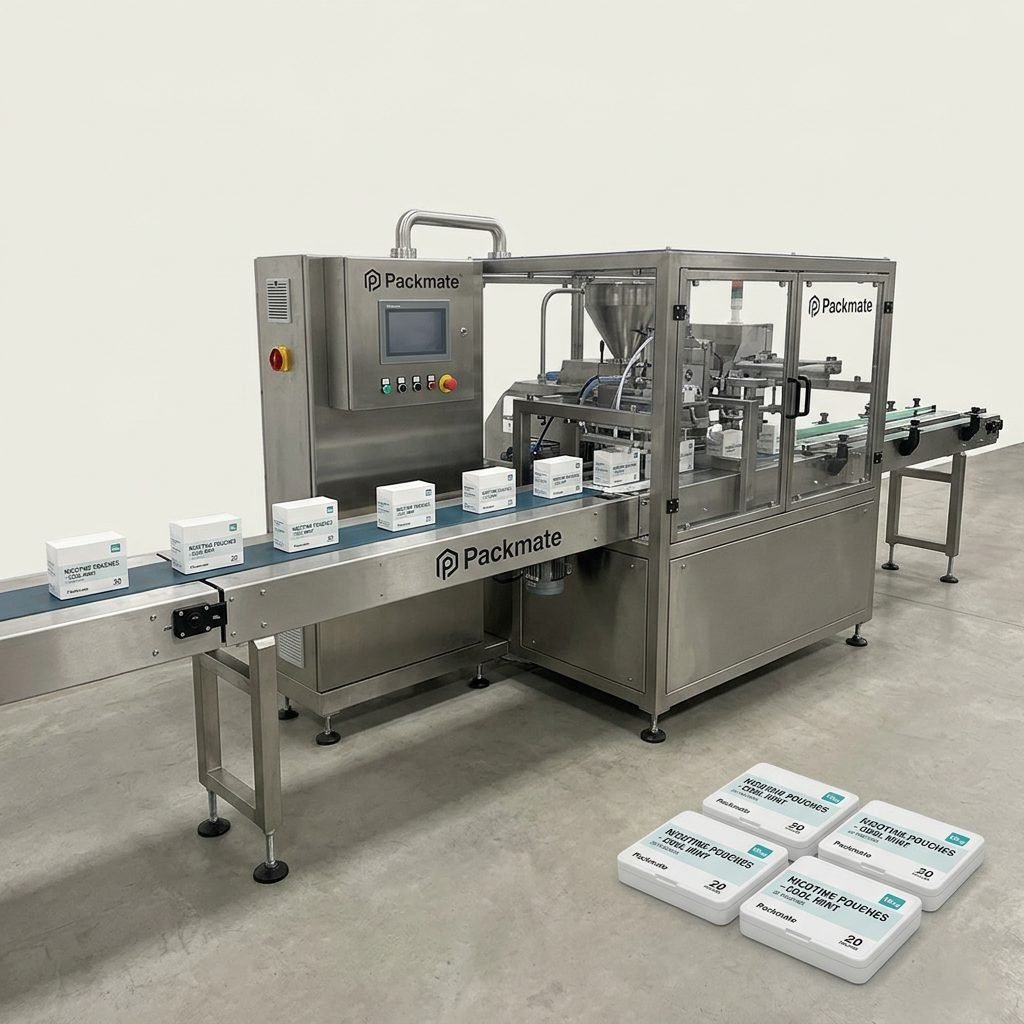
Choosing the right snus packaging machinery manufacturer for a United States factory involves more than comparing price lists. You need a partner that understands US market regulations, local consumer habits, production scalability, and after-sales support. This guide walks you through the practical steps, technical criteria, compliance concerns, and commercial factors to help you select the best manufacturer for nicotine pouch and snus packaging equipment.
Understand the US Market and Local Consumer Habits
The United States market has diverse consumer segments: adult tobacco users, consumers moving to tobacco-free nicotine pouches, and retailers who demand consistent packaging aesthetics and compliance labeling. In many regions, consumers expect discreet, easy-to-open pouches and clear portion dosing. Retail channels range from convenience stores to online direct-to-consumer sales—each channel has its own packaging and logistics expectations.
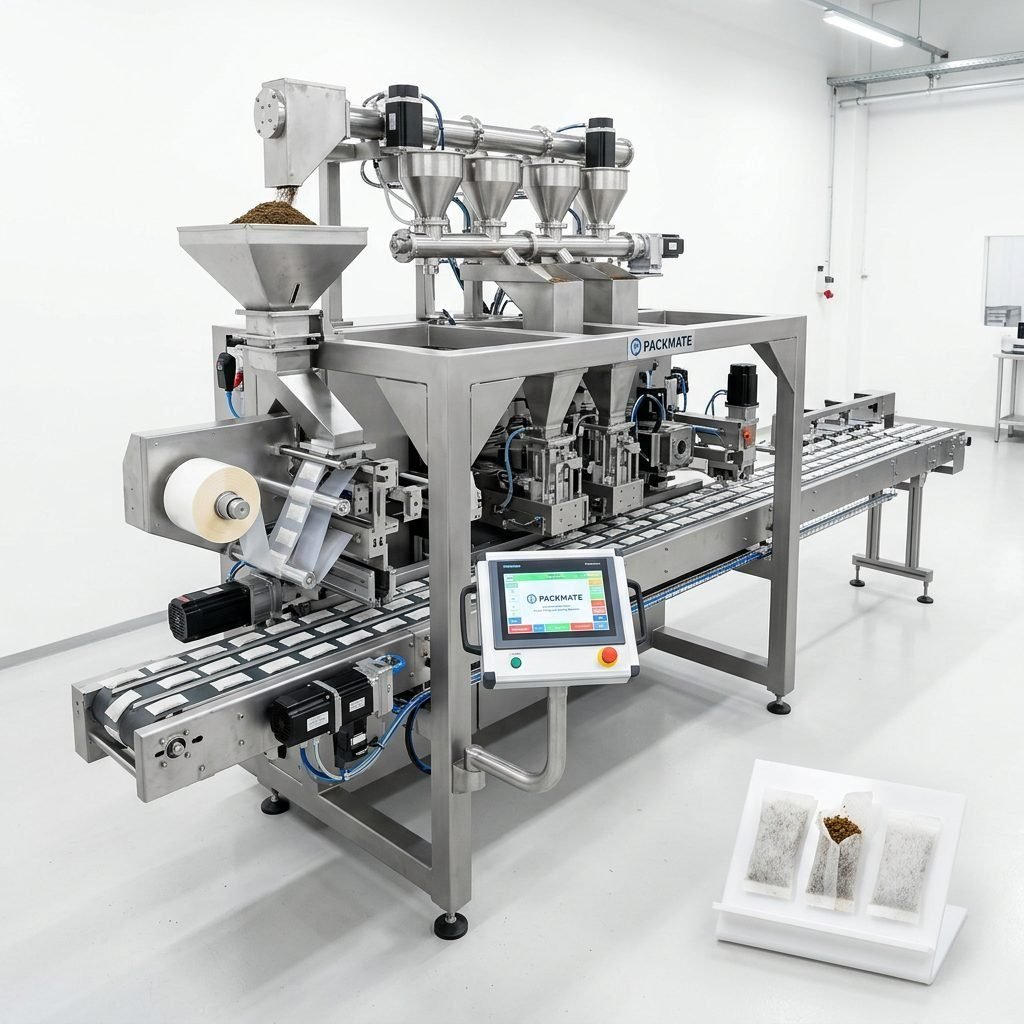
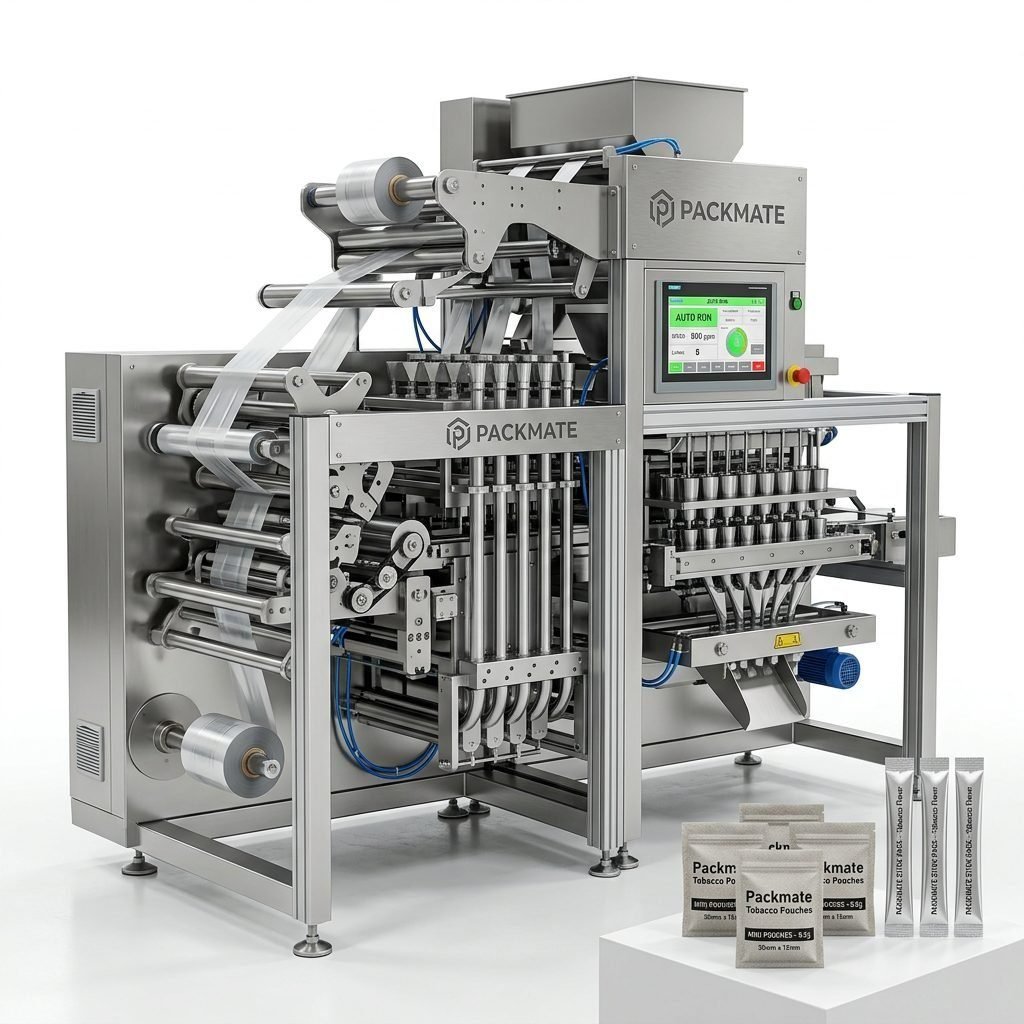
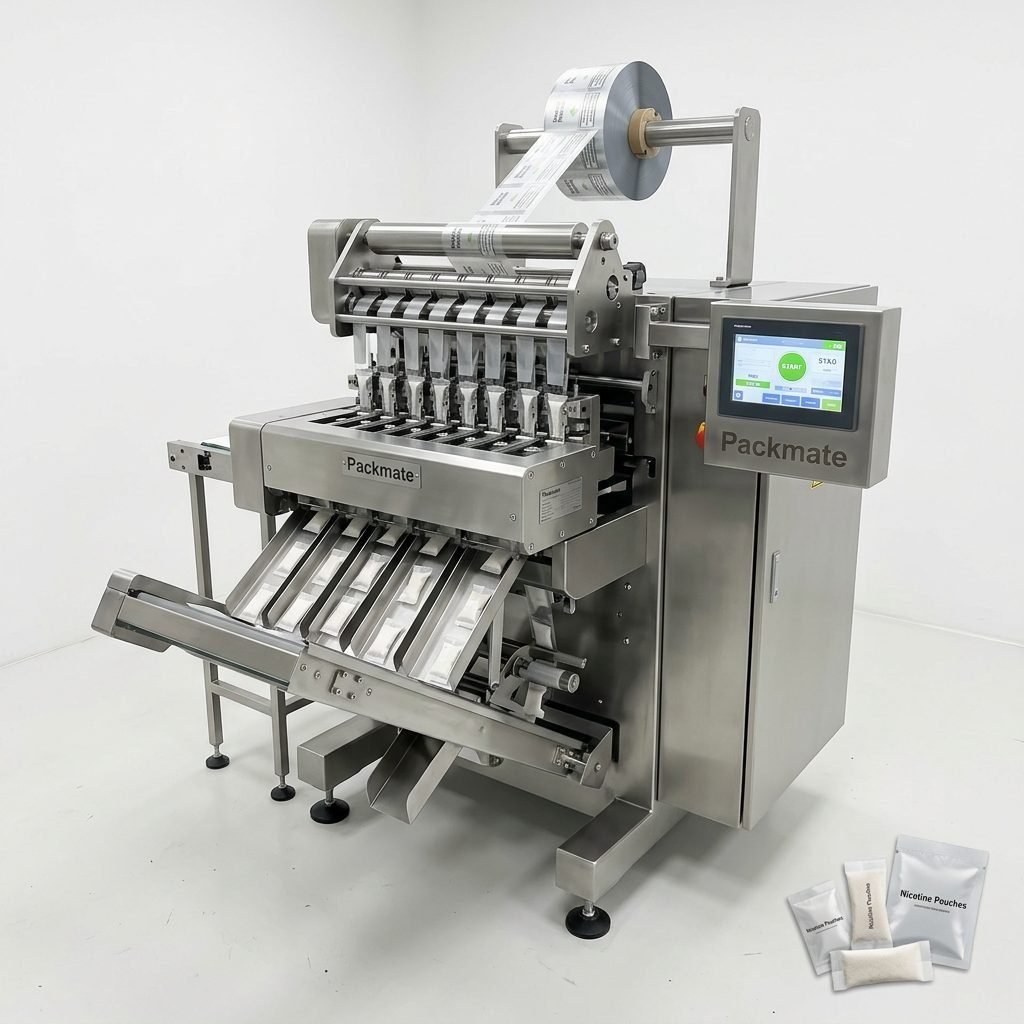
When evaluating manufacturers, consider whether their machines are optimized for multi-lane high-speed production for large retail distribution or flexible small-batch lines suited for artisan brands. The US market often rewards versatility: lines that can easily switch between sachets, stick packs, and multi-pouch trays will keep your factory competitive.
Regulatory and Compliance Considerations (US Focus)
In the United States, nicotine pouches and snus may fall under tobacco product regulations or be treated differently if tobacco-free. You must ensure packaging machinery supports printed labeling, child-resistant closures (if required), and tamper-evident features. Ask manufacturers about machine compatibility with automated label applicators, serialization options, and tamper-evident sealing methods.
Verify that electrical, safety, and CE/ISO certifications are available and that the supplier can provide documentation for import procedures and local installation. While CE is a European standard, many reputable manufacturers hold CE and ISO certifications that demonstrate consistent quality systems and international compliance practices.
Key compliance checklist
🔒 Safety & certification: CE, ISO quality management, machine safety guarding, emergency stops.
📦 Labeling & traceability: ability to add batch codes, barcodes, and serialized labels.
🧪 Material compatibility: compatibility with moisture-sensitive pouches, oxygen-barrier films, and nitrogen flushing if needed.
🛡️ Tamper resistance: support for sophisticated sealing, peelable lids, or child-resistant features.
Technical Capabilities to Prioritize
Technical performance will determine your cost per pouch and production reliability. Prioritize manufacturers who can demonstrate:
- High-precision dosing for consistent nicotine and filler weight per pouch.
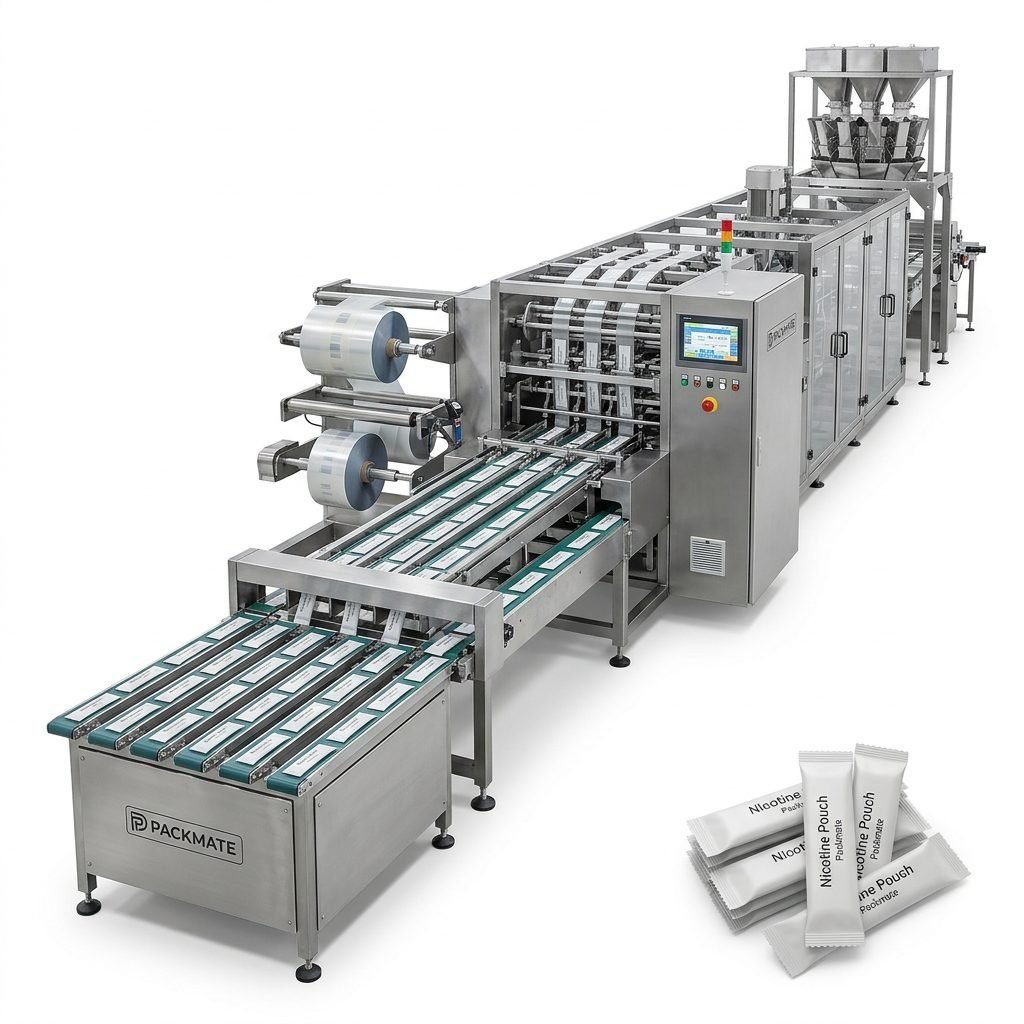
- Multi-lane capability for small-dose, high-volume production.
- Minimal downtime thanks to easy-change parts, quick tooling changeovers, and preventive maintenance support.
- Integration readiness for upstream weighers and downstream checkweighers, tray packers, and cartoners.
Ask for demonstrable metrics
Request actual machine performance data (OEE, production speed under real product conditions), case studies, and video demonstrations. A manufacturer that can provide on-site or virtual factory acceptance tests is preferred—test runs reduce commissioning time once the line arrives in the US.
Manufacturing Strength and Quality Control
Select a manufacturer with a strong factory footprint and modern machining capability. Look for vendors with advanced CNC machining centers, precision assembly lines, and rigorous QC procedures. These attributes reduce variability in spare parts and improve long-term machine reliability.
Factory size & workmanship: larger production facilities usually mean better spare part inventories and shorter lead times.
Spare parts strategy: ask about lead times for wearable parts and whether local stocking via distributors in the US is available.
Customization, Turnkey Solutions and Integration
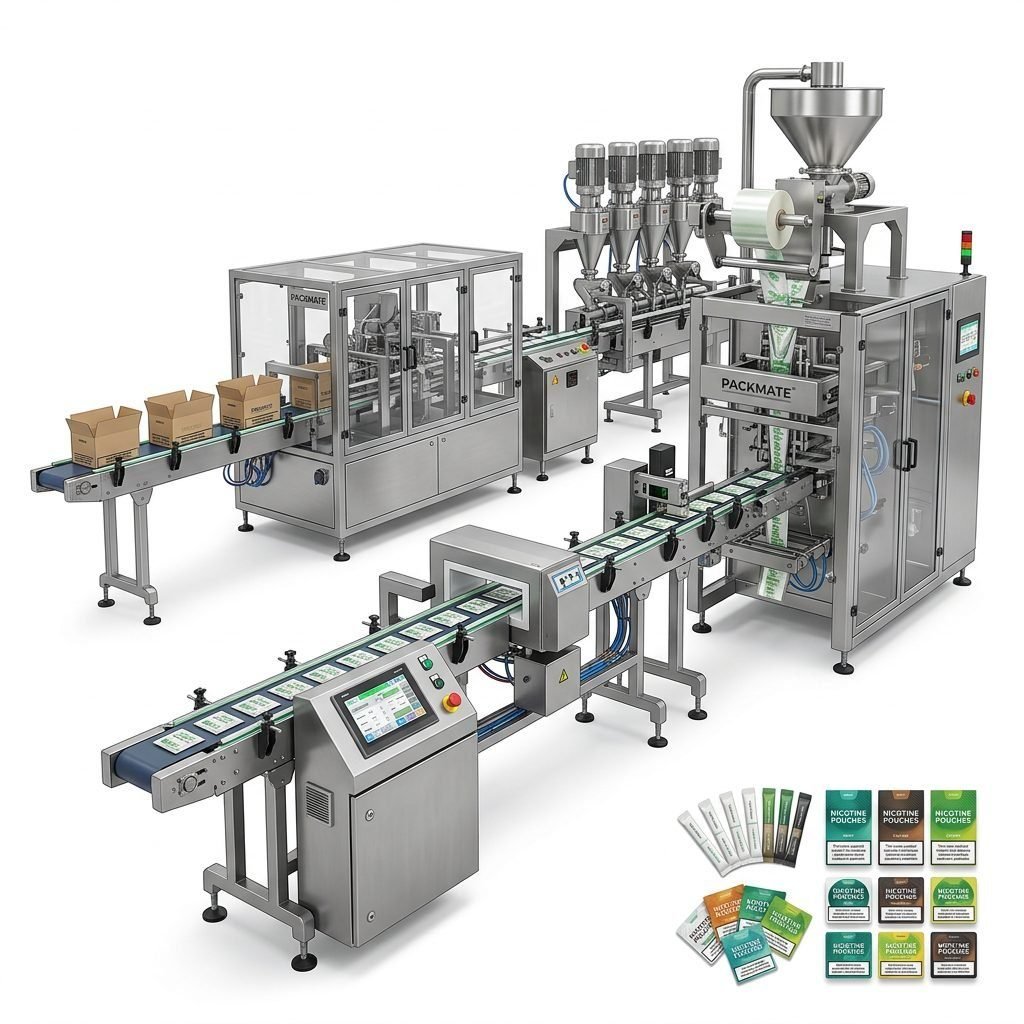
Many US manufacturers and brands prefer turnkey solutions that include dosing systems, pouch forming, sealing, counting, and end-of-line packaging. Determine if the supplier can deliver a complete line and manage integration with your existing factory systems (PLC, MES). Turnkey providers reduce risk and accelerate time-to-market.
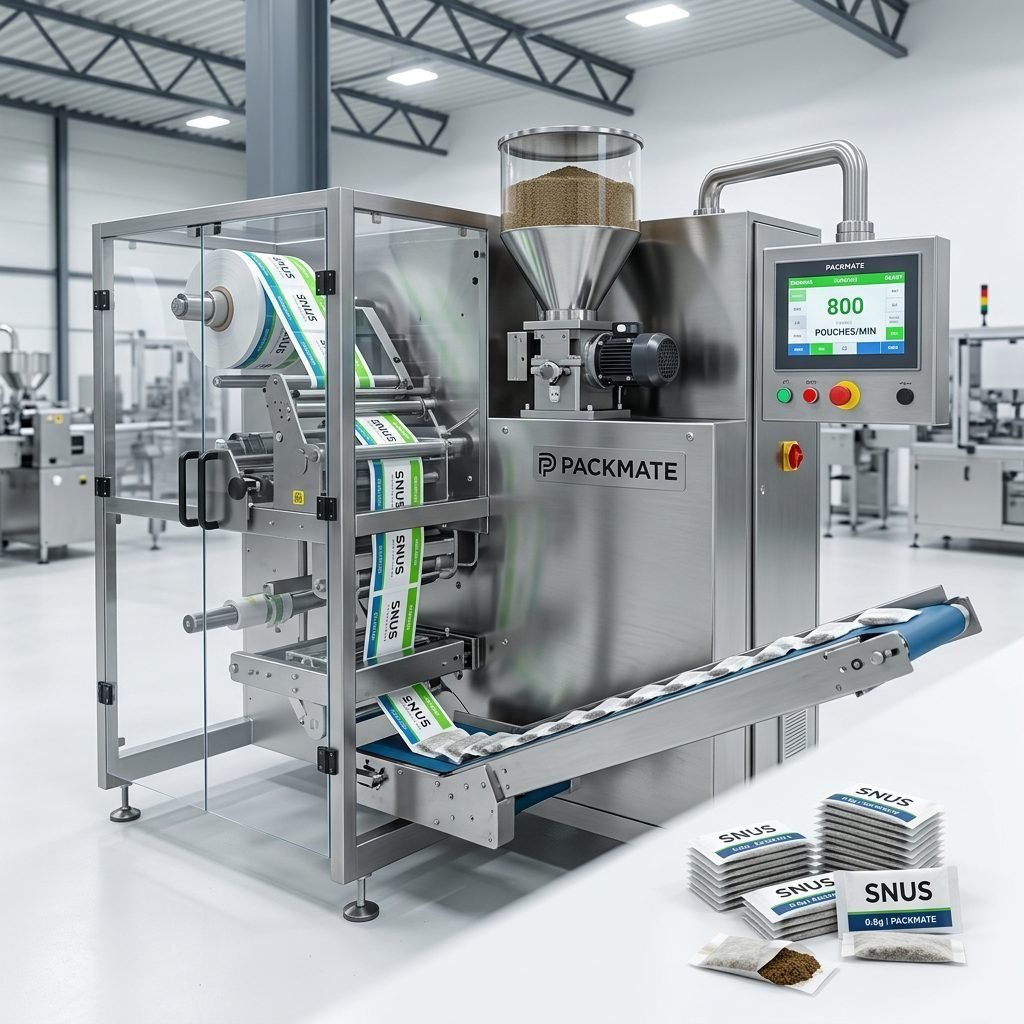
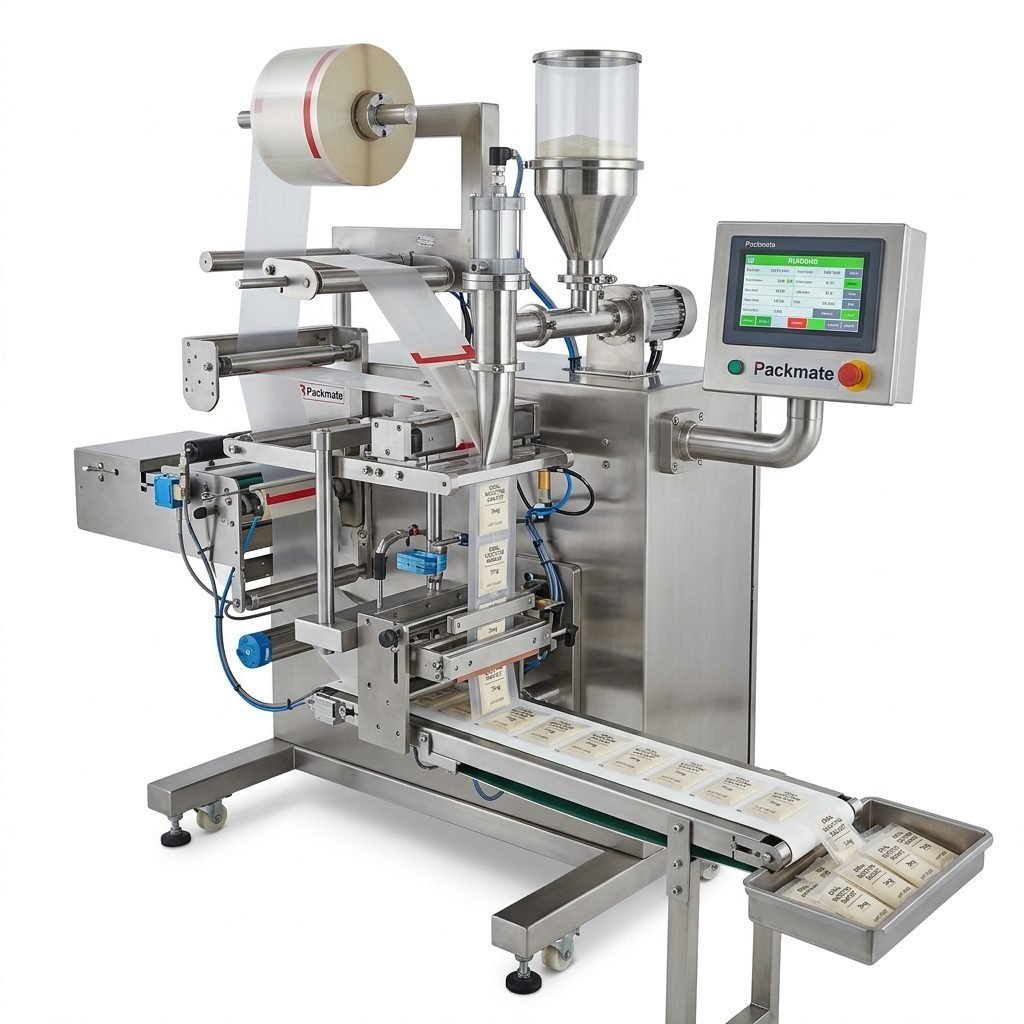
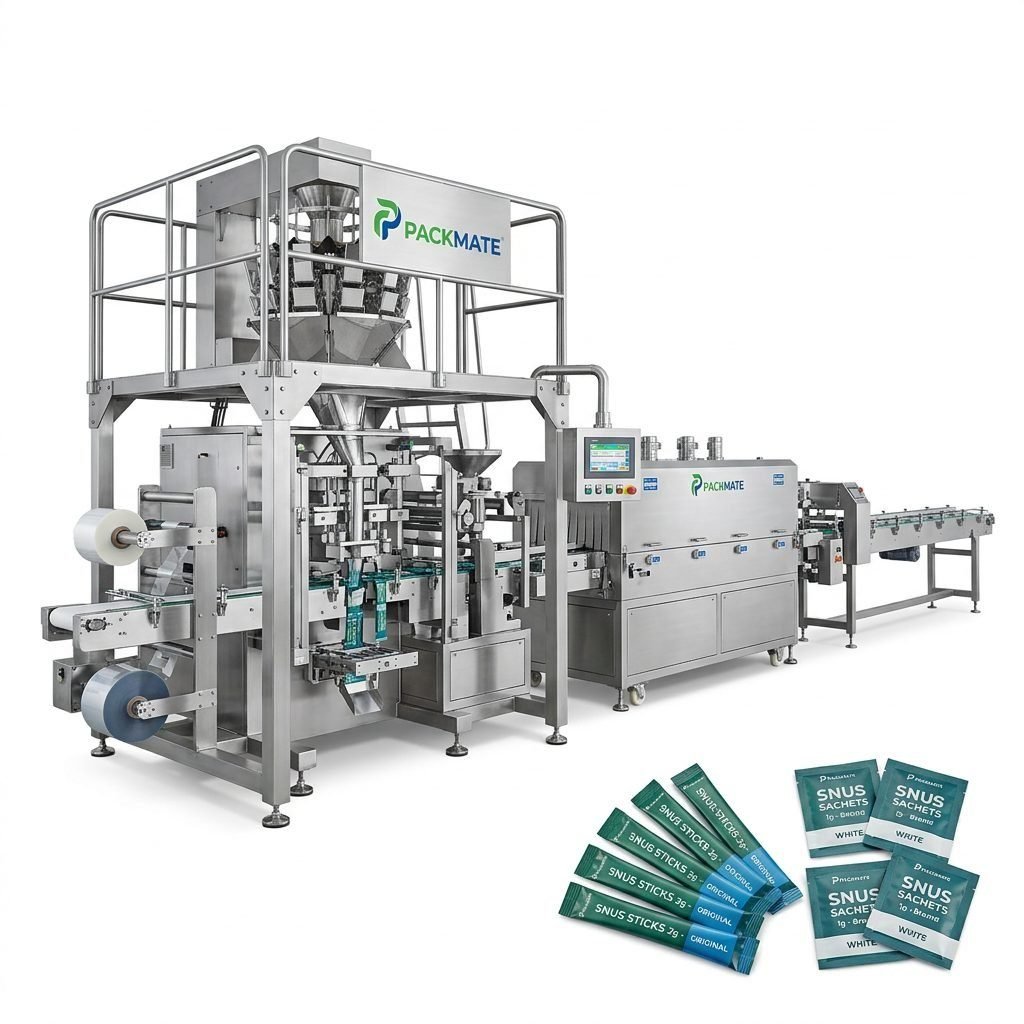
For reliable turnkey options, review the manufacturer’s portfolio—look for multi-product examples and specific references in snus/nicotine pouch lines. You can review product ranges such as Snus & Nicotine Packaging Machines and Sachet & Stick Pack Machines to see typical configurations.
Service, Installation and After-Sales Support
After-sales service is often the deciding factor. Prioritize manufacturers that provide:
- Local or regional technical support for the US, including remote troubleshooting.
- Structured training programs for operators and technicians.
- Fast spare part dispatch, and clear warranty terms.
- Optional commissioning assistance and onsite start-up support.
Check the manufacturer’s service resources and support documentation—companies who exhibit globally and maintain an active case portfolio usually invest more in service infrastructure. Explore their company profile and after-sales offerings via their About Packmate and Service pages.
Commercial Terms, Lead Times and Total Cost of Ownership
Purchase price is only part of the equation. Calculate the total cost of ownership (TCO) by including installation, spare parts, downtime, energy consumption, and expected service needs. Ask about:
- Typical lead times for machine build and shipping to the United States.
- Financing options or leasing possibilities.
- Consumable costs and mean time between failures (MTBF) for critical components.
- Training packages and long-term service contracts.
Negotiation tips
Secure commitments on spare part delivery times and include acceptance testing milestones before final payment. If the machine is built overseas, verify export documentation and local installation support to avoid unexpected import or commissioning delays.
Why Case Studies and Exhibitions Matter
Seeing a machine in operation (even virtually) gives confidence in performance claims. Manufacturers that participate in international exhibitions or publish detailed case studies demonstrate real-world experience. Request references for projects in North America and review production videos and customer feedback. For example, manufacturer exhibition pages and case studies illustrate installation examples and machine variants applicable to snus packaging: Our Exhibition and Case.
Operational Considerations for a US Factory
Factor in site power configuration, factory layout, operator skill levels, and environmental controls (humidity, dust). Machines that offer straightforward cleaning for product changeovers and easy access for maintenance will reduce labor costs and compliance risks. Consider whether the manufacturer supports spare part depots in the US or reliable worldwide shipping.
Sustainability and packaging waste
US consumers and retailers increasingly value recyclable or reduced-plastic options. Discuss with the manufacturer the ability to run barrier films with thinner gauges or recyclable laminates and to support modified atmosphere packaging (MAP) to extend shelf life without heavy packaging.
Quick vendor evaluation checklist
✔️ Certifications & compliance – CE/ISO documentation and US-ready features.
✔️ Production proofs – videos, test reports and references from North America.
✔️ Turnkey capability – integrated upstream and downstream equipment.
✔️ After-sales support – local or rapid remote assistance and spare parts availability.
Spotlight: What a Reputable Manufacturer Offers
A reputable snus packing machine manufacturer typically offers:
- Decades of engineering experience and a documented product range.
- Manufacturing facilities with advanced CNC and precision assembly lines.
- Multiple machine models and full customization for product-specific requirements.
- International certifications and a track record of global turnkey projects.
If you want to review a full product catalog and technical descriptions for packaging lines, manufacturers often provide detailed brochures and catalogs—see their Catalog and Filling & Packaging Lines pages for examples.
Final Selection Steps
1) Narrow down to 2–3 suppliers who meet technical and compliance needs. 2) Run a factory acceptance test (FAT) or virtual demo with your actual product. 3) Negotiate a clear contract with milestones, spare parts commitments and training clauses. 4) Confirm logistics, customs clearance and on-site commissioning plans for your US facility.
Pro tip
Prioritize manufacturers who can demonstrate US-market experience or who partner with US-based integrators—local familiarity reduces regulatory surprises and shortens time-to-production.
Contacting and Vetting Manufacturers
When you contact vendors, prepare a clear request for quotation (RFQ) including product details, desired throughput (pouches/min), pouch dimensions, target packaging materials, and a projected production schedule. Ask for:
- Itemized quotes with clear scopes of supply.
- Lead times and shipping methods to the US port of entry.
- Detailed acceptance testing protocols.
- References and contactable past customers in similar industries.
If you want to initiate direct contact, use the manufacturer’s contact channels to request tailored proposals: Contact Us.
Summary: What to Look For
In short, choose a manufacturer who combines proven technical performance, a reliable factory and machining capability, robust compliance documentation, turnkey integration experience, and strong after-sales support. For US operations, emphasize compliance readiness, spare-part logistics, and local support options to minimize downtime and regulatory risk.
Frequently Asked Questions
Q: What certifications should I request for machines destined for a US factory?
A: Request CE and ISO certificates as baseline quality indicators, plus detailed safety documentation, electrical schematics compatible with US voltages, and manufacturer-provided guidance on local compliance (FDA classification if applicable).
Q: How important is multi-lane capability for nicotine pouch production?
A: Very important for high-volume production. Multi-lane systems allow simultaneous pouch forming across lanes, increasing throughput while maintaining consistent dosing. If you plan to scale quickly in the US market, multi-lane machines reduce floor space and improve yield.
Q: Can manufacturers support custom packaging materials (recyclable films, barrier laminates)?
A: Most reputable manufacturers can adjust sealing temperatures, dwell times, and tooling to accommodate different films. Always test with your chosen materials during factory acceptance testing.
Q: What after-sales support should I insist on?
A: Insist on operator and maintenance training, guaranteed spare part lead times, remote diagnostics, and transparent warranty terms. Consider adding a service contract for the first 12–24 months to cover uptime and training refreshers.
Q: How can I validate a supplier before purchase?
A: Request video demonstrations with your product, onsite or virtual FATs, customer references in the US or similar markets, and documented performance metrics (OEE, production rates under load). Visiting the supplier or attending an industry exhibition where their machines run can provide additional assurance.