In today’s competitive snus and nicotine pouch market, manufacturers are pushing for higher throughput, better consistency, and reduced waste. Automated snus packaging lines transform production by combining precision dosing, high-speed forming, and synchronized packaging processes. This article explores practical automation solutions that help you achieve faster, more efficient production while maintaining product quality and regulatory compliance.
Why Automate Snus Packaging? Key Advantages
Automation in snus packaging is no longer a luxury—it’s a necessity. Automated lines deliver:
- ⚙️ Higher throughput — consistent multi-lane systems and stick pack arrangements enable thousands of pouches per minute.
- 🚀 Reduced downtime — predictive maintenance and modular design minimize changeover time.
- 📦 Improved accuracy — advanced weighing and dosing systems reduce material waste and ensure consistent pouch fill.
- 🔧 Scalable production — from pilot runs to full-scale turnkey lines, automation scales with demand.
Core Components of a High-Performance Snus Packaging Line
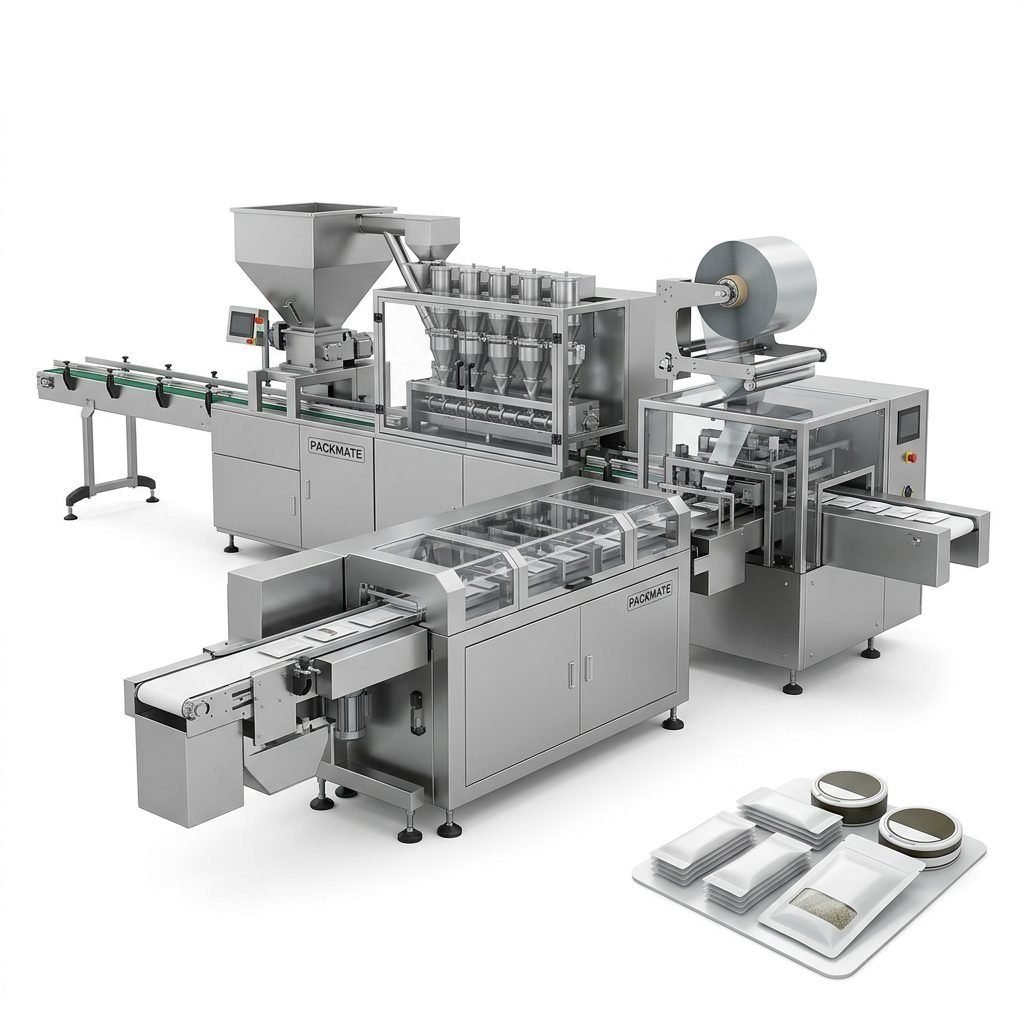
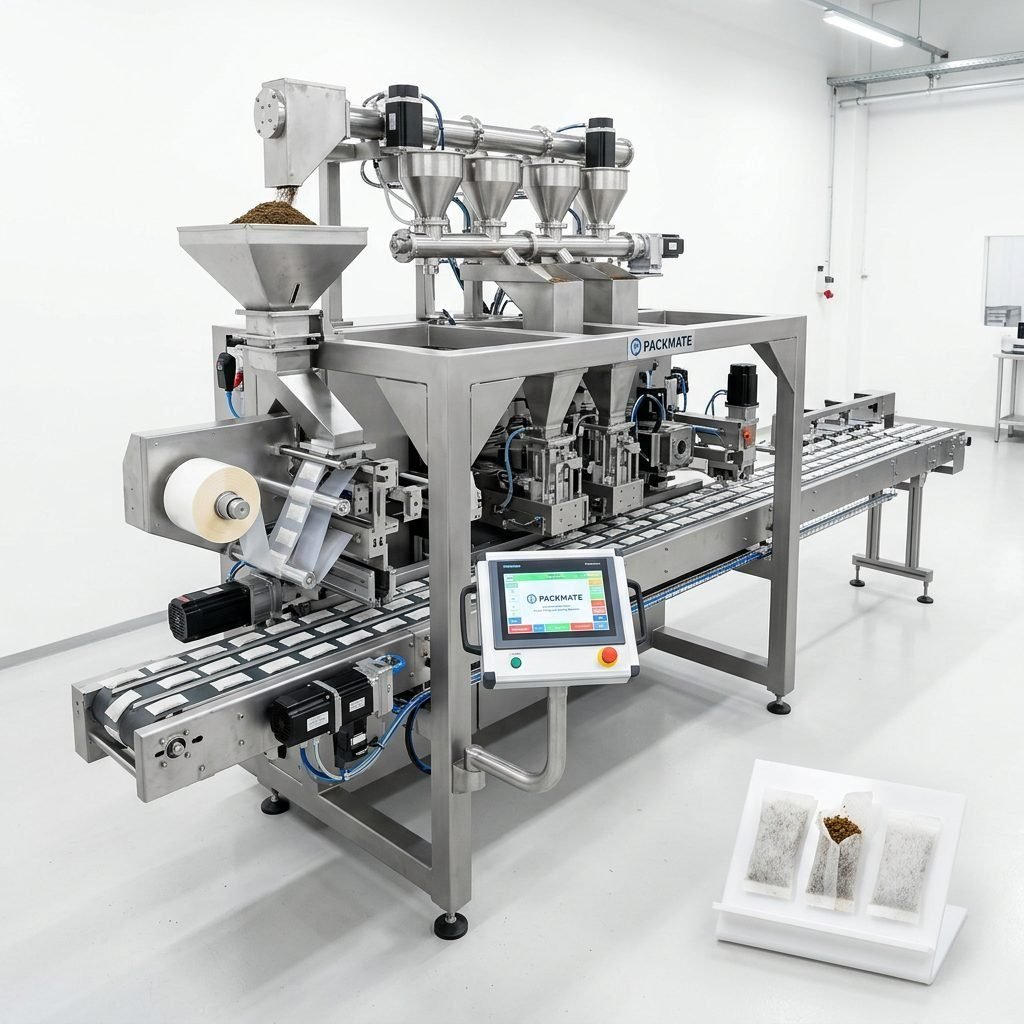
A complete automated snus line typically includes several integrated modules. Choosing the right combination affects speed, flexibility, and product integrity.
Essential modules
- Weighing & dosing systems — high-precision multi-head weighing for powders and granules (see Weighing & Packaging Systems).
- Filling units — servo-driven fillers for liquid or paste formulations to maintain consistency (Filling & Packaging Lines).
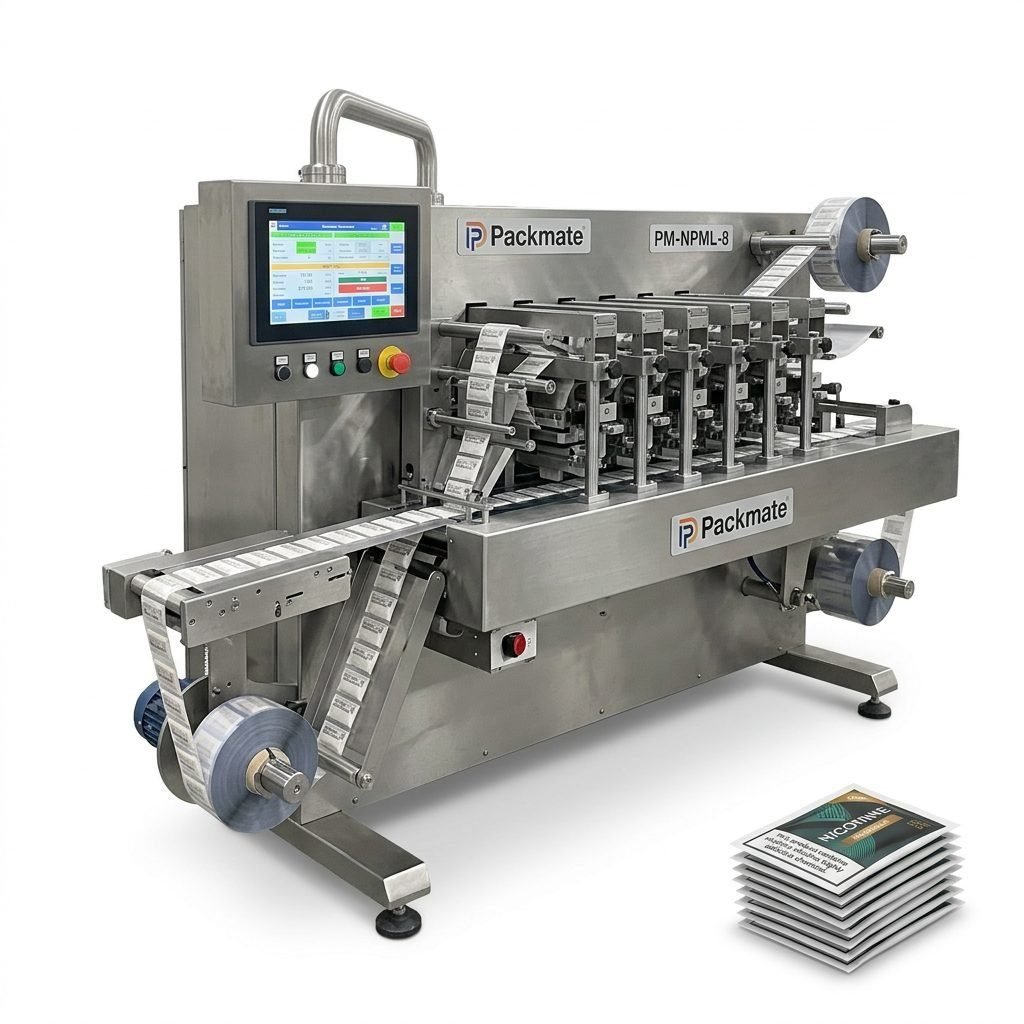
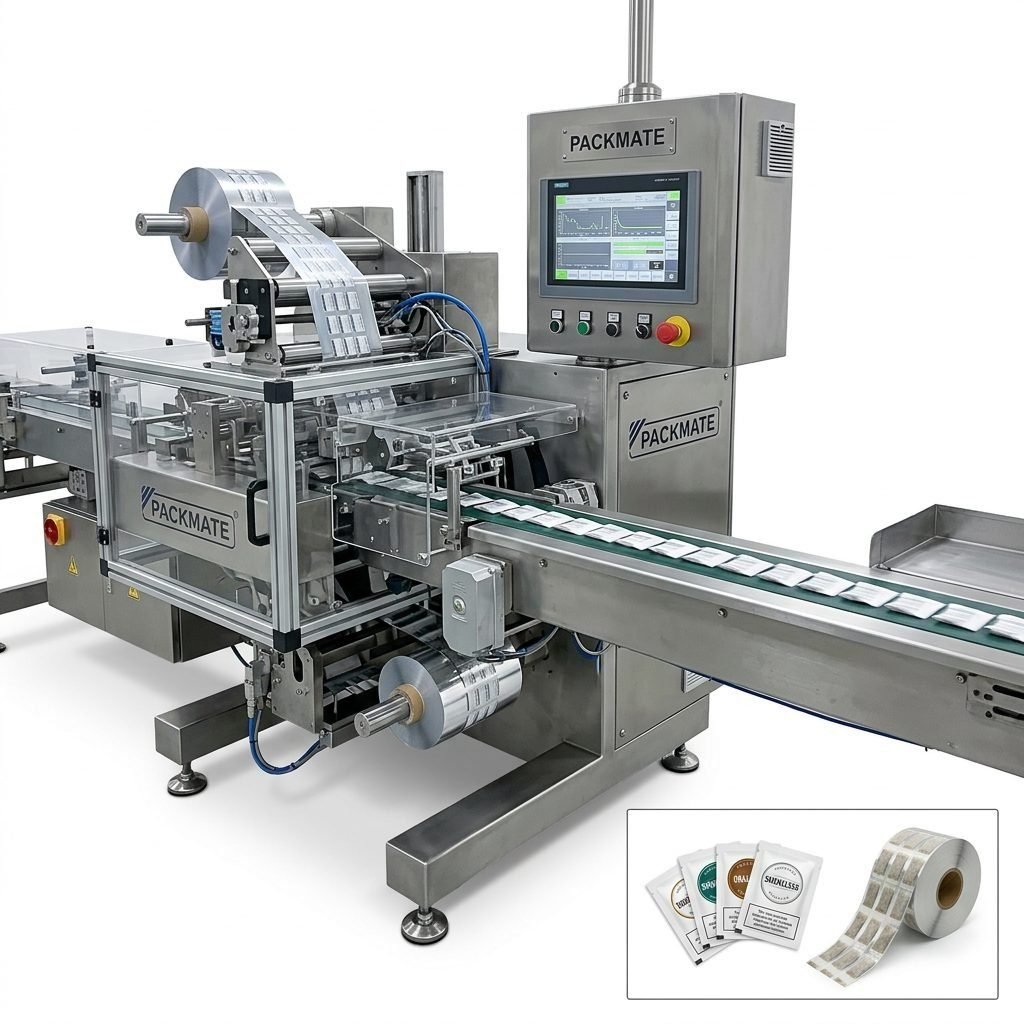
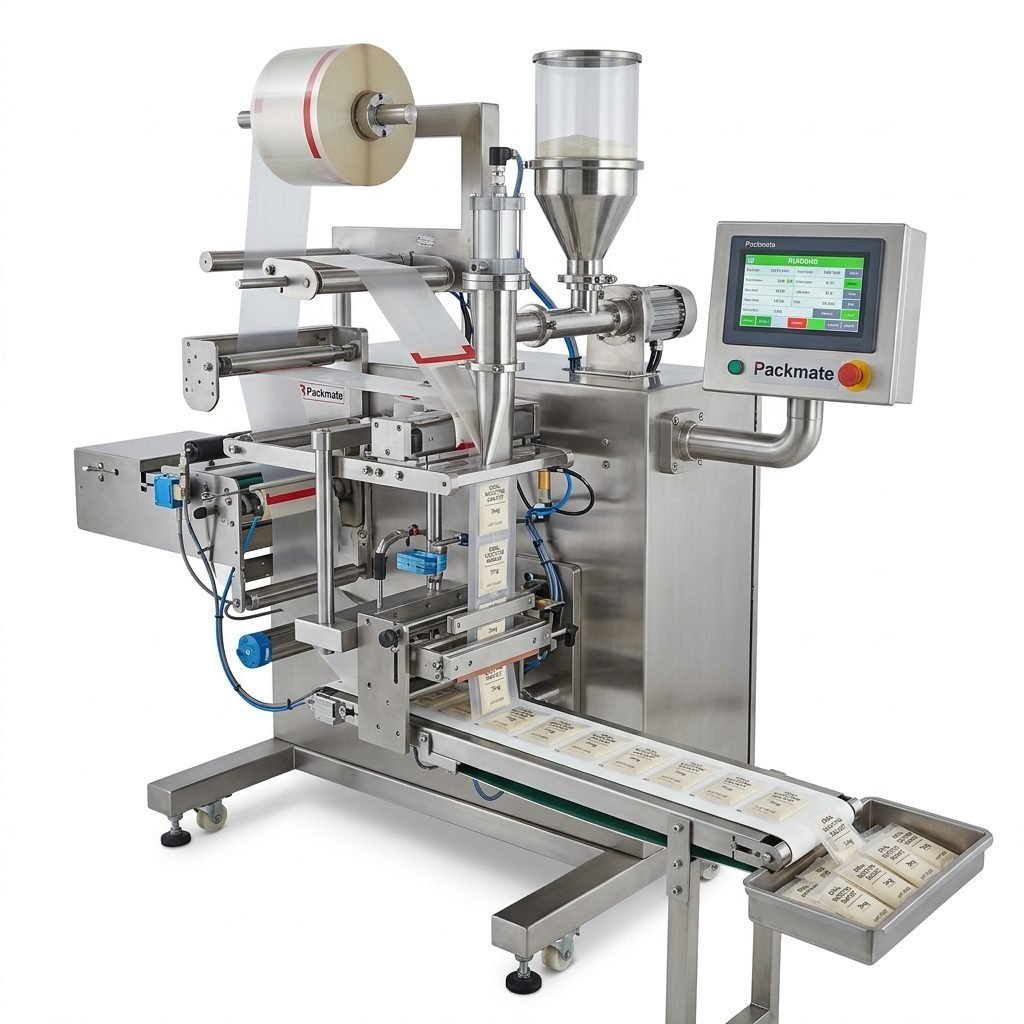
- Form-fill-seal (FFS) wrappers — stick pack, sachet, and pillow pack options for nicotine pouches.
- Multi-lane conveyors and lane-synchronization — increase throughput without sacrificing accuracy.
- End-of-line systems — cartoning, case packing, and palletizing with integrated vision inspection.
Selecting the Right Packaging Format
Packaging format choice impacts machine configuration and the overall line speed. Popular formats include stick packs, sachets, and multi-pouch strips. For small-dose nicotine pouches, multi-lane stick pack or sachet formats are common because they combine speed and compactness.
High-speed options
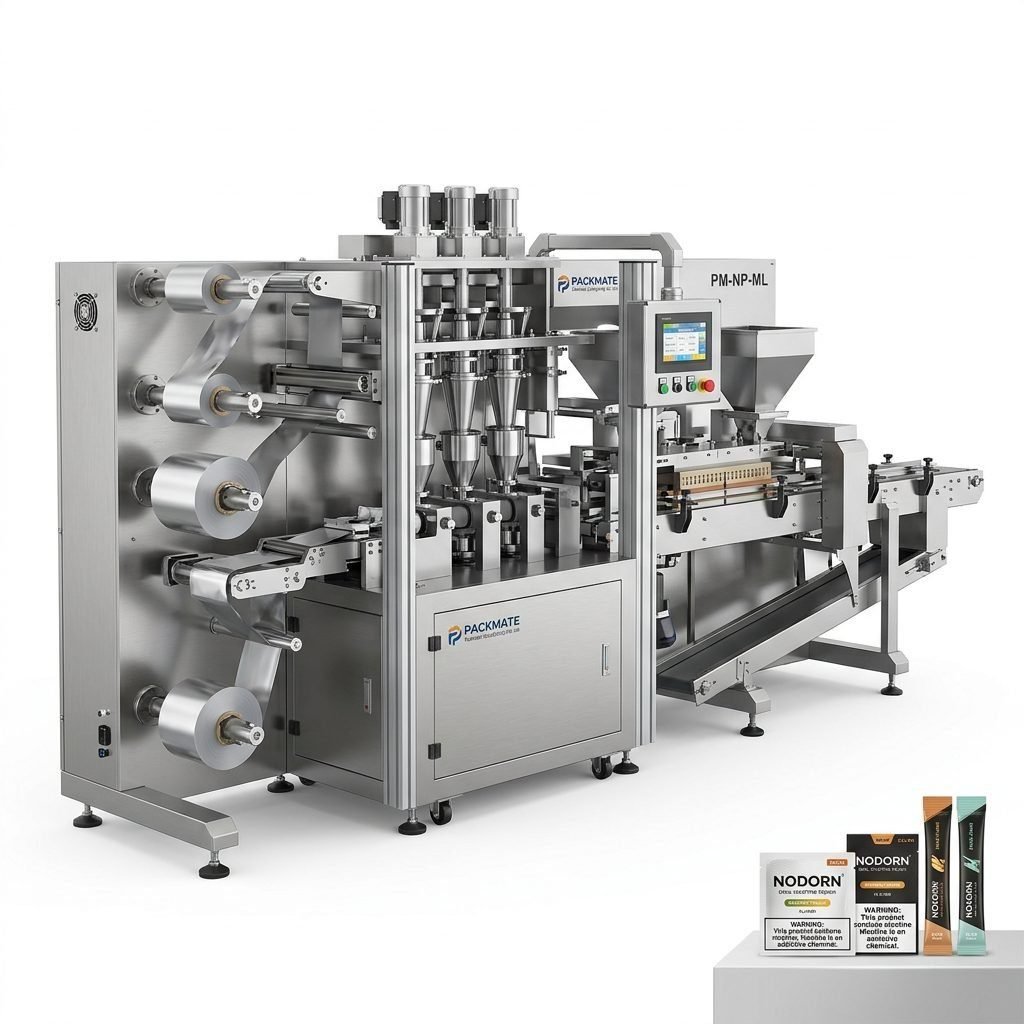
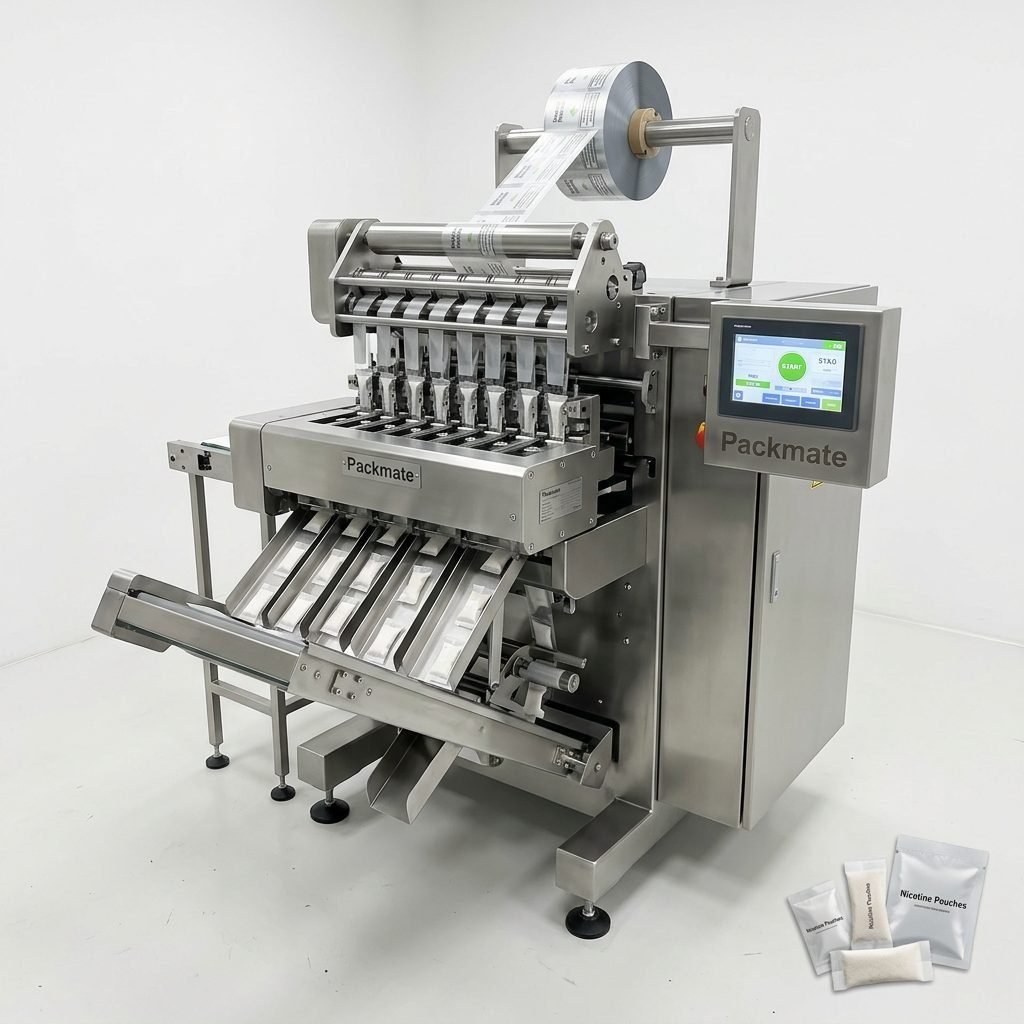
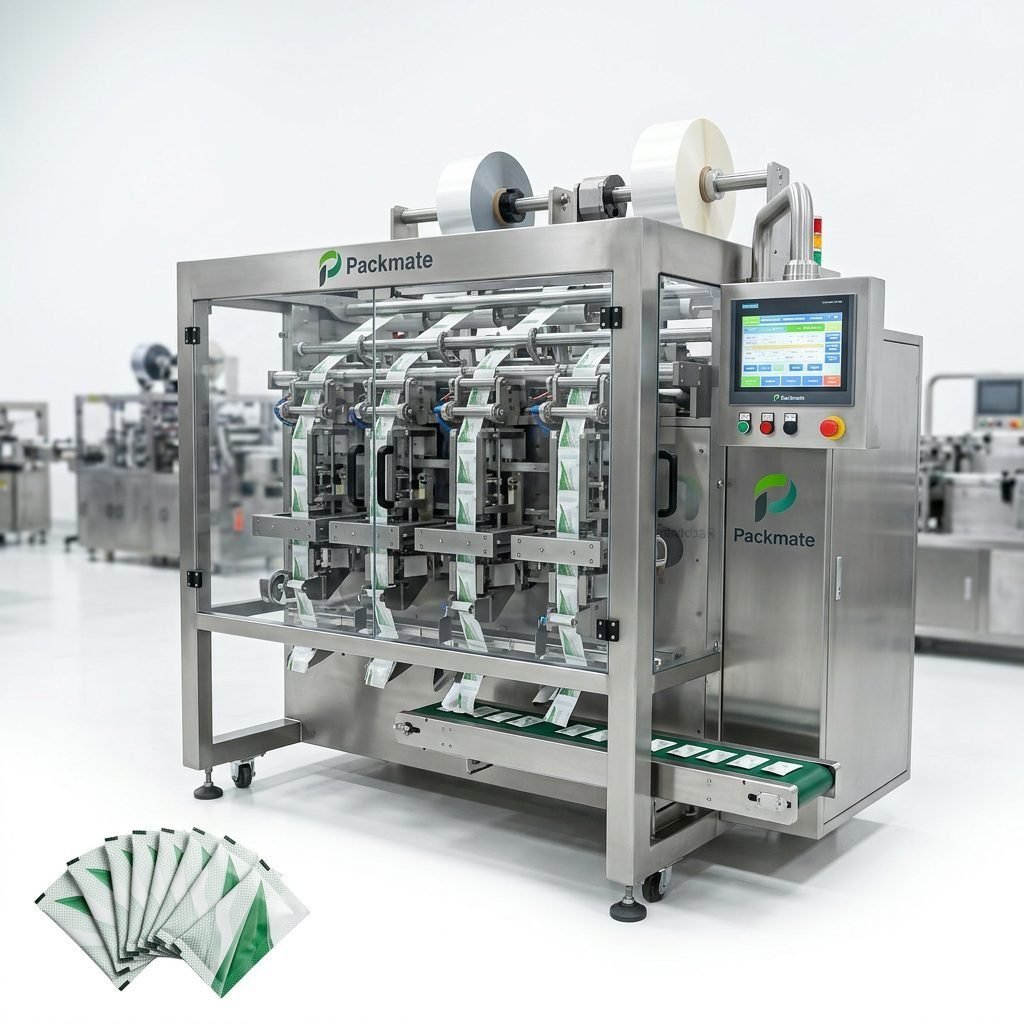
Multi-lane stick pack machines and high-speed sachet machines are optimized for producing thousands of single-dose pouches per minute. For product flexibility, consider modular machines that can switch between stick pack and sachet formats quickly. Explore Sachet & Stick Pack Machines for specific configurations (Sachet & Stick Pack Machines).
Design Considerations for Fast, Efficient Lines
Speed alone is not everything. A balanced design ensures uptime, consistent product quality, and operator safety. Key design points:
- Modular integration for flexible production scheduling.
- Servo-driven motion control for gentle product handling and precise sealing.
- Automated quality control: inline vision systems and weight-check rejection.
- Hygienic design for easy cleaning and compliance with food/pharma regulations (CE/ISO compliant).
Optimizing Throughput: Multi-lane & Synchronization
Multi-lane machines multiply output by running several lanes in parallel. The challenge is ensuring synchronized dosing, sealing, and cutting across lanes. High-quality engineering and precision CNC components reduce lane-to-lane variation and allow for consistent high-speed performance.
Smart Weighing and Dosing for Waste Reduction
Efficient weighing systems minimize giveaway and material waste. Advanced multi-head weighers and loss-in-weight feeders provide accurate fills even at high speeds. Pair these with real-time SPC (statistical process control) to spot drift and trigger adjustments before rejects rise.
Quality Assurance & Regulatory Compliance
Maintaining consistent quality is critical for consumer safety and brand reputation. Automated lines reduce human error and support regulatory checks with built-in traceability and audit logs. CE and ISO compliance are important—choose equipment certified for international markets.
Quality-focused features to look for
- Inline vision inspection for pouch integrity and print clarity.
- Automatic weight checks with rejection gates.
- Hygienic surfaces and CIP-friendly components for easy sanitation.
- Traceability modules for batch coding and data logging.
Customization & Turnkey Solutions
A turnkey solution can include everything from dosing and filling to secondary packaging and palletizing. Suppliers that provide end-to-end services help reduce integration risk and speed up commissioning. Packmate Snus Machine offers complete production lines customized for nicotine pouch manufacturers — from pilot to full-scale installations (About Packmate).
Installation, Training & After-Sales Support
Even the best machines perform poorly without proper installation and operator training. Choose vendors who offer:
- On-site installation and commissioning led by experienced engineers.
- Comprehensive operator and maintenance training programs.
- Remote diagnostics and spare-part support to minimize downtime.
For a quick reference to machine categories and specs, refer to the product pages for Snus & Nicotine Packaging Machines and Filling & Packaging Lines.
Case Examples: From Pilot to Full Line Deployment
Real-world examples show the impact of automation. A mid-sized manufacturer replaced manual sacheting with a multi-lane sachet line and achieved a 4x increase in output while reducing material giveaway by 6%. Another customer adopted a fully integrated stick pack line to support seasonal demand spikes without adding shifts.
What good suppliers bring
Reliable suppliers combine engineering experience, factory capabilities, and global service networks. A factory with advanced CNC machining, large-scale assembly areas, and strong QC practices ensures long-term machine stability and reduced total cost of ownership. Packmate’s 20,000㎡ facility and 30+ years of engineering experience reflect this level of capability.
Calculating ROI: Speed, Waste Reduction & Labor Savings
When making purchasing decisions, evaluate ROI beyond simple throughput. Consider:
- Reduced labor cost through automation of repetitive tasks.
- Lower waste due to precise dosing and improved sealing consistency.
- Faster time-to-market because of shorter changeover and commissioning phases.
- Improved regulatory compliance and reduced recall risk.
Maintenance Strategies for Sustained Performance
A robust preventive maintenance plan extends equipment life and stabilizes production. Key practices include scheduled lubrication, wear-part replacement cycles, and periodic calibration of weighing systems. Consider predictive maintenance using data captured from PLCs and sensors to identify anomalies before failure.
Quick checklist before buying
- Does the supplier provide turnkey installation and training?
- Are spare parts and local support available quickly?
- Is the line configurable for seasonal or product changes?
- Does the equipment comply with CE/ISO and other required certifications?
- Can the line integrate with your existing upstream/downstream systems?
Choosing a Partner: What to Expect from a Global Supplier
The ideal partner combines strong manufacturing capability, engineering depth, and global after-sales service. Look for a manufacturer with a proven track record of delivering tailored solutions and the ability to demonstrate past case studies across continents. Explore the Case section to review real deployments and performance results (Case).
Final recommendations
To accelerate production and improve efficiency, prioritize:
- Precision dosing and multi-lane synchronization.
- Modular turnkey solutions for easier scaling.
- Comprehensive after-sales support including training and spare parts availability.
Where to Learn More & Next Steps
If you’re ready to evaluate machines or plan a new line, review product catalogs and detailed specs on the manufacturer’s website. For product categories, see Bag & Pouch Packaging Machines and Auxiliary Packaging Equipment to find complementary modules (Bag & Pouch Packaging Machines, Auxiliary Packaging Equipment).
For inquiries about turnkey lines, exhibitions, or certifications, visit the company’s exhibition and certification pages (Our Exhibition, Certificate).
FAQs
1. What is the typical lead time for a turnkey snus packaging line?
Lead times vary by customization level. Standard multi-lane lines may be delivered faster, while fully customized turnkey plants that include upstream dosing and downstream cartoning typically require a longer engineering and assembly period. Always confirm current factory schedules and spare-part lead times with your supplier.
2. Can a snus line handle different pouch sizes and formats?
Yes. Many modern machines are modular and can be reconfigured for different pouch sizes, stick packs, or sachets. Quick-change tooling and recipe-driven PLC controls make format changes faster and reduce downtime.
3. How do I ensure compliance with international standards?
Choose equipment with CE and ISO certifications and request documentation for material compliance, electrical safety, and hygiene. Ensure the supplier has experience exporting to your target markets and can support local regulatory requirements.
4. What after-sales services should I expect?
Expect installation, commissioning, operator training, spare-part kits, and remote diagnostic support. The best vendors also provide preventive maintenance schedules and optional service contracts to reduce downtime.