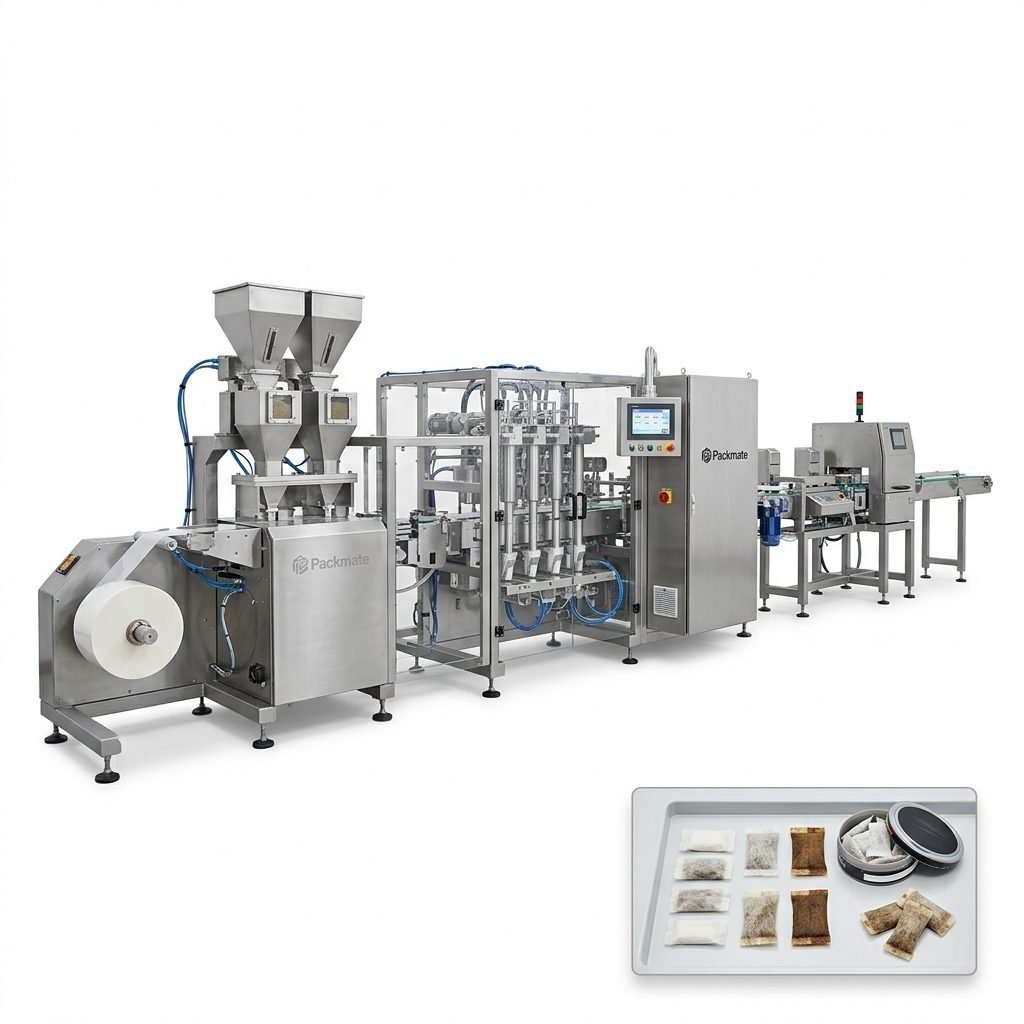
Choosing the right snus packaging machine manufacturer is a pivotal decision for any tobacco-related or nicotine pouch business looking to enter or expand in Egypt. From navigating local regulations and distribution channels to selecting machinery that balances speed, accuracy, and hygiene, the choice you make will affect product quality, cost of ownership, and your ability to scale. This guide walks you through practical criteria, local considerations for Egypt, and actionable steps to partner with a manufacturer that meets both your technical and commercial needs.
Understand Your Product and Production Goals 🔍
Before contacting manufacturers, define what you will produce: traditional snus tins, nicotine pouches, or single-dose sachets. Each format demands different filling and sealing technologies. Consider these core factors:
- Target daily output (pieces per minute/hour/day).
- Product format: stick pack, sachet, multi-lane pouches, or tins.
- Fill materials: powder, granule, liquid, or tea—each needs specific dosing and conveying systems.
- Packaging material compatibility: laminated films, foil, or paper-based pouches.
Why this matters
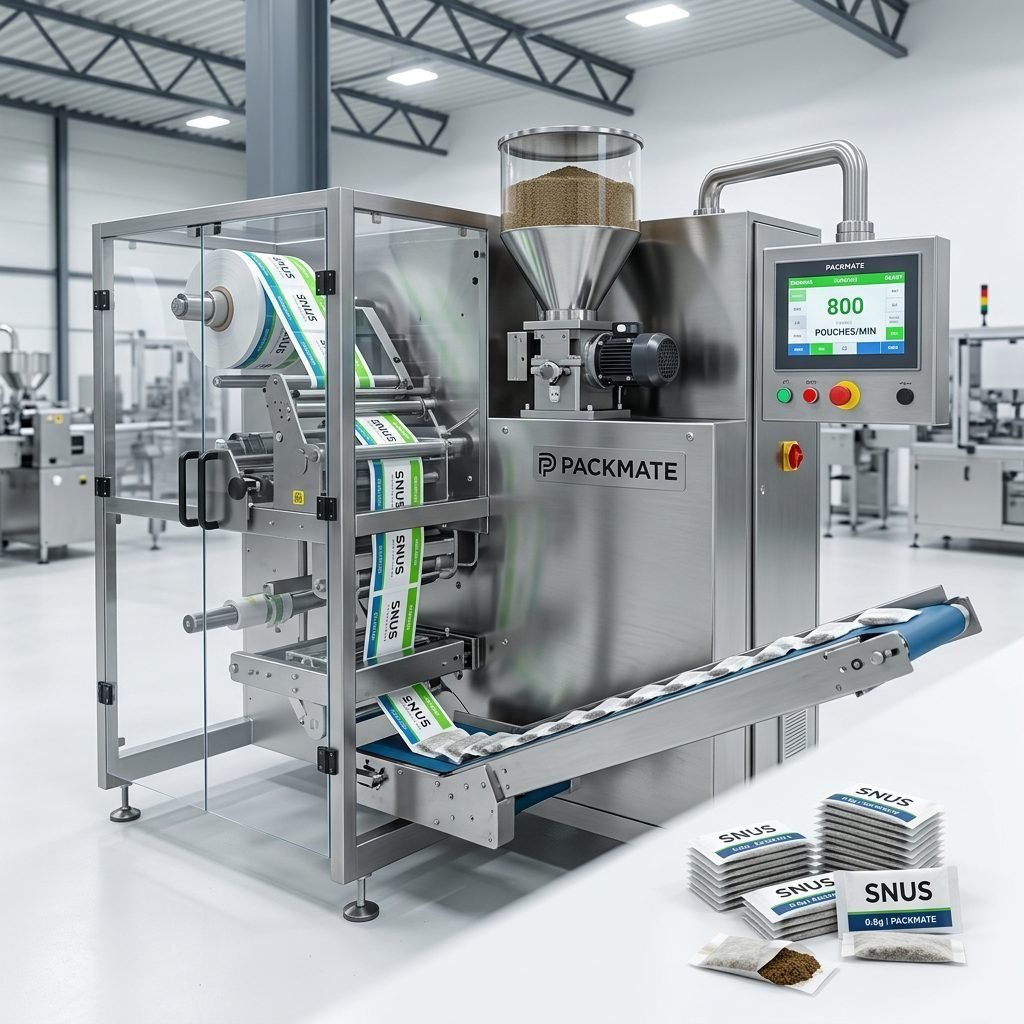
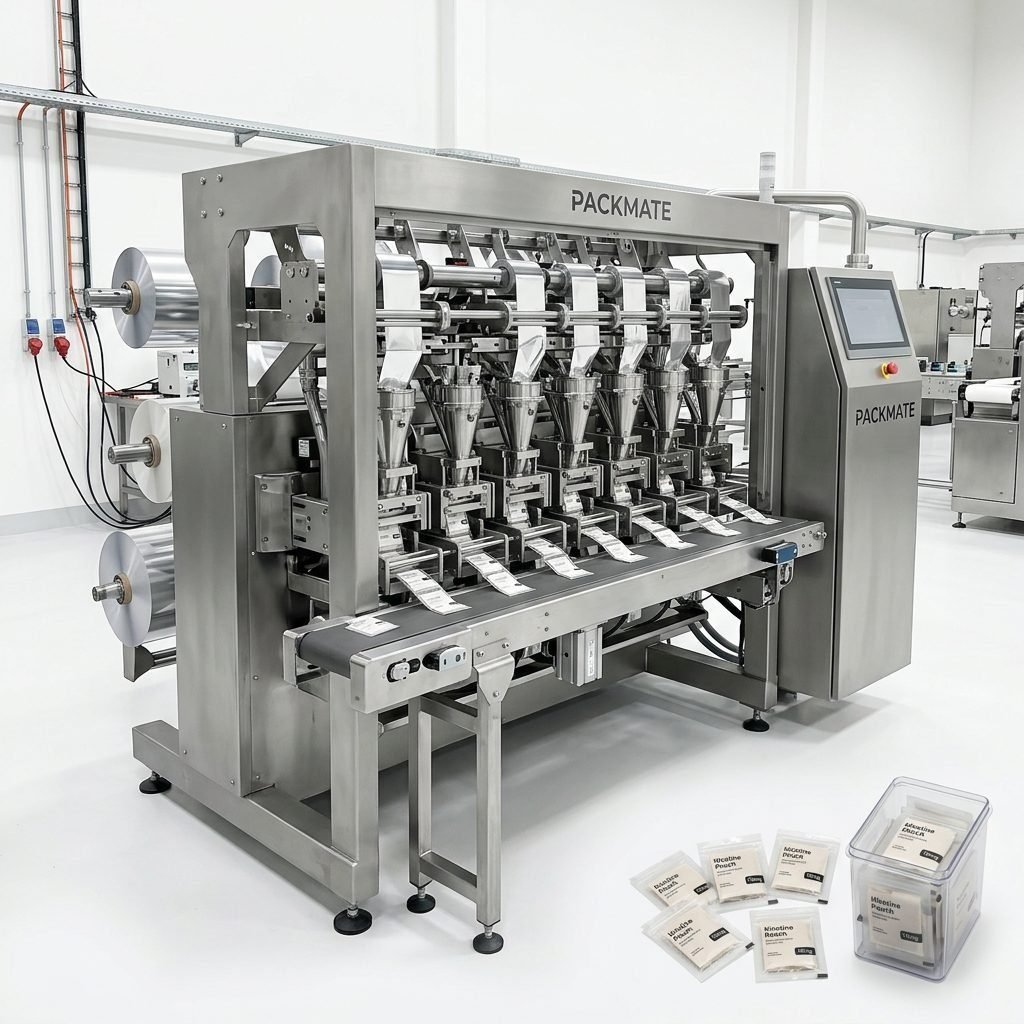
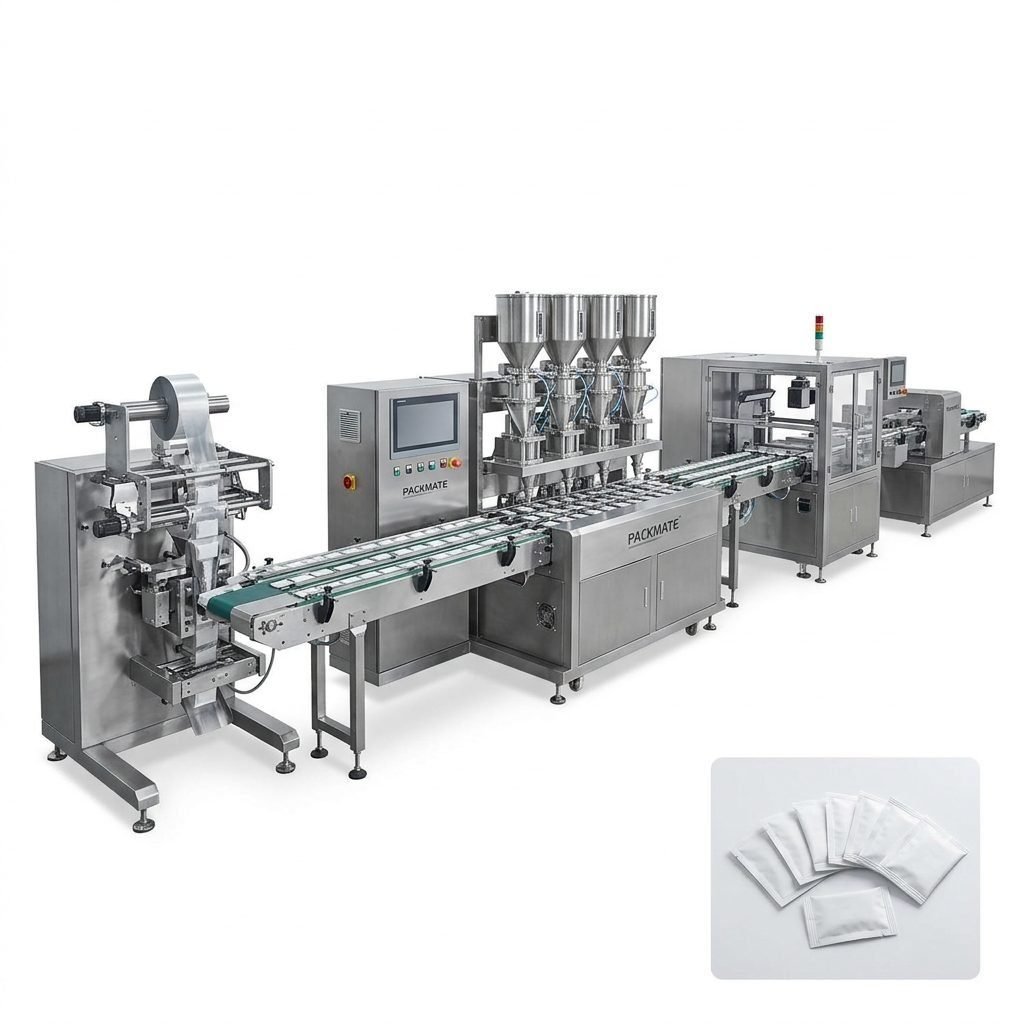
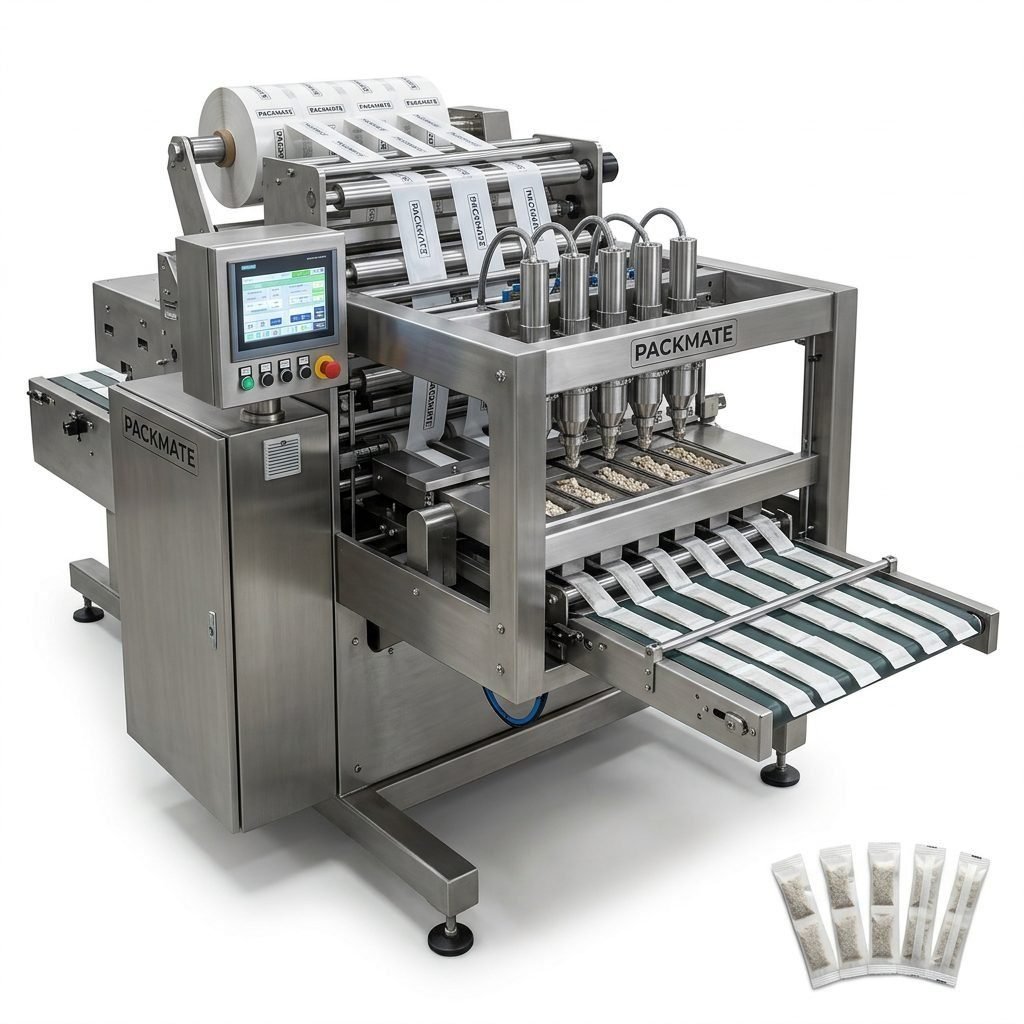
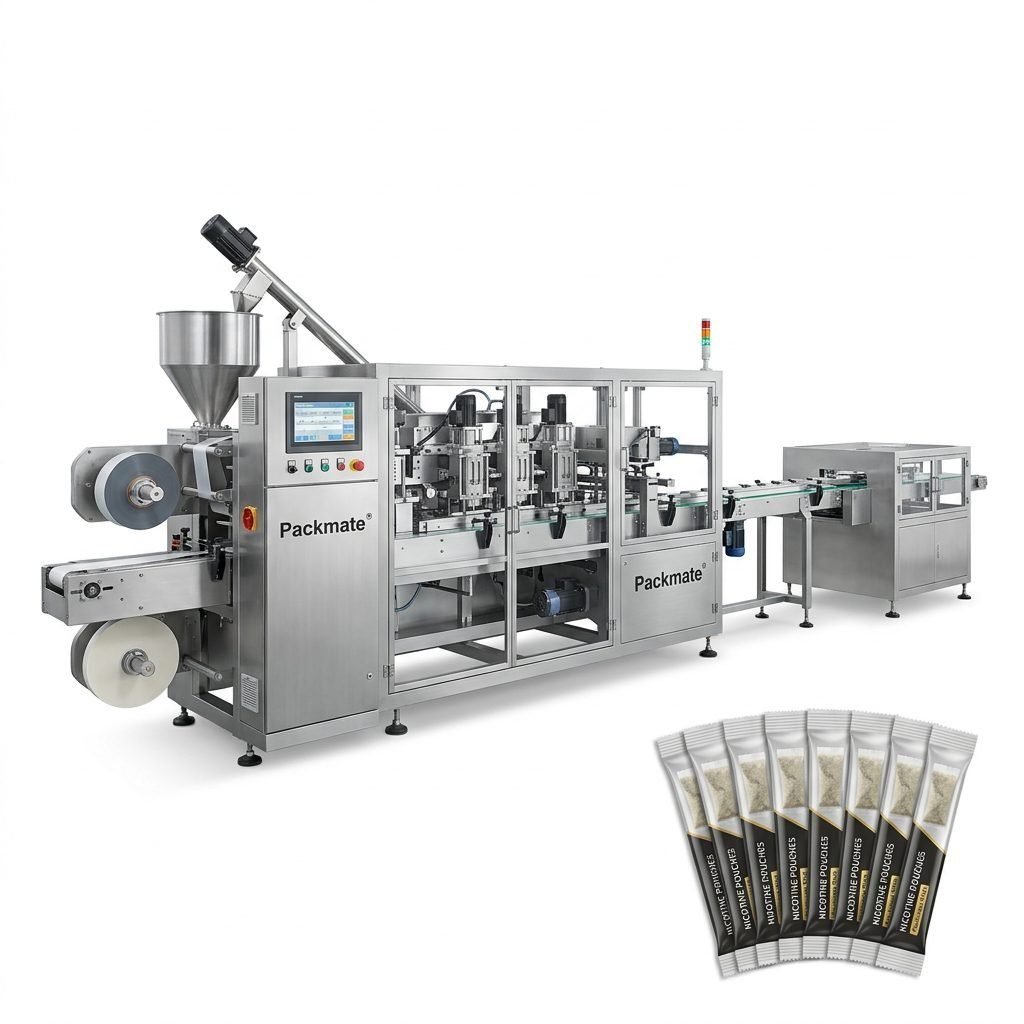
Matching machine capabilities to your product avoids costly retrofits and ensures product integrity. For dependable machines engineered specifically for nicotine pouch production, explore manufacturers that specialize in this niche and offer multi-lane systems and turnkey packaging lines. A useful reference: Snus & Nicotine Packaging Machines.
Assess Manufacturer Experience and Technical Strength ⚙️
Look for manufacturers with deep engineering experience, especially in snus and nicotine pouch equipment. Key signals of competence include:
✅ Technical depth: advanced CNC manufacturing, precision assembly lines, and strict quality control.
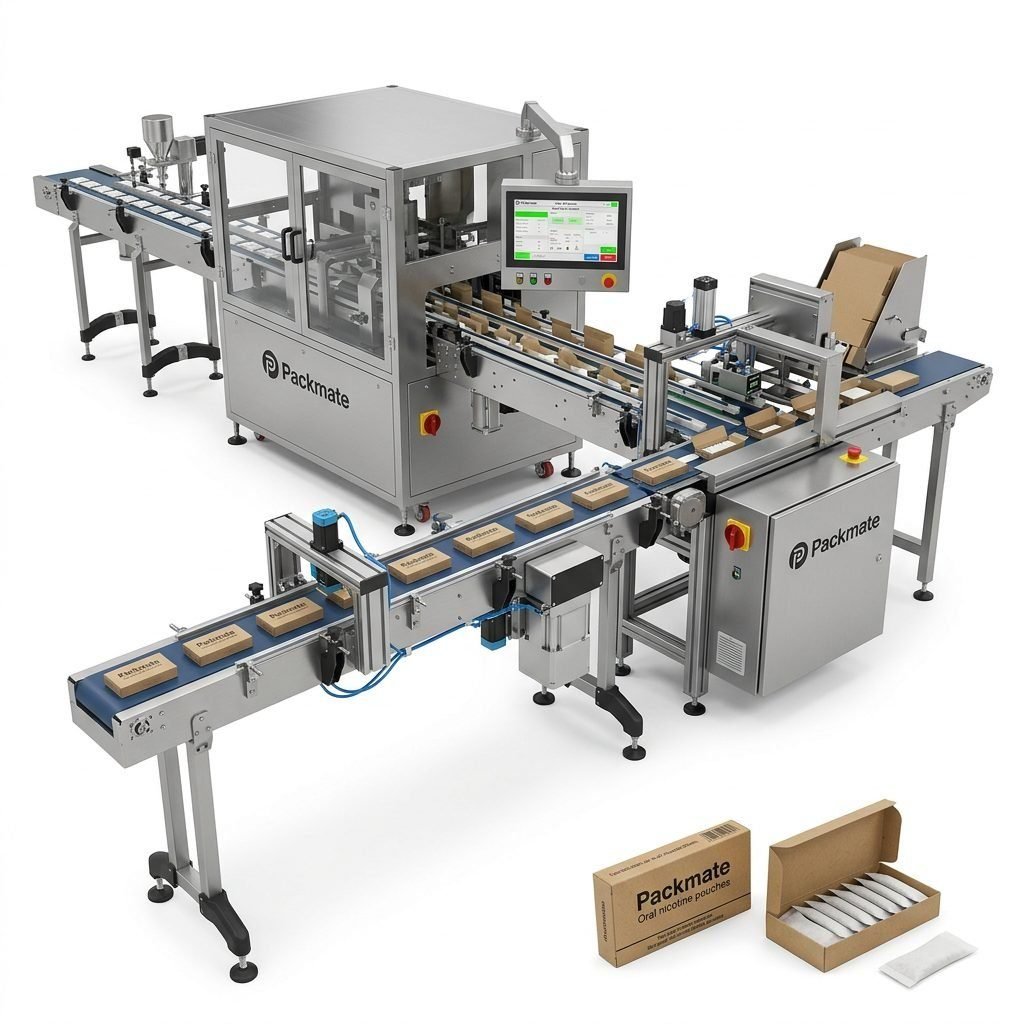
✅ Turnkey capability: ability to deliver complete lines including weighing, filling, sealing, and auxiliary equipment.
Packmate Snus Machine, for example, emphasizes specialized machinery for nicotine pouches and multi-lane systems and maintains a large manufacturing facility with CE and ISO compliance. You can learn more about their factory and products at About Packmate.
Verify Compliance and Certifications ✅
In Egypt, regulatory compliance and clear documentation are essential. Even if nicotine pouches are not regulated the same way as combustible tobacco everywhere, authorities expect manufacturers and importers to comply with safety, electrical, and mechanical standards.
- Insist on CE, ISO certificates, and machine safety documentation.
- Ask for test reports and traceability for critical components.
- If you plan to export from Egypt, make sure machinery has export-ready documentation and support for local certification where needed.
Local Market and Cultural Considerations in Egypt 🇪🇬
Egypt has a strong tobacco culture centered around cigarettes and shisha; nicotine pouches are a relatively newer product category and require careful market introduction. Key local considerations:
- Packaging aesthetics and Arabic labeling: include Arabic product information and comply with local labeling laws.
- Respect for religious and seasonal behaviors: Ramadan affects consumption patterns and production scheduling—plan inventory and line capacity accordingly.
- Distribution network preferences: Cairo and Alexandria are primary logistics hubs; partnering with local distributors familiar with point-of-sale regulations is advantageous.
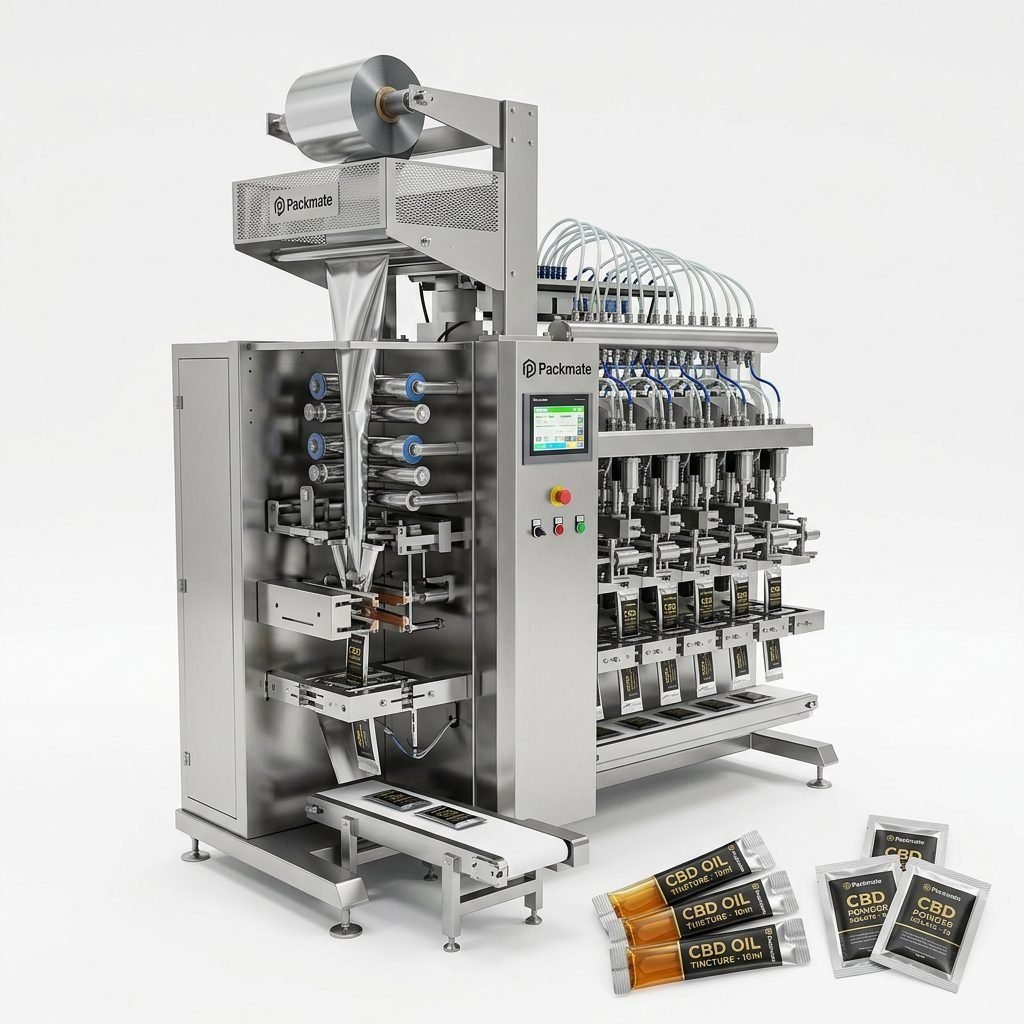
Manufacturers that understand regional packaging preferences and can support multilingual printing and labeling will speed time-to-market. If you need integrated bag/pouch or sachet solutions, see Bag & Pouch Packaging Machines and Sachet & Stick Pack Machines.
Evaluate After-Sales Support and Spare Parts Availability 🔧
Responsive after-sales service is crucial for minimizing downtime. When assessing manufacturers:
- Ask about local or regional service partners in the MENA region or direct support models for Egypt.
- Confirm spare parts lead times and spare parts kits included with the machine.
- Check training programs for operators and maintenance staff—onsite commissioning and training should be part of the deal.
Customization and Turnkey Solutions — Avoid Overpaying for Unnecessary Features
Some suppliers push high-end configurations that you may not need. Balance customization with standardization:
- Start with a scalable baseline machine that can be upgraded with additional lanes or feeders.
- Prefer modular designs for easy retrofitting to new formats or speeds.
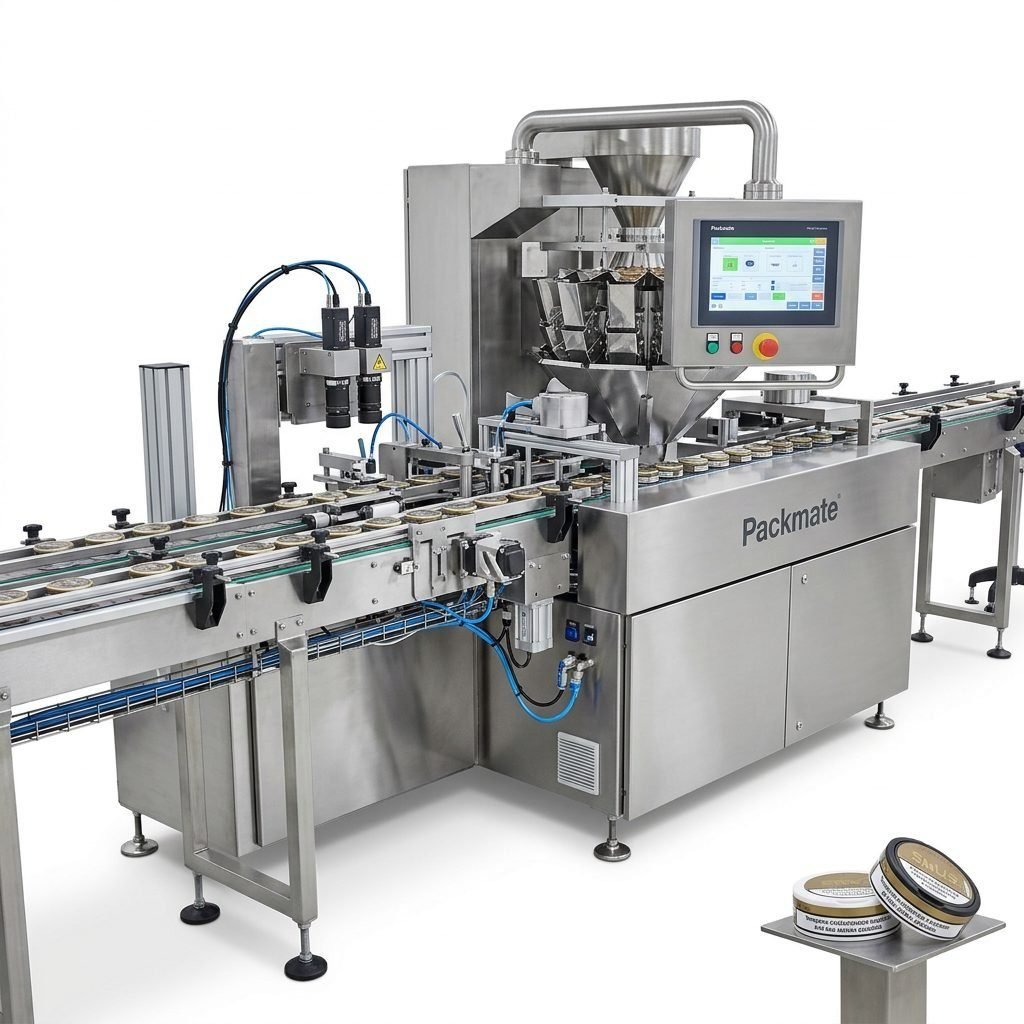
- Check whether the manufacturer provides complete line integration—weighing, filling, conveying, and final packaging—to reduce integration risk. Packmate offers integrated solutions across Weighing & Packaging Systems and Filling & Packaging Lines.
Cost of Ownership Considerations
Initial purchase price is just one component. Consider:
- Energy consumption and maintenance intervals.
- Availability and cost of spare parts shipped to Egypt.
- Operator training time and ease of changeover between SKUs.
Inspect Demos, References and Factory Capabilities 🏭
Visiting a factory or attending a live demo is invaluable. A manufacturer should offer:
- Live machine demonstrations with materials similar to yours.
- References and case studies with comparable products and capacities.
- Clear photo or video documentation of assembly, CNC capabilities, and quality checks.
Check machine gallery and case examples; Packmate publishes production cases and exhibition records that illustrate machine performance and global deployments: Case and Our Exhibition.
Negotiating Contracts and Warranties 📝
A robust contract reduces risk. Key contract elements:
- Detailed technical specifications and acceptance tests (IQ/OQ/PQ where applicable).
- Warranty terms, including parts and labor, and response time guarantees for Egypt.
- Clear delivery terms (Incoterms), installation and commissioning responsibilities, and training schedules.
Logistics: Shipping, Installation and Localization in Egypt 🚢
Shipping heavy machinery to Egypt requires careful planning. Consider:
- Preferred ports of entry (Alexandria for container shipments, Damietta, or Port Said for specific trade lanes).
- Local clearance agents experienced with machinery imports and certification processes.
- Service teams able to travel to Egypt for installation and commissioning, or remote commissioning if travel is restricted.
Confirm the manufacturer’s experience exporting to the Middle East and their ability to supply proper export documentation to streamline customs release.
Selecting the Right Machine Model: Practical Checklist ✅
Use this checklist when evaluating quotations and machine datasheets:
• Format flexibility: How easy is SKU changeover (time and tooling)?
• Dosing accuracy: Critical for nicotine pouches—ask for tolerance data.
• Hygiene and cleanability: Materials and design should allow regular cleaning without specialized tools.
• Integration options: Can it integrate with upstream filling, weighing, and downstream cartoning/boxing?
Make a Pilot run and Validate Before Full Purchase 🧪
Whenever possible, arrange for a pilot run using your actual product formulation and packaging film. Pilot validation reduces risks and verifies dosing accuracy, sealing integrity, and machine reliability. Ensure that acceptance criteria are clear and agreed in writing.
Where to Find Reliable Manufacturers and Resources
Start with manufacturers who specialize in snus and nicotine pouch equipment, and those who provide end-to-end packaging lines. Useful resources include the manufacturer’s product pages and service sections for spare parts, certifications, and FAQs:
- Auxiliary Packaging Equipment for conveyors, metal detectors, and vision inspection.
- Service pages to understand training and after-sales offerings.
- Manufacturer catalogs or downloadable Catalog with technical specifications.
Decision Framework: How to Choose
Weigh technical fit, compliance, local support, and total cost of ownership. Shortlist 2–3 vendors and evaluate them against the checklist above. Conduct site visits or request remote virtual tours and demand references from existing customers in similar markets.
Get in touch and next steps
When you are ready to request quotes or technical proposals, prepare a specification sheet with target output, product descriptions, packaging film samples, and projected SKU growth. For direct inquiries or technical discussions, use the manufacturer’s contact page: Contact Us.
Summary — Key Takeaways
Selecting the best snus packaging machine manufacturer for your Egypt-based operation means aligning machine capabilities with local market needs, ensuring regulatory compliance, and securing reliable after-sales support. Prioritize manufacturers with specialized experience in nicotine pouch machines, transparent documentation, and proven export and service practices in the MENA region. Vet suppliers through demos, pilot runs, and clear contractual warranties to minimize installation and production risk.
Frequently Asked Questions
Q1 — What certifications should I insist on when importing snus packaging machines to Egypt?
A1 — Ask for CE and ISO certificates, electrical and safety compliance documents, and detailed machine manuals. Ensure export documentation is complete to streamline customs clearance at Egyptian ports.
Q2 — Are nicotine pouch machines different from general pouch machines?
A2 — Yes. Nicotine pouch machines often require higher dosing accuracy and may use multi-lane systems for small doses. They also prioritize hygiene and cleanability. Look for manufacturers experienced specifically with snus and nicotine pouch production.
Q3 — How important is local after-sales support in Egypt?
A3 — Extremely important. Fast access to spare parts and service reduces downtime. Prefer suppliers with regional service partners or a proven export support system capable of providing timely onsite servicing and remote diagnostics.
Q4 — What should be included in a pilot or FAT (Factory Acceptance Test)?
A4 — The pilot should use your actual product and packaging materials to validate dosing accuracy, sealing integrity, throughput, and changeover times. Acceptance criteria and testing protocols should be agreed in writing before the FAT.
Q5 — How can I ensure my packaging meets local consumer preferences in Egypt?
A5 — Work with manufacturers and local packaging printers to include Arabic labeling, culturally appropriate branding, and packaging sizes aligned with local consumption patterns. Also account for seasonal demand variations, such as Ramadan.