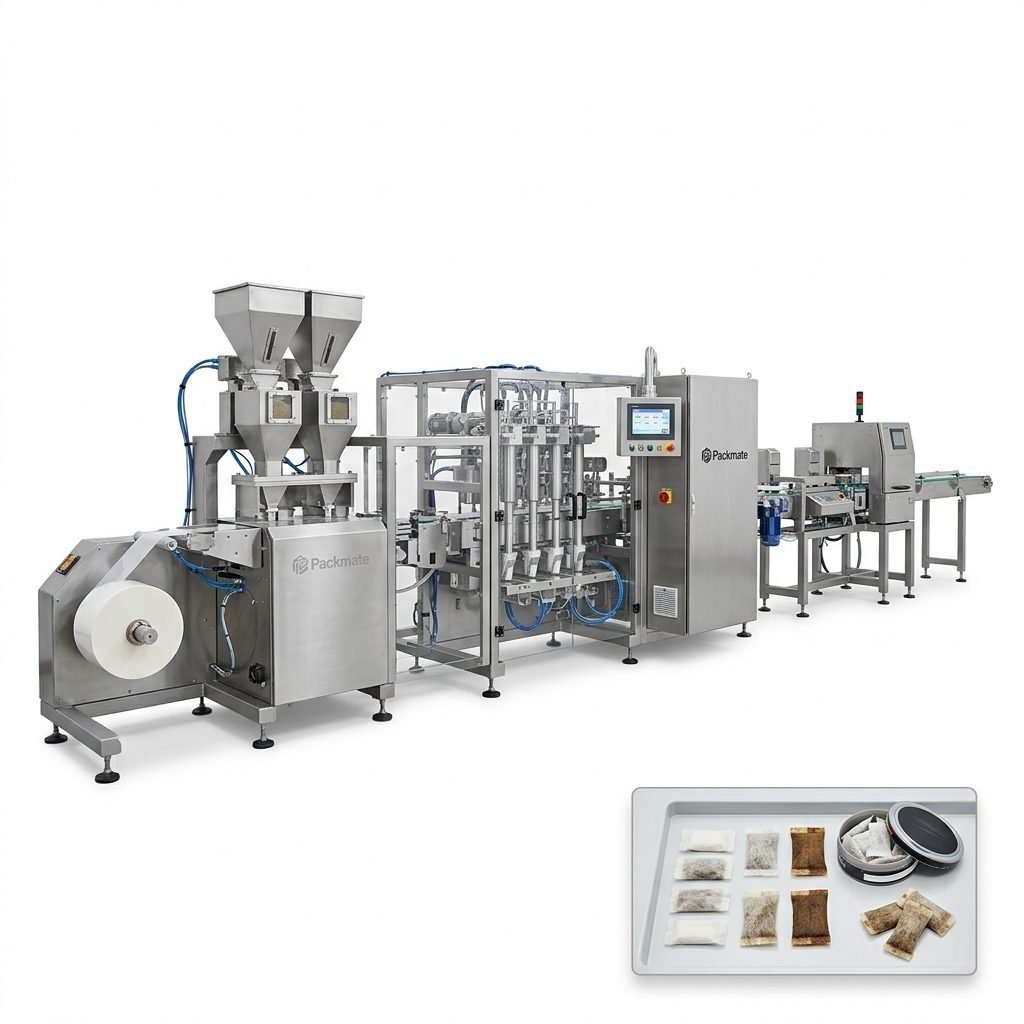
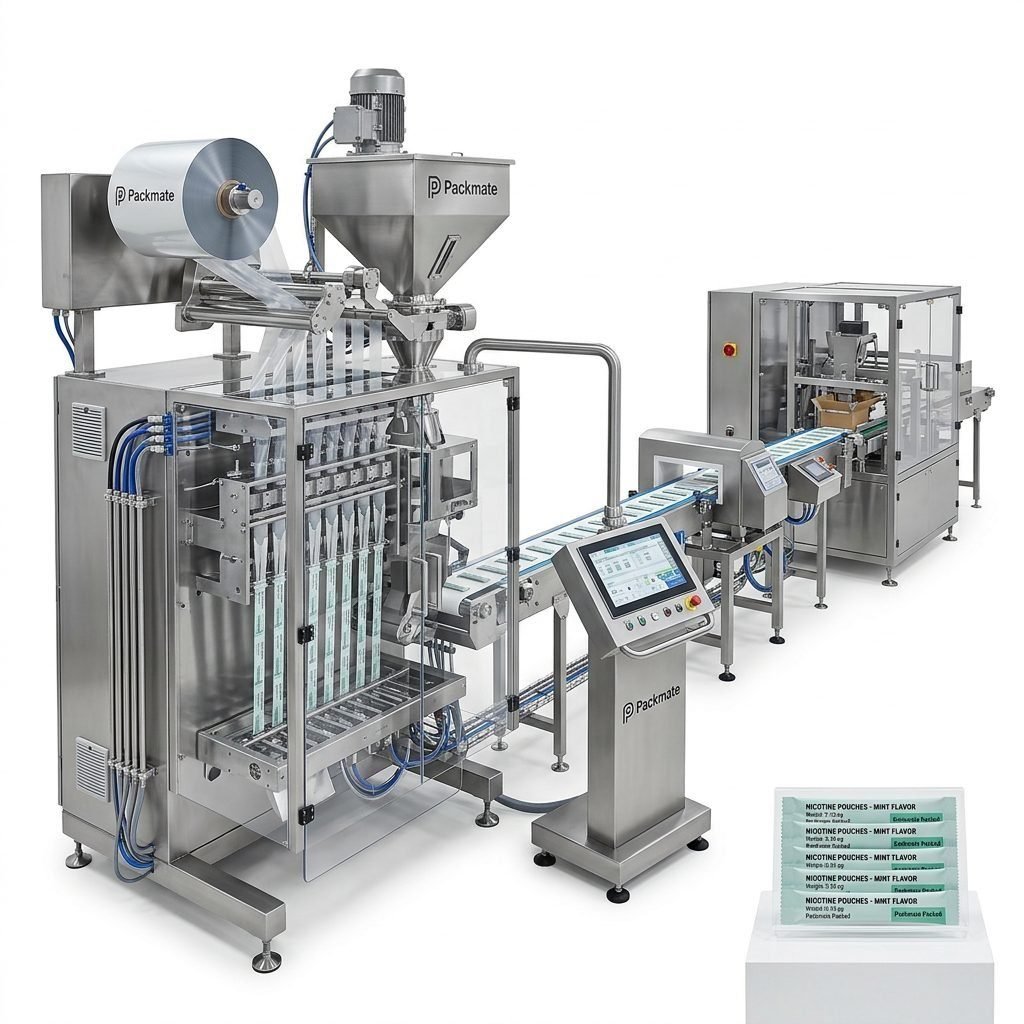
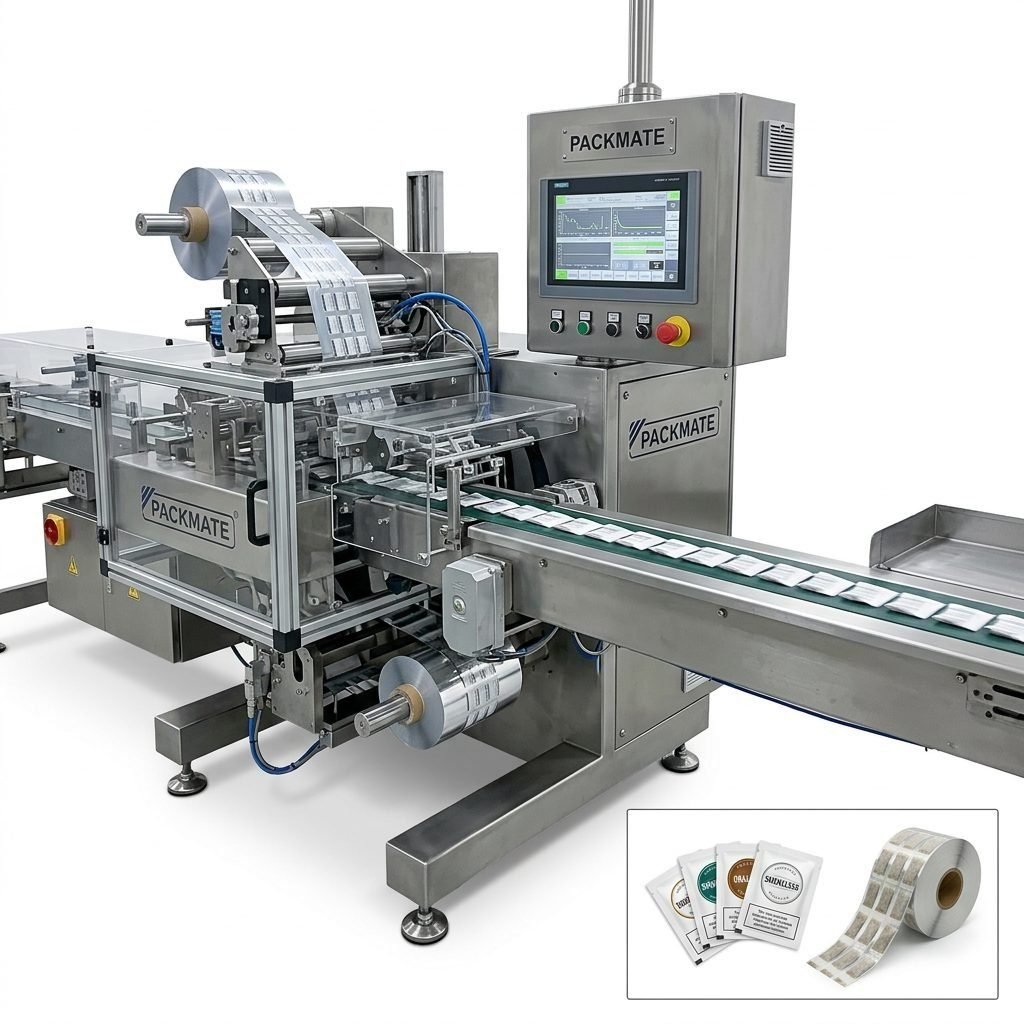
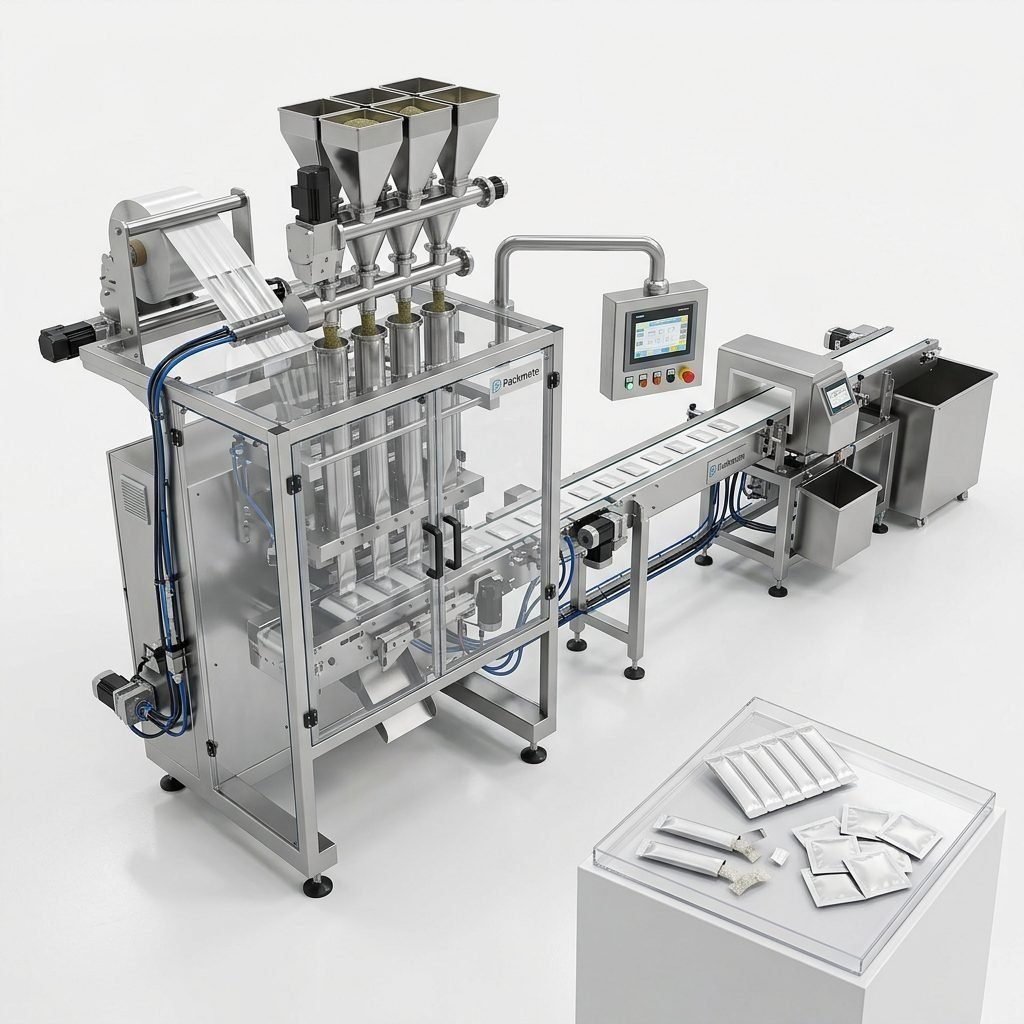
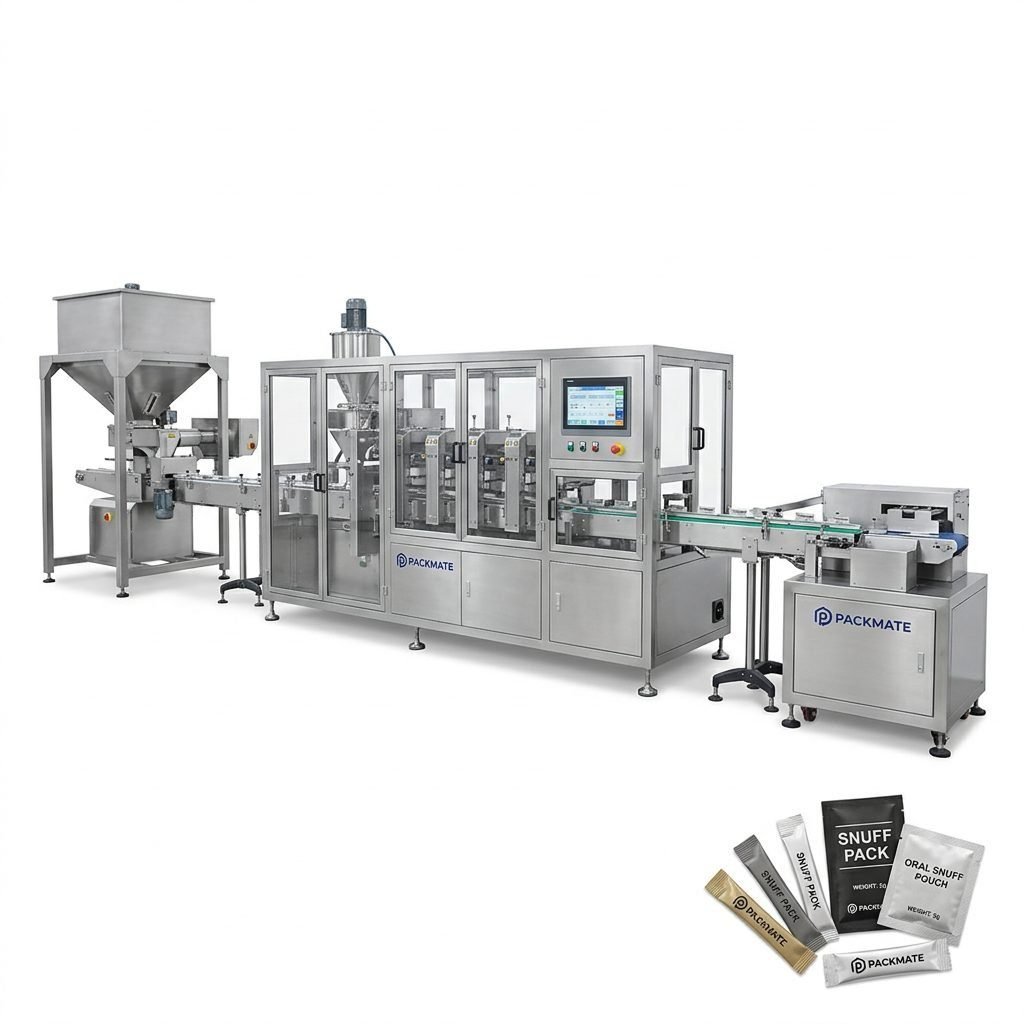
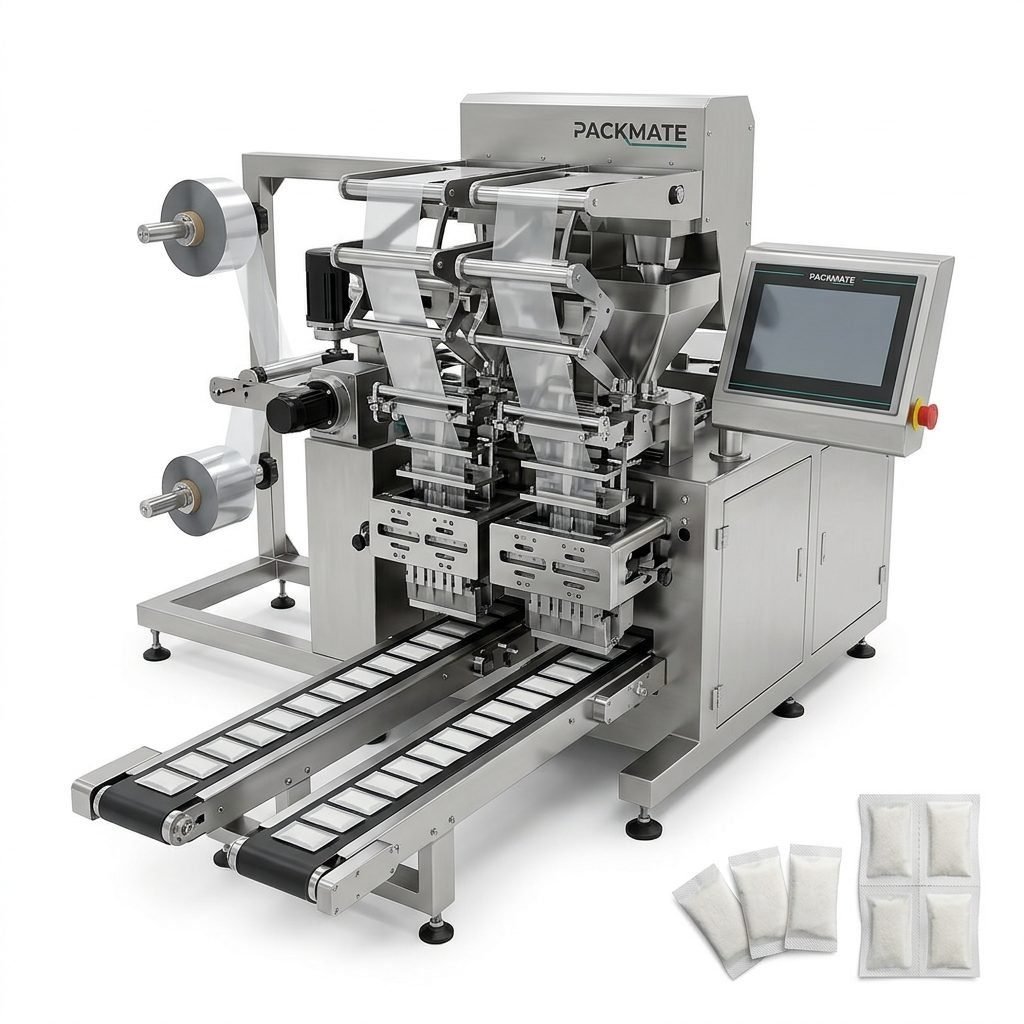
Choosing the right snus packaging machinery in Somalia requires a clear understanding of local market needs, regulatory expectations, and the technical capabilities of available equipment. This guide walks you through practical steps to evaluate machines, recognize the features that matter for nicotine pouches and snus, and select a reliable supplier who can deliver a long-term, cost-effective packaging solution.
Understand the Somali Market and Product Requirements
Somalia’s market for nicotine pouches and snus is evolving. Whether you plan to serve local retailers or export regionally, your packaging machine choice must reflect product format, daily production targets, and regulatory labeling needs. Consider: batch sizes, pouch formats (stick, sachet, multilane bags), barrier material compatibility, and tolerance for dust or humidity in the production environment.
Key product format decisions
Choose machinery based on your primary package type:
Stick packs – great for single-serve linear formats and easy portioning.
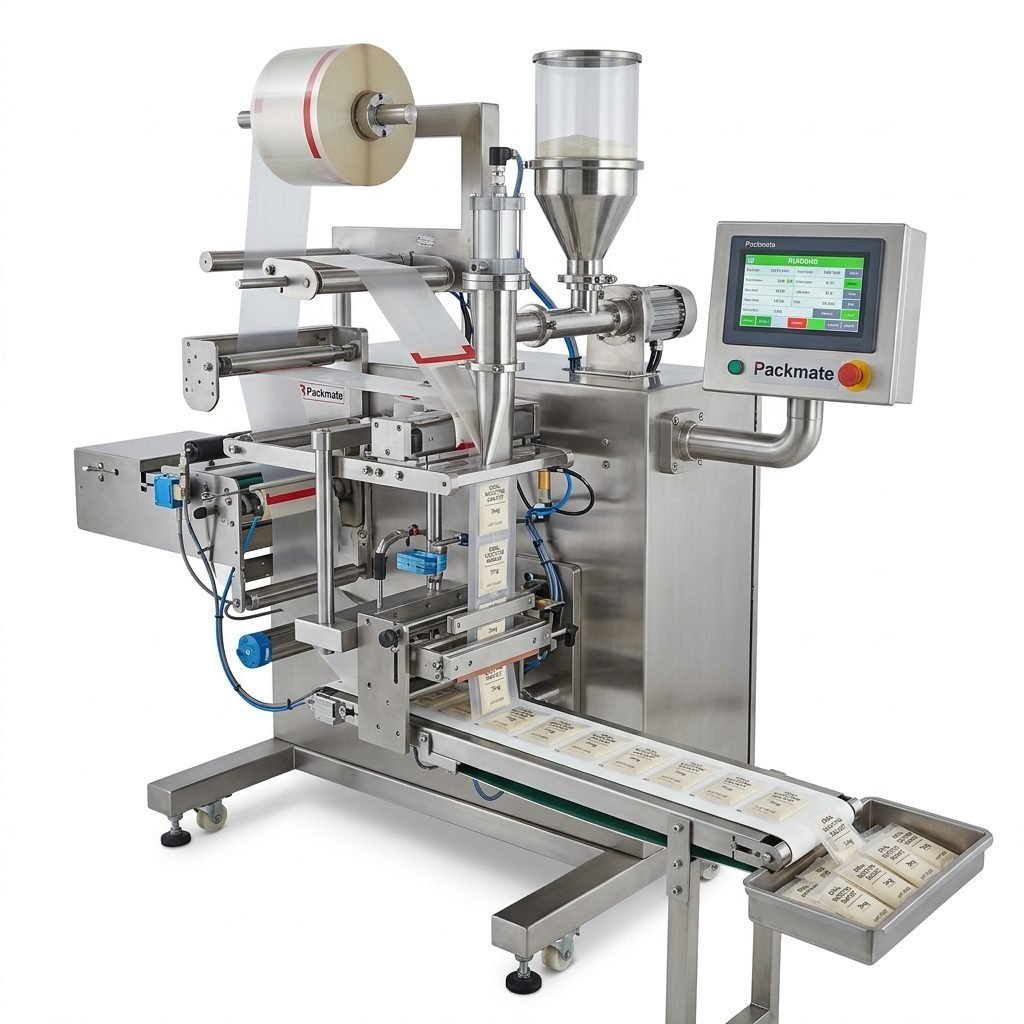
Sachets – flexible labeling and cost-effective for many pouch sizes.
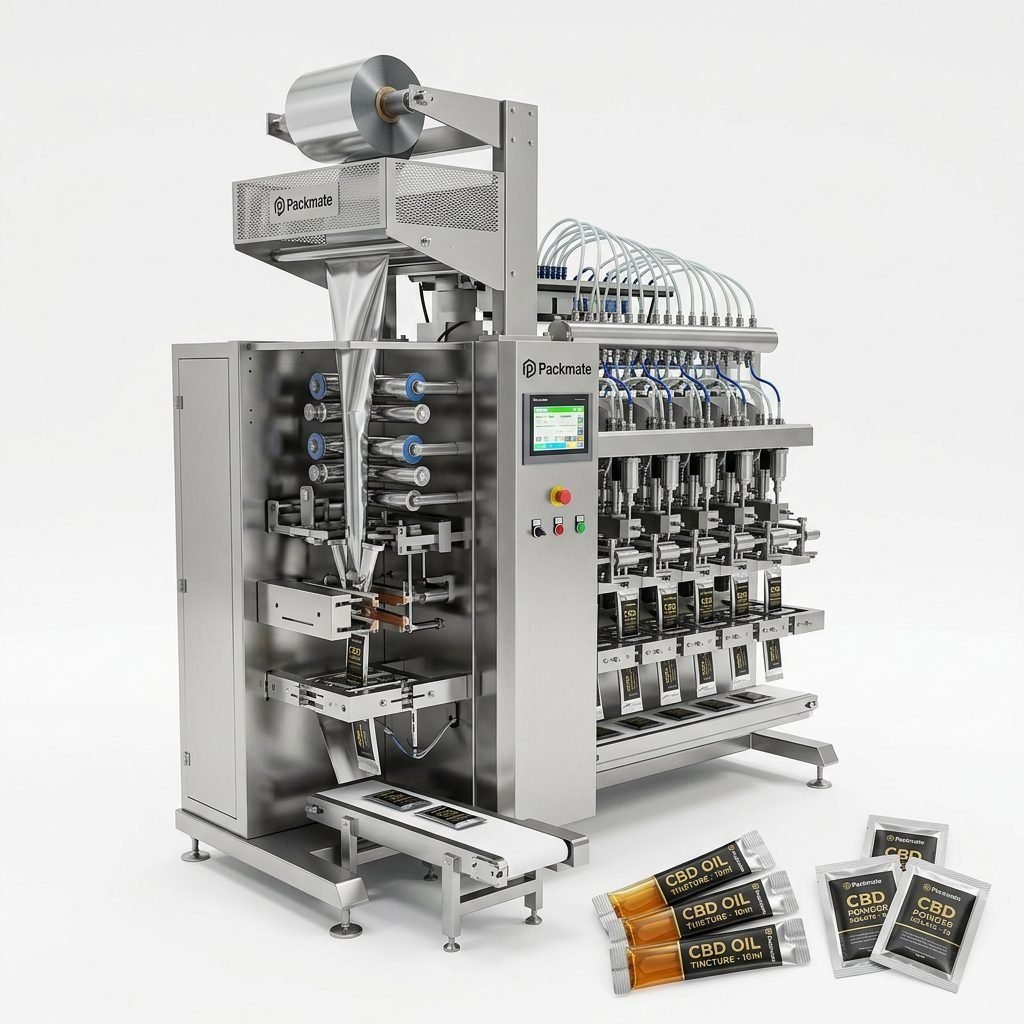
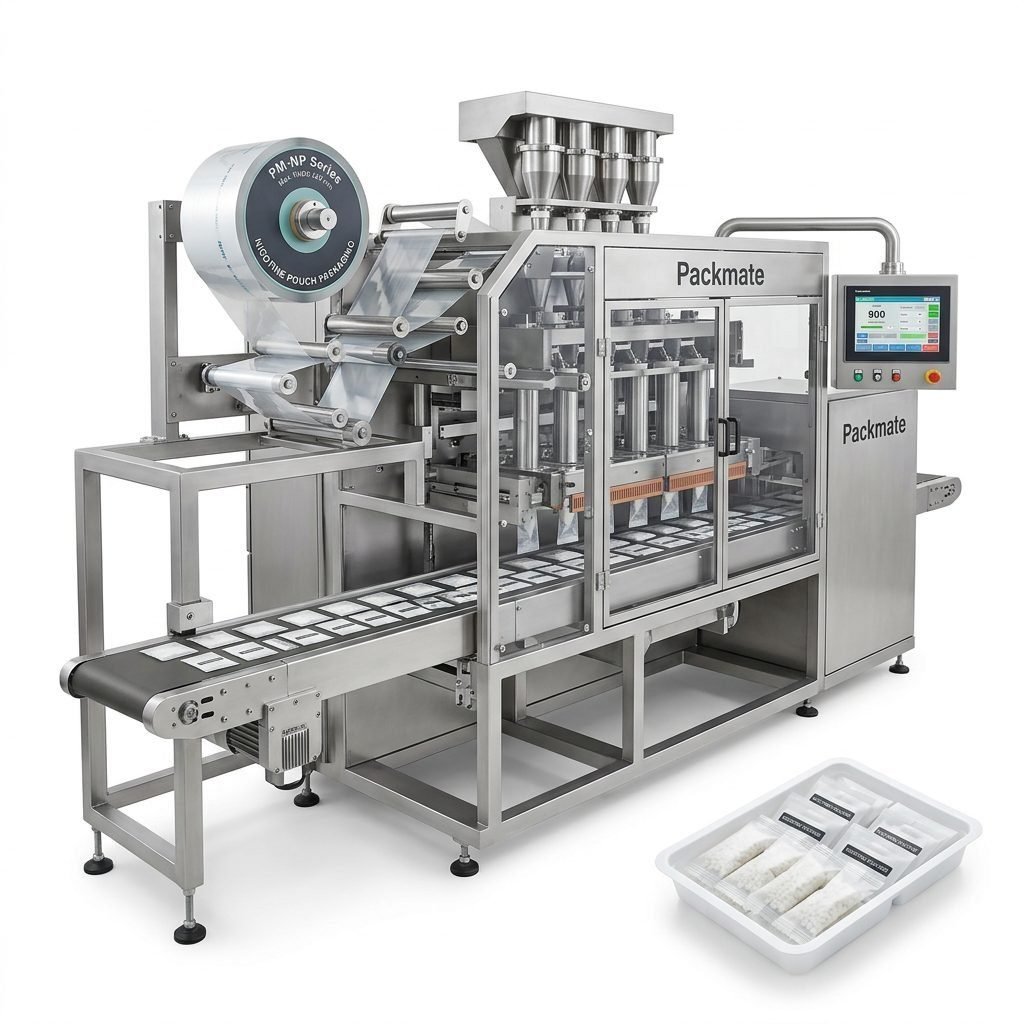
Multi-lane pouch systems – best for high output of small-dose pouches (nicotine/snus).
Core machine specifications to evaluate
📌
Throughput (speed): Measured in pouches per minute or sachets per lane. For small-dose snus, multi-lane machines provide the highest throughput. Match machine speed to realistic staffing and quality control limits.
⚙️
Filling accuracy: Accurate dosing avoids waste and ensures consistent nicotine content. Look for electronic dosing systems or high-precision augers/volumetric fillers with real-time feedback.
Materials and sealing compatibility
Ensure the machine supports the materials you plan to use: laminated barrier films, paper-plastic laminates, or biodegradable alternatives. Check the sealing system (hot jaw, impulse, or ultrasonic) and confirm it produces seals that comply with shelf-life and tamper-evidence requirements.
Automation, Controls and Changeover
Modern snus packaging lines use PLCs, touchscreen HMI, and servo drives for consistent motion control. Benefits to prioritize:
✅ Quick format changeover – reduces downtime between SKUs and enables flexible production runs.
✅ Remote support capability – valuable for troubleshooting when local technical expertise is limited.
✅ Modular design – allows later upgrades such as vision inspection, counting, or secondary packaging modules.
Hygiene, Safety and Compliance
Snus and nicotine pouch production demands good hygiene design: stainless steel contact parts, smooth surfaces, tool-less access for cleaning, and minimized dust traps. Verify that the equipment manufacturer provides documentation for safety guards and CE/ISO compliance.
Evaluating Suppliers: What to ask and verify
Choosing the right supplier is as important as the machine specification. Ask suppliers about:
• Delivery lead times, factory acceptance testing, and on-site commissioning.
• Spare parts availability and local service support network.
• References and case studies in similar markets; request performance data and contactable references.
• Warranty terms, training packages, and remote diagnostics offerings.
Supplier trust signals
Look for a supplier with strong manufacturing capability and global presence. Examples of reassuring signals: decades of engineering experience, a large factory with CNC machining and assembly lines, numerous machine models, and international certifications. For reference, manufacturers like Packmate emphasize 30+ years of experience, CE and ISO compliance, and turnkey packaging solutions.
Turnkey vs. Standalone Machines
Decide whether you need a single machine or a full filling-to-carton turnkey line. Turnkey systems often include weighing and dosing, filling systems, pouch forming/sealing, secondary packaging, and quality inspection. A turnkey approach reduces integration headaches and can deliver faster time-to-market, especially when the supplier provides engineering, installation, and training services.
Cost Considerations and Return on Investment
Evaluate total cost of ownership, not just purchase price. Include installation, shipping, spare parts, utilities, operator training, and expected maintenance. High-efficiency multi-lane machines often have higher upfront costs but lower unit cost per pouch and superior lifetime ROI.
Calculate realistic ROI
Use conservative throughput, yield rates, and downtime estimates. Factor in the savings from automation (labor reduction, less product giveaway) and the potential revenue increase from consistent, high-quality packaging.
Installation, Training and After-Sales Support
Reliable after-sales support is essential for operations in Somalia. Confirm the supplier offers:
• On-site commissioning and operator training.
• Spare parts kits and recommended consumables list.
• Remote troubleshooting and software updates capability.
Practical selection checklist (printable)
Use this quick checklist when assessing machines:
• Required pouch format(s) and materials
• Target output (pouches/minute or total daily capacity)
• Filling accuracy and dosing technology
• Changeover time and tool-less adjustments
• Hygiene design and material contact surfaces
• Certifications, warranty and on-site support
• Supplier track record and reference customers
Why factory strength matters
A strong manufacturing facility reduces lead times and improves quality consistency. Look for companies with advanced CNC centers, precision assembly lines, and strict testing systems. Packmate, for example, highlights a 20,000㎡ factory, over 50 machine models, and global turnkey capability — indicators that support stable deliveries and customization options.
Certifications and exhibitions
International certifications (CE, ISO) and frequent presence at global exhibitions demonstrate a supplier’s commitment to standards and transparency. Meeting a supplier at an exhibition allows live demonstrations and builds confidence in the equipment you plan to purchase.
Useful resources and supplier links
To learn more about specific machine types and view models, explore these resources:
• Snus & Nicotine Packaging Machines — product range
• Bag & Pouch Packaging Machines — packaging solutions
• Case studies & global projects — customer examples
Negotiation tips and contract essentials
When finalizing a purchase, negotiate clear terms: delivery schedule, factory acceptance tests (FAT), acceptance criteria on-site, spare parts list, training days, warranty response times, and penalties for late delivery. Insist on documented performance figures and include them in the contract to protect your investment.
Installation planning for Somalia
Plan for customs clearance, local electrical standards, and site readiness (floor load, compressed air, power supply, dust control). Coordinate with the supplier for pre-shipment checklists and ensure local technicians are available or can be trained during commissioning.
Local staffing and training
Invest in operator and maintenance training. A well-trained local team minimizes downtime and extends machine life. Suppliers that provide structured training programs, manuals, and remote support are higher-value partners.
Final selection summary
📈 Choose based on long-term ROI, not lowest initial price.
🔧 Prioritize filling accuracy, flexible changeover, and hygienic design.
🤝 Select a supplier with proven factory capabilities, certifications, and strong after-sales support.
🌍 If you want to explore full-line solutions or meet the manufacturer, visit the About Packmate page or Contact Us for direct inquiries.
Quick checklist before purchase
Ensure you have: technical specs, FAT plan, spare parts and consumables list, training schedule, and installation timeline. Confirm the supplier’s references and any regional support they can provide.
Frequently Asked Questions
Q1: What machine speed do I need for a small snus brand starting in Somalia?
A1: Start with your target daily output. For a small brand, a single-lane sachet or stick pack machine operating at moderate speed may suffice (e.g., a few thousand pouches/day). If you plan rapid scale-up, evaluate multi-lane systems from the outset.
Q2: How important is local service availability?
A2: Very important. Local or regional service reduces downtime. If local technicians are limited, prioritize suppliers offering remote diagnostics, rapid spare parts shipping, and comprehensive training.
Q3: Can I upgrade a standalone machine to a turnkey line later?
A3: Many modern machines are modular and can be integrated into fuller production lines over time. Confirm modular compatibility and available interfaces when buying the initial machine.
Q4: What documentation should the supplier provide?
A4: Request electrical/mechanical drawings, spare parts lists, operation and maintenance manuals, FAT reports, and safety/certification documents (CE/ISO as applicable).
Q5: Where can I see real machine demos and cases?
A5: Visit supplier exhibition pages and case study sections to view live demos and customer references. For example, check the manufacturer’s case and exhibition sections to schedule a demonstration.