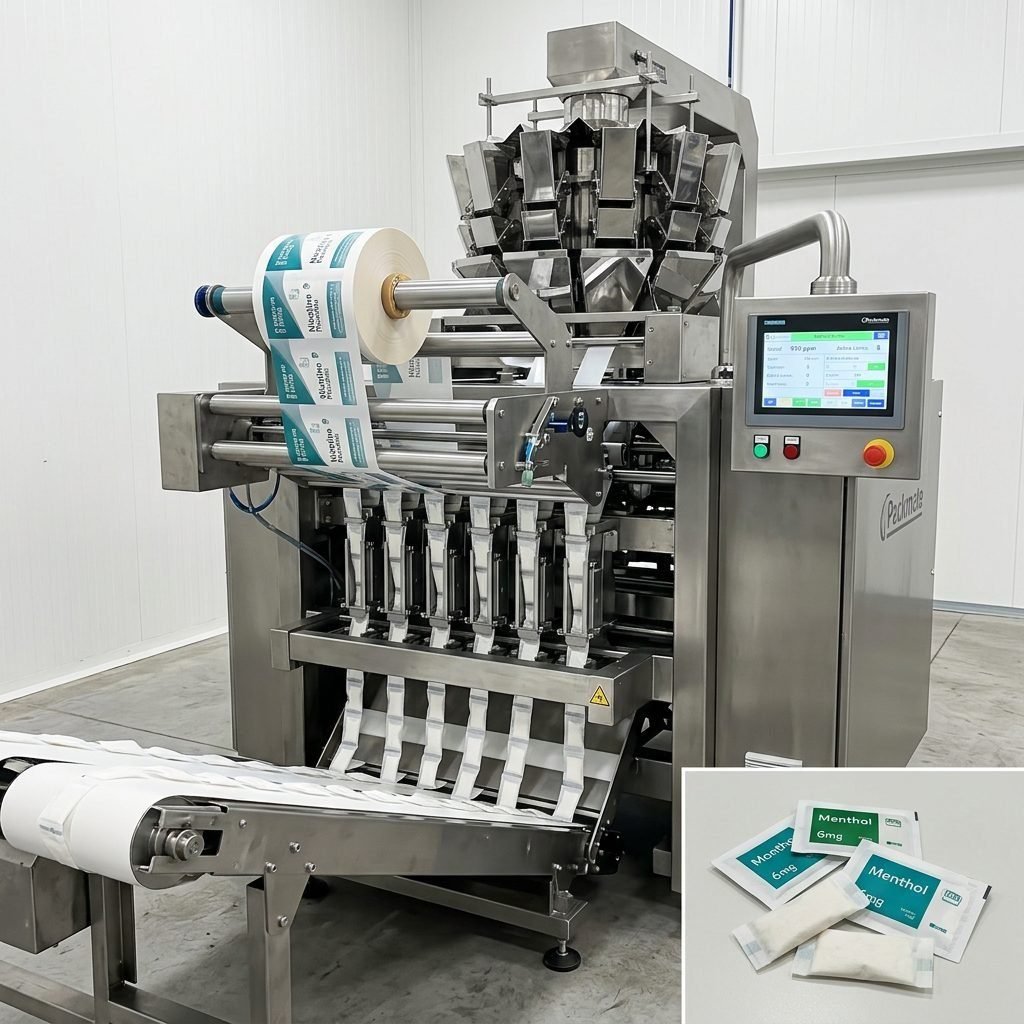
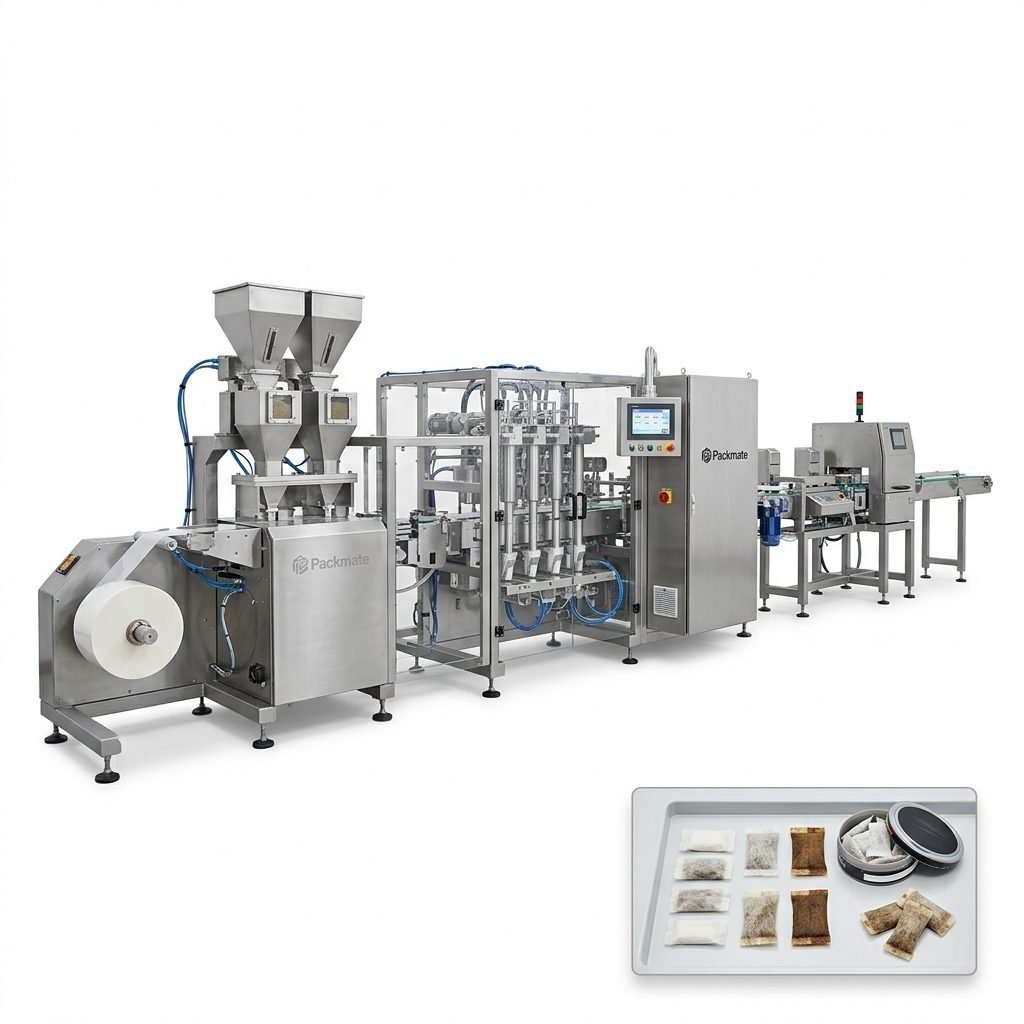
Choosing the right snus packaging machinery manufacturer for your Mali production line is a strategic decision that affects product quality, operational efficiency, compliance, and return on investment. Whether you are starting a new nicotine pouch venture or upgrading an existing line, understanding technical requirements, manufacturing capabilities, and after-sales support will help you make a confident purchase. This guide walks through practical evaluation steps, technical checks, and negotiation tips to help you select the best partner for long-term success.
Understand Your Production Needs First
Before contacting manufacturers, create a clear brief of your production needs. Key questions to answer include: expected daily output, pouch size range, product types (powder, granule, liquid, nicotine pouch), and required packaging formats (stick pack, sachet, multi-lane pouches). These inputs determine the machine configuration and automation level you should target.
Consider the future growth of your brand: if you plan to expand SKU variety or increase throughput, prioritize modular systems and multi-lane capability. Multi-lane systems often allow manufacturers to multiply output without duplicating floor space, delivering long-term cost efficiency.
Key production parameters to document
• Target output (units/hour or pouches/minute) • Pouch dimensions and tolerances • Fill weights and accuracy requirements • Product form (wet/dry, powder, granule, paste) • Film and material types • Required labeling/printing functions • Clean room or hygienic standards if needed
Know the Machine Types and When to Use Them
Different packaging formats require specific equipment. Familiarize yourself with the main machine families so you can ask targeted questions during supplier evaluations.
Snus & Nicotine Packaging Machines
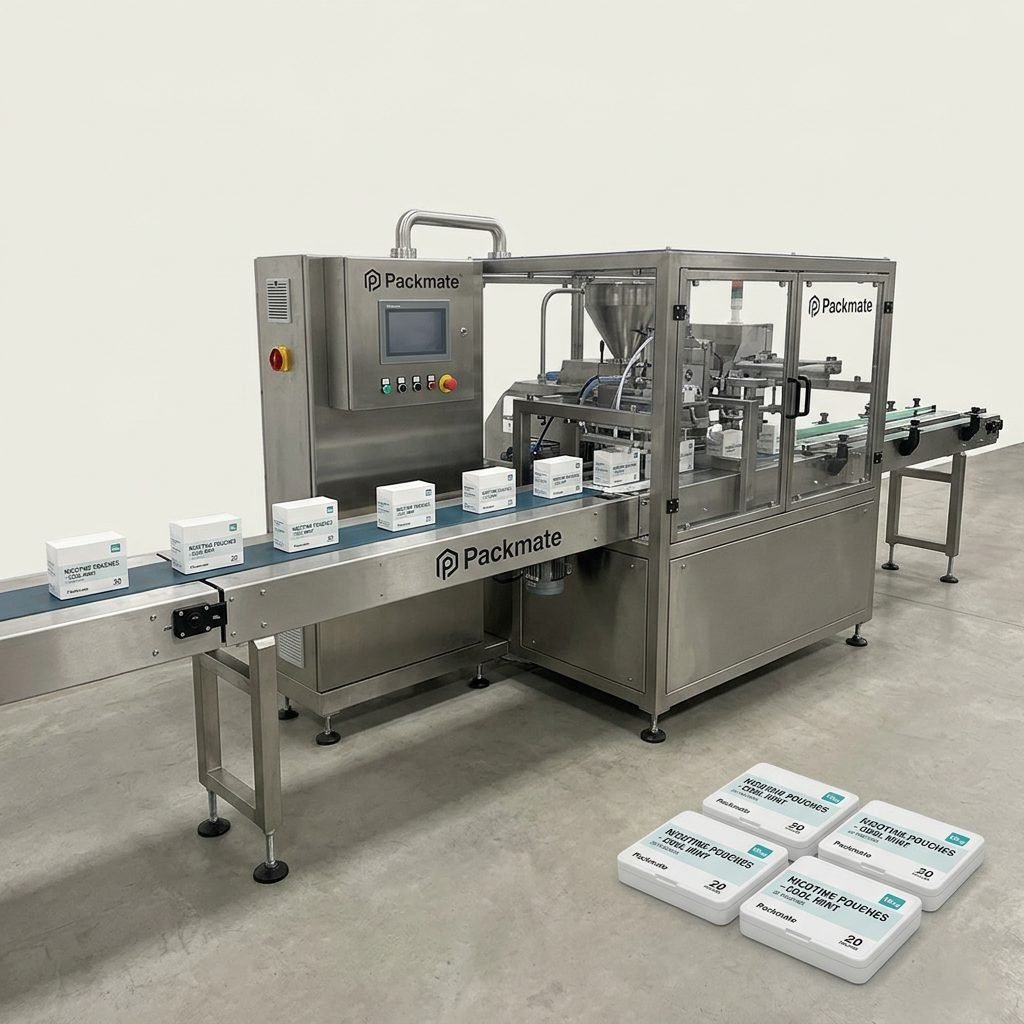
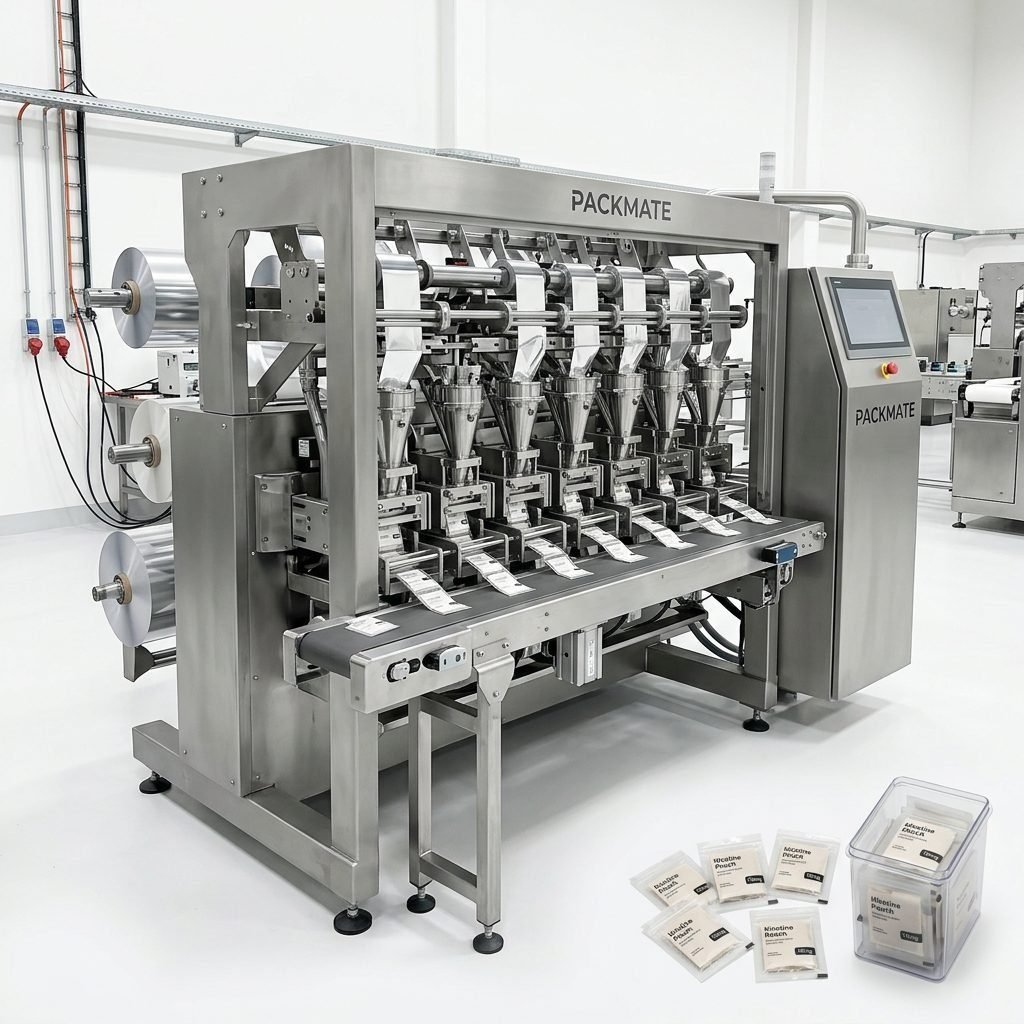
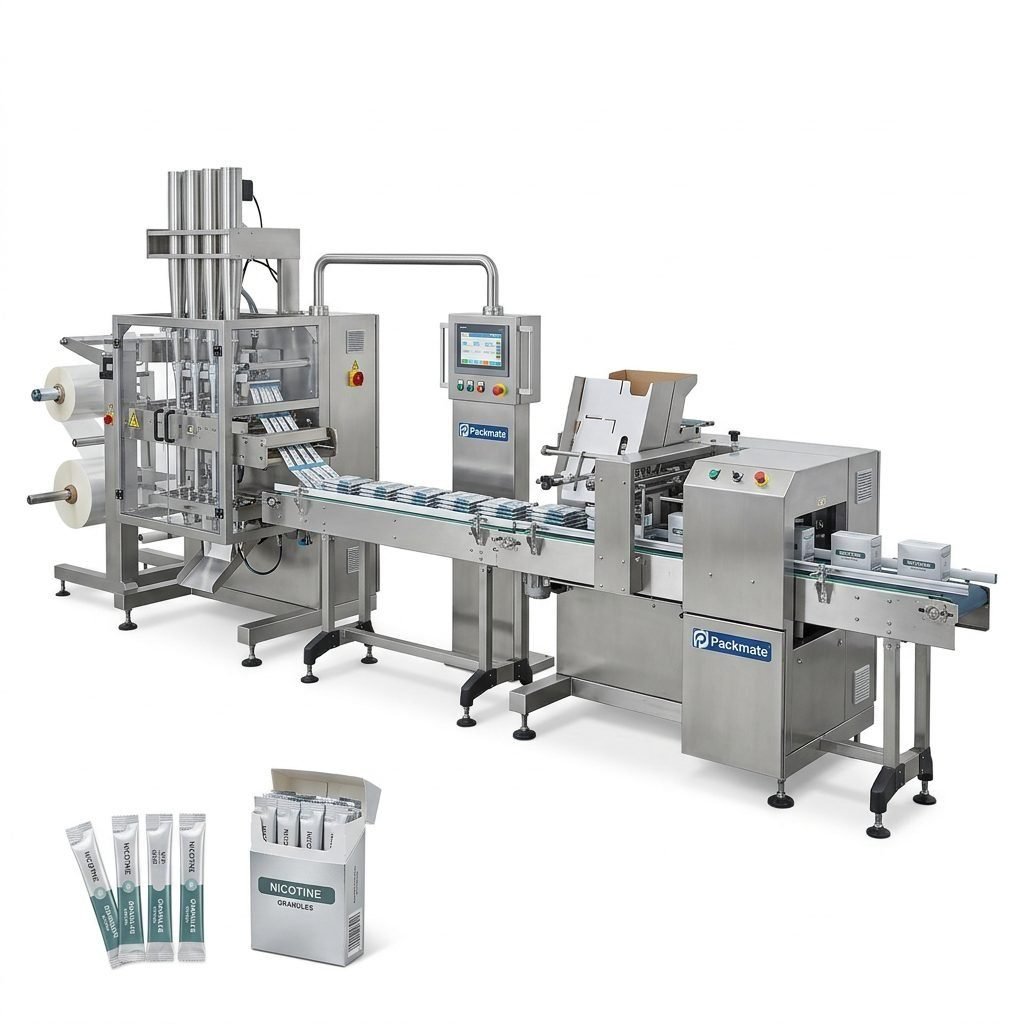
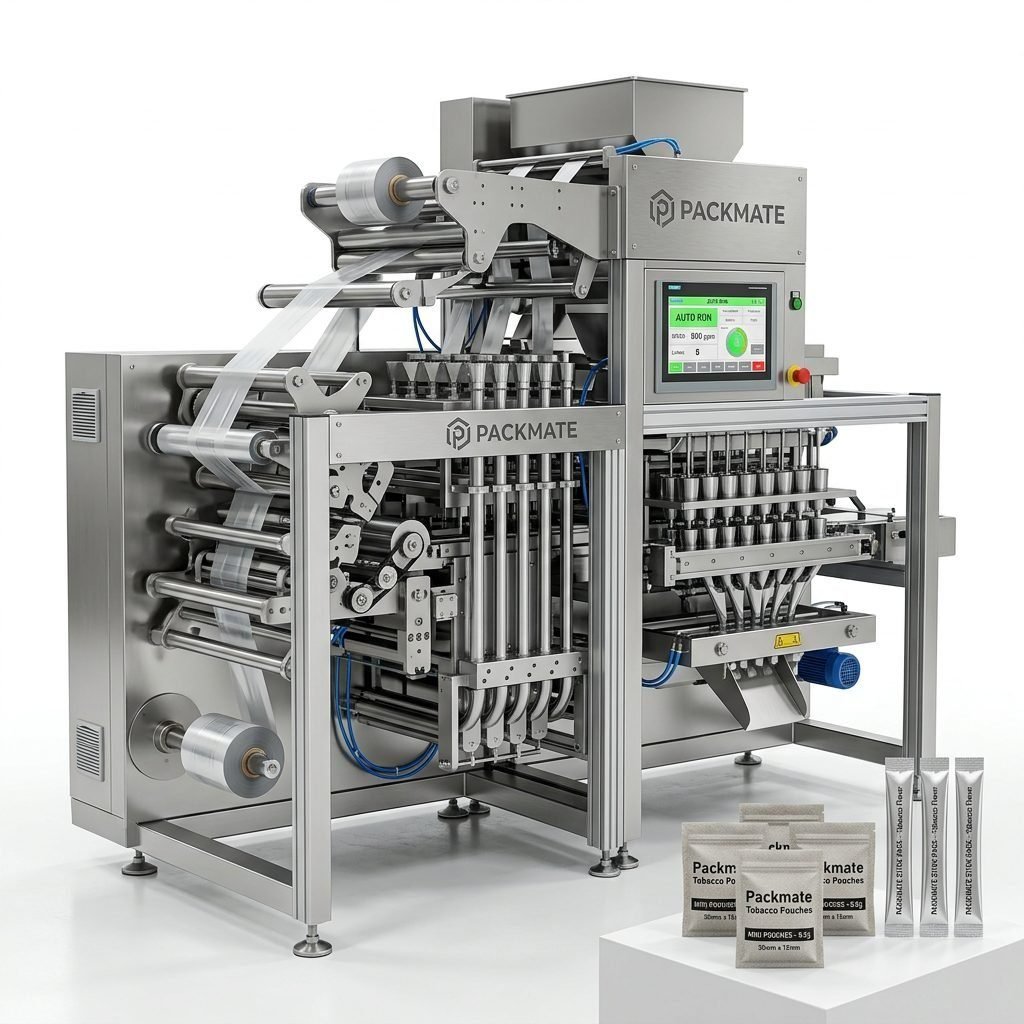
For nicotine pouches and snus, specialized pouch machines optimize small-dose filling, sealing, and multi-lane output. Explore product options and technical specs on the manufacturer’s product page: Snus & Nicotine Packaging Machines.
Sachet & Stick Pack Machines
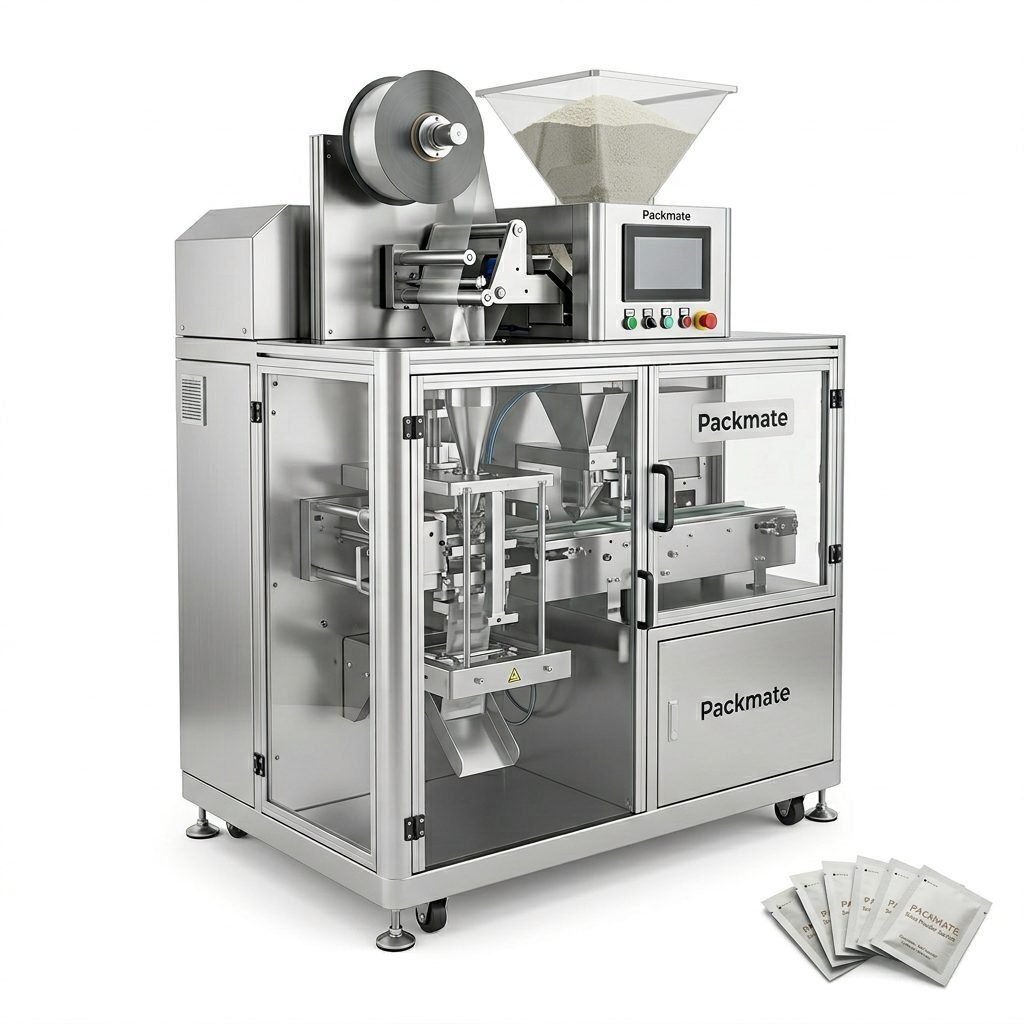
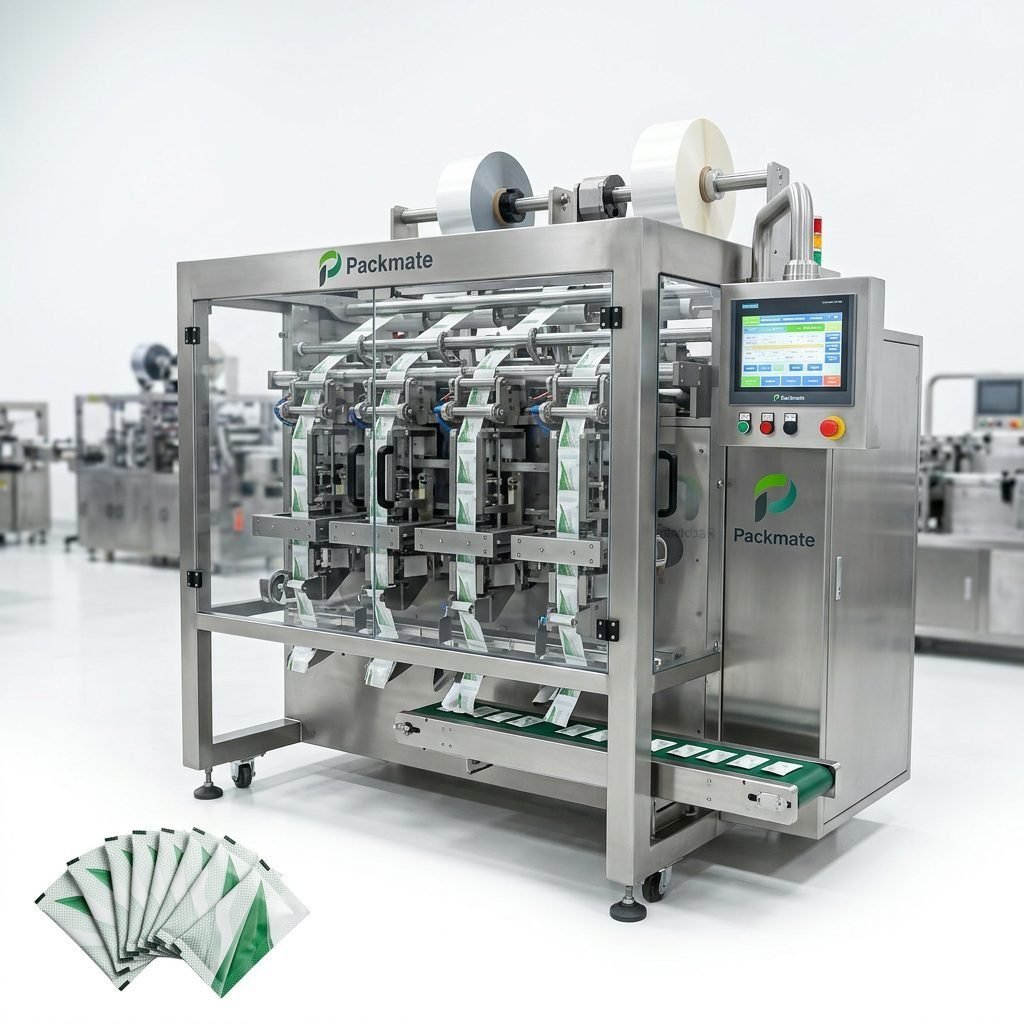
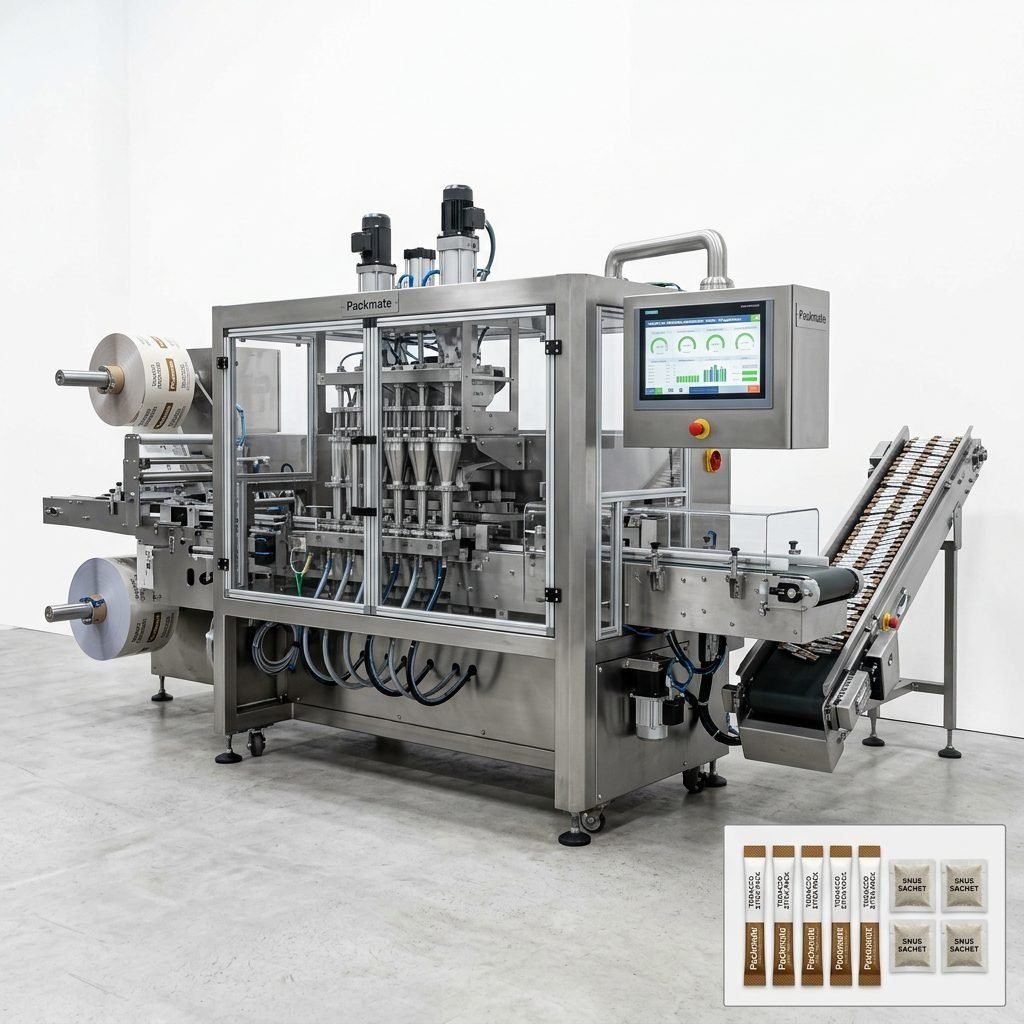
Stick packs and sachets are suitable for single-dose products and can be an economical option for certain markets. High-speed stick pack systems can increase throughput while maintaining dosing accuracy: Sachet & Stick Pack Machines.
Weighing, Filling & Auxiliary Systems
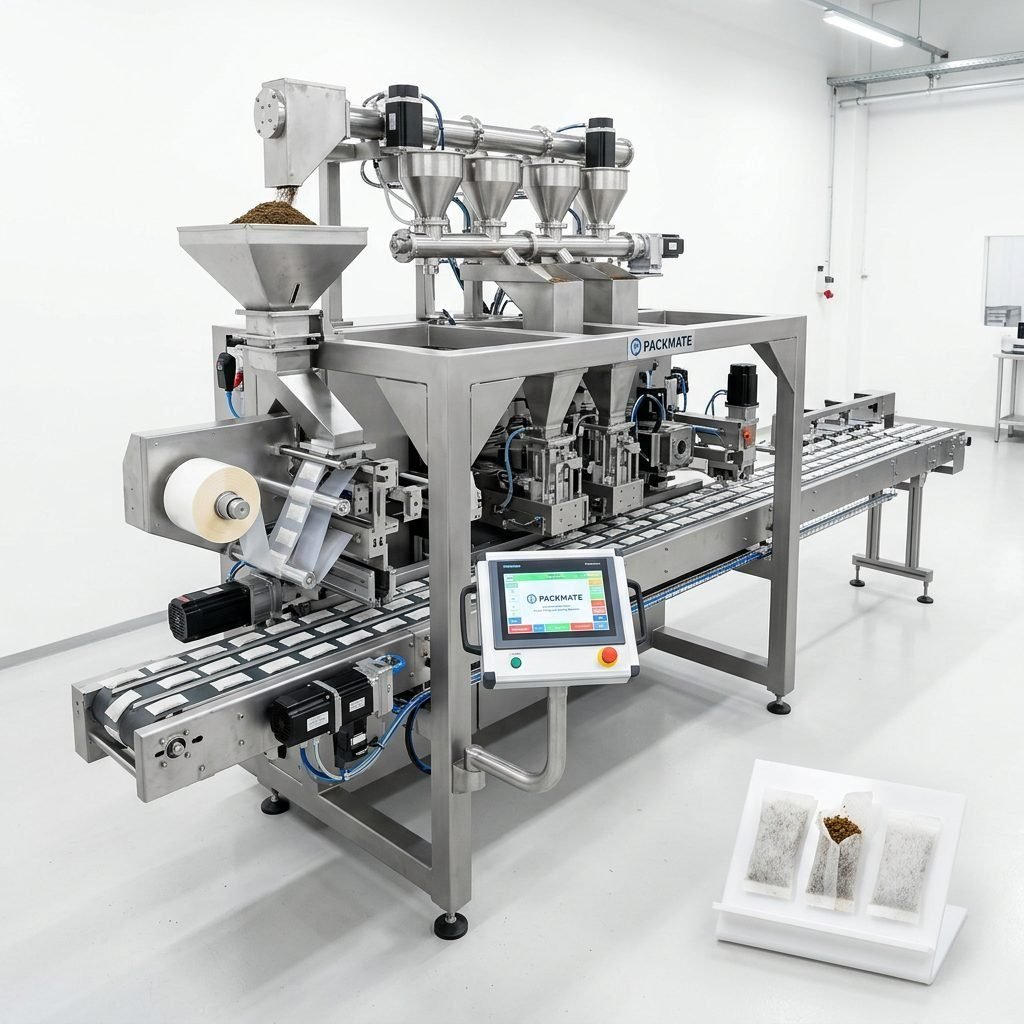
For blends or complex formulations you may need integrated weighing and dosing systems. Combining a weighing system with the filling line improves accuracy and traceability: Weighing & Packaging Systems and Filling & Packaging Lines.
Evaluate Manufacturer Capabilities
When shortlisting manufacturers, evaluate their technical depth, production capacity, and real-world experience. Look for companies that publish clear facts about factory size, machine models, and certifications. A manufacturer with a large, well-equipped factory and 30+ years of engineering experience provides stronger assurance of consistent quality and support.
Key manufacturer attributes to confirm:
✅ Factory scale and advanced CNC machining centers • ✅ Number of machine models and customization options • ✅ Quality certifications (CE, ISO) • ✅ Global turnkey project experience • ✅ Spare parts inventory and lead times
Inspect Technical Performance and Engineering Details
Technical performance metrics matter. Ask the manufacturer for documented specifications and test reports showing speed (pouches/min), dosing accuracy, rejection rates, and uptime statistics. If available, review video demonstrations or factory acceptance tests to observe machine behavior under real production conditions.
Key technical checks:
• Motion control and PLC brand • Filling dosing method and tolerance • Film feed and sealing system robustness • Changeover time between SKUs • Maintenance access and hygienic design for cleaning
Multi-lane Systems and Scalability
For snus and nicotine pouches, multi-lane systems multiply throughput without linear increases in footprint or labor. Confirm lane balance, lane-by-lane quality detection, and whether the vendor can supply lane-specific tooling and spare parts.
Quality, Compliance and Certifications
Regulatory compliance impacts your ability to sell in international markets. Verify that equipment and production processes align with CE and ISO standards. Request copies of certificates and ask about any compliance testing the machines undergo before shipment.
You can often review a manufacturer’s certifications and company profile online: Certificate and About Packmate.
Service, Training and After-sales Support
Strong after-sales service minimizes downtime. Confirm the vendor’s spare parts policy, remote support capabilities, and whether training is included for operators and maintenance staff. A reliable supplier offers clear service SLA options and fast spare parts delivery to Mali or nearest logistics hub.
Practical items to confirm:
• On-site commissioning and local training • Remote troubleshooting and software support • Availability of consumables and wear parts • Annual maintenance contracts and preventive schedules • Warranty terms and coverage limits
Service & Contact Resources
Check the manufacturer’s service page and contact options before ordering: Service and Contact Us.
Factory Visit, Testing and Acceptance
Whenever possible, schedule a factory visit or attend an exhibition demo. Observing machines running at the manufacturer’s facility provides insights into build quality, assembly standards, and real throughput. If a visit is not possible, request a live video demonstration and a factory acceptance test (FAT) where your product is trialed on the equipment.
If the vendor participates in global fairs, you can meet them at exhibitions and see live demonstrations: Our Exhibition.
Procurement checklist — must-have documents
🔹 Detailed technical datasheet with guaranteed specs
🔹 FAT plan and acceptance criteria
🔹 Warranty and spare parts list with lead times
🔹 CE / ISO certificates and test reports
🔹 Training and commissioning plan
Cost Evaluation and ROI
Evaluate the total cost of ownership rather than the initial purchase price alone. Consider energy consumption, labor savings from automation, spare parts costs, expected uptime, and maintenance requirements. A slightly higher capital expense for a more reliable, higher-efficiency machine often yields a better ROI through reduced downtime and consistent product quality.
Include hidden costs in your calculation: tooling changeover downtime, freight and import duties to Mali, installation, and validation costs.
Negotiation tips
• Request bundled pricing for multiple machines and spare parts • Ask for extended warranties or trial periods • Negotiate training packages and on-site support days • Secure clear payment milestones tied to FAT and shipment
Reference Projects and Case Studies
Review customer references and case studies to validate performance claims. Real-world projects demonstrate a manufacturer’s problem-solving ability and their experience across different markets. View documented projects and case examples: Case.
Step-by-step Decision Guide
1. Define production brief and growth projections.
2. Shortlist manufacturers with relevant machine models and certifications.
3. Request datasheets, FAT plans, and video demos.
4. Compare total cost of ownership and ROI scenarios.
5. Validate references and negotiate contractual terms with clear acceptance criteria.
Quick vendor scoring matrix (example)
• Technical fit: high/medium/low • After-sales support: high/medium/low • Certifications: yes/no • Spare parts availability: fast/normal/slow • Price vs TCO: favorable/neutral/unfavorable
Why a Trusted Manufacturer Matters
Partnering with an experienced manufacturer reduces risk. Look for a supplier that shares technical documentation, supports turnkey solutions, and has a track record building machines specifically for snus and nicotine pouches. A proven vendor will offer engineered solutions that balance speed, accuracy, and hygiene—essentials in nicotine pouch production.
For a deeper overview of supplier capabilities and history, review the company profile and mission statements available online: Mission & Vision and About Packmate.
Final practical checklist before signing
• Confirm FAT acceptance criteria in writing • Include spare parts kit with shipment • Ensure training and commissioning days are scheduled • Agree clear warranty and service response times • Lock down payment milestones and delivery schedule
Summary and Next Steps
Selecting the best snus packaging machinery manufacturer for Mali requires a balanced evaluation of technical fit, factory capability, certifications, service commitments, and total cost of ownership. Use the procurement checklist to standardize vendor responses, prioritize on-site testing or FAT, and secure a service package that protects your uptime. With clear requirements and a structured selection approach, you will minimize risk and choose a partner who can support growth over the long term.
Common Questions (FAQs)
Q1: How do I verify a manufacturer’s machine performance claims?
A1: Request a formal FAT with your product, recorded video demonstrations, and customer references. Verify specifications against actual test runs and ask for tolerance and rejection rate data.
Q2: What certifications should snus packaging machinery have for export and safety?
A2: At minimum, look for CE and ISO compliance; additional hygienic design documentation and material contact certifications may be required depending on destination market regulations.
Q3: How quickly can spare parts be supplied to Mali?
A3: Lead times vary by vendor and part. Confirm local inventory levels, express shipping options, and average fulfillment times before signing. Negotiate a minimal spare parts kit with your order.
Q4: Should I buy single-lane or multi-lane equipment?
A4: Choose multi-lane if you need higher throughput within a limited footprint and expect volume growth. Single-lane may be more economical for low-volume or pilot runs.
Q5: Where can I see real projects and customer cases?
A5: Review the manufacturer’s case studies and exhibition demos to observe real-world performance and client feedback: Case.