Choosing the right snus packaging machine supplier for your business in Comoros is a strategic decision that affects product quality, operational costs, and long-term growth. Whether you are starting a small local brand or scaling up to supply regional markets, this guide walks you through practical criteria, cultural considerations, logistical realities, and negotiation tips so you can make an informed purchase that fits the unique Comorian context.
Understand Local Market and Cultural Context
Comoros is an island nation with a majority Muslim population, and social attitudes toward tobacco and nicotine products can be conservative. Before investing in a packaging line, research local demand patterns, legal restrictions, and label language requirements (Comorian/Shikomori, French, and Arabic are commonly used). A supplier that understands regional sensitivities and can help with compliant labeling and discreet distribution options is a major advantage.
Key cultural and market points to consider
– Local preference for small-format products and discreet packaging.
– Need for labeling in French and Arabic to meet consumer expectations and regulatory checks.
– Sensitivity around marketing; suppliers experienced in conservative markets will provide safer product presentation options.
Technical Capabilities: What to Evaluate
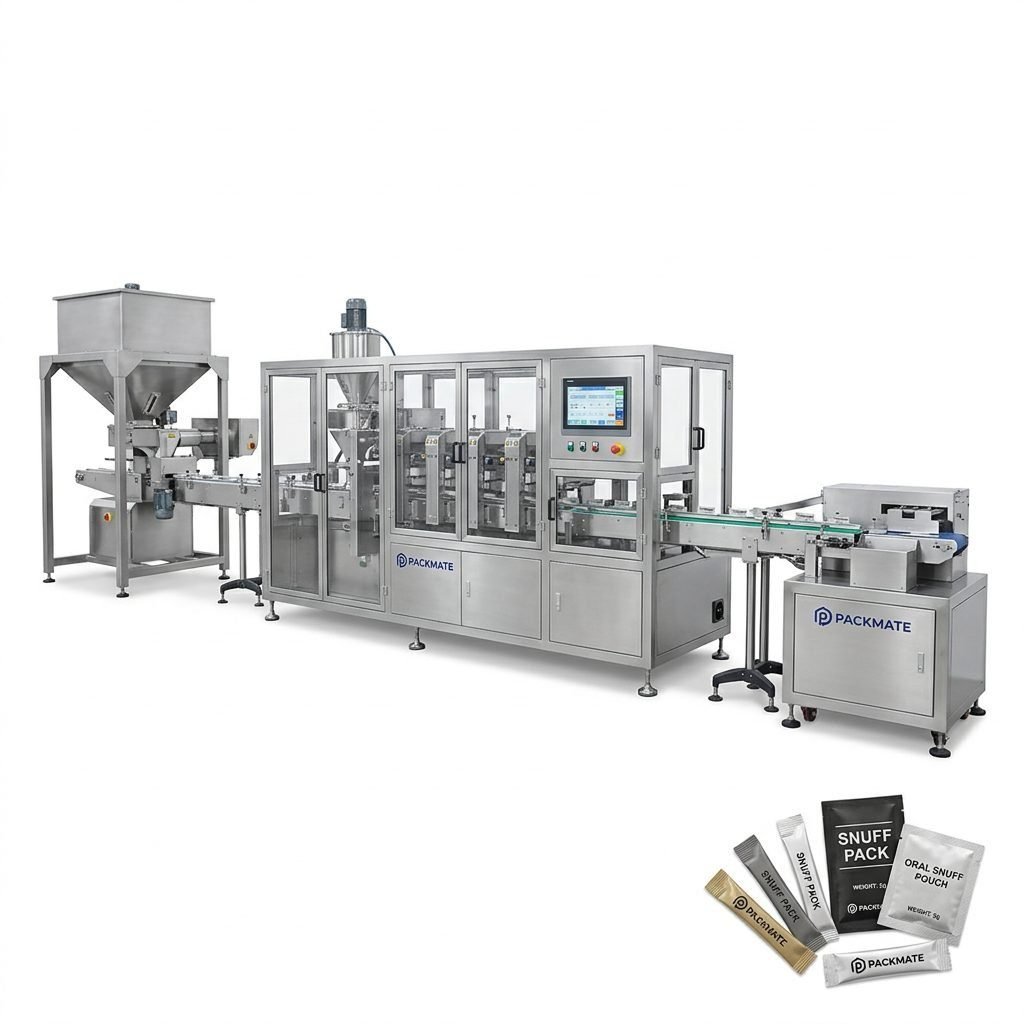
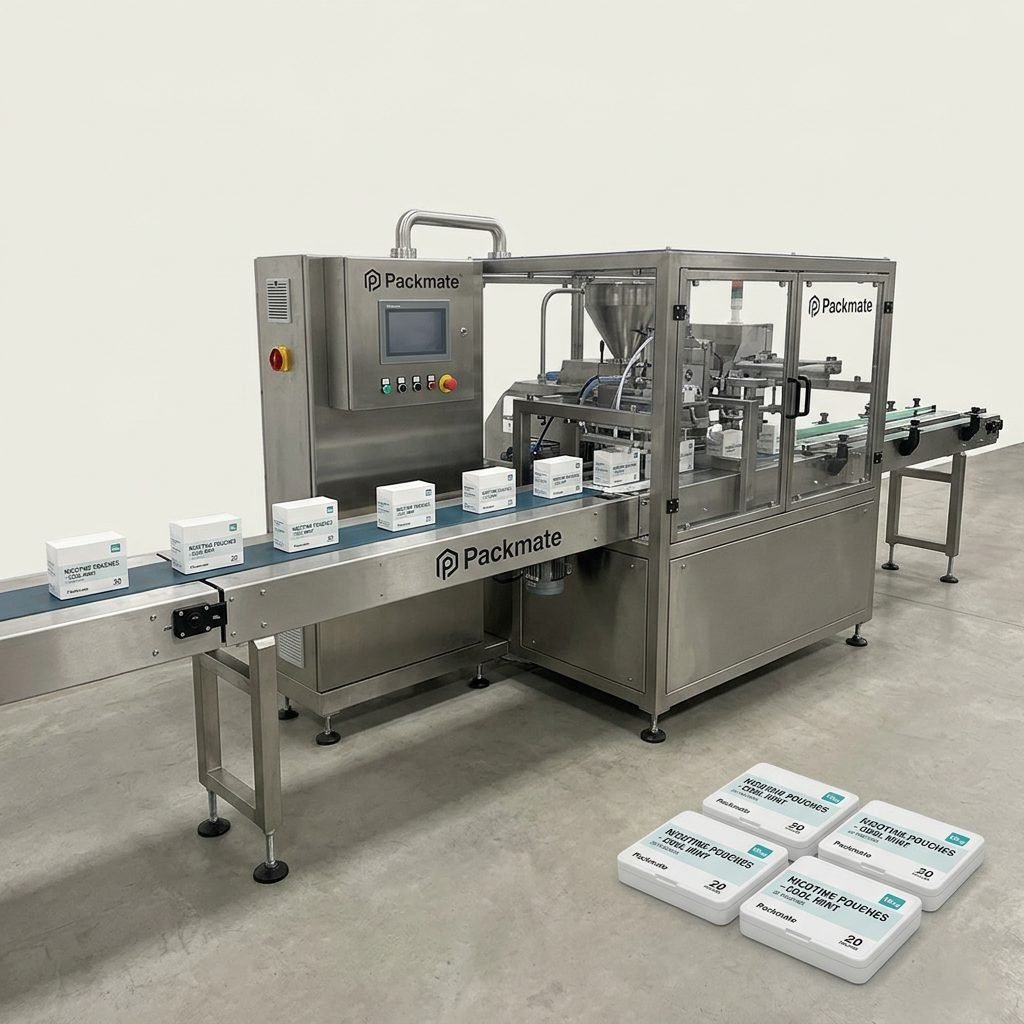
When evaluating suppliers, focus on machines that deliver consistency, low downtime, and flexibility. For snus and nicotine pouches, key technical specs include fill accuracy, pouch format compatibility (stick pack, sachet, multi-lane pouches), production speed, and ease of changeovers.
🔍 Must-check technical items: servo-driven dosing, multi-lane options for small-dose pouches, hygienic design for easy cleaning, and compatibility with your fill materials (powder, granules, or moist snus).
Why multi-lane and modular systems matter
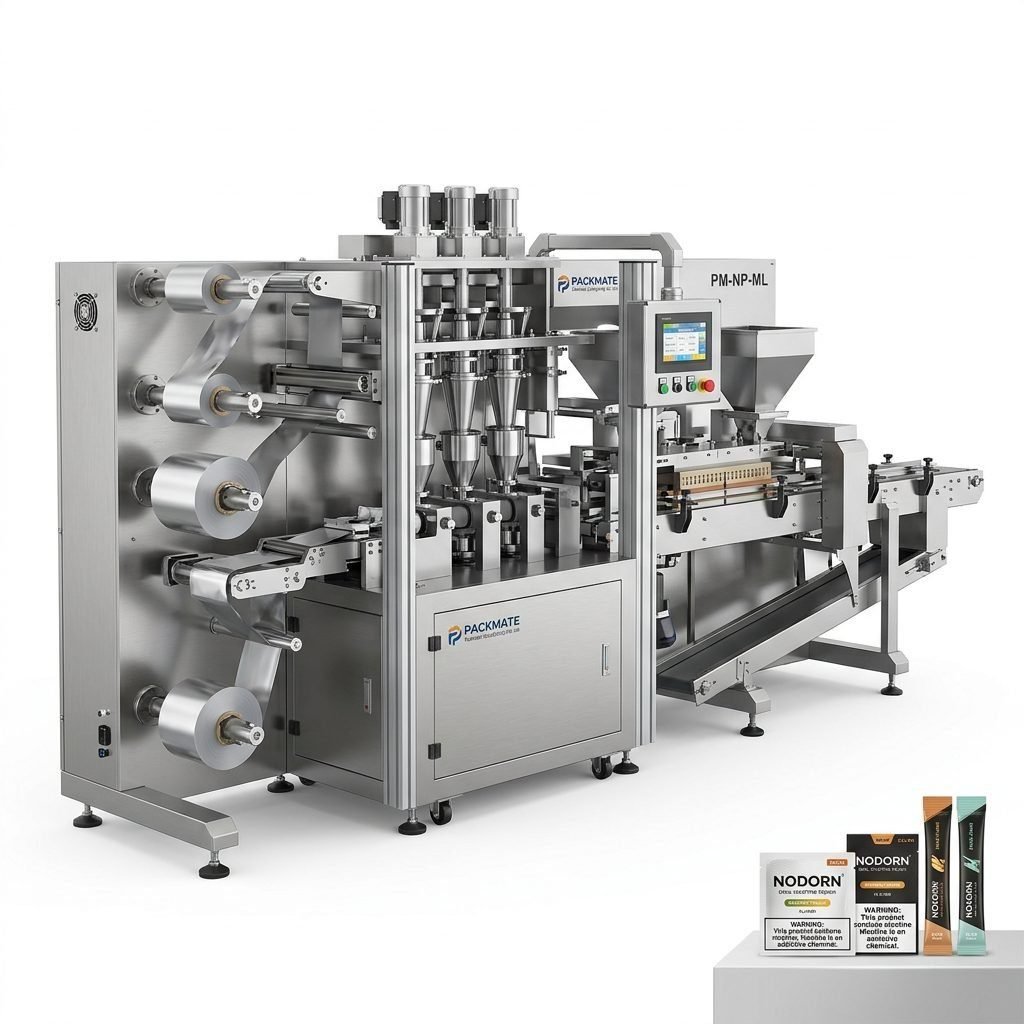
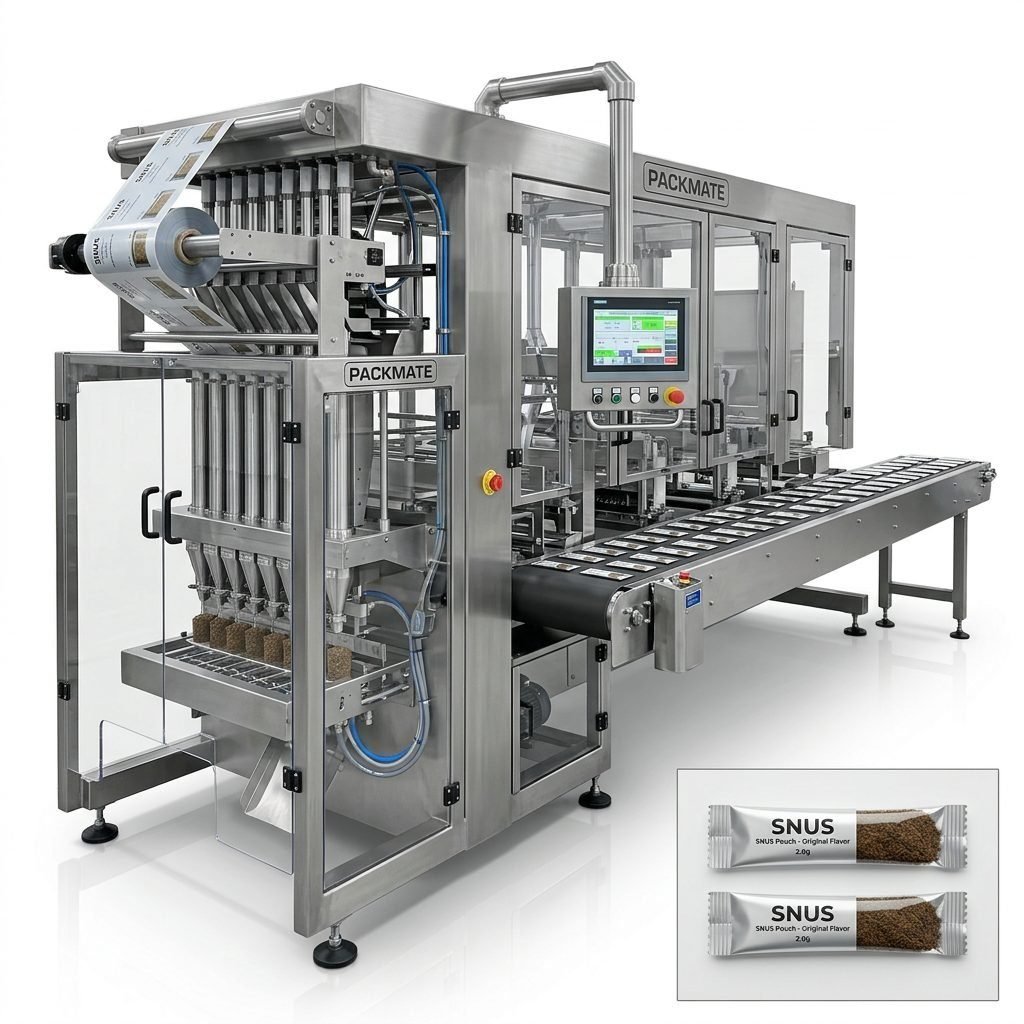
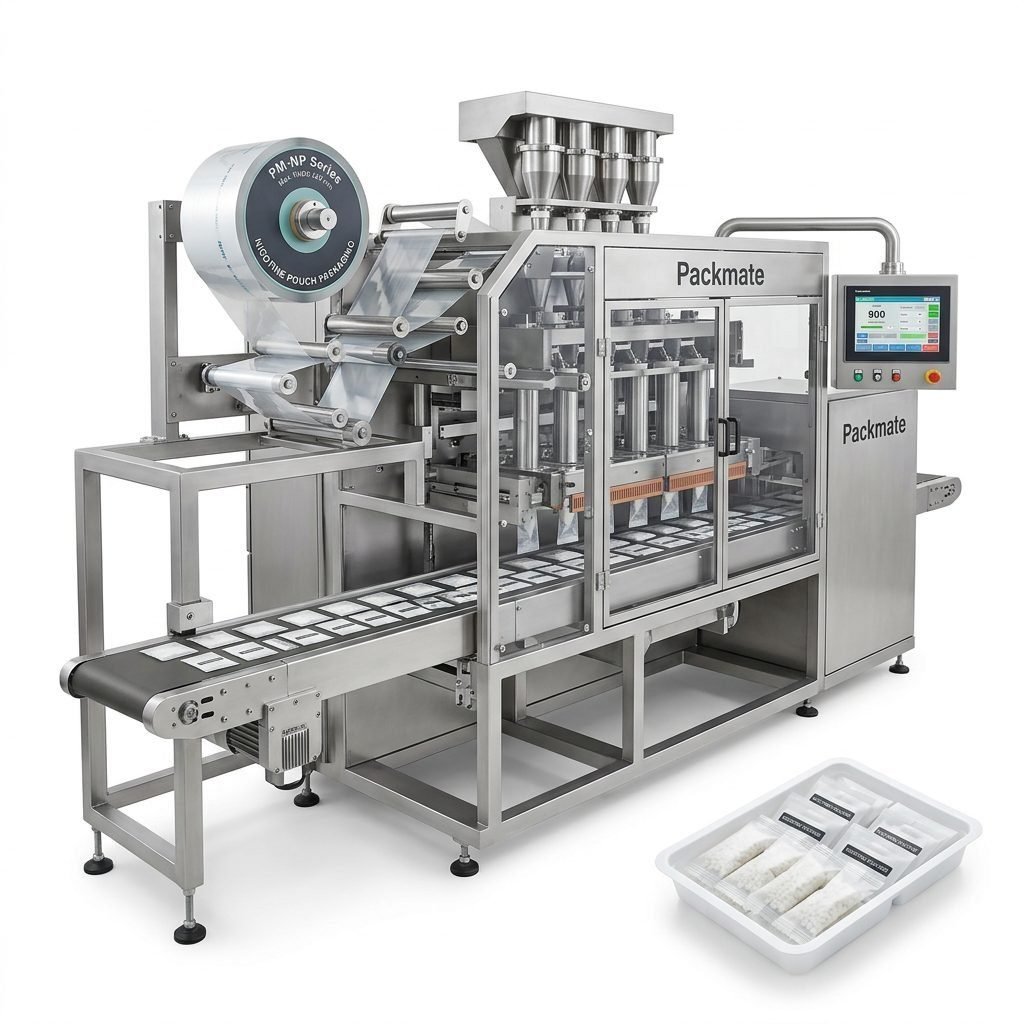
Multi-lane machines increase throughput without dramatic footprint expansion—an important factor for factories with limited space in Comoros. Modular machines allow you to start with a small investment and scale as local demand grows.
Quality, Certificates and Compliance
Certifications such as CE and ISO show that a supplier adheres to international safety and quality standards. Look for clear documentation and test reports. Also confirm compliance support for local import rules and labeling regulations.
Suppliers who offer documented factory quality control, performance testing, and pre-shipment inspection reduce the risk of receiving underperforming equipment.
After-sales Service, Spare Parts and Local Support
For businesses in Comoros, dependable after-sales service is critical. Shipping spare parts from overseas can take time; choose suppliers that provide clear spare-parts lists, reasonable lead times, and remote diagnostic support. Ideally, a supplier should offer training for local technicians and the possibility of on-site commissioning.
✔️ Service checklist: spare parts stock policy, remote support (video/phone), training sessions, local language manuals, warranty terms, and optional annual maintenance contracts.
Factory Strength and Track Record
Visit or audit the supplier’s factory if possible, or request a virtual tour. A manufacturer with advanced CNC machining, precision assembly lines, and strong quality control will deliver machines that last. Suppliers with a long history and many models indicate stability and product maturity.
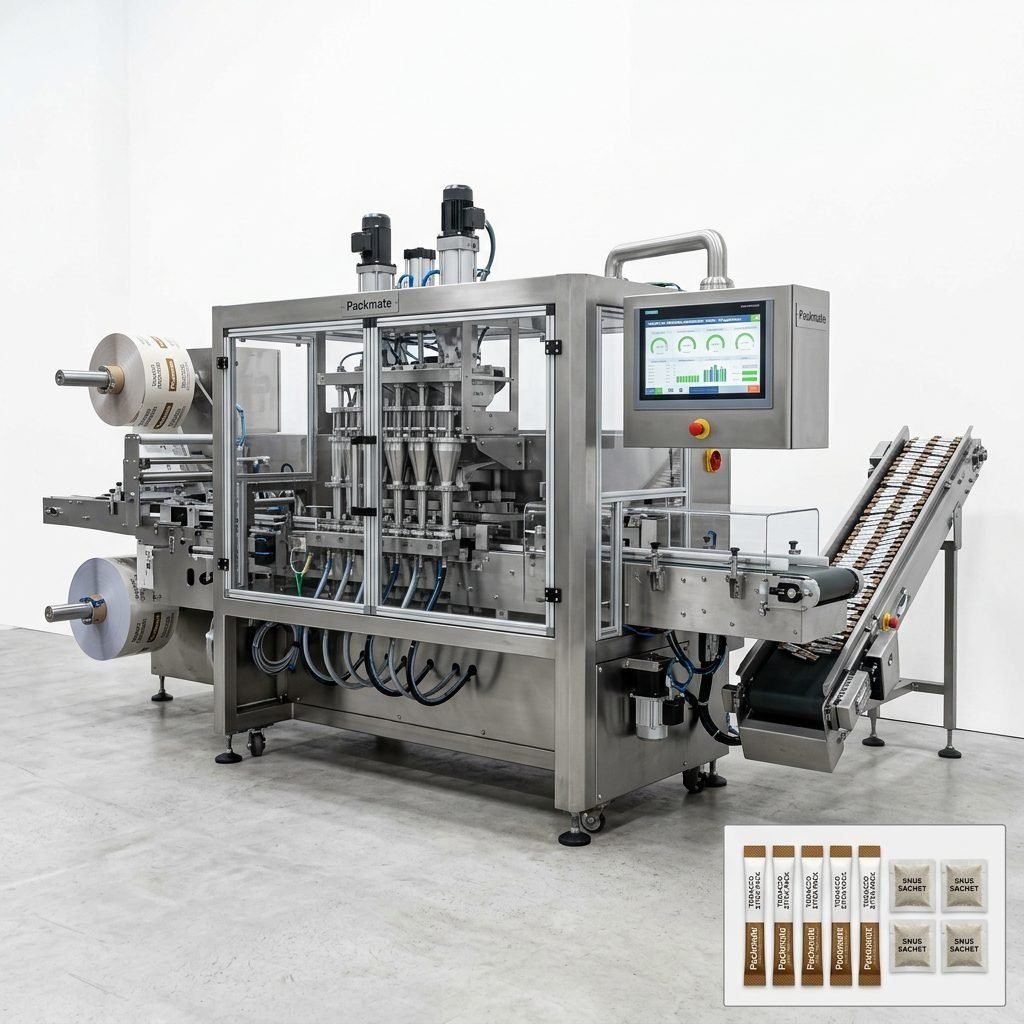
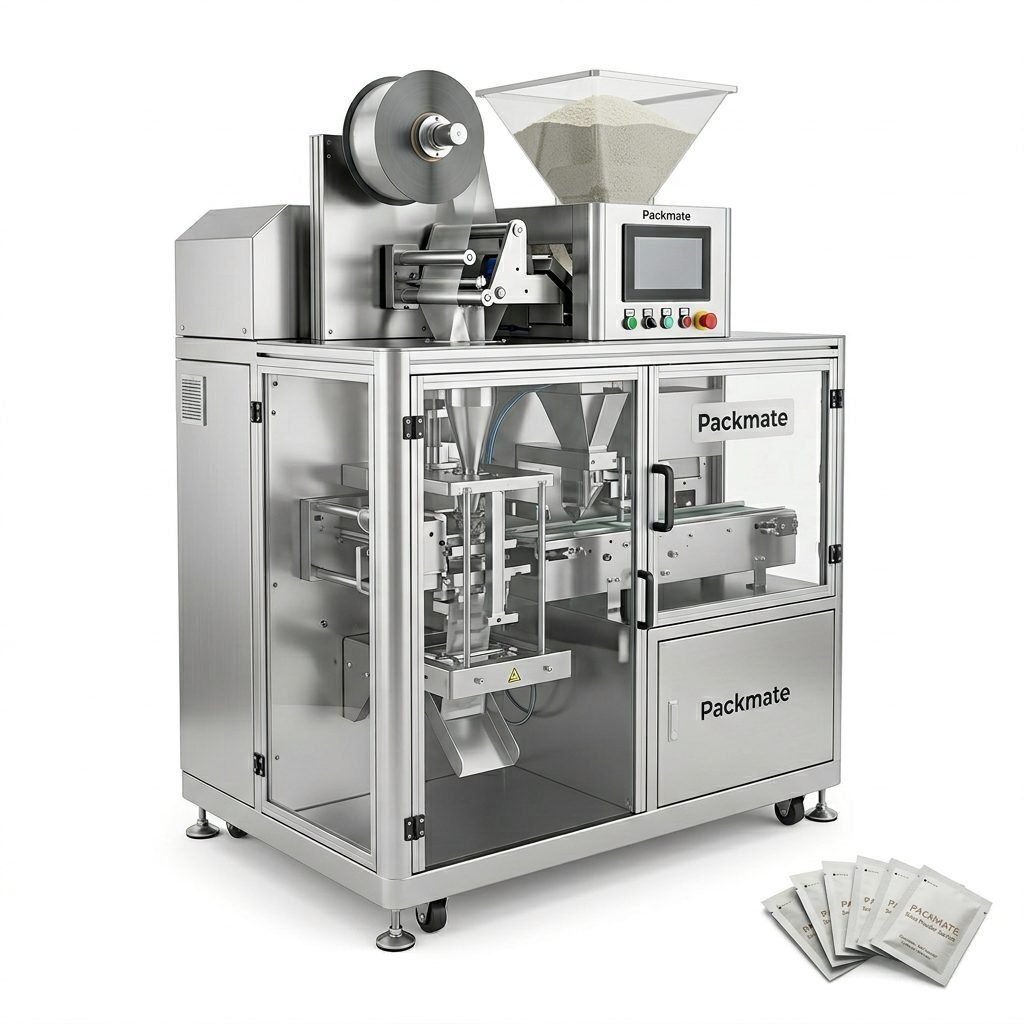
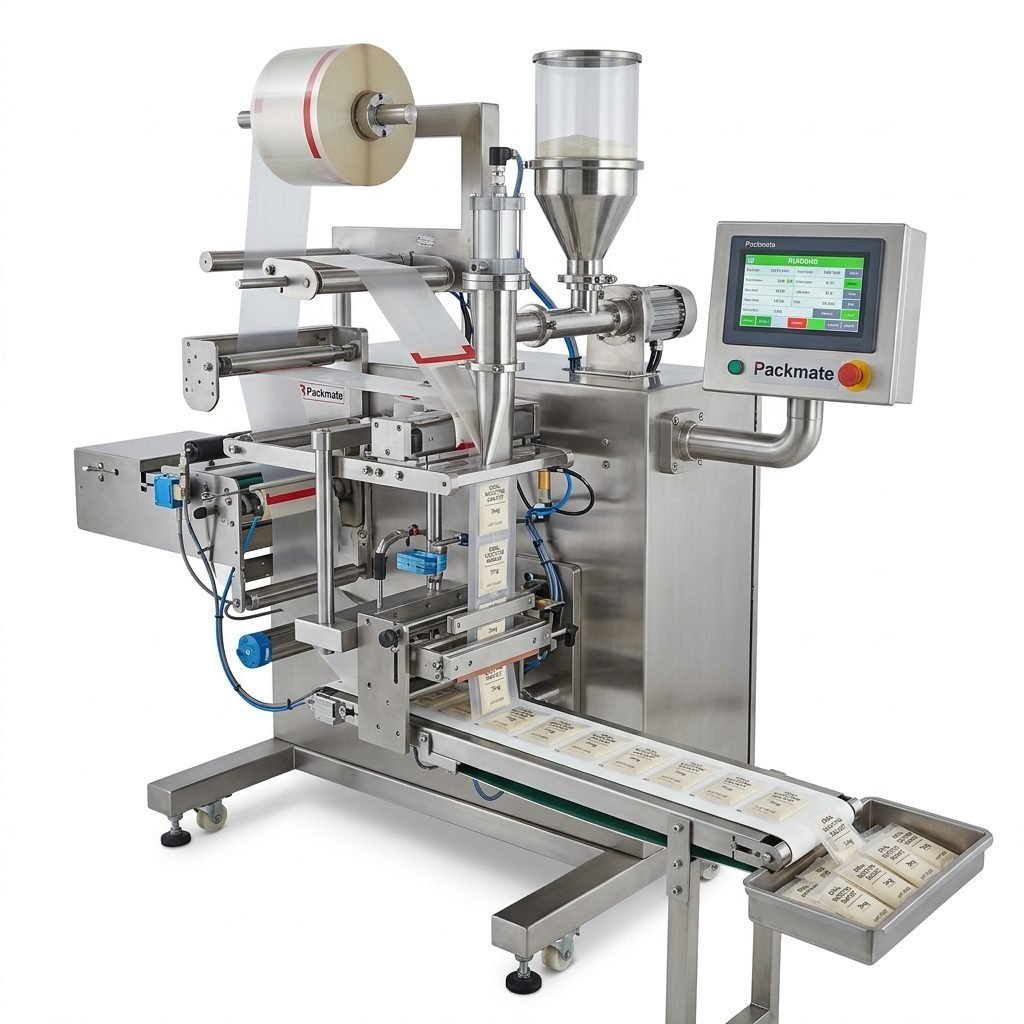
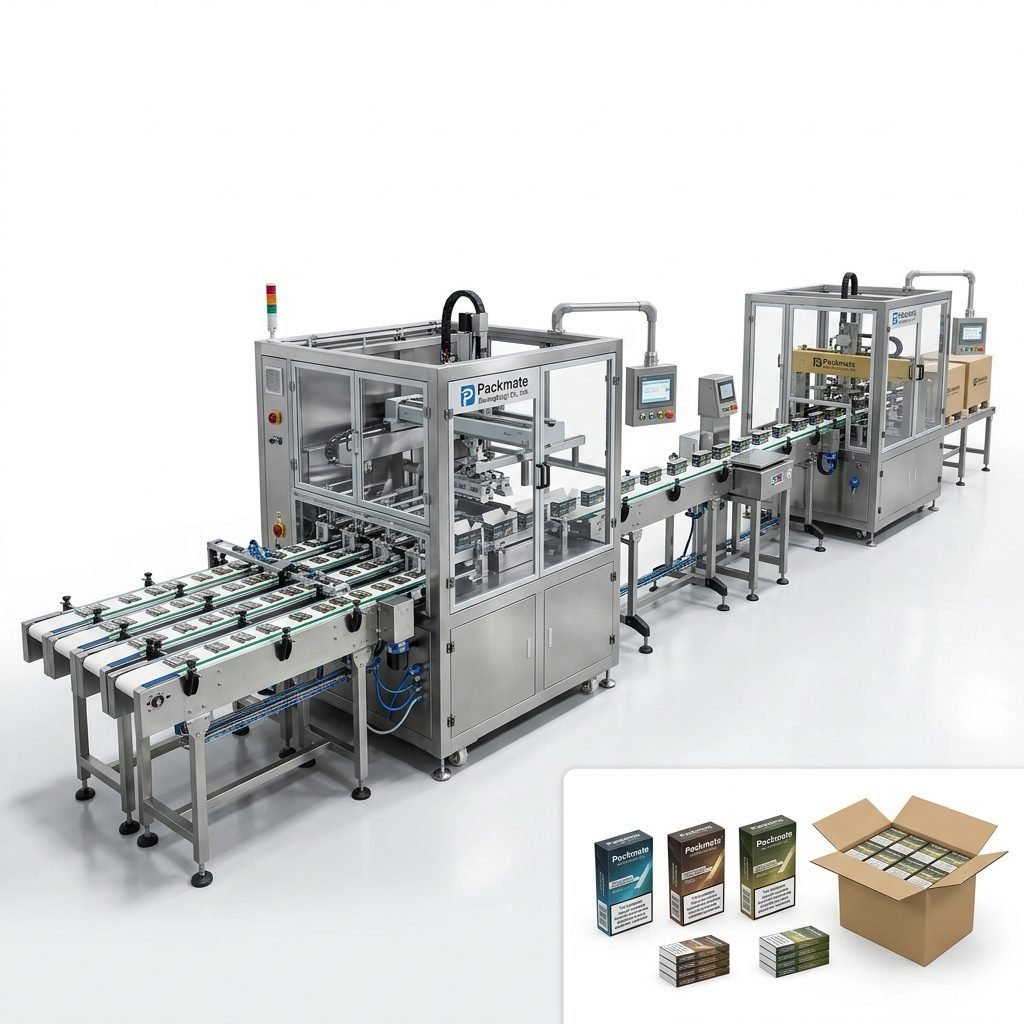
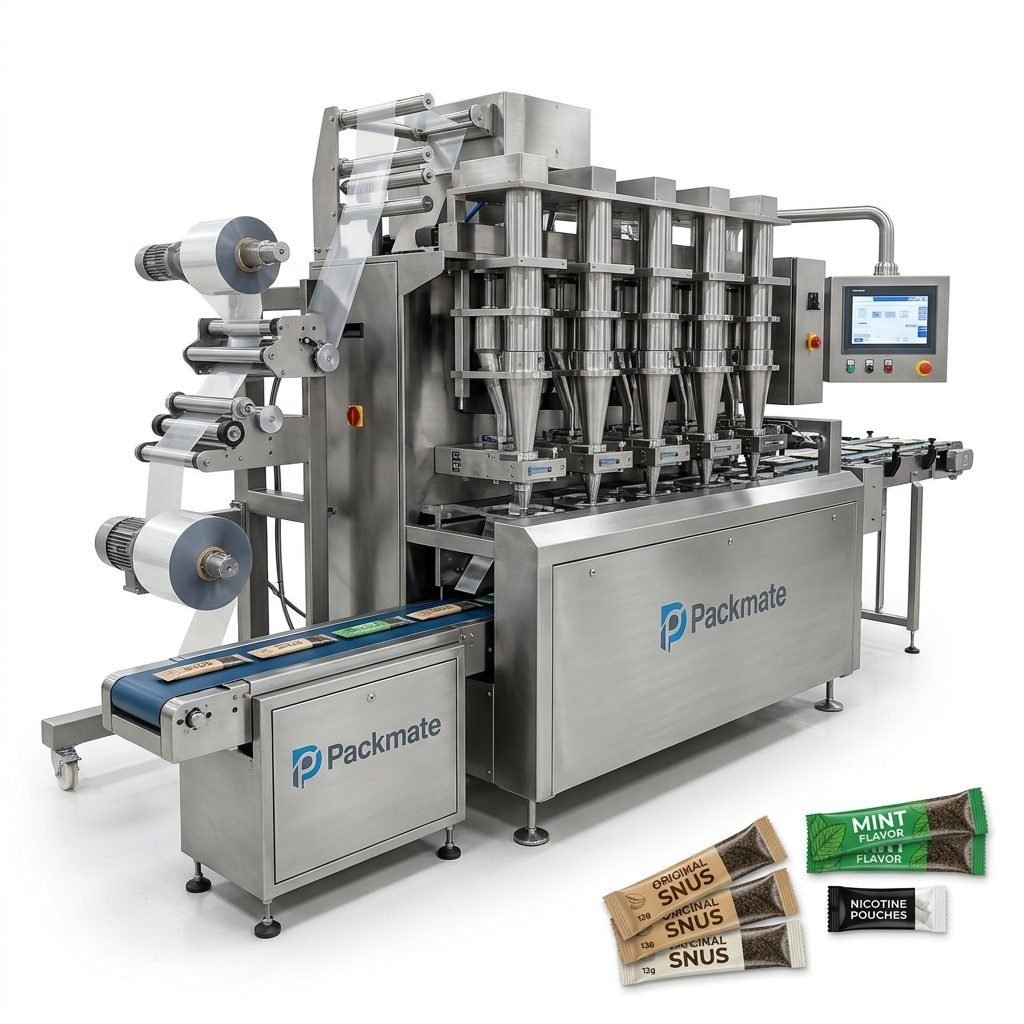
Packmate’s profile is an example of a supplier with 30+ years of experience, a 20,000㎡ facility, and a range of machines including stick pack, sachet, and multi-lane systems—features that matter when you need reliability and customization. For detailed machine categories see Snus & Nicotine Packaging Machines and Bag & Pouch Packaging Machines.
Customization and Turnkey Solutions
A good supplier will offer customizable solutions for pouch size, materials, dosing methods, and integration with upstream/downstream equipment (weighing, filling, cartoning). Turnkey providers manage everything from design and manufacturing to installation and training—helpful if you prefer a single point of responsibility.
Integration with weighing and packaging systems
Look for compatibility with Weighing & Packaging Systems and Filling & Packaging Lines if you need a full production line. Integrated solutions reduce manual handling and improve traceability.
Logistics, Shipping and Import Considerations in Comoros
Shipping heavy machinery to Comoros involves sea freight, customs clearance at Moroni or other ports, and local transportation. Confirm the supplier’s experience exporting to island nations and their ability to handle packing, export documentation, and local forwarding.
Ask about crating standards and insurance. A supplier familiar with Comoros can advise on duties, taxes, and common delays so you can plan lead times conservatively.
Total Cost of Ownership (TCO) and ROI
Purchase price is only one component. Consider energy consumption, spare parts costs, expected lifetime, maintenance frequency, and downtime risk. A slightly higher upfront price can be justified by lower running costs and longer service life.
💡 TCO example: compare energy-efficient servo motors, modular spare-part kits, and remote support packages to calculate a realistic 3-5 year ROI.
Factory Acceptance Test (FAT) and Pre-shipment Checks
Insist on a Factory Acceptance Test (FAT) with your product or a close simulation before shipment. FAT reduces surprises on arrival and ensures the machine reaches promised speeds and accuracy. Suppliers with documented FAT procedures, video records, and test reports offer greater transparency.
Training, Documentation and Language Support
Ensure the supplier provides operation manuals and training in languages your team understands. French and Arabic documentation will help operators in Comoros. Remote training options and on-site commissioning should be negotiated up front.
Negotiation Tips and Payment Terms
Negotiate clear payment milestones tied to FAT, shipping, and installation. Consider letters of credit or escrow arrangements for major purchases. Ask for bundled packages that include spare parts, start-up training, or extended warranties to reduce initial risk.
If local financing is limited, discuss phased delivery or leasing options with the supplier. Many experienced manufacturers offer flexible commercial terms for trusted clients.
Choosing a Reliable Supplier: Checklist
Use the following checklist to compare potential suppliers and make a structured decision:
🔧 Supplier checklist:
• International certifications (CE/ISO) and FAT reports.
• Proven multi-lane and small-dose experience.
• Local language documentation and training support.
• Spare parts availability and clear lead times.
• References or case studies in similar markets (see Case).
• Clear warranty, service plans, and remote diagnostics.
• Export experience to island nations and handling of customs procedures.
Why Packmate Could Be a Fit for Comoros Businesses
Packmate has decades of experience in snus and nicotine pouch machinery, a large factory footprint, and multiple machine models ranging from stick pack and sachet machines to multi-lane systems. Their documented global cooperation and exhibition presence suggest the ability to support customers worldwide. Learn more about Packmate’s offerings and credentials via About Packmate and our product categories such as Snus & Nicotine Packaging Machines and Sachet & Stick Pack Machines.
Practical Steps to Purchase
1) Define your product specifications (pouch size, fill type, speed).
2) Shortlist 2–4 suppliers and request detailed quotes and FAT plans.
3) Review references and case studies; ask for video of similar machines running.
4) Negotiate payment terms, lead times, spare parts, and training.
5) Schedule FAT and confirm packaging and shipping details. Track the shipment until arrival and plan for local installation support.
Local Implementation Tips for Comoros
– Prepare a dedicated installation area with stable electrical supply and proper grounding.
– Arrange local freight handling and customs brokerage in advance.
– Train at least two primary technicians and maintain a simple stock of critical wear parts.
– Keep product labeling ready in French and Arabic to avoid regulatory delays.
Final Considerations
Choosing the best snus packaging machine supplier in Comoros means balancing technical performance, cultural compliance, logistics, and after-sales support. Prioritize transparency, factory capabilities, service promises, and proven success in similar markets. When in doubt, select a supplier that offers thorough FAT, clear documentation, and responsive remote support.
Useful resources
For more detailed product information and examples of turnkey lines, visit Packmate product pages such as Snus & Nicotine Packaging Machines, Bag & Pouch Packaging Machines, and read real-world implementations on our Case page. To understand company background and certifications see About Packmate.
Frequently Asked Questions
Q1: How long does it take to receive and commission a snus packaging machine in Comoros?
A1: Typical lead times range from 8–16 weeks depending on customization, FAT scheduling, and sea freight. Add time for customs clearance and local installation—plan conservatively and coordinate with your supplier on shipping windows.
Q2: What certifications should I insist on when buying a packaging machine?
A2: Request CE and ISO certifications, FAT documentation, electrical safety reports, and material contact certifications. These ensure safety, quality, and smoother import procedures.
Q3: How can I ensure spare parts availability in Comoros?
A3: Negotiate a spare-parts kit with the initial purchase and confirm estimated lead times for future parts. Choose suppliers who provide parts lists, part numbers, and the option to ship spares quickly with express freight.
Q4: Is remote commissioning and training effective for Comoros-based teams?
A4: Yes. Remote commissioning via video, combined with pre-recorded tutorials and clear manuals in French/Arabic, can accelerate start-up. However, plan for at least one on-site visit for complex lines when possible.
Q5: What should I prioritize if my market in Comoros is small but expected to grow?
A5: Prioritize modular, multi-lane, and scalable solutions that allow phased investment. Choose suppliers offering upgrade paths, spare-parts support, and local training to grow with demand.