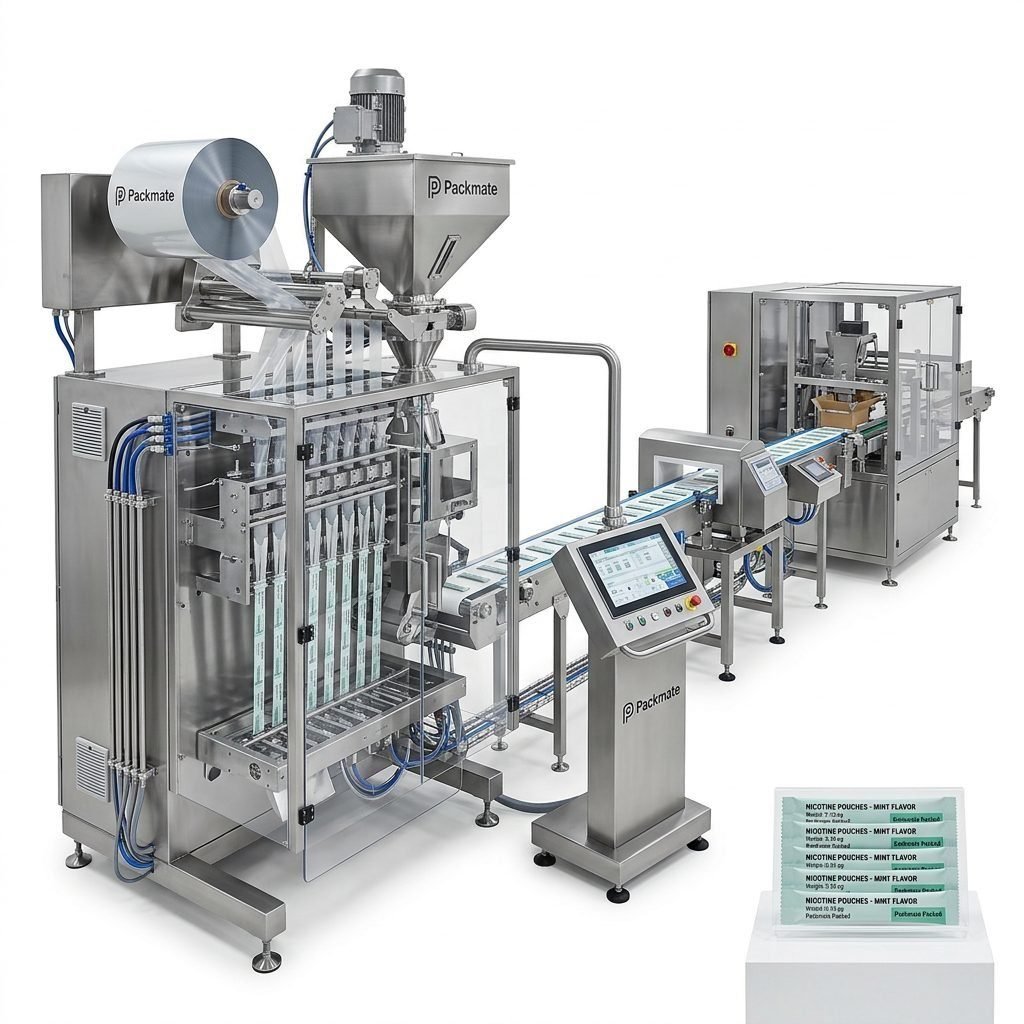
Choosing the right packaging machinery supplier is a strategic decision for any company entering or expanding in Afghanistan’s snus and nicotine pouch market. Local conditions — from import routes and power reliability to social customs and business practices — affect machine selection, installation, and long-term production reliability. This guide walks through the practical steps and key criteria to identify a supplier who delivers reliable performance, strong after-sales service, and compliance with international standards.
Understand Afghanistan’s Market and Logistics Context
Afghanistan is landlocked and often relies on transit routes through Pakistan and Iran for sea access. Typical consignments arrive by truck from Karachi or via rail/road connections from Central Asia. Expect longer lead times for customs clearance and potential additional paperwork. When evaluating suppliers, prioritize those who:
✓ Offer clear export documentation and experience with Afghan customs processes.
✓ Provide consolidated shipping options to reduce risk and cost.
✓ Support local partner introductions for smoother logistics.
Key Technical Criteria for Snus Packaging Lines
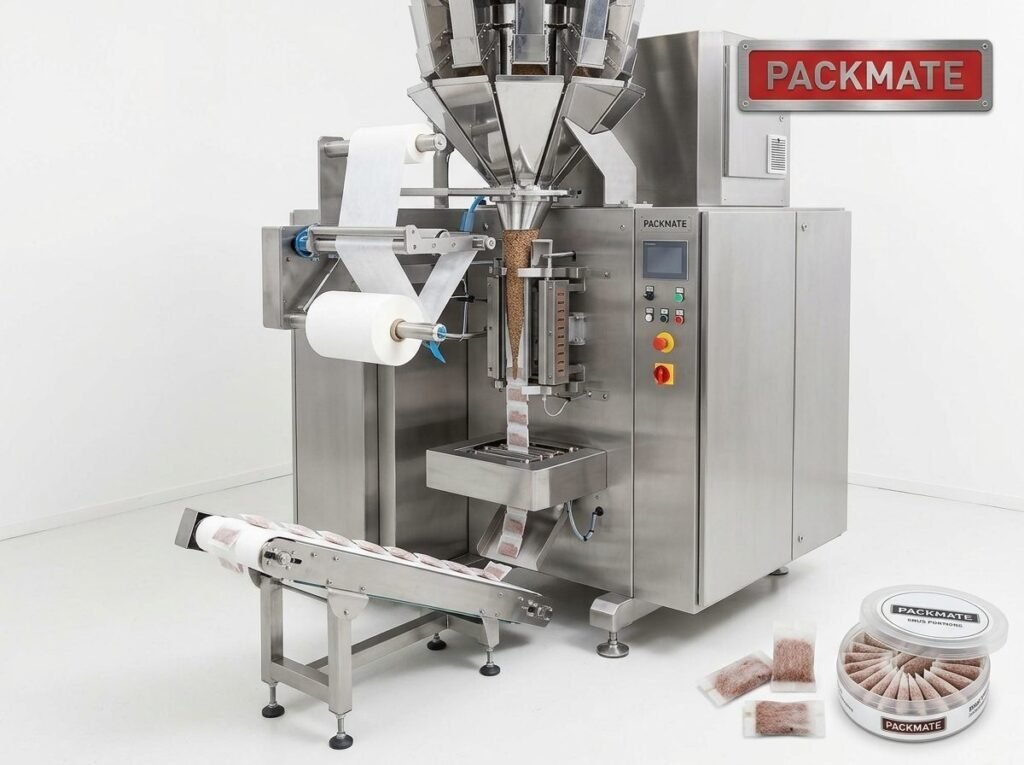
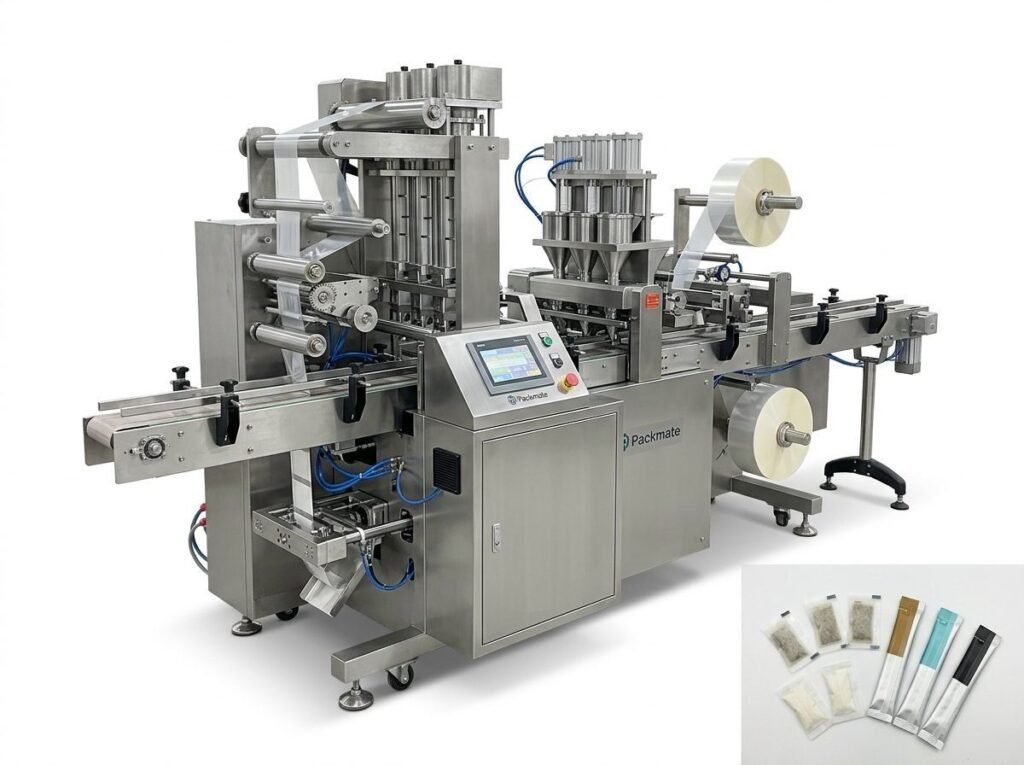
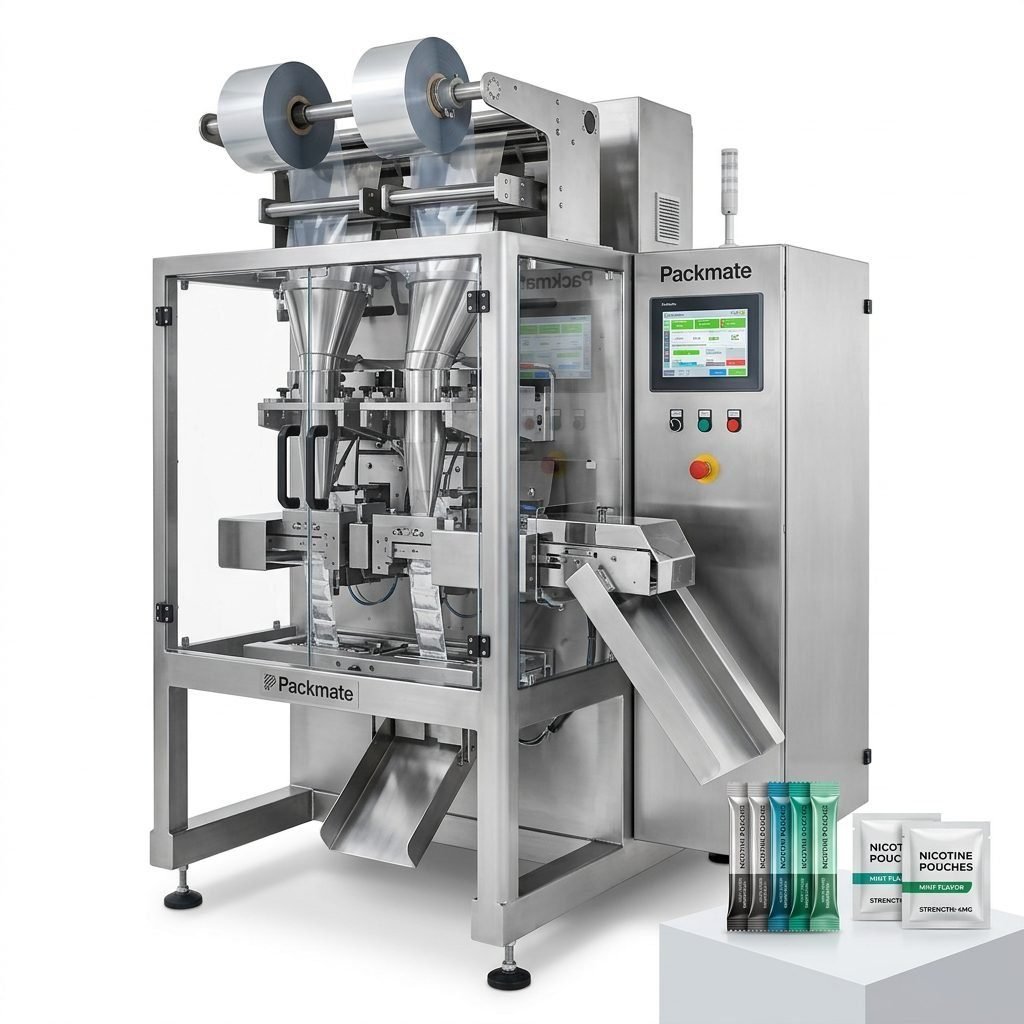
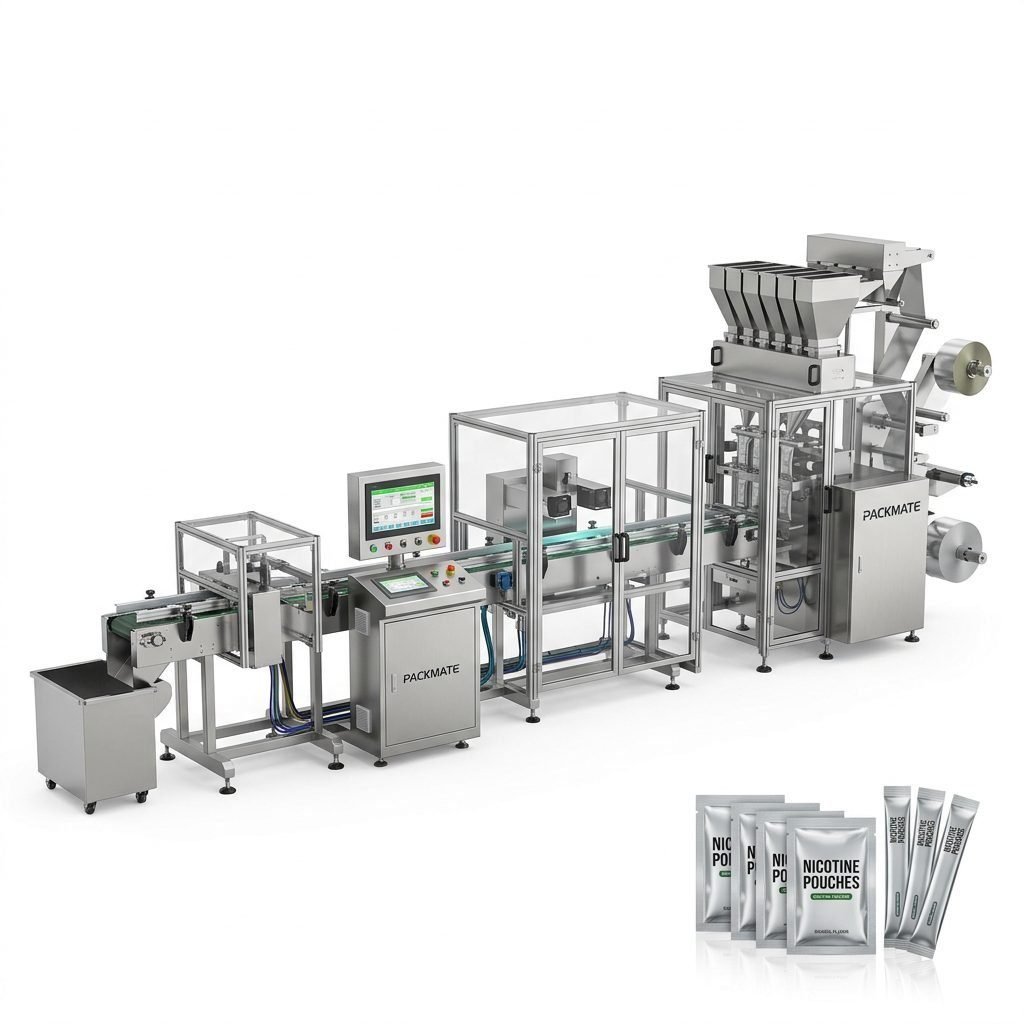
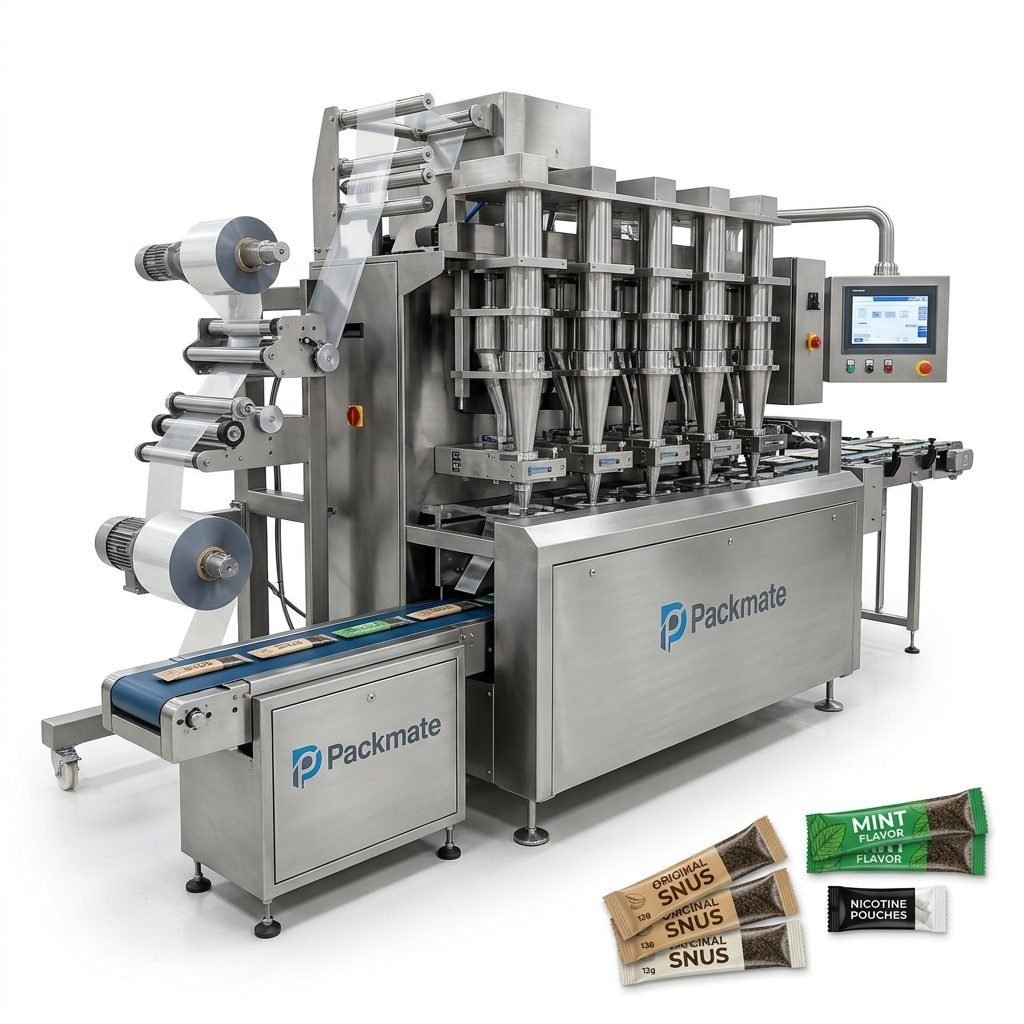
When selecting snus packaging machinery, focus on precision, multi-lane capability, and modular design. High-precision machines reduce waste on small-dose pouches while flexible modular systems allow you to adapt formats as market demand changes.
Important machine features to evaluate:
🔍 Servo-driven control systems for consistent pouch dosing and faster changeovers.
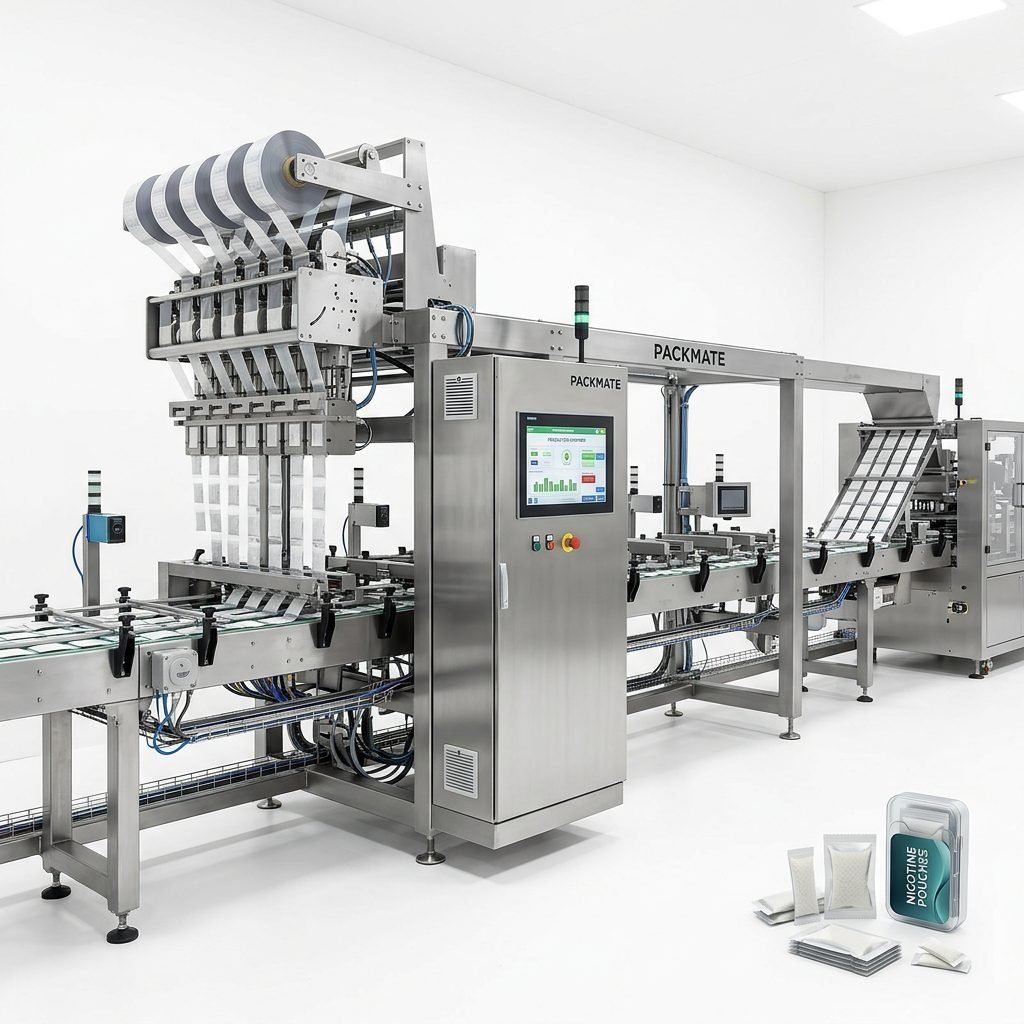
📌 Multi-lane capability to increase throughput without expanding floor space.
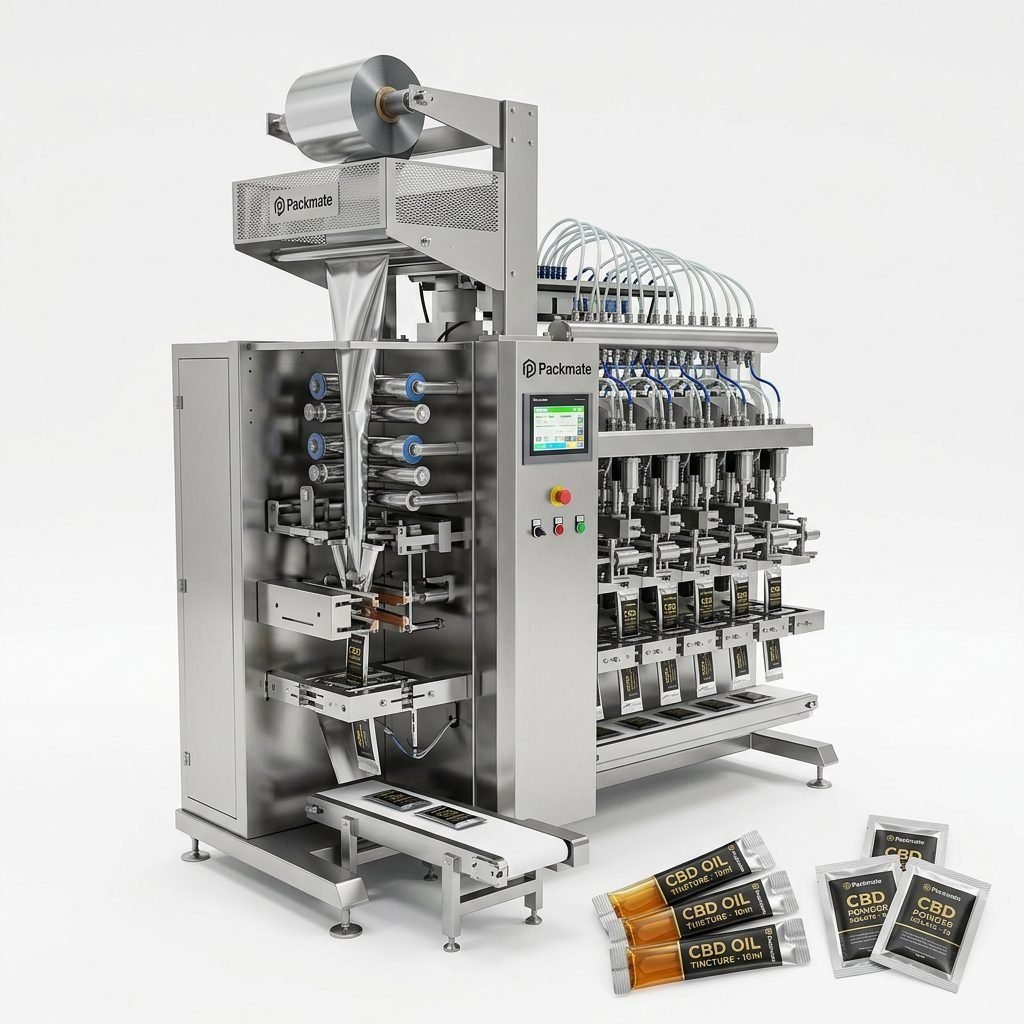
⚙️ Modular filling heads allowing quick swap between powder, granule, and liquid applications.
🔋 Robust power-tolerance design for areas with unstable electricity — look for integrated UPS or simple mechanical fallbacks.
Supplier Credentials and Factory Strength
Trustworthy suppliers demonstrate manufacturing strength, certifications, and experience. For example, Packmate Snus Machine highlights over 30 years of engineering, a 20,000㎡ facility, advanced CNC capabilities, and CE/ISO compliance — all indicators of consistent production quality. Review factory tours, quality control processes, and the variety of machine models available.
What to ask during supplier evaluation
✓ Production capacity and model range: Can they supply multi-lane snus machines, stick pack or sachet systems? (See examples of product lines such as Snus & Nicotine Packaging Machines and Sachet & Stick Pack Machines.)
✓ Quality assurance: Ask for test reports, sample videos, and certification copies (Certificate page).
After-sales Support, Spare Parts and Training
Reliable production depends on timely maintenance and parts supply. In Afghanistan, practical considerations include travel restrictions for overseas engineers and limited local spare parts inventories. Choose a supplier that offers:
🔧 Comprehensive spare parts kits shipped with the machine to cover normal wear items.
💡 Remote troubleshooting capability through video support, PLC screen sharing, and clear manuals.
🎓 Local operator training in Dari or Pashto if needed, or at least bilingual technical materials and training sessions to reduce downtime.
Legal, Regulatory and Social Considerations in Afghanistan
Nicotine products are sensitive in many jurisdictions. In Afghanistan, you should research local regulations, labeling languages, and cultural norms. Even if manufacturing for export, local authorities may have import and production oversight. Work with suppliers able to advise on compliant labeling, pack formats, and material information.
Cultural and business etiquette tips
Afghan business culture values personal relationships and trust. Face-to-face meetings — or reliable local representation — can significantly smooth negotiations and post-delivery support. Consider suppliers who maintain regional partners or agents to bridge communication and logistics.
Total Cost of Ownership (TCO) vs. Initial Price
The cheapest machine upfront is rarely the most economical choice. Total cost of ownership includes spare parts, energy consumption, downtime cost, training, and import duties. Evaluate uptime guarantees, mean time between failures (MTBF), and energy efficiency. Suppliers that provide transparent TCO projections help you avoid surprises later.
Factory Acceptance Test (FAT) and Site Acceptance Test (SAT)
Insist on a Factory Acceptance Test where the supplier demonstrates machine performance with your specific product profile. If on-site visits are not possible, request video FAT with sample fills. After arrival, perform a Site Acceptance Test to confirm installation, electrical compatibility, and production parameters under real factory conditions.
Useful FAT checklist items:
● Speed and accuracy at target weight.
● Seal quality and package integrity tests.
● Ease of changeover and tool-free maintenance points.
Why Choose an Experienced Manufacturer Like Packmate
A supplier with decades of experience and a broad model range reduces risk. Packmate Snus Machine, for example, offers 50+ machine models, complete packaging solutions, and a large manufacturing base equipped with advanced CNC and assembly lines. Their global exhibition presence and case studies can provide references for similar projects in challenging markets.
Learn more about the company background and capabilities on their About Packmate page, and view real-world deployments in the Case section.
Practical Steps to Finalize Your Supplier Choice
1. Shortlist suppliers based on machine capability and regional experience.
2. Request FAT videos and performance data using your product samples.
3. Check references and previous exports to landlocked countries.
4. Negotiate clear spare parts kits, training scope, and warranty terms.
5. Confirm shipping routes and customs handling with your freight forwarder.
Useful Resources and Next Steps
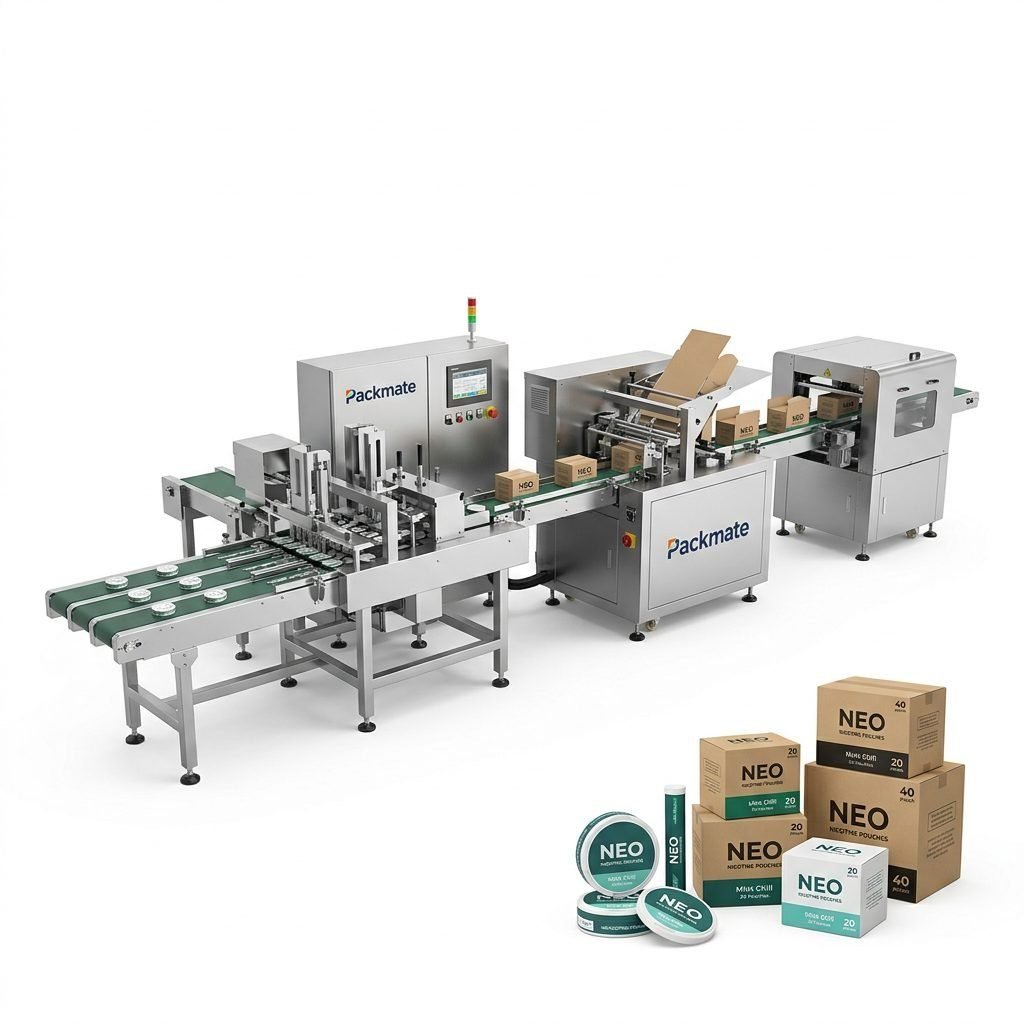
Explore product categories that match your needs: Snus & Nicotine Packaging Machines, Bag & Pouch Packaging Machines, or consult turnkey options for integrated lines through Filling & Packaging Lines. When ready, use the supplier’s Contact Us page to request quotes, FAT scheduling, and local logistics advice.
Final checklist before signing
● Warranty and spare parts lead time agreed in writing.
● Training scope, language and duration confirmed.
● Shipping route, Incoterms, and customs responsibilities clarified.
Conclusion
Selecting the best snus packaging machinery supplier for Afghanistan demands a balanced view of technical performance, export experience, spare parts strategy, and cultural fit. Prioritize suppliers with proven manufacturing strength, certifications, and clear after-sales plans. A partner who supports FAT/SAT, provides operator training, and understands local logistics will give you the highest chance of reliable, long-term production.
Common Questions
Q: How long does delivery typically take to Afghanistan?
A: Delivery varies by route; expect 6–12 weeks including production, packing, and overland transit. Suppliers experienced in the region can often shorten documentation and customs time.
Q: What after-sales support is essential for operations in Afghanistan?
A: Remote troubleshooting, an initial spare parts kit, onsite or regional training, and a clear plan for periodic maintenance visits are essential.
Q: Are local power issues a problem for packaging machines?
A: Unstable electricity can cause downtime. Choose machines with tolerant control systems, or plan for UPS/backup generators and discuss electrical adaptation with the supplier.
Q: How can I verify a supplier’s claims if I cannot visit the factory?
A: Request FAT video demonstrations with your product, ask for third-party inspection reports, and check references and case studies. Use official certification pages and documented test data.
Q: Where can I find standardized machine models and turnkey solutions?
A: Review product lines for snus, sachet, stick pack, and filling systems on specialized pages such as Snus & Nicotine Packaging Machines and Filling & Packaging Lines to match your production strategy.