Choosing the right snus packaging machinery manufacturer can make or break your production plan in Iceland. Whether you are launching a nicotine pouch brand, scaling up multi-lane pouch output, or replacing aging equipment, the decision involves technical, commercial, and regulatory considerations. This guide walks you through a practical, step-by-step approach to select a manufacturer that fits your business requirements, risk profile, and growth ambitions.
Understand the Icelandic Market Context
Iceland has unique consumer patterns, logistics channels, and regulatory frameworks. Before you contact suppliers, map out:
• estimated monthly production volumes; projected SKU variety (flavours, pouch sizes, stick packs); and distribution model (domestic retail, exports, or online subscriptions).
• import lead times and customs restrictions — this affects spare parts delivery and spare machine procurement.
Key Machine Types to Consider
Evaluate which equipment families you need for current and future SKUs:
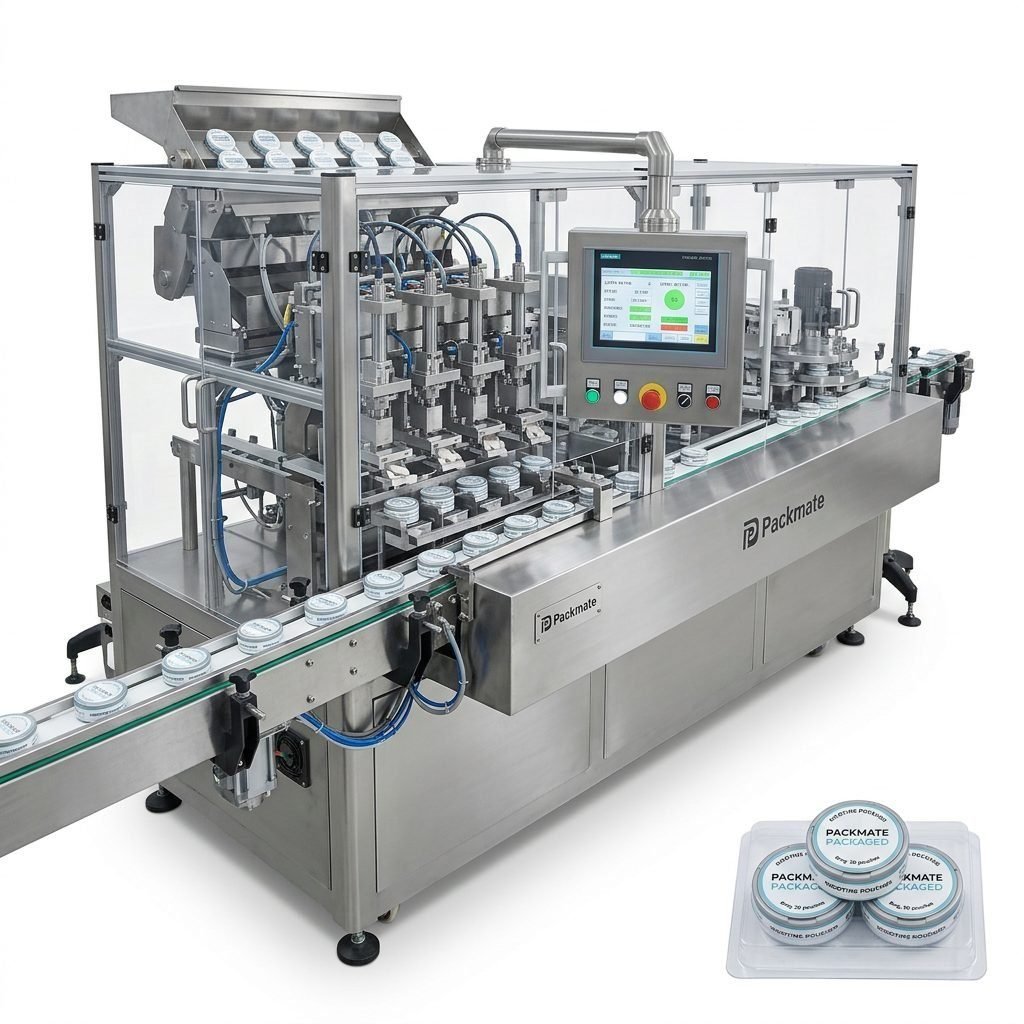
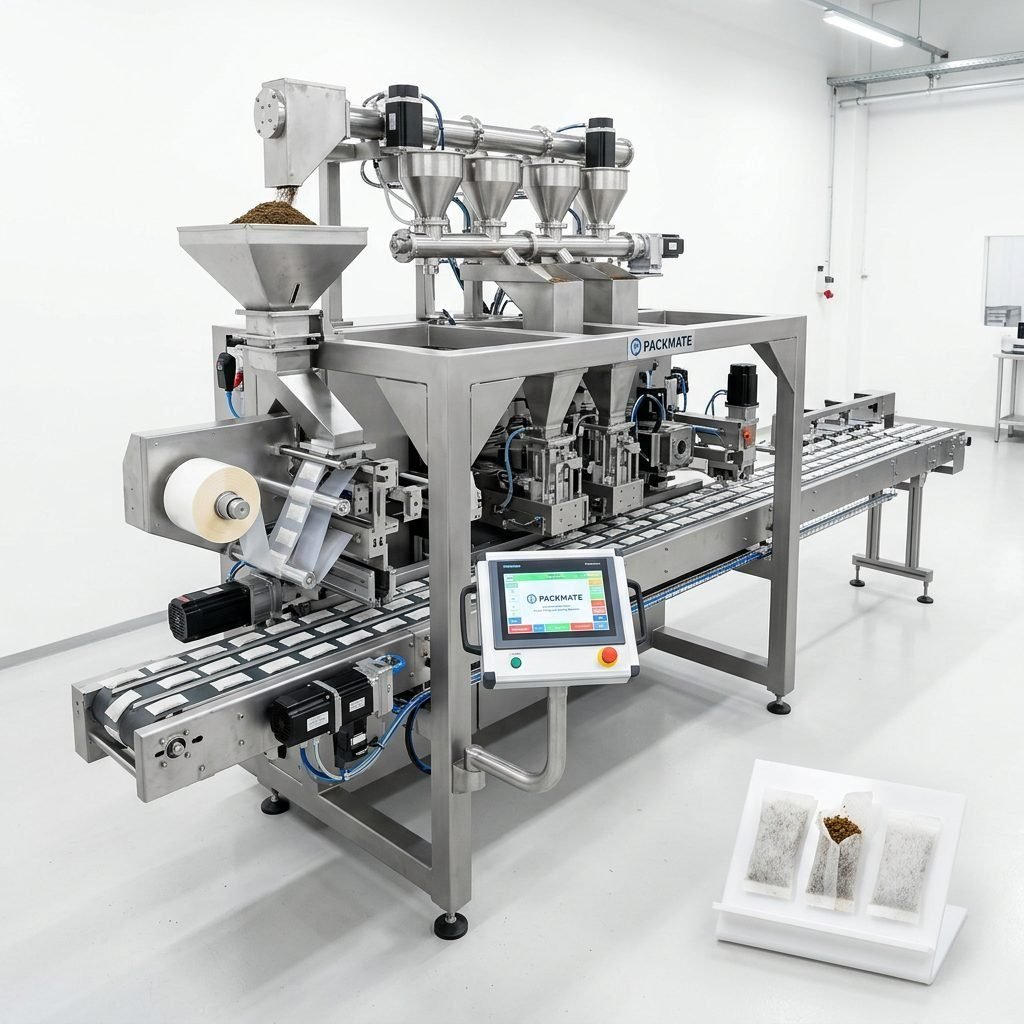
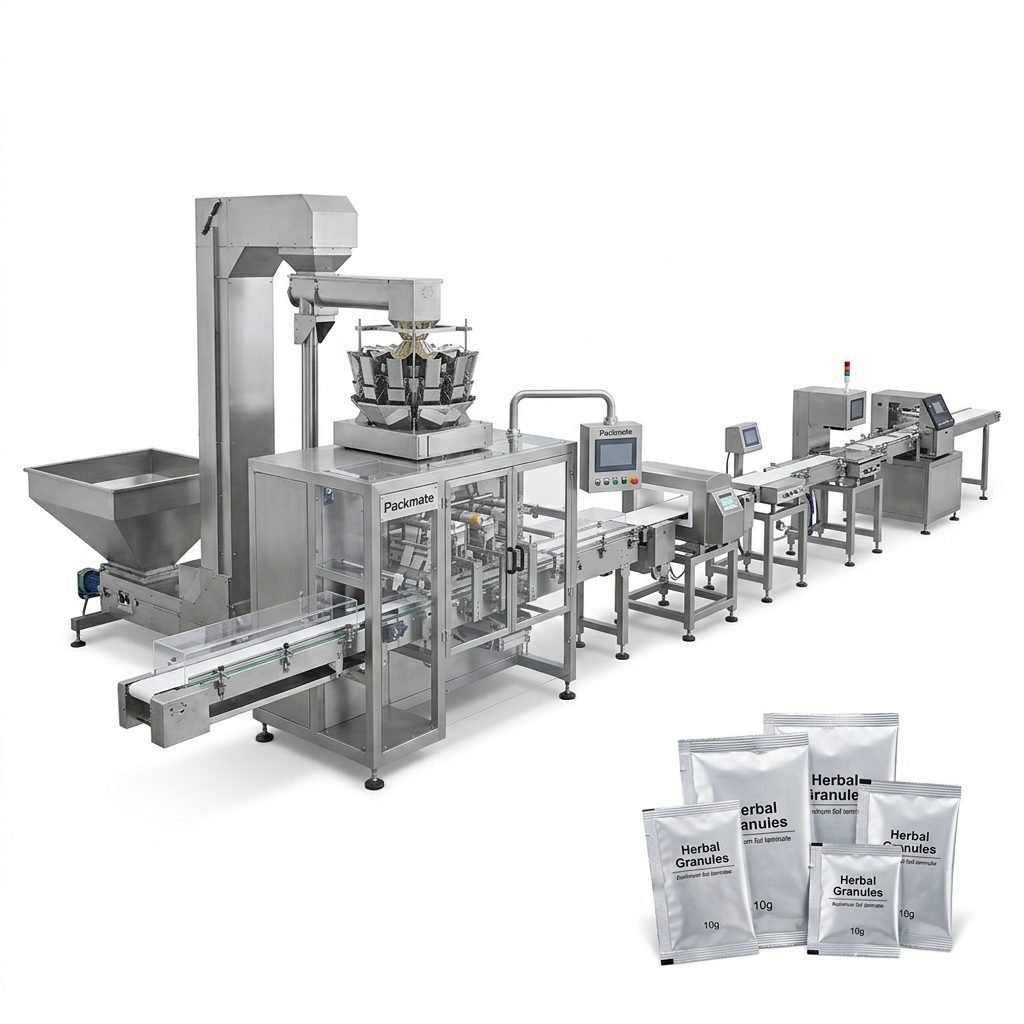
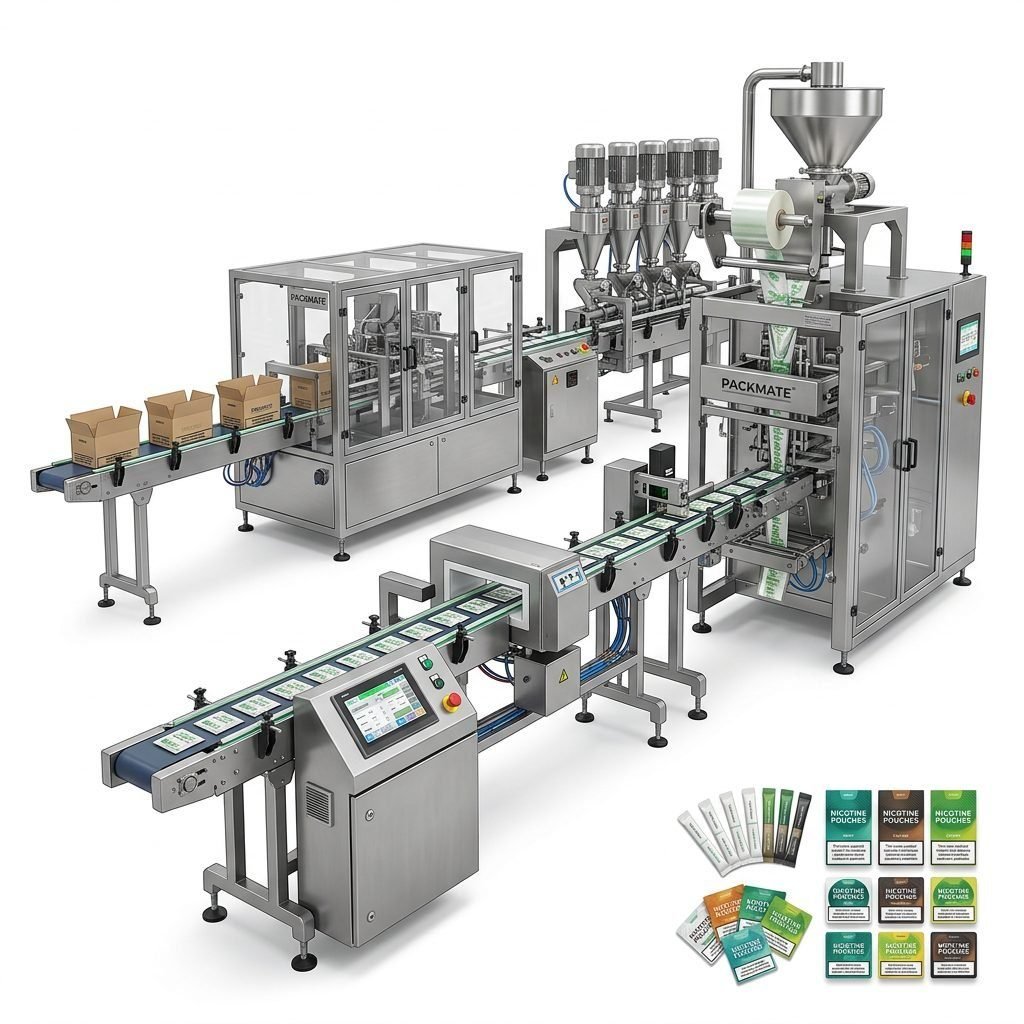
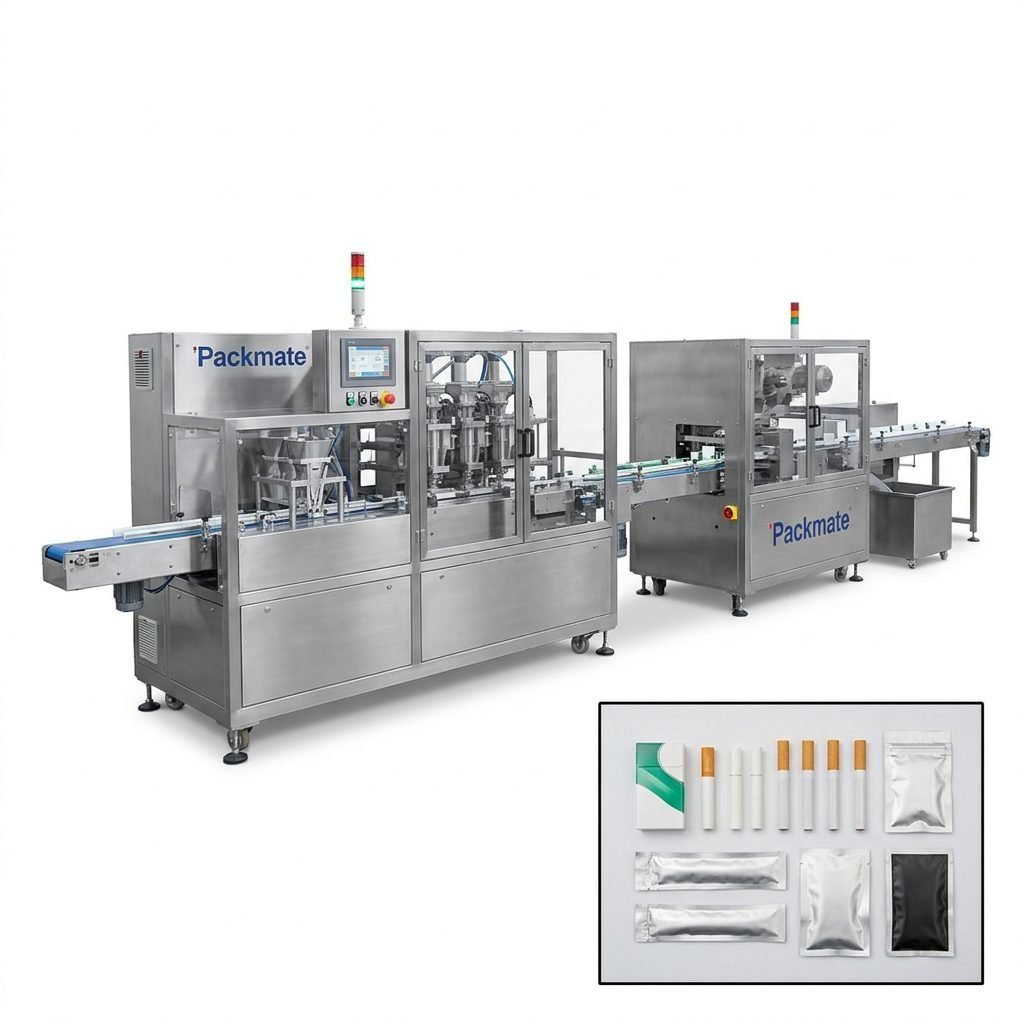
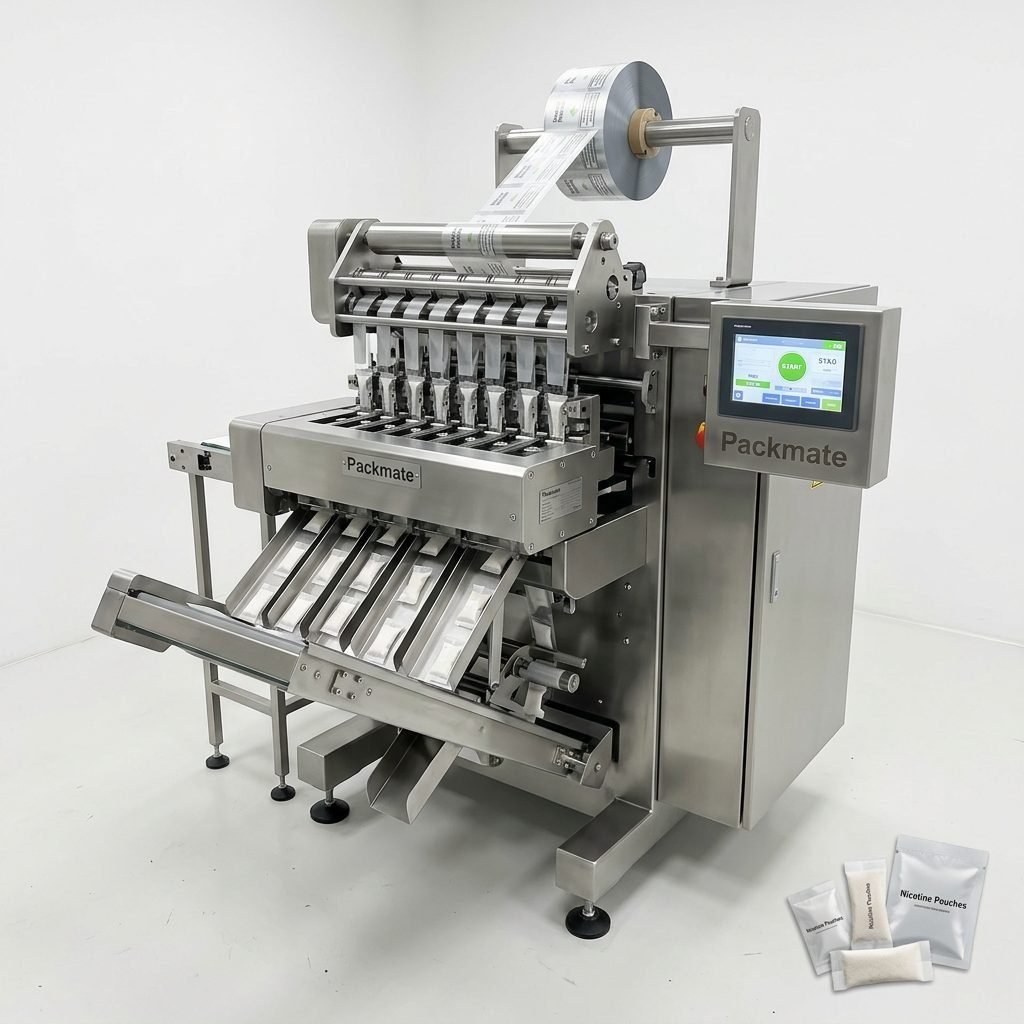
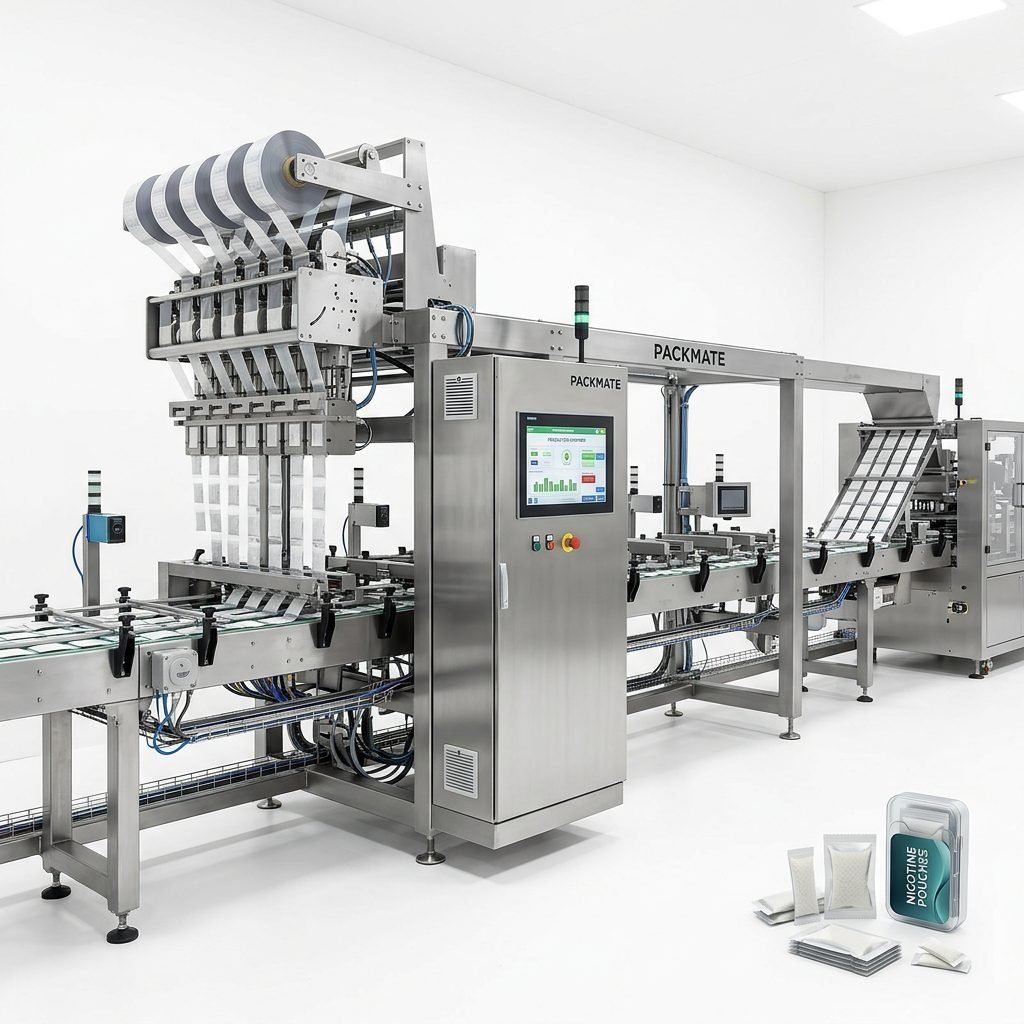
– Snus / Nicotine Pouch Packaging Machines: for precision small-dose pouches and multi-lane lines. See a range of options here: Snus & Nicotine Packaging Machines.
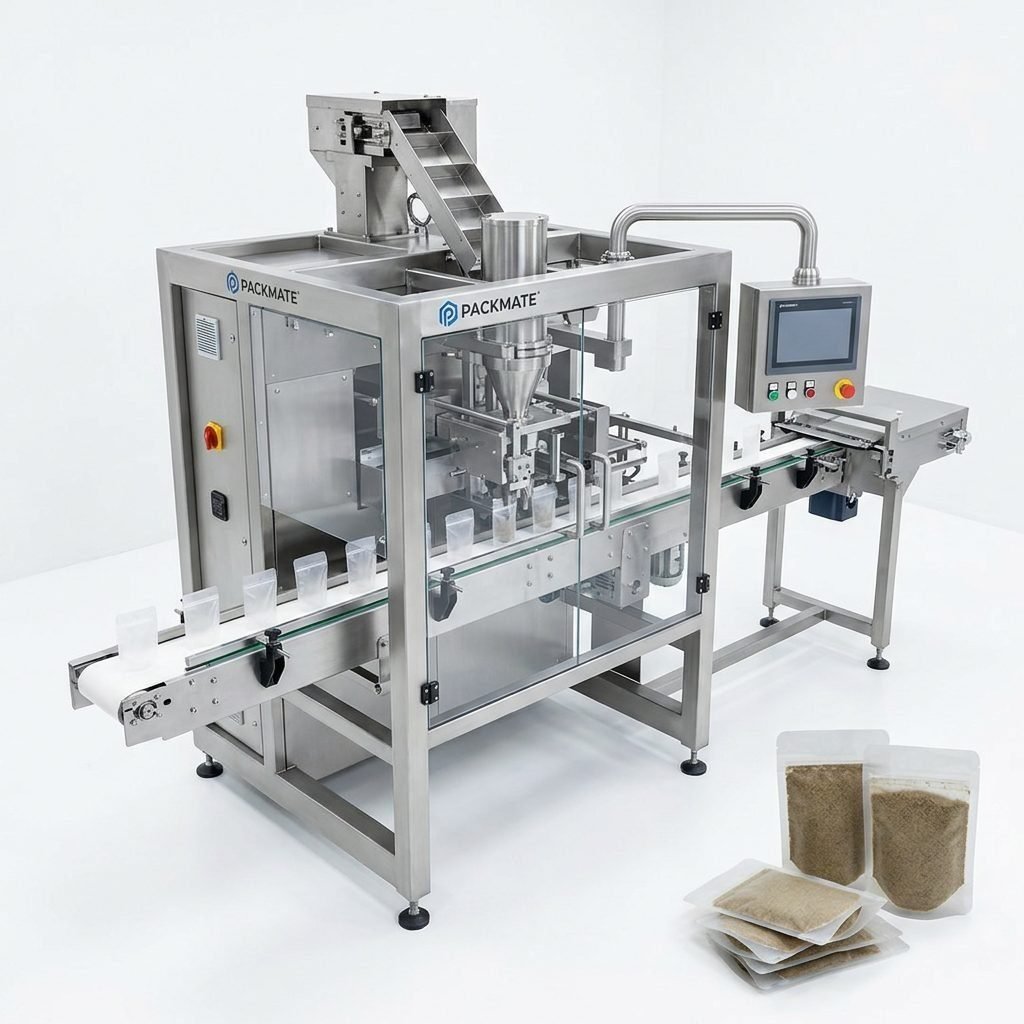
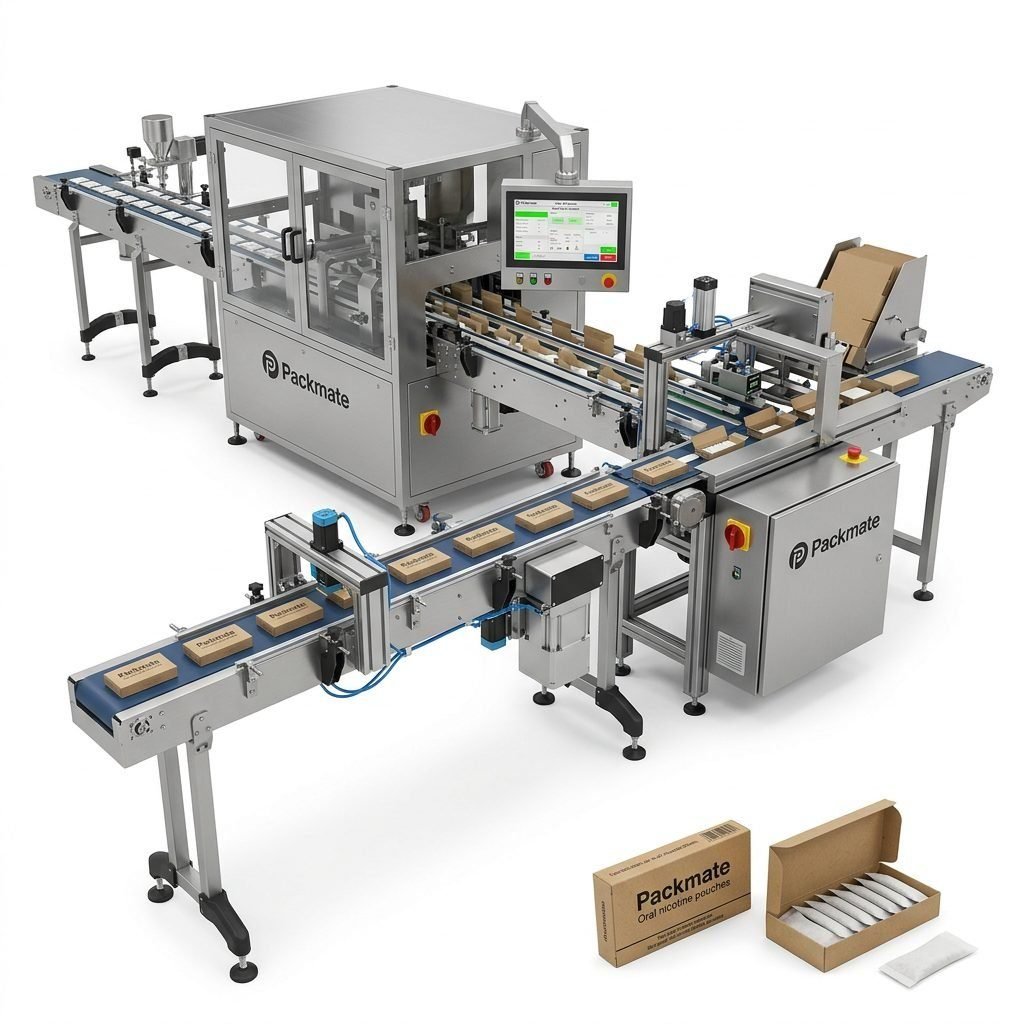
– Bag & Pouch Packaging Machines: ideal when you need outer packaging in addition to primary pouches — check models at Bag & Pouch Packaging Machines.
– Sachet & Stick Pack Machines for single-dose formats and promotional lines. Consider an integrated line if you want automated feeding and secondary wrapping.
🔧 Practical tip: If you expect to run multi-lane small-dose pouches, prioritize vendors with proven multi-lane experience and stable dosing systems. Single-lane high-speed equipment behaves differently from robust multi-lane configurations.
Checklist: Manufacturer Capabilities & Factory Strength
Ask potential manufacturers about:
• Factory scale and equipment: Do they operate precision CNC machining centers, dedicated assembly lines, and inspection stations? A 20,000㎡ facility with advanced CNC indicates capacity to supply customized industrial lines.
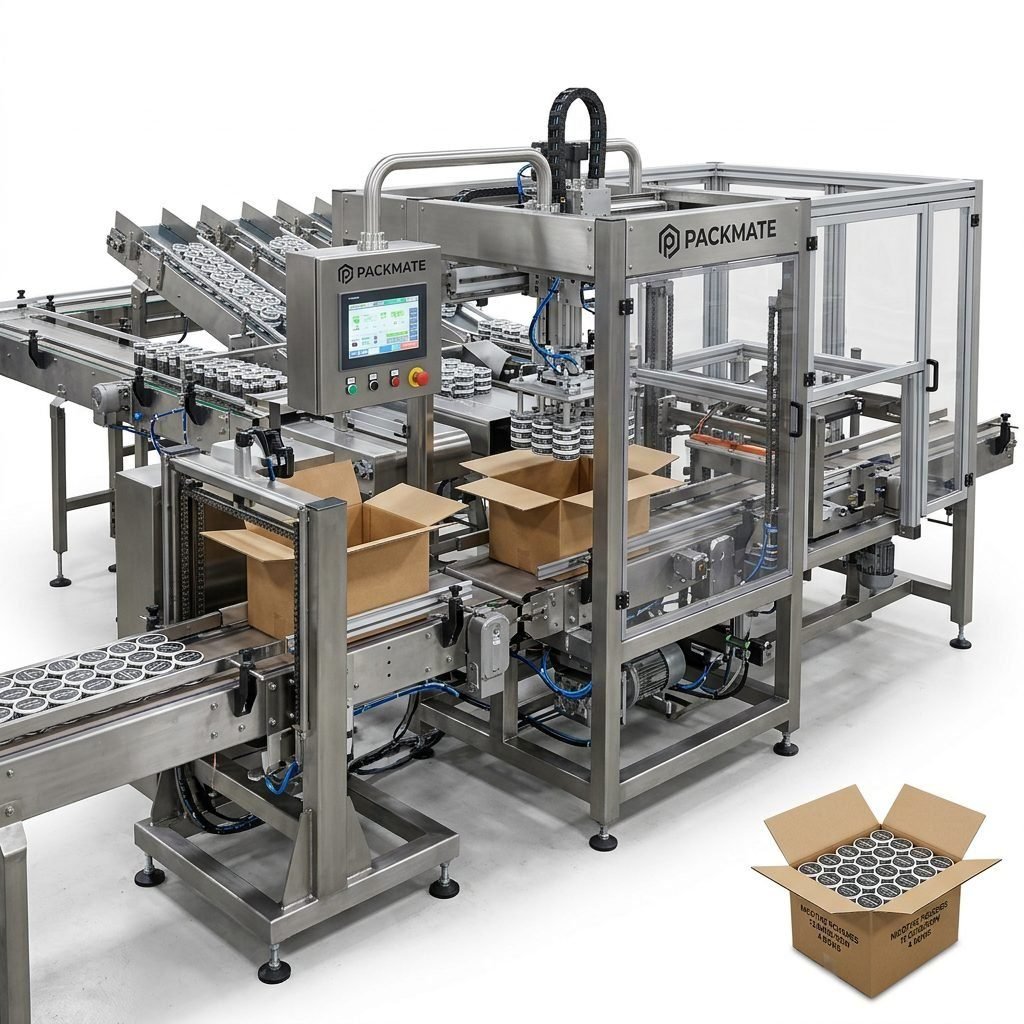
• Product portfolio: Can they provide a spectrum from single machines to turnkey filling & packaging lines? Review their catalog for modular options: Filling & Packaging Lines.
• Model diversity and customization: Do they have 50+ models or a smaller range? More models typically mean faster adaptation to specific product dimensions and speeds.
• Quality control & testing: Ask about their endurance testing, vibration testing, and pre-shipment probability runs. Machines for nicotine pouches require consistent small-dose accuracy.
Certifications, Standards & Compliance
Regulatory compliance matters for safety, insurance, and export. Confirm certifications such as CE and ISO, and request copies of certificates or links to their certificate page: Certificate.
Consider hygienic design if your production touches consumables: stainless contact parts, easy-to-clean structures, and compliant electrical components for cold/condensing Icelandic environments.
✅ Compliance quick check: request the machine’s CE conformity declaration, wiring diagrams, and a list of electrical components to ensure import clearance and workplace safety compliance.
Technical Evaluation: Precision, Speed & Changeover
When comparing offers, benchmark these technical metrics:
– Dosing accuracy (mg or % tolerance) and repeatability for nicotine pouches.
– Production speed (pouches per minute) at real-world conditions — ask for factory test videos and raw output data.
– Tooling and changeover time for different pouch sizes — lower changeover reduces downtime for small-batch SKUs.
– Automation level: PLC control, HMI, recipe management and connectivity for Industry 4.0 monitoring.
After-Sales Support, Spare Parts & Training
After-sales service is the differentiator over machine cost. Verify:
• Local or regional support presence for Iceland, or committed remote support SLA.
• Spare parts lead time — will they ship critical spares via expedited air freight? Request a typical spare parts list and expected delivery times.
• Training package: on-site commissioning, operator and maintenance training, and video/manual resources. Suppliers who provide structured training reduce downtime during ramp-up.
📌 Pro negotiation point: include a 1-2 year spare parts kit and remote commissioning support in the purchase contract to cover start-up risks.
Total Cost of Ownership (TCO) vs. Upfront Price
Don’t compare vendors only on purchase price. Calculate TCO including:
– energy consumption and maintenance intervals;
– mean time between failures (MTBF) and spare parts cost;
– expected uptime vs. promised uptime in the contract. Ask for documented performance from existing customers or case studies: Case.
Factory Audits, Demos & Exhibitions
If feasible, conduct a factory audit or request an on-site demo at a customer location. When travel is difficult, ask for:
– multiple machine run videos (full-speed, product variety) and raw measurement logs;
– references and access to clients in similar climates or regulations. Visit trade shows where the manufacturer exhibits to see live demonstrations: Our Exhibition.
Logistics, Packaging & Installation Planning
Plan logistics end-to-end:
• detailed mechanical drawings for fitting into your plant;
• crating and anti-corrosion packaging for sea freight to Iceland;
• on-site installation duration, crane or forklift needs, and alignment tolerances.
Selecting the Right Contract & Warranty Terms
Make warranty, performance acceptance, and penalties explicit:
– Acceptance protocol: factory acceptance test (FAT) and site acceptance test (SAT) criteria;
– Warranty coverage period, excluded consumables, and defined troubleshooting response times;
– spare components pricing and price-hold windows for at least one year.
⚠️ Red flag: vague acceptance criteria or “subject to inspection” clauses that lack measurable KPIs. Always require quantifiable FAT/SAT results.
Sample Questions to Ask Suppliers (Shortlist Stage)
• What are your typical lead times for standard models and customizations?
• Can you provide performance data from similar installations and contactable references?
• What is your recommended spare parts kit and your parts delivery SLA to Reykjavik?
• Do you provide turnkey solutions including dosing, feeding, primary and secondary packaging? If yes, request details or catalog: Weighing & Packaging Systems.
Making the Final Decision
Score each vendor on a weighted rubric: technical fit (40%), reliability & references (20%), service & spares (15%), compliance & certifications (10%), and price/TCO (15%). Prioritize vendors who combine proven equipment, global installations, and clear after-sales commitments.
Implementing and Scaling After Purchase
During installation and ramp-up:
– enforce FAT and SAT with your acceptance KPIs;
– schedule operator and maintenance training in multiple shifts;
– log early failure modes, refine preventive maintenance, and order a second-level spare kit if you plan 24/7 operations.
🔎 Final reminder: long-term value comes from uptime, maintainability, and supplier partnership — not just initial price. Consider vendors with global turnkey experience and documented case performance.
If You Want a Trusted Global Partner
Suppliers with decades of engineering experience can be advantageous when you need reliable multi-lane snus solutions, customized dosing, and strong manufacturing support. Learn more about an established option here: About Packmate, and contact sales for tailored proposals: Contact Us.
Conclusion
Choosing the best snus packaging machinery manufacturer for your Icelandic operation requires a balanced evaluation of technical performance, factory capability, certifications, spare parts logistics, and after-sales service. Create a clear RFP with your acceptance criteria, prioritize vendors with demonstrated multi-lane expertise, and protect your operation with defined warranty and spare parts terms.
Frequently Asked Questions
Q1: How long does it typically take to receive a snus packaging line from order to installation in Iceland?
A1: Typical lead times vary: stock models can ship in 8–12 weeks, custom multi-lane turnkey lines often require 4–6 months for engineering, production, and FAT. Add sea/air transit time and customs clearance for Iceland.
Q2: What spare parts should I keep on hand for continuous operation?
A2: Keep critical wear parts (belts, knives, dosing nozzles, servo motors if applicable), electrical fuses, and a small inventory of sensors and PLC modules. Negotiate a recommended parts kit with your supplier.
Q3: Are remote diagnostics and software updates commonly offered?
A3: Yes — many modern suppliers provide PLC/HMI remote access for troubleshooting, recipe uploads, and software updates. Ensure secure remote access protocols are included in the contract.
Q4: How do I validate a vendor’s machine performance before ordering?
A4: Require a FAT with your specific product and target speed, review raw data logs, ask for existing client references, and, when possible, attend a demo or factory test.
Q5: What should be included in the installation and commissioning package?
A5: Installation should include on-site engineers, initial spare parts, operator training, documented SAT, and a warranty start date tied to successful SAT.