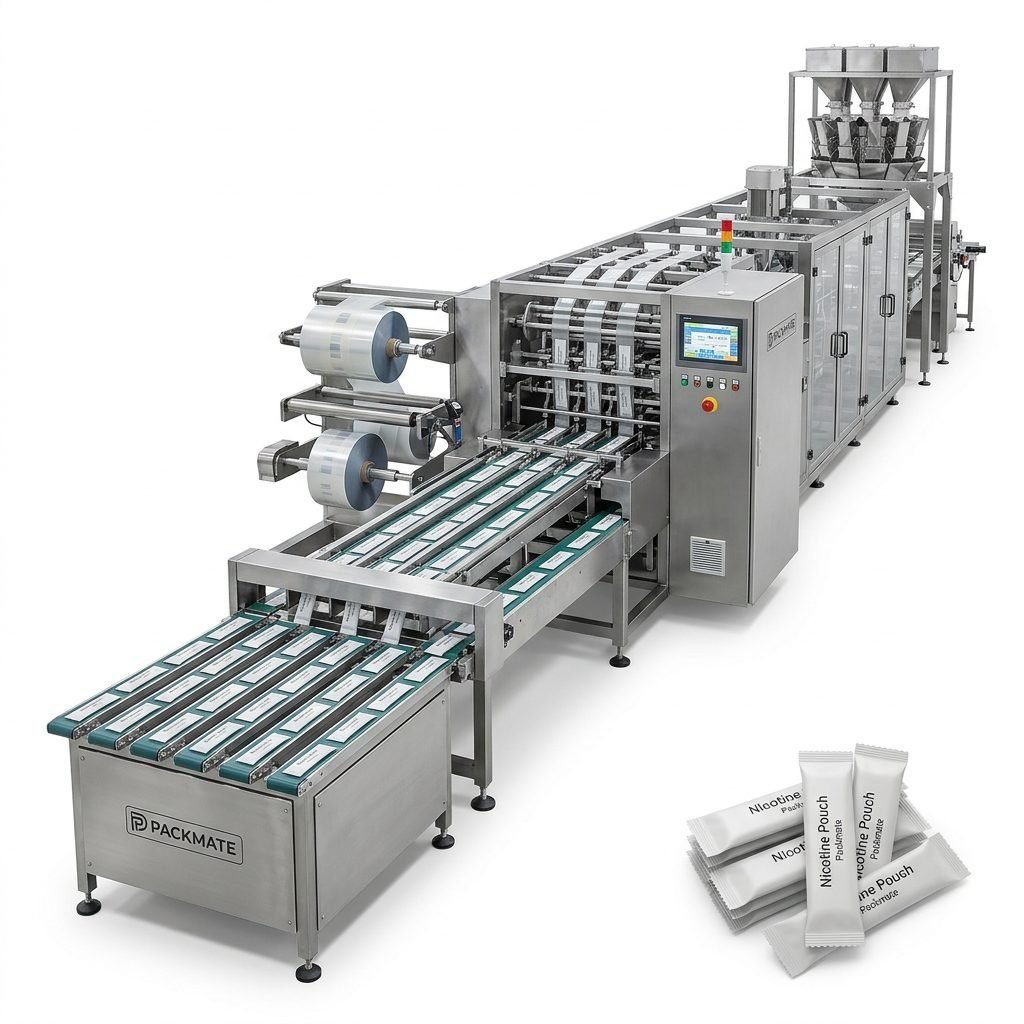
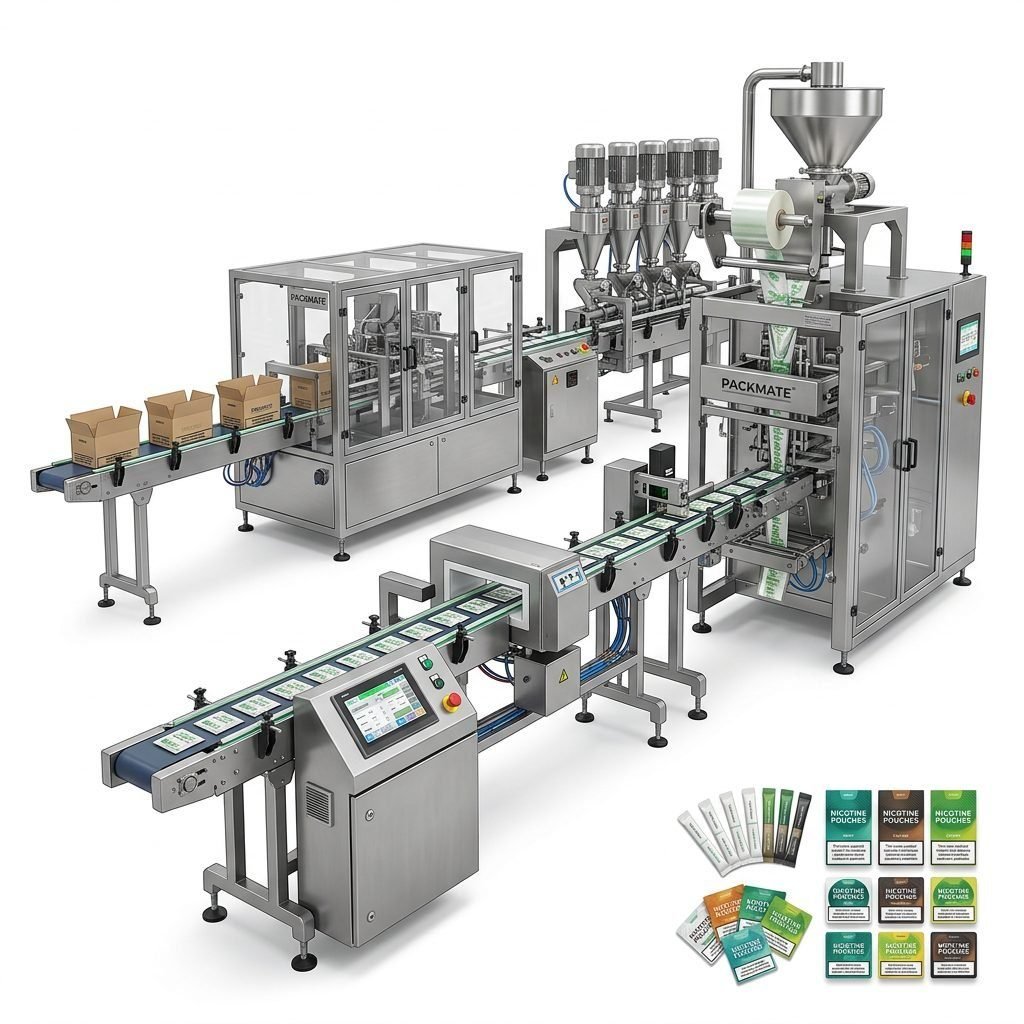
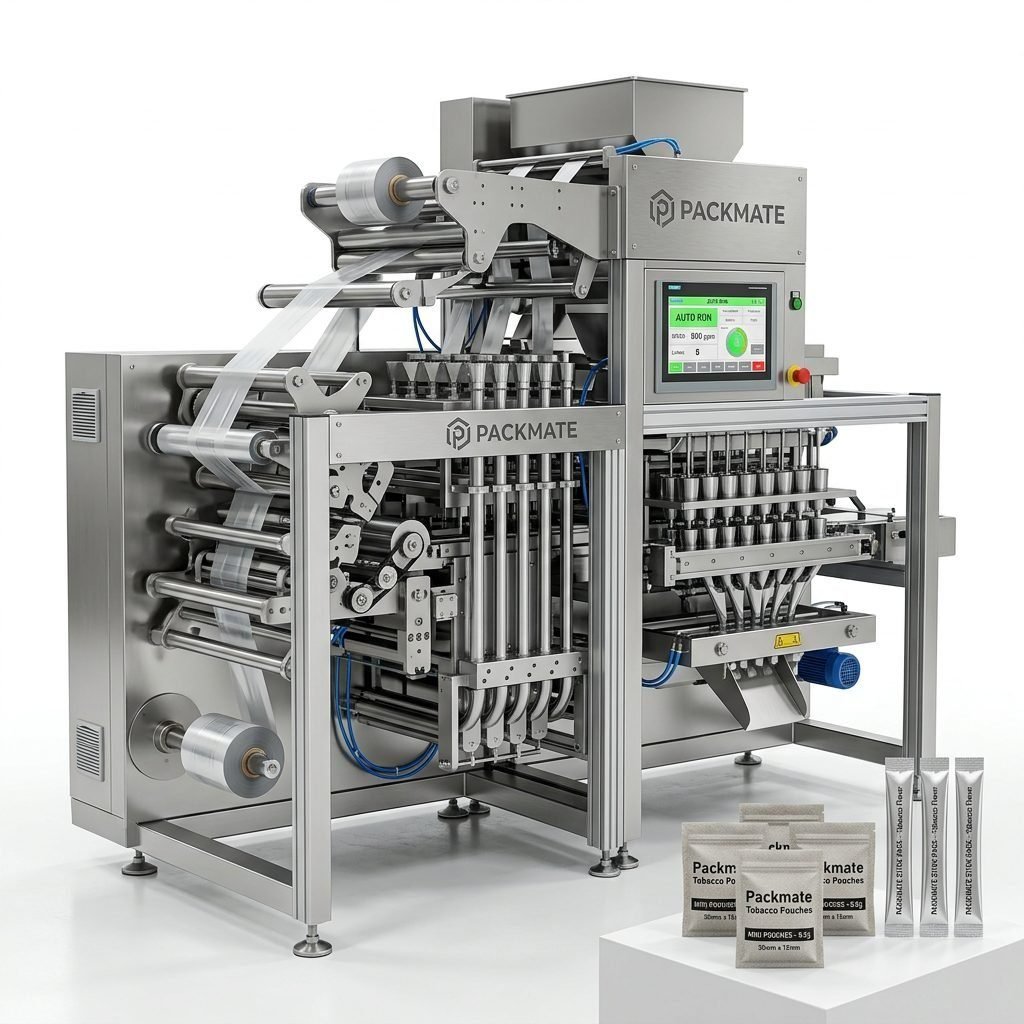
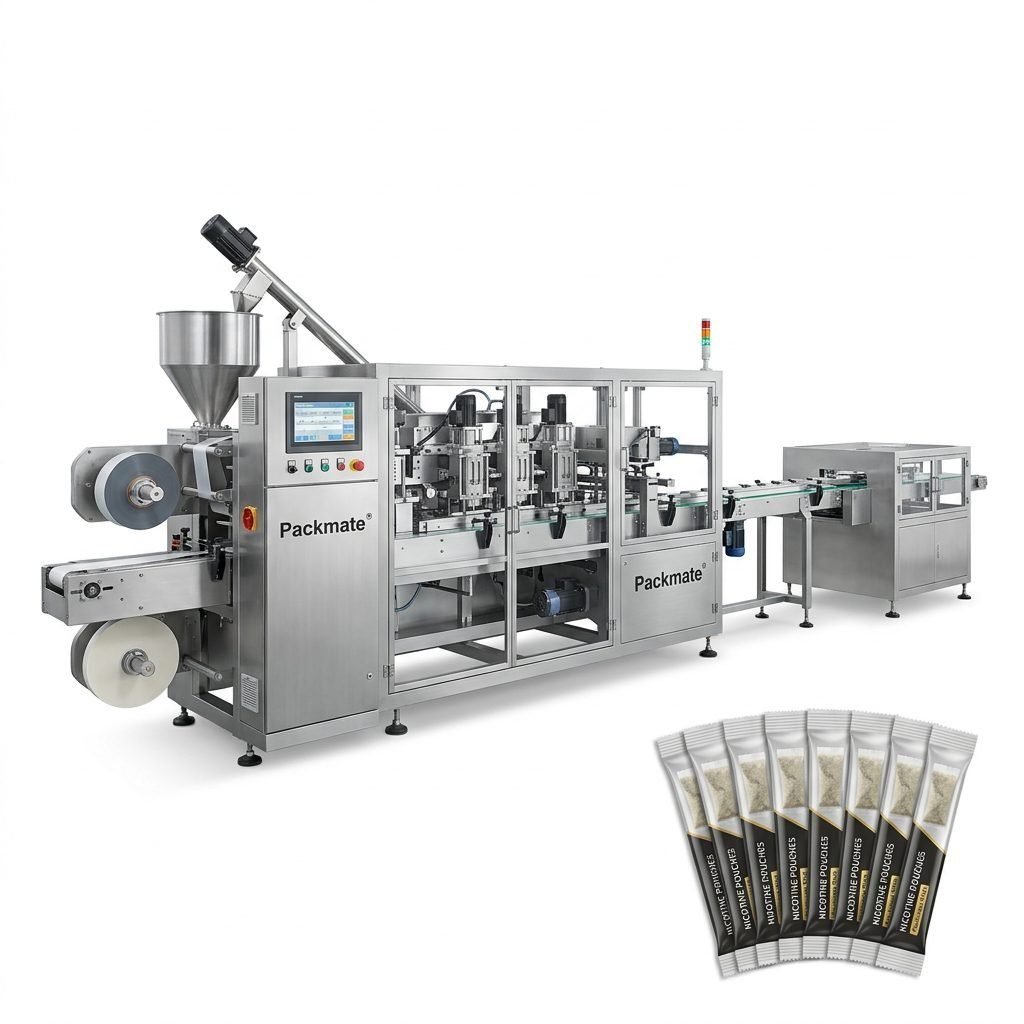
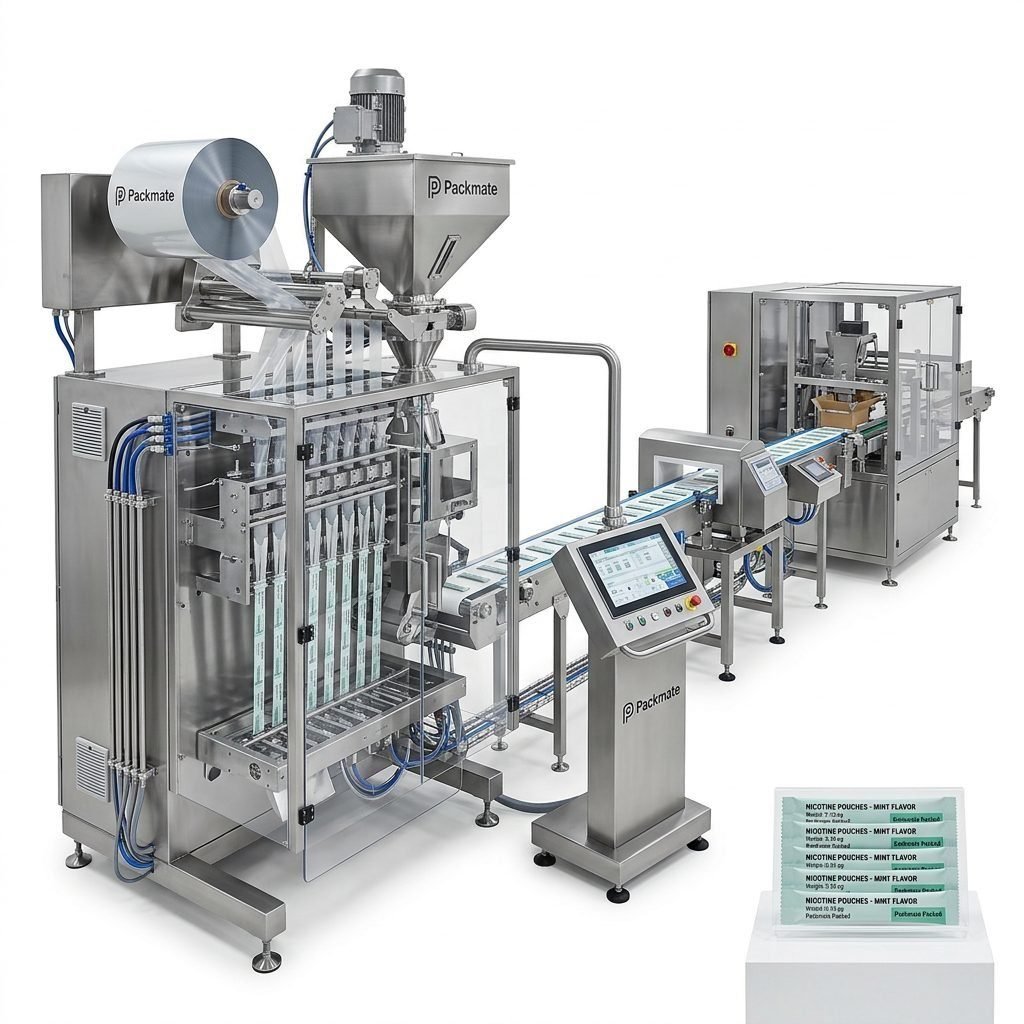
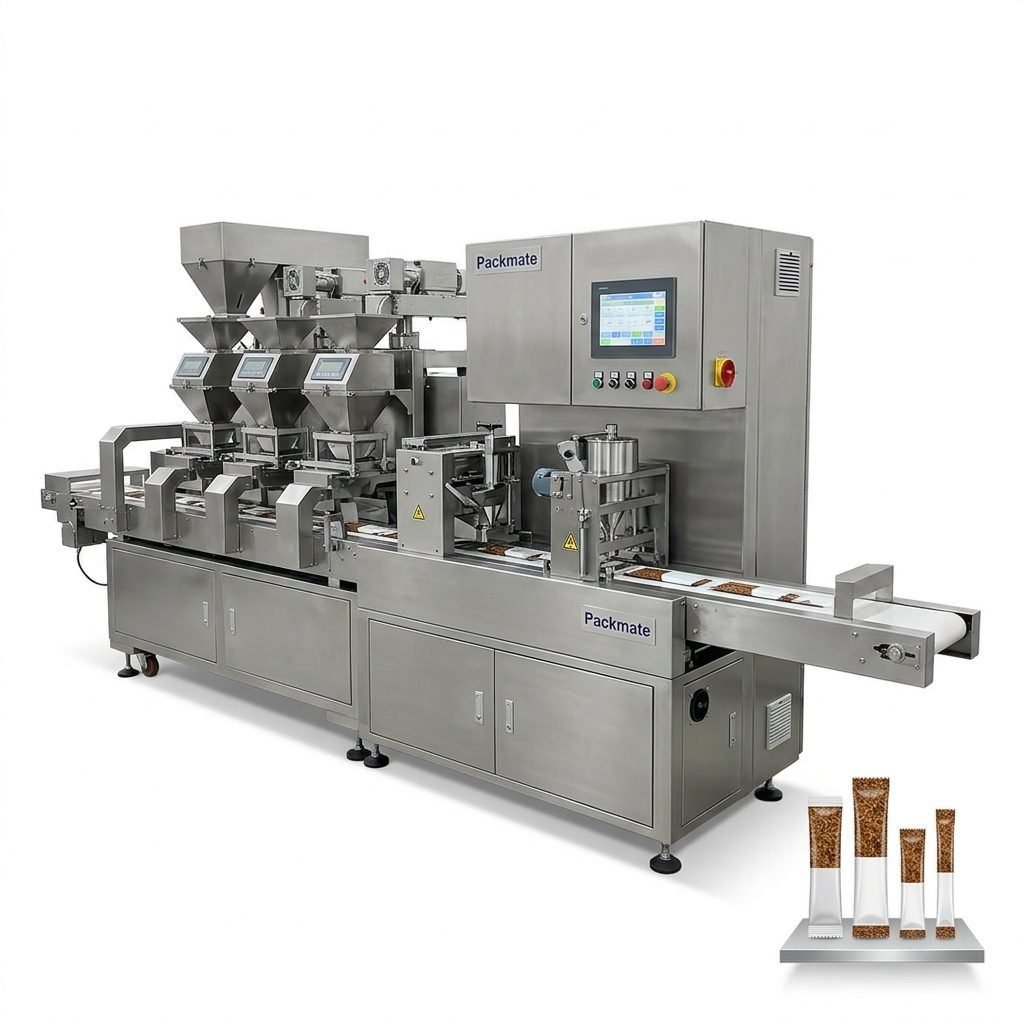
Choosing the right snus packaging machine supplier in Japan is a strategic decision that affects product quality, operational efficiency, regulatory compliance, and long-term profitability. For manufacturers targeting the Japanese market — where consumers value compact design, hygiene, precise portion control, and high-quality finish — selecting a supplier who understands local preferences and delivers reliable turnkey solutions is essential. The guidance below will help you evaluate suppliers, compare machine types, verify certifications, and plan successful implementation for snus and nicotine pouch production in Japan.
Understand Japan’s Market & Regulatory Context
Japan has a distinct consumer culture: minimalist packaging aesthetics, emphasis on hygiene, and strong expectations for consistent portion size. When producing snus or nicotine pouches for Japan, you must consider local labeling regulations, allowable nicotine thresholds, and retail packaging formats. Partnering with a supplier experienced in global compliance (CE, ISO) and familiar with Japanese electrical and safety expectations will shorten approval cycles and reduce rework.
Key Japanese considerations:
🔸 Compact, premium appearance — Consumers prefer sleek single-portion sachets and pouches with clean printing and matte or soft-touch finishes.
🔸 Hygiene & contamination control — Machines must support easy cleaning, stainless-steel contact parts, and enclosed production to meet high hygiene expectations.
🔸 Low-noise operation & reliability — Japanese plants often emphasize quiet production and minimal downtime; service response & spare parts availability are critical.
Evaluate Supplier Technical Capabilities
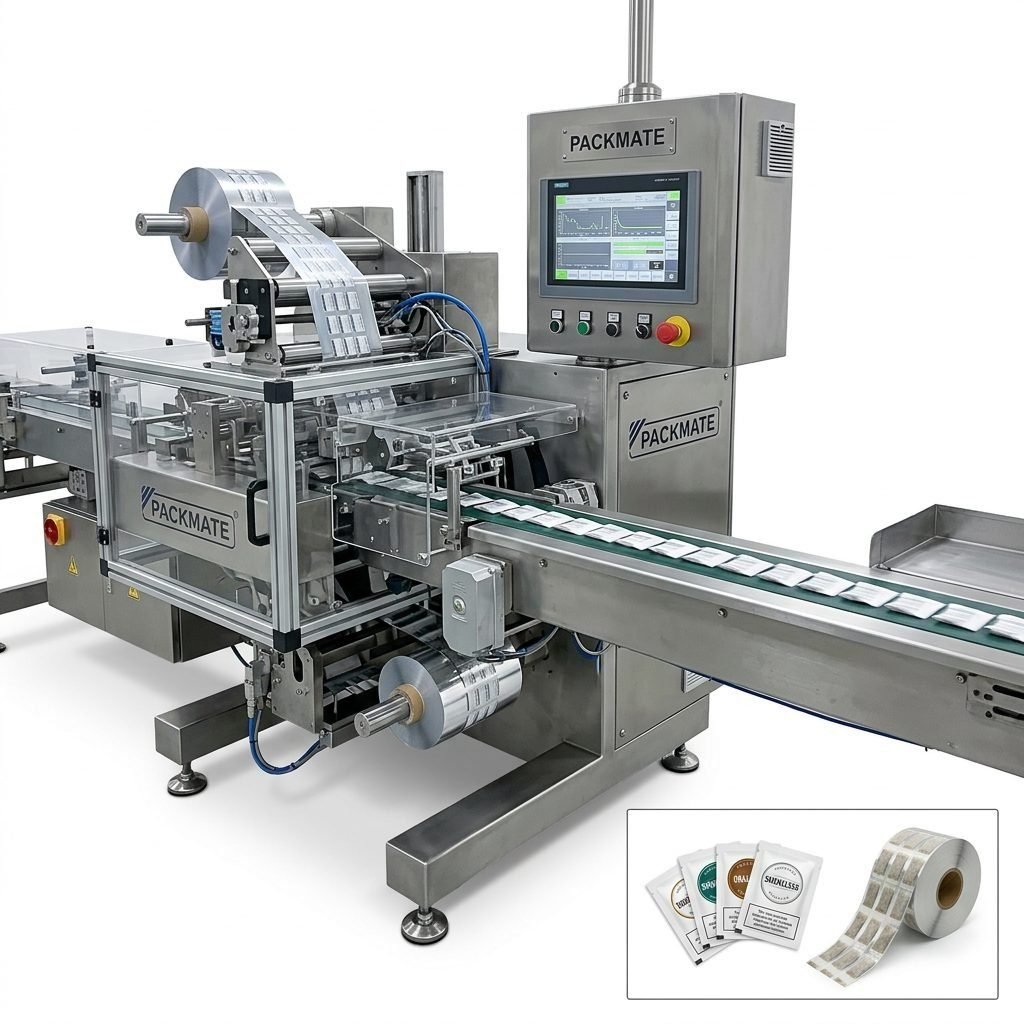
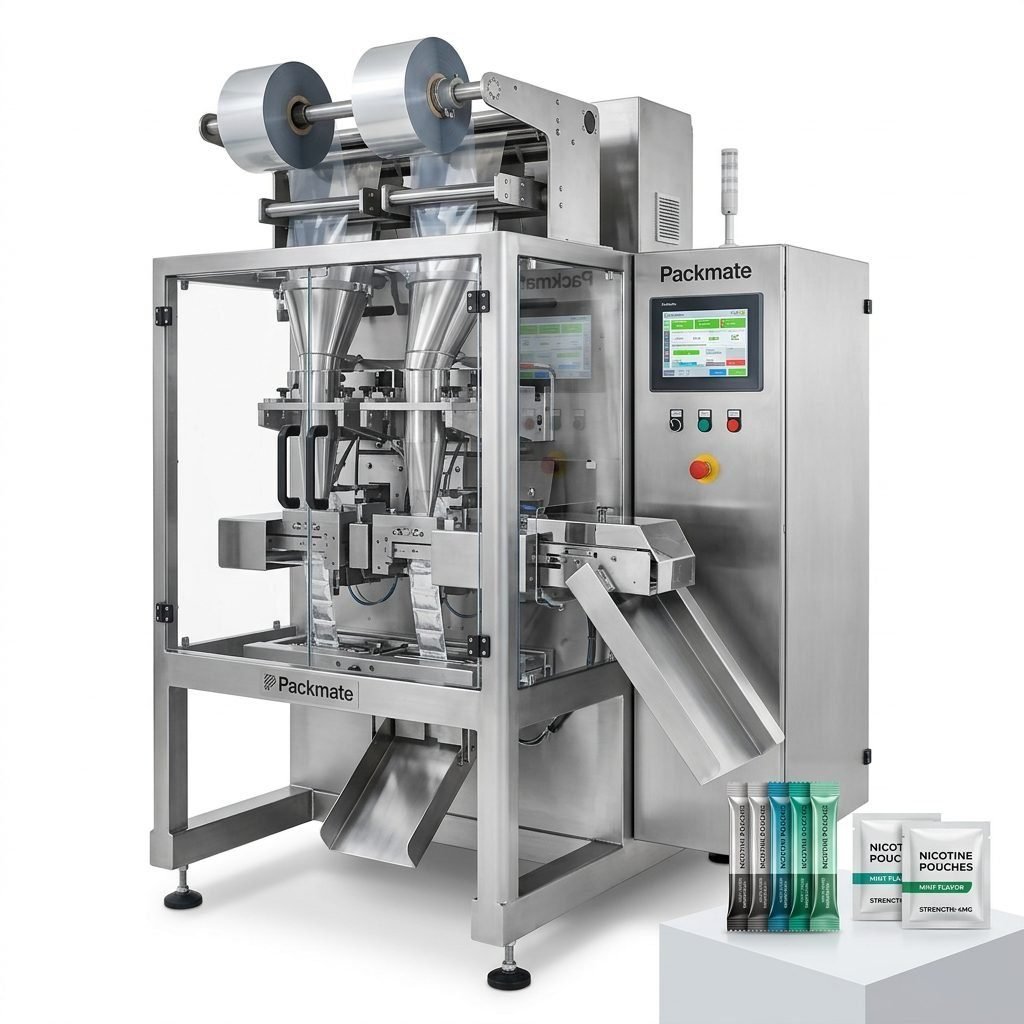
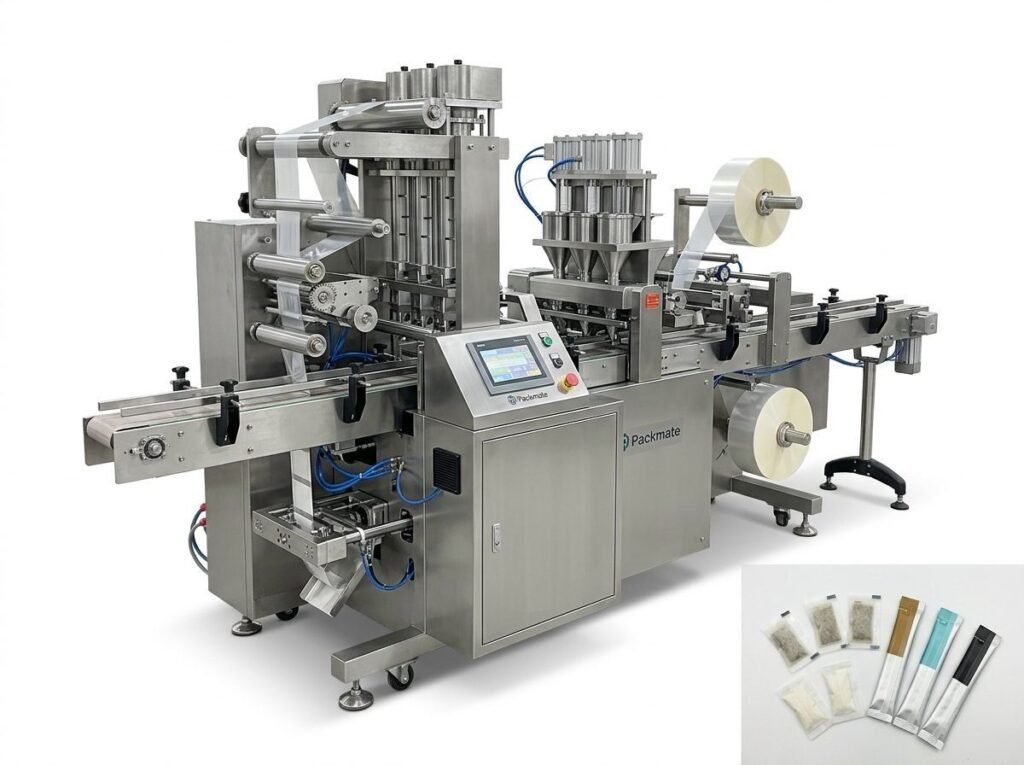
When assessing a supplier, prioritize engineering experience, manufacturing capacity, and product variety. A supplier with 20,000㎡ factory space, advanced CNC machining, and 30+ years of R&D is more likely to deliver robust machines that meet high-precision demands. Look for a partner offering multi-lane high-speed systems, stick pack and sachet options, and fully automated production lines.
Machine precision & throughput
Check guaranteed throughput (pouches/min) and dosage accuracy. For nicotine pouches in Japan, dosage repeatability within ±1–2% is often required for small-dose products.
Build quality & materials
Stainless-steel frames, hygienic design, and modular components reduce contamination risk and facilitate maintenance.
Match Machine Types to Production Needs
Determine which packaging format aligns with your product strategy. For Japan, commonly used formats include stick packs, sachets, and portion pouches with reclosable boxes. Your supplier should provide flexible options and quick-change parts for different pouch sizes.
Stick Pack
Great for single-dose, slim-format products. Ideal when retail display calls for vertical or compact presentation.
Sachet / Pillow
Offers stable sealing and surface area for branding. Good for moisture-sensitive formulas.
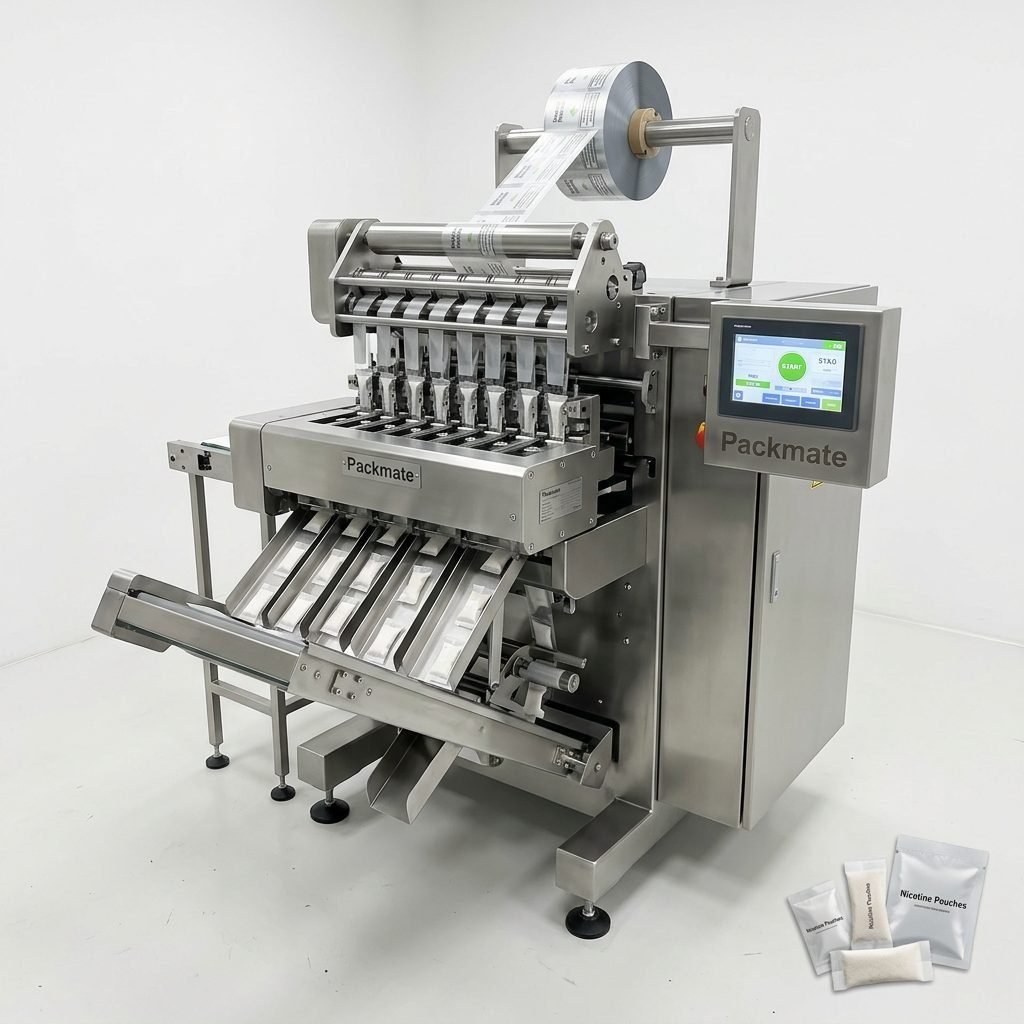
Multi-lane Portion Pouches
High throughput for small-dose pouches; multi-lane systems reduce footprint while increasing productivity.
Assess Turnkey Service & After-sales Support
In Japan, fast and reliable after-sales support is critical. Ask suppliers about local partners, spare part lead times, training programs, and remote diagnostic capabilities. A supplier that participates in global exhibitions and offers installation, commissioning, and operator training will make ramp-up smoother.
✅ On-site commissioning & training — Ensure the supplier provides installation and operator training in a timely manner.
✅ Spare parts availability — Confirm average lead times and local warehouse options.
✅ Remote support & diagnostics — Remote access for troubleshooting reduces downtime.
Verify Certifications & Quality Standards
Check for CE, ISO, and other applicable certifications that indicate a supplier’s quality and safety processes. Suppliers that comply with international standards and provide documentation simplify the import and regulatory review process in Japan. Make sure electrical components meet Japanese voltage and safety norms and confirm documentation for customs clearance.
Factory Due Diligence & Performance Trials
Whenever possible, visit the supplier’s factory or review recorded machine trials. Watch a full production run of your product type to evaluate sealing quality, print alignment, and changeover speed. A well-equipped facility with precision machining centers and a comprehensive test bench is a major advantage.
Factory capabilities to check
CNC machining centers, precision assembly, and controlled testing areas indicate strong manufacturing capability.
Test runs & samples
Request machine trials using your formulation and packaging film. Evaluate pouch integrity and portion accuracy under production speed.
Cost, ROI & Total Cost of Ownership
The cheapest machine upfront may cost more over time. Consider maintenance frequency, warranty, energy consumption, and spare part pricing. For Japan’s high labor standards and energy costs, machines that minimize manual handling and have energy-efficient drives can produce a faster ROI.
Budget assessment checklist:
Evaluate capital cost, installation fees, training, spare parts kit, annual maintenance contracts, and downtime risk. Ask suppliers for a predicted ROI timeline based on your planned throughput and target margins.
Customization & Future-proofing
Your supplier should support product evolution: flexible tooling, modular upgrades, and software interfaces for Industry 4.0. As consumer tastes shift in Japan — toward new flavors, portion sizes, or sustainable films — the ability to adapt quickly is a competitive advantage.
Supplier Reputation & Case Studies
Review case studies and global references. Suppliers who have delivered multi-lane lines and turnkey solutions around the world demonstrate proven experience. Look for documented success with nicotine pouch producers and find references in similar market environments.
You can explore product lines and case studies at reputable manufacturers’ product pages, for example: Snus & Nicotine Packaging Machines, Sachet & Stick Pack Machines, and view global case references at Case.
Practical Steps to Selecting Your Supplier
Follow a structured procurement process to minimize risk and ensure alignment:
1. Define clear technical requirements — target throughput, pouch size range, dosing accuracy, and film types.
2. Request technical proposals and references — include videos of similar product runs.
3. Factory audit & acceptance test — perform FAT (Factory Acceptance Testing) with your product.
4. Agree service terms — warranty, response times, spare parts stocking.
5. Plan installation & training — schedule operator coaching and preventive maintenance.
Why Choose an Experienced Snus Packaging Partner
An experienced supplier with a broad product portfolio and factory capabilities can deliver tailored solutions faster and with fewer iterations. Companies that started with R&D decades ago and now specialize in snus packaging lines provide deep engineering know-how, multi-lane designs, and global support networks. For full company information and credentials, check the About Packmate page and certification details at Certificate.
How to Manage Implementation in Japan
Implementation in Japan benefits from meticulous planning. Coordinate customs, electrical conversions, and local safety inspections in advance. Request documentation in English and Japanese and ensure supplier technicians can provide either local-language support or interpreter-assisted training.
If you need a solution that integrates weighing and filling with packaging, explore options such as combined Weighing & Packaging Systems or full Filling & Packaging Lines for a truly turnkey approach.
Final Checklist Before Signing
🔸 Signed specification sheet including test film and product samples.
🔸 Documented FAT acceptance criteria and KPIs.
🔸 Warranty, spare parts list, and service SLA documented.
🔸 Language support plan for training and manuals (Japanese/English).
🔸 Logistics plan: installation timeline, customs, and local approvals.
Where to Find a Reliable Supplier
Look for suppliers who exhibit at international trade shows and provide extensive online product information. You can browse machine categories and support services at the manufacturer’s product indexes like Bag & Pouch Packaging Machines and Auxiliary Packaging Equipment. Contact pages with direct inquiry forms help begin technical conversations: Contact Us.
Summary: Priorities for Japanese Production Needs
In summary, prioritize suppliers who combine precision engineering, hygienic design, multi-lane throughput options, and strong after-sales support. Ensure they understand Japanese consumer preferences for compact and hygienic packaging and can provide documentation and local-language support for a smooth launch.
Frequently Asked Questions
Q1: How long does it typically take from order to installation for a snus packaging line in Japan?
A1: Lead times vary by customization level. A standard single-line machine may take 8–16 weeks; multi-lane turnkey solutions often take 16–28 weeks. Include FAT, shipping, customs clearance, and on-site commissioning in your schedule.
Q2: What certifications should I request to simplify import and compliance in Japan?
A2: Request CE and ISO documentation, electrical component specs matching Japanese requirements, material contact certifications (food-grade stainless steel), and detailed drawings for customs. If available, ask for previous Japanese market references.
Q3: Can suppliers provide trials with my specific nicotine pouch formulation and film materials?
A3: Reputable suppliers offer FAT trials using customer-provided samples or simulate production with similar films. Confirm test conditions, acceptance criteria, and film supplier compatibility before trials.
Q4: What after-sales support is essential for continuity of production in Japan?
A4: Prioritize suppliers who provide spare parts kits, fast-response service SLAs, remote diagnostics, and training in Japanese (or with interpretation). Local stocking of critical spares greatly reduces downtime.
Q5: How do I ensure the machine can handle future product variations and sustainability goals?
A5: Choose modular designs with quick-change tooling and PLC systems that support recipe management. Discuss material changeover, recyclable film compatibility, and software upgrades with the supplier.