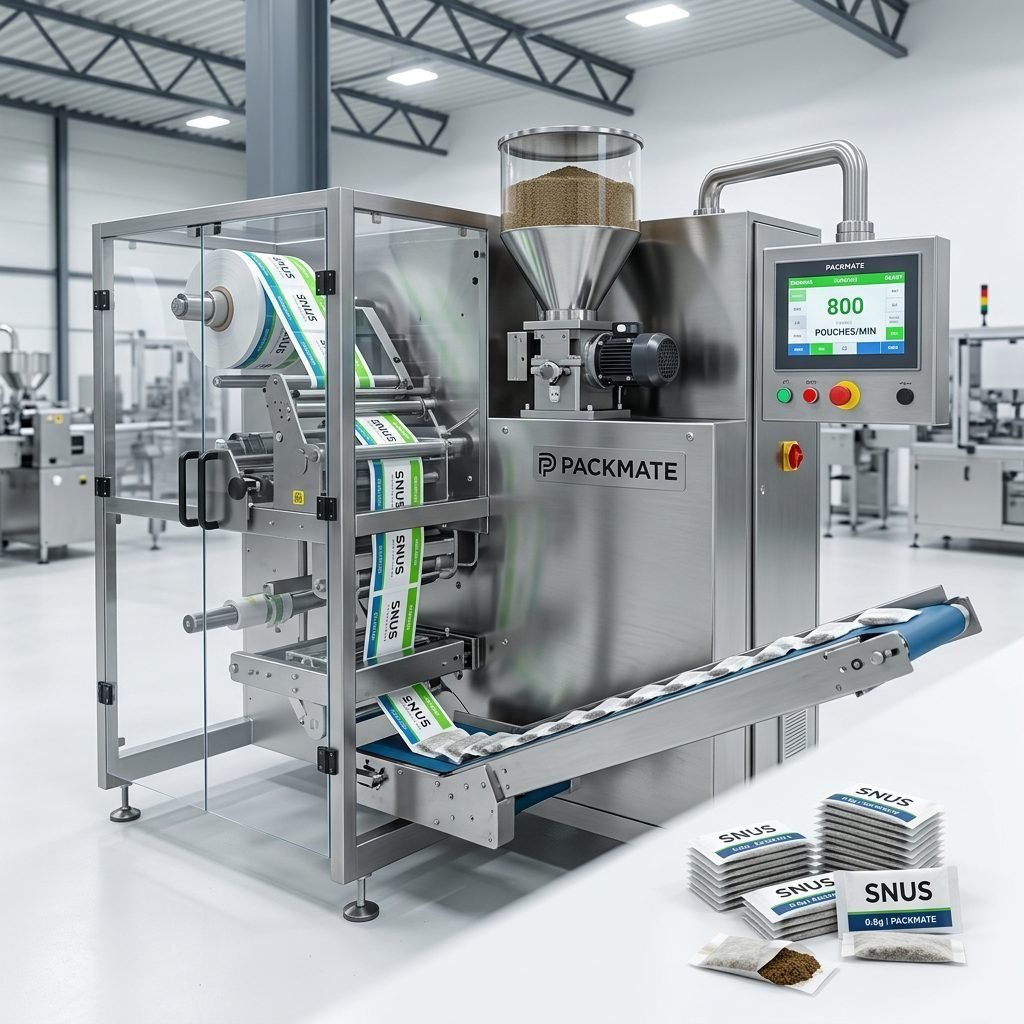
Choosing the right nicotine packaging machinery in Monaco is a strategic decision that affects product quality, regulatory compliance, production efficiency, and long-term profitability. This guide walks production managers, engineers, and business owners through the critical factors to consider, trade-offs to weigh, and practical steps for selecting equipment that matches your production goals. Whether you are launching a new nicotine pouch line or upgrading an existing operation, understanding these elements will help you avoid costly mistakes and accelerate time-to-market.
🔎 Understand Your Production Requirements
Start with a clear assessment of your production needs. Ask yourself: what is the target daily output, pouch format, and dose size? Are you producing single-lane batches or planning for multi-lane high-speed lines? Machines optimized for high-volume multi-lane production differ significantly in design, cost, and footprint from small-batch, single-lane systems.
Key production metrics to define: daily/annual output, pouch dimensions, tolerance on filling weight, product characteristics (powder, granule, or wet-fill), and desired automation level (manual changeovers vs. fully automated).
✅ Match Pouch Type with the Right Machine
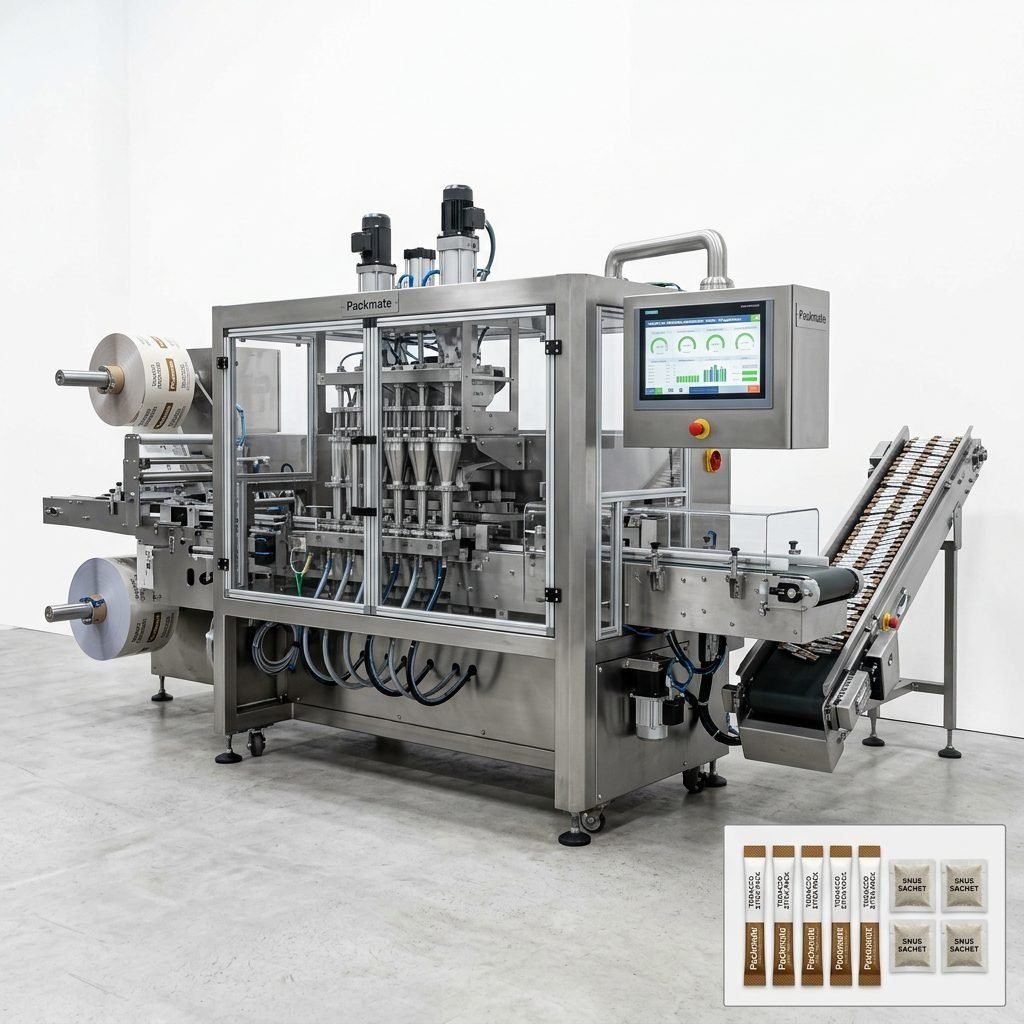
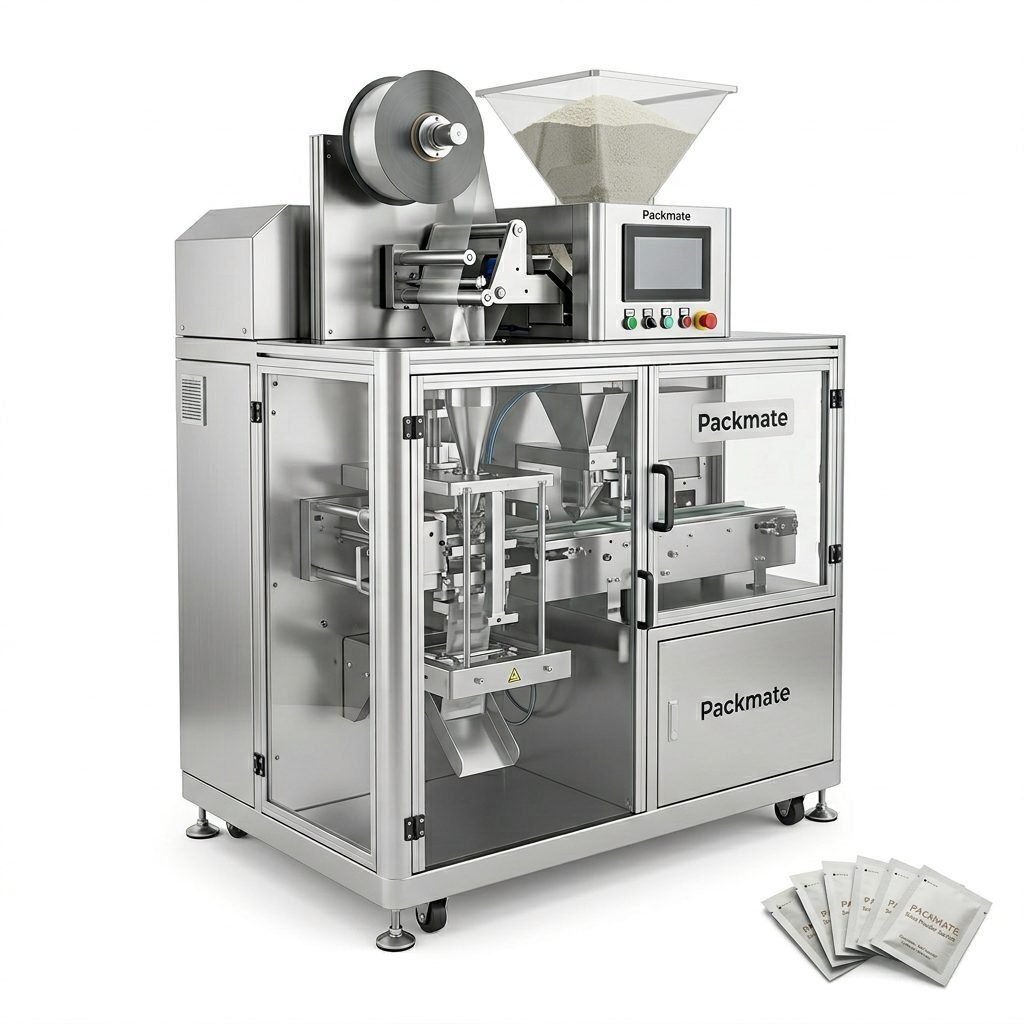
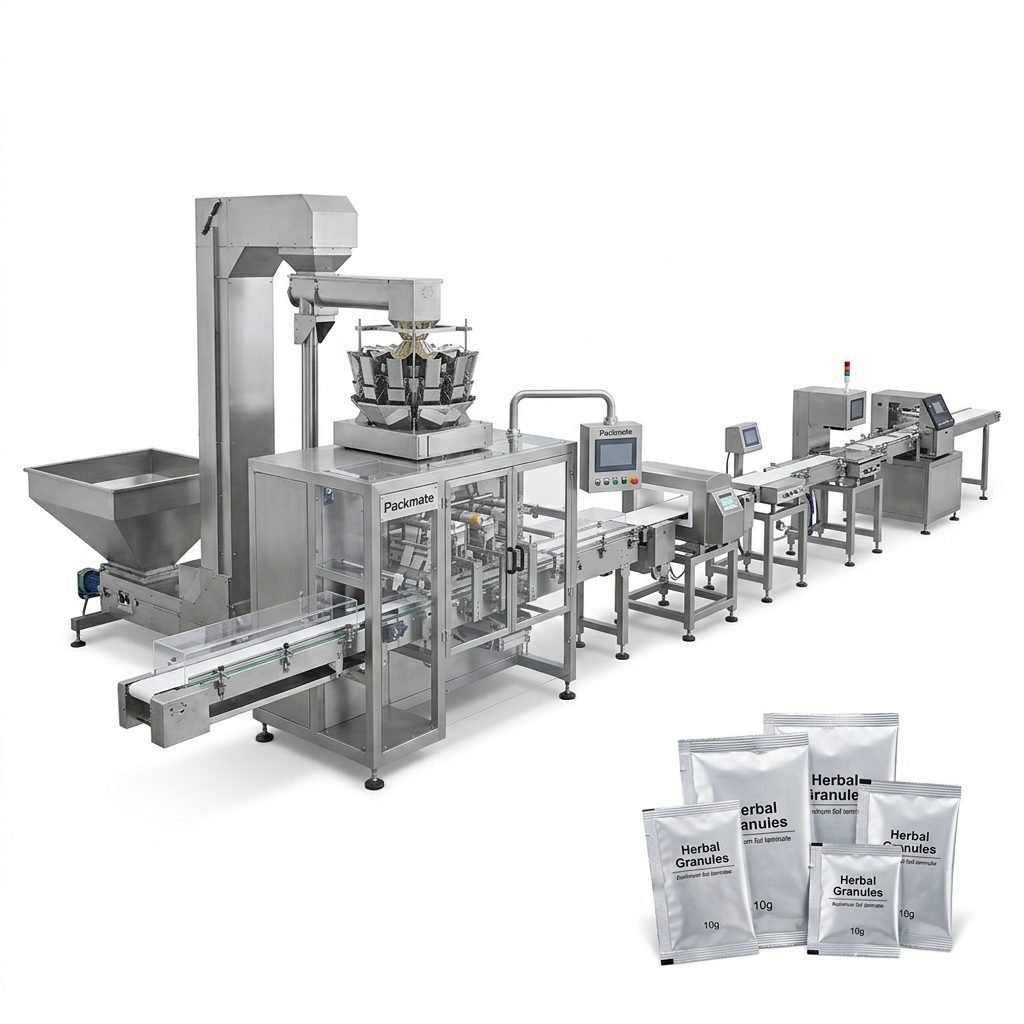
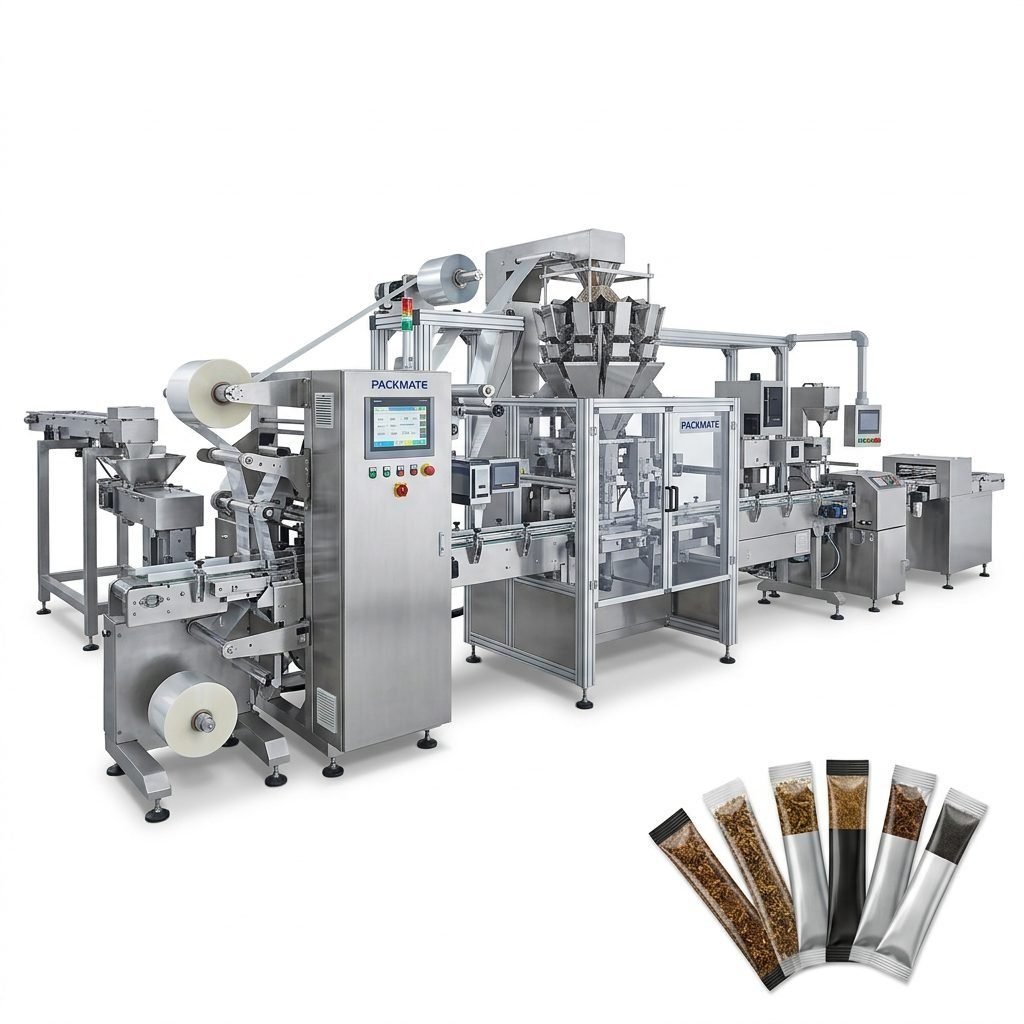
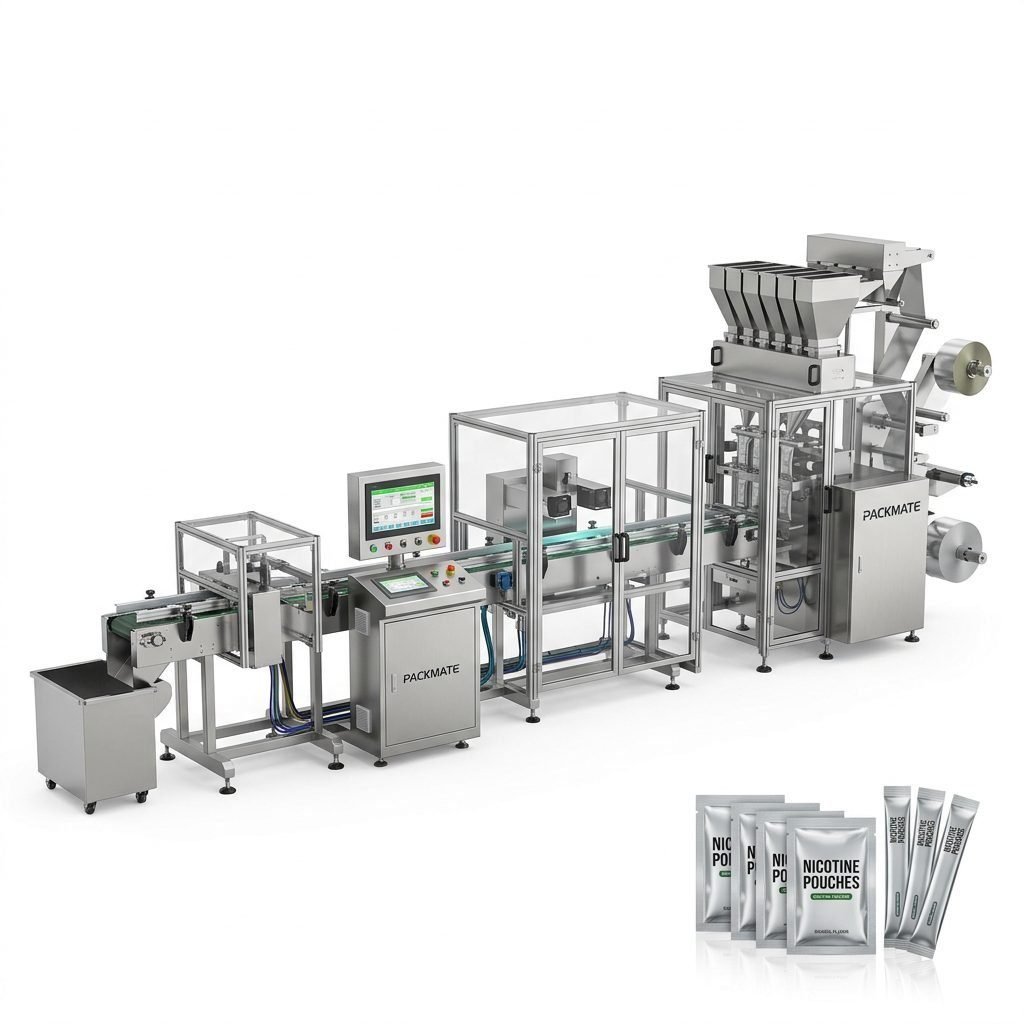
Nicotine and snus pouches can be packaged using stick pack, sachet, or specialized nicotine pouch machines. Each has advantages: stick packs are compact and cost-effective for single-dose formats, sachet machines deliver flexible size options, and dedicated snus/nicotine pouch machines are tailored for compact, precisely weighed small-dose pouches. For a detailed look at machine categories, consider exploring manufacturers’ product pages for Snus & Nicotine Packaging Machines and Sachet & Stick Pack Machines.
🏭 Production Capacity & Multi-Lane Considerations
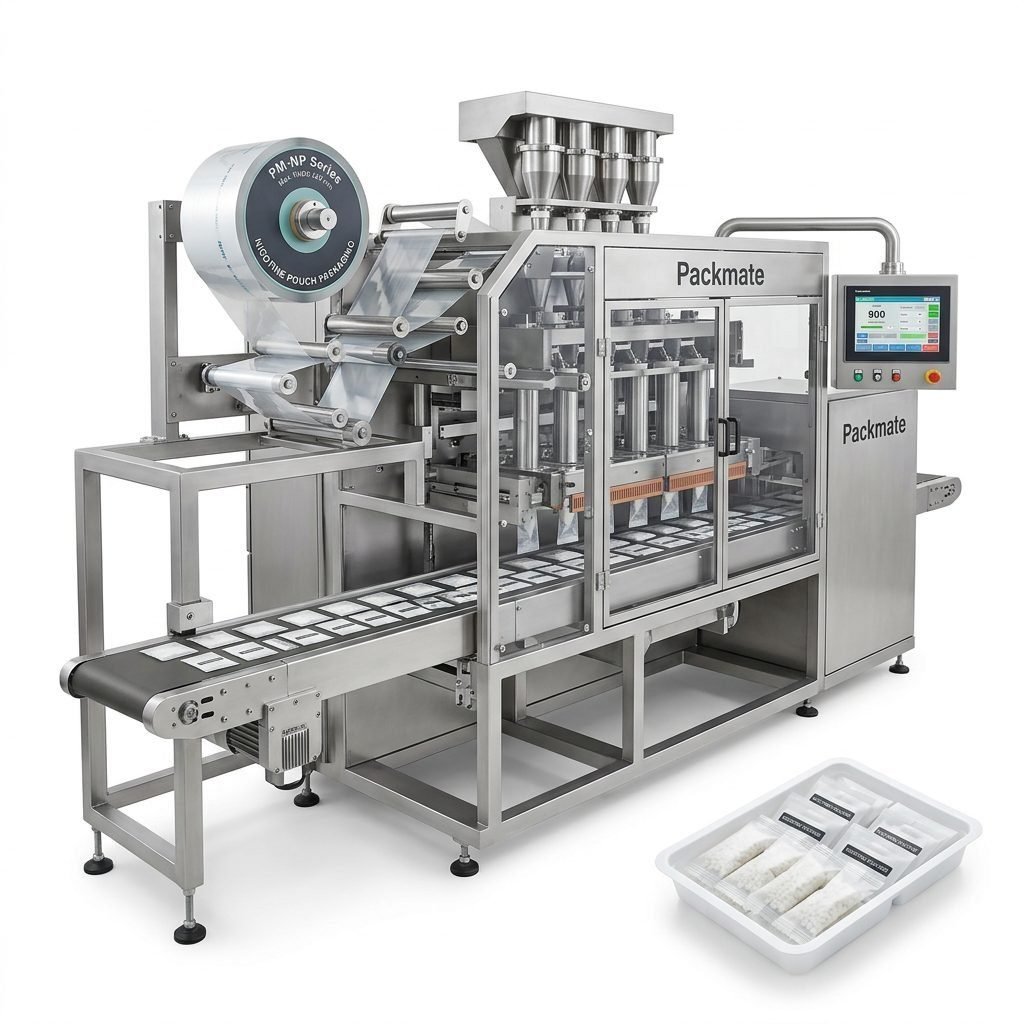
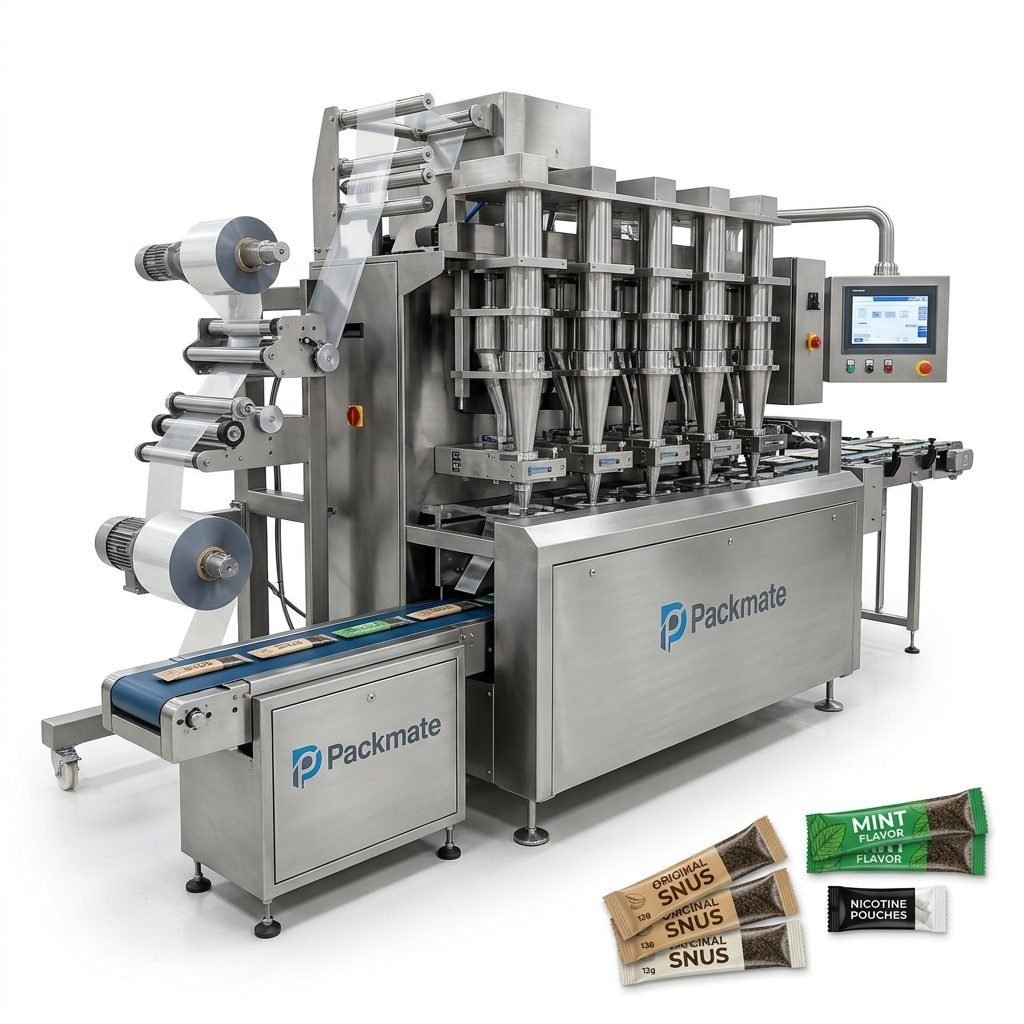
If your Monaco operation anticipates growth, prioritize machines designed for multi-lane operation and easy scalability. Multi-lane systems multiply throughput without a proportional increase in footprint, but they require precise synchronization and robust feeding systems. Single-lane machines can be less complex and more suitable for niche or artisanal product lines.
⚙️ Technical Performance & Build Quality
Reliability, stability, and precision are non-negotiable for nicotine pouch production. Look beyond advertised speeds and analyze the machine’s mechanical design, material handling, and the quality of critical components such as dosing units, sealing jaws, and forming stations. A machine’s uptime and consistent fill weight accuracy directly affect cost-per-unit and product reputation.
Important: verify acceleration/deceleration profiles, servo control quality, and precision of dosing systems. Machines built in facilities with advanced CNC and precision assembly are usually more robust.
🧰 Ease of Maintenance & Spare Parts Availability
Maintenance frequency and the ease of getting spare parts in Monaco should factor into your decision. Choose a supplier with global logistics, spare parts inventory, and clearly documented maintenance schedules. A machine backed by on-site service or remote diagnostics reduces downtime and helps maintain consistent output.
🔒 Regulatory Compliance and Certifications
Nicotine products face stringent regulatory and health requirements across markets. Ensure that any machine you consider conforms to relevant international standards, such as CE and ISO certifications. Compliance is not just a legal requirement—it’s also a mark of quality and safety that can simplify customs clearance and market entry.
Packmate Snus Machine, for example, emphasizes compliance and quality through CE and ISO standards, helping exporters meet global regulatory expectations.
📐 Layout, Footprint & Facility Integration
Machine footprint, material flow, and integration with upstream/downstream systems impact overall efficiency. Map out your facility layout in Monaco—consider raw material storage, weighing stations, vision inspection, and final packaging conveyors. Modular machines are easier to reconfigure and can accommodate future capacity expansions.
💰 Cost, ROI & Total Cost of Ownership
Initial purchase price is only one component of cost. Calculate the total cost of ownership by accounting for energy consumption, spare parts, maintenance labor, downtime risk, and expected lifespan. Higher initial investment in a well-built multi-lane line may yield a faster payback through lower operating cost and higher throughput.
ROI Tip: model scenarios with different production volumes—this highlights break-even points and when investment in higher-capacity equipment makes financial sense.
🔁 Automation, Data & Industry 4.0 Features
Modern packaging lines include PLCs, HMI touchscreens, and optional Industry 4.0 features such as remote monitoring, OEE tracking, and recipe management. These capabilities enable faster troubleshooting, consistent quality control, and better yield tracking—vital for regulated nicotine products.
🤝 Supplier Selection & After-Sales Support
Choosing the right manufacturer is as important as choosing the right machine. Look for experienced suppliers with a proven track record in nicotine/snuc packaging, transparent references, and strong after-sales service. Evaluate factory visits, acceptance testing (FAT), and commissioning support. Packmate’s 30+ years of experience and 20,000㎡ facility with advanced CNC centers illustrate the type of manufacturing capability that reduces risk.
Helpful links to evaluate supplier offerings and capabilities include the manufacturer’s product pages and case studies. Explore examples such as Snus & Nicotine Packaging Machines, Filling & Packaging Lines, and Case studies to see real-world installations and performance claims.
📦 Turnkey Solutions vs. Standalone Machines
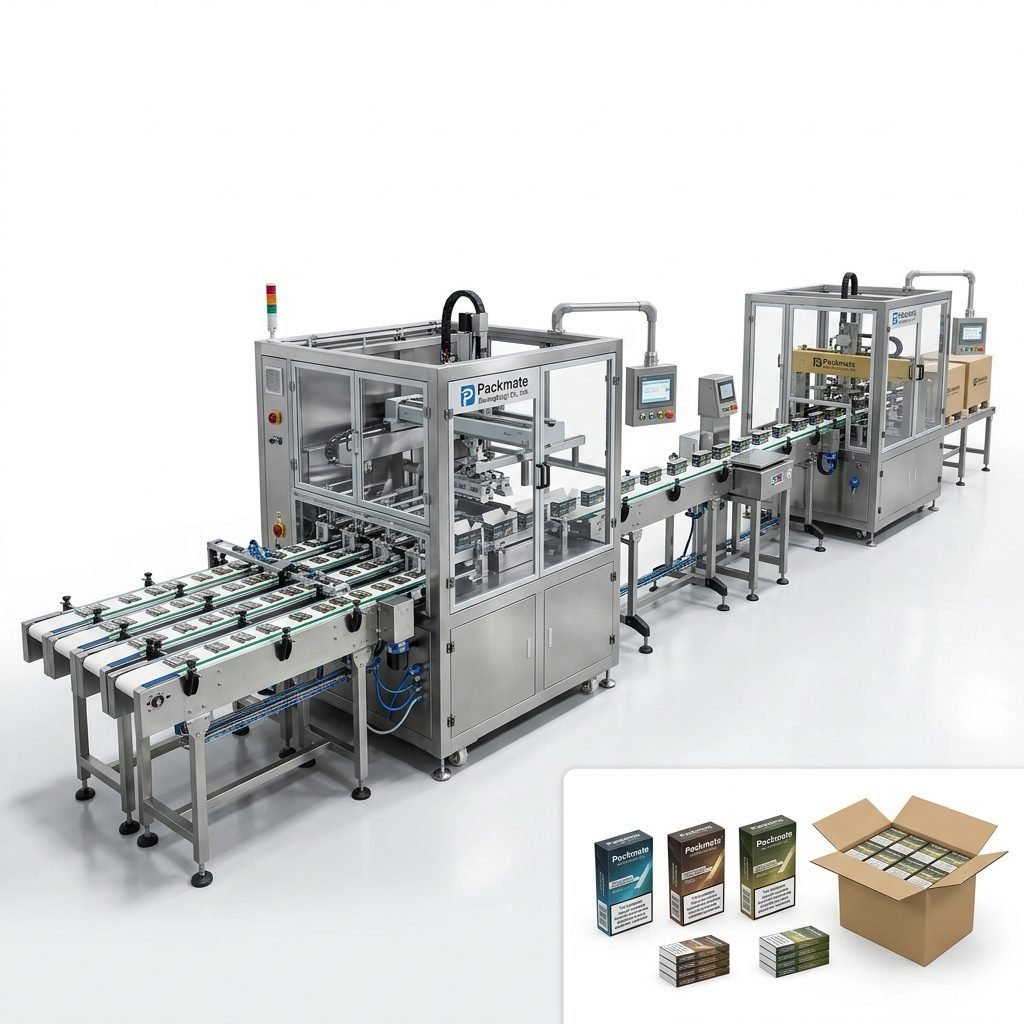
Turnkey lines include upstream filling/weighing, pouch forming, sealing, date-coding, and downstream cartoning or shrink-wrapping. If you want a fully integrated production line with a single point of responsibility, a turnkey solution is often more efficient. Standalone machines offer lower initial cost and flexibility but need careful integration planning.
🔬 Quality Control & Traceability
Quality control systems such as weight-checking, metal detection, and vision inspection are essential for nicotine products. Consider how the packaging machine integrates with QC equipment and how traceability (batch numbers, production timestamps) is recorded for recall preparedness and regulatory compliance.
🧭 Installation, Commissioning & Training
Effective commissioning includes FAT at the factory, on-site installation, validation runs, and operator training. Supplier-provided training ensures operators and maintenance technicians can perform routine adjustments and minor repairs without lengthy service calls.
Checklist for commissioning: FAT documentation, spare parts kit, on-site validation runs, operator and maintenance training, remote support options.
📦 Packaging Materials & Consumables
Choice of pouch materials, sealing films, and overwraps affects machine settings and sealing performance. Ensure your supplier provides clear specifications and trials with your selected materials. Material testing and pre-validated film profiles reduce commissioning time and help achieve perfect seals on first production runs.
🧾 Contracts, Warranties & Service Agreements
Negotiate warranty terms, response times for service, and availability of preventive maintenance contracts. A comprehensive service agreement with defined SLAs (service level agreements) protects your production schedule in Monaco and provides predictable maintenance costs.
🔍 Real-World Validation: Case Studies & Exhibitions
Examine case studies to understand machine performance in similar applications and markets. Attend industry exhibitions to see live demonstrations and discuss specific needs with engineers. Manufacturer case pages and exhibition schedules help validate claims—see Case and Our Exhibition for examples of installations and live demos.
📞 Contact, Quotes & Site Surveys
Request detailed quotations that include lead times, installation, training, FAT criteria, and spare parts lists. If possible, arrange a site survey to confirm floor loading, utilities, and logistics. Use direct contact channels to clarify after-sales support and regional service partners—Contact Us pages are a good starting point.
📈 Final Decision Framework
Summarize your decision by scoring suppliers and machines against key criteria: technical suitability, build quality, certifications, total cost of ownership, spare parts & service, delivery & lead time, and references. Weight these criteria according to your business priorities (e.g., speed, compliance, or cost).
Decision scorecard suggestion: Technical fit 30%, Total cost of ownership 25%, Service & parts 20%, Compliance & certifications 15%, References & case studies 10%.
🔔 Closing Thoughts
Selecting the best nicotine packaging machinery for Monaco requires a balance of technical precision, regulatory compliance, supplier reliability, and financial planning. Prioritize machines with proven performance in nicotine applications, robust after-sales support, and the flexibility to grow with your business. Manufacturers with deep experience, advanced manufacturing facilities, and clear case histories—such as Packmate Snus Machine—can reduce procurement risk and accelerate production readiness.
Useful Resources
Explore product and solution pages for more detailed specifications and case studies: Snus & Nicotine Packaging Machines, Filling & Packaging Lines, and Case pages provide technical details and real-world examples that can help refine your requirements and supplier shortlist.
❓ Frequently Asked Questions
Q1: What is the typical lead time for a multi-lane nicotine pouch packaging line? A: Lead times vary by configuration and customization level; standard machines may ship within weeks, while fully customized turnkey lines typically require several months for design, FAT, and commissioning.
Q2: How important are CE and ISO certifications when choosing a packaging machine? A: Very important—CE and ISO certifications indicate adherence to international safety and quality standards, which simplifies market access and reduces compliance risk.
Q3: Should I buy a turnkey line or assemble standalone machines? A: Choose turnkey for seamless integration, single-vendor responsibility, and quicker ramp-up. Standalone machines can be cost-effective for smaller operations but require careful integration planning.
Q4: How can I ensure spare parts availability in Monaco? A: Select suppliers with global distribution networks, local representatives, or partner service centers. Confirm spare parts lead times and recommended spare kits before purchase.
Q5: What post-purchase support should I expect? A: Expect commissioning support, operator and maintenance training, warranty coverage, and options for preventive maintenance contracts or remote diagnostics to minimize unplanned downtime.