Choosing the right nicotine packaging machine for the Solomon Islands market requires more than comparing prices. You must weigh compliance with local regulation, production capacity, product format, uptime, and after-sales support to ensure a reliable line that protects product quality and delivers long-term value. This guide walks you through practical steps to assess machines, suppliers, and logistics so you can make an informed purchase decision for nicotine pouches, snus, and related products.
Understand Local Regulations and Compliance 🔎
Regulatory frameworks for nicotine products vary by country and can affect labeling, packaging materials, child-resistant features, and batch traceability. Before selecting equipment, confirm the Solomon Islands’ current rules on nicotine pouch packaging, packaging warnings, and material restrictions. Machines that support serialized coding, batch printing, and flexible label application will make compliance easier.
Key action: request documentation from suppliers showing certifications and test records. Look for internationally recognized standards such as CE and ISO compliance to ensure basic safety and quality controls are in place.
Define Your Product Format and Packaging Style 📦
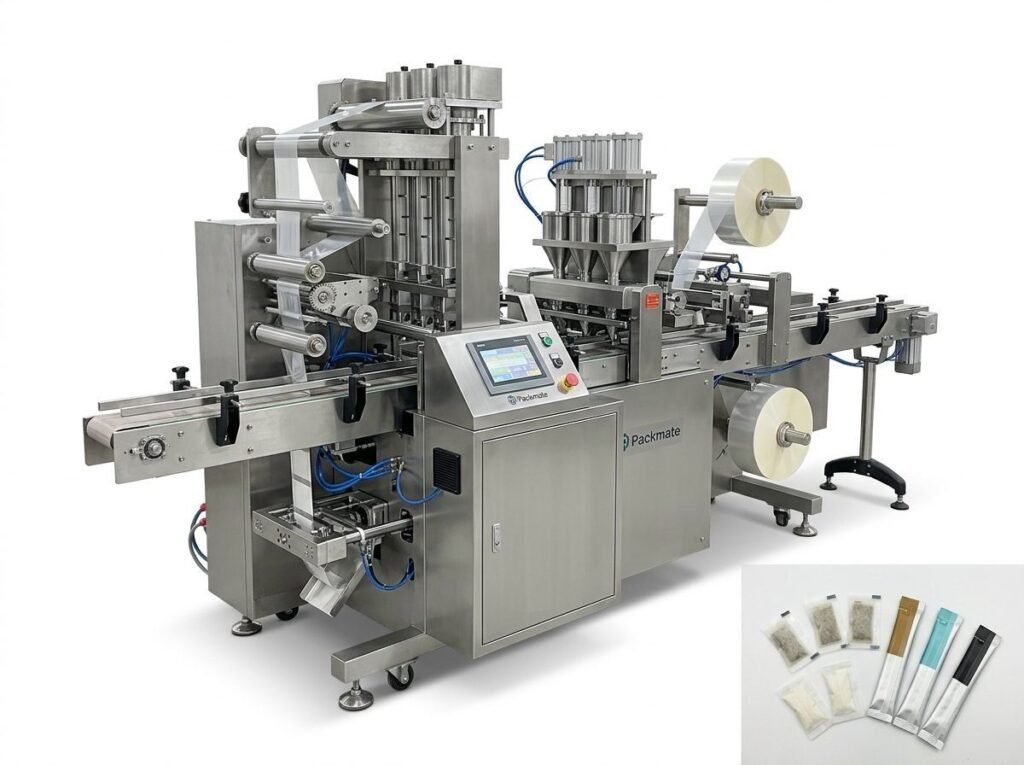
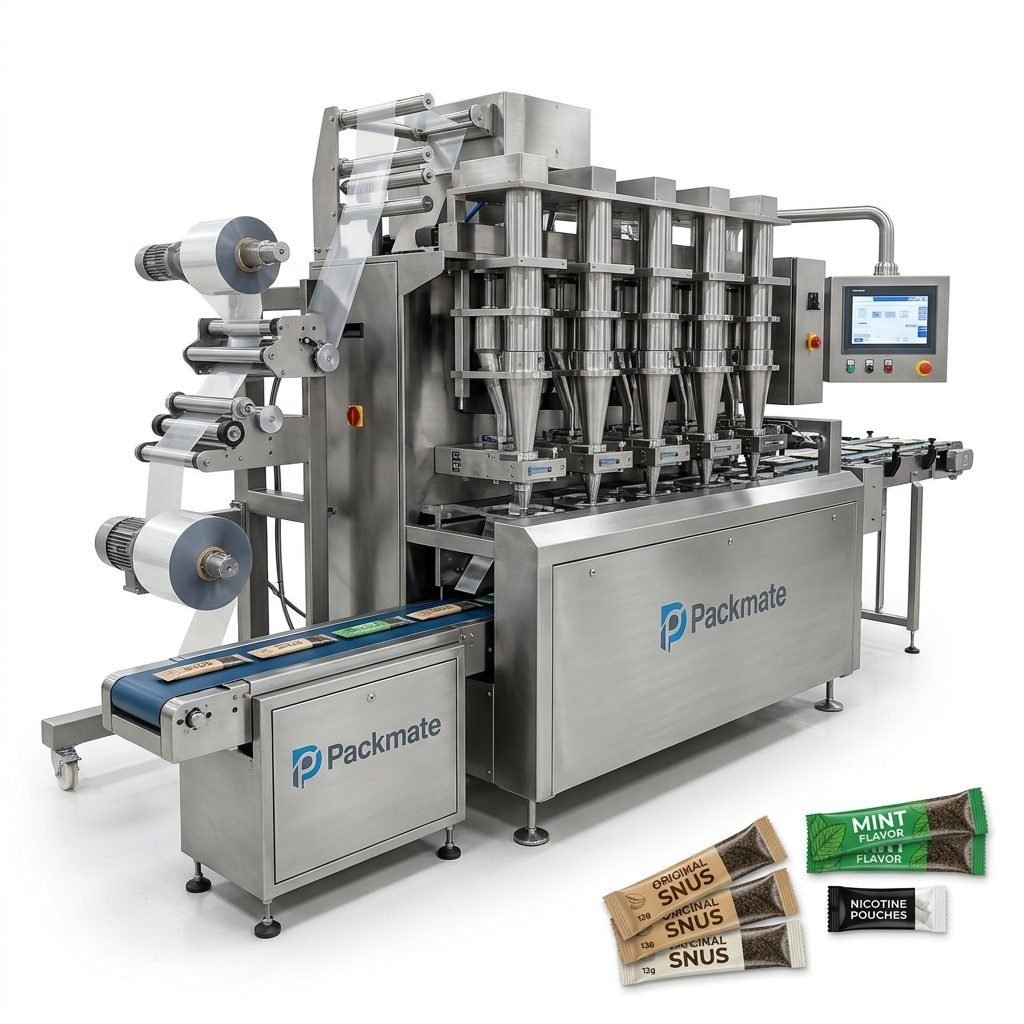
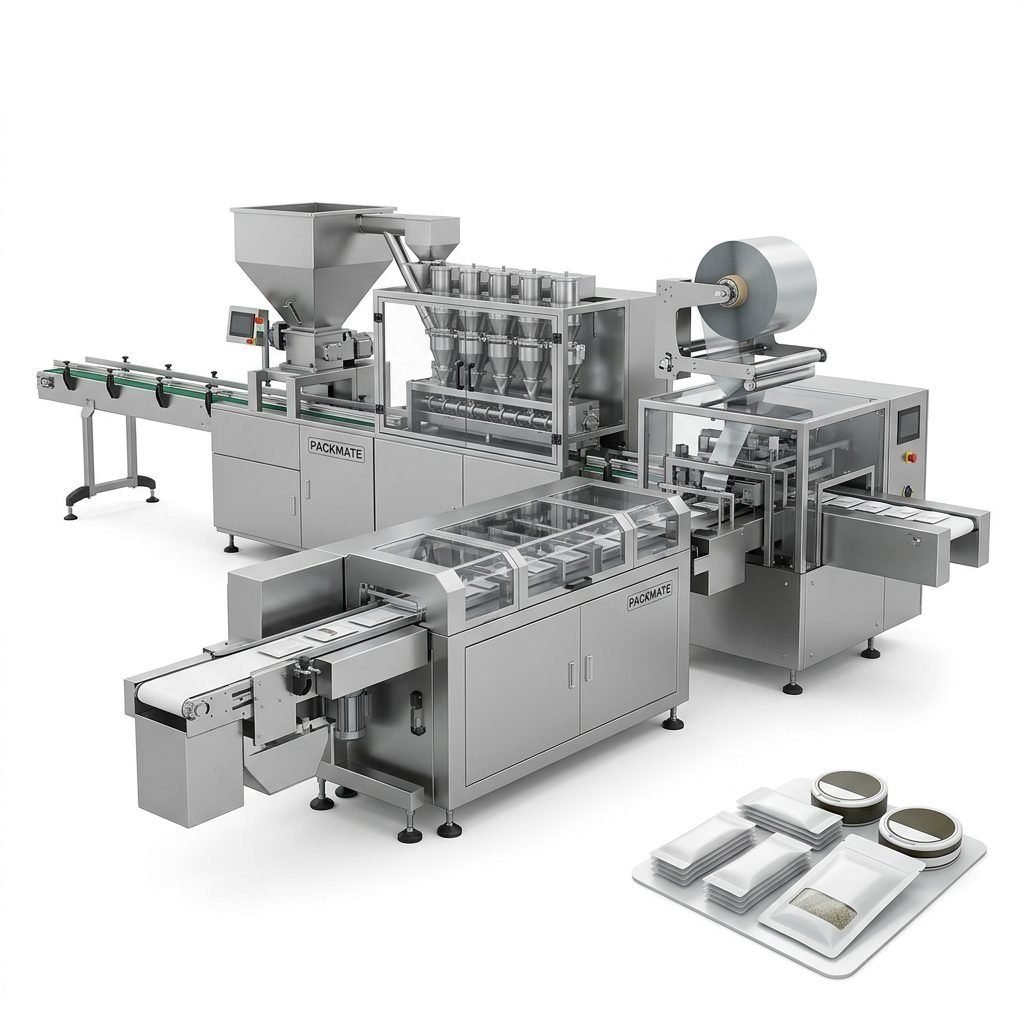
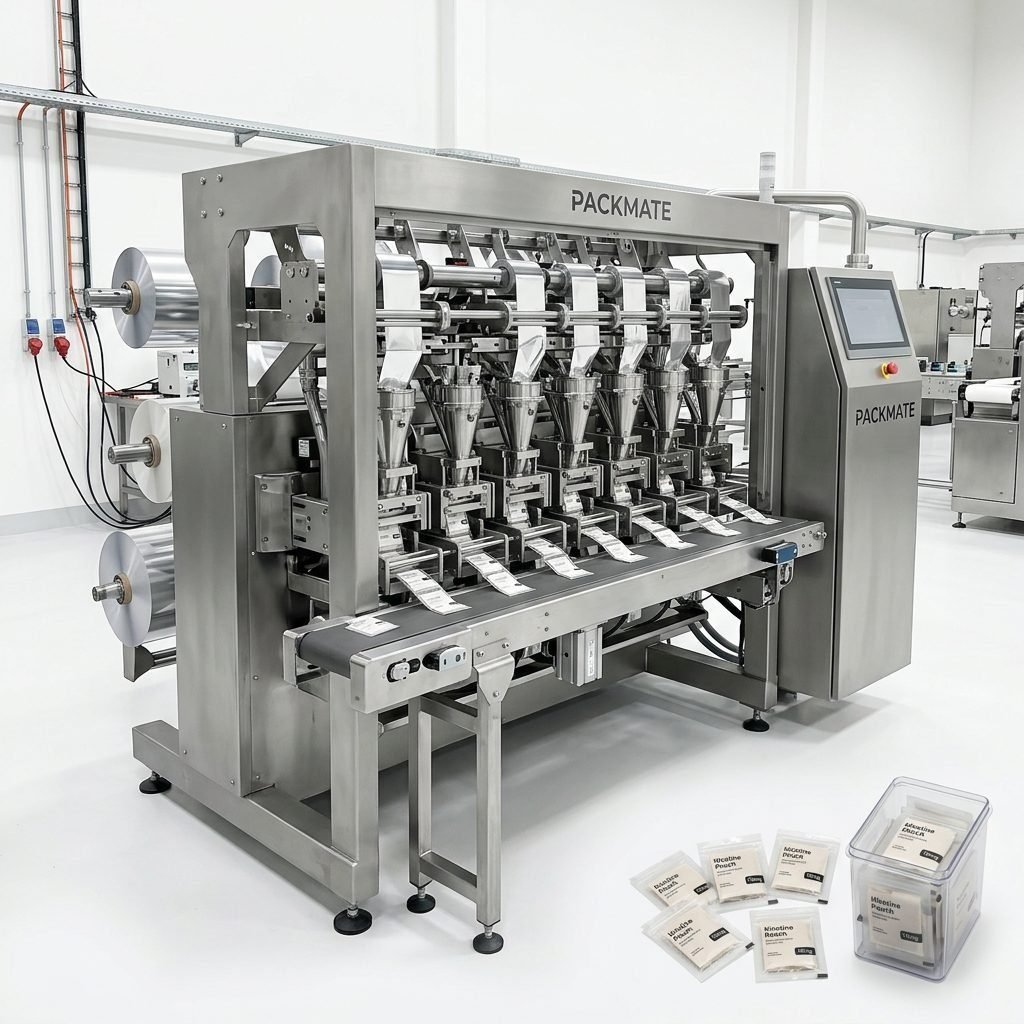
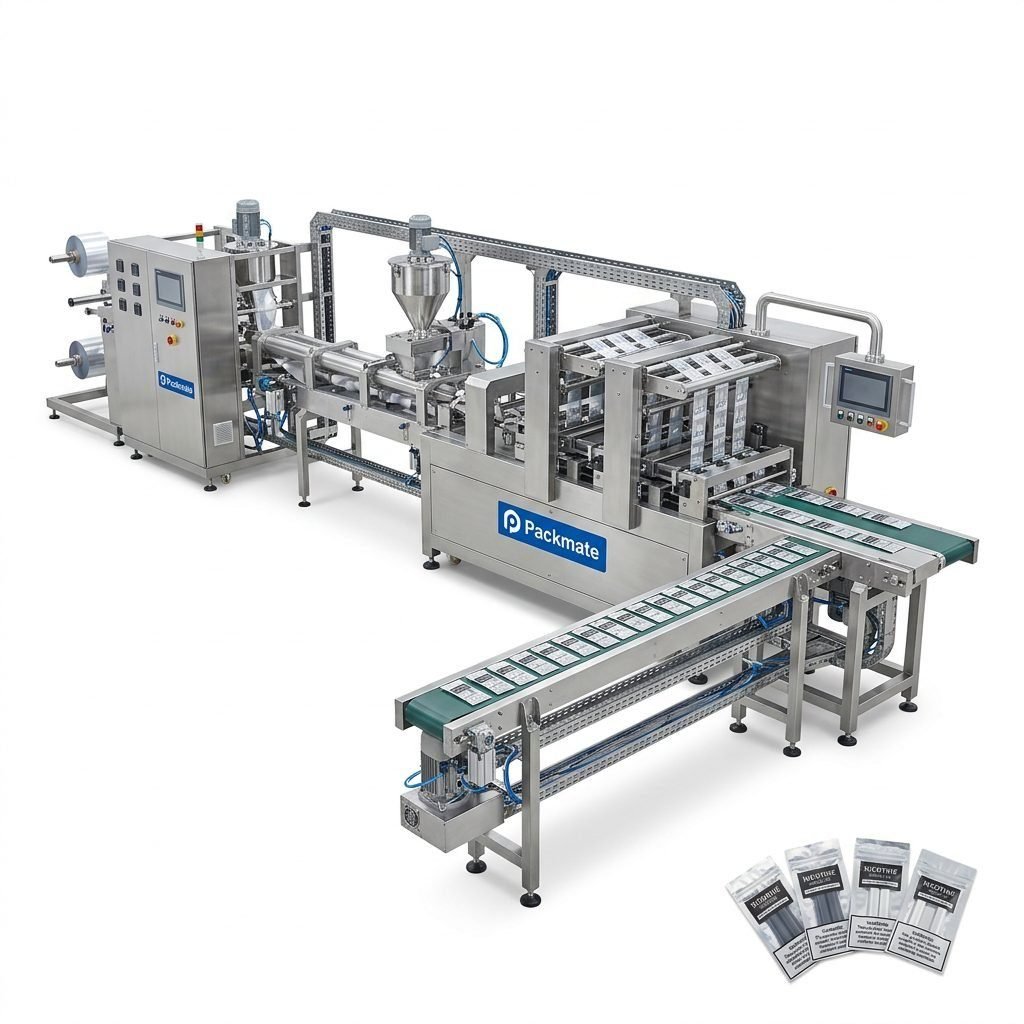
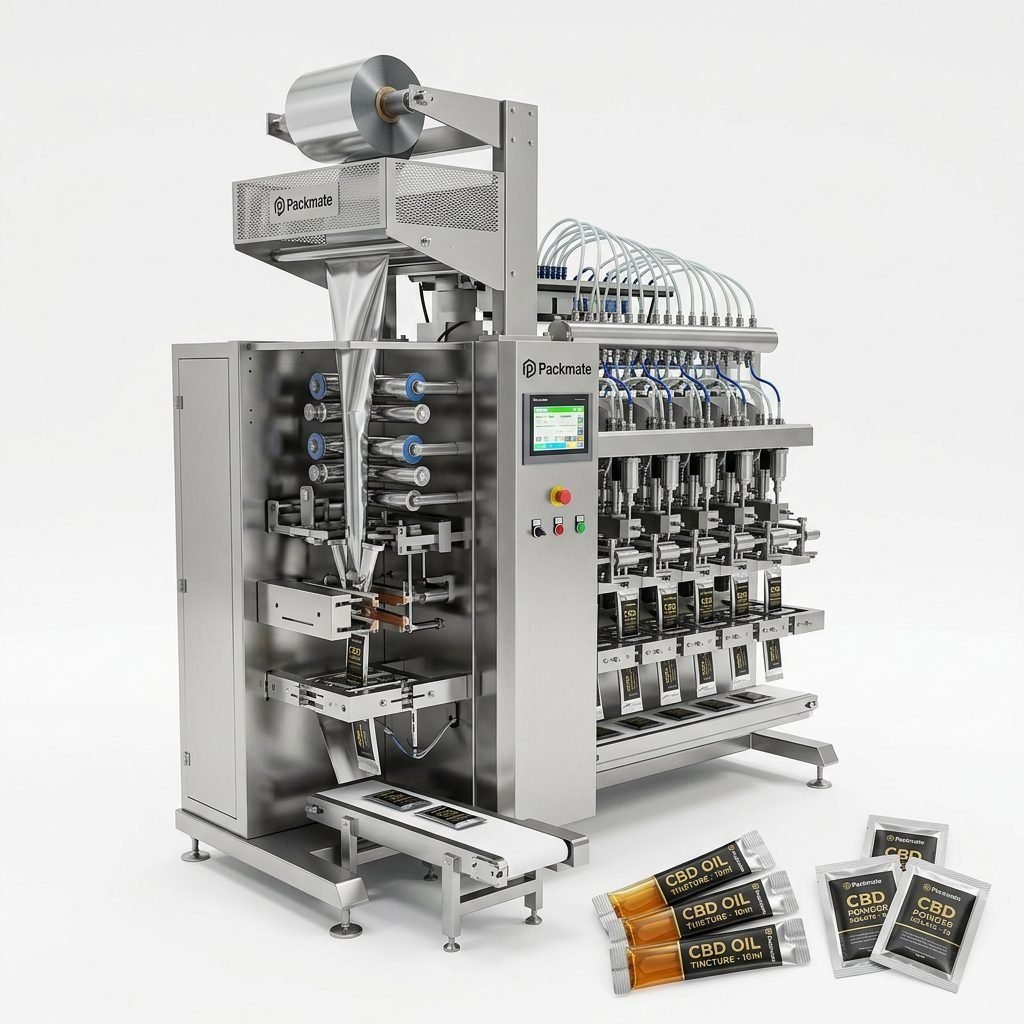
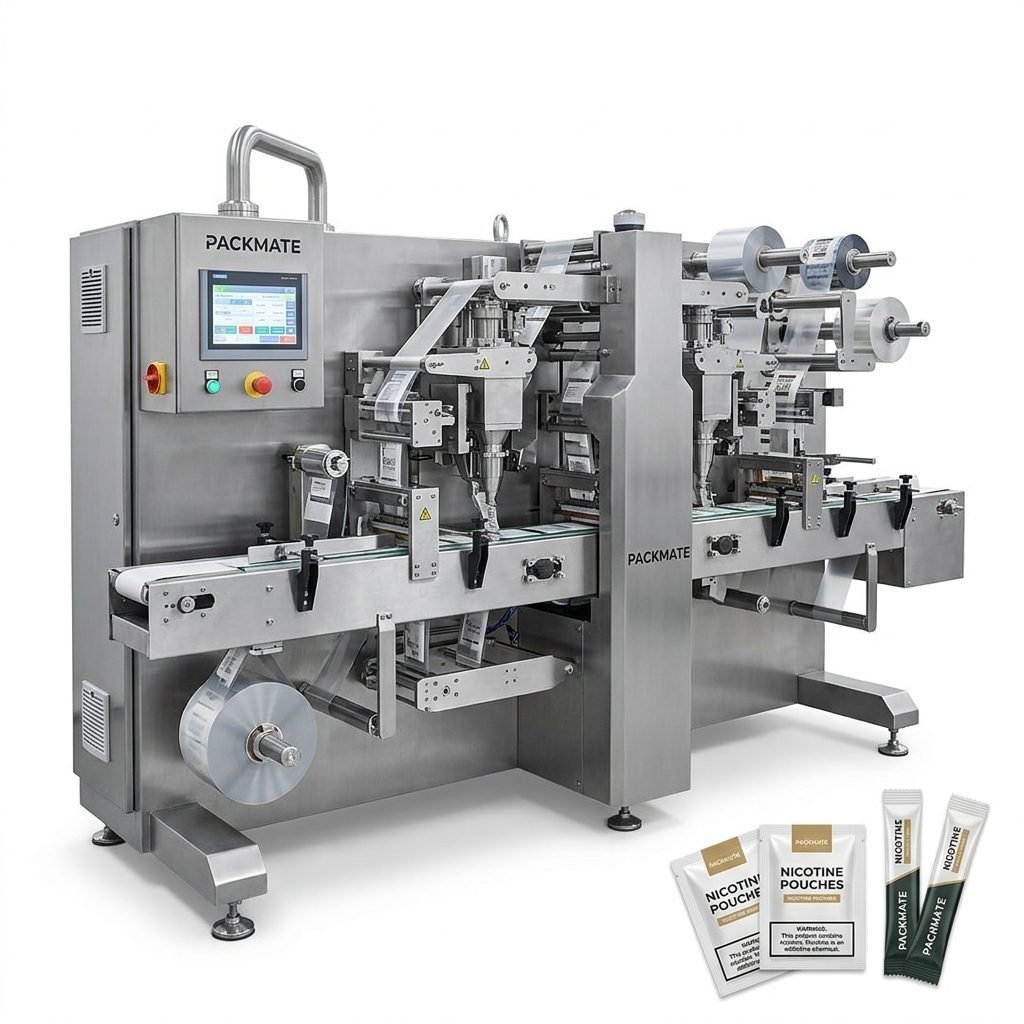
Different nicotine formats — pouches, sachets, stick packs, or multi-pouch cartons — require different machines. Decide whether you need single-lane high-precision filling for small-dose pouches or multi-lane high-speed systems for larger volumes. Machines for nicotine pouches commonly include features for precise dosing, sealing, nitrogen flushing (if required), and gentle transfer to avoid damaging delicate pouches.
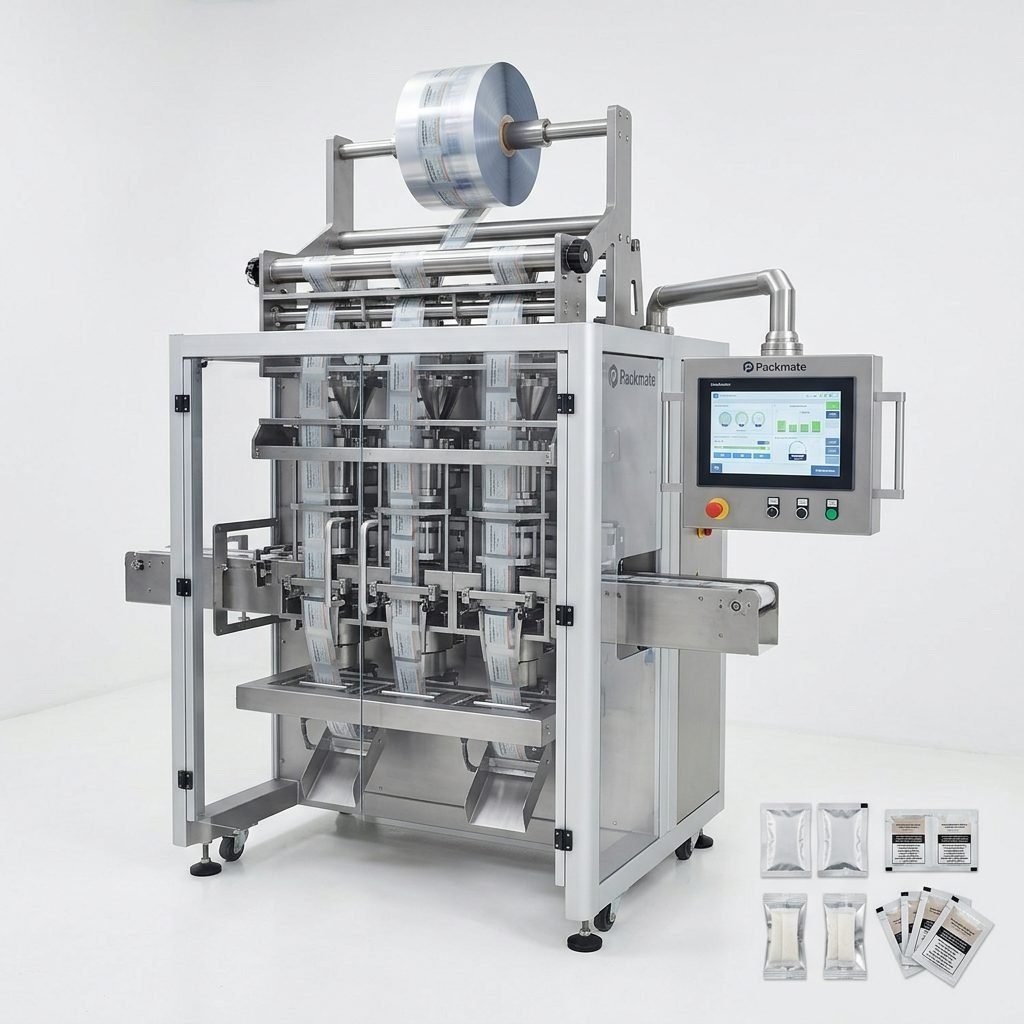
If your product range may expand, prioritize modular machines or lines that can be retooled for different pouch sizes and formats. Suppliers like Packmate offer solutions across categories including Snus & Nicotine Packaging Machines and Sachet & Stick Pack Machines that can be adapted to changing product needs:
Snus & Nicotine Packaging Machines,
Sachet & Stick Pack Machines.
Decide on Capacity and Speed Requirements ⚙️
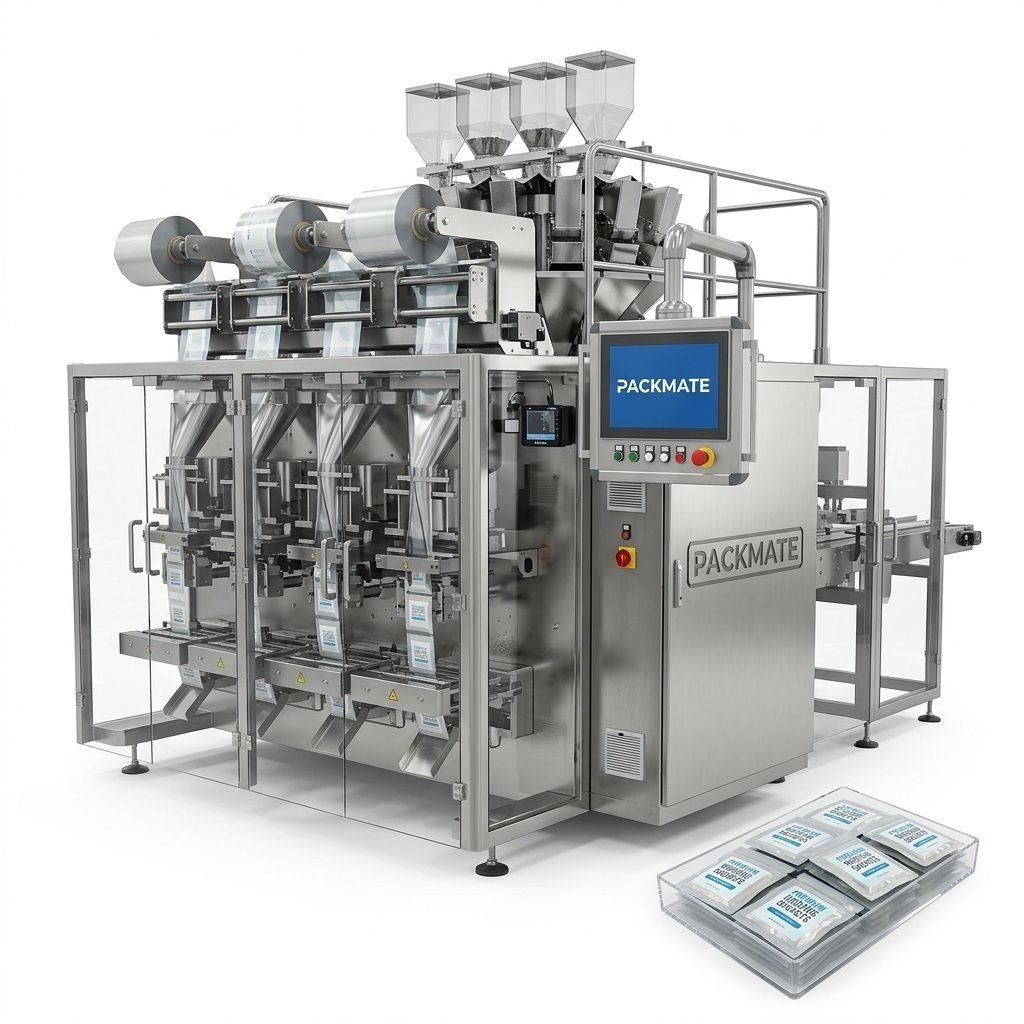
Calculate your current and near-term annual output goals. Speed is often measured in pouches per minute (ppm) or packs per hour; deciding on single-lane vs multi-lane systems is critical. For example, a multi-lane system with 4–8 lanes can multiply output substantially while keeping floor space efficient. However, higher speed often increases the need for precise feeders and automation for upstream/downstream processes.
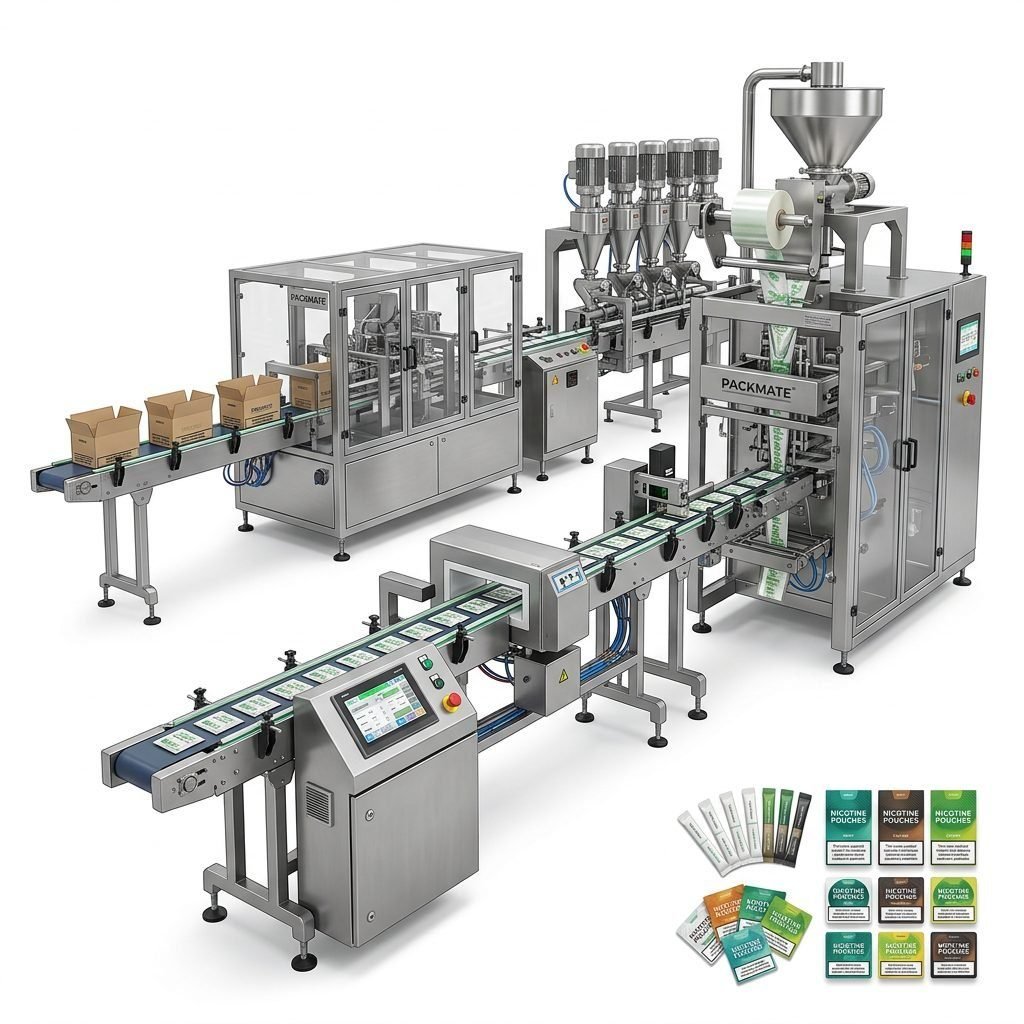
Planning tip: estimate your peak demand months and ensure the line can scale up without sacrificing quality. Consider integrated systems such as weighing and packaging lines to reduce bottlenecks — see Weighing & Packaging Systems and Filling & Packaging Lines for end-to-end solutions.
Evaluate Machine Accuracy and Dosing Technology 🎯
Nicotine pouch dosing requires especially high accuracy to ensure consistent product potency and regulatory compliance. Look for machines with advanced dosing systems: volumetric dosers, auger fillers for powders, or multi-head weighers for granular blends. Check supplier test data on dosing variance (e.g., ±X% per pouch) and request a sample run with your actual product to verify accuracy.
Important: ask about maintenance intervals for dosing components and availability of spare parts in the region. Machines with easy-to-replace wear parts and clear maintenance schedules reduce downtime.
Material Compatibility and Hygienic Design 🧼
Packaging films, foil laminates, and pouch materials impact sealing parameters and machine selection. Ensure the machine can handle the thickness, barrier properties, and sealant types you plan to use. Hygienic design (smooth surfaces, stainless steel contact parts, accessible cleaning points) is critical for nicotine and consumer goods to avoid contamination and ease sanitation.
📌 Tip: Request a hygiene and material handling checklist from the vendor and confirm they can run your specific film and pouch materials in a demo.
Sealing Quality and Packaging Integrity 🔐
Sealing is a critical control point for product shelf life and freshness. Evaluate the machine’s sealing technology (heat-seal, ultrasonic, crimping) and verify seal strength tests under various environmental conditions. For nicotine pouches, an airtight seal and consistent heat control are essential to prevent moisture ingress and preserve product integrity.
Check if the machine supports in-line leak detection, vacuum or gas-flush options, and adjustable seal dwell times. These features safeguard product consistency and help meet quality standards.
Automation, Integration and Line Balance 🔗
A complete production line includes feeding, dosing, packing, coding, and packing-out. Confirm how the machine integrates with upstream and downstream equipment: conveyors, checkweighers, cartoners, and case packers. Suppliers that provide turnkey lines with proven line balance reduce commissioning time and troubleshooting.
If you expect to add automation later, choose equipment with standard communication protocols (e.g., Ethernet/IP) and modular mechanical interfaces for easier upgrades.
🔧 Must-have: clear documentation for I/O, electrical requirements, and recommended conveyor layouts to prevent costly on-site modifications.
Service, Installation and Local Support 🌍
One of the biggest practical considerations for buyers in remote markets like the Solomon Islands is after-sales support. Verify the supplier’s global service network, spare parts lead times, and willingness to provide remote troubleshooting or on-site commissioning. Manufacturers with export experience and participation in international exhibitions typically offer better logistical planning and installation services.
Packmate’s 30+ years in the industry, a 20,000㎡ manufacturing base, and global turnover history indicates robust engineering and service capability. You may also wish to contact the supplier for references or cases similar to your market — see their Case pages for examples:
Case.
Space, Utilities and Installation Requirements 🏗️
Assess your factory space, floor loading, and utility capacity (electricity phase and voltage, compressed air, vacuum, chilled water). Detailed electrical and pneumatic diagrams from suppliers are essential for planning. Machines for nicotine pouch production may require clean, temperature-controlled areas — plan for HVAC if necessary.
Installation services often include mechanical anchoring, electrical hookup, and initial trials. Confirm whether the quoted price includes installation, training, and performance validation runs with your product.
Total Cost of Ownership (TCO) and ROI Calculations 💰
Beyond the purchase price, factor in shipping, import duties, installation, spare parts inventory, operator training, and downtime risk. A higher initial investment in robust equipment can pay off through lower maintenance costs, longer mean time between failures (MTBF), and better uptime. Ask suppliers for a typical lifecycle cost estimate and reference customers in similar markets.
⚖️ Buying checklist: machine price, shipping & duties, installation, spare parts, warranty length, annual service contracts, and local technician training.
Factory Capabilities and Manufacturer Credentials 🏭
Choose a manufacturer with proven experience in snus and nicotine packaging. A strong factory footprint with CNC machining centers, precision assembly lines, and strict quality control signals reliability and better spare parts availability. Suppliers who present their development timeline and certifications show transparency and maturity in their operations.
For more details about a manufacturer’s background and capabilities, consult their About pages and certificates:
About Packmate |
Certificate.
Factory Acceptance Test (FAT) and Site Acceptance Test (SAT) ✅
Insist on a Factory Acceptance Test (FAT) using your product or a close simulation. A FAT validates performance, dosing accuracy, and packaging integrity before shipment. After installation, a Site Acceptance Test (SAT) confirms the equipment works within your factory environment and meets agreed KPIs.
Document acceptance criteria in the purchase contract and include remedies for failures to meet those criteria. This reduces disputes and ensures accountability.
Shipping, Customs and Spare Parts Strategy 🚢
Plan logistics early. Heavy machinery often ships by sea in containers or on pallets. Calculate transit times, customs documentation, and any import permits required for nicotine-related equipment or consumables. Maintain a local stock of rapidly consumed spare parts (belts, seals, sensors) to avoid production downtime due to long international lead times.
Training, Documentation, and Operator Ease-of-Use 👨🏭
Machines designed with intuitive HMI (touchscreen controls), clear SOPs, and operator training programs reduce errors and speed up changeovers. Request training during installation for operators and maintenance staff — ideally including troubleshooting scenarios and preventive maintenance walkthroughs.
📚 Action: secure operator and maintenance manuals, spare parts lists, and wiring diagrams in digital and printed formats as part of the delivery package.
Final Selection Steps — Putting It All Together ✔️
1. Prepare a detailed specification sheet (product types, pouch sizes, output targets, materials, utility limits).
2. Shortlist 2–3 vendors with relevant nicotine packaging experience and request quotes including FAT, SAT, installation, and training.
3. Evaluate total cost of ownership and request references or case studies in similar markets. Packmate’s solutions, production capacity, and exhibition participation demonstrate global service capability and product range that may meet diverse needs.
4. Execute a purchase contract with clear acceptance criteria, spare parts list, warranty terms, and agreed delivery schedule. Ensure the vendor commits to remote support and spare parts logistics for the Solomon Islands location.
Where to Learn More and Request Demos 📩
Request live demonstrations, sample packaging runs, and videos of the machine handling products similar to yours. Visit supplier exhibition pages or contact them directly for demo scheduling and product catalogs:
Our Exhibition |
Catalog |
Contact Us.
Conclusion — Smart Buying for Long-Term Value 🎯
Selecting a nicotine packaging machine for the Solomon Islands market requires balancing technical fit, regulatory compliance, local serviceability, and lifecycle cost. Prioritize suppliers with proven snus and nicotine machinery experience, full testing services, and strong after-sales support. A well-documented buying process — from specification to FAT/SAT — protects your investment and ensures reliable production for years to come.
Common Questions
Q1: What documents should I request before buying a nicotine packaging machine? — Ask for CE/ISO certificates, FAT video and reports, wiring and pneumatic diagrams, spare parts lists, and references from similar customers.
Q2: How long does installation and commissioning typically take? — Small single-line installations can take a few days to a week; full turnkey lines with integration and SATs often take 2–6 weeks depending on site readiness and complexity.
Q3: What spare parts should I stock locally? — Keep consumables and wear parts on hand: belts, seals, thermistor elements, nozzles, sensors, and PLC backups to reduce downtime from international shipping delays.
Q4: Can a single machine handle multiple pouch sizes? — Many modern machines are modular and support quick-change parts for different pouch formats, but verify tooling costs and changeover times in advance.
Q5: Where can I get reliable turnkey solutions and ongoing technical support? — Choose manufacturers with a clear history in snus and nicotine pouch machinery, documented global cases, and exhibition presence to validate capability. For example, review Packmate’s product lines and services to match your requirements.