Choosing the right snus packaging machinery manufacturer in Bulgaria for your production needs is a critical decision that affects product quality, regulatory compliance, production efficiency, and long-term costs. Whether you are launching nicotine pouches, snus products for export, or trialing new sachet formats, this guide will walk you through practical steps to evaluate suppliers, understand Bulgarian and European market nuances, and select machinery that meets your operational goals. 🔧📦
Understand Local Market and Regulatory Context 🇧🇬
Bulgaria, as a member of the European Union, follows EU regulations that may affect the sale and distribution of snus and nicotine-containing products. While traditional tobacco snus faces restrictions in many EU markets, nicotine pouches and alternative nicotine products have seen rapid interest across Central and Eastern Europe due to changing consumer habits and demand for discreet formats. When evaluating a manufacturer, consider how their machines handle different materials (tobacco, tobacco-free nicotine powder, cellulose, or herbal blends) and whether they can help you meet local labeling, packaging, and traceability requirements.
Cultural and Consumer Preferences
Bulgarian consumers—similar to many Central and Eastern European markets—value simplicity, discreet packaging, and competitive price points. Retail display sizes, single-use sachets, and resealable pouches are popular. A manufacturer who understands these consumer preferences can advise you on packaging formats, barrier films, and pouch sizes that sell well locally and across neighboring EU markets.
Key Technical Criteria for Choosing a Manufacturer
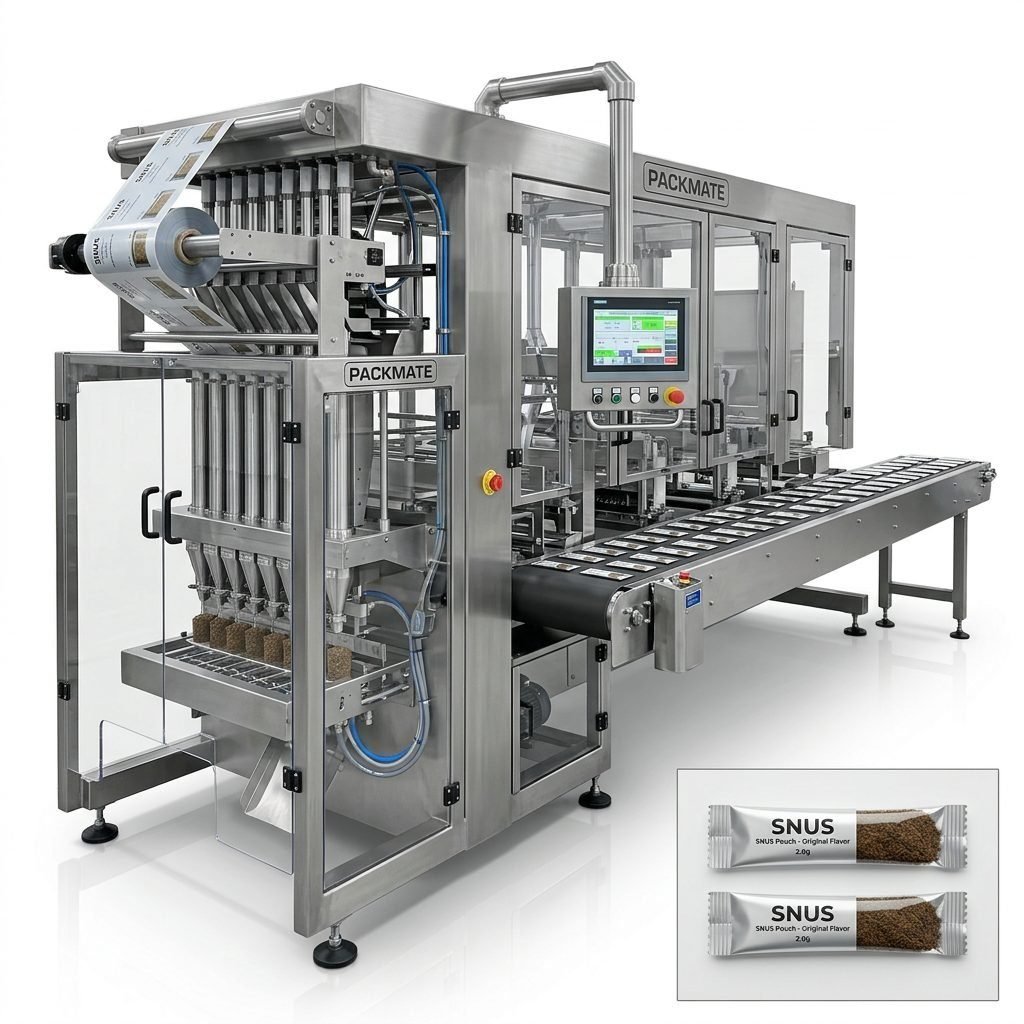
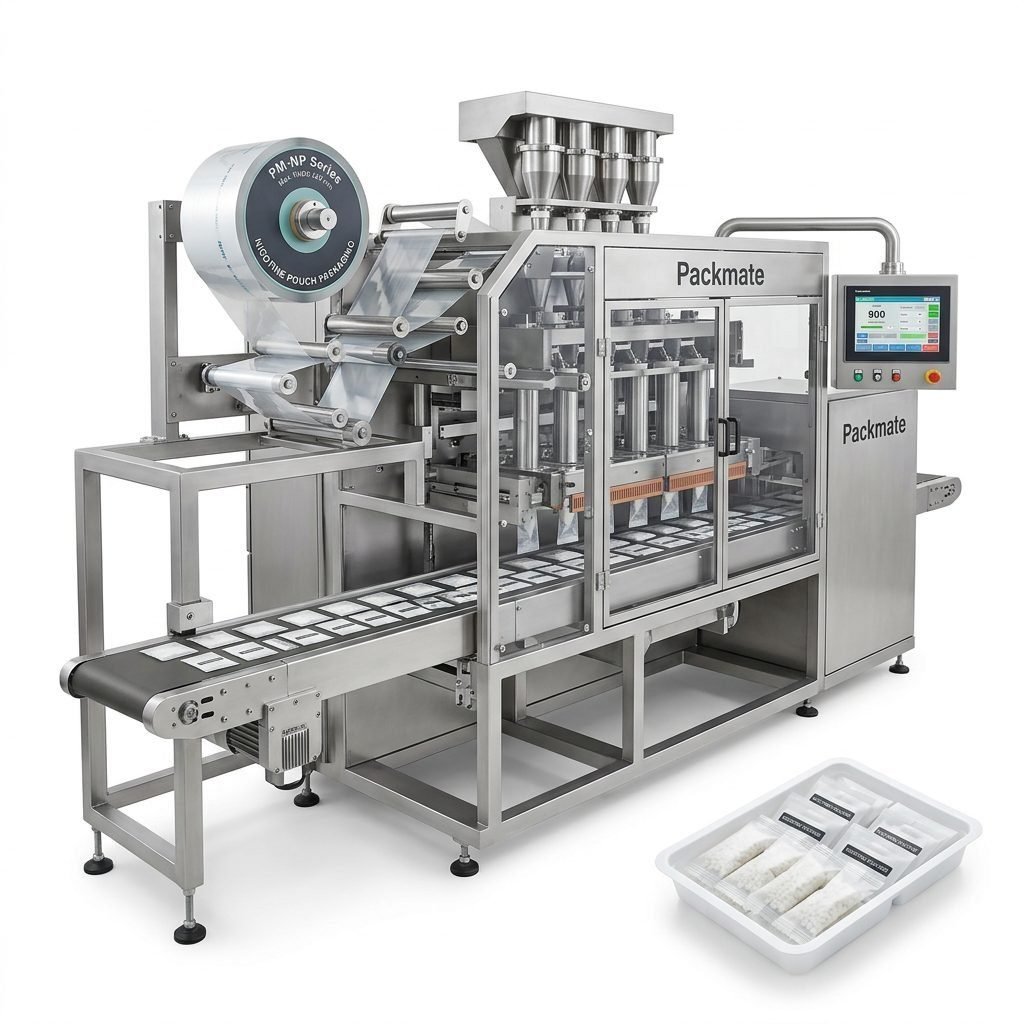
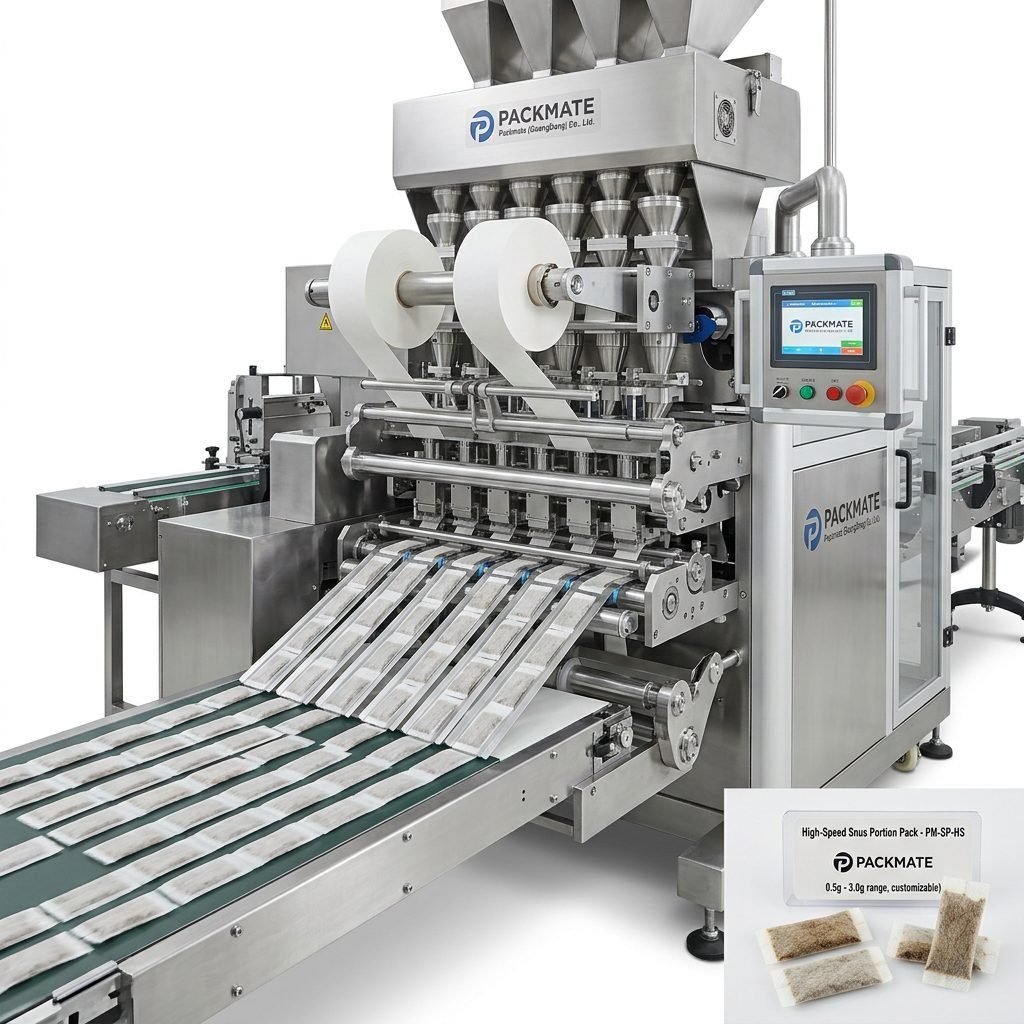
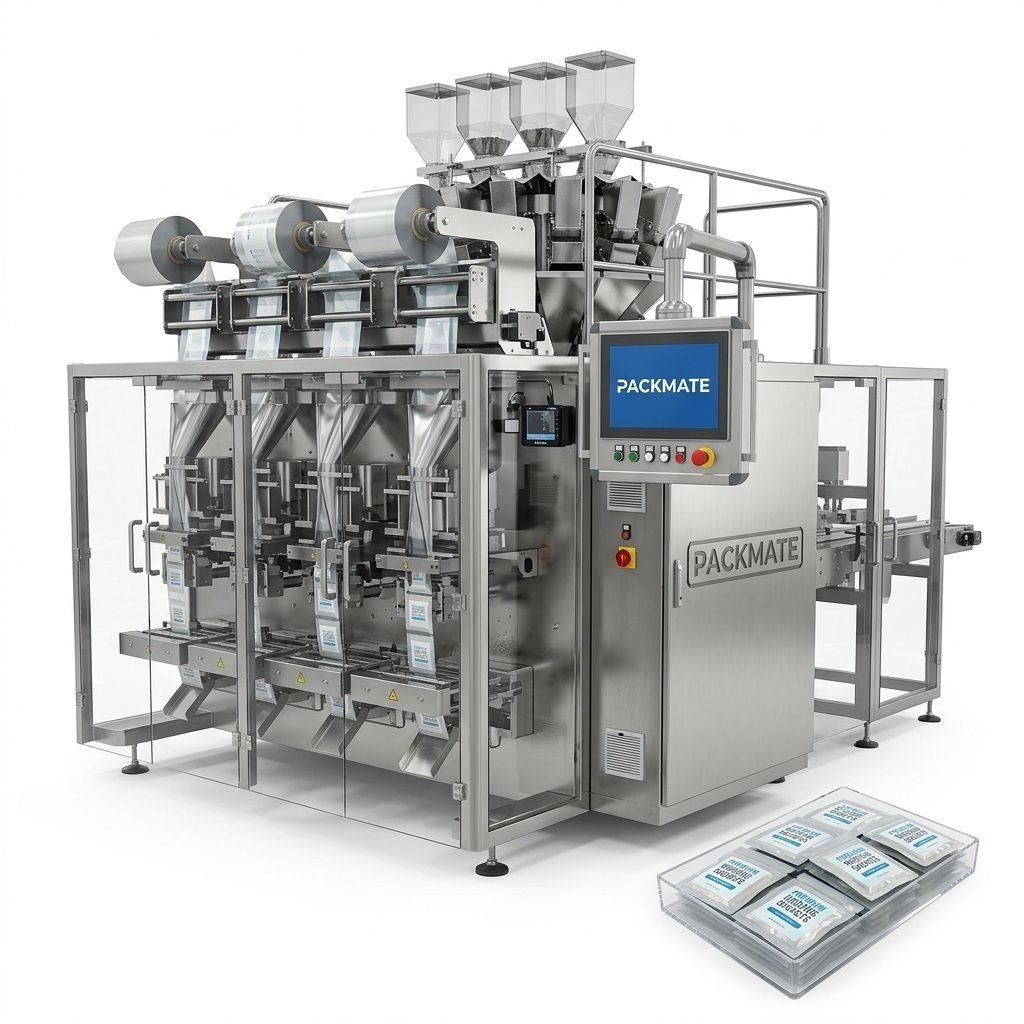
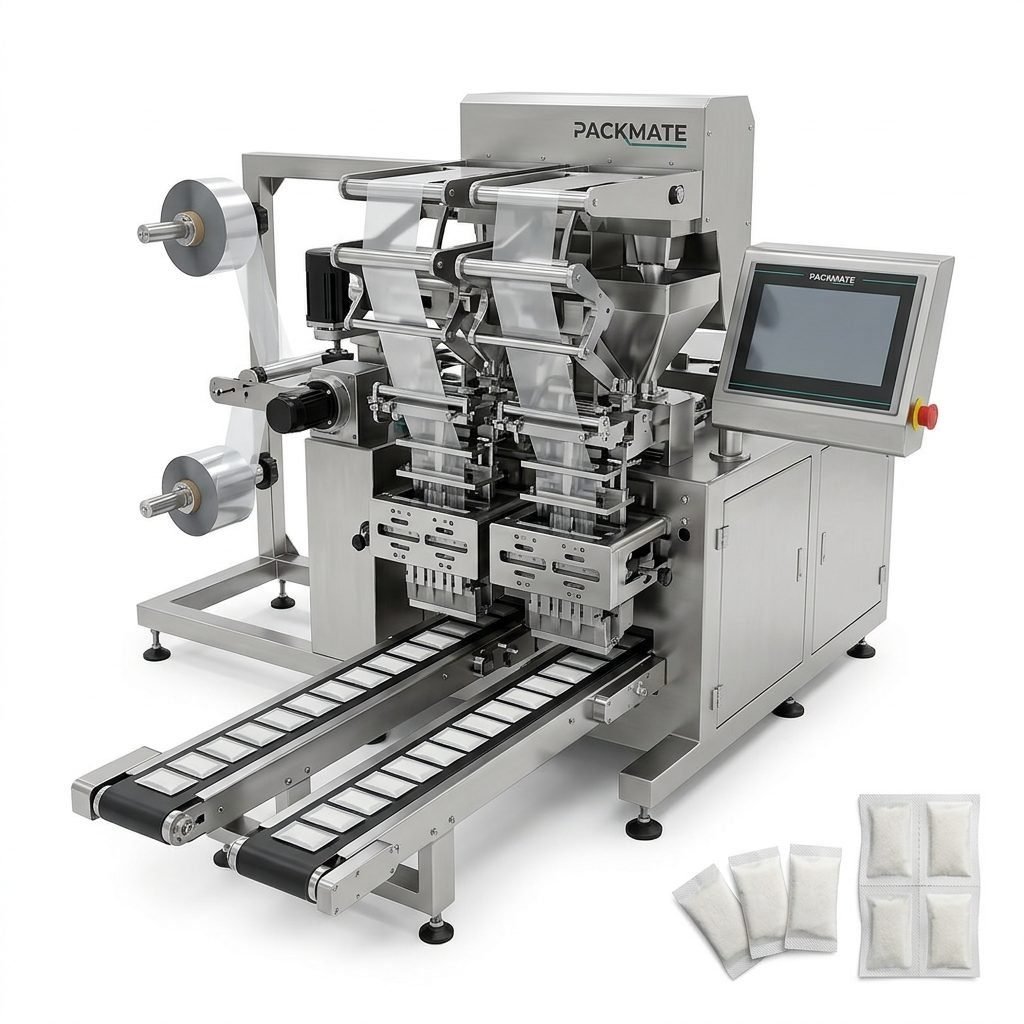
When assessing a snus packaging machine supplier, focus on technical capabilities that align with your production targets. Important factors include throughput (pieces/min), lane configuration (single vs multi-lane), filling accuracy, sealing technology, film handling, compatibility with different pouch materials, and CIP/Cleanability for hygiene-critical processes.
🔍 Must-have specifications: consistent dosing accuracy, minimal changeover time, easy maintenance access, remote diagnostics capability, CE and ISO compliance, and spare-part availability within the EU.
Production Flexibility and Scalability
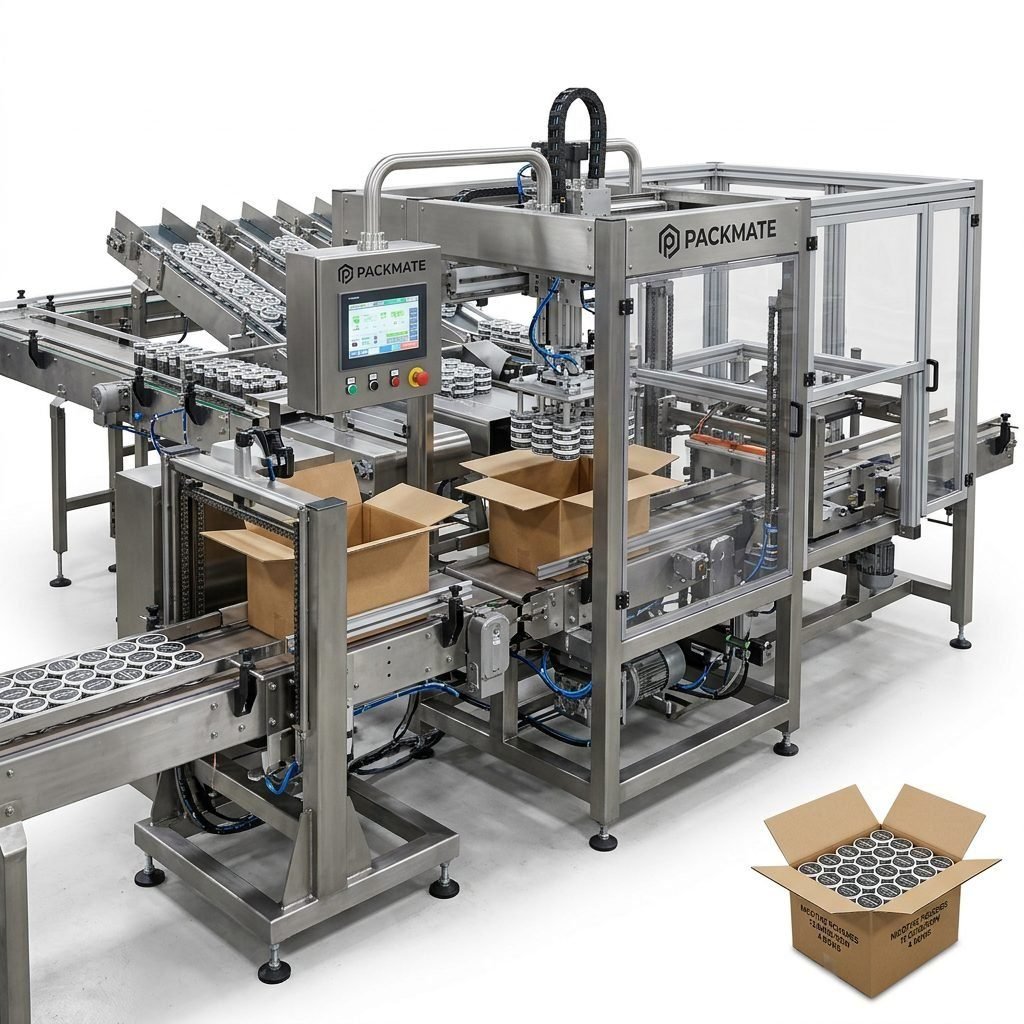
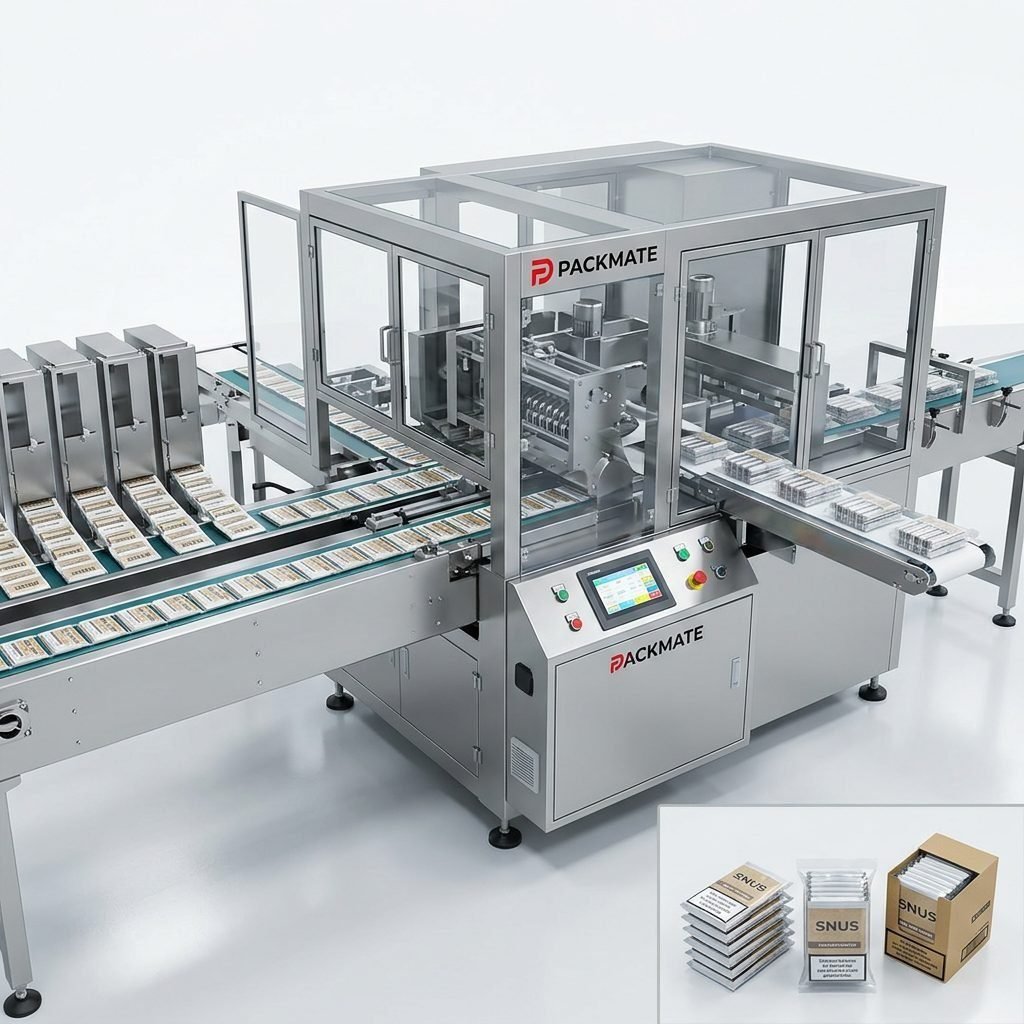
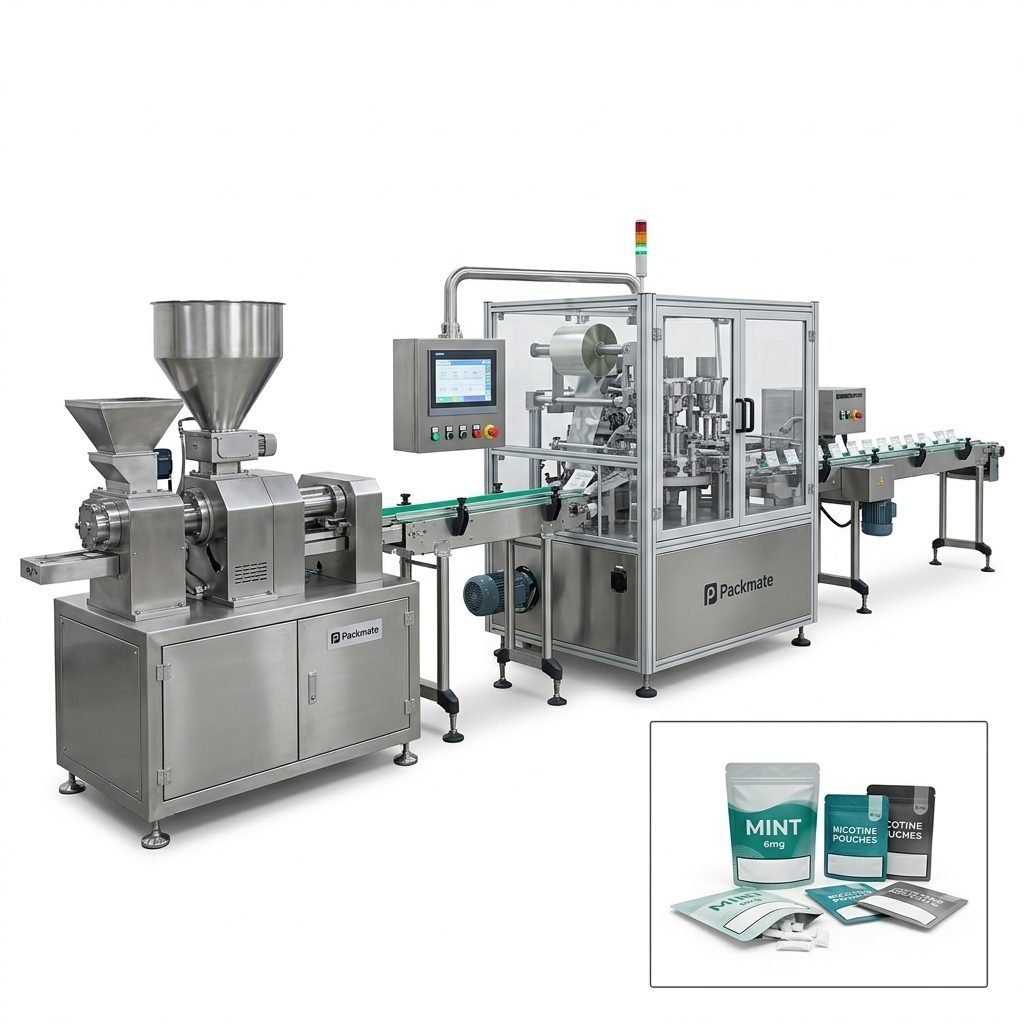
Consider whether the manufacturer offers modular solutions that can grow with your business. Startups may need compact, low-volume machines while established brands require multi-lane high-speed systems with integrated weighing and pouch handling. Ask about turnkey solutions that combine filling, weighing, pouch forming, and secondary packaging so you can scale without repeated integration headaches.
Why Manufacturing Quality and Factory Strength Matter
A manufacturer’s production capacity and engineering depth directly impact machine reliability and lifecycle cost. Look for evidence of advanced manufacturing such as CNC machining centers, precision assembly lines, and rigorous testing procedures. A well-equipped factory reduces lead times and improves quality control—critical when launching regulated nicotine products.
🏭 Factory indicators to check: facility size, number of machine models, documented QA processes, and onsite test runs with real materials. These are clear signals of a manufacturer’s ability to deliver consistent equipment.
Certifications, Compliance and After-Sales Support
European customers expect machinery to comply with CE and ISO standards; these certifications reduce regulatory friction and often reflect maturity in design and safety. Equally important is responsive after-sales support: spare parts supply chains, regional service partners, training programs, and remote troubleshooting capabilities will keep your line running with minimal downtime.
📞 Ask the manufacturer: average lead times for critical spare parts in Europe, SLA for field service, availability of training in English or local languages, and options for preventive maintenance contracts.
Local Presence and Logistics Advantages in Bulgaria
Having a supplier that understands EU logistics and can support shipping, customs documentation, and local technical visits is a major advantage. Bulgaria’s strategic location in Southeast Europe can offer logistical benefits for distribution to Balkan, Central, and Western European customers. Check whether the manufacturer has a European warehouse or partnerships for faster part shipments.
Evaluating Manufacturer Reputation and Real-World Cases
Reputation is built on product performance and long-term customer relationships. Request references and case studies relevant to the snus or nicotine pouch market. Look for examples of multi-lane systems, small-dose filling precision, and turnkey lines delivered to European clients. Visiting trade shows or scheduling virtual demonstrations helps you see machines in action and compare performance metrics.
📑 Helpful resources: manufacturer case studies and exhibition demos are the best way to validate claims. For example, explore Packmate’s real-world solutions and global cases to understand typical installations and outcomes: Case.
Pricing Models and Total Cost of Ownership (TCO)
Initial purchase price matters but rarely tells the full story. Consider TCO—energy consumption, consumables, maintenance hours, spare parts pricing, yield loss due to sealing or dosing errors, and expected machine lifetime. A slightly higher initial investment in a robust, efficient machine can pay back quickly through lower downtime and waste.
💡 Pro tip: ask the vendor for a full TCO estimate based on your production plan (daily shift hours, target output, and material types). Real data will reveal the best long-term choice.
Customization, Integration and Turnkey Solutions
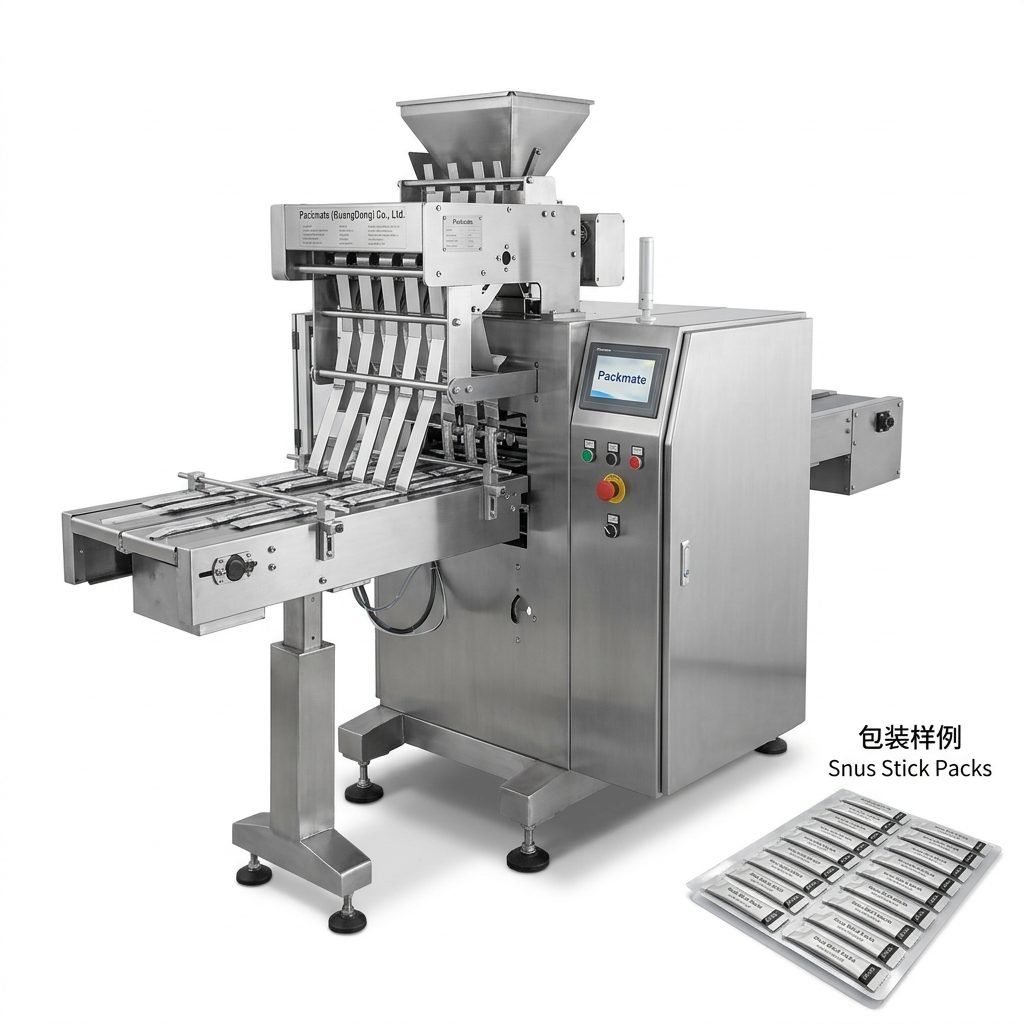
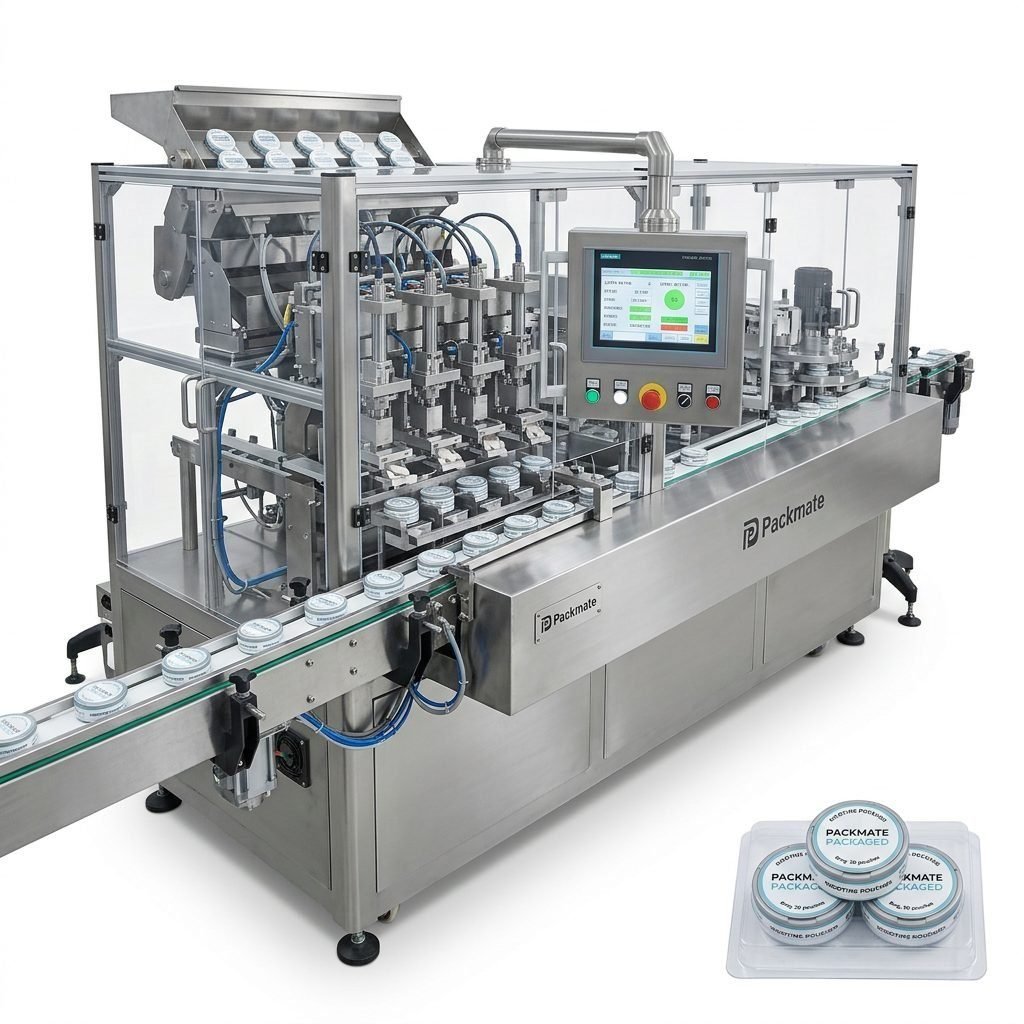
A strong supplier offers customization: different pouch formats (stick, sachet, multi-lane pouches), modified filling heads for powders or liquids, and integration of upstream/downstream equipment such as weighers, metal detectors, and carton packers. Turnkey providers that manage design, installation, training and validation reduce complexity and accelerate time-to-market.
🔗 See examples of integrated systems: check snus and nicotine-specific packaging lines as well as supporting weighing and filling systems to understand full-line offerings: Snus & Nicotine Packaging Machines, Weighing & Packaging Systems.
Testing and Factory Acceptance Tests (FAT)
Before shipment, insist on a Factory Acceptance Test (FAT) using your materials whenever possible. FATs validate machine performance, clarify acceptance criteria, and reduce surprises on-site. Confirm who is responsible for FAT costs, travel for your engineers, and post-FAT adjustments.
Language, Training and Documentation
Quality documentation in English or a language your technical team understands is essential. Training for operators and maintenance staff reduces human-error downtime. Verify that the manufacturer offers clear manuals, PLC program backup, consumables lists, and service contact points.
📘 Documentation checklist: user manual, electrical drawings, pneumatic diagrams, spare parts list, and recommended preventive maintenance schedules.
Choosing the Right Supplier: A Step-by-Step Checklist
1. Define your production requirements: formats, output, materials, and quality tolerances.
2. Shortlist manufacturers with relevant experience in snus/nicotine packaging and EU-compliant certifications.
3. Request technical datasheets, case studies, and references.
4. Schedule factory or virtual demonstrations and insist on FAT with your materials.
5. Evaluate total cost of ownership, spare parts logistics, and after-sales service level agreements.
6. Confirm documentation, training plans, and warranty terms before signing.
✅ Ready resources: if you want to review specialized equipment options or contact an experienced supplier, explore product categories and company information such as Sachet & Stick Pack Machines, About Packmate, or reach out via their Contact Us page.
Final Considerations Specific to Bulgaria and the EU
– Plan for regulatory monitoring: EU rules can evolve, so choose flexible packaging technology that supports product reformulation or new labeling needs.
– Think cross-border sales: if you plan to export, ensure the machine supports packaging variants for different markets (e.g., translations, regulatory marks).
– Leverage local trade networks: Bulgarian distributors and trade events in Europe are excellent channels to validate market preferences and to meet technical partners. For demo opportunities and trade show presence, check exhibition records and upcoming events: Our Exhibition.
Sustainable and Energy-Efficient Choices
Sustainability is increasingly important. Inquire about energy consumption, recyclable film compatibility, and waste reduction features. Machines designed to minimize film scrap and improve first-pass yield can reduce both environmental impact and operating costs.
Closing Thoughts
Selecting the best snus packaging machinery manufacturer for Bulgaria requires balancing technical performance, regulatory awareness, after-sales support, and long-term operational economics. Prioritize suppliers with proven snus/nicotine experience, European compliance, strong factory capabilities, and transparent TCO analyses. Undertake FATs, confirm spare-part logistics, and ensure clear documentation and training so your production line starts strong and stays productive.
Frequently Asked Questions
Q1: How do I verify a manufacturer’s claims about machine throughput and accuracy?
A1: Request on-site or virtual demonstrations, ask for FAT using your materials, and obtain performance data validated by existing customers or third-party inspections.
Q2: What certifications should a European buyer insist upon?
A2: At minimum, insist on CE marking and ISO quality management evidence. For nicotine products, ensure the supplier can support any regulatory documentation related to electrical safety, materials contact, and machine safety standards.
Q3: How important is after-sales service for snus packaging machines?
A3: Extremely important. Fast access to spare parts, responsive technical support, and preventive maintenance services dramatically reduce downtime and preserve product quality.
Q4: Can a packaging machine supplier help with full-line integration and turnkey delivery?
A4: Many experienced suppliers offer turnkey solutions that integrate filling, weighing, sealing, and secondary packaging. Verify their track record with completed lines and request references or case studies.
Q5: Where can I find more detailed product information and contact options?
A5: Explore product categories and company pages for technical specs, catalogs and contact details: Snus & Nicotine Packaging Machines, Bag & Pouch Packaging Machines, and Filling & Packaging Lines are useful starting points to compare offerings and request quotations.