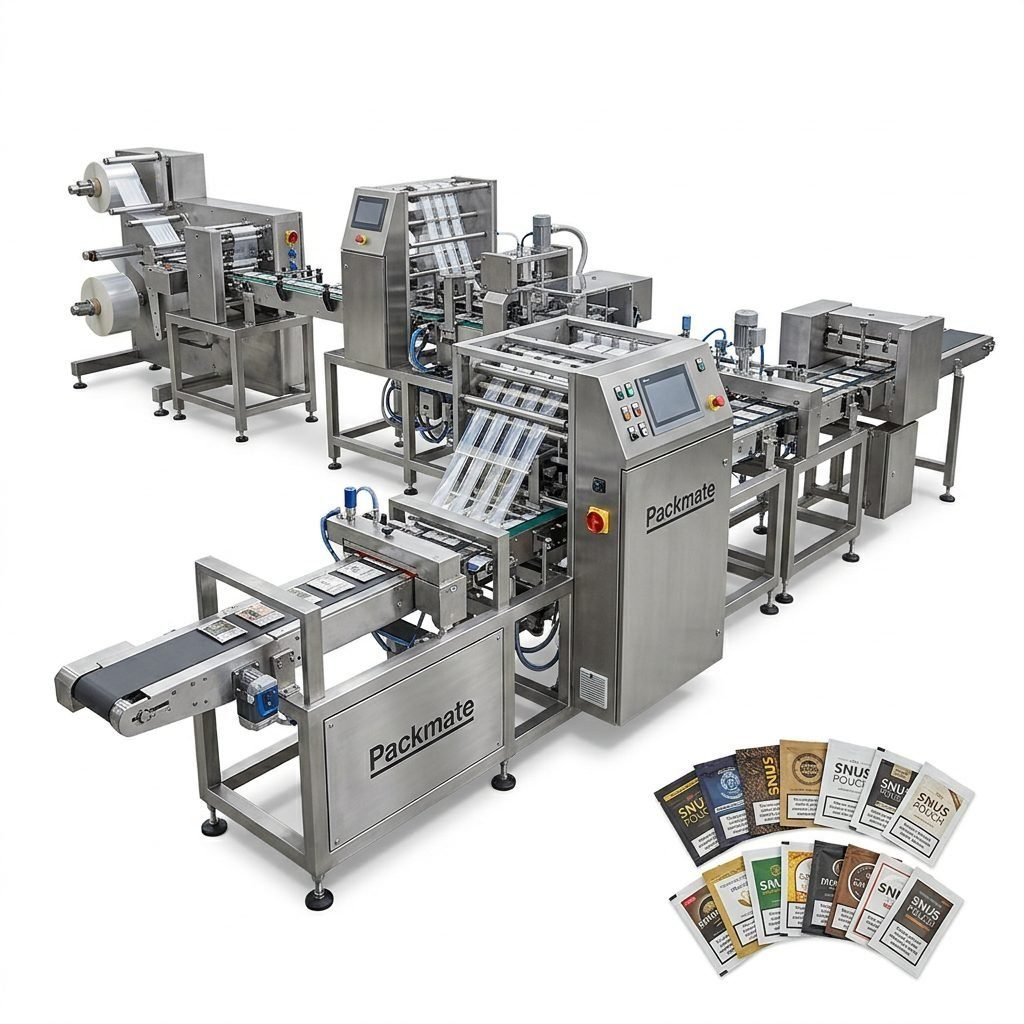
Choosing the right nicotine packaging machinery manufacturer for your business in Denmark is more than a procurement decision — it’s a strategic partnership that affects production stability, regulatory compliance, sustainability goals, and your ability to scale. This guide walks you step-by-step through the most important factors Danish companies consider, practical evaluation tips, and how to align your choice with local market expectations. 🇩🇰🔧
Why the Manufacturer Choice Matters for Danish Businesses
In Denmark, businesses place high value on product quality, environmental responsibility, and long-term reliability. The right packaging machinery supplier will not only deliver machines that run efficiently, but will also support compliance with European regulations, help minimize waste, and enable smooth operations in a market with strong consumer safety standards. A poor choice can lead to production downtime, costly modifications, and reputational risk.
Quick Snapshot — What Danish Buyers Prioritize
Key priorities: Compliance (CE/ISO), energy efficiency, low material waste, compact layouts for small facilities, clear service & spare parts support, and proven references in nicotine/snус packaging.
1. Technical Experience & Product Specialization
Look for manufacturers with deep experience specifically in nicotine pouch and snus packaging. Machines tailored for small-dose pouches require precision multi-lane systems and stable dosing mechanisms. A supplier with decades of focused R&D is more likely to provide robust solutions for challenges such as humidity control, accurate fill weights, and gentle handling of delicate pouches.
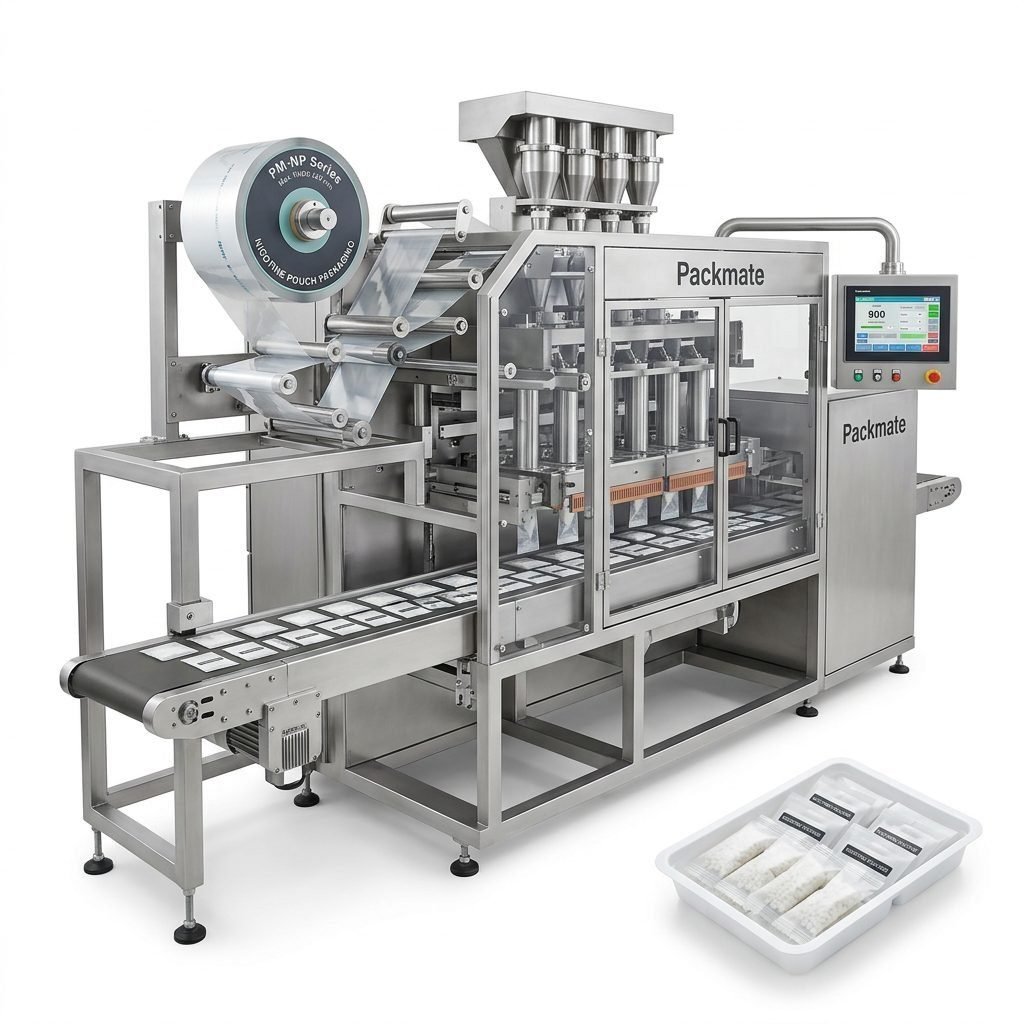
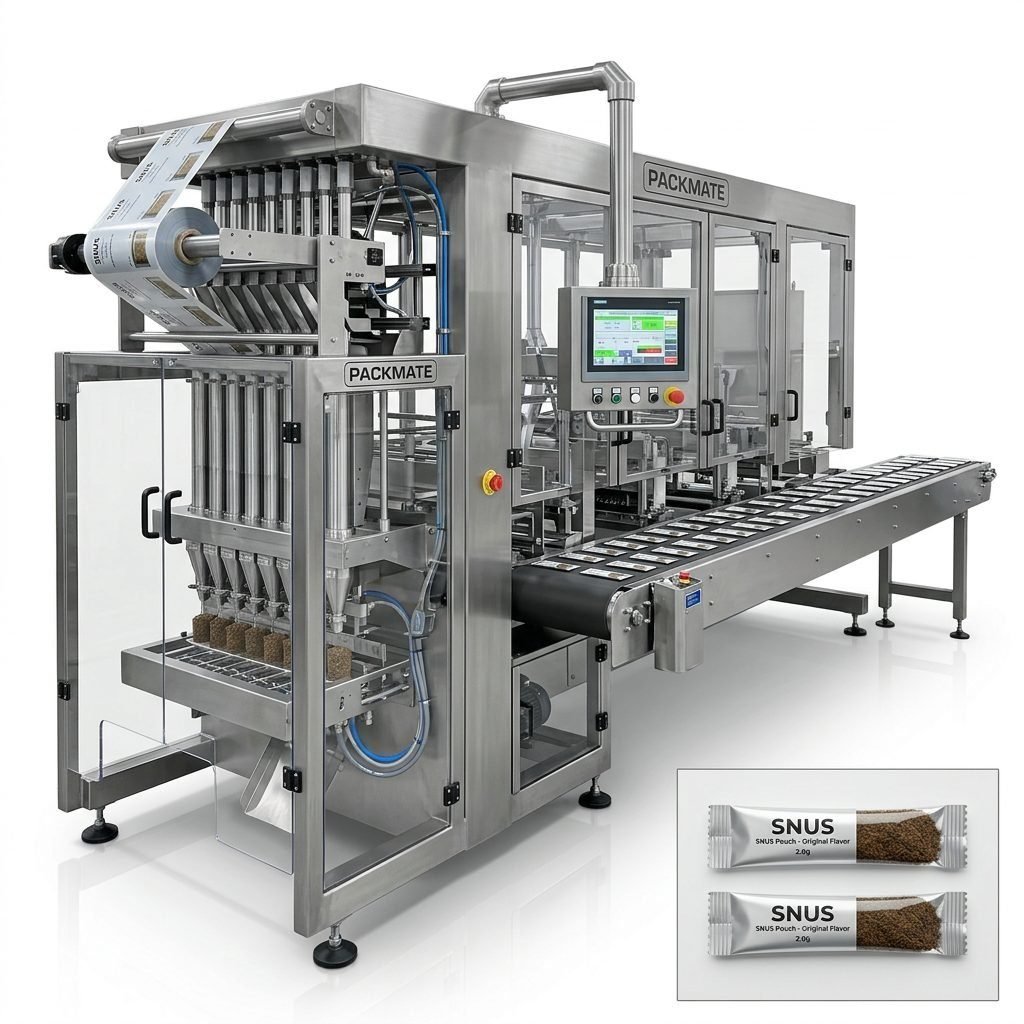
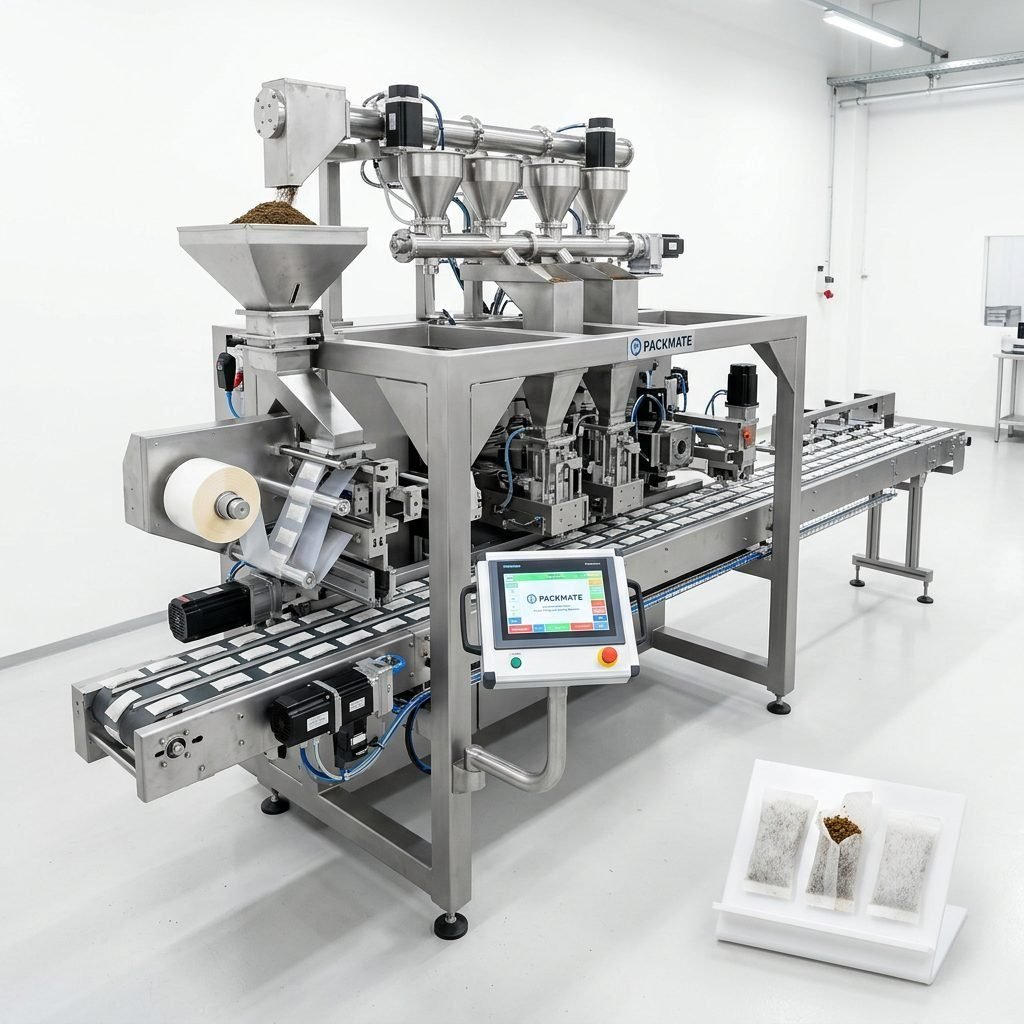
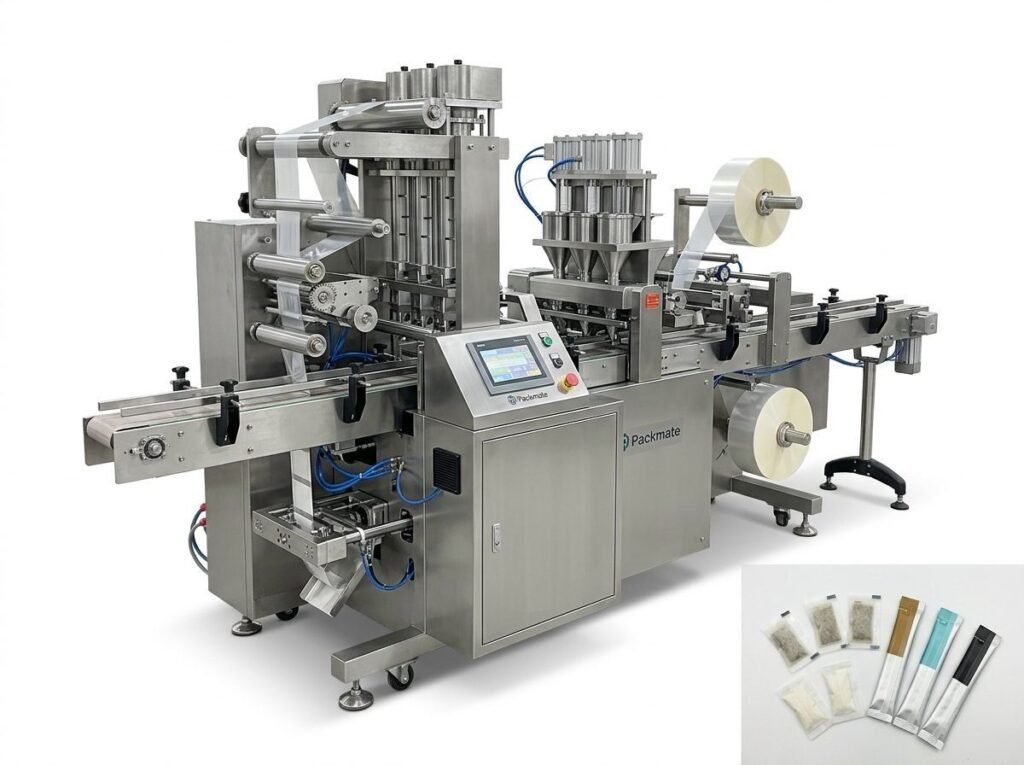
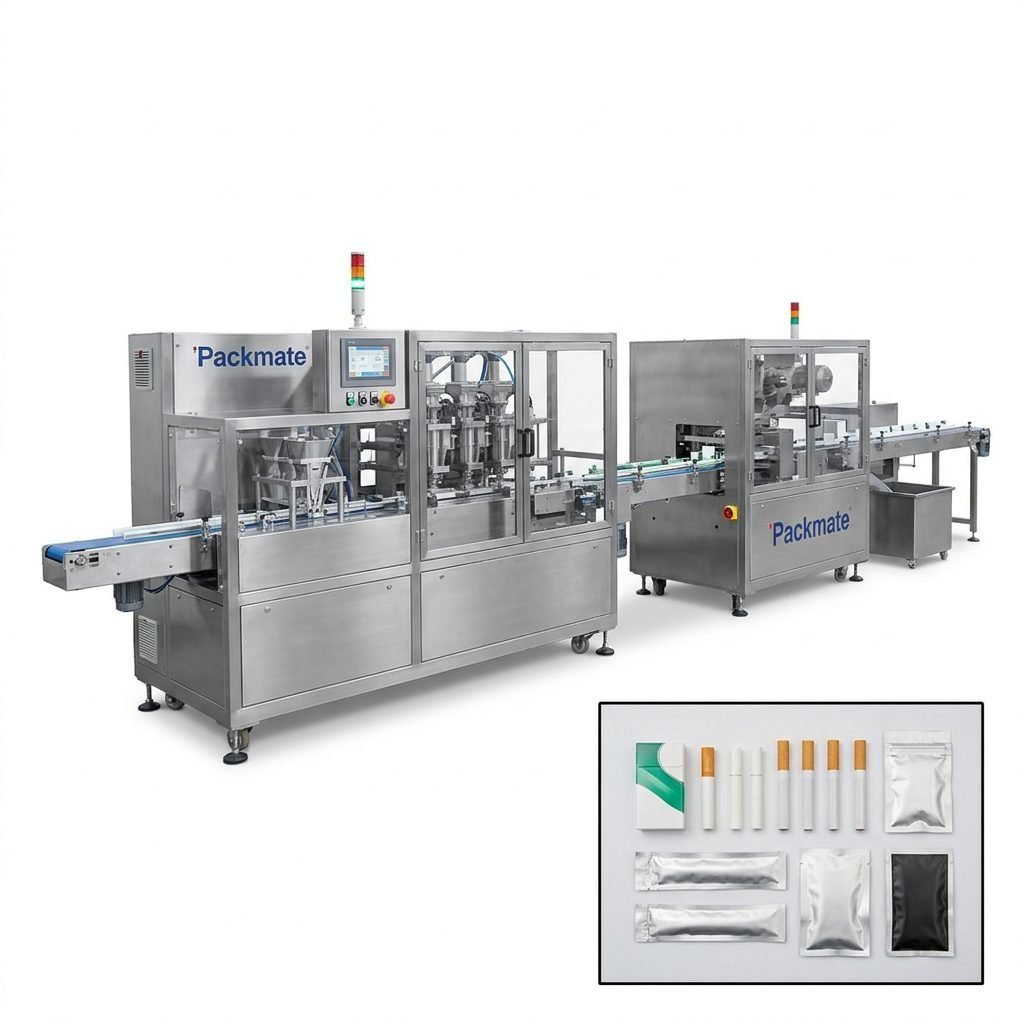
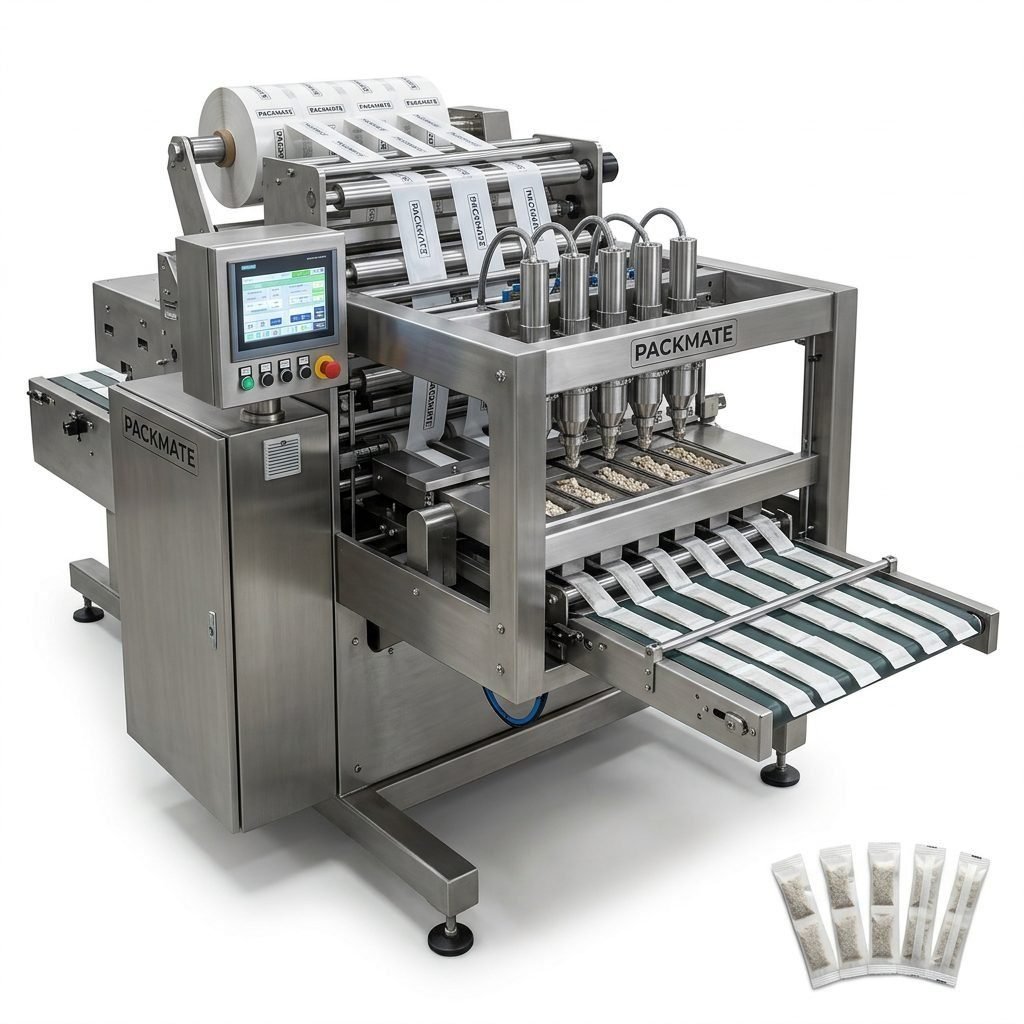
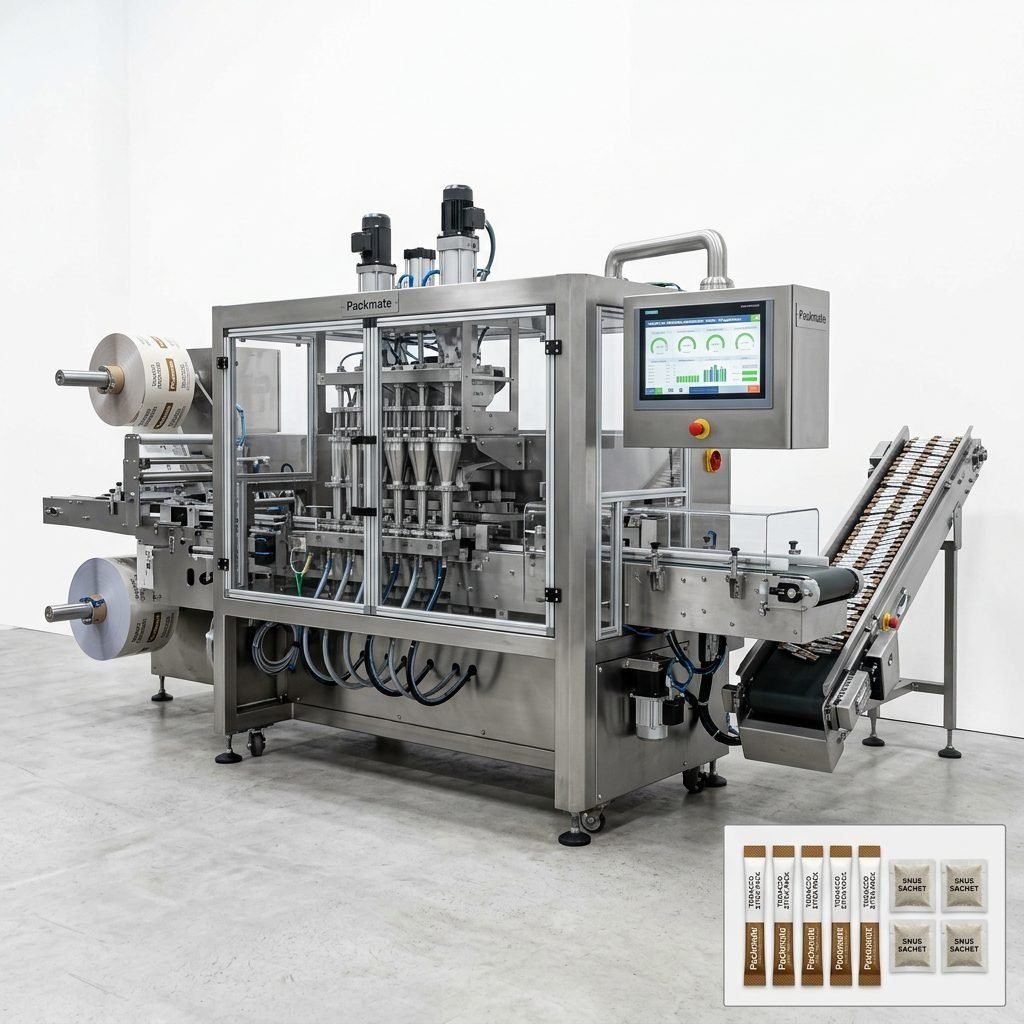
For example, vendors like Packmate have a long history of developing snus and nicotine packaging systems. Their portfolio of specialized lines showcases the kind of depth you should expect from a partner. See more about their snus solutions here: Snus & Nicotine Packaging Machines.
2. Certifications & Regulatory Compliance
Danish companies must adhere to EU and national regulations for nicotine products. Validate that the manufacturer provides equipment built to CE and ISO standards and that they can offer documentation to support compliance audits. Ask about machine safety features, electrical standards for EU grids, and traceability systems for production records.
3. Build Quality, Factory Capability & QC
Manufacturing capability matters. Inspect the supplier’s production capacity, machining centers, and assembly lines. A sizeable factory with advanced CNC equipment and rigorous testing procedures reduces the risk of late-stage defects. If possible, request a virtual or in-person tour of their facility to review assembly and test runs.
Factory indicators to check: dedicated snus production lines, clean assembly areas, test benches for sealing & accuracy, and documented QC protocols.
4. Machine Types, Flexibility & Customization
Evaluate whether the manufacturer offers the machine type that matches your product format — stick pack, sachet, multi-lane pouch, or a complete filling and sealing line. Flexibility to switch formats, add lanes, or integrate weighing systems is crucial for growing product ranges. Seek suppliers that provide modular designs and can customize tooling for local product sizes and materials.
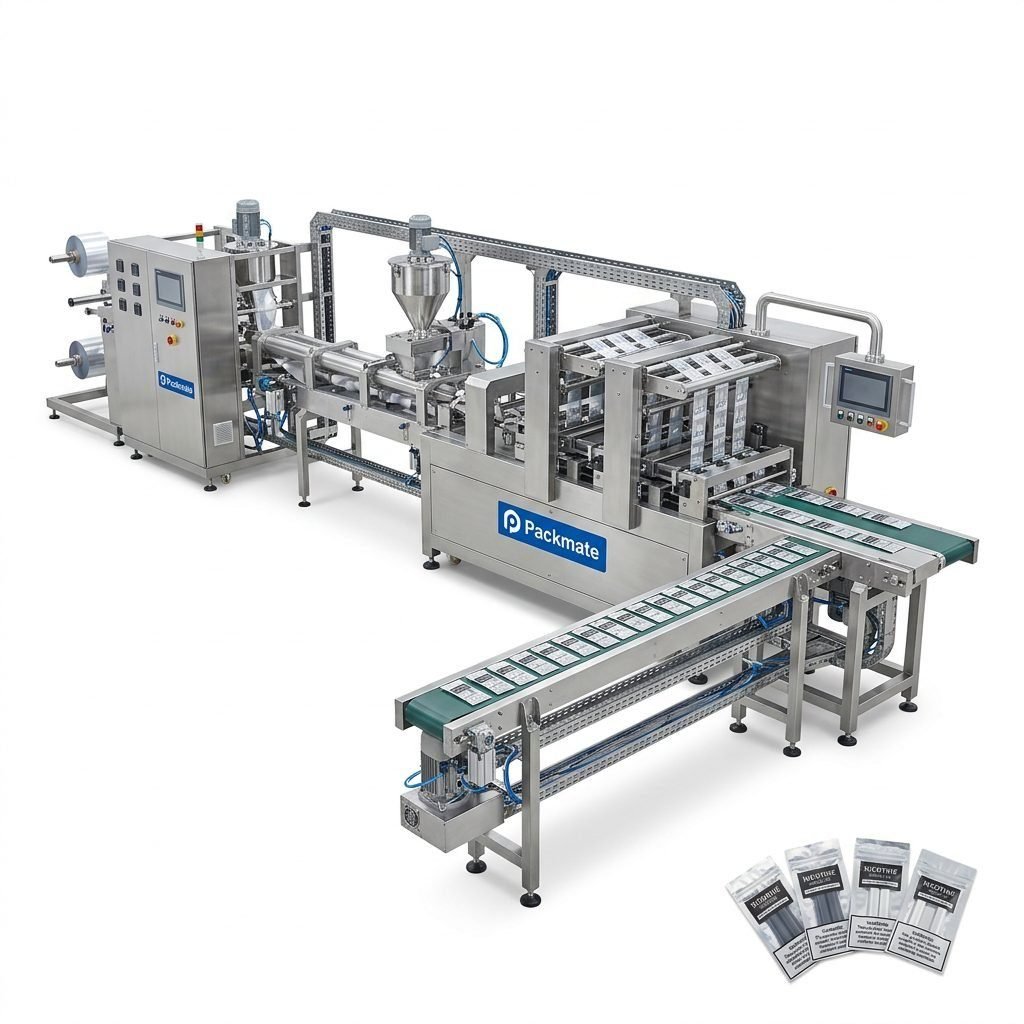
If you need an integrated solution, explore their offering across sections like weighing systems and auxiliary equipment: Weighing & Packaging Systems and Auxiliary Packaging Equipment.
5. After-Sales Service, Spare Parts & Local Support
In Denmark, quick response and reliable spare parts supply matter. Ask about lead times for replacement components, availability of remote troubleshooting, and whether the supplier has partners or agents in Europe. A realistic spare parts stock list and preventive maintenance program will minimize downtime.
Consider vendors that offer comprehensive service packages including installation, operator training, and remote PLC or HMI support. This is particularly important for nicotine products where consistency and controlled dosing are paramount.
Checklist — Service & Support
✅ Local European spare parts distribution
✅ Remote diagnostic tools and firmware update policy
✅ On-site installation and training options
✅ Service-level agreements with response times
6. Cost vs. Total Cost of Ownership (TCO)
The lowest purchase price rarely equals the lowest long-term cost. Factor in energy consumption, consumables, downtime risk, maintenance predictability, and spare part pricing. A slightly higher initial investment in energy-efficient, robust machines often yields a better return on investment in Denmark, where energy efficiency and sustainability are prioritized.
7. Sustainability, Waste & Material Efficiency
Danish consumers and regulators expect environmentally responsible operations. Ask how the machine minimizes material waste, whether it accepts recyclable films, and how it supports reduced energy use. Suppliers who incorporate sustainable design principles (e.g., servo-driven systems for precision and lower power draw) align well with Danish corporate values.
8. Local Market Considerations & Danish Business Culture
Denmark values transparency, punctuality, and high-quality documentation. When working with overseas manufacturers:
- Expect clear contracts and delivery timelines.
- Prioritize suppliers who are willing to communicate in English and provide thorough manuals and CE documentation.
- Respect for environmental norms and worker safety is a competitive advantage.
Additionally, consider local logistics — compact machine footprints can save space in Denmark’s typically efficient but sometimes smaller production facilities. Also, Danish firms often favor suppliers that can demonstrate a proven European customer base or attend relevant exhibitions.
9. Verifying References, Case Studies & Demonstrations
Always request real-world case studies and client references. Live demonstrations — on-site or via video — are invaluable. Suppliers who publish case studies show transparency and successful installations across markets. Explore the manufacturer’s project examples and global cooperation cases to see how their lines perform in practice: Case.
10. Visiting Exhibitions & Building Confidence
Trade shows are perfect for inspecting equipment and meeting engineers. Many leading manufacturers attend international fairs where you can watch live machine demos and discuss bespoke requirements. Check the supplier’s exhibition schedule to plan a visit: Our Exhibition.
11. Practical Steps to Evaluate Bids
When comparing proposals, use a weighted scoring system based on these categories: technical fit, certifications, TCO, service & support, references, sustainability, and time-to-delivery. Ask for itemized quotes so you can compare components like control systems, sensors, and auxiliary equipment. Be cautious of vague specs — insist on detailed performance guarantees (e.g., output speed, accuracy, downtime estimates).
Pro tip: Request a short FAT (Factory Acceptance Test) video or, better yet, attend the FAT to observe the machine running with your materials. This avoids surprises during installation.
12. Contracts, Warranties & Aftercare
Negotiate clear warranty terms, service response times, and spare parts pricing. Confirm software ownership, update policies, and whether training is included. A supplier that provides structured commissioning and follow-up audits will help ensure a smooth ramp-up to full production.
13. Why Suppliers Like Packmate Are Often a Good Fit
A manufacturer with a long history in snus packaging, a wide range of machine models, and a large manufacturing footprint brings several benefits:
- Proven machine designs specifically for nicotine pouches and snus.
- Robust factory capabilities including advanced CNC and controlled assembly.
- Turnkey lines from weighing to packaging, reducing integration risk.
Learn more about the manufacturer’s background and mission to judge cultural fit and long-term commitments: About Packmate.
14. Decision Checklist Before You Sign
✅ Detailed technical spec sheet and performance guarantees
✅ CE/ISO certificates and regulatory documentation
✅ Clear spare parts & service plan for Europe
✅ FAT evidence and reference installations
✅ Transparent TCO calculation and a clear warranty
15. Next Steps: From Quote to Operation
After selecting a supplier, ensure the following timeline items are agreed and documented: engineering drawings, delivery schedule, installation plan, operator training, FAT checklist, and acceptance criteria. Confirm who bears freight, import duties (if applicable), and machine commissioning responsibilities. If you would like to explore real product lines and turnkey solutions for nicotine pouch packaging, visit Filling & Packaging Lines.
Conclusion
Selecting the best nicotine packaging machinery manufacturer for your Danish business requires a balanced review of technical capability, regulatory compliance, sustainability, after-sales support, and real-world references. Prioritize suppliers with specific snus expertise, clear European-focused service strategies, and transparent TCOs. Visiting exhibitions, inspecting case studies, and conducting FATs are practical ways to reduce risk and make a confident choice.
Frequently Asked Questions
Q1: How important are CE and ISO certifications?
They are essential. CE shows compliance with European safety and regulatory requirements, and ISO indicates consistent quality management practices. Both are critical for regulatory inspections and insurance considerations in Denmark.
Q2: Should I choose a local European distributor or buy directly from the factory?
Both options have pros and cons. Local distributors often provide faster spare parts and on-site service, while buying directly from a factory may reduce cost and allow customization. Ensure either route provides reliable spare parts access and defined service-level agreements.
Q3: What is a FAT and why is it necessary?
A Factory Acceptance Test (FAT) verifies machine performance before shipment. It helps confirm that the equipment meets agreed specifications, reducing installation surprises and ensuring acceptance criteria are met.
Q4: How do I evaluate sustainability claims from manufacturers?
Ask for specific metrics: energy consumption per pouch, waste percentages, recyclability of materials, and any life-cycle assessments. Request documented examples of energy-saving features such as servo drives and efficient heating systems.
Q5: Where can I see real-world examples of completed lines?
Review the manufacturer’s case studies and contact references. You can start by exploring documented projects and project photos in their case section: Case. If possible, arrange to visit a live installation or attend an exhibition to view demonstrations.