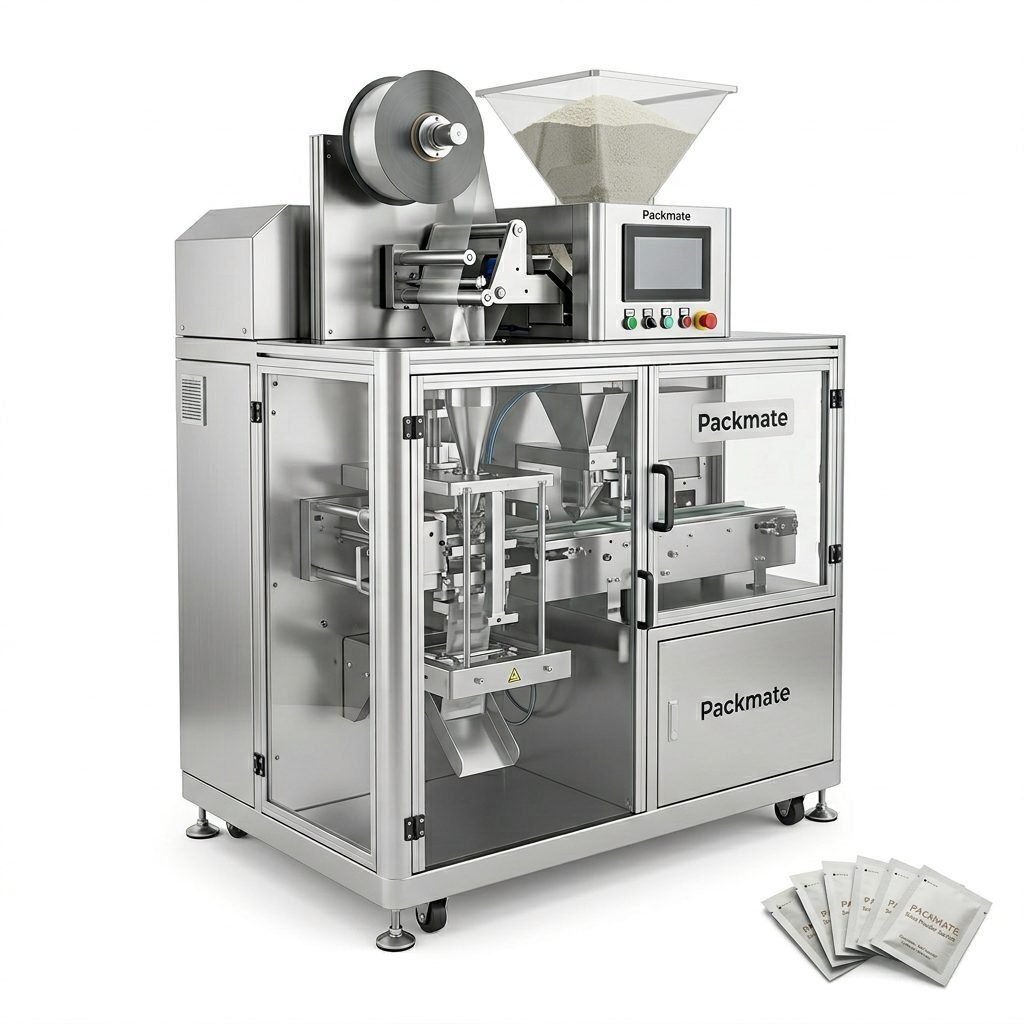
Choosing the right snus or nicotine pouch packaging machinery supplier is a critical decision for any business entering or expanding in Denmark. This guide walks you through practical, locally informed steps to identify a reliable manufacturer that aligns with Danish market habits, regulatory expectations, and your production goals. It includes technical and commercial criteria, questions to ask, and a purchasing checklist so you can make a confident choice.
Understand the Danish Context and Consumer Habits
Denmark sits within a Nordic culture where smokeless tobacco products such as snus and modern nicotine pouches are well-known to consumers. However, regulatory nuances exist across the European Union. While traditional tobacco snus has restrictions in many EU countries, demand for tobacco-free nicotine pouches has risen sharply among Danish consumers seeking discreet, smoke-free alternatives. When selecting a packaging machinery partner, it is essential to factor in local preferences: compact single-serve pouches, discreet stick packs, and multi-lane lines for seasonal spikes in demand.
Key takeaway:
Ensure your equipment can produce the formats Danish customers prefer — single-dose pouches, sachets, and multi-lane packs — and that packaging materials match local retail display and vending formats.
Top Criteria to Evaluate a Snus Packaging Machinery Manufacturer
1. Machine Types and Compatibility
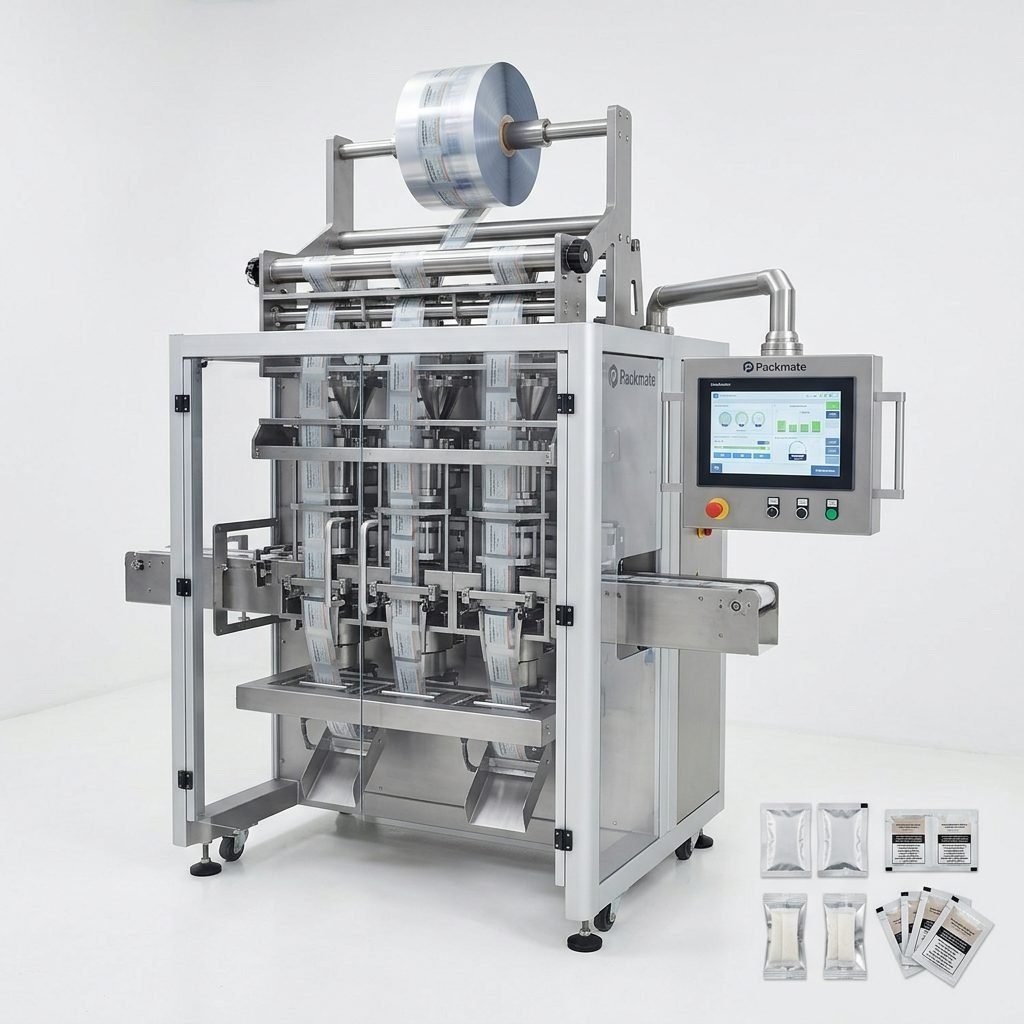
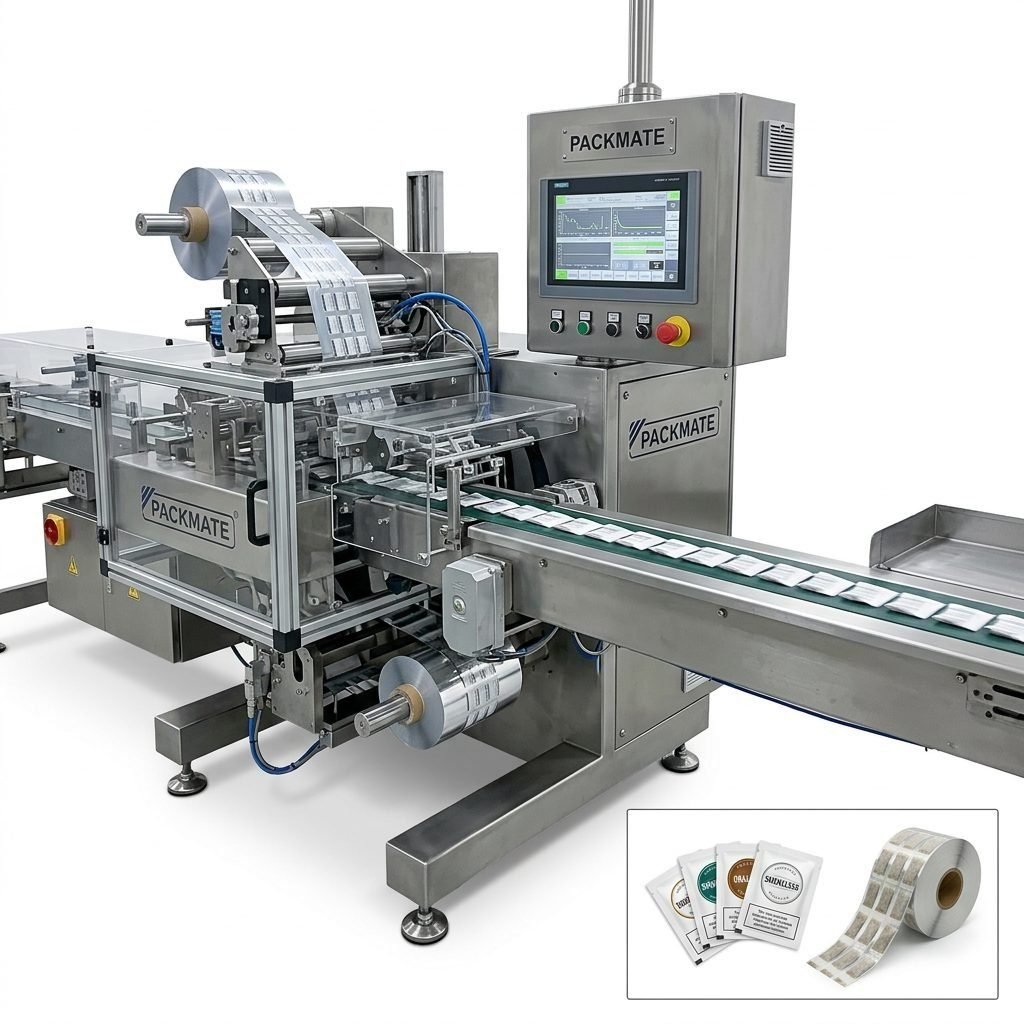
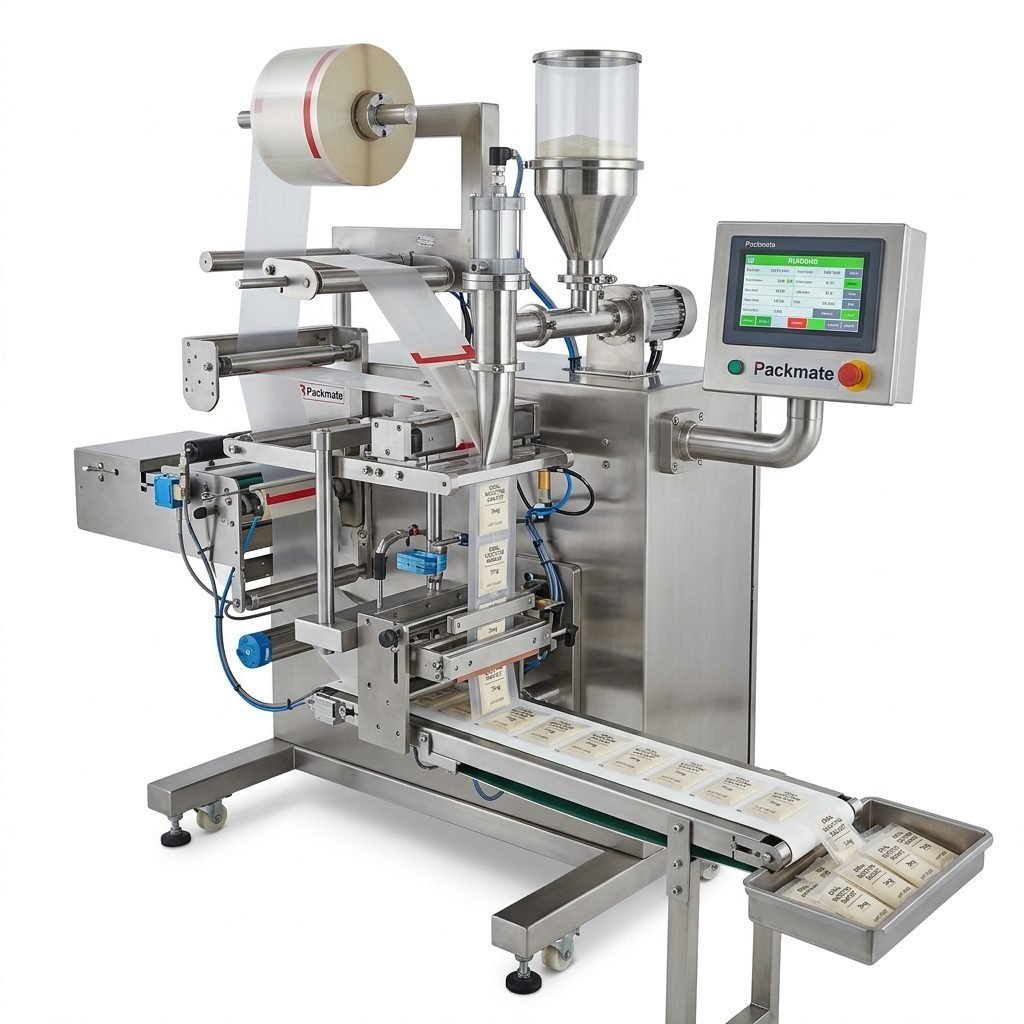
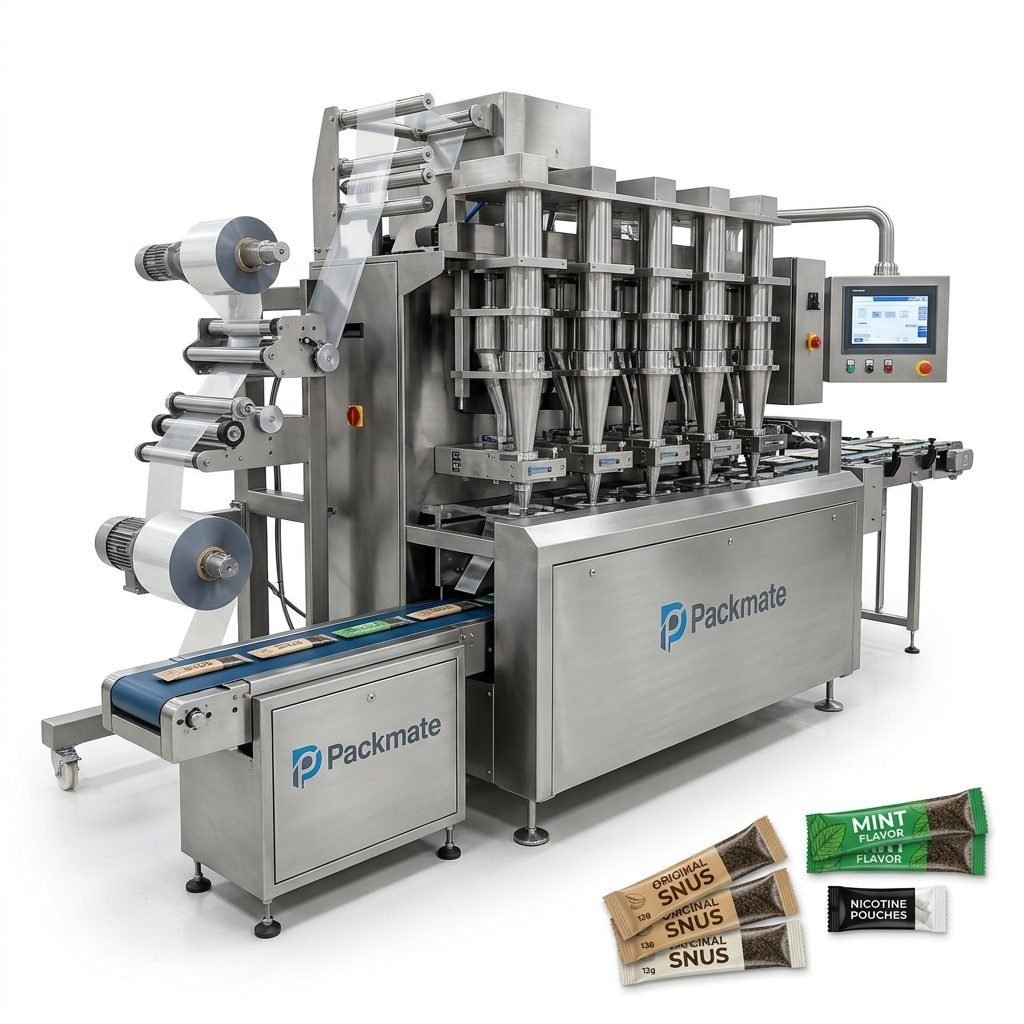
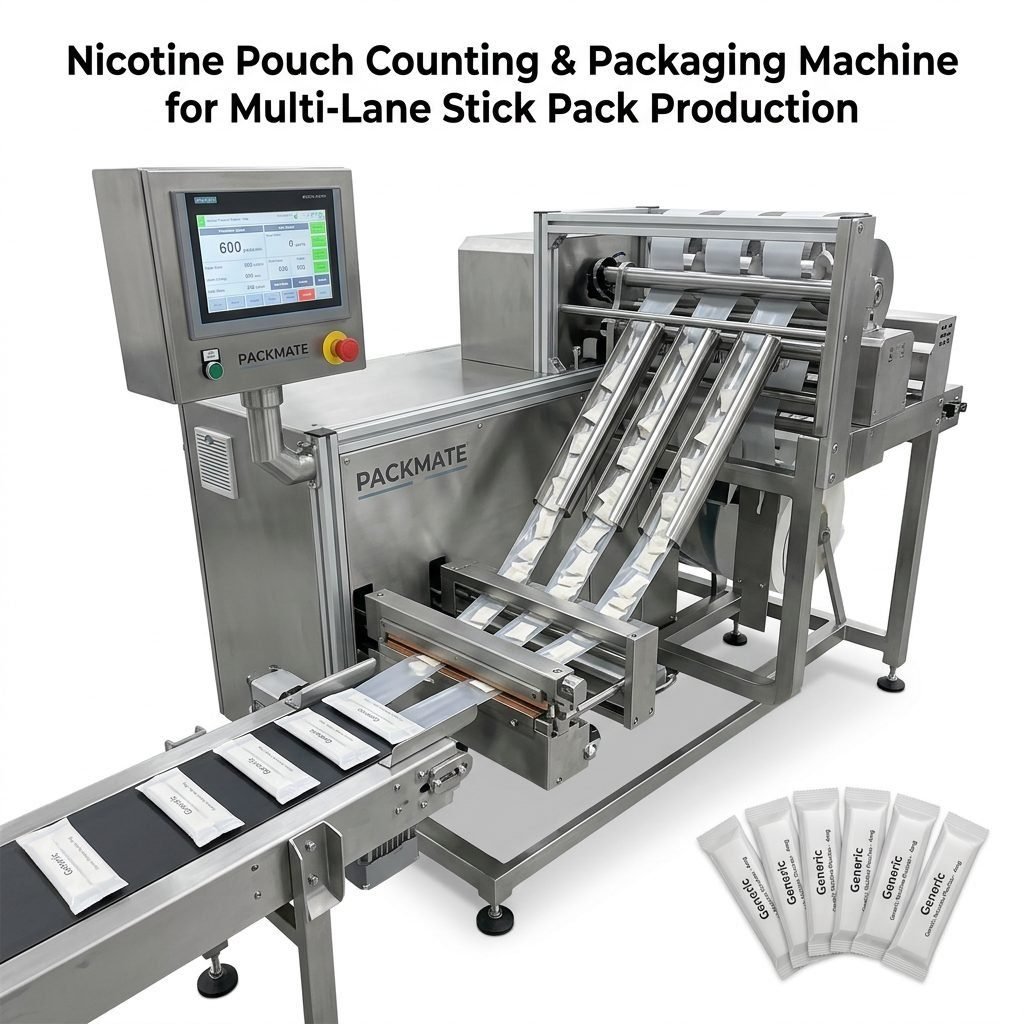
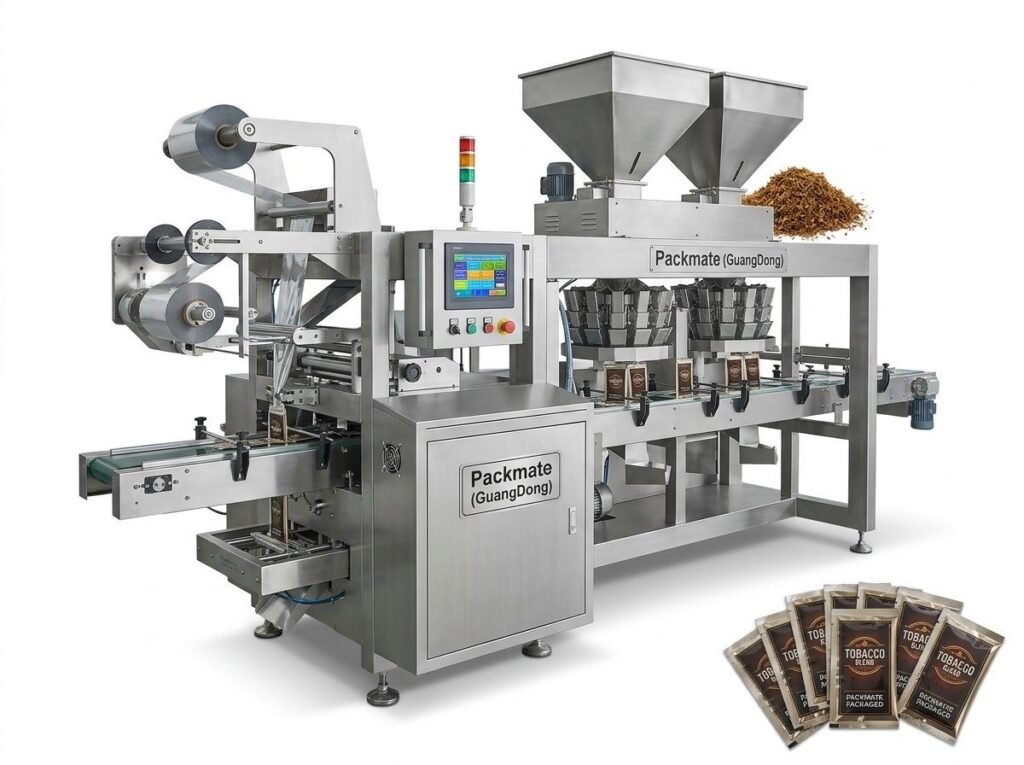
A capable manufacturer should offer a range of machines that match the product forms you intend to produce: nicotine pouches, stick packs, sachets, and sealed can or pouch solutions. Look for vendors that explicitly list snus and nicotine packaging as a specialty. For reference, explore manufacturers that provide modular lines for versatility so you can switch formats without expensive retrofits.
Useful product categories to check: Snus & Nicotine Packaging Machines, Sachet & Stick Pack Machines, and Bag & Pouch Packaging Machines.
2. Production Capacity & Multi-Lane Options
Danish retail and online channels often demand both small-batch artisan runs and higher-volume production. Evaluate a manufacturer’s multi-lane capabilities and modular scalability. Multi-lane systems can dramatically increase throughput while maintaining small-dose accuracy — essential for nicotine pouches where precise dosing matters for consumer safety and regulatory compliance.
3. Compliance, Certification, and Safety
Verify CE and ISO certifications along with machine hygiene features for cleanability and material contact safety. In Denmark and the wider EU, traceability and product safety are top priorities. Ensure your supplier can provide documentation and validation protocols to support regulatory submissions and audits.
Important: Insist on written compliance evidence (CE/ISO) and ask about sanitary design, CIP (clean-in-place) options, and GMP-compatible finishes.
4. After-Sales Support and Spare Parts Availability
Danish businesses prioritize reliability and fast service. Choose a manufacturer that offers remote diagnostics, spare parts shipping, and training. A global supplier with regional partners or a robust logistics plan will minimize downtime. Look for warranties, field service contracts, and clear lead times for replacement parts.
5. Turnkey Solutions and Customization
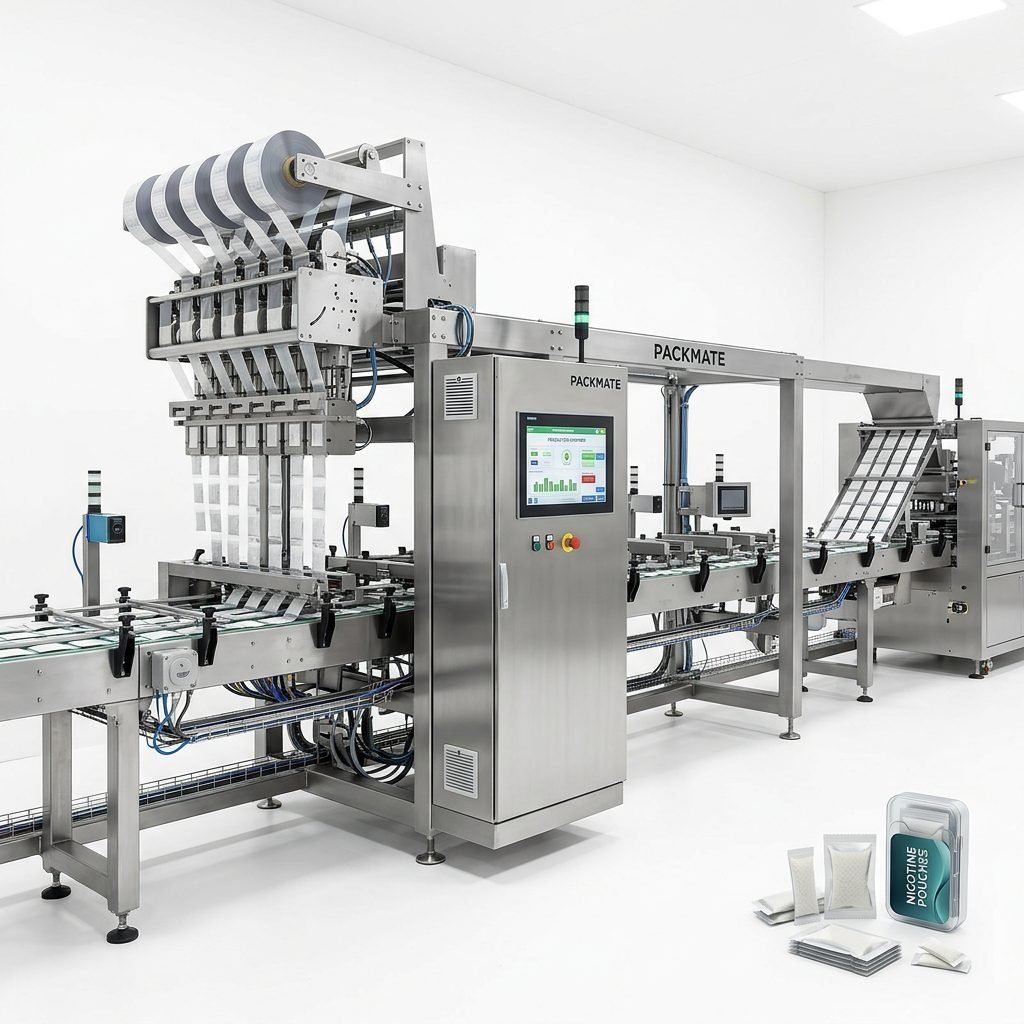
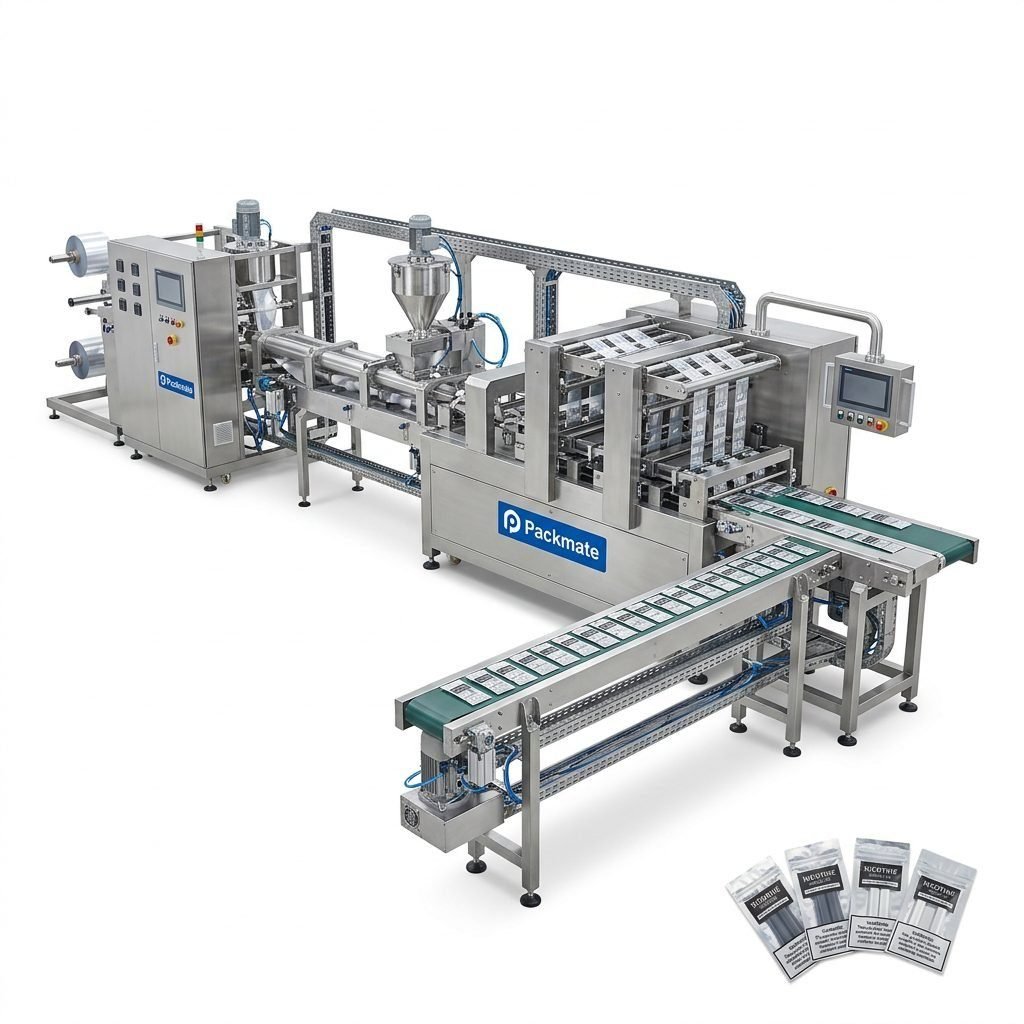
Many brands launching in Denmark need a full production line — from feeders and weighers to sealing and secondary packaging. A manufacturer that provides turnkey lines including weighing systems, filling, and auxiliary equipment reduces integration risk. Customization for Danish labelling, language support, and retail packaging sizes is another plus.
Learn more about integrated options: Weighing & Packaging Systems and Filling & Packaging Lines.
Assess Manufacturer Credibility: What to Inspect
A factory visit (or virtual tour) reveals production standards. Check CNC machining quality, assembly lines, and testing labs. For overseas suppliers, request high-resolution video of machines running with your product analog and ask for customer references from Europe or specifically Nordic countries.
✅ Factory strength matters: Look for a manufacturer with a well-equipped facility (CNC, precision assembly, QA systems) and multiple machine models to ensure long-term support and innovation.
Packmate Snus Machine’s profile demonstrates these traits: decades of engineering experience, a 20,000㎡ factory, and a portfolio of 50+ machine models — elements that indicate scale and depth in R&D and production.
Technical Features to Prioritize
Precision Dosing
Accurate dosing is essential for nicotine products. Choose machines with high-precision feeders, gravimetric check-weighing, and fast-responding servo controls. Errors in dosing can lead to regulatory issues and consumer complaints.
Hygienic, Easy-to-Clean Design
Materials in contact with product should be food-grade stainless steel with smooth surfaces. Quick-disassemble parts and minimal crevices reduce cleaning times and contamination risk — important for Danish regulatory inspections and brand reputation.
Automation & Industry 4.0 Readiness
Remote monitoring, PLC controls, and data logging are increasingly standard. Prioritize machines that provide OEE (Overall Equipment Effectiveness) data and remote troubleshooting to optimize uptime in a high-labor-cost market like Denmark.
Commercial Considerations: Price vs. Total Cost of Ownership
Initial price is only one part of cost. Factor in energy consumption, spare parts, maintenance contracts, and expected lifespan. A higher-spec machine with lower downtime and better accuracy often yields a superior ROI for Danish operations where consistent supply and brand trust matter.
⚠️ Do not base your decision solely on purchase price. Model comparisons should include spare parts pricing, response time for service, and upgrade paths.
Questions to Ask Any Prospective Manufacturer
Use this checklist during supplier evaluation and factory visits. Each question helps reveal experience, reliability, and alignment with your Danish market needs.
🔧 What is your machine’s standard throughput and best-case throughput with multi-lane configurations?
🔧 Can you provide CE/ISO certificates and sanitary design documentation?
🔧 Do you support validation protocols and installation qualification (IQ/OQ)?
🔧 What is the average lead time for spare parts and on-site service in Europe?
🔧 Can you demonstrate running the line with a product similar to our nic-pouch in size and weight?
Why Consider Packmate and Where to Learn More
Packmate Snus Machine positions itself as a specialist in snus and nicotine pouch equipment with over 30 years of engineering experience. Their manufacturing capabilities — a large factory footprint, CNC machining centers, and a wide model range — suggest the capacity to deliver both standard and customized turnkey solutions. To evaluate real-world performance and customer satisfaction, review cases and exhibition presence.
Explore Packmate’s company profile and cases: About Packmate and Case. For technical catalogs and certifications, check Certificate and Catalog.
Implementation Roadmap for Danish Market Entry
Follow a phased approach to minimize risk:
1) Pilot: Run a pilot batch on a test line to validate dosing, sealing, and packaging aesthetics suitable for Danish consumers.
2) Scale-up: Move to multi-lane production once your packaging design and supply chain are validated.
3) Compliance: Ensure all labeling, warnings, and documentation meet Danish and EU requirements or seek legal advice if product classification is ambiguous.
4) Launch: Coordinate with distribution partners experienced in Nordic retail and online channels.
ℹ️ Pro tip: Collaborate with suppliers who offer on-site installation and training so your Danish staff can operate and maintain lines independently.
Common Pitfalls and How to Avoid Them
• Underestimating spare parts lead time: Keep a critical-parts inventory for the first 12-18 months.
• Ignoring regulatory classification: Clarify whether your product is tobacco, nicotine product, or consumer good and plan labeling accordingly.
• Overlooking secondary packaging: Danish retailers often require compact shelf-ready packs and clear nutritional/safety info; make sure your line can handle secondary packing and grouping.
Final Checklist Before Signing a Contract
– Verify machine performance with product-similar trials.
– Confirm CE/ISO and hygiene documentation.
– Agree on spare parts list, lead times, and service SLA.
– Define acceptance tests and performance warranties in writing.
– Ensure training, commissioning, and remote support are included.
✅ Checklist reminder: Get a detailed proposal that covers installation, training, spare parts, and performance acceptance criteria before final payment.
Summary
Selecting the best snus packaging machinery manufacturer for the Danish market requires a balance of technical performance, regulatory compliance, and dependable service. Prioritize manufacturers with proven snus/nicotine expertise, multi-lane capabilities, hygienic design, and solid after-sales support. Investigate factory capabilities, request real-product trials, and secure clear contractual guarantees to ensure your line delivers reliable output and regulatory confidence.
Frequently Asked Questions (FAQ)
Q: Are nicotine pouches legal in Denmark and what should I check before importing machinery for production?
A: Regulatory status can change; consult Danish authorities or legal counsel and verify product classification (tobacco vs. nicotine product). Ensure machinery supports compliant labeling and batch traceability.
Q: How important are multi-lane machines for Nordic markets like Denmark?
A: Very important. Multi-lane systems increase throughput and cost-efficiency for high-demand SKUs while maintaining dosing precision — ideal for both scaling and seasonal demand spikes.
Q: What is the typical lead time for delivery and installation of a snus packaging line?
A: Lead times vary by customization and supplier capacity. Confirm production and shipping timelines early and include commissioning and acceptance tests in the contract.
Q: How can I ensure ongoing support if my manufacturer is overseas?
A: Negotiate spare-part kits, remote diagnostic tools, and local service partners. Request training for your technicians and documented troubleshooting guides.
Q: Where can I view real-world examples and more technical details from experienced suppliers?
A: Review supplier case studies and product pages such as Case and Auxiliary Packaging Equipment to evaluate performance and integration capabilities.