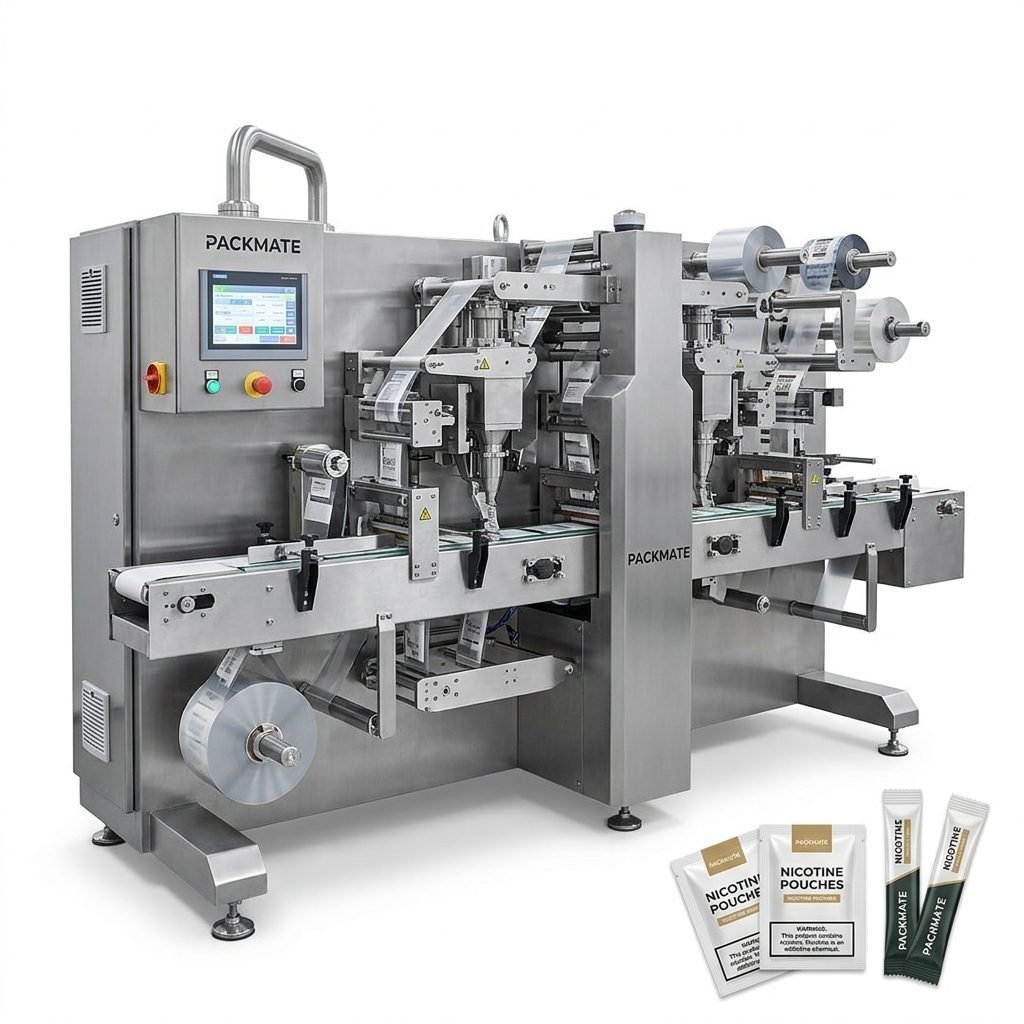
Buying snus packaging machinery for a small island market like Tuvalu requires practical planning beyond just machine specifications. You must factor in climate, shipping logistics, regulatory checks, energy reliability, and after-sales support. This guide walks you through the essential decisions and checklists so you can choose the best snus / nicotine pouch packaging equipment for your local needs.
Know the Tuvalu Context: Regulations, Culture & Climate
Tuvalu is a small Pacific island nation with unique logistical and environmental constraints. Before choosing a machine, verify current import rules and nicotine product regulations with local authorities and customs brokers — nicotine and tobacco products can be tightly controlled or taxed. Also consider cultural attitudes and market scale: demand may be limited and seasonal, so a flexible production solution is often better than a single high-throughput line.
Environmental factors matter: high humidity, salt-laden air, and warm temperatures accelerate corrosion and affect hygroscopic product behavior. Choose equipment built from corrosion-resistant materials and consider on-site climate control for sensitive ingredients and finished pouches.
Select the Right Machine Type for Your Product
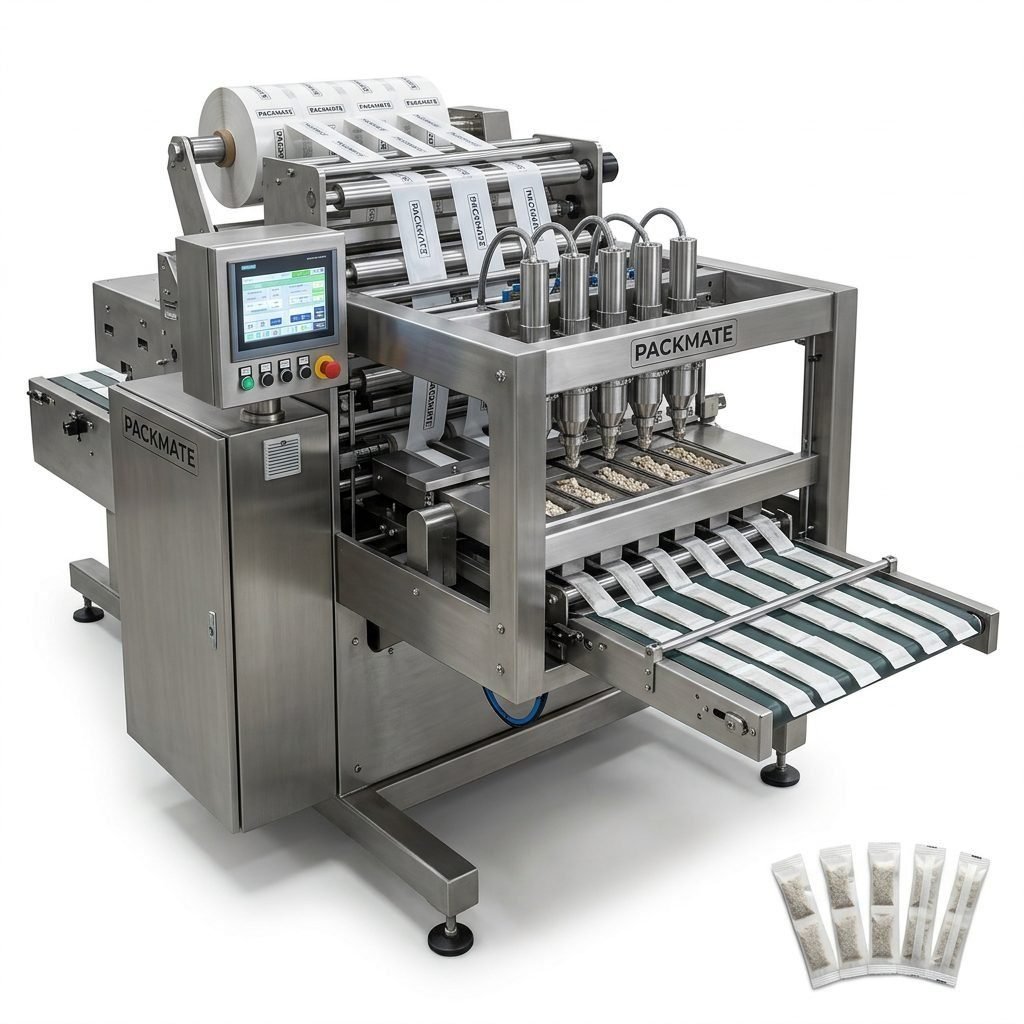
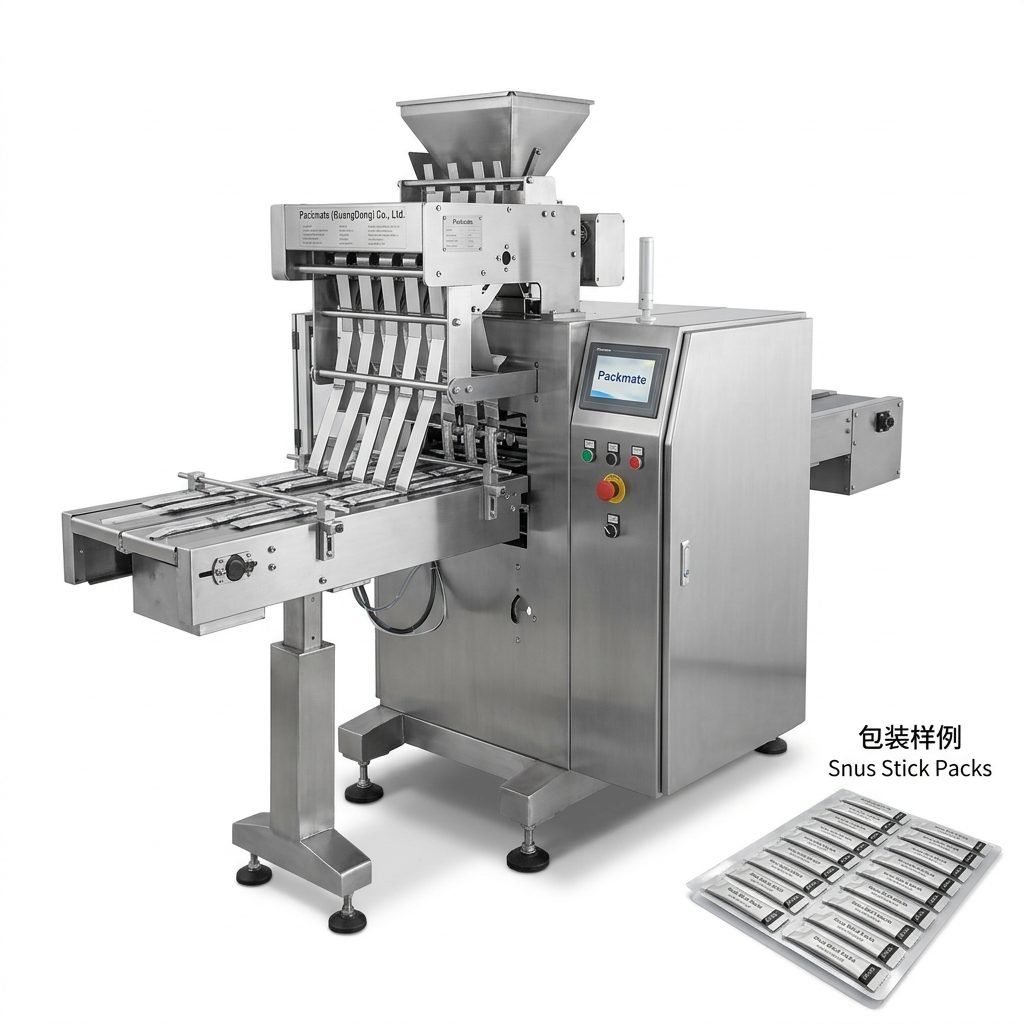
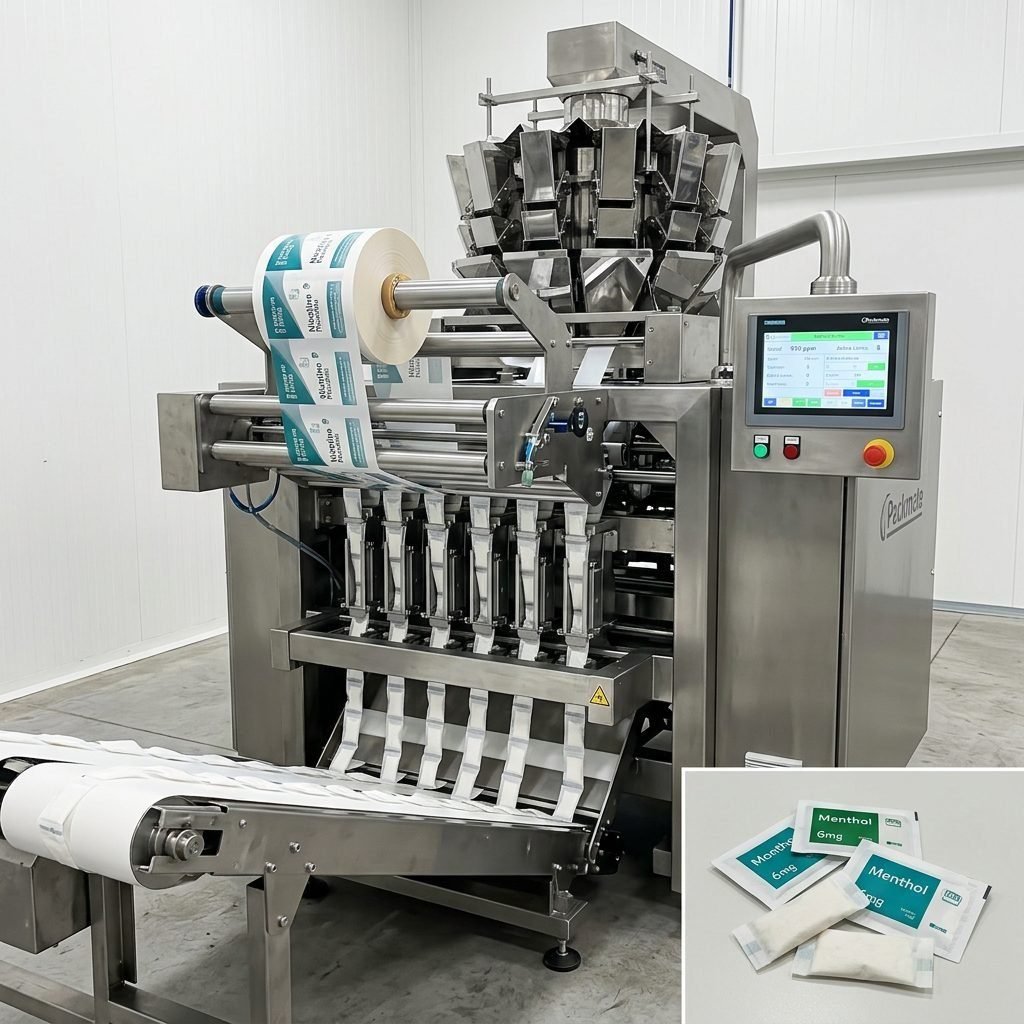
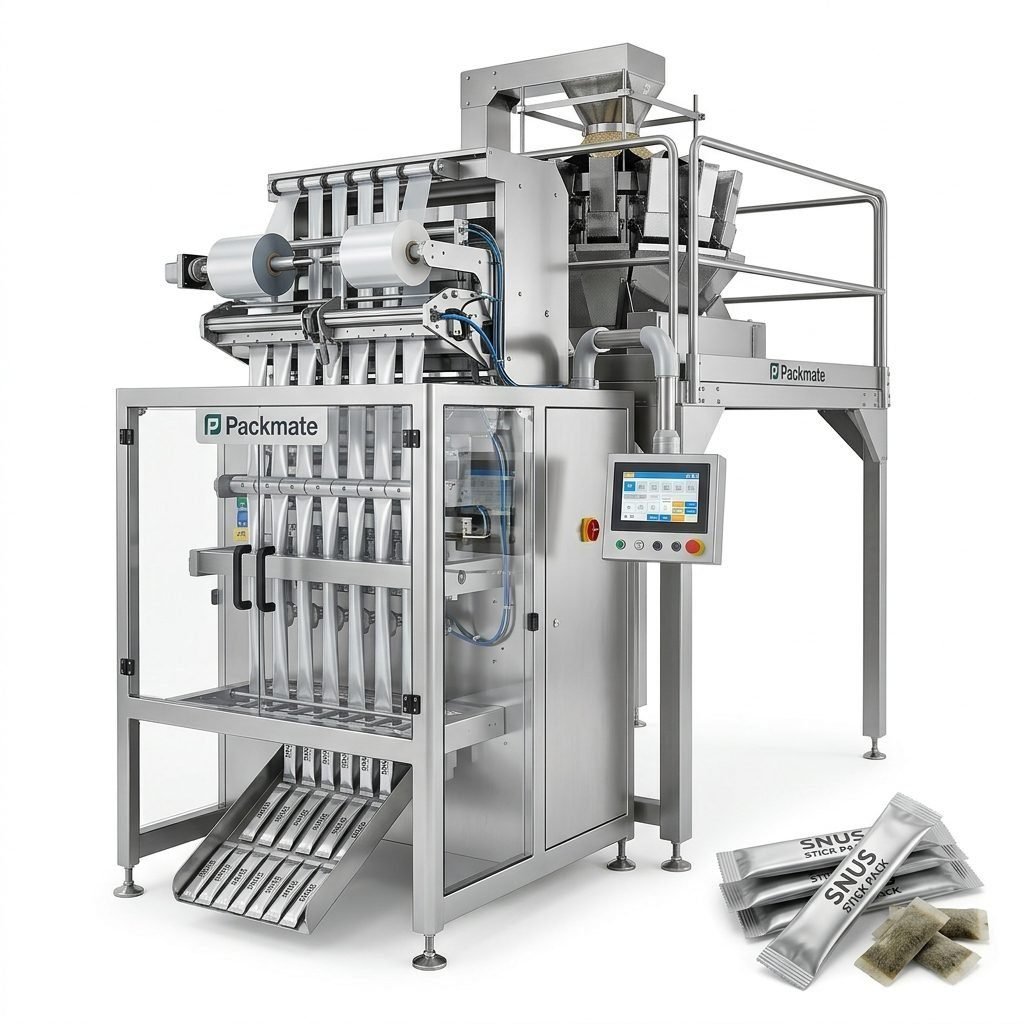
There are several packaging formats commonly used for snus and nicotine pouches. Match product type and portion style to machine capabilities:
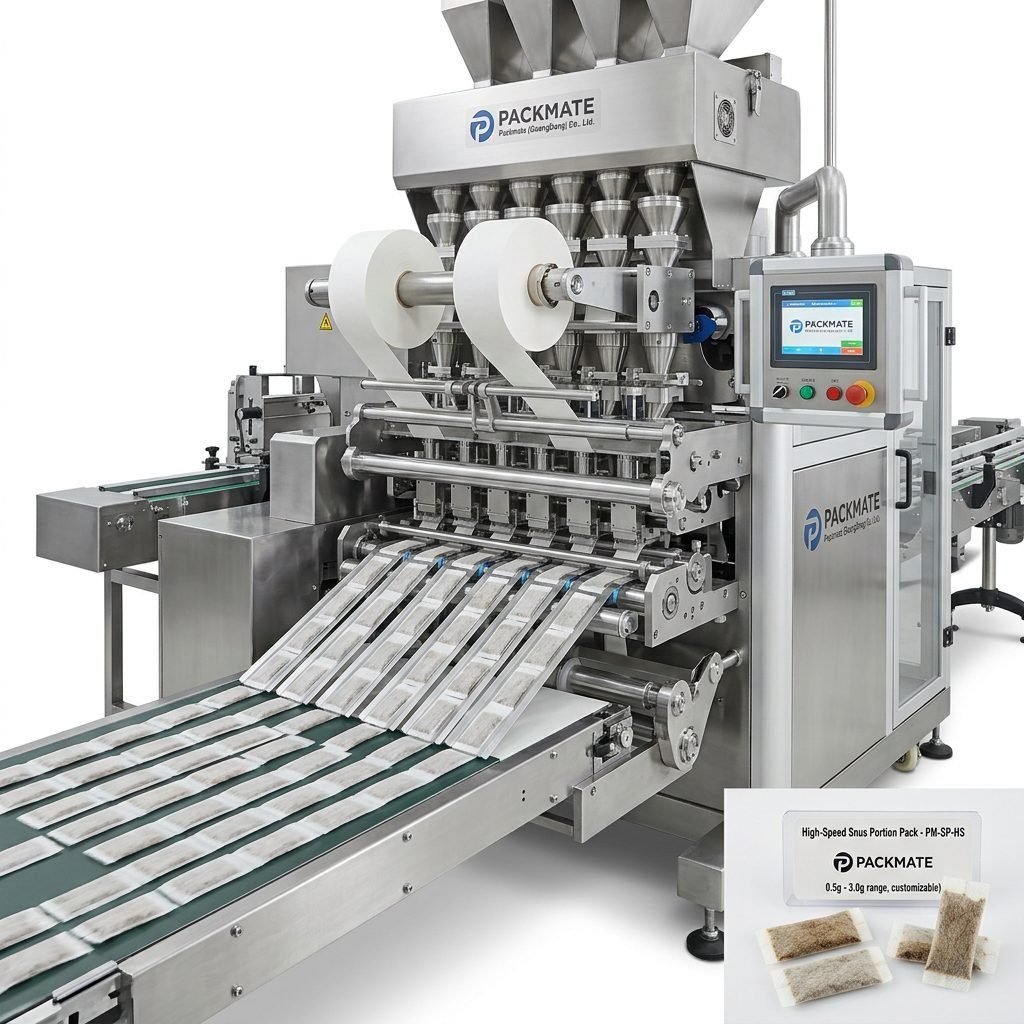
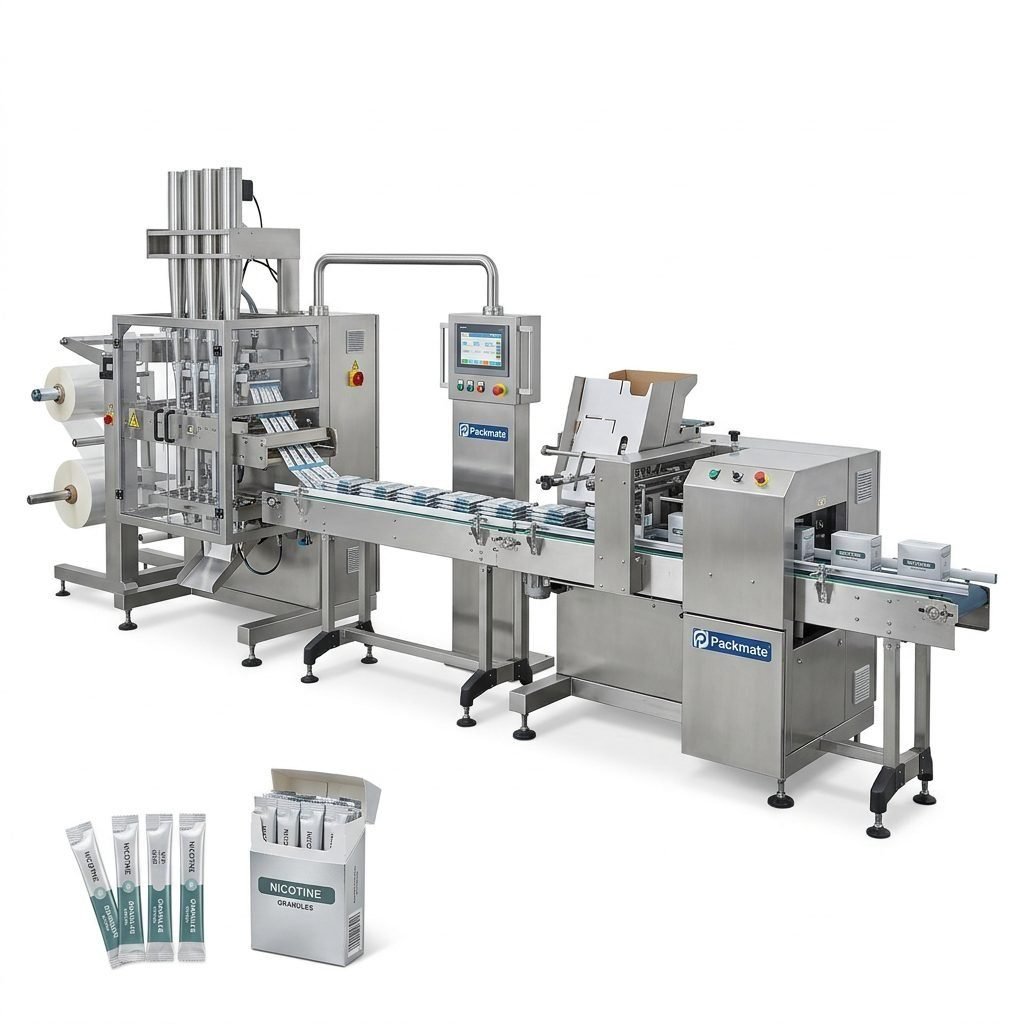
🔸 Stick pack / flow-wrap for single-dose sticks and slim sachets — compact footprint, easy to scale. Ideal for many nicotine pouch styles.
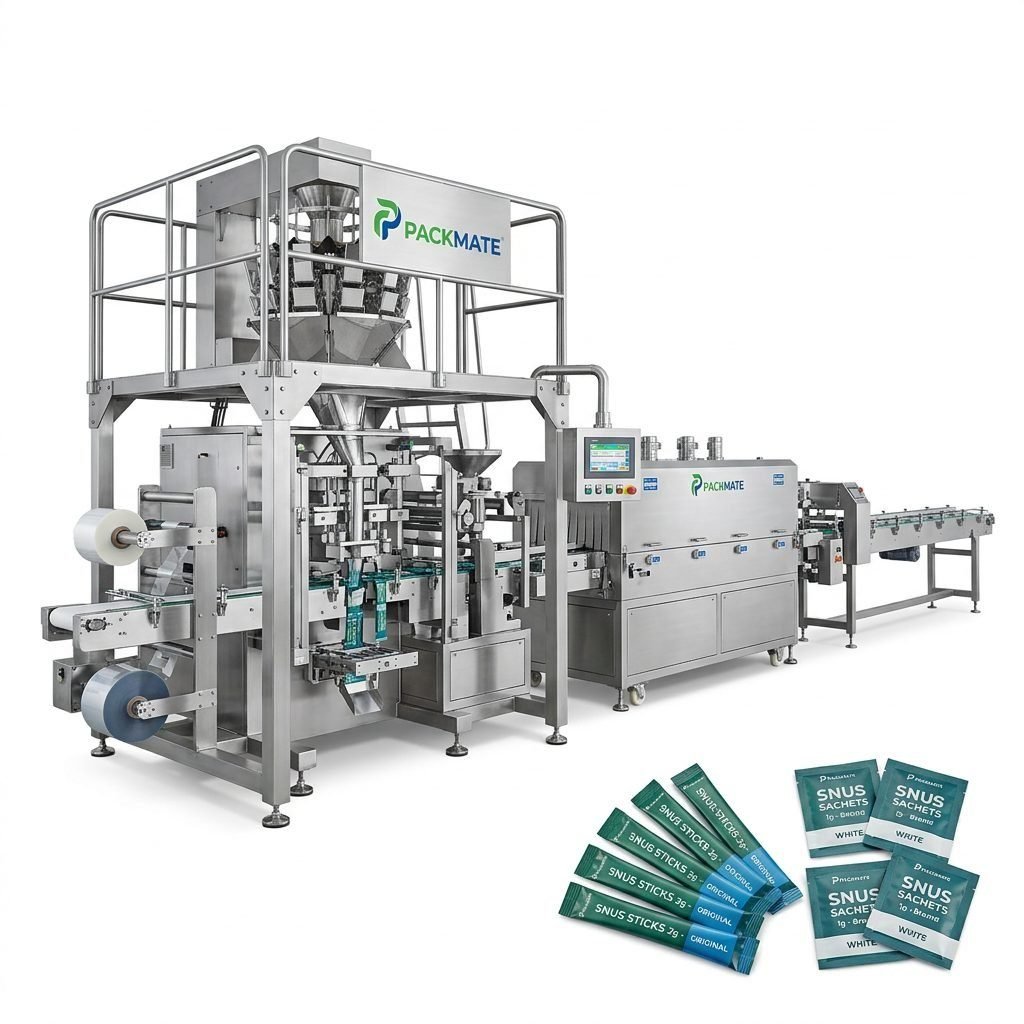
🔸 Sachet machines for traditional pouch shapes and multi-layer barrier films — good for moisture control and premium presentation.
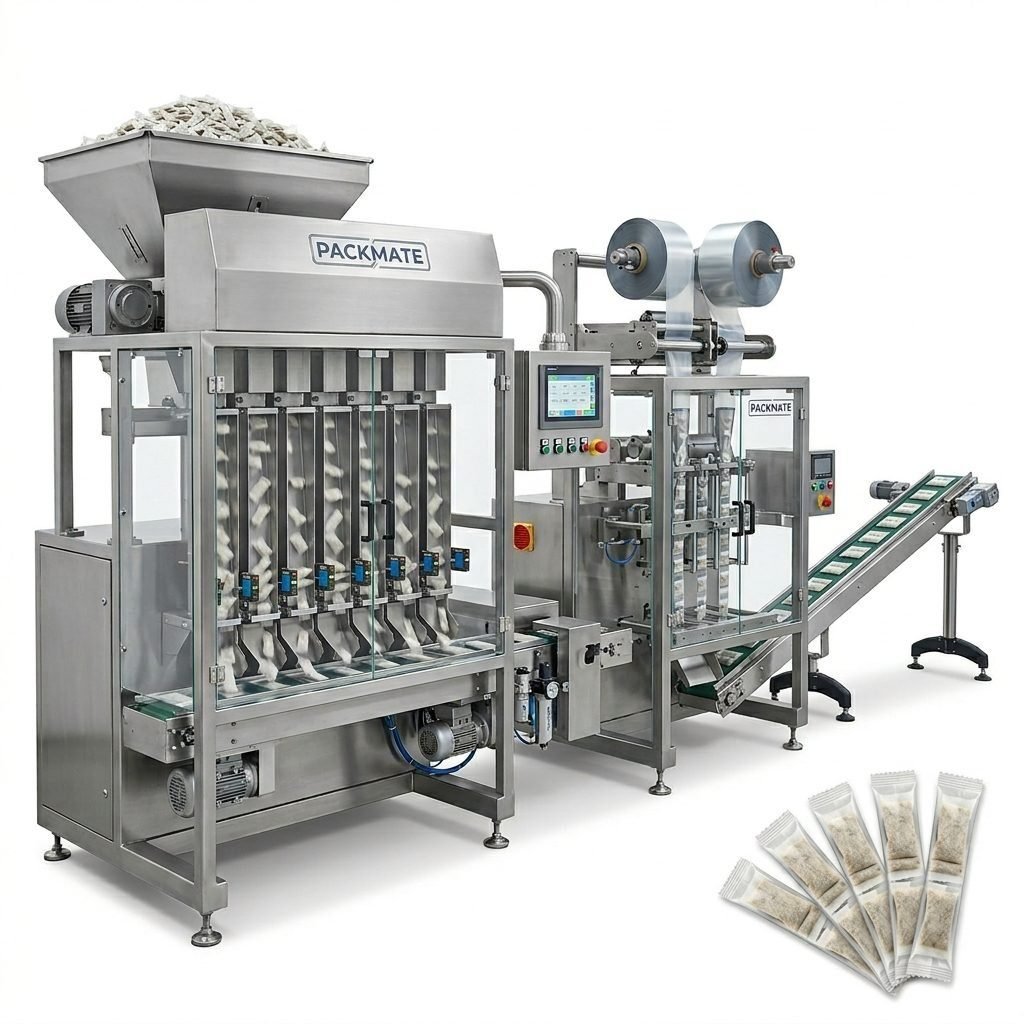
🔸 Multi-lane systems for higher output and small-dose formats — multi-lane reduces cost per pouch but increases complexity and maintenance needs.
Tip: For Tuvalu’s market, consider a modular machine that can run smaller batches reliably. A line that supports both sachet and stick formats or can be adjusted for variable fill weights gives you maximum flexibility while demand grows.
Key Technical Specifications to Compare
Throughput: Choose a machine with adjustable speed and lanes suitable for your expected volumes. Starting with a low-to-medium capacity model (e.g., 30–120 pouches/min lane) is often practical for island markets.
Filling system: For powder or fine-granules choose precision auger or vibratory dosing; for wet or paste-like snus consider screw or piston fillers designed for hygiene and easy cleaning.
Sealing & film compatibility: Make sure the machine supports barrier films and sealing methods needed for moisture-sensitive nicotine pouches.
Control & HMI: Simple, intuitive PLC and touchscreen operation reduces local training time. Machines with remote connectivity enable vendor diagnostics and faster troubleshooting.
Must-have: corrosion-resistant parts (304/316 stainless steel), IP-rated electrical cabinets, and easily replaceable wear parts — essential for the humid, salty coastal environment.
Material Compatibility & Product Protection
Packaging materials must protect the product from moisture and oxygen. Barrier films, lidding foils, and heat-sealable laminates are typical. Confirm the machine can handle the film thickness and seal parameters your chosen film requires. Check test data for seal strength under different humidity and temperature conditions.
If you need serialized batches or branding variability, ensure the machine supports integrated printing, coding, or an offline coder that can be synchronized.
Footprint, Power & Utilities Considerations
Tuvalu facilities often have limited factory space and variable power supply. When selecting equipment, check:
⚙️ Machine footprint and modular layout for confined spaces.
⚡ Power ratings and ability to run at local voltage/frequency (or use a transformer). Ask suppliers about energy-saving drive systems and soft-start features to reduce peak loads.
💧 Compressed air requirements — consider an efficient central compressor with dryer in humid environments to avoid inconsistent dosing due to condensation.
After-sales Service, Spare Parts & Local Support
For remote locations like Tuvalu, a supplier with strong global logistics and remote support is invaluable. Look for:
🔧 Clear spare parts kits and recommended spares list for wear items (belts, seal jaws, cutters, sensors).
🔧 Fast remote diagnostics via internet and availability of field service technicians or authorized partners in the broader Pacific region.
🔧 Training packages, machine manuals, and video tutorials to upskill local operators and reduce downtime.
Vendor checklist: request a service level agreement, spare parts lead times, and remote-connectivity options. For manufacturing partners, see About Packmate and their service offerings at Service.
Certifications & Compliance
Confirm the equipment has CE and ISO certifications and that the supplier provides documentation for customs clearance. For proof of standards and testing, check the manufacturer’s certificate page before purchase: Certificate.
Logistics: Shipping, Customs & Installation in Tuvalu
Shipping to a remote island requires planning. Prioritize suppliers experienced in ocean freight packaging and local customs documentation. Packmate and similar global manufacturers typically offer crating options and export-ready documentation to avoid delays.
Consider on-site assembly: many systems are shipped in modular crates and assembled by factory engineers or trained local teams. Factor in arrival timelines and quarantine inspections which can add days to customs processing.
Total Cost of Ownership: CAPEX & OPEX
Evaluate machines not only on purchase price but on operating costs: energy, maintenance, spare parts, film consumption, and downtime risk. For small-volume markets in Tuvalu, a lower-capacity machine with minimal maintenance and robust build often saves money long-term compared to a high-speed line that is rarely used at full capacity.
Financial tips
– Consider leasing or finance options rather than large upfront investments.
– Ask for a breakdown of spare parts costs and recommended spare inventory.
– Request a sample run and yield report to estimate film and material costs per pouch.
How to Evaluate Suppliers: Questions to Ask
📌 What are average lead times for machines and spare parts to Tuvalu?
📌 Do you provide remote commissioning and operator training?
📌 Are control systems able to operate at my site’s voltage/frequency?
📌 Can the machine handle my selected film and pouch dimensions?
📌 What is included in warranty and what are SLA response times?
Recommended action: ask the supplier for a case study or demonstration — see examples at Case, and review product ranges like Snus & Nicotine Packaging Machines.
Installation, Commissioning & Local Training
Plan for remote commissioning support and thorough operator training. Remote connectivity is invaluable for quick fixes. Ensure documentation and manuals are accessible offline and translated if necessary. A short list of trained operators and a preventive maintenance schedule will help avoid long downtimes.
Sourcing extras
Order a spare parts kit for first 12 months of operation and a tooling kit for quick repairs. Also request recommended cleaning procedures suitable for high humidity locations and confirm any required consumables.
Why Packmate (Example Manufacturer) Can Be a Good Fit
Manufacturers with decades of experience and global turnkey solutions add value for remote markets. Packmate Snus Machine brings 30+ years of machine engineering, multiple machine models, and global references across snus production lines. For product portfolios and tailored solutions, review the manufacturer catalog at Catalog and consult directly through Contact Us.
Practical reminder: prioritize a partner that offers demonstrable international installations and clear follow-up support for remote sites.
Final Pre-Purchase Checklist
– Confirm local legal status for nicotine products and import documentation.
– Verify machine materials, IP rating, and corrosion protection.
– Request factory acceptance test videos and sample pouches from your film.
– Secure a spare parts pack and remote-support arrangement.
– Plan for training and preventive maintenance schedules.
Conclusion
Choosing the right snus packaging machinery for Tuvalu blends technical specs with pragmatic logistics and service planning. Focus on corrosion resistance, flexible capacity, reliable after-sales support, and clear compliance documentation. A thoughtful purchase reduces operational headaches and ensures steady supply to your market.
Frequently Asked Questions
Q: What machine type is best for a small Tuvalu market?
A: Start with a flexible, low-to-medium capacity stick pack or sachet machine that supports small batch runs. Modular multi-lane options are ideal if you plan rapid scale-up.
Q: How should I protect equipment from Tuvalu’s humid and salty environment?
A: Choose machines with stainless steel (304/316) contact parts, sealed electrical cabinets (IP65 where possible), and ensure the facility has dehumidification where raw materials and pouches are stored.
Q: What support should the supplier provide for remote installation?
A: Remote commissioning, operator training (onsite or virtual), spare parts kits, and guaranteed remote diagnostics are critical. Confirm lead times for parts shipping to your region.
Q: Where can I view product ranges and request a quote?
A: Explore product lines and request information from manufacturers’ product pages such as Snus & Nicotine Packaging Machines and contact their sales teams via Contact Us.
Q: How do I estimate total operational costs?
A: Calculate energy, film and consumables, spare parts, labor, and scheduled servicing. Request sample consumption reports and operating data from the supplier to model your OPEX.