Choosing the right nicotine packaging machine manufacturer in Spain can be the difference between a smooth production ramp-up and repeated downtime. For companies entering or expanding in the nicotine pouch and snus market, the decision touches product quality, regulatory compliance, and long-term operational costs. This guide walks you through practical steps, technical checks, and strategic considerations so you can select a manufacturer that aligns with your business goals and production realities.
Understand Your Product and Production Requirements
The first step is to clearly define your product specifications and production targets. Nicotine pouches vary in weight, pouch material, fill type (powder, granule, paste), and sealing style. Your manufacturer must offer machines compatible with your chosen pouch format and fill accuracy. Consider weekly production need: are you testing market demand with a low-volume line, or do you require a high-throughput multi-lane solution? Multi-lane systems drastically increase output per hour but require more sophisticated feeding, weighing, and synchronization systems.
Key product questions to answer
What pouch size and shape will you use? What is the typical dose weight? Do you need nitrogen flushing or modified atmosphere packaging? Answers to these will determine machine types such as stick pack, sachet, or specialized snus pouch lines.
Tip: If you plan frequent SKU changes, prioritize modular machines with quick-change tooling and programmable recipes to minimize downtime.
Machine Types and What They Mean for Your Business
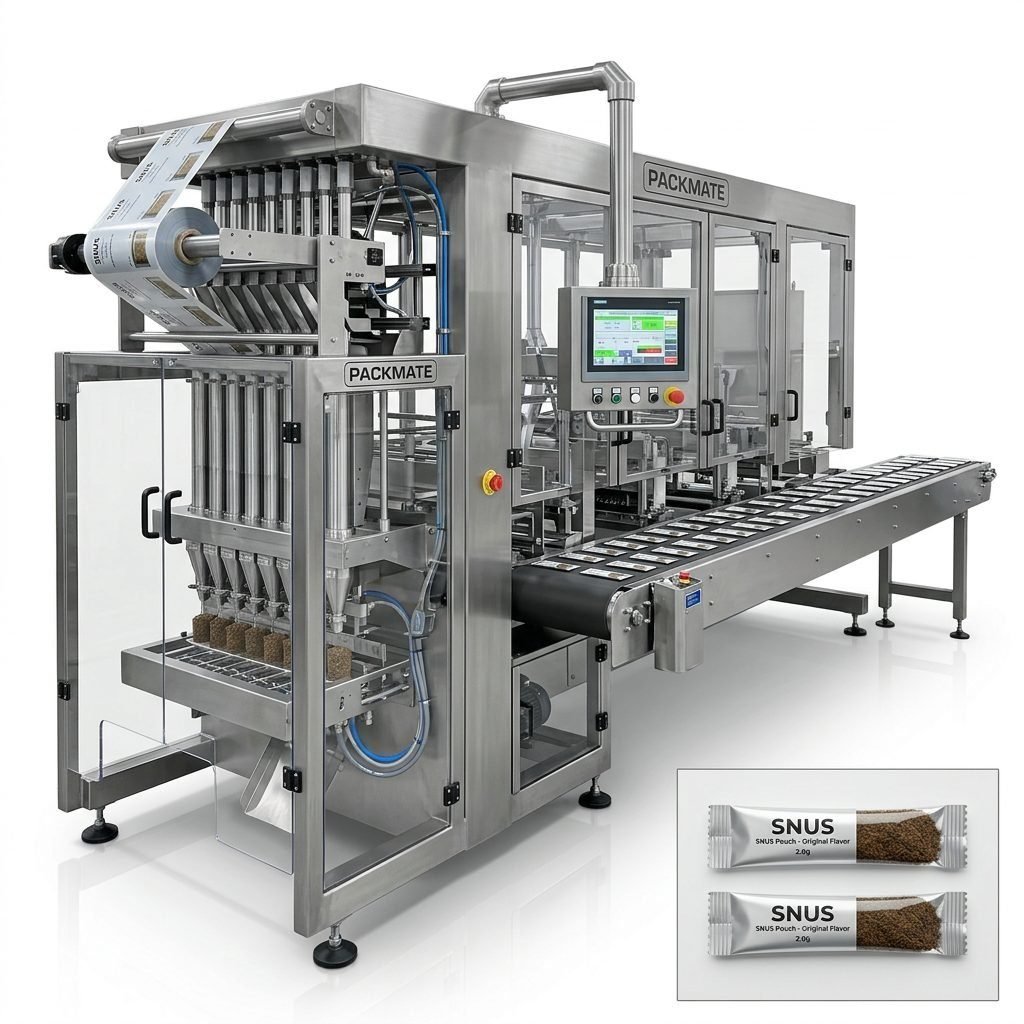
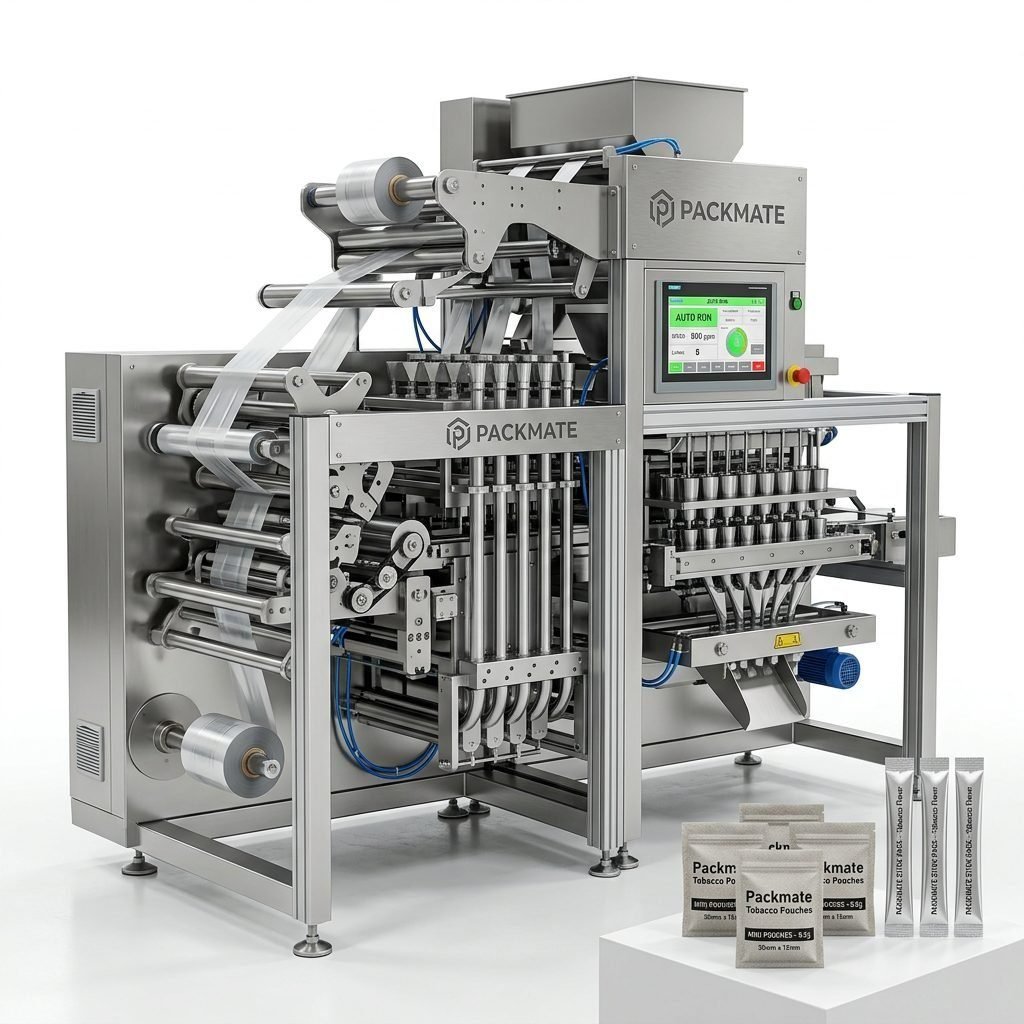
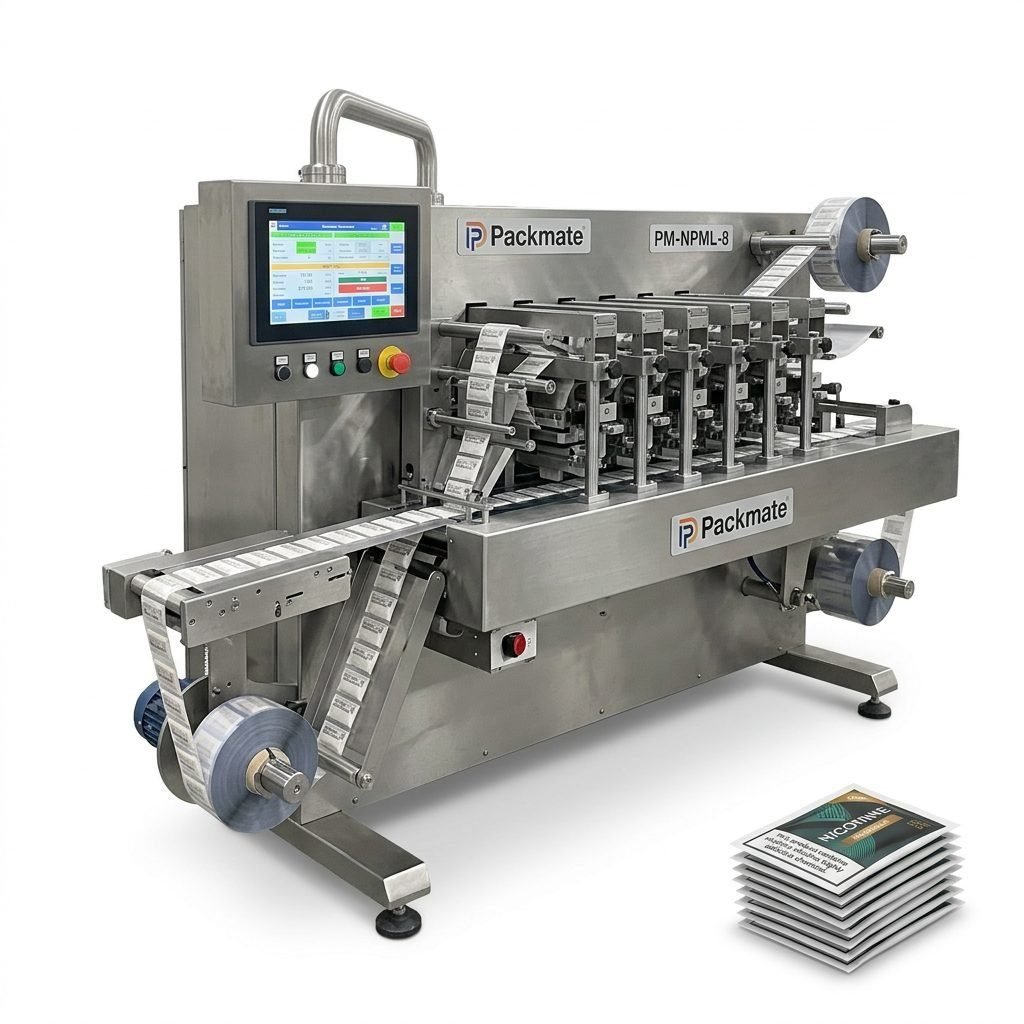
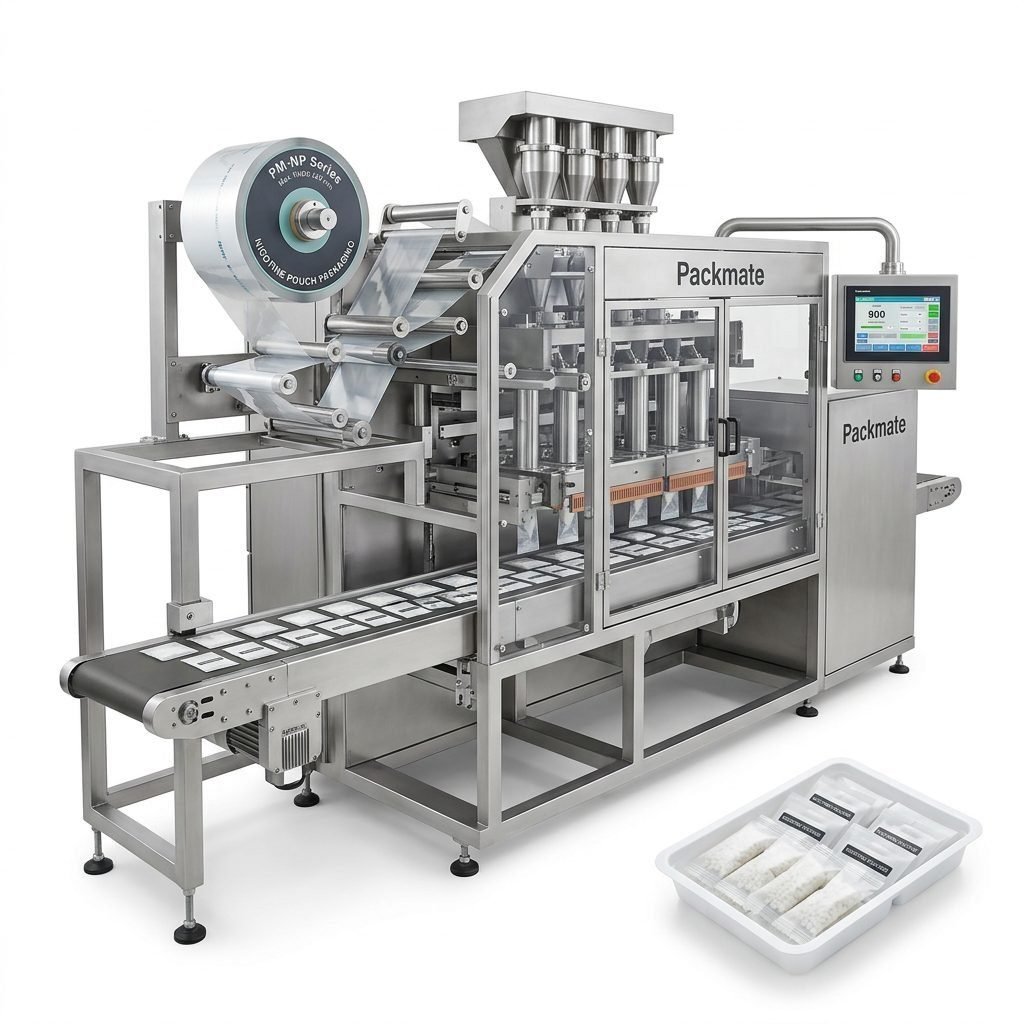
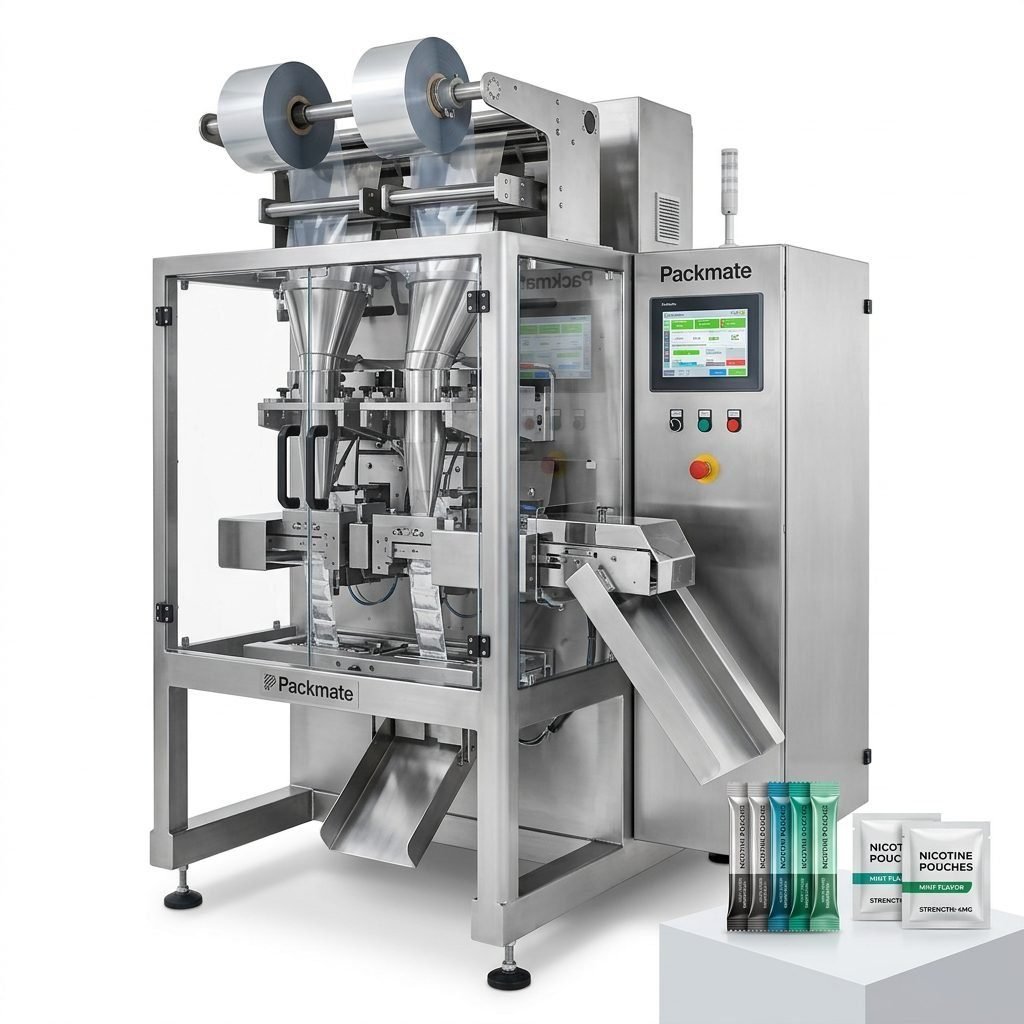
Different nicotine packaging machines offer distinct advantages. Stick pack and sachet machines are versatile for many pouch formats. Dedicated snus pouch machines are optimized for small-dose, multi-lane output. If your product is powder-based, you will need precision dosing systems; for wet or paste fills, consider specialized pumps and hygienic designs. Evaluate not just the machine label, but the internal subsystems: feed and dosing, sealing technology, web handling, and in-line quality checks.
Common machine families to explore
– Single-lane sachet machines for flexibility and lower capex.
– Multi-lane snus pouch machines for high throughput.
– Stick pack lines for single-dose stick formats.
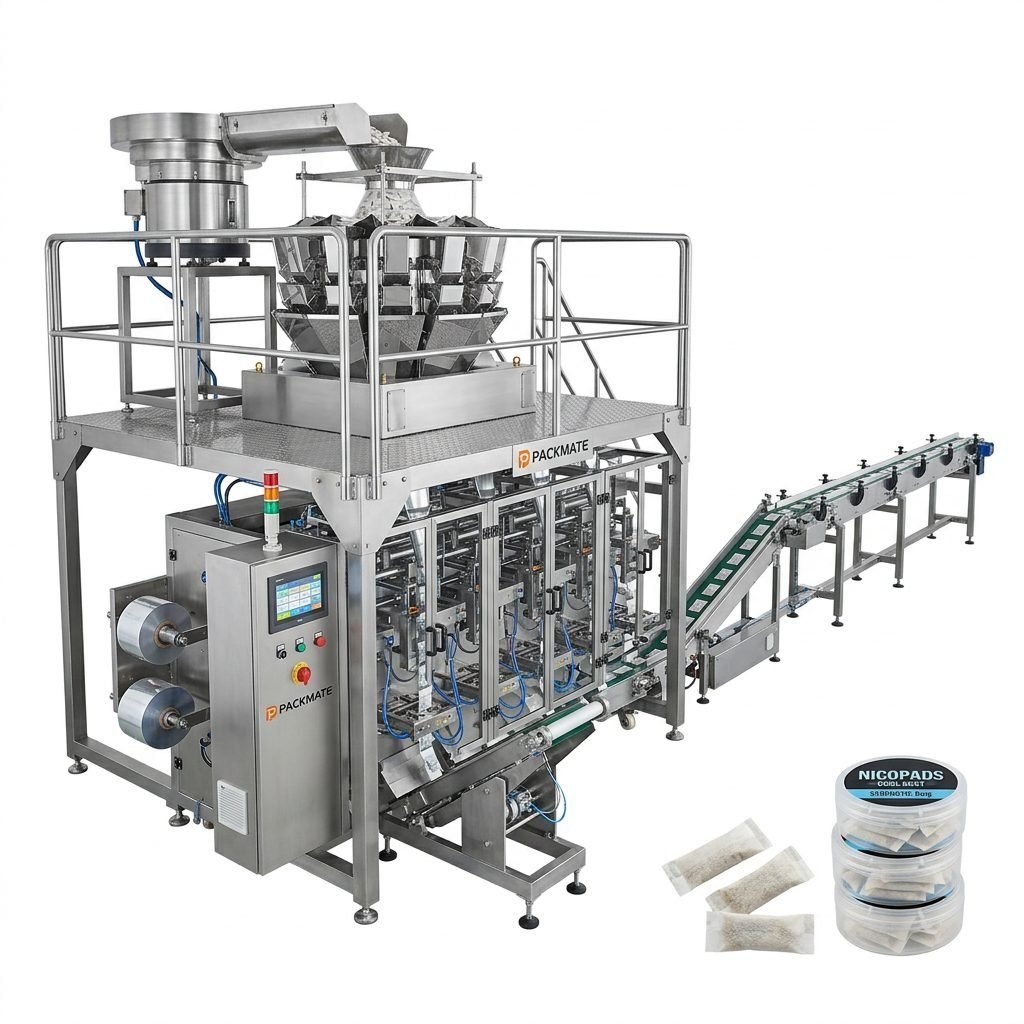
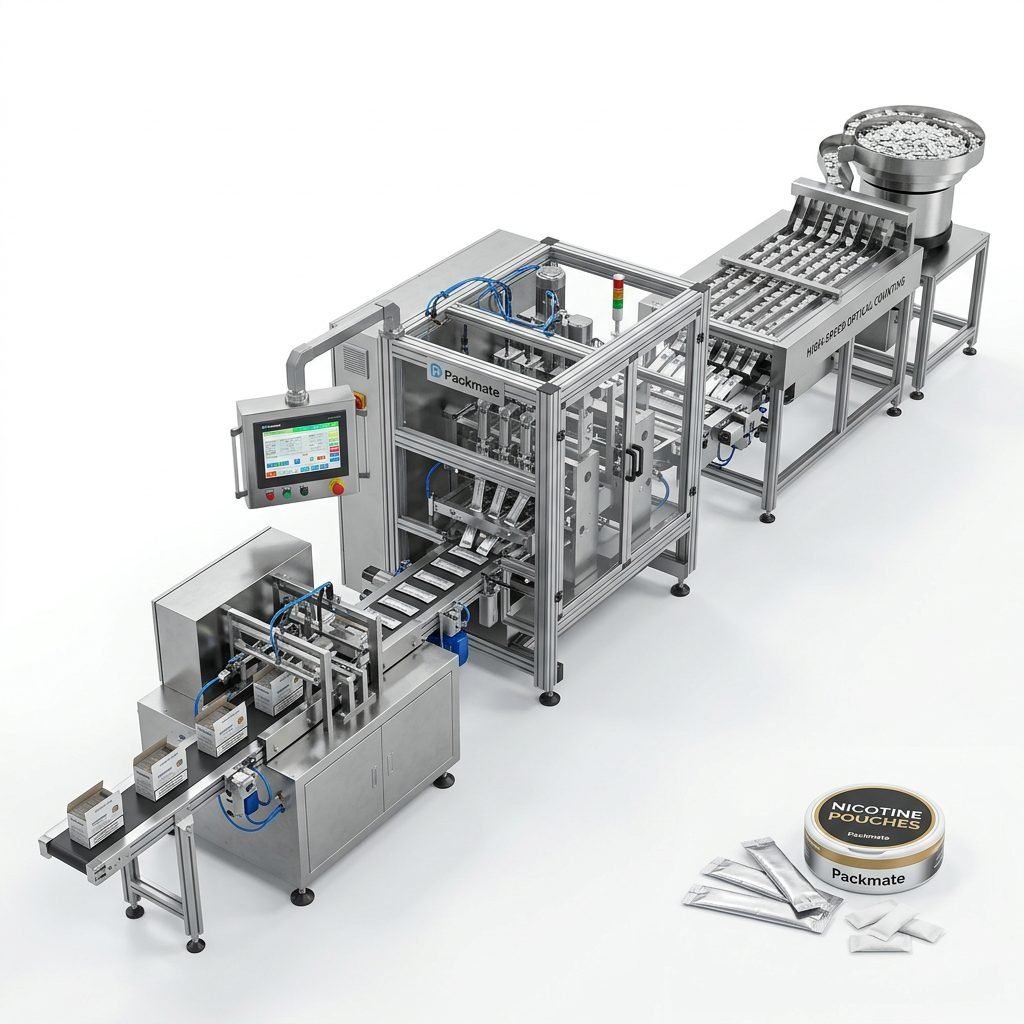
– Integrated filling & packaging lines that combine weighing, dosing and final packaging steps.
Explore product lines and technical specs on trusted manufacturer pages like Snus & Nicotine Packaging Machines and Sachet & Stick Pack Machines.
Evaluate Technical Capabilities and Build Quality
Precision matters in nicotine pouch production. A small deviation in dose weight or sealing integrity can lead to regulatory issues or product complaints. Ask potential manufacturers about:
• Dosing accuracy and repeatability figures.
• Tolerance levels for pouch weight and fill.
• Material compatibility for different film types and barrier laminates.
• Servo control systems and PLC models used for synchronization.
• Quality control features such as in-line weight checks, vision inspection, and leak detection.
Important: Verify documented performance data and, if possible, see test runs or reference videos. A reliable manufacturer will provide traceable test records and case studies.
Factory Capability and Manufacturing Strength
Factory capacity and precision manufacturing equipment are strong indicators of a manufacturer’s ability to deliver consistent machines. Look for details about their production facility size, machining centers, assembly lines, and quality control processes. Packmate Snus Machine, for example, highlights a 20,000㎡ facility, advanced CNC centers, and precision assembly systems — the kind of footprint that supports volume production and customized turnkey solutions.
What to ask during factory evaluation
Are key components produced in-house or outsourced? What tolerances are maintained during manufacturing? Can the factory support spare parts stock and retrofits for future upgrades? Transparency here reduces downstream surprises.
Certifications, Compliance and Documentation
Compliance with international standards (CE, ISO) is essential for machines destined for regulated markets. Confirm documentation such as conformity declarations, electrical schematics, spare parts lists, and validation protocols. Ask about material declarations (for contact parts), software version control, and traceability of critical components such as servos or sensors.
Service, Spare Parts and After-Sales Support
A strong after-sales program saves production time. Inquire about response times, availability of spare parts, remote diagnostics, and training programs. Some manufacturers offer full commissioning, operator training, and preventive maintenance contracts. Confirm whether they have local partners or a European service team to reduce lead time for urgent parts.
Service indicator: Ask for average response time for critical parts replacement and whether they provide maintenance toolkits or online spare parts catalogs.
Cost Considerations and Return on Investment (ROI)
Evaluate total cost of ownership, not just purchase price. Consider energy consumption, spare parts costs, expected uptime, and how quickly the equipment will pay back the investment through increased throughput or reduced labor. A higher initial capex for a multi-lane, highly automated line may be justified by lower operating costs and greater capacity.
Financial checklist
• Capital cost vs modular expansion options.
• Predicted payback period under conservative throughput estimates.
• Energy and consumable costs (films, seals, nitrogen).
• Impact of automation on labor and quality consistency.
References, Case Studies and Site Visits
Request real-world references and, if feasible, schedule plant visits to see machines in operation. Case studies show how a manufacturer solved particular production challenges and adapted machines to customer needs. For example, explore industry examples and previous installations in the nicotine pouch sector on their case pages like Case.
Turnkey Solutions and Integration Expertise
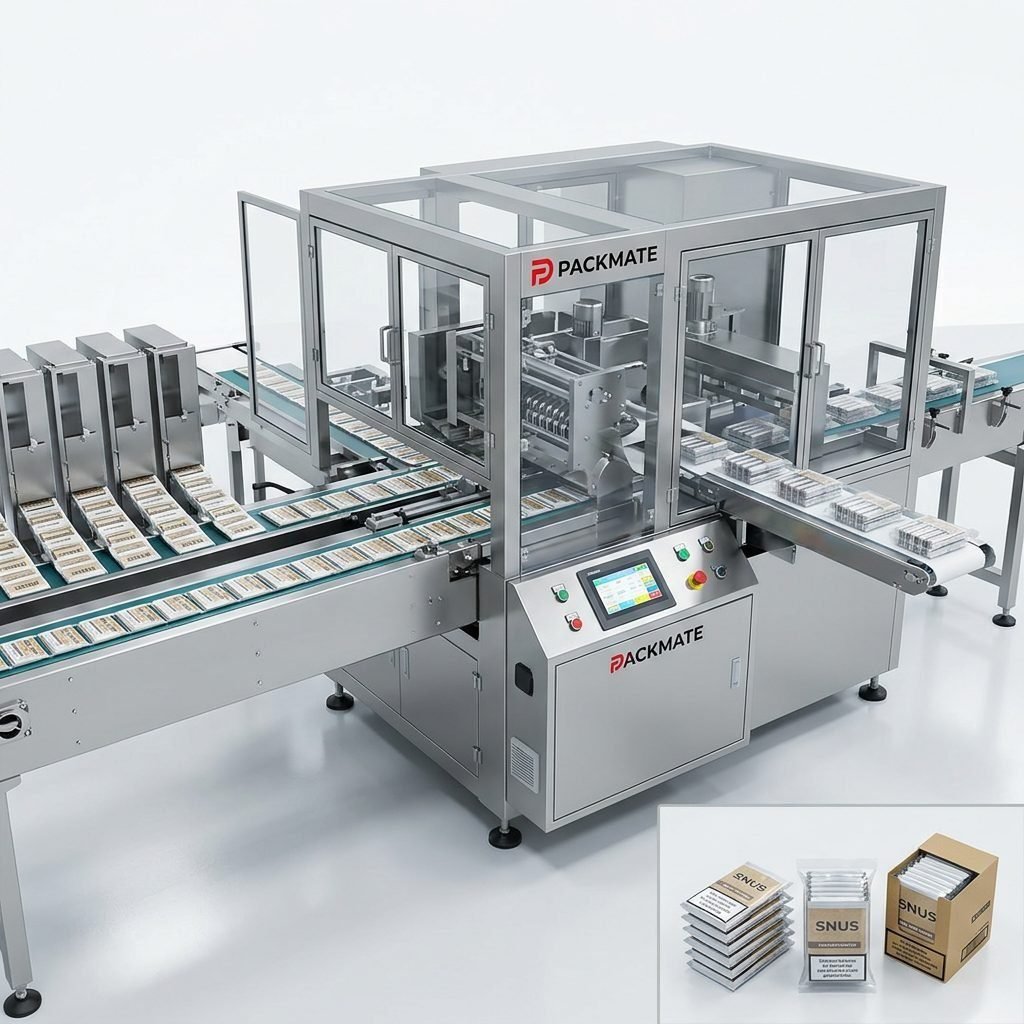
For many customers, the value of a single supplier who can deliver a full line — feeding, weighing, packing, and end-of-line case packing — cannot be overstated. Manufacturers that provide integrated solutions reduce the complexity of procurement and system integration. Check whether the manufacturer offers complete lines such as filling & packaging and auxiliary equipment; reference pages like Filling & Packaging Lines and Auxiliary Packaging Equipment.
Checklist: Confirm integration milestones, single-point accountability, and the communication protocol between upstream and downstream machines (e.g., Ethernet/IP, Profinet).
How to Conduct a Balanced Evaluation
When evaluating proposals, score vendors across technical fit, lead time, warranty & service, total cost of ownership, and references. Use a weighted scoring sheet where machine performance and serviceability receive higher weights. Ask each vendor to provide a clear implementation timeline and risk mitigation plan.
Sample scoring factors
⚙️ Technical fit and accuracy (30%)
📦 Throughput and scalability (20%)
🛠️ After-sales support & parts availability (20%)
💶 TCO & ROI (20%)
📑 References and compliance documentation (10%)
Negotiation and Contract Tips
Secure clear warranty terms, spare parts availability commitments, and acceptance testing protocols in your contract. Define performance acceptance tests (OEE, dosing accuracy, and uptime) and include penalties or remediation steps for missed milestones. Agree on training scope for operators and maintenance staff, and ensure manuals and spare parts lists are delivered with the machine.
Why Choose an Experienced Snus/Nicotine Specialist?
Specialists that focus on snus and nicotine pouch machines understand unique challenges such as low-dose accuracy, hygroscopic powders, and regulatory hygiene needs. They are more likely to offer proven solutions like multi-lane synchronization, dust control, and tailored sealing technologies. Learn more about dedicated manufacturers and their mission and background via their company pages like About Packmate.
Final Selection: A Practical Checklist
✅ Machine compatibility with your pouch format and fill type.
✅ Documented dosing accuracy and sealing integrity.
✅ Factory capabilities and machining precision.
✅ Certifications (CE/ISO) and compliance documents.
✅ Proven case studies and customer references.
✅ Clear warranty, spare parts, and service level agreements.
✅ Integration support for full line implementation.
Conclusion
Selecting the best nicotine packaging machine manufacturer in Spain is a strategic decision that requires careful technical assessment, factory validation, and contractual clarity. Prioritize manufacturers with proven snus/nicotine expertise, robust manufacturing capabilities, and strong after-sales support. By focusing on accuracy, compliance, and serviceability you will secure equipment that supports consistent product quality and sustainable growth.
Frequently Asked Questions
1. What production capacity do I need to consider?
Evaluate current demand and future growth. Consider machines that can scale via additional lanes or modular add-ons. High-volume operations often prefer multi-lane systems to maximize throughput.
2. How important are certifications like CE and ISO?
Certifications demonstrate compliance with safety and quality standards and are often required for market entry in regulated regions. They also indicate a manufacturer’s commitment to quality management.
3. Should I prioritize local service availability?
Yes. Local or regional service partners reduce lead times for spare parts and on-site support. Confirm the manufacturer’s presence or partners in Europe to ensure timely maintenance.
4. Can a manufacturer provide turnkey lines?
Many experienced suppliers offer turnkey solutions covering feeding, weighing, packaging, and end-of-line systems. Verify integration experience and request references for full-line projects.
5. What documents should I request before purchasing?
Request detailed technical specifications, performance test reports, wiring diagrams, spare parts lists, CE/ISO certificates, and a clear acceptance test plan to ensure the delivered machine meets your expectations.
For further detailed product information, service inquiries or to view real-world projects, consider visiting the manufacturer’s service and contact pages: Service and Contact Us.