In today’s fast-growing nicotine pouch and snus market, manufacturers demand packaging equipment that delivers high throughput, consistent accuracy, and simplified maintenance. This guide walks you through selecting the Best Nicotine Pouch Machine for high-efficiency production lines — from core machine types and critical specifications to real-world integration, after-sales support, and return-on-investment considerations.
Why Choose Automated Nicotine Pouch Machines?
📌 Modern nicotine pouch production prioritizes speed without sacrificing accuracy. Automated machines reduce human error, ensure uniform filling and sealing, and improve hygiene compared with manual packaging. Higher throughput and consistent pouch quality help brands scale quickly while meeting strict regulatory and consumer requirements.
🔧 Automated systems also enable flexible format changeovers, multi-lane production, and integration with weighing and secondary packaging, making them ideal for both start-ups and established producers expanding SKUs.
Key Features to Look For
When evaluating nicotine pouch machinery, focus on features that directly influence productivity, product safety, and long-term operating costs. Below are the most impactful capabilities:
✅ Precision dosing — Accurate micro-dosing systems for tobacco-free nicotine pouches or snus ensure consistent weight per pouch and reduce material waste.
✅ Multi-lane capability — Multi-lane lines multiply output without proportionally increasing footprints or labor.
✅ Rapid format changeover — Tool-less or simple changeover systems minimize downtime during SKU switches.
✅ Hygienic design — Stainless steel contact parts, easy-to-clean surfaces, and enclosed zones for dust control maintain product safety and regulatory compliance.
Machine Types and Where They Fit
Packaging formats for nicotine pouches vary. Choose equipment based on your pouch style, production speed target, and future expansion plans.
• Single-lane vertical pouch machines — ideal for boutique runs and R&D where precision matters more than speed.
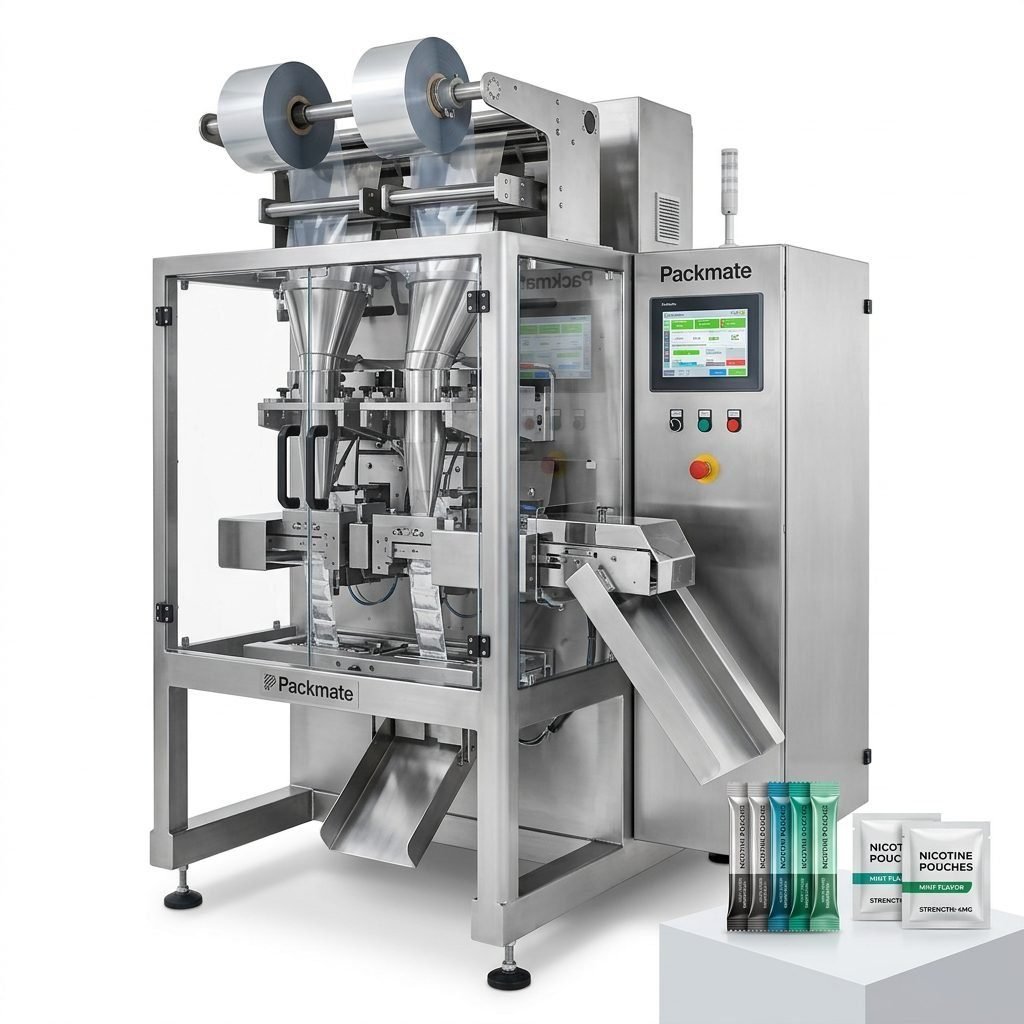
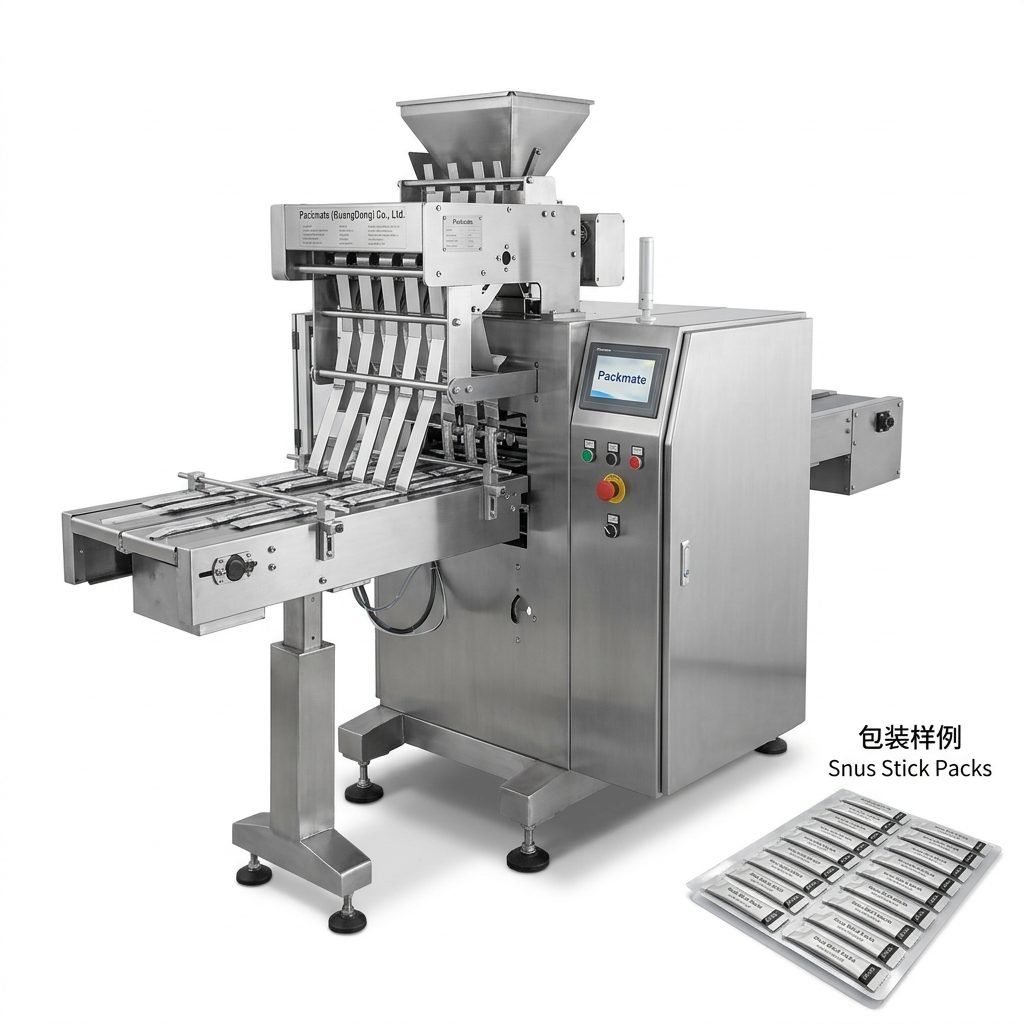
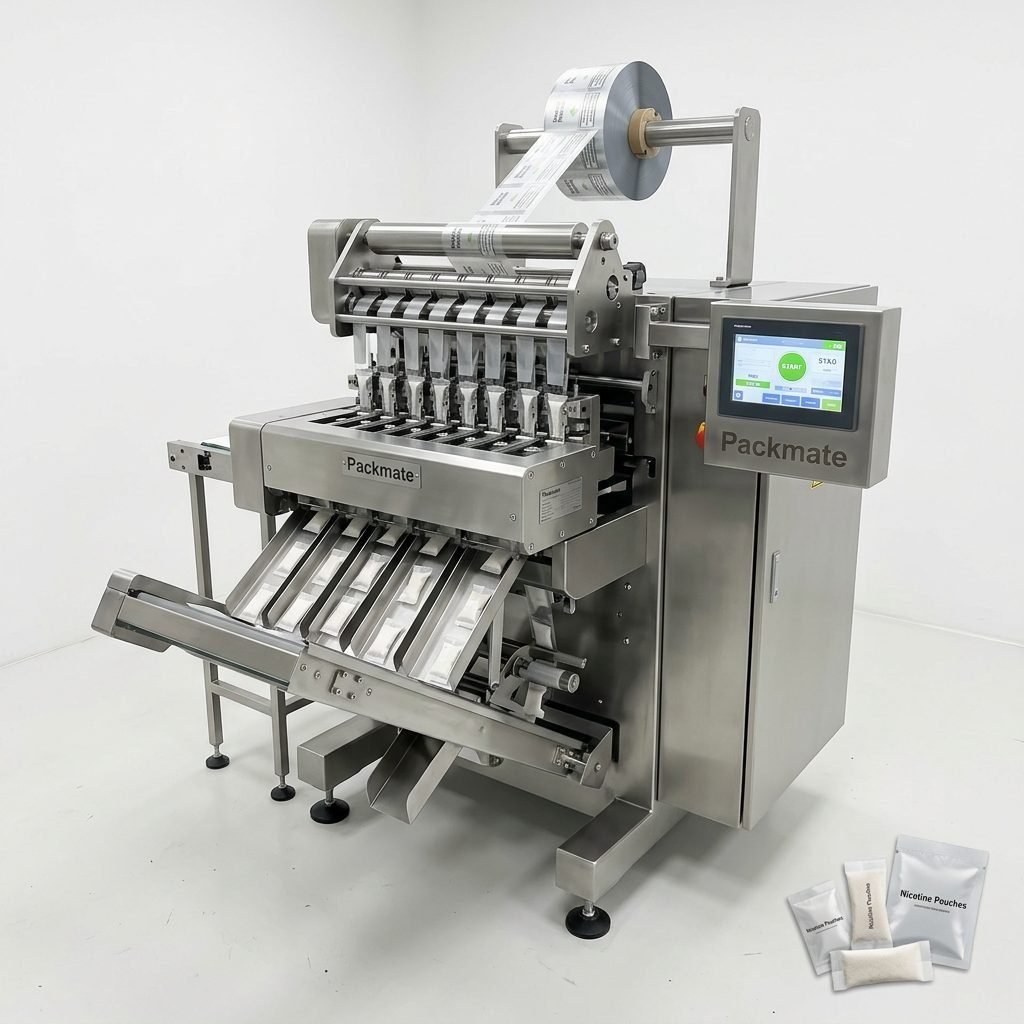
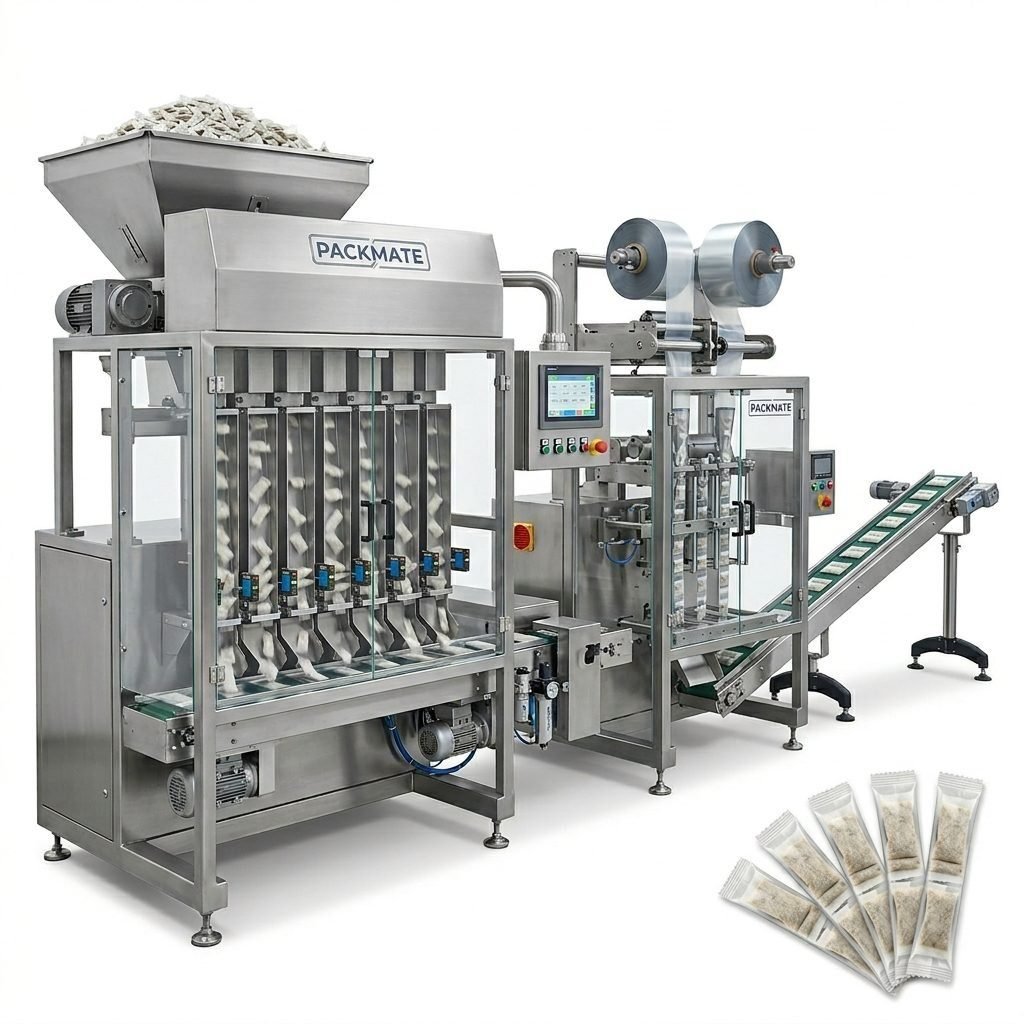
• Multi-lane snus/nicotine pouch systems — best for commercial production with high output and limited factory space impact.
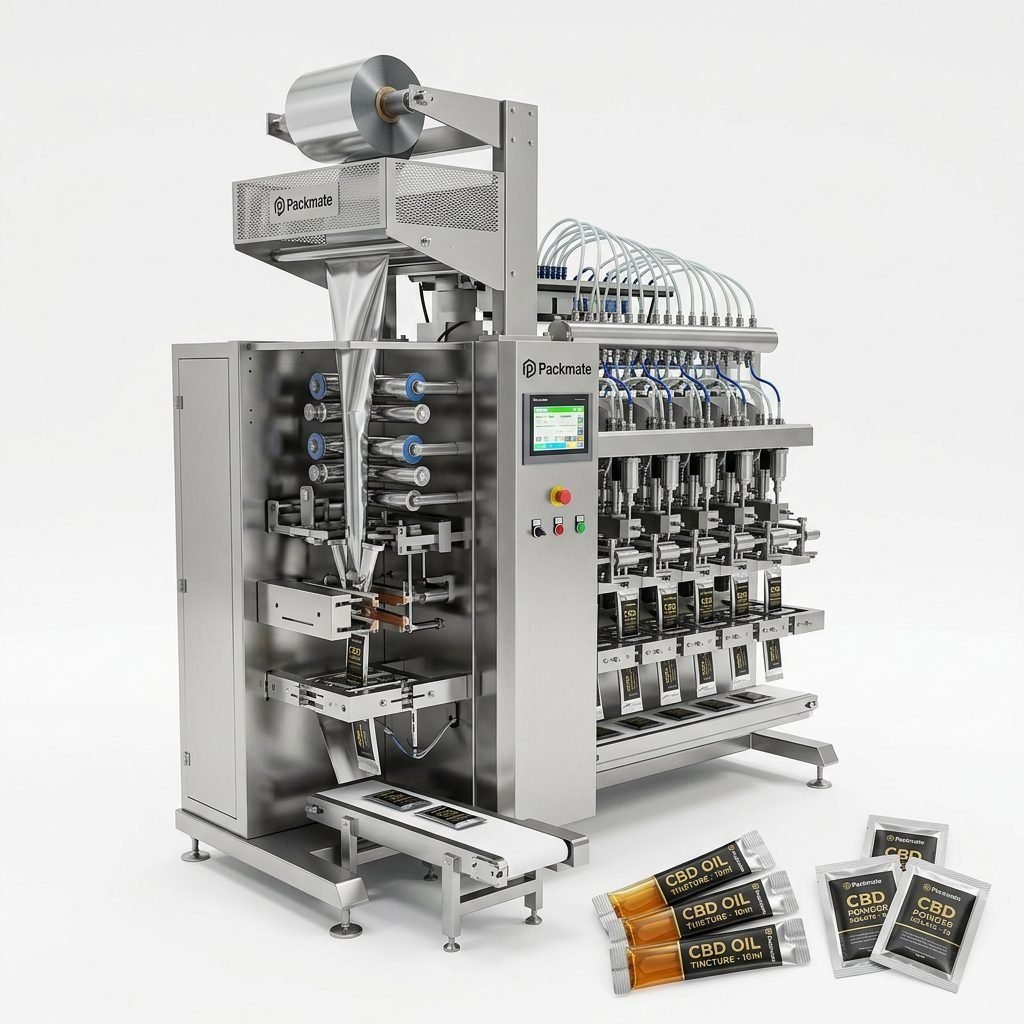
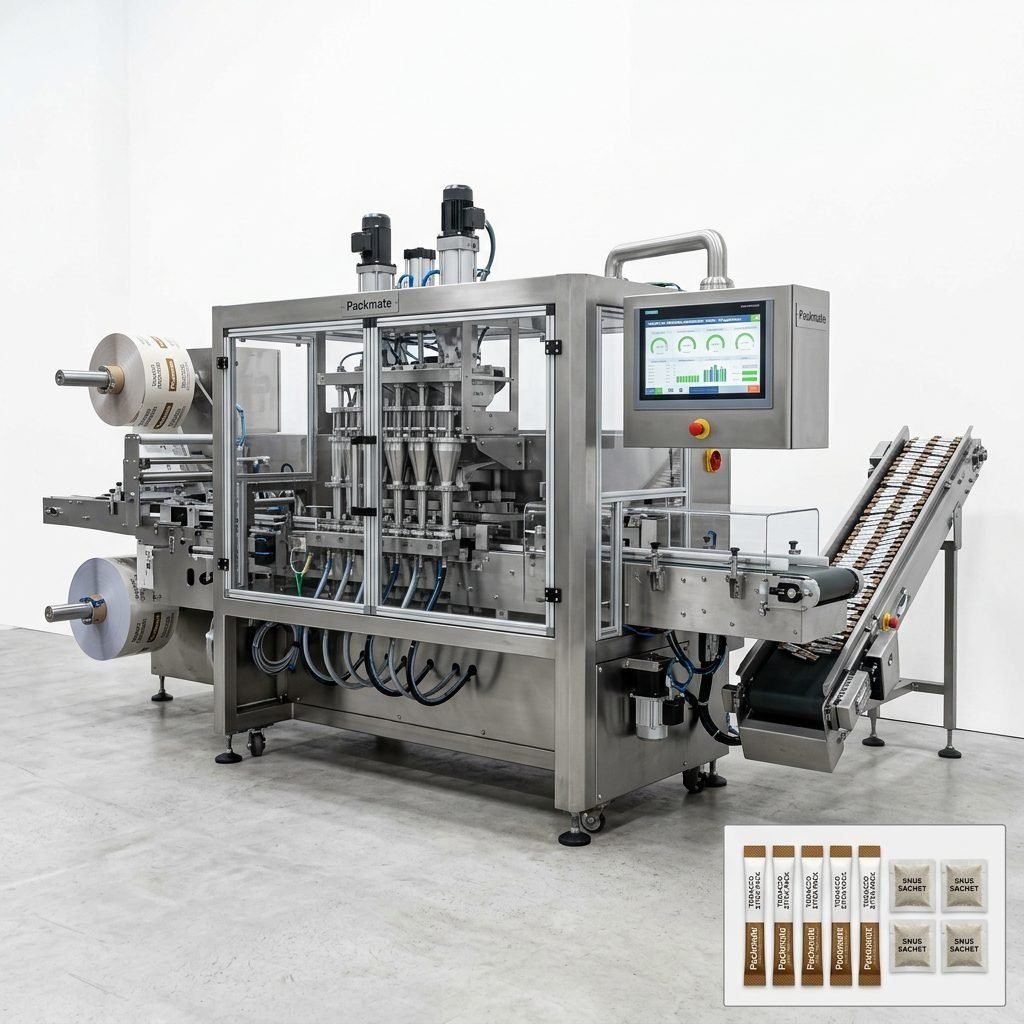
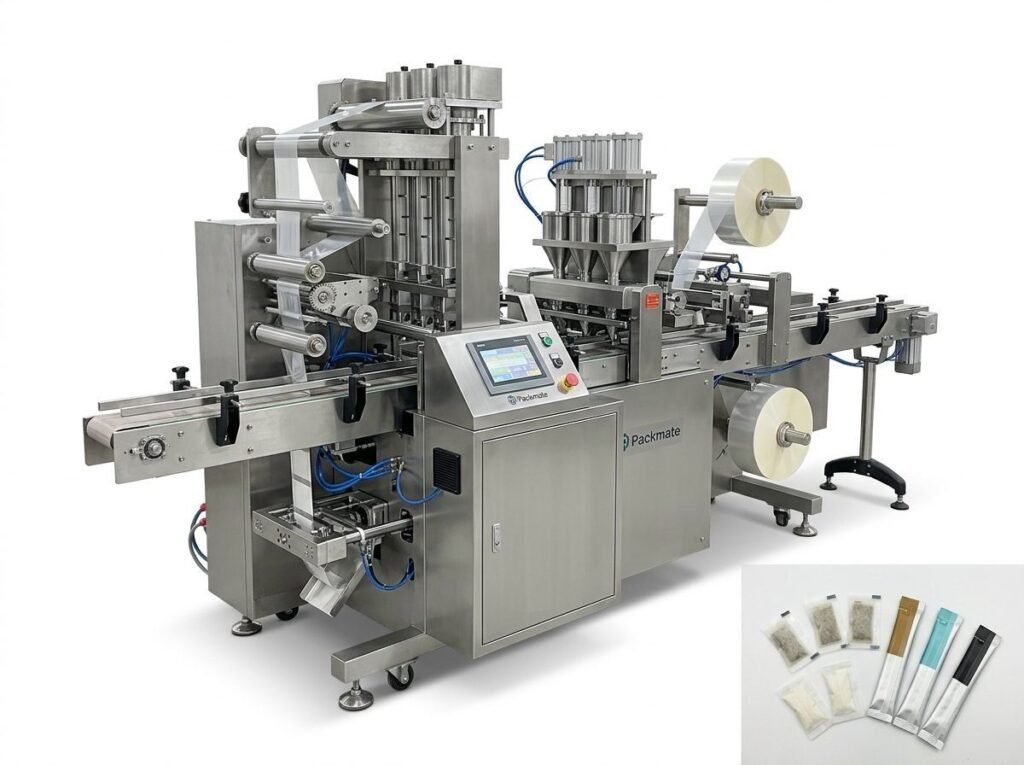
• Sachet and stick-pack equipment — used when the brand requires single-dose stick formats or small sachets for sample packs.
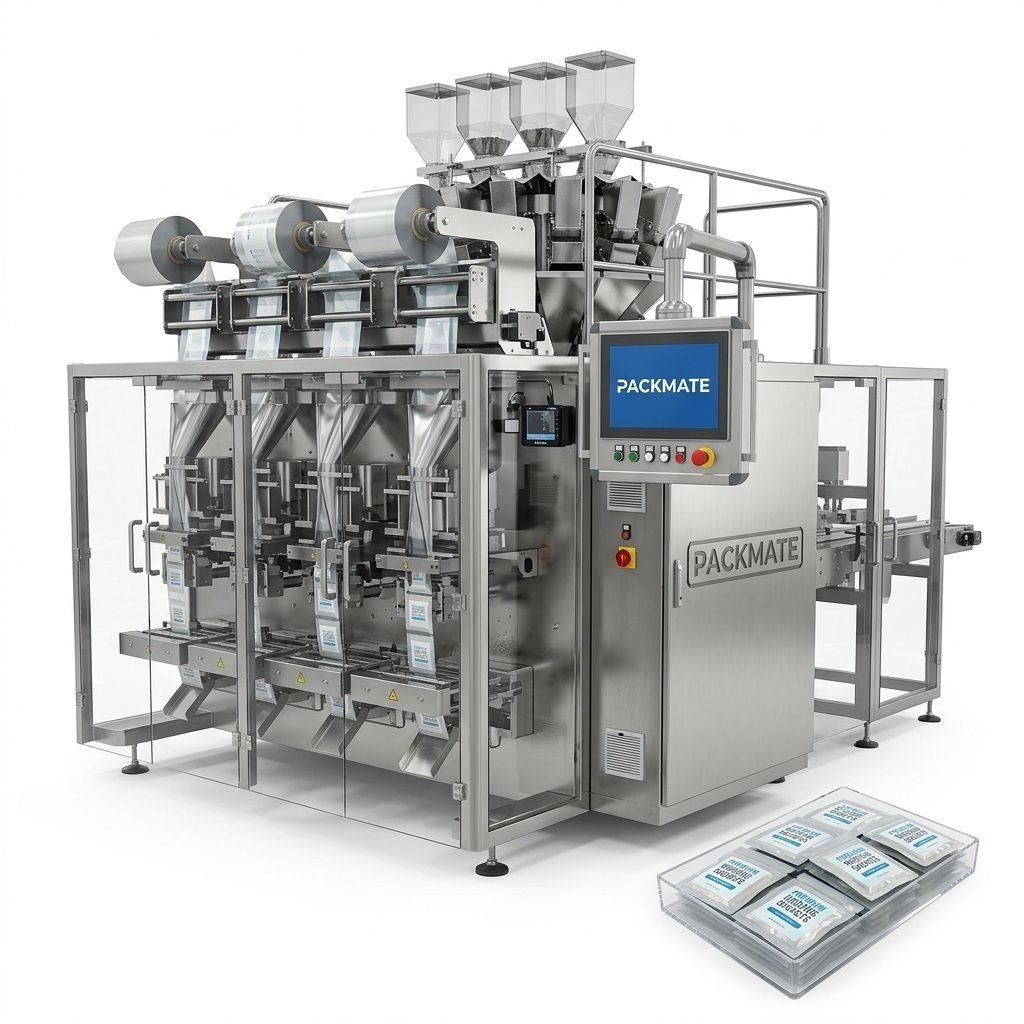
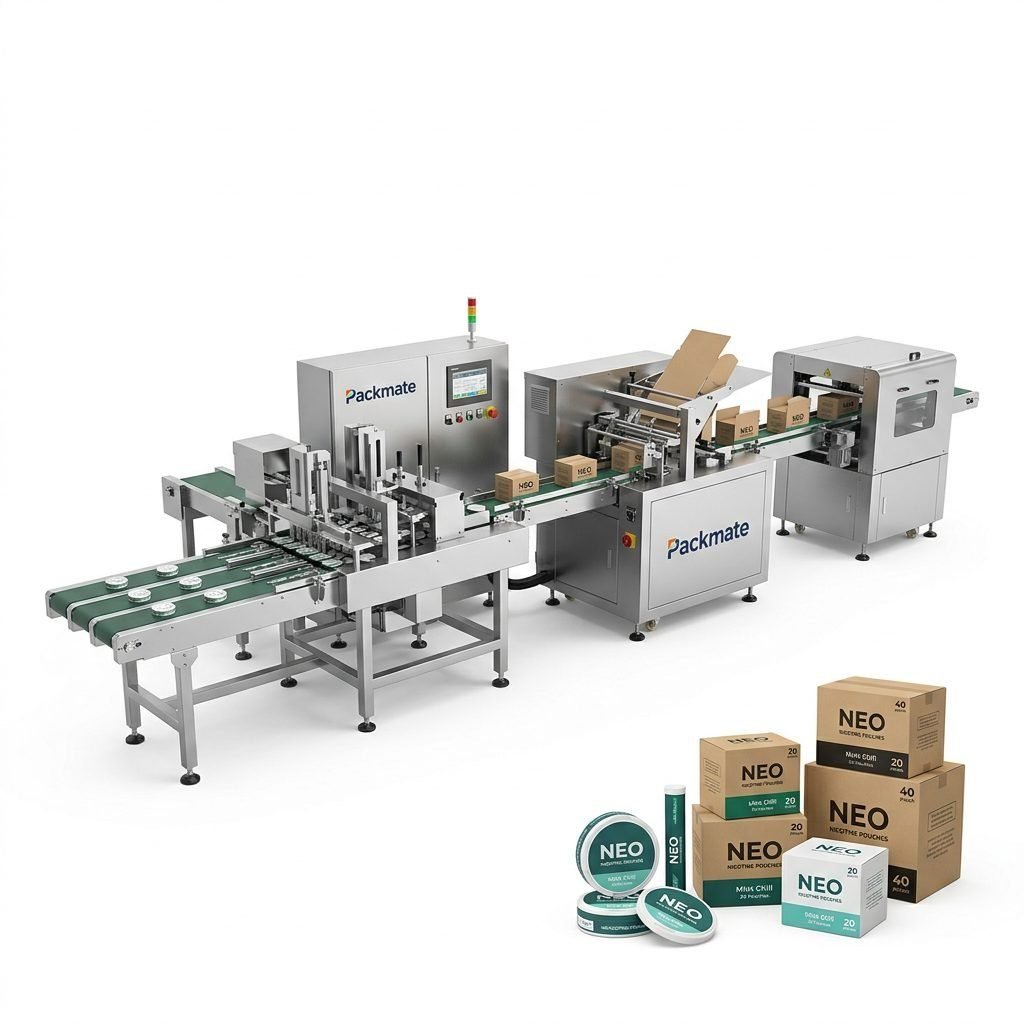
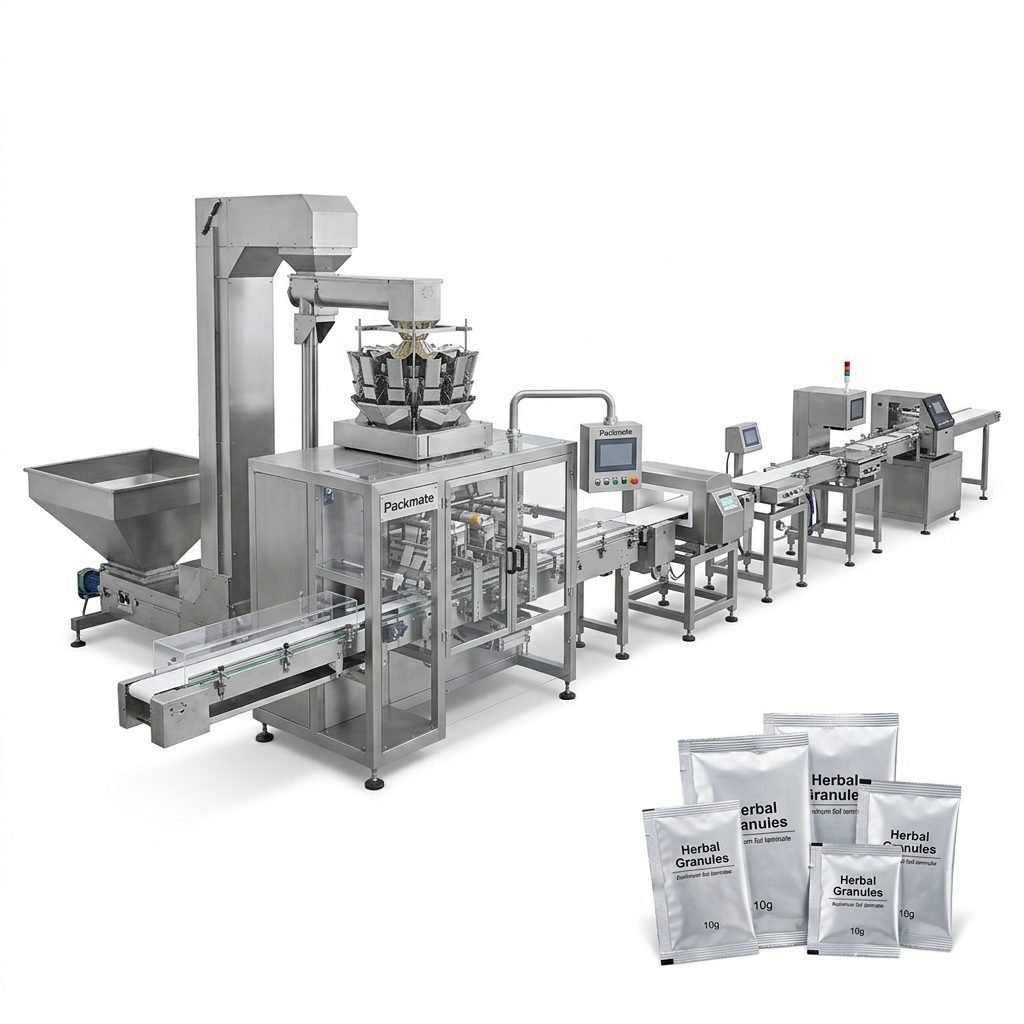
• Integrated filling and weighing lines — combine precision dosing, vibration-assisted feeding, and automated pouch forming into a turnkey solution for fully automated production.
Packmate Snus Machine Solutions
Packmate Snus Machine provides an extensive range of equipment tailored to nicotine pouch production. With over 30 years of engineering experience and a 20,000㎡ facility, Packmate offers robust multi-lane systems, modular filling platforms, and end-of-line automation that reduce footprint while maximizing throughput.
Explore their dedicated product pages for detailed specs: Snus & Nicotine Packaging Machines, Sachet & Stick Pack Machines, and comprehensive company information at About Packmate.
Selecting the Right Machine Capacity
Evaluating capacity needs is crucial. Start by forecasting production volume and SKU diversity over 12–36 months. Machines are available in configurations ranging from a few hundred to tens of thousands of pouches per hour. Prioritize scalable solutions so you can increase lanes or add modules rather than replacing the entire line.
Practical capacity guidance
📈 Small Batch Producers: Single-lane or twin-lane forming and filling machines with flexible dosing.
🏭 Mid-Scale Brands: 4–8 lane systems balance speed and modularity for growing SKU lines.
🏢 Large Manufacturers: High-speed multi-lane lines (12 lanes and above) with automated feeding, integrated weighing, and secondary packaging.
Integration with Upstream & Downstream Equipment
A high-efficiency production line requires smooth integration. Consider adding:
-
Automated weighing and dosing systems for micro-gram accuracy.
-
Vibration feed hoppers and metering belts for uniform pouch filling.
-
End-of-line cartoning and case packing for finished goods logistics.
Packmate’s product suite includes Weighing & Packaging Systems and Filling & Packaging Lines that are designed to work together as turnkey solutions.
Quality, Safety & Compliance
Regulations for nicotine products differ by market. Choose machines with compliance features such as dust containment, sealed dosing zones, and traceability modules. Equipment certified to CE and ISO standards helps ease entry into regulated territories.
Packmate’s machines carry international certifications — view their latest certifications and exhibition presence for assurance: Certificate and Our Exhibition.
Hygiene & Material Contact Considerations
Opt for SUS304 or SUS316 stainless steel contact surfaces, easy-disassemble components, and CIP-ready modules if you work with flavors or oils that require thorough cleaning between runs. These choices reduce contamination risk and shorten cleaning cycles.
Installation, Commissioning & Training
⚙️ Professional installation and on-site commissioning speed up production ramp-up. Confirm the supplier provides:
• On-site technicians or certified partners for mechanical and electrical set-up.
• Operator and maintenance training tailored to your production team.
• Spare parts packages and service agreements that align with expected wear parts and usage patterns.
Maintenance Best Practices
Planned maintenance reduces unexpected downtime. Key practices include scheduled lubrication, replacement of wear components (seals, belts, knives), and periodic calibration of dosing systems. Keep an inventory of critical spares and maintain a log for trend analysis.
Remote Support & Spare Parts
Remote diagnostics, PLC backup configurations, and fast supply of spare parts shorten mean-time-to-repair (MTTR). Ask suppliers about guaranteed parts availability and global service networks. Packmate’s global cooperation cases highlight their international support capabilities — see their Case section for examples.
Calculating ROI
Return on investment depends on throughput gains, labor reduction, material savings from accurate dosing, and decreased scrap rates. Model scenarios with conservative and aggressive production ramps to assess payback time. Consider lifecycle costs including energy, maintenance, and spare parts when comparing offers.
Cost Drivers to Evaluate
• Initial machine price vs. modular upgrades
• Utility consumption and compressed air needs
• Frequency and cost of consumables and wear parts
Real-World Examples & Exhibitions
Visiting live demonstrations at trade shows or factory acceptance tests (FAT) helps validate performance claims. Packmate regularly exhibits their equipment internationally — it’s an opportunity to see machines in operation and speak with engineers about customization options.
Next Steps: How to Proceed
Begin with a clear specification sheet: target hourly output, pouch formats, required materials, regulatory constraints, and available footprint. Request machine datasheets, video demonstrations, and references from the supplier. For a direct consultation, contact Packmate through their official channels: Contact Us.
Final reminder: prioritize hygienic design, accurate dosing, and modular scalability when selecting your nicotine pouch machine. These factors determine long-term production efficiency and product quality.
Frequently Asked Questions
Q1: What production speeds can nicotine pouch machines achieve?
A1: Speeds vary by format and lane configuration — single-lane machines may produce hundreds to a few thousand pouches per hour, while multi-lane systems can reach tens of thousands per hour depending on lane count and pouch size.
Q2: How easy is it to switch between different pouch sizes or flavors?
A2: Modern machines offer quick changeover systems and modular tooling. Expect changeover times to range from minutes for well-designed systems to hours for older models. Proper operator training reduces changeover time significantly.
Q3: What support should I expect after purchase?
A3: Reliable suppliers provide installation, commissioning, operator training, spare parts kits, and remote diagnostics. Confirm warranty terms and service level agreements before purchase.
Q4: Are there turnkey options available?
A4: Yes — suppliers like Packmate offer integrated lines combining dosing, filling, pouch forming, and secondary packaging into turnkey solutions that minimize integration work for the buyer.
Q5: How do I evaluate supplier reliability?
A5: Check factory size, engineering experience, certifications (CE/ISO), global references, exhibition presence, and after-sales support capabilities. Packmate’s 30+ years of experience and 20,000㎡ facility are strong indicators of scale and capability.