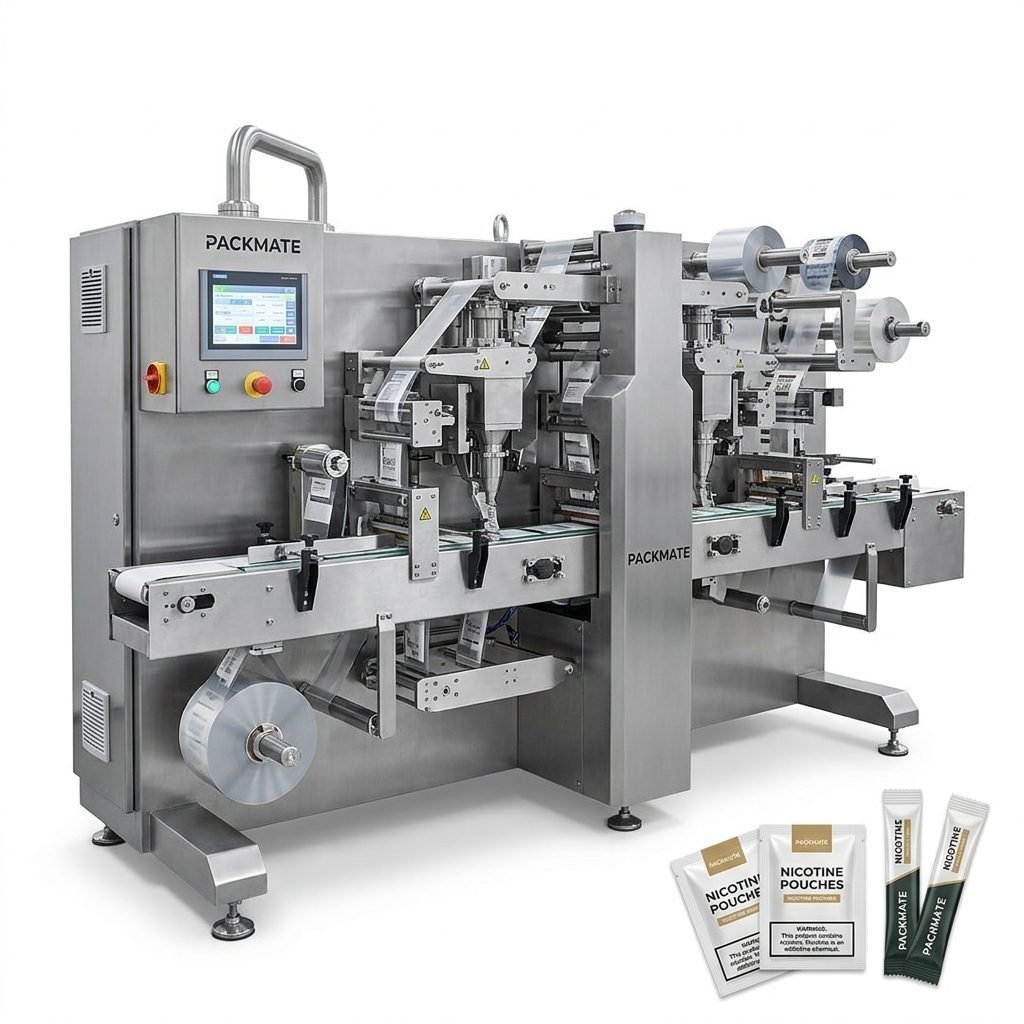
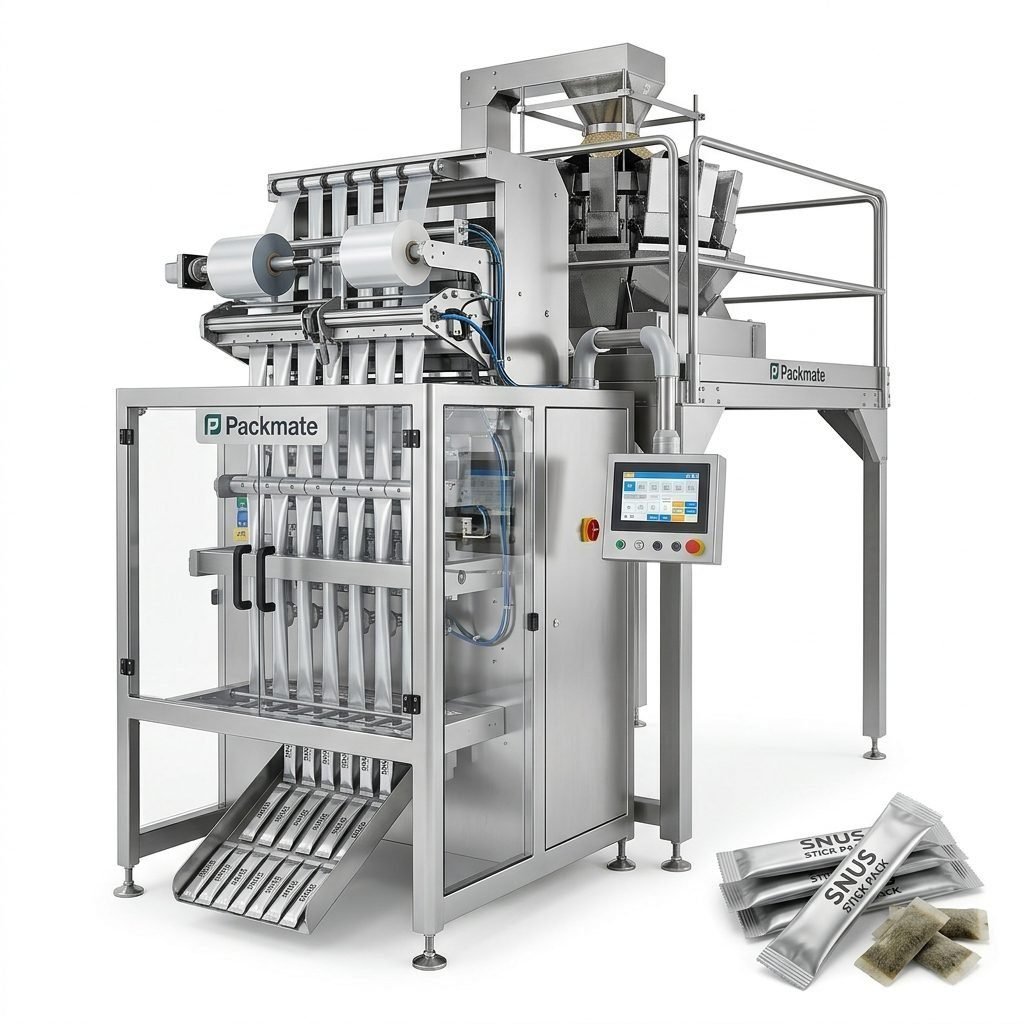
Choosing the right snus packaging machinery in Slovakia is a strategic decision that affects production efficiency, product quality, regulatory compliance, and long-term cost of ownership. Whether you manufacture nicotine pouches, snus, sachets, or other small-dose consumer products, the machine you select must match your production goals, tolerate regulatory changes, and provide reliable service with minimal downtime. This guide walks you through the practical considerations, machine types, supplier qualifications, and implementation tips to help you make an informed purchase.
Market context and why the right machine matters
Slovakia’s manufacturing environment offers access to experienced technical staff, central European logistics, and a growing demand for nicotine pouch products across EU markets. However, increased regulatory scrutiny and diverse market preferences mean manufacturers must pair product innovation with precise, repeatable packaging processes. A sound investment in high-performance packaging equipment delivers consistency, reduces waste, and protects brand reputation.
Primary machine types to consider
Understanding machine categories will help narrow options quickly. The main types used in snus and nicotine pouch production include:
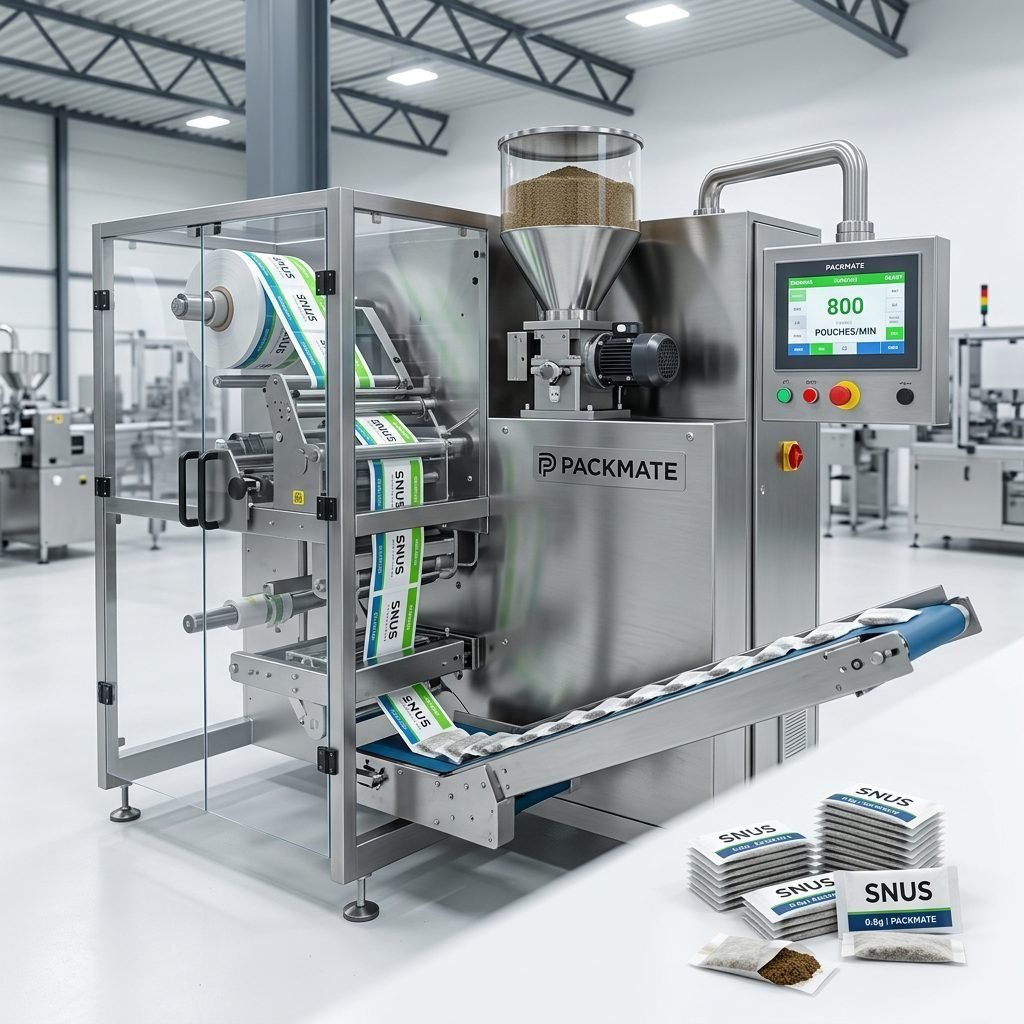
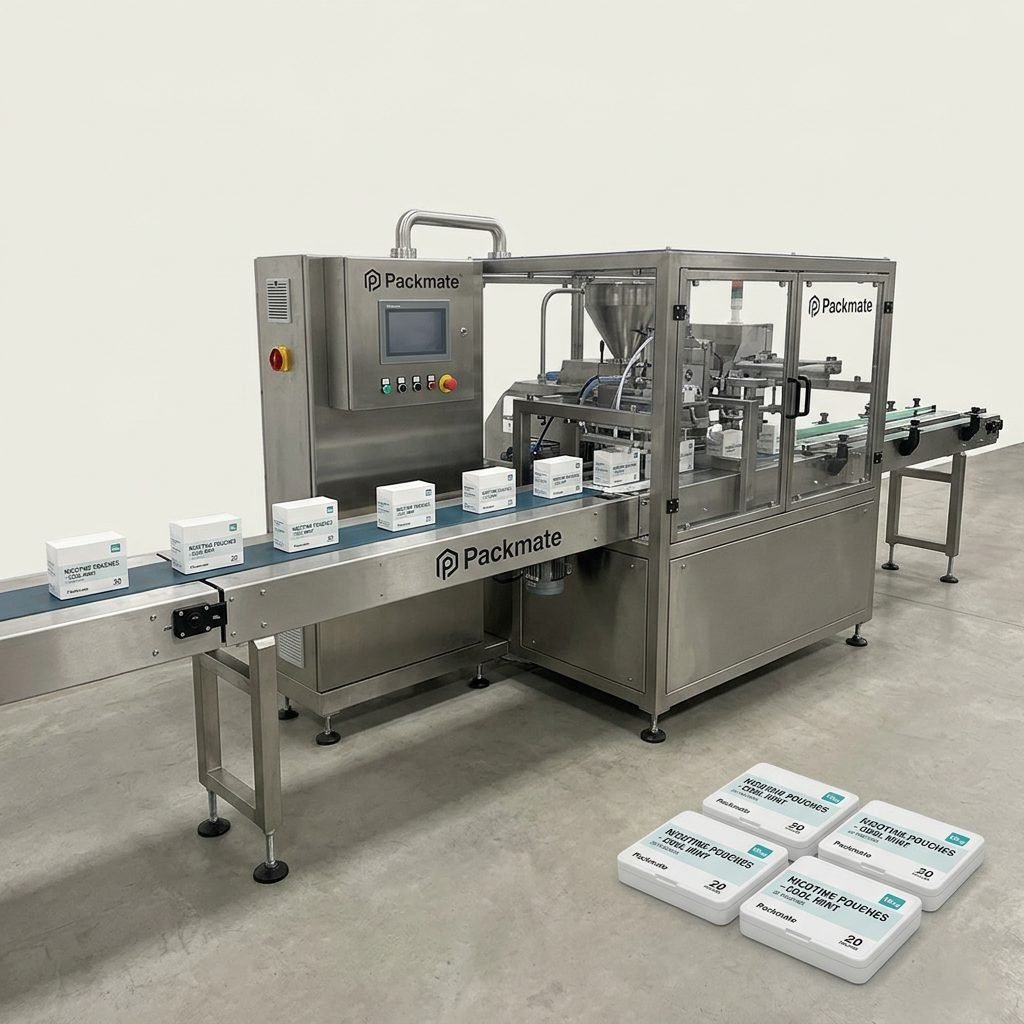
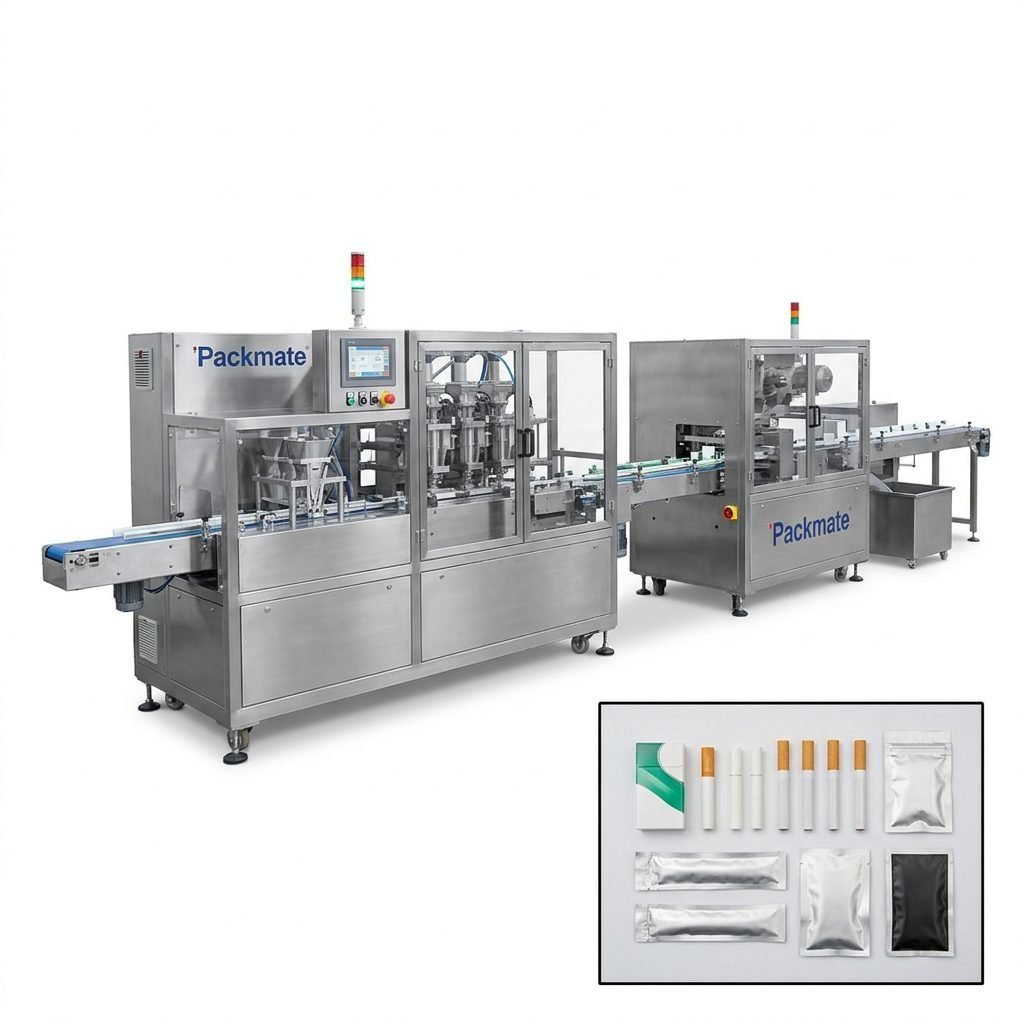
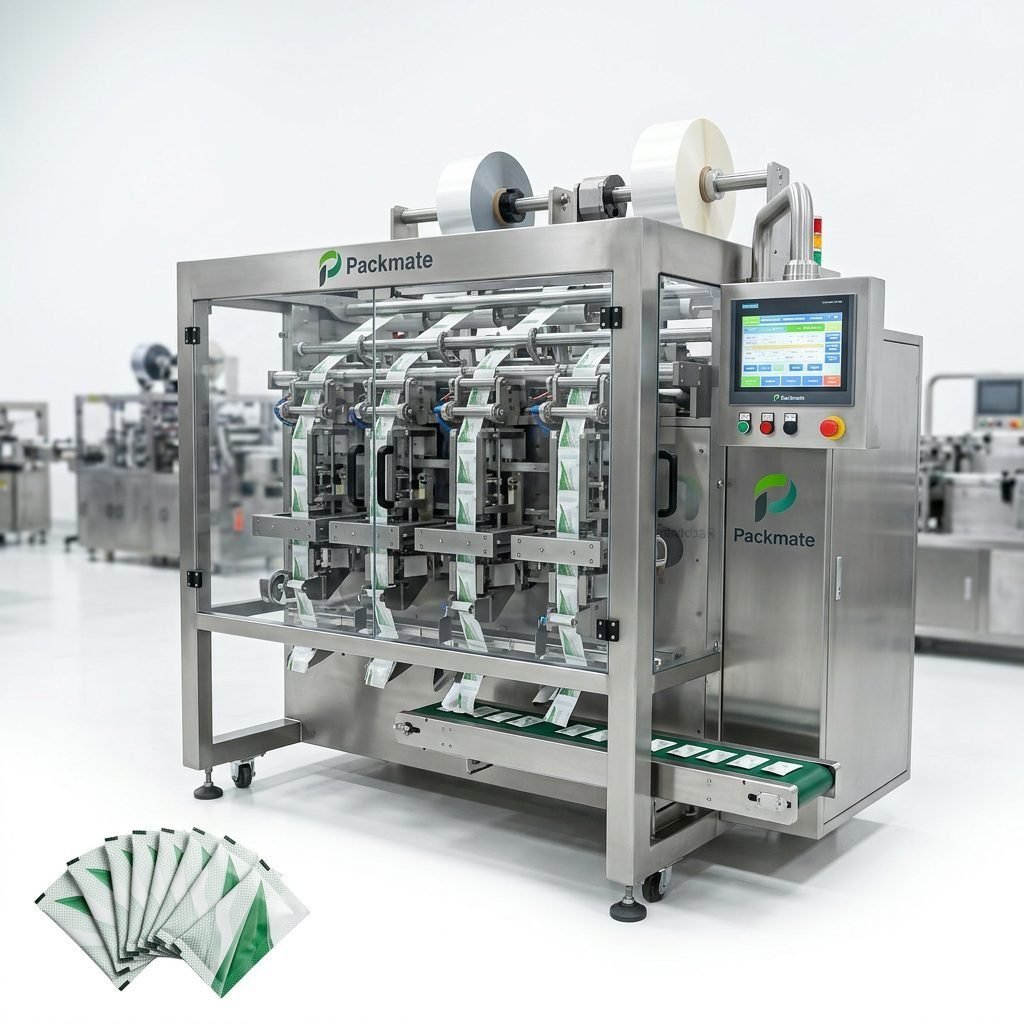
📦 Snus / Nicotine Pouch Packaging Machines — specialized for small-dose pouches with high-speed multi-lane capability, ideal for large-scale producers.
Other important categories:
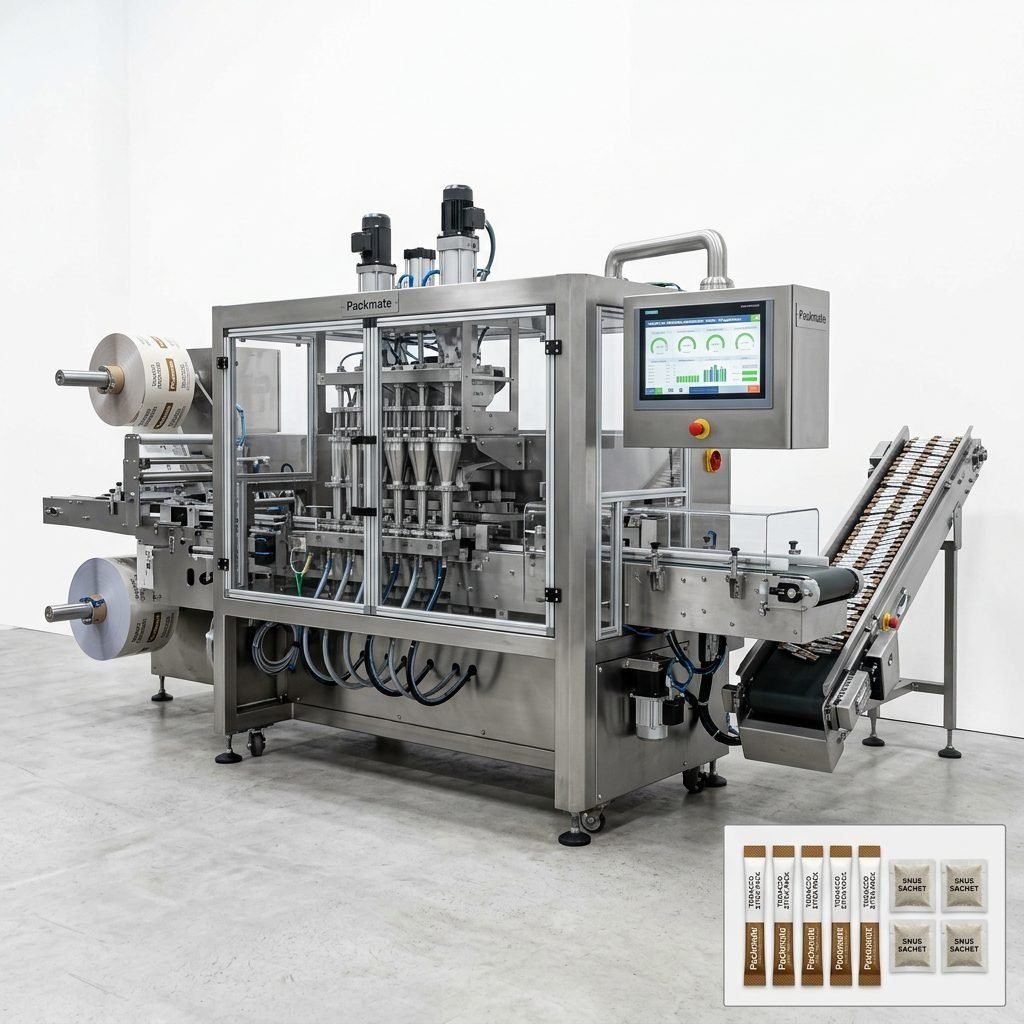
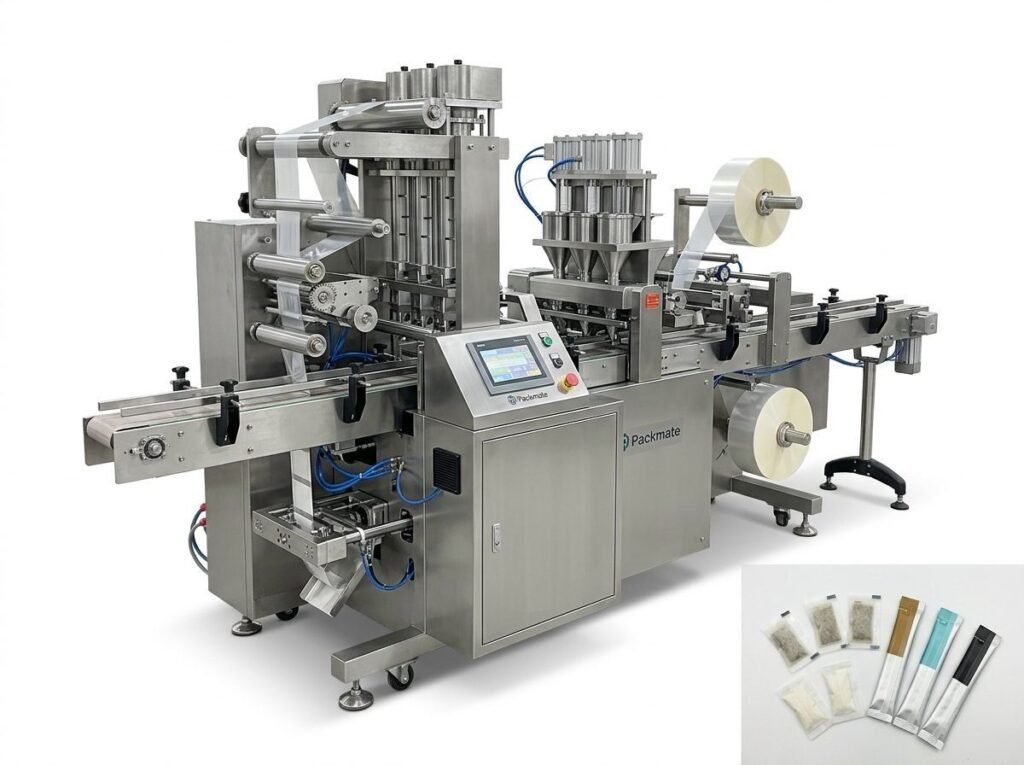
– Sachet & Stick Pack Machines: Flexible for single-serve stick or sachet formats. Explore models.
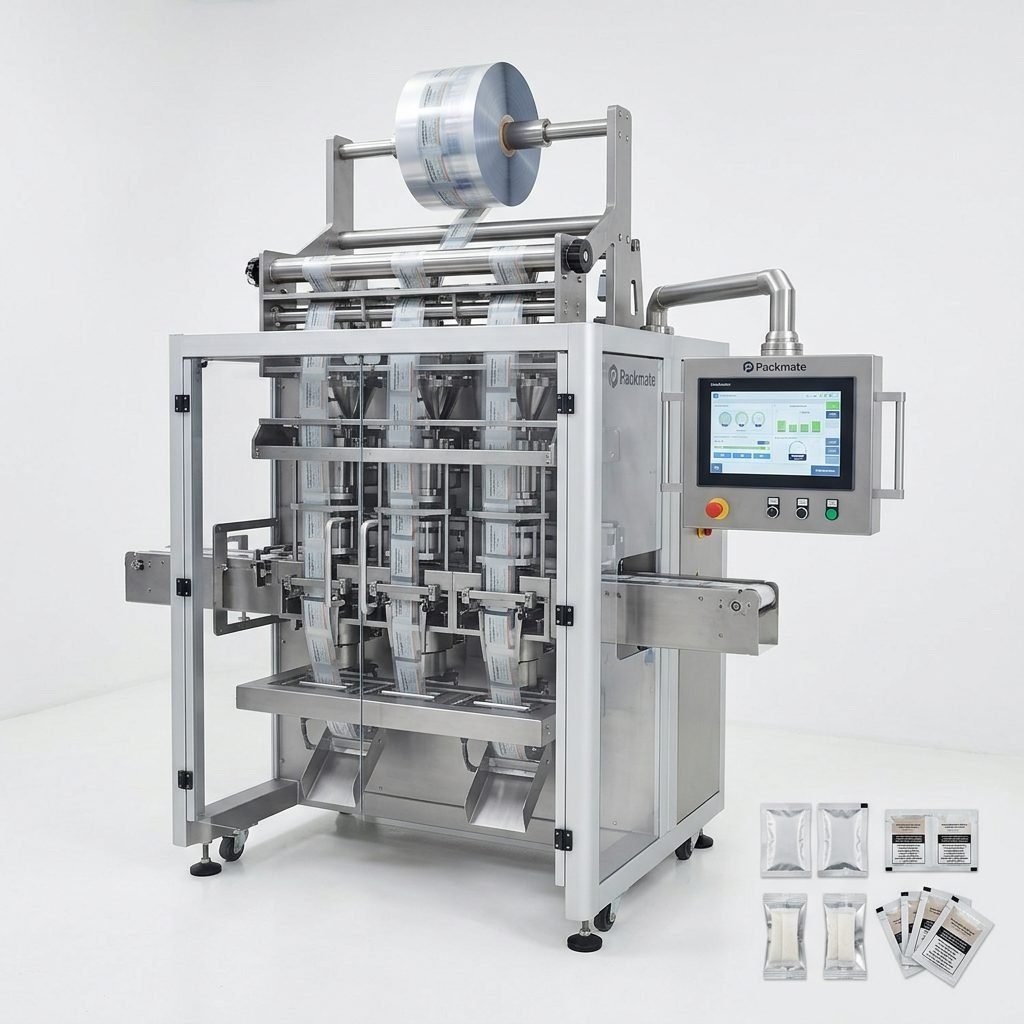
– Bag & Pouch Packaging Machines: For secondary packaging or different pouch types. See options.
– Filling & Weighing Lines: Precise dosing systems for powders & granules that integrate with pouch machines. Learn more.
Key selection criteria: performance, reliability and flexibility
When evaluating suppliers and models, prioritize these objective metrics:
⚙️ Throughput and lane configuration — machines that offer multi-lane configurations (2, 4, 6 lanes or more) maximize output per footprint and are preferable for scaling production quickly.
🛠️ Changeover time and flexibility — look for fast tool-less changeovers, recipe-based HMI controls, and modular components that support different pouch sizes and formats.
🔒 Build quality and uptime — stainless-steel contact parts, precision CNC machining, and robust gearboxes reduce maintenance frequency and extend service life.
Compliance, traceability and food-safety standards
Compliance with EU directives and global standards is non-negotiable. Ensure machines support:
– CE marking and machine safety guards
– Hygienic design for easy cleaning and CIP where applicable
– Traceability features like batch code printers and integration with MES/ERP systems
Automation level and Industry 4.0 readiness
Automation impacts labor cost, consistency, and capacity scaling. Evaluate:
📈 Control systems — PLC with intuitive touchscreen HMI, recipe management, and remote diagnostics.
🔍 Data capture — ability to export production logs, reject rates, and downtime events is essential for continuous improvement.
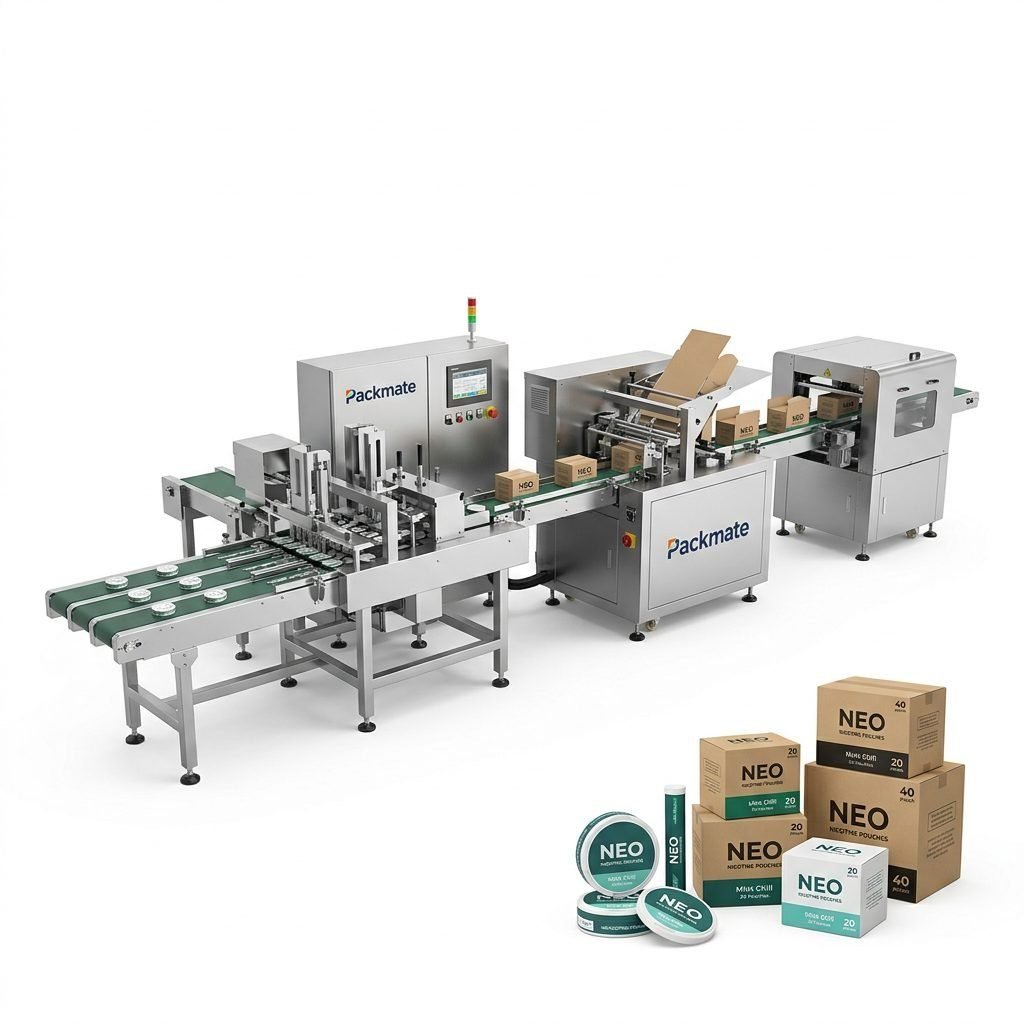
🤖 Robotics & integration — consider automated feeding, case packing, and palletizing to reduce manual handling and contamination risks.
Customization, spare parts and long-term support
Even with standardized machines, product diversity often requires customization. Ask suppliers about:
– Custom tooling for unique pouch shapes or materials
– Availability of spare parts and local stocking options
– Training packages for operators and maintenance teams
📞 Remote support & field service — ensure the supplier offers remote troubleshooting and timely on-site support in Slovakia or nearby EU locations.
Why supplier reputation and factory capability matter
Choosing a manufacturer with a proven track record reduces risk. Look for:
– Documented case studies and reference installations in similar product categories
– Factory capacity and machining capabilities (CNC, assembly, QA)
– Certifications like CE and ISO that demonstrate quality systems
For example, Packmate Snus Machine provides a comprehensive portfolio backed by decades of engineering. Discover more about the company and its global projects on the About Packmate page and explore real-world case studies to verify performance in similar applications.
Assessing total cost of ownership (TCO)
Purchase price is only one component. TCO includes:
– Energy consumption and efficiency
– Maintenance intervals and spare parts pricing
– Downtime costs and vendor support response times
– Flexibility to handle new SKUs without major investment
💡 Tip: Request sample TCO calculations from suppliers that include spare-part consumption models and realistic uptime assumptions for your environment.
Layout, utilities and factory readiness
Before machine arrival, confirm the production area meets machine requirements:
– Electrical supply, grounding and UPS options
– Compressed air quality and capacity
– Floor loading, access doors, and crane/hoist needs for installation
– Material flow and ergonomics for operators and quality inspection
Installation, commissioning and operator training
A structured commissioning plan reduces startup risks:
– Factory acceptance test (FAT) to validate mechanical and electrical performance before shipment
– Site acceptance test (SAT) after installation to run your actual products
– Comprehensive training for operators, supervisors and maintenance staff
🎯 FAT/SAT checklist — ensure speed, sealing integrity, fill accuracy, reject mechanisms, and safety interlocks are fully tested with your materials.
Case for Packmate and where to find more resources
Packmate Snus Machine manufactures snus and nicotine pouch lines with strong engineering heritage and a broad model range. Key strengths to verify in a supplier visit include advanced CNC capacity, assembly quality, and quality control systems across a 20,000㎡ facility. If you want detailed catalogs, spare-parts support, or to book a demonstration, check these pages:
– Catalog • Service • Contact Us
Negotiating contracts and warranty
Contracts should clearly define warranty duration, performance guarantees, spare parts lead times, and responsibilities for FAT/SAT. Seek clarity on:
– Warranty coverage for mechanical, electrical, and control components
– SLA for remote support and on-site response
– Terms for retrofits and future upgrades
Checklist for final decision
✅ Production capacity meets your 6–18 month growth plan
✅ Multi-lane capability or modular expansion path
✅ Clear spare parts strategy and local support options
✅ FAT/SAT and acceptance criteria agreed in contract
✅ Supplier has verifiable references and factory capability
Practical implementation tips for Slovakia-based manufacturers
– Collaborate early with suppliers to validate packaging materials with your selected machine. Material compatibility influences sealing, print quality, and pouch shape stability.
– Consider build vs. buy timelines: local assembly and pre-commissioning can shorten lead times and simplify customs clearance.
– Prioritize machines with modular upgrades so you can add lanes or automation later without full replacement.
– Validate local service coverage and spare-part logistics; quicker parts delivery reduces risk of prolonged downtime.
Conclusion
Selecting the best snus packaging machinery for a Slovakia operation requires evaluating throughput needs, machine flexibility, compliance, supplier capabilities, and TCO. By prioritizing proven engineering, clear support agreements, and Industry 4.0 features, you position your production for consistent quality, scalable growth, and efficient operation. Use supplier resources, factory audits, and FAT/SAT procedures to validate that the chosen system delivers on performance promises.
Frequently asked questions
Q1: How long does lead time typically take for a multi-lane snus packaging line?
A1: Lead times vary with customization but typically range from 12–24 weeks including FAT; expedited options may be available for standard configurations.
Q2: What ongoing maintenance should we budget for?
A2: Plan for regular preventive maintenance (monthly/quarterly), spare parts for wear items (belts, seals, sensors), and annual calibration—budget 3–8% of machine value annually depending on usage.
Q3: Can a supplier help with regulatory compliance and documentation?
A3: Reputable manufacturers provide CE documentation, machine risk assessments, and can support traceability and validation documentation required by regulators.
Q4: How can we evaluate a supplier before purchase?
A4: Request FAT videos or on-site demonstrations, contact references, review factory capabilities, inspect spare-part policies, and evaluate warranty and SLA terms.