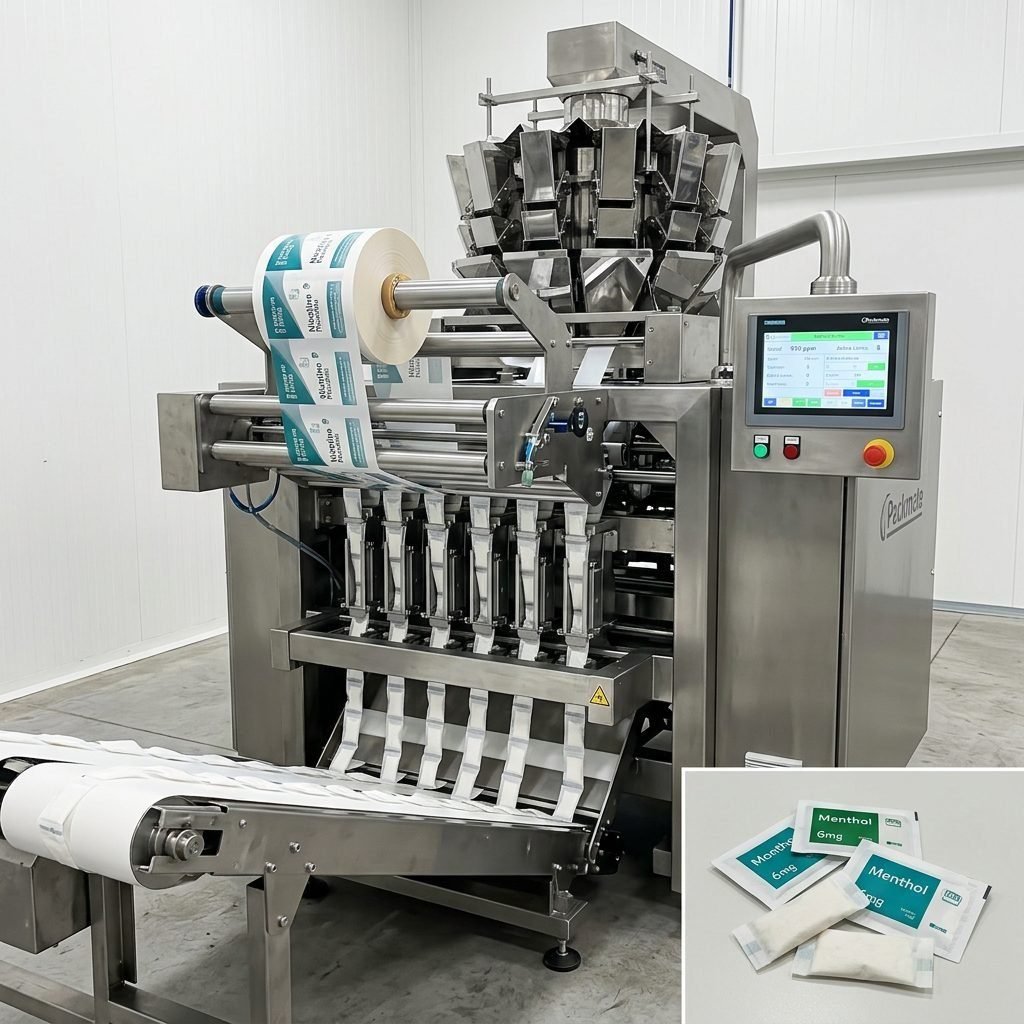
Buying a snus packaging machine for the Haitian market requires more than price comparisons — it needs focused research on supplier reliability, machine performance, regulatory compliance, shipping logistics and after-sales support. This practical buyer’s guide walks you through every step to find a trusted snus packing machine supplier, with Haiti-specific tips on customs, language, and business culture to help you avoid costly mistakes.
Step 1 — Define Your Production Needs Clearly
Before contacting suppliers, write down your production targets: daily output, pouch formats (stick pack, sachet, multi-lane), product types (nicotine pouch, powder, tea), and any secondary operations (cartoning, date coding, boxing). Be explicit about product weight ranges, acceptable tolerances, and packaging materials (foil, laminate, paper).
If you plan to produce in hot and humid Haitian climates, request machines with humidity-resistant sealing systems and corrosion-resistant components to maintain seal integrity.
Step 2 — Search and Shortlist Potential Suppliers
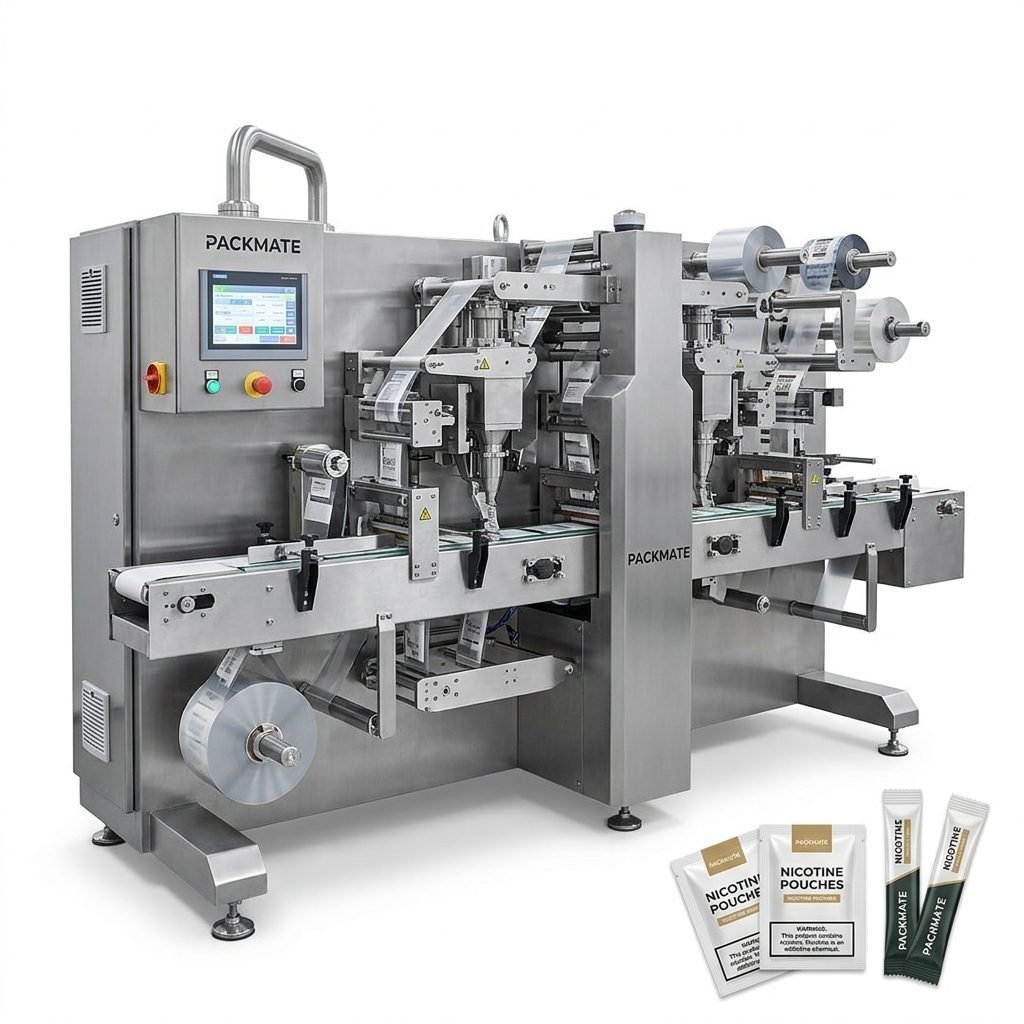
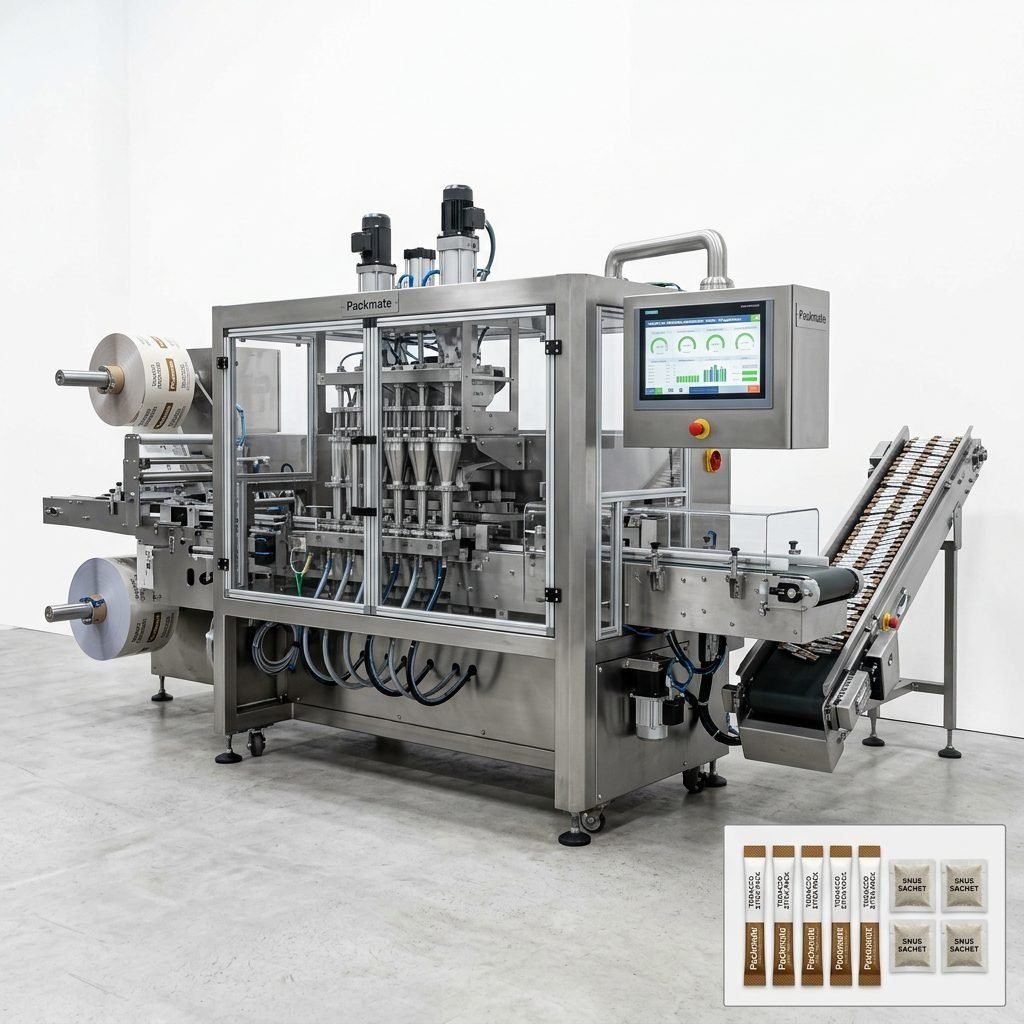
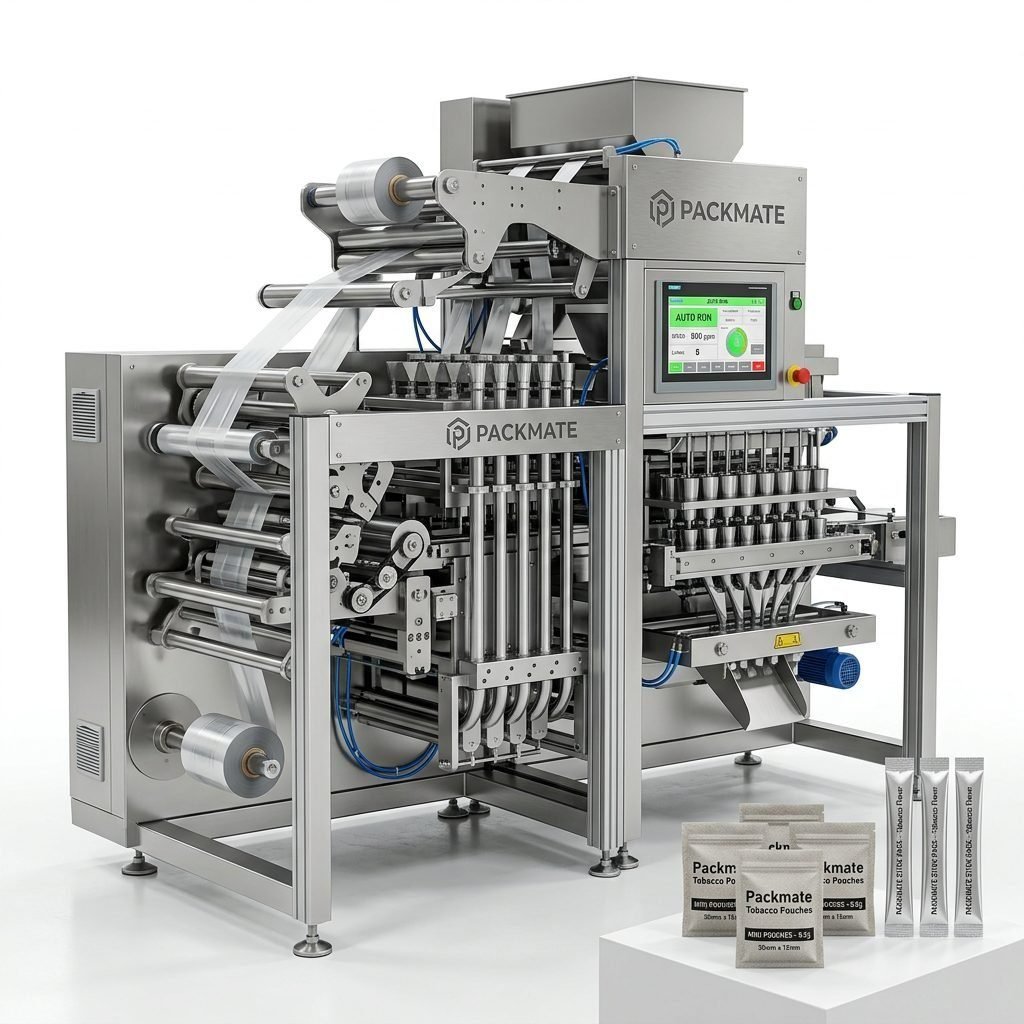
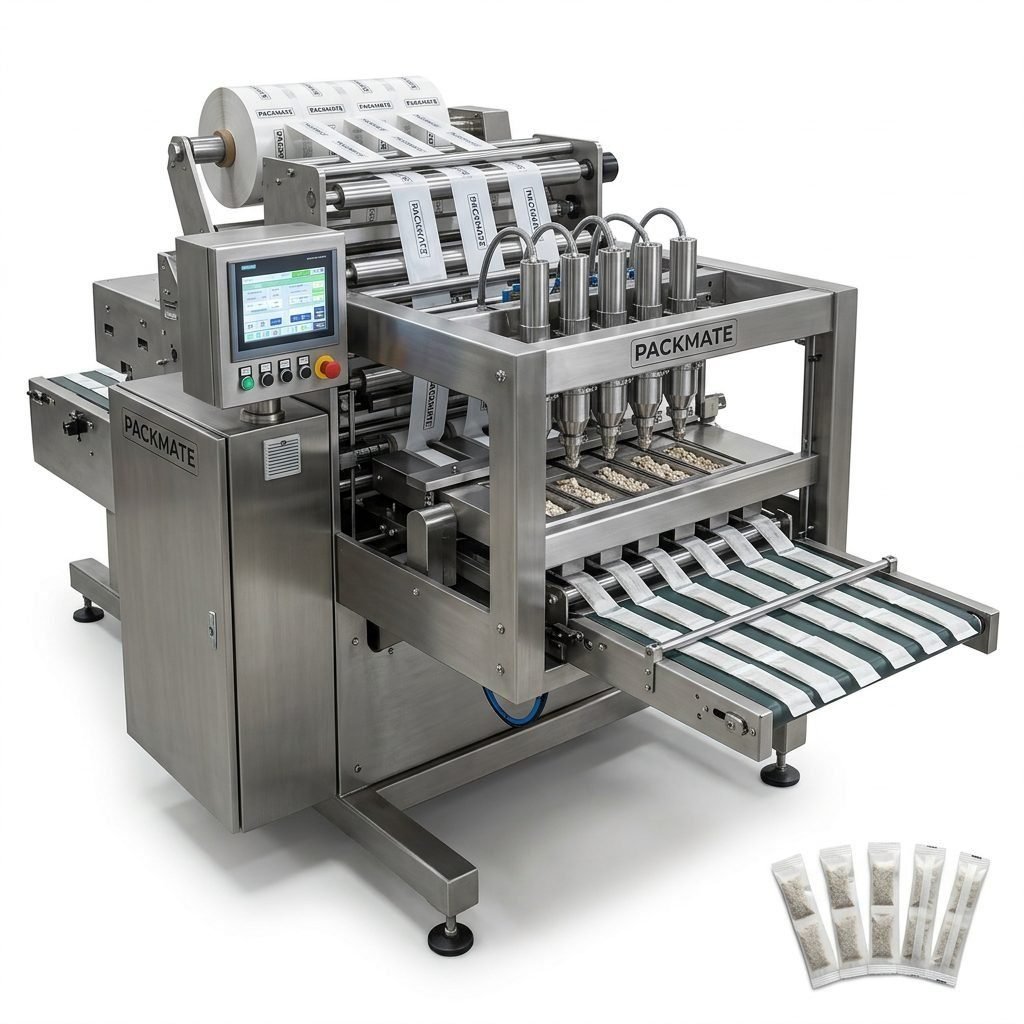
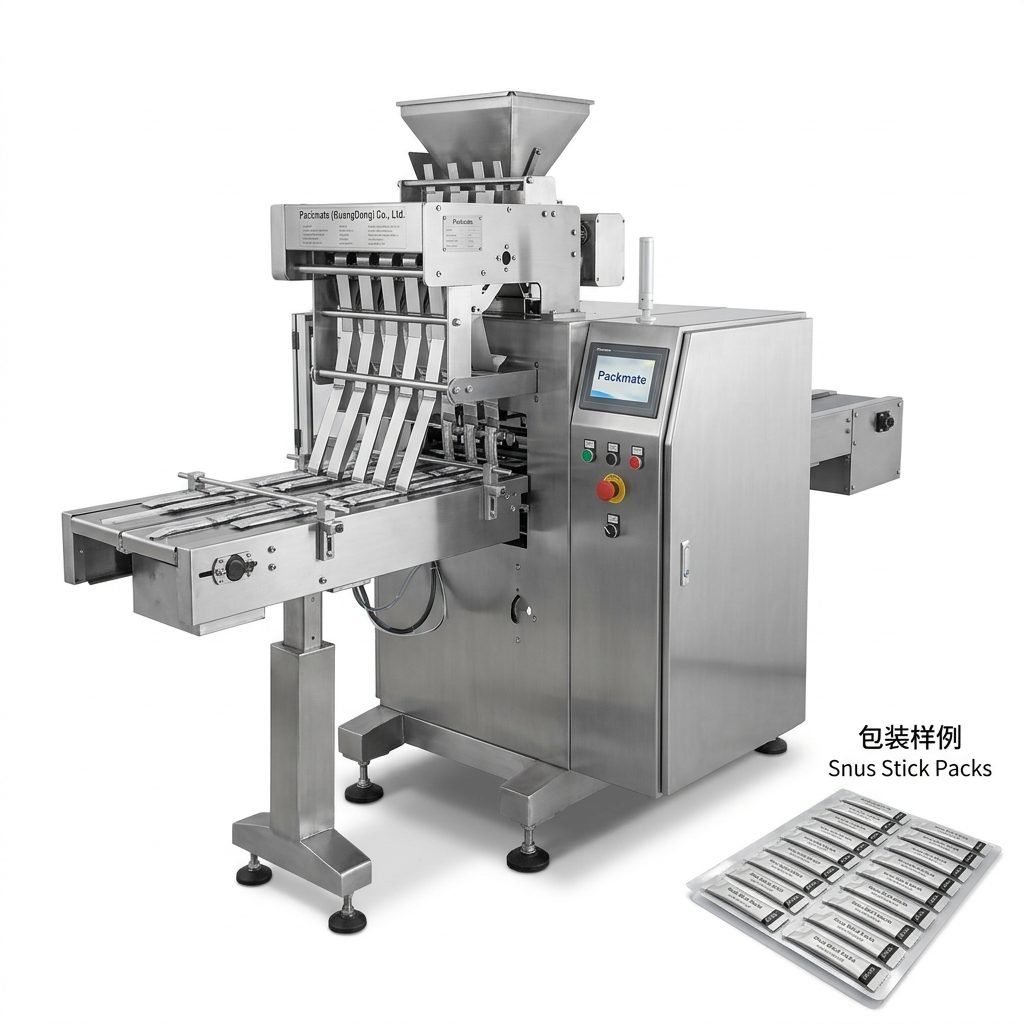
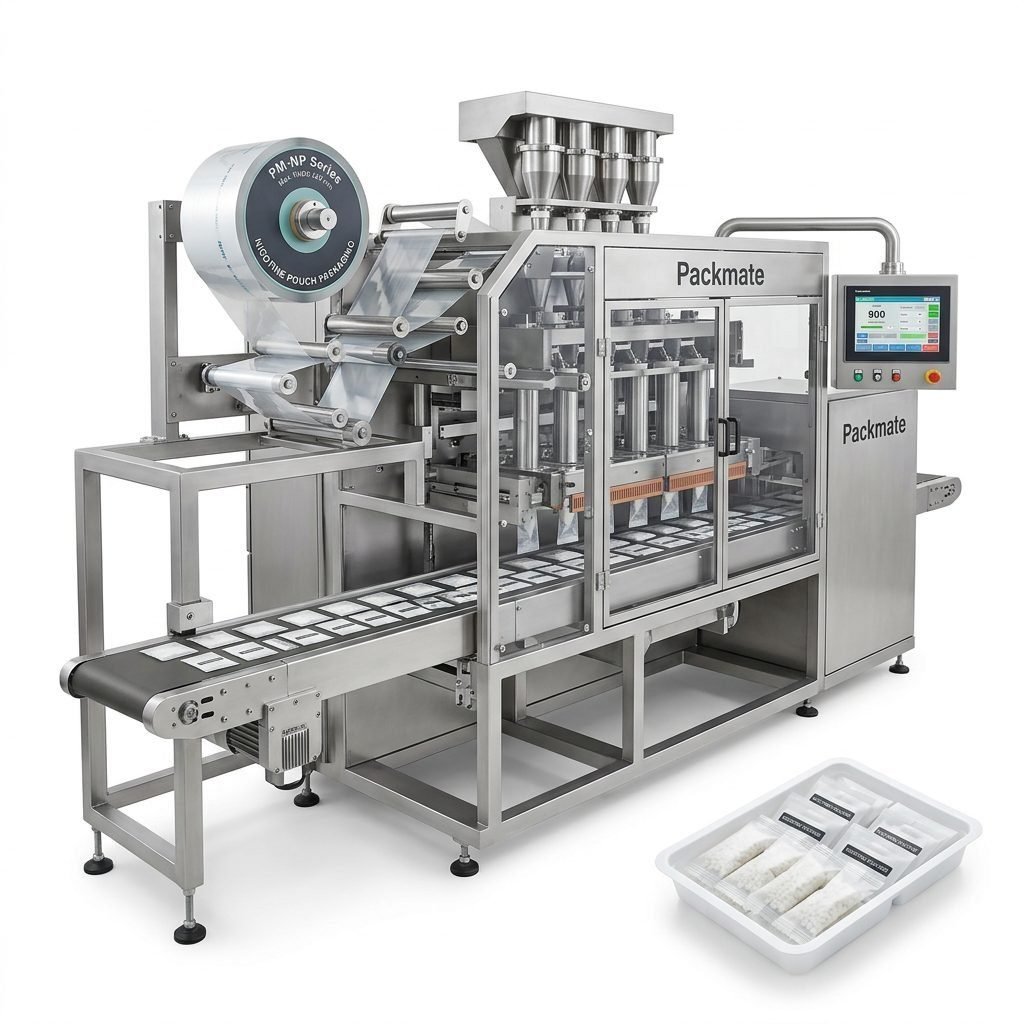
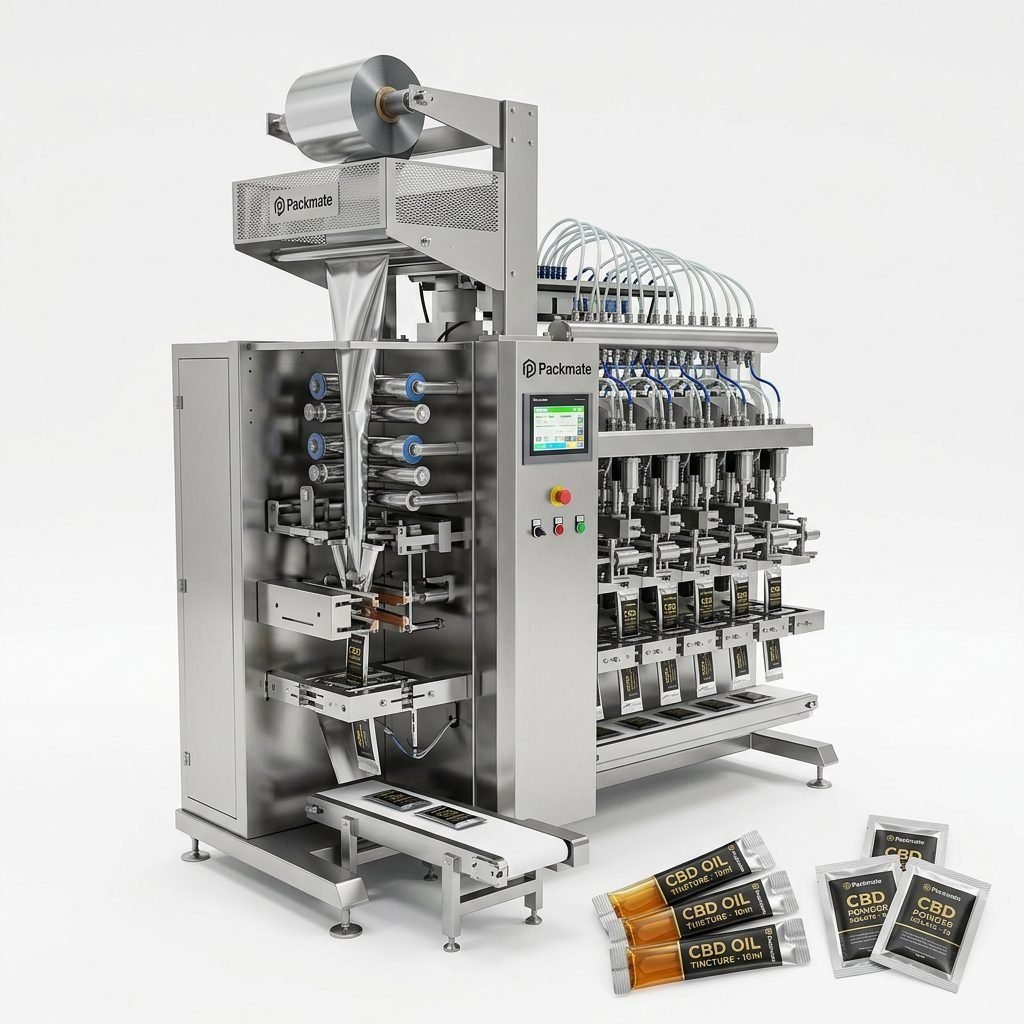
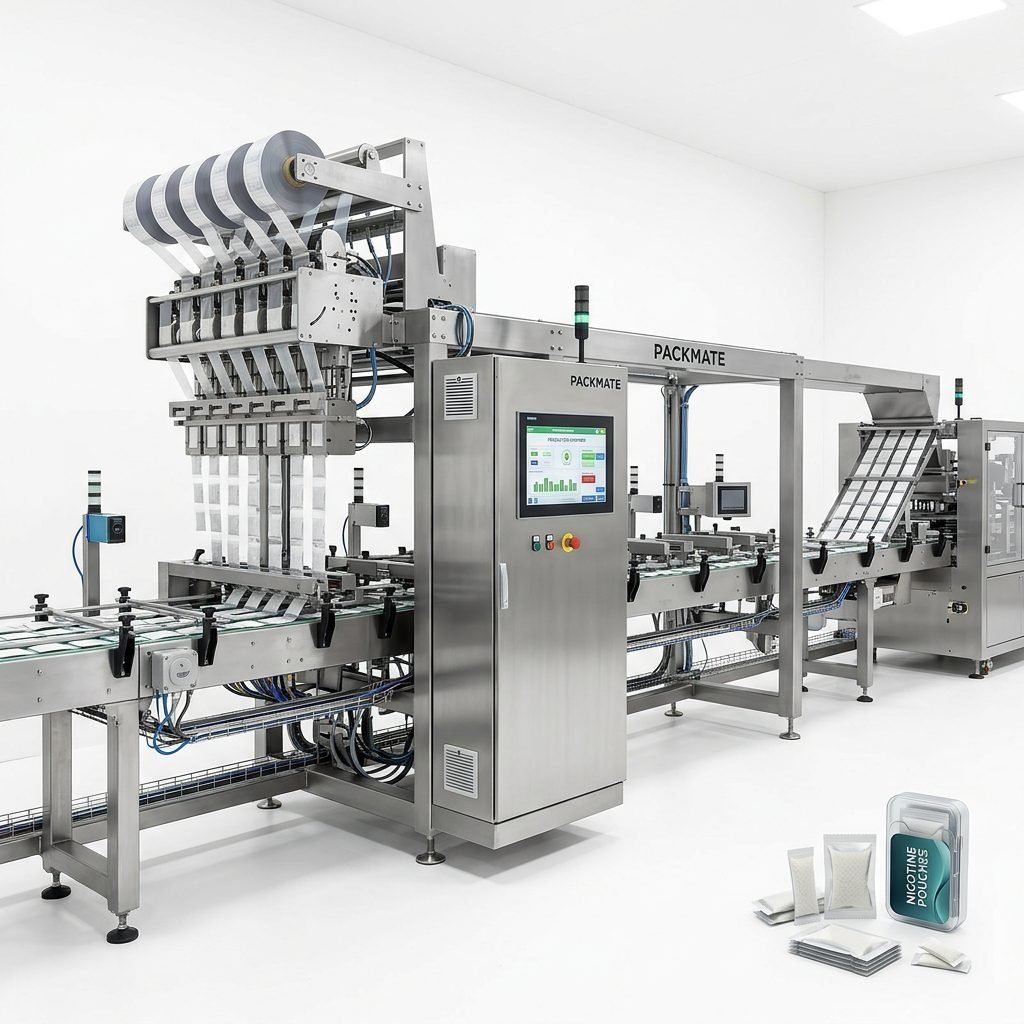
Use industry directories, trade shows and supplier websites to compile a shortlist. Look for manufacturers with years of experience, manufacturing scale, certifications and relevant product lines. Example product pages to review for machine capabilities include:
- Snus & Nicotine Packaging Machines — product overview
- Sachet & Stick Pack Machines — formats & specs
- Filling & Packaging Lines — turnkey solutions
What to look for in supplier profiles
Prioritize suppliers with: long operating history, factory scale (CNC centers and assembly lines), CE/ISO certificates, clear product catalogs, and case studies demonstrating similar installations. Packmate’s factory facts — 30+ years industry experience and a 20,000㎡ facility — are an example of attributes to favor.
Step 3 — Vet Technical Capabilities and Quality Control
Dig into technical specs: speed (pouches/min per lane), multi-lane options, dosing accuracy, material handling, PLC control systems, and PLC/HMI language support. Ask for inspection and quality control protocols as well as endurance test data.
- Accuracy & repeatability test reports
- Component traceability & spare parts list
- CE / ISO / safety certification evidence — see certificate
Step 4 — Validate Factory Capacity and Past Projects
Ask for recent case studies and references. Suppliers that publicly share exhibition records, client case studies and factory tours indicate transparency. Check global installation examples to ensure they can deliver turnkey lines, not just standalone machines.
Useful links: Case and Our Exhibition.
Factory visit (remote or in-person)
If possible, request a factory visit or a live video demonstration. A site visit should confirm manufacturing processes, part machining (CNC center), assembly lines, and final acceptance testing. For Haitian buyers, arranging a remote live demo is a practical first step if travel is challenging.
Step 5 — Confirm After-Sales Support and Spares
After-sales service is critical for minimizing downtime. Confirm the supplier provides:
- Installation & commissioning support
- Operator training (onsite or remote)
- Spare parts lead times and stock levels
- Warranty terms and extended service agreements
Look for suppliers that list service offerings on their website — for example, Packmate’s Service and Contact Us pages are useful if you need fast communication.
Step 6 — Negotiate Pricing, Terms and Delivery
Get detailed quotations that break down machine cost, tooling, spare parts kits, packaging, shipping, customs clearance, installation and training. Confirm lead time, payment terms (TT, LC), and penalties for late delivery if critical to your schedule.
Cost items to watch
Shipping to Haiti can be expensive and subject to delays. Include marine insurance. Clarify whether the supplier will deliver FOB, CIF, or DDP and who handles import clearance at Port-au-Prince. Work with a reputable freight forwarder familiar with Haitian customs.
Step 7 — Understand Haitian Import, Customs and Regulatory Considerations
Haiti has specific customs procedures and duties. For tobacco-related machinery or components used in nicotine packaging, confirm whether any special permits apply. Key local considerations:
- Language: official documents often require French; include French documentation and translations when possible.
- Labeling: ensure machines that apply labels or printed packaging can handle French and Haitian Creole text for consumer products if selling locally.
- Customs clearance: Port-au-Prince is the main entry; choose an experienced customs broker and include all machine technical documents, invoices and certificates (CE/ISO) to speed clearance.
- Taxes & duties: budget for import duties and VAT — confirm tariff codes with your broker.
Haitian business culture values relationships and trust; invest time in personal communication, and where possible, arrange a local representative or agent to manage logistics and communications.
Step 8 — Perform Technical Acceptance Tests
Before final acceptance, require FAT (Factory Acceptance Test) and SAT (Site Acceptance Test) checklists. Tests should include production at rated speed, sealing integrity, weight deviation checks, and alarm responses. Insist on documented FAT reports with video evidence if you cannot attend in person.
FAT must include
Performance at target output, running with your actual packaging materials, stress testing for extended runs, and verification of electrical safety and emergency stop functions.
Step 9 — Plan for Training, Maintenance and Spare Parts
Operator training ensures smooth ramp-up. Ask for written manuals (preferably in English and French), spare parts catalogs, and recommended preventive maintenance schedules. Consider entering an annual service contract to secure priority support.
Stock critical spares locally where possible (seals, sensors, belts) to avoid long import delays to Haiti.
Step 10 — Final Checklist Before Signing
Use a final checklist to confirm everything is covered:
- Detailed technical spec sheet and performance guarantees
- Warranty terms, spare parts pricing and lead times
- Shipping incoterm and timeline
- Installation, commissioning and training plan
- Acceptance criteria (FAT/SAT) and penalties for non-conformance
- Local documentation in French if required for customs or operators
Negotiation tips
Be transparent about your timeline and ask for volume discounts if you plan to scale. Request references from other Latin American or Caribbean clients to gauge the supplier’s experience with regional logistics.
Why Choose an Experienced Supplier — What Differentiates a Reliable Partner
A reliable supplier blends proven equipment design, factory capacity and international experience with clear after-sales service. Look for:
- Established R&D and continuous improvement (30+ years a major plus)
- On-site QA and CNC machining capability for precise parts
- Turnkey solutions for seamless integration — see About Packmate
- Global installations and multilingual support for smoother communications
Suppliers who demonstrate complete packaging lines, from filling to pouch-making to cartoning, reduce integration risks and shorten commissioning time.
After Purchase — Smooth Ramp-Up in Haiti
Upon arrival, coordinate installation with local electricians and your supplier’s commissioning team. Ensure your power supply matches machine requirements (voltage, phase) and that your facility has stable power or UPS systems if supply is unreliable.
If you need technical documentation or product catalogs, check the supplier’s Catalog and FAQ pages for quick answers: FAQs.
Local staffing and training
Hire or train a maintenance technician with mechanical and electrical skills. Keep a maintenance log and track consumable replacement to extend machine life in tropical conditions.
Summary — Key Steps at a Glance
- Define production goals and environmental requirements
- Shortlist suppliers with proven experience and certifications
- Perform FAT/SAT and insist on comprehensive after-sales support
- Plan shipping, customs clearance and local compliance in Haiti
- Secure training, spare parts and preventive maintenance plans
Frequently Asked Questions
Q1: How do I know the supplier can meet Haitian customs documentation requirements?
A1: Ask for export invoices, packing lists, machine technical specifications, CE/ISO certificates and any requested declarations in French. Work with a customs broker who routinely handles machinery imports to Haiti.
Q2: What spare parts should I stock locally for snus packaging machines?
A2: Keep critical wear parts such as seals, belts, cutting blades, sensors and common electronics. Negotiate an initial spare parts kit with your supplier to bridge the lead time of future orders.
Q3: Are there language barriers I should prepare for?
A3: Yes — official Haitian languages are French and Haitian Creole. Request documentation and training in French or English and consider a bilingual local contact for smoother communications.
Q4: How important is FAT for remote buyers?
A4: Critical. If you cannot attend, require detailed FAT videos, signed test reports, and supplier agreement to repeat FAT at installation if performance gaps appear.
Q5: Where can I find reliable information about suppliers and machines?
A5: Supplier websites with product pages, case studies and certificates — such as those linked above — are good starting points. Also request references and inspect past installation records or client testimonials.