Choosing the right snus packaging machinery for a specific market like Kiribati requires more than comparing price tags. Manufacturers, importers and co-packers must consider local climate, customs, regulatory requirements, product format preferences, and after-sales support. This guide explains how to evaluate snus and nicotine pouch packaging equipment with practical buying criteria, production planning tips, and Packmate’s proven capabilities in automated packaging solutions.
Understand the Kiribati Market and Local Habits
Kiribati is an island nation with a small, dispersed population and tropical maritime climate. Importers often operate with limited warehouse space, and logistics rely heavily on sea freight with occasional air shipments. When selecting packaging machinery, factor in: language and labeling (English and Gilbertese), humidity resistance, small-batch flexibility, and the cultural context—many communities are close-knit and conservative. Respect for local regulations and community sensitivities is critical; always plan for compliant labeling and shipping.
Quick Market Snapshot for Kiribati
Population and scale: small national demand—most businesses benefit from machines that handle frequent format changes and small to medium batch runs.
Climate impact: high humidity requires moisture-barrier packaging and robust sealing performance.
Distribution: compact, portable packs are preferred for ease of transport across islands.
Key Machine Types and What They Offer
When evaluating equipment you’ll find several proven formats used by the industry:
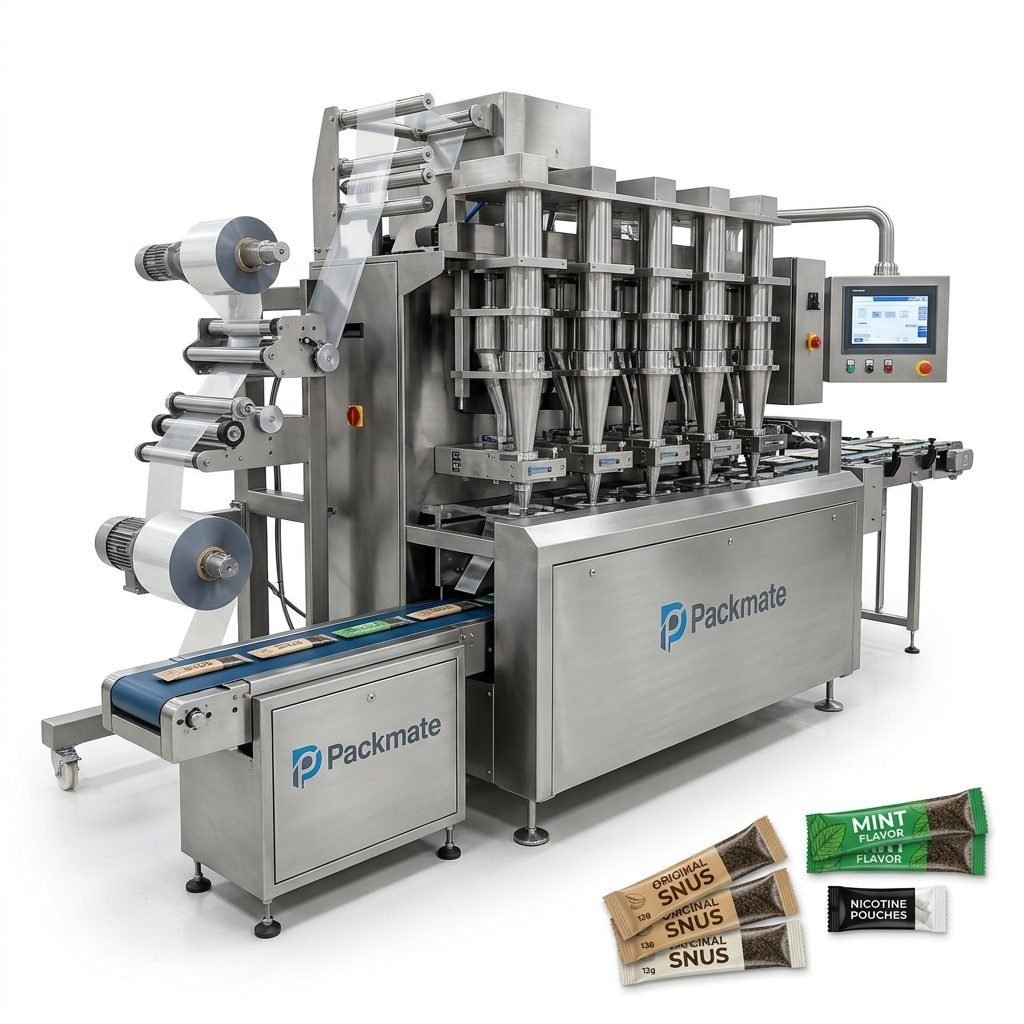
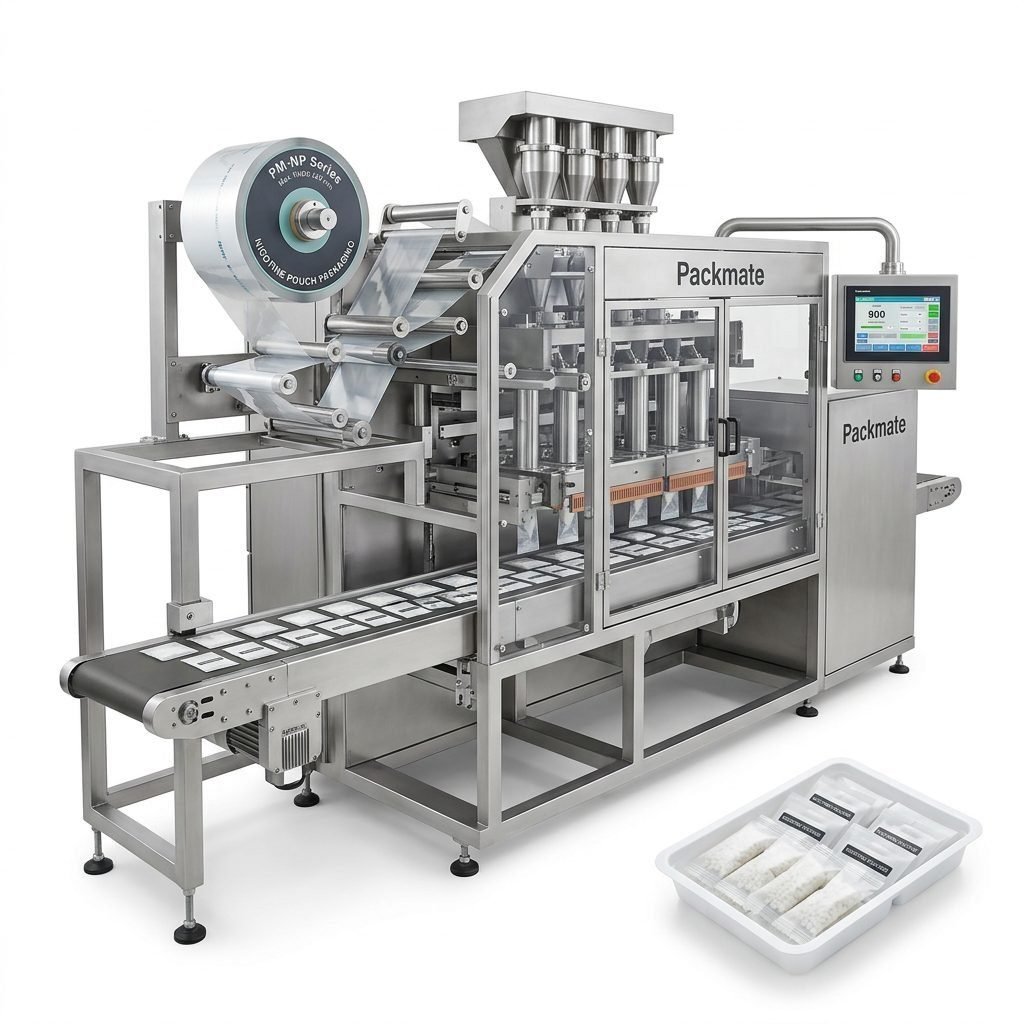
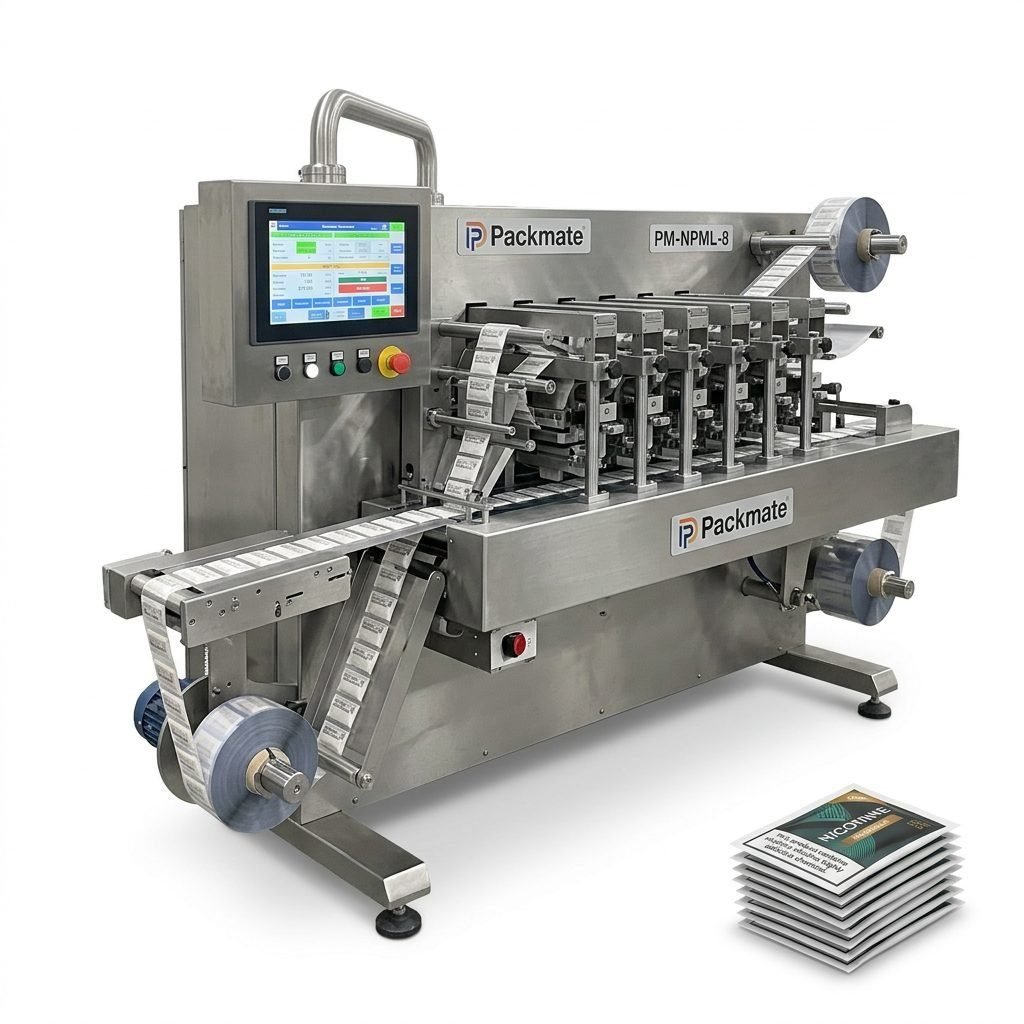
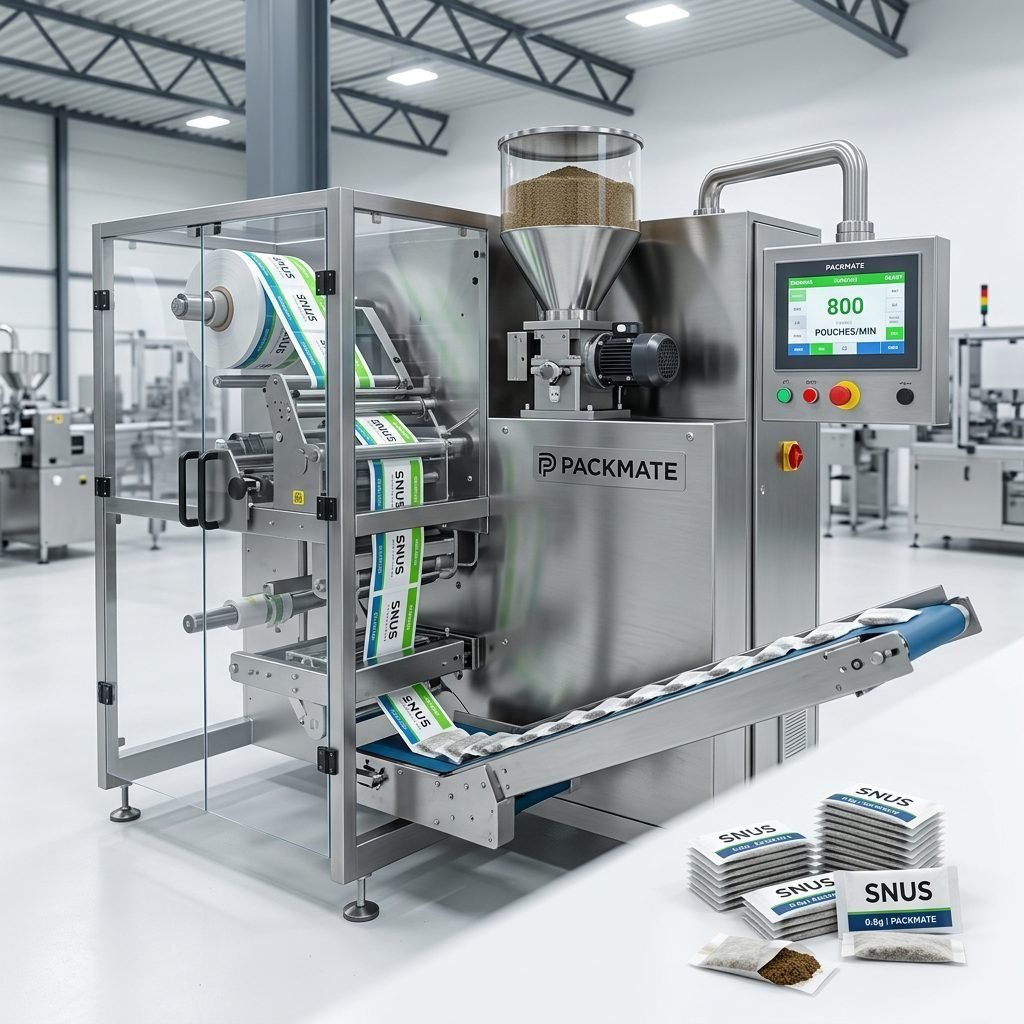
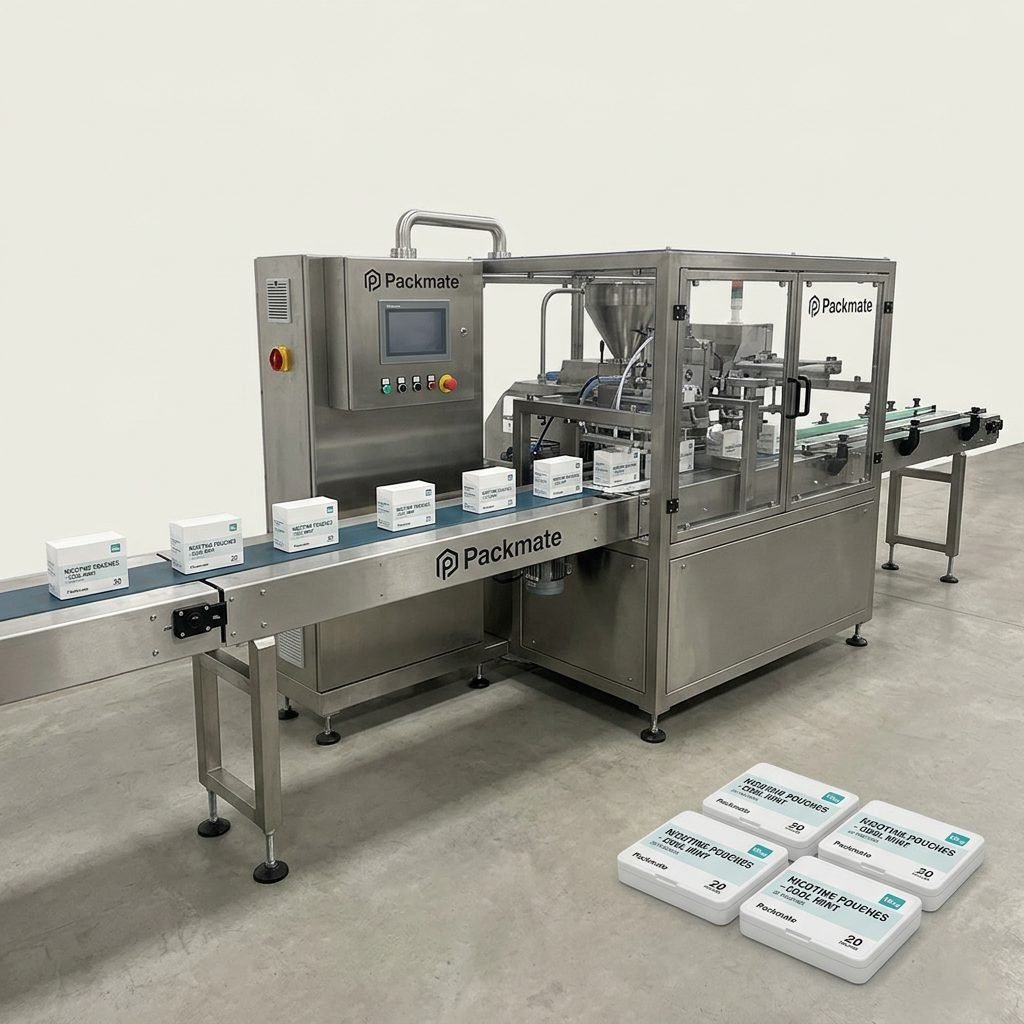
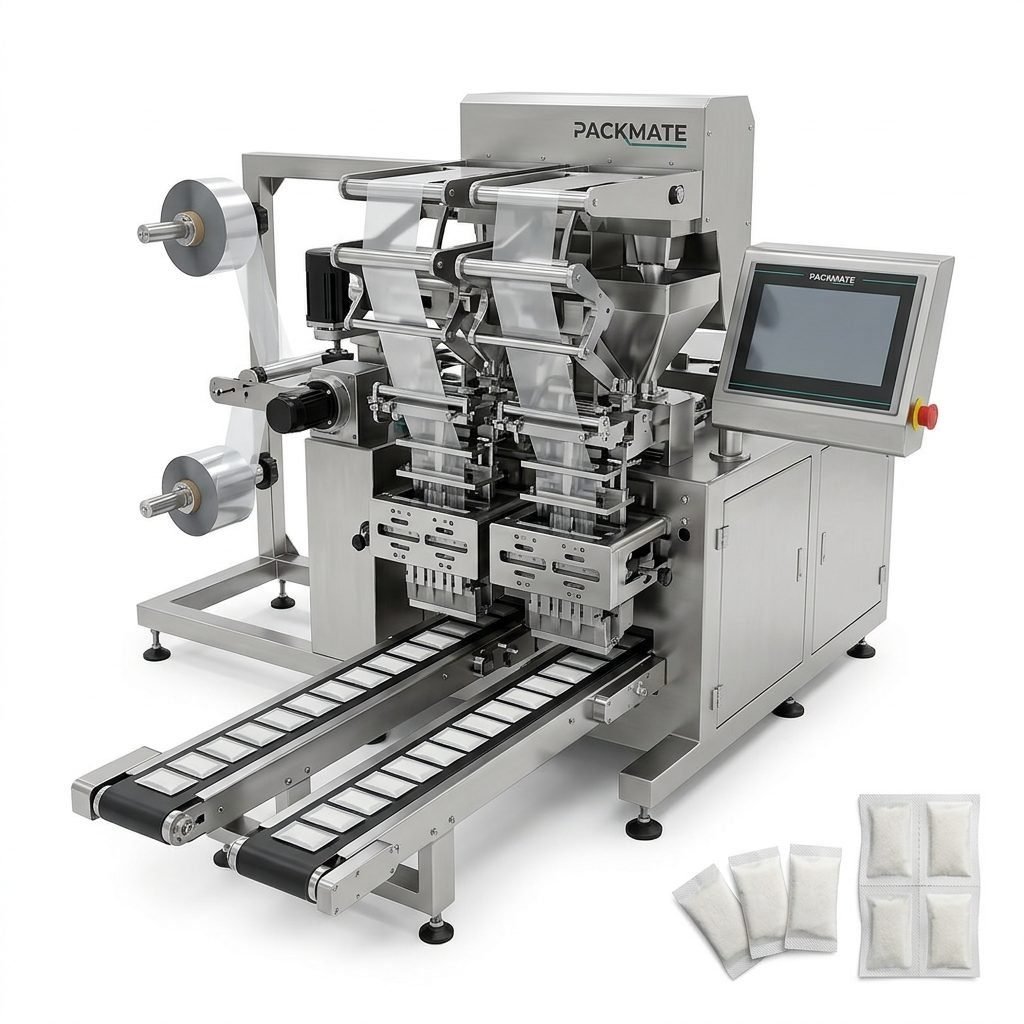
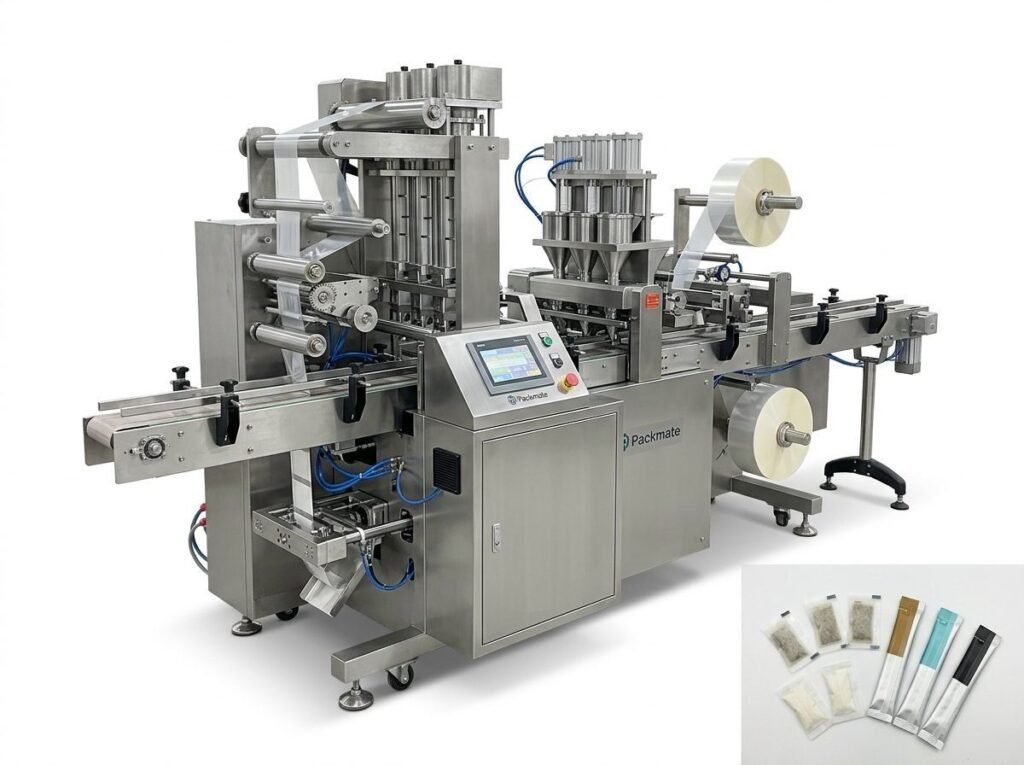
- Multi-lane snus pouch machines for high throughput and consistent small-dose pouch production.
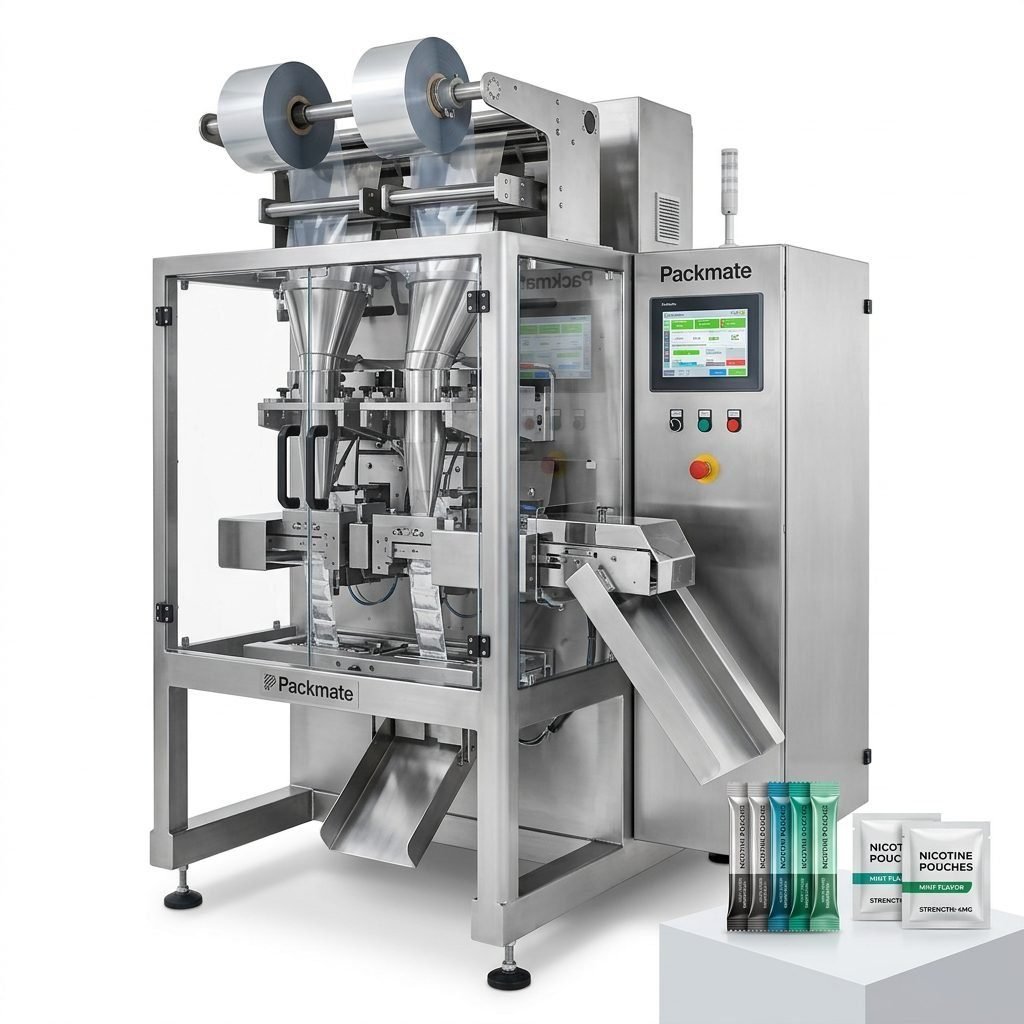
- Stick pack and sachet machines for single-serve formats that suit portability and retail displays.
- Bag & pouch packaging machines for resealable or multi-pouch retail packs.
- Weighing and filling integrated systems to maintain product accuracy and reduce waste.
For a full overview of proven machine families, consider checking manufacturer product pages such as Snus & Nicotine Packaging Machines and Bag & Pouch Packaging Machines.
How Production Goals Drive Machine Choice
Match machine capability to your daily output targets. For small island markets that require flexibility, a mid-speed multi-lane system often balances investment and throughput. If you plan to expand distribution to neighboring islands or export, modular machines that can be upgraded to higher lanes or integrated with an automated feeder will ensure growth without frequent replacement.
Performance Indicators to Compare
Speed (pouches/min): ensures you meet demand.
Yield & waste rates: critical where raw materials are costly.
Changeover time: short changeovers save labor for multi-SKU runs.
Sealing reliability: prevents moisture ingress in humid climates.
Technical Features to Prioritize
Selecting equipment involves more than nominal speed. Look for features that reduce downtime, ensure product integrity, and simplify maintenance:
- Servo-driven components for precise dosing and repeatable motion.
- Automatic film tracking and tension control to minimize rejects.
- Temperature-controlled sealing heads tuned for barrier films.
- HMI touchscreen with recipe storage for quick SKU changeover.
- Hygienic design and accessible parts for easy cleaning in tight facilities.
Integration Considerations
For a complete production line, plan in advance for upstream and downstream equipment: weighing systems, vibratory feeders, metal detectors, and automated case packers. Packmate provides integrated solutions — see related filling and packaging lines at Filling & Packaging Lines and auxiliary equipment at Auxiliary Packaging Equipment.
Why After-Sales Support Matters for Island Operations
Reliable spare parts supply, remote diagnostics, and local training can drastically reduce downtime for Kiribati operations where parts shipments take time. Choose suppliers that commit to:
- Remote commissioning and troubleshooting.
- Short training cycles with clear maintenance schedules.
- Availability of consumables and spare parts with predictable lead times.
Packaging Materials and Design for Tropical Climates
In high-humidity environments like Kiribati, film selection is essential. Use multi-layer barrier films with strong sealant layers; consider cold-seal options if heat sensitivity is a concern. Design packs for portability—slim stick packs, small sachets, and resealable pouches work well for island distribution and retail. Always validate packaging performance under real storage conditions to prevent swelling, delamination, or seal failures.
Regulatory and Labeling Checklist
Before you buy, ensure your equipment can print or apply labels that meet Kiribati import rules and any regional tobacco/nicotine regulations. Key items:
- Provision for variable data printing (batch codes, expiry, lot numbers).
- Space for health warnings and language requirements (English + Gilbertese if applicable).
- Traceability systems that comply with customs and distributor requests.
Calculating Total Cost of Ownership (TCO)
Beyond purchase price, calculate TCO including installation, training, spare parts, consumables, energy consumption, and expected downtime. Machines with better automation may cost more upfront but reduce labor cost and packaging waste. Request real case studies from suppliers — for example, Packmate highlights factory capabilities, certifications and turnkey cases that help validate ROI; learn more at Case and About Packmate.
Checklist Before Purchase
- Confirm production capacity and scalability for future demand.
- Verify sealing performance with your chosen films under humidity tests.
- Review spare parts lead times and remote support capabilities.
- Ensure machine can be adapted to labeling and regulatory needs in Kiribati.
- Ask for on-site or virtual commissioning and staff training.
Packaging Line Examples and Supplier Credentials
Top suppliers provide turnkey lines: snus pouch machines, stick packers, weighers, and case packers integrated for steady throughput. When vetting vendors, confirm factory capabilities (CNC machining, assembly lines), certifications like CE/ISO, and global exhibition presence. Packmate’s profile shows 30+ years of experience, a 20,000㎡ facility, and multiple machine models — key signs of a partner who can support long-term operations.
If you want to contact a manufacturer for detailed quotations or service terms, use official channels such as Contact Us and review their services at Service.
Installation, Training and Ongoing Service
For Kiribati buyers, prioritize vendors who offer:
- Remote commissioning capability to reduce travel delays.
- Comprehensive training modules for local operators and maintenance staff.
- Clear maintenance schedules and kits for predictable upkeep.
- Support agreements that include spare part lead-time guarantees.
Sustainability and Energy Considerations
Energy efficiency matters on islands where power can be costly or intermittent. Evaluate motor efficiency, standby modes, and the possibility of integrating UPS or generator backups. Sustainable material choices and minimal waste strategies also reduce overall costs and environmental impact.
Making the Final Decision
To select the best snus packaging machinery for Kiribati:
- Rank needs: capacity, flexibility, budget, and local serviceability.
- Request onsite or virtual demos with your product and film to verify performance.
- Compare TCO and vendor support commitments, not just machine price.
- Plan logistics and spare-parts inventory accounting for sea freight timelines.
Final Practical Tips
Before signing a purchase order: negotiate clear acceptance criteria, training schedules, warranty terms, and an agreed spare-parts kit. Keep packaging simple for initial launch, then expand SKUs after confirming market response. For inspiration on turnkey implementations and product lines, explore related industrial solutions such as Sachet & Stick Pack Machines and Weighing & Packaging Systems.
Key Advantages When Choosing a Trusted Supplier
Partnering with an experienced manufacturer reduces risk: expect documented case histories, global references, CE/ISO certifications, and clear timelines for delivery and commissioning. Reliable partners help you scale production while keeping quality and compliance in focus.
Common Questions
Q1: What machine type suits small-batch production for island distribution?
A1: A flexible multi-lane machine with quick changeover capability or a mid-speed stick/sachet machine is often best. Prioritize machines that can be upgraded as demand grows.
Q2: How do I ensure packaging holds up in high humidity?
A2: Select high-barrier films, ensure robust heat seals, and validate performance via humidity chamber tests. Cold-seal options and proper desiccant strategies can also help.
Q3: What after-sales services should I require from a supplier?
A3: Remote commissioning, spare-part lead-time guarantees, operator training, preventive-maintenance plans, and documentation in English.
Q4: Can I integrate weighing and filling with packaging lines for accuracy?
A4: Yes. Integrated weighing and dosing systems reduce waste and improve consistency—ask for turnkey demonstrations of the complete line.
Q5: Where can I get more information and see examples?
A5: Visit supplier product pages and case studies, or contact manufacturers directly for tailored proposals and demos; use the official contact channel to request quotes and technical documents.