Choosing the right nicotine packaging machine for your operation in Uruguay requires a practical balance of technical specifications, regulatory compliance, production flexibility, and long-term service. This guide walks you through the essential considerations—machine types, capacity planning, materials compatibility, automation and control features, quality certifications, supplier evaluation, installation and after-sales support—so you can make an informed investment that scales with demand and meets international standards.
🔎 Market Snapshot: Why the Right Machine Matters in Uruguay
Uruguay’s market for nicotine pouches and snus is evolving along with consumer preferences and regulatory landscapes. Whether you target domestic distribution or export to nearby markets, the right packaging line ensures consistent pouch quality, accurate dosing, and compliant labeling—while minimizing waste and downtime. Investing in a machine built for snus and nicotine pouches rather than a generic pouch filler will often deliver better performance and long-term cost savings.
✅ Key outcome drivers
Choose a system that prioritizes: production consistency, precise dosing, hygienic design, ease of cleaning, and reliable automation. These factors directly impact yield, regulatory compliance, and total cost of ownership.
🧩 Types of Nicotine Packaging Machines and What They Offer
Understanding available machine types helps match capability to product format and output targets. Below are the primary styles used for snus and nicotine pouches.
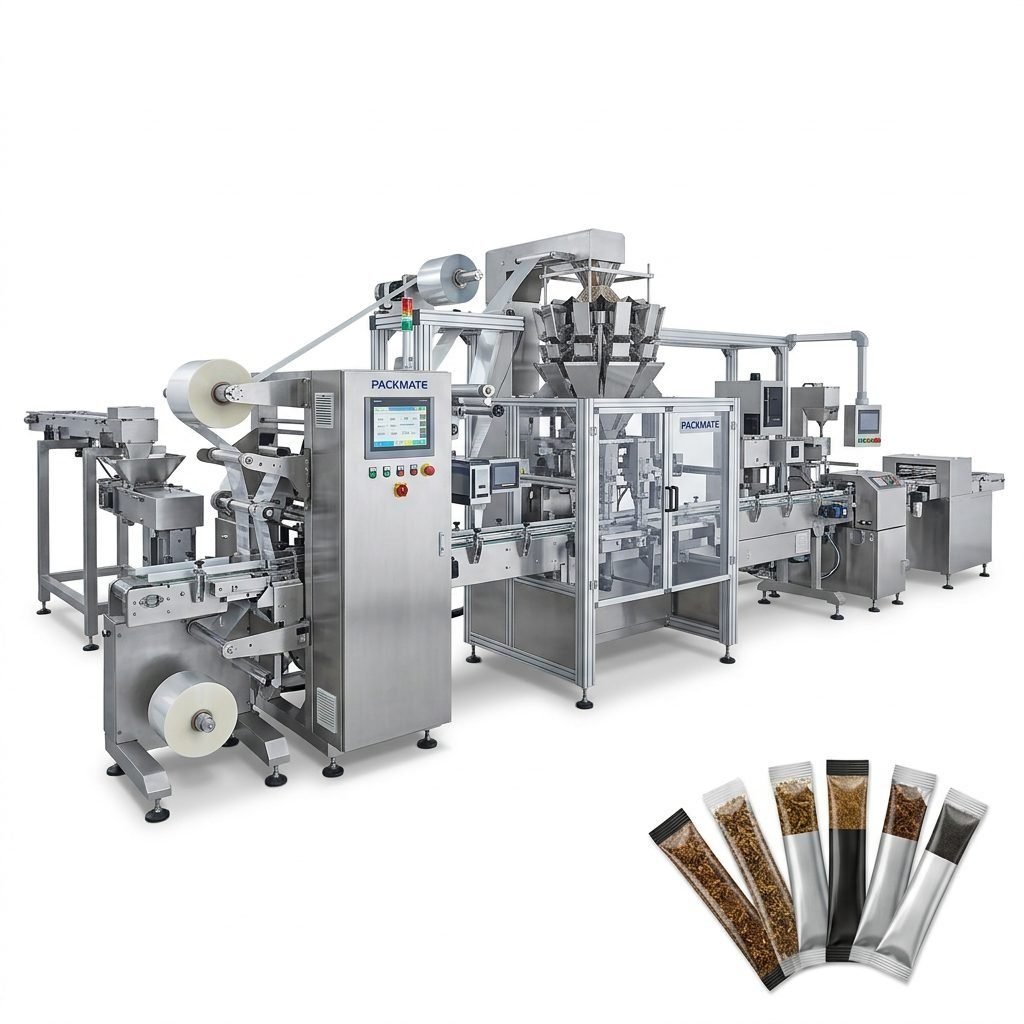
Stick pack and sachet machines
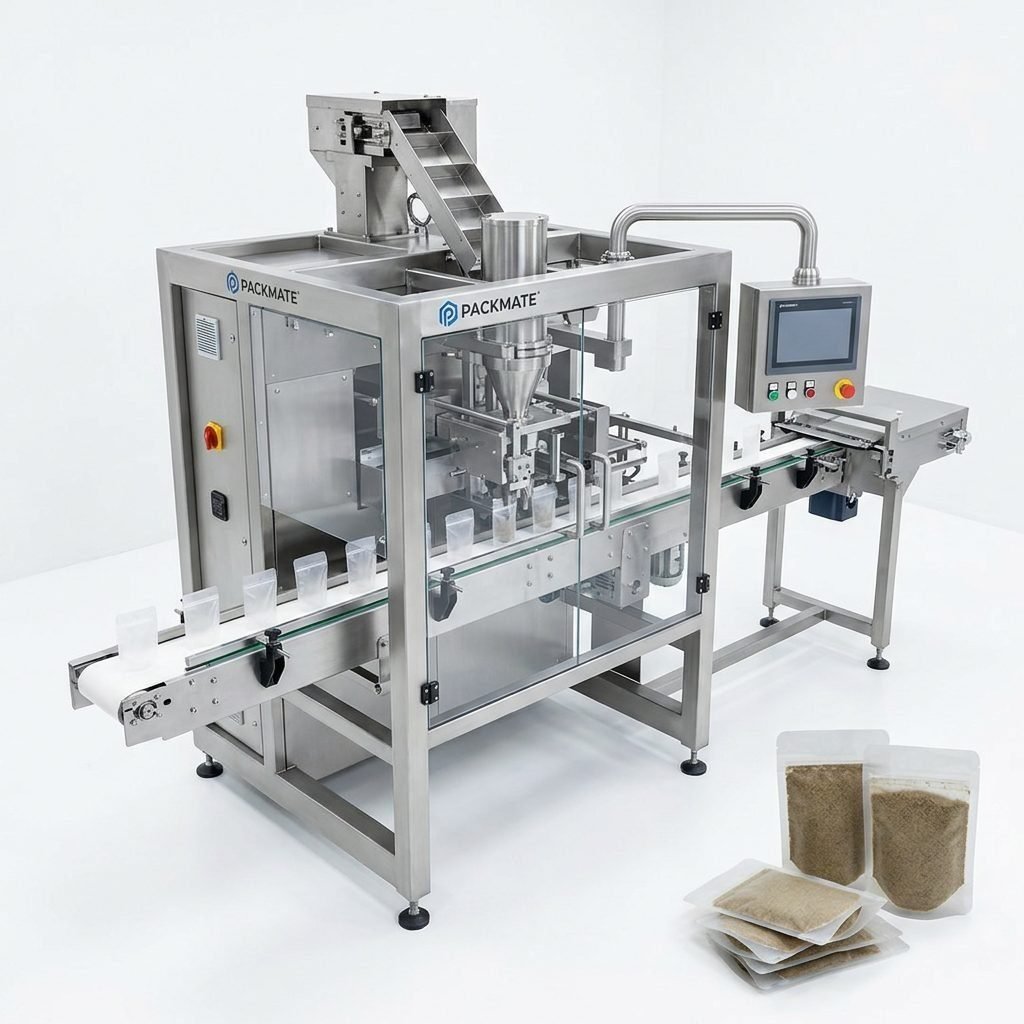
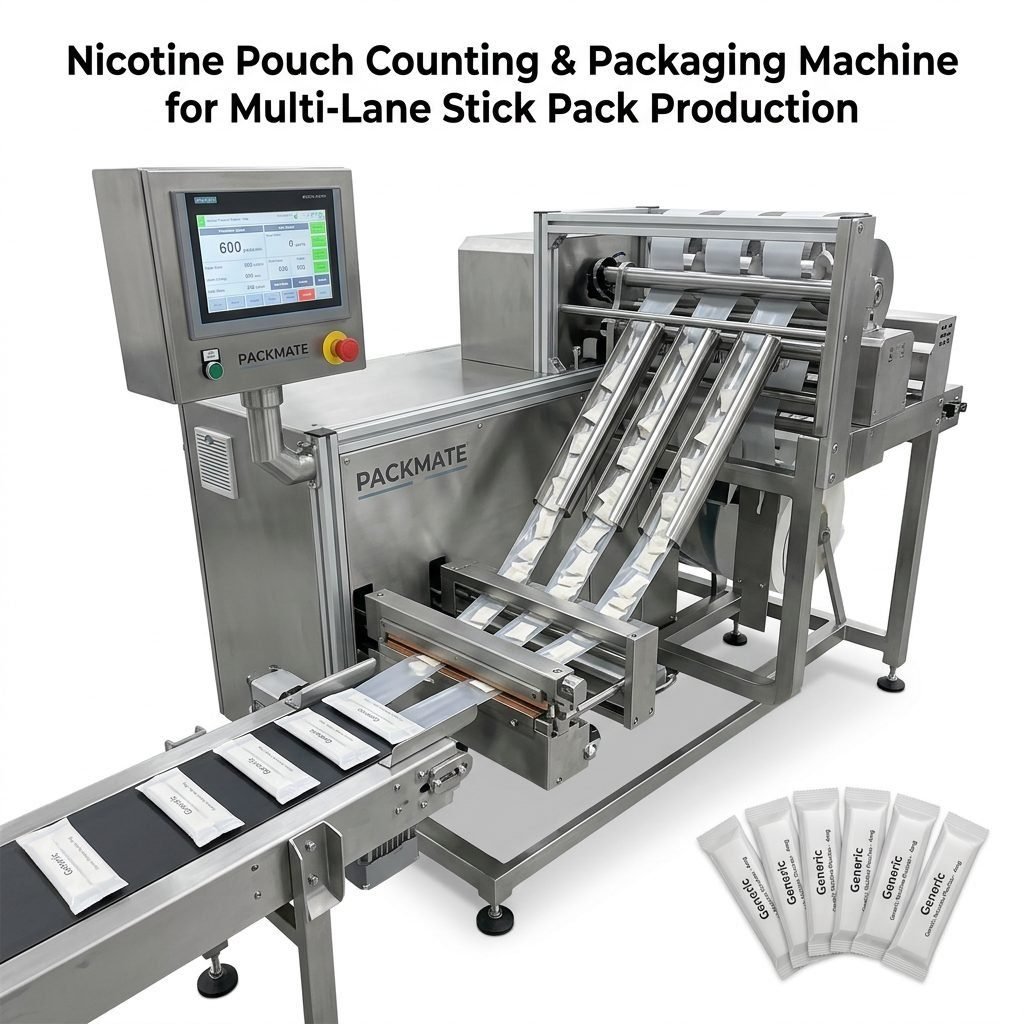
Stick pack and sachet machines are suited for single-dose formats—thin, rectangular stick packs or flat sachets. They deliver high-speed filling and sealing for powdered or granular nicotine blends and are ideal when you require compact retail packaging with protective seals.
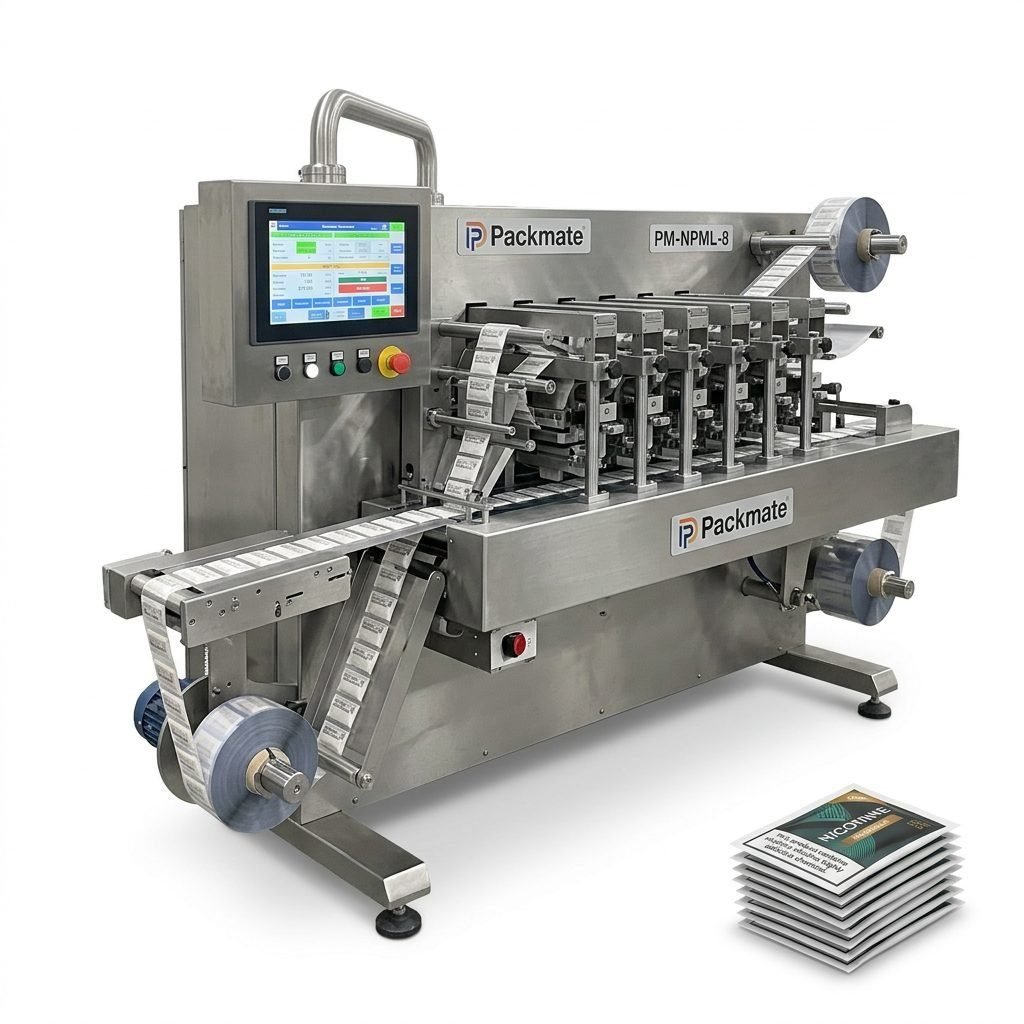
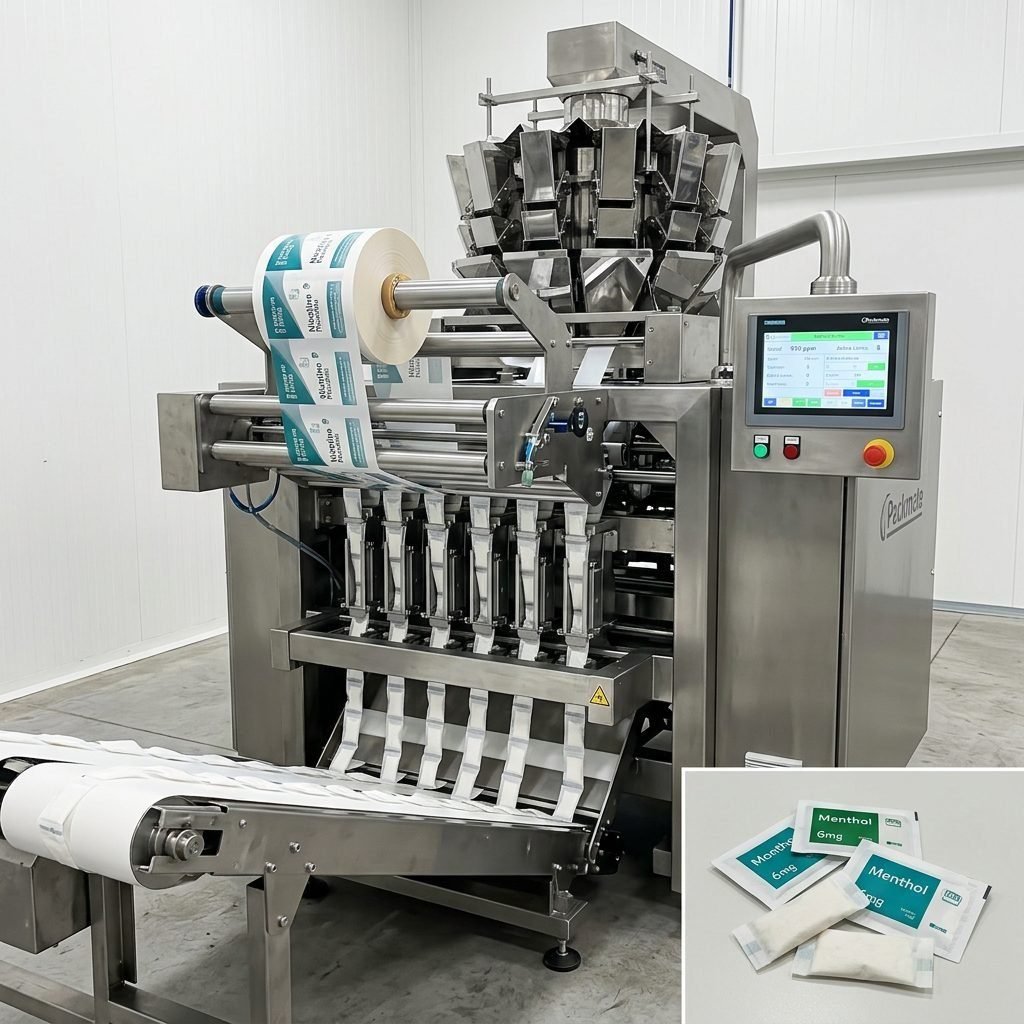
Multi-lane snus pouch systems
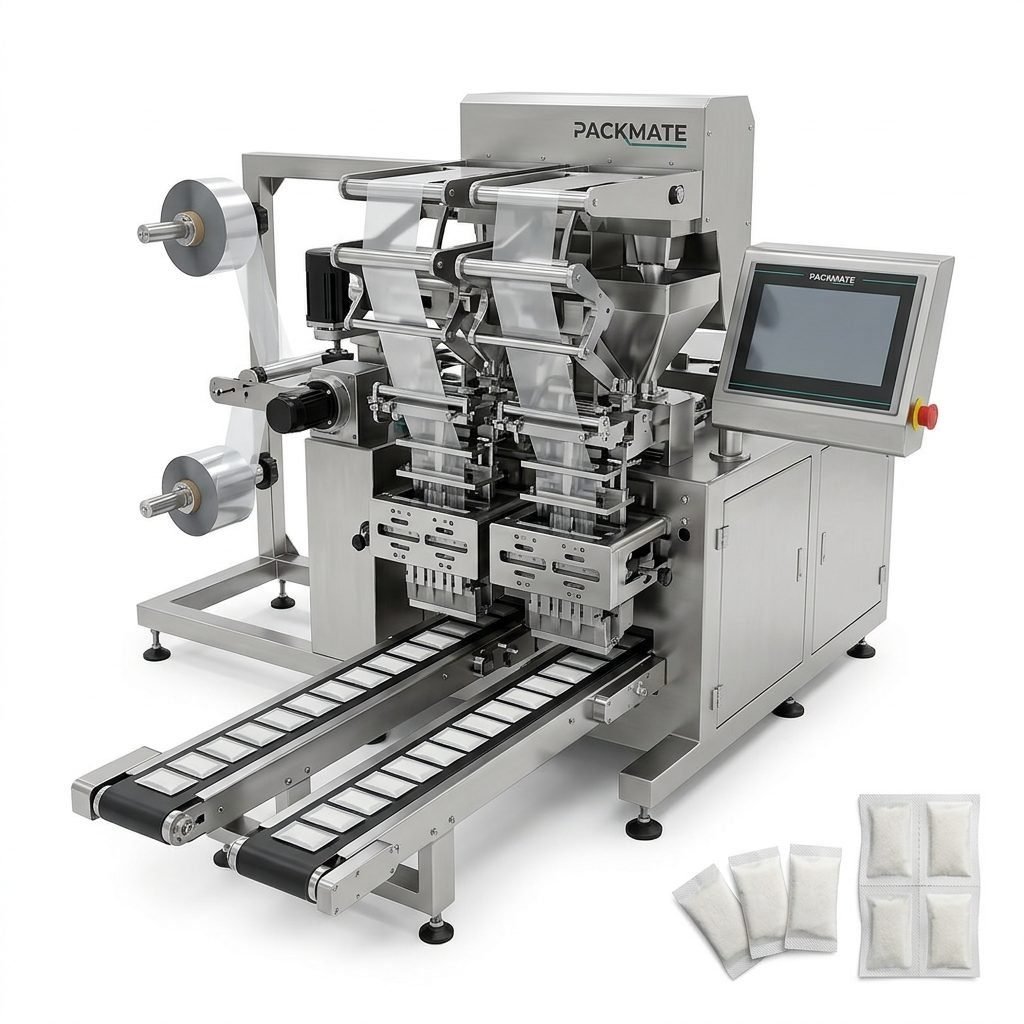
Multi-lane machines produce multiple pouches concurrently on a single web, dramatically increasing throughput for small-dose pouches. These are recommended when you expect large runs or need to maintain small per-pouch dosing accuracy at high speeds.
Integrated filling and packaging lines
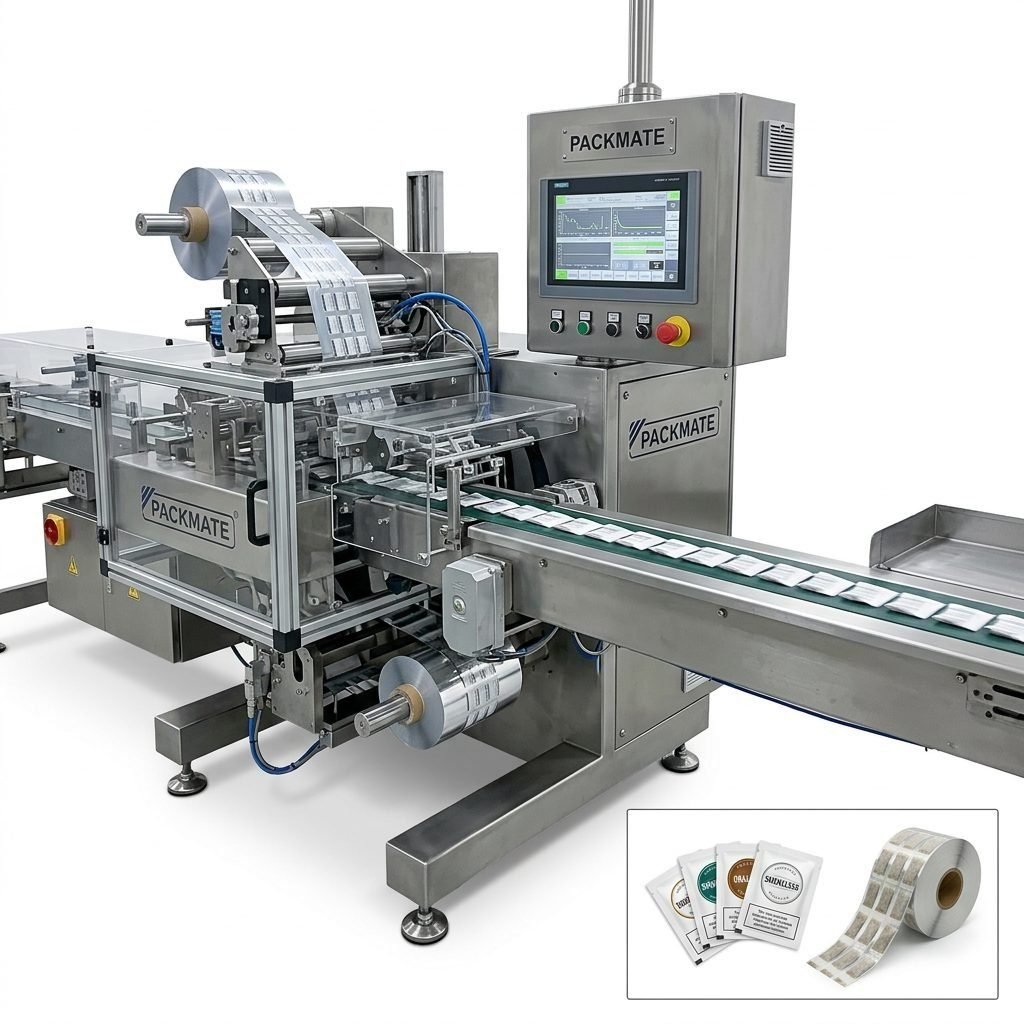
For turnkey production, consider integrated systems that combine weighing, dosing, filling, pouch formation, sealing, and secondary packaging. These lines reduce manual handling, improve traceability, and simplify validation for regulatory compliance.
If you want to browse product categories and compare machine models, see Snus & Nicotine Packaging Machines and Bag & Pouch Packaging Machines for examples of available configurations.
🔔 Important: For nicotine pouches, dose control accuracy and hygienic design are non-negotiable. Machines from experienced manufacturers with a history in snus packaging tend to provide better long-term performance and support.
⚙️ Technical Specifications to Compare
Evaluate each candidate machine using consistent technical criteria so you can compare apples to apples.
Capacity and speed
Specify your target output in pouches per minute and per shift. Multi-lane machines offer higher aggregate speeds; however, ensure dosing accuracy does not suffer at peak speed. A machine rated for higher speed but with poor dosing control can increase waste and regulatory risk.
Dosing accuracy
Nicotine content tolerance is critical. Look for electronic weighing and feedback control systems or precise auger/volumetric fillers tuned for low-dose powders. Ability to calibrate and validate dosing quickly reduces downtime.
Materials compatibility
Confirm the machine handles your specific product: wet vs. dry mixes, hygroscopic powders, fibers, or blends. Ask about anti-clogging features, hopper agitation, and options for product-contact surfaces (e.g., SUS316 stainless steel).
⚠️ Tip: If your nicotine blend absorbs moisture easily, prioritize machines with enclosed dosing and controlled environments to avoid clumping and weight variation.
🔌 Automation, Controls and Integration
Modern nicotine packaging lines provide PLC control, touchscreen HMI, recipe management, and industry 4.0 connectivity. These features speed changeovers, reduce operator error, and let you monitor line performance remotely.
Recipe & changeover
Choose a system with stored recipes for different pouch sizes and nicotine dosages. Fast tool-free changeovers cut waste and increase productive uptime when you switch SKUs.
Data logging & traceability
If you plan to export or meet strict local regulations, data logging for batch records, weight checks, and sealing parameters will be crucial for audits and quality control.
🛠 Reliability, Maintenance & Spare Parts
A machine’s uptime is as important as its rated speed. Ask suppliers about preventive maintenance schedules, mean time between failures (MTBF), and availability of spare parts in your region.
Local service capability
Ensure the manufacturer offers technical training, installation supervision, and remote troubleshooting. For complex multi-lane systems, on-site commissioning and operator training are indispensable.
You can review examples of complete lines and supporting modules in the Filling & Packaging Lines and Weighing & Packaging Systems sections to see how suppliers design integrated solutions.
📜 Certifications and Compliance
Certification is a mark of quality and regulatory alignment. Machines compliant with CE and ISO standards are generally safer, easier to certify locally, and more trusted by international buyers.
✔️ Strong preference: Choose machines with CE and ISO compliance and documented validation support. Manufacturers that provide certificates and testing reports simplify the approval process in Uruguay and for export.
🏭 Choosing the Right Supplier: What to Inspect
The supplier selection process should evaluate engineering capability, factory strength, global references, and after-sales service. Prioritize manufacturers with specialized experience in snus and nicotine packaging rather than general-purpose equipment makers.
Experience & track record
Look for companies with years of experience manufacturing snus machines and multi-lane lines. A factory with advanced CNC machining, precision assembly, and a portfolio of machine models signals maturity. Learn from Case examples and customer references to verify claims.
Factory capability and customization
A robust manufacturing facility with CNC and assembly lines can deliver bespoke adjustments and faster lead times. Ask about their ability to produce custom pouch jaws, feeders, or dosing modules if your product requires it.
Visit the About Packmate and Certificate pages, or request a factory tour (virtual or in-person) to confirm production capacity and quality controls before committing.
💰 Budgeting: Total Cost of Ownership
Price is only one element of the investment decision. Consider these components in a total cost of ownership (TCO) analysis:
Capital costs
Base machine price, any required auxiliary equipment, installation, and commissioning fees. Multi-lane and fully integrated lines will command a higher upfront investment.
Operating costs
Energy consumption, consumables (seals, films), maintenance labor, and spare parts. High-efficiency machines often reduce operational cost even if the initial purchase price is higher.
Downtime risk
Account for mean time to repair and spare parts availability in Uruguay. Suppliers with stocked spare parts or regional partners lower risk and improve lifecycle value.
🧭 Installation, Training and After-Sales Support
Successful deployment depends on clear installation plans, operator training, and accessible after-sales service. Contractually define scope: on-site commissioning, training hours, documentation, spare parts package, and warranty terms.
Commissioning & validation
Insist on FAT (Factory Acceptance Test) and SAT (Site Acceptance Test) procedures—these confirm the machine meets performance specs before final payment. Good suppliers assist with validation documentation for regulatory authorities.
Remote diagnostics
Remote support reduces diagnostic time. Ensure the control system supports secure remote access for fault-finding and software updates.
🧾 Pre-Purchase Checklist: 10 Essential Questions
Before issuing an order, verify these items with your vendor:
🔧 1. Can the machine meet target output and dosing accuracy at scale?
🔧 2. Are CE/ISO certificates and test reports available?
🔧 3. What are the spare parts lead times and recommended spare kit?
🔧 4. Is on-site installation, training, and commissioning included?
🔧 5. Can the machine handle your exact product formulation and pouch format?
🔧 6. What is the warranty and scope of after-sales service?
🔧 7. Does the supplier provide FAT and SAT documentation?
🔧 8. Are there references or case studies for similar projects?
🔧 9. What electrical and utility requirements will be needed for your facility?
🔧 10. Is remote diagnostic access supported and secured?
📌 Negotiation point: Include a spare parts starter kit and a defined service response time in the purchase contract to avoid future disputes.
📦 Case Study Snapshot (What Good Looks Like)
A mid-sized producer in Latin America chose a multi-lane snus line with integrated weighing and pouch forming. After FAT and a 2-week on-site commissioning, they achieved target throughput with a 99.5% dosing accuracy. The manufacturer supplied spare parts and a two-year warranty. A single point of contact for spare parts and training reduced downtime during the first year of production.
For real-world examples and project references, review Case and Catalog resources to evaluate how suppliers implement turnkey solutions.
🧾 Final Buying Recommendations
1) Prioritize machines specifically designed for snus or nicotine pouches. 2) Verify dosing accuracy and hygienic design. 3) Choose suppliers with demonstrable snus industry experience and factory capability. 4) Require FAT/SAT and include spare parts and training in your contract. 5) Think long-term: the cheapest machine rarely yields the lowest cost of ownership.
If you need specific machine catalogs or tailored quotes, contact the manufacturer directly via the Contact Us link and review Product categories such as Sachet & Stick Pack Machines and Auxiliary Packaging Equipment to build your ideal line.
❓ Frequently Asked Questions
Q1: What machine types are best for low-dose nicotine pouches?
A1: Multi-lane snus pouch machines or specialized snus filling lines with precision weighing provide the best accuracy and throughput for low-dose pouches.
Q2: How important are certifications such as CE and ISO?
A2: Very important. CE and ISO compliance help ensure safety, reliability, and ease of regulatory approval for both local sales and exports.
Q3: What should I expect for spare parts and maintenance support in Uruguay?
A3: Confirm spare parts lead times and whether the supplier maintains regional stock. A solid supplier will provide a recommended spare kit and remote troubleshooting to minimize downtime.
Q4: Do I need a turnkey line or can I combine separate modules?
A4: Both are viable. Turnkey lines reduce integration risk and streamline validation, while modular approaches can be more flexible and lower initial cost. Choose based on growth plans and in-house integration capability.
Q5: How can I validate supplier claims before purchase?
A5: Request FAT reports, client references, a factory tour, and detailed performance data. Review Case studies and request trial runs or product demos where possible.