Choosing the right snus packaging machine supplier for your Samoan business is a strategic decision that affects product quality, compliance, logistics, and local market acceptance. In this guide you will find practical, industry-proven advice tailored to Samoa’s island context—from climate considerations to cultural preferences—so you can select a supplier who delivers value, reliability, and long-term support.
Understand Samoa’s Market and Cultural Context
Samoa is an island nation with strong community values and a predominantly Christian culture. Retail is often community-centered, with small shops, kiosks, and family-run stores playing an important role. When importing and selling snus or nicotine pouches, consider local sensitivities, packaging aesthetics that respect cultural norms, and product information in English and Samoan. Also, the tropical climate—high humidity and heat—affects shelf life and packaging integrity, so choose materials and sealing solutions that withstand these conditions.
Why supplier choice matters for Samoa
For island operations, supplier capabilities beyond manufacturing are vital. You need a supplier who can:
✔ Provide reliable spare parts and fast shipping options to remote ports.
✔ Offer remote training and commissioning support.
✔ Recommend packaging films and desiccation options suitable for high humidity.
✔ Help with compliance documentation and certifications for import.
Key Technical Criteria to Evaluate
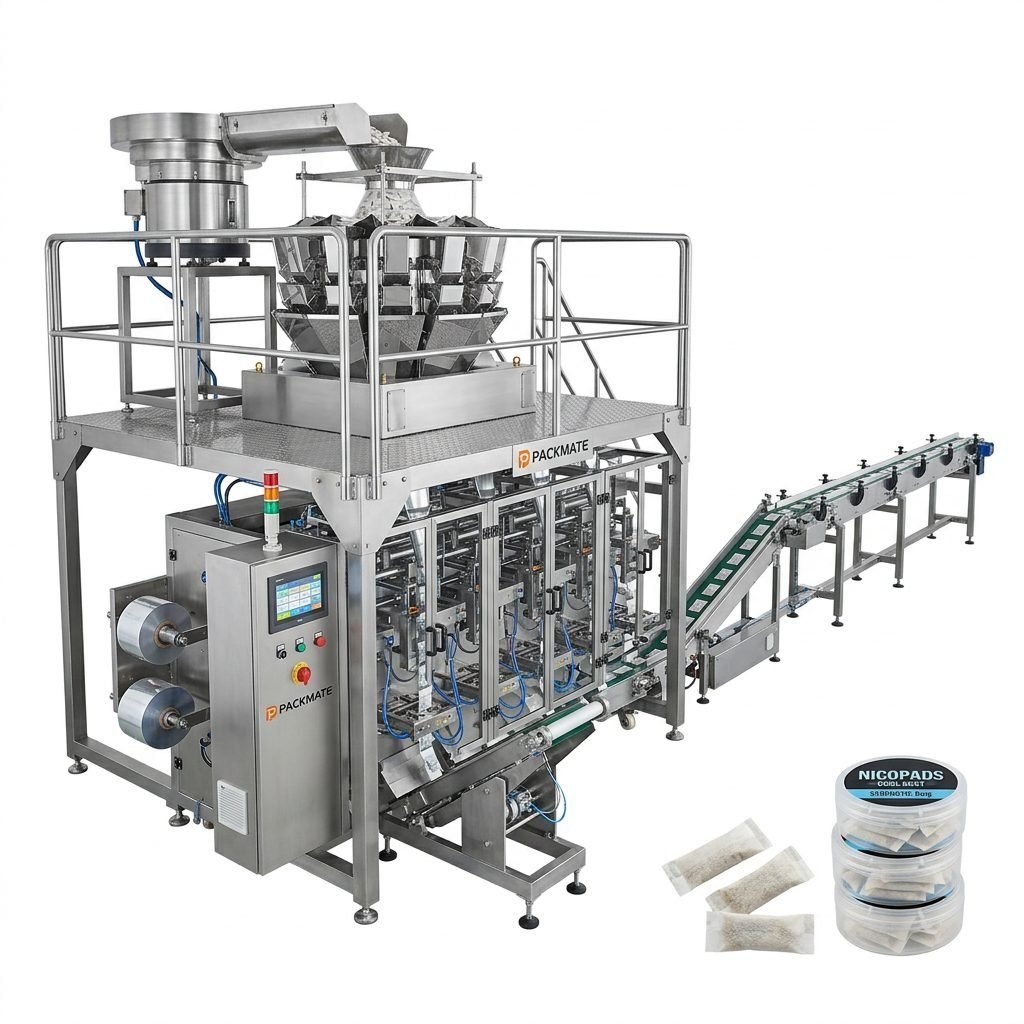
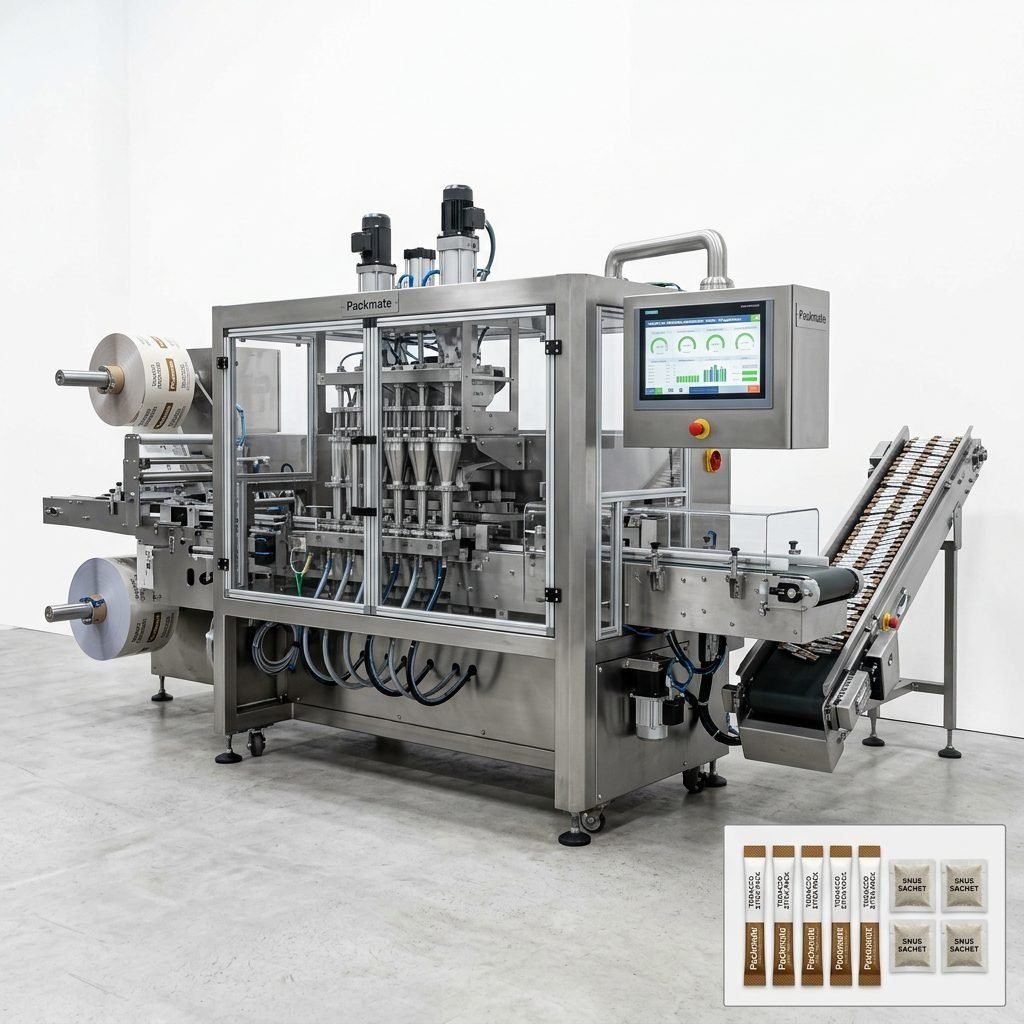
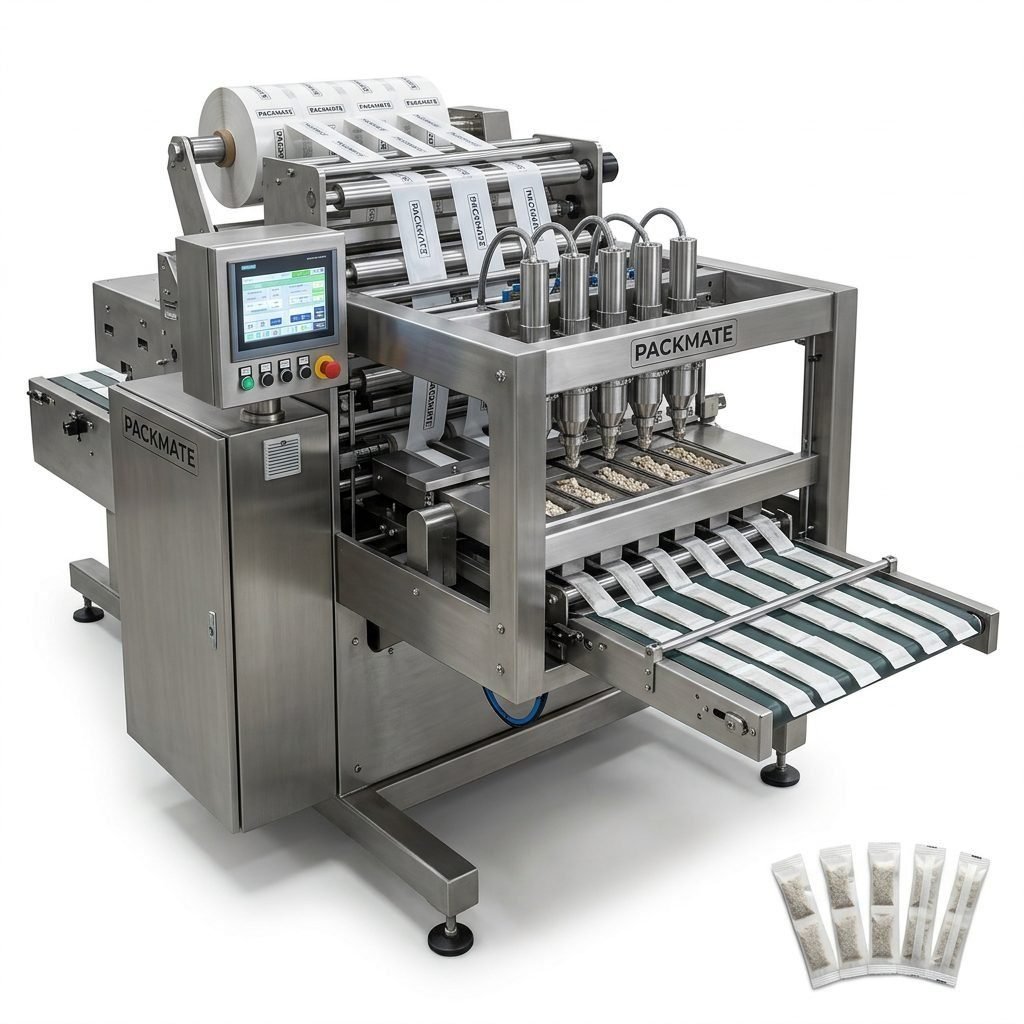
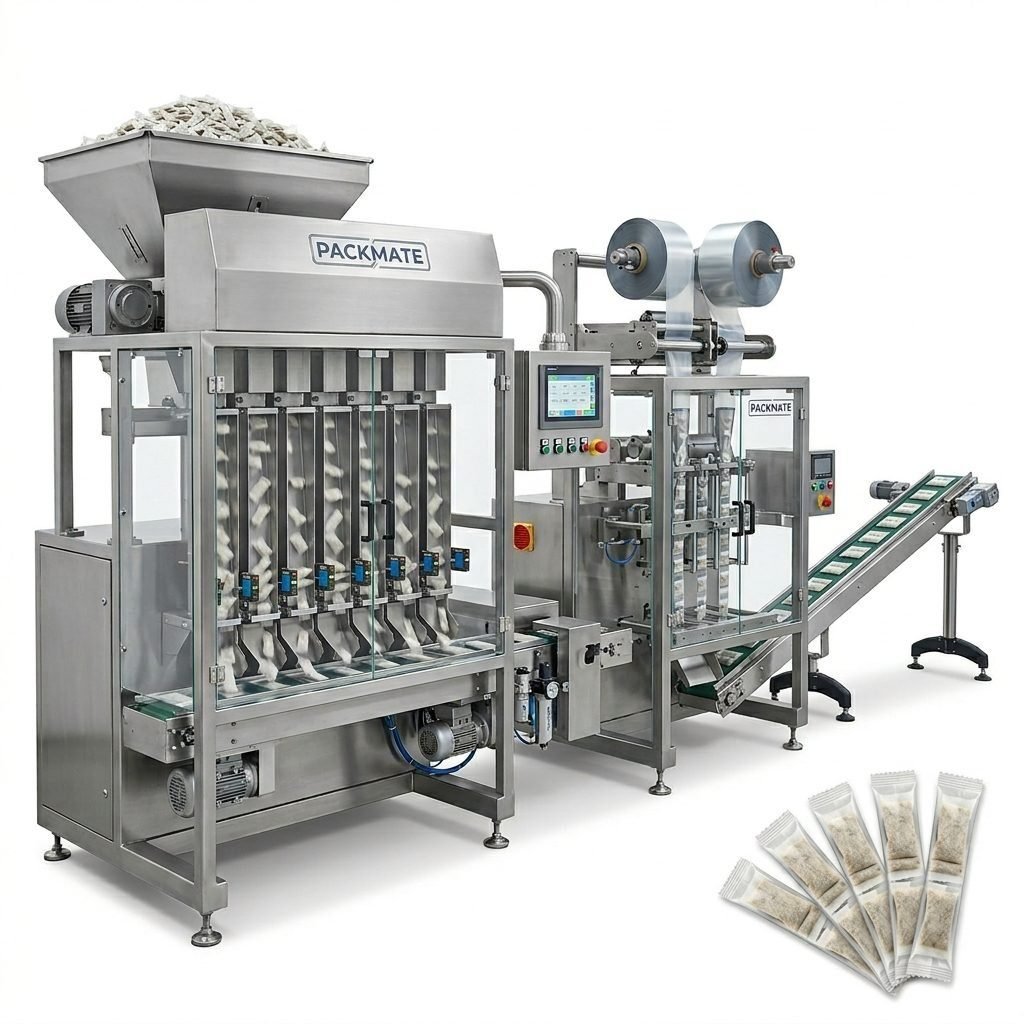
Machine type and flexibility: Look for machines that support various pouch formats—stick pack, sachet, and multi-lane nicotine pouch systems—so you can pivot product SKUs as demand changes.
Throughput and multi-lane options: For regional distribution, multi-lane systems deliver higher yield; for small local batches, a single-lane or modular approach reduces initial investment.
Sealing and barrier materials compatibility: Ensure the machine supports laminated foils or barrier films that protect against Samoa’s humidity and salt-laden air.
Dosage accuracy and product variety: Precision weighing and dosing systems are essential for nicotine pouch consistency; look at integrated weighing solutions for powders and granules.
Supplier Manufacturing Strength and Certifications
A reliable supplier should demonstrate proven manufacturing capacity, quality controls, and international certifications. For example, a supplier with:
• 30+ years of engineering experience and a large factory footprint.
• Advanced CNC machining centers and precision assembly lines.
• CE and ISO certifications that simplify customs clearance and buyer confidence.
After-sales Service: The Deciding Factor for Island Businesses
For businesses in Samoa, strong after-sales service is often more important than the lowest machine price. Key service elements to demand:
📦 Spare parts availability: Long lead times for parts can halt production; ensure the supplier stocks common wear parts or can dispatch quickly by air.
🔧 Remote technical support and training: Video guides, remote diagnostics, and scheduled virtual training save travel costs and accelerate downtime recovery.
📦 Installation and commissioning options: If on-site engineers are needed, confirm shipping logistics and local port handling to avoid delays.
Customization, Turnkey Solutions and Local Compliance
A capable supplier will provide turnkey solutions—tailored machine configurations, packaging line integration, and documentation for customs and regulatory review. Ask your supplier to adapt labeling, language, and artwork to Samoa’s legal requirements and community expectations.
Evaluating Cost vs. Total Value
Price is only one factor. Consider the total cost of ownership, which includes:
• Initial equipment price and financing options.
• Shipping, import duties, and on-island transport costs.
• Energy consumption and maintenance frequency.
• Expected uptime and the supplier’s service response time.
A slightly higher initial investment in a machine with better reliability and local support often pays off faster than repeated repairs or downtime.
What to Ask Potential Suppliers: A Practical Checklist
1. Production capacity: What is the machine’s maximum output (packets/min) and can it be configured for multi-lane production?
2. Materials compatibility: Which film laminates and barrier materials does the machine support for humidity protection?
3. Certifications and documentation: Do you provide CE/ISO certificates and test reports for customs and regulatory needs?
4. Spare parts and lead time: Where are spare parts stocked and how quickly can they be shipped to Samoa?
5. Training and support: Is remote commissioning available? Do you provide operation manuals in English and Samoan if requested?
6. References and case studies: Can you share global customer cases or videos of machines in operation?
Supplier Red Flags to Watch For
⚠ Suppliers who cannot demonstrate long-term service, lack transparent spare parts pricing, or are vague about logistics should be treated with caution. Also, avoid vendors that cannot supply compliance documentation or have no export experience to Pacific islands.
Why Packmate Snus Machine Is a Strong Candidate
With over 30 years of engineering experience and a 20,000㎡ manufacturing facility, Packmate offers a wide range of snus and nicotine packaging solutions. Their strengths include:
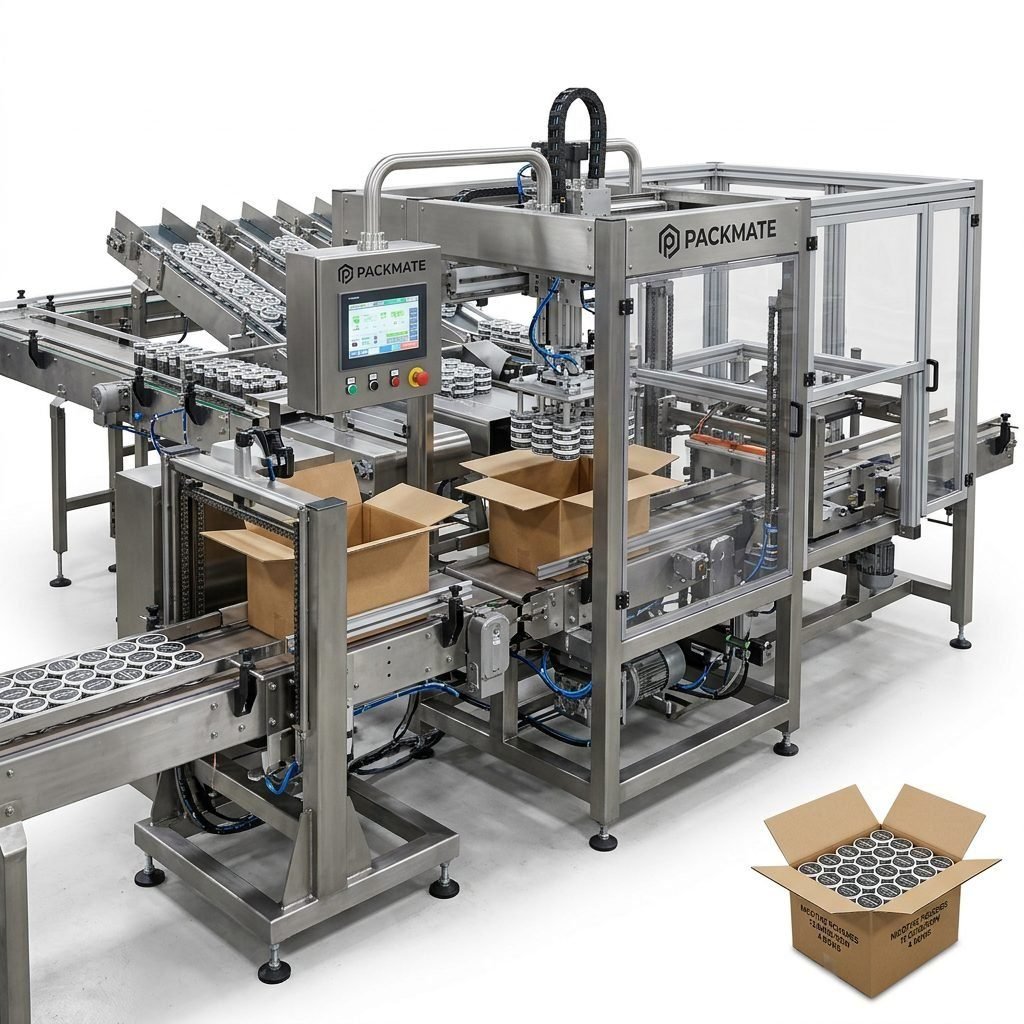
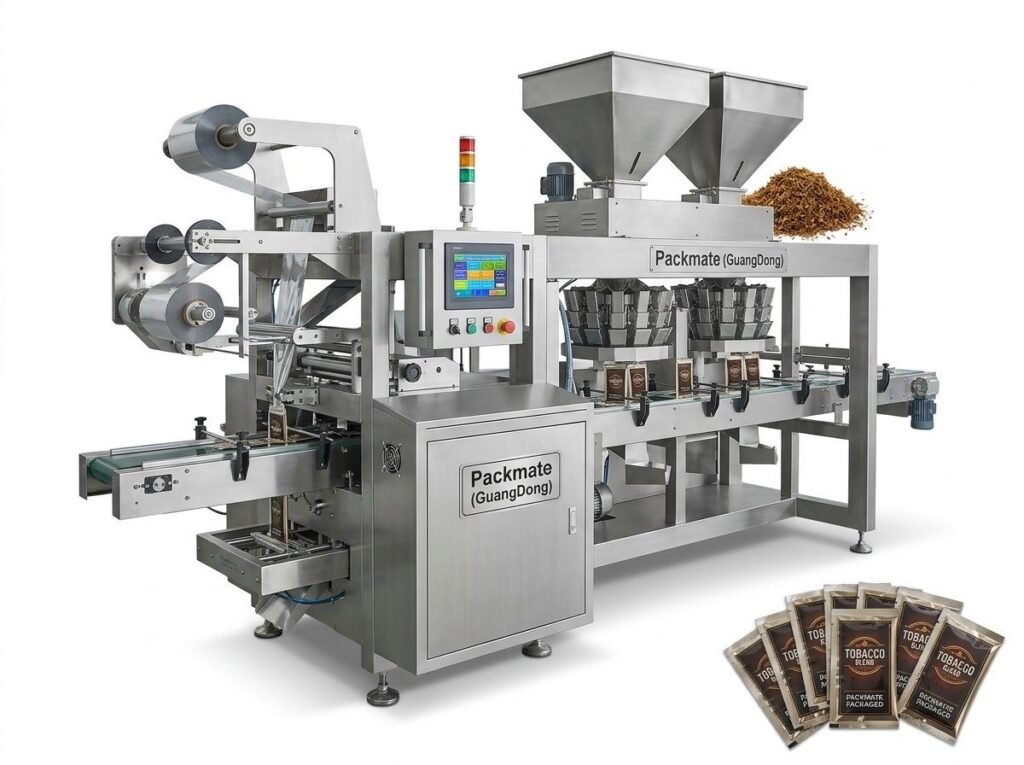
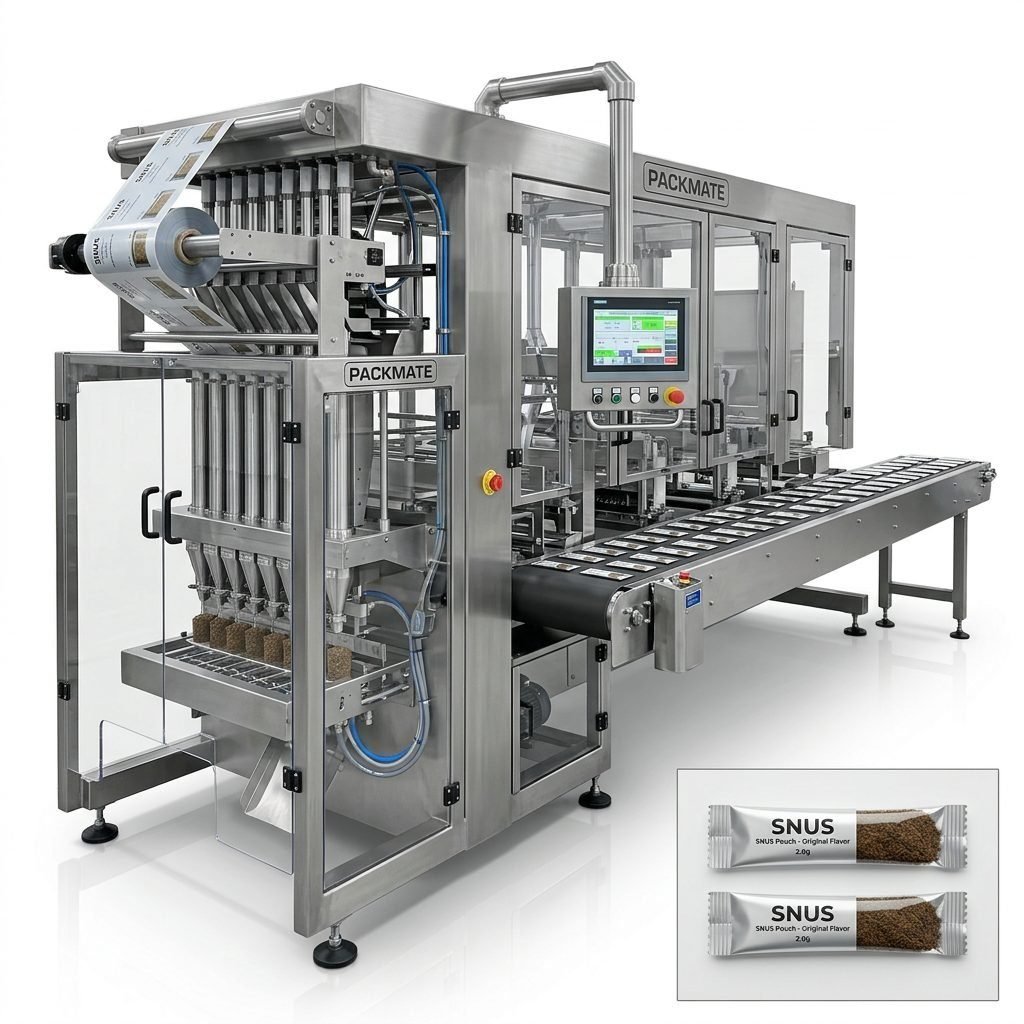
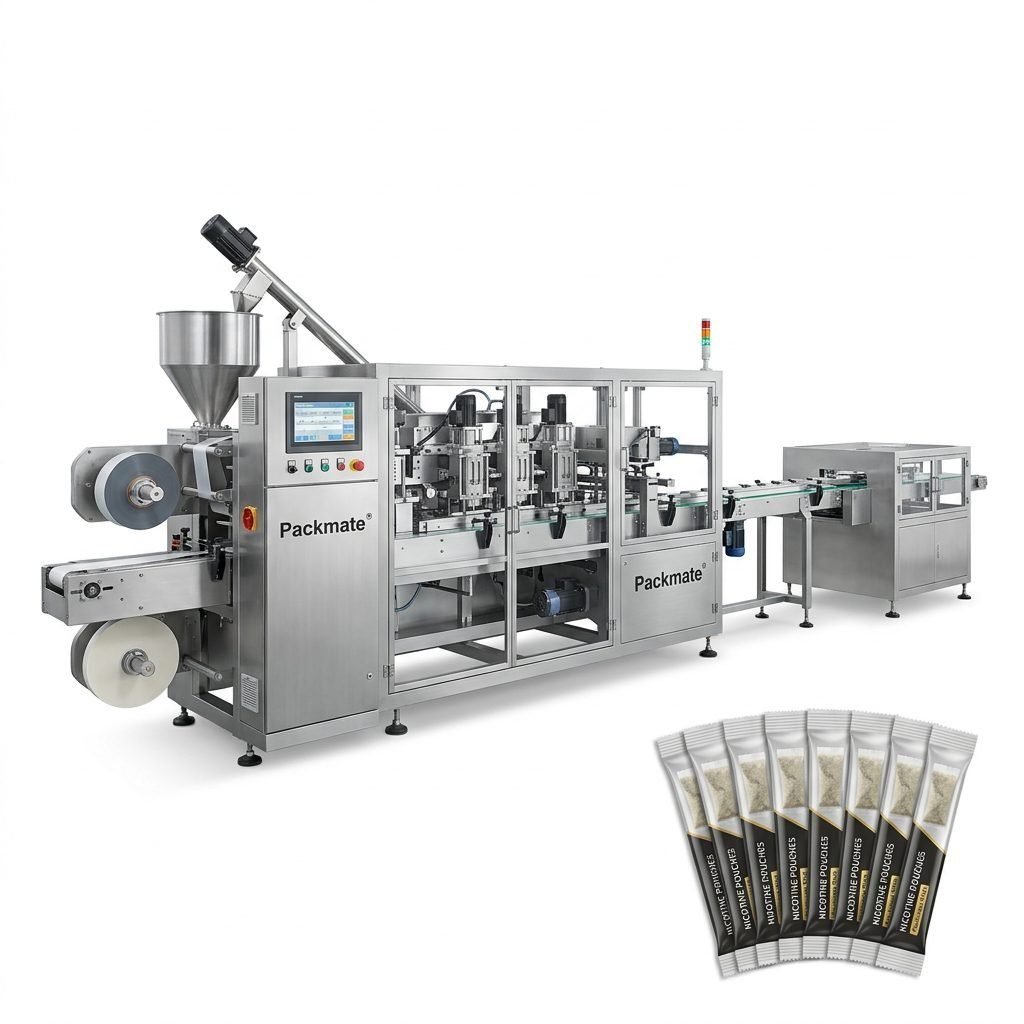
• 50+ machine models covering stick packs, sachets, multi-lane snus systems, and integrated filling and weighing lines.
• Advanced CNC machining and strict quality testing to ensure machine stability and repeatability.
• International certifications (CE, ISO) and global exhibition presence that demonstrate export capability.
Explore Packmate’s product categories and services to match your project needs: Snus & Nicotine Packaging Machines, Bag & Pouch Packaging Machines, and find turnkey support via their Service and Contact Us pages.
Practical Logistics & Shipping Tips for Samoa
Samoa’s remote location makes shipping strategy essential. Coordinate with suppliers on:
📦 Consolidated shipments and proper crating to protect machines from sea salt and humidity.
🚢 Clear customs documentation and HS codes to avoid delays.
🛠 Pre-shipment inspection and video demonstrations to confirm machine performance before departure.
Installation, Training and Local Workforce Development
Developing local operator skills will reduce downtime and dependency on external technicians. Ensure your supplier offers:
• Structured training programs for operators and maintenance staff.
• Bilingual manuals and digital resources.
• Scheduled preventive maintenance packages.
Packaging Design and Branding for Samoan Consumers
Respectful, culturally sensitive designs resonate best. Use clear labeling, health warnings where required, and consider using Samoan motifs or bilingual labels for local appeal. Durable, moisture-resistant pouches with resealable options often perform better in tropical retail environments.
Making the Final Decision: A Step-by-step Approach
Follow a structured selection process:
1. Shortlist suppliers with relevant experience and certifications.
2. Request detailed machine specs, videos, and customer references.
3. Ask for a total cost quote including shipping, installation, and a spare parts kit.
4. Negotiate warranty, service response time, and training packages.
5. Confirm pre-shipment tests and documentation for Samoa import.
Final tips for Samoan buyers
• Prioritize suppliers that have exported to island nations or have Pacific region experience.
• Insist on robust packaging for the machines to survive long sea journeys.
• Build a relationship with the supplier for ongoing support—strong partnerships reduce risk.
Useful resources
For more product details and to review models and real cases, visit supplier product pages and case studies to match your production goals and budget. Consider reviewing live demos at exhibitions when possible to see machine reliability in person: Case and Our Exhibition.
🌴 In summary: Select a supplier who understands Samoa’s logistics and climate, offers strong after-sales and remote support, and provides machines compatible with moisture-resistant materials and local labeling. The right partner balances technical capability with responsive service—ensuring your snus production line runs smoothly across the Pacific.
Common Questions
Q1: How important are certifications when importing machines into Samoa?
A1: Certifications like CE and ISO help streamline customs clearance, reassure buyers about safety and quality, and support compliance. Always request copies of certificates before purchase.
Q2: How do I handle spare parts for machines shipped to Samoa?
A2: Ask the supplier to include a starter kit of wear parts, confirm parts pricing and lead times, and establish an account or local stocking arrangement where possible to reduce downtime.
Q3: Can suppliers provide machine manuals and training in English and Samoan?
A3: Many experienced suppliers will provide manuals in English and can offer bilingual support if requested; confirm this in the negotiation stage.
Q4: What is the best way to protect packaging integrity in Samoa’s climate?
A4: Use barrier films, proper sealing temperatures, desiccants for secondary packaging, and climate-controlled storage whenever possible to extend shelf life and prevent moisture ingress.