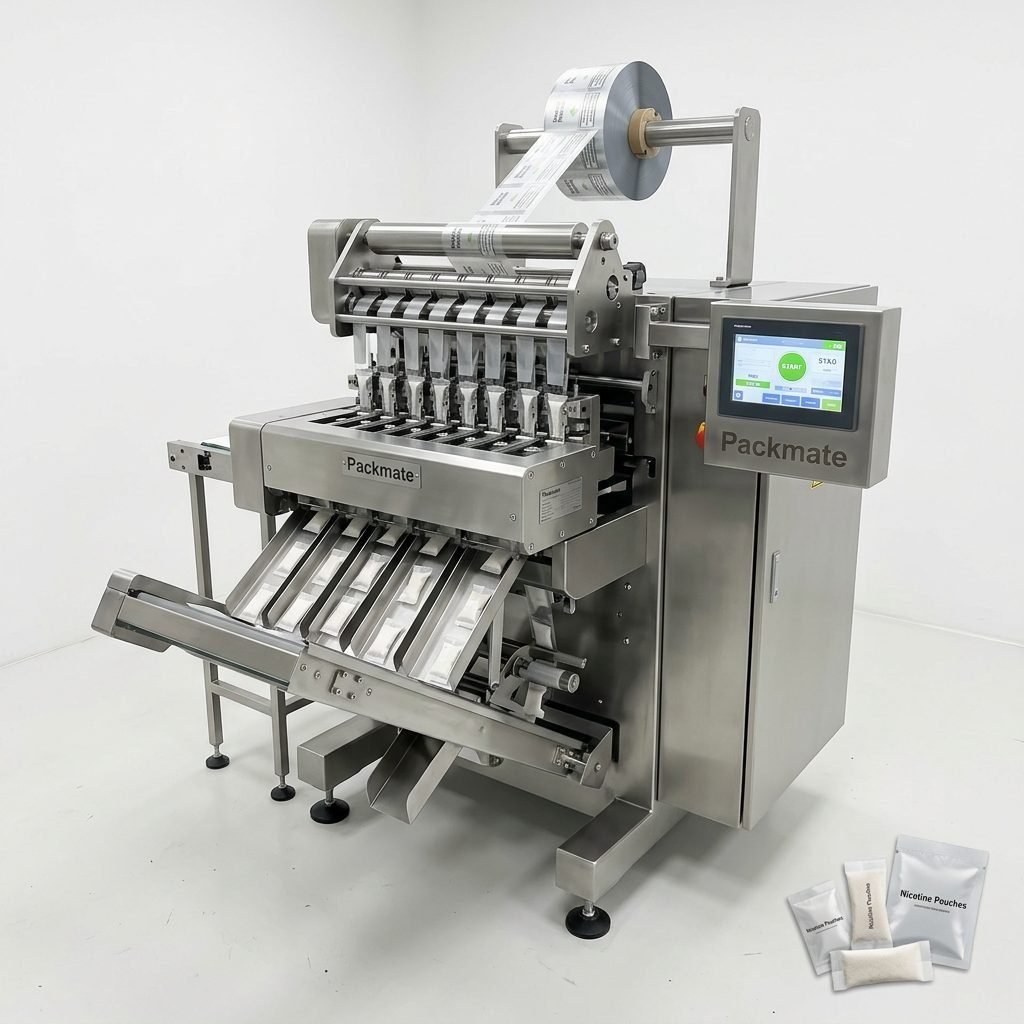
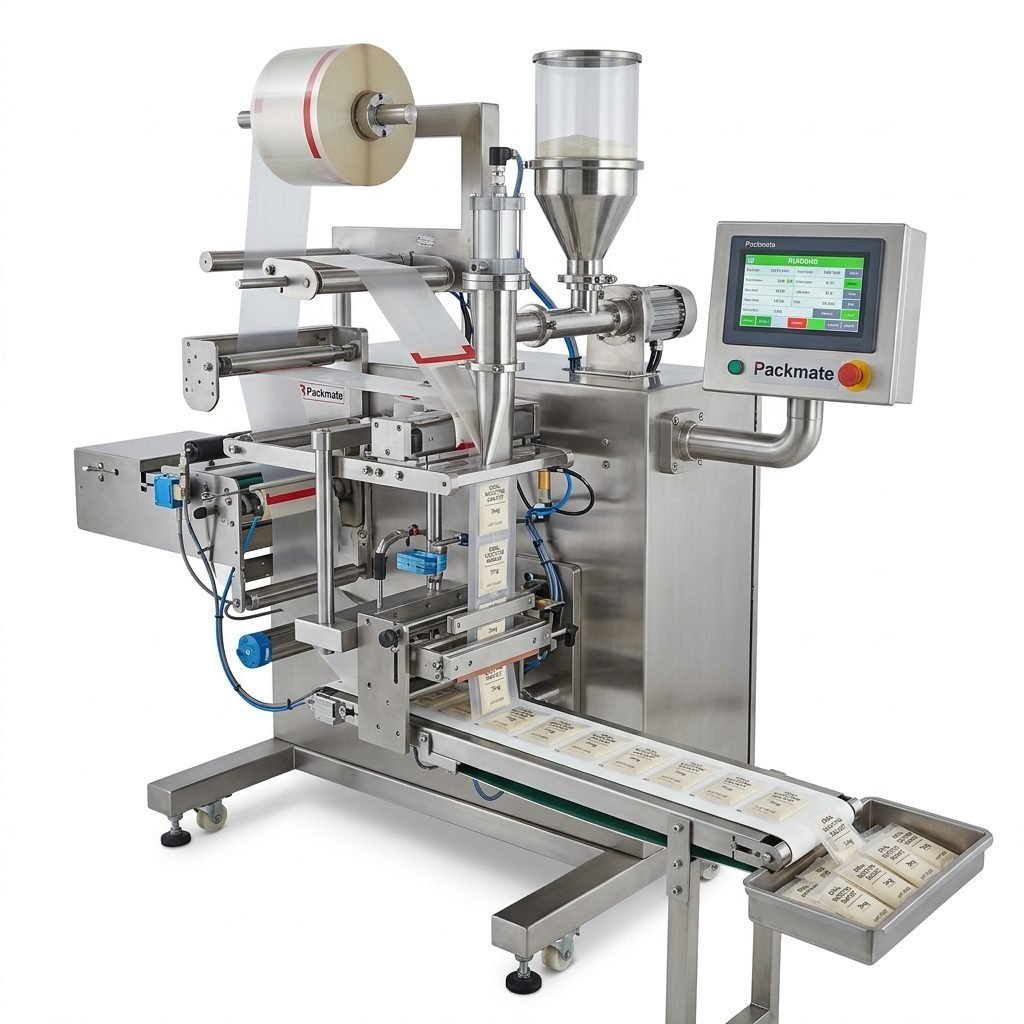
Choosing the right snus packaging machine supplier for your business in Botswana is a strategic decision that affects product quality, compliance, production costs, and time-to-market. Botswana’s market dynamics — with a growing urban consumer base, rising demand for convenience items, and a business culture that values reliability and face-to-face relationships — make it essential to select a partner who understands local needs while delivering robust international standards. This guide walks you through practical criteria, local considerations, and actionable steps to identify the best supplier for snus and nicotine pouch packaging machines.
Understand Botswana’s Market & Regulatory Context
🔍 Botswana’s regulatory environment for tobacco and nicotine products can change based on public health policy and imports. Before committing to equipment, confirm local regulations for packaging, labeling, and permissible nicotine product forms. In Botswana, manufacturers and importers often prefer suppliers who can provide documentation and machine settings that support compliant labeling and batch traceability. Working with a supplier experienced in international compliance (CE, ISO) reduces the risk of non-compliance and costly rework.
Why local culture matters
✅ Botswanan businesses value long-term partnerships and reliable after-sales service. Suppliers that offer on-site training, clear communication, and timely spare parts shipping are favored. If you plan to scale distribution across major towns like Gaborone, Francistown, and Maun, prioritize suppliers who understand logistics and can provide scalable production lines.
Key Supplier Selection Criteria
Top checklist: quality & certifications, local support, machine flexibility, total cost of ownership, spare parts & warranty, and references. Use this checklist during supplier evaluation and scoring.
1. Certifications & Machine Quality
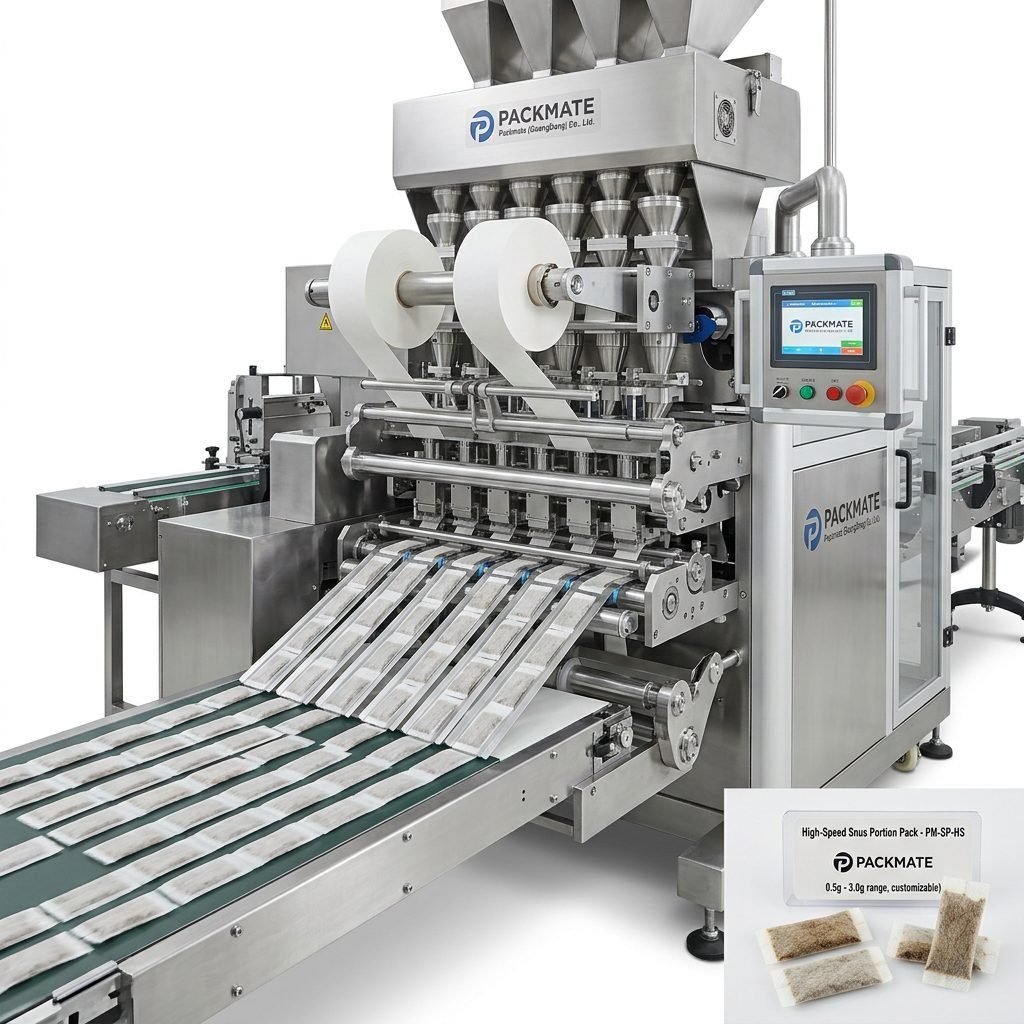
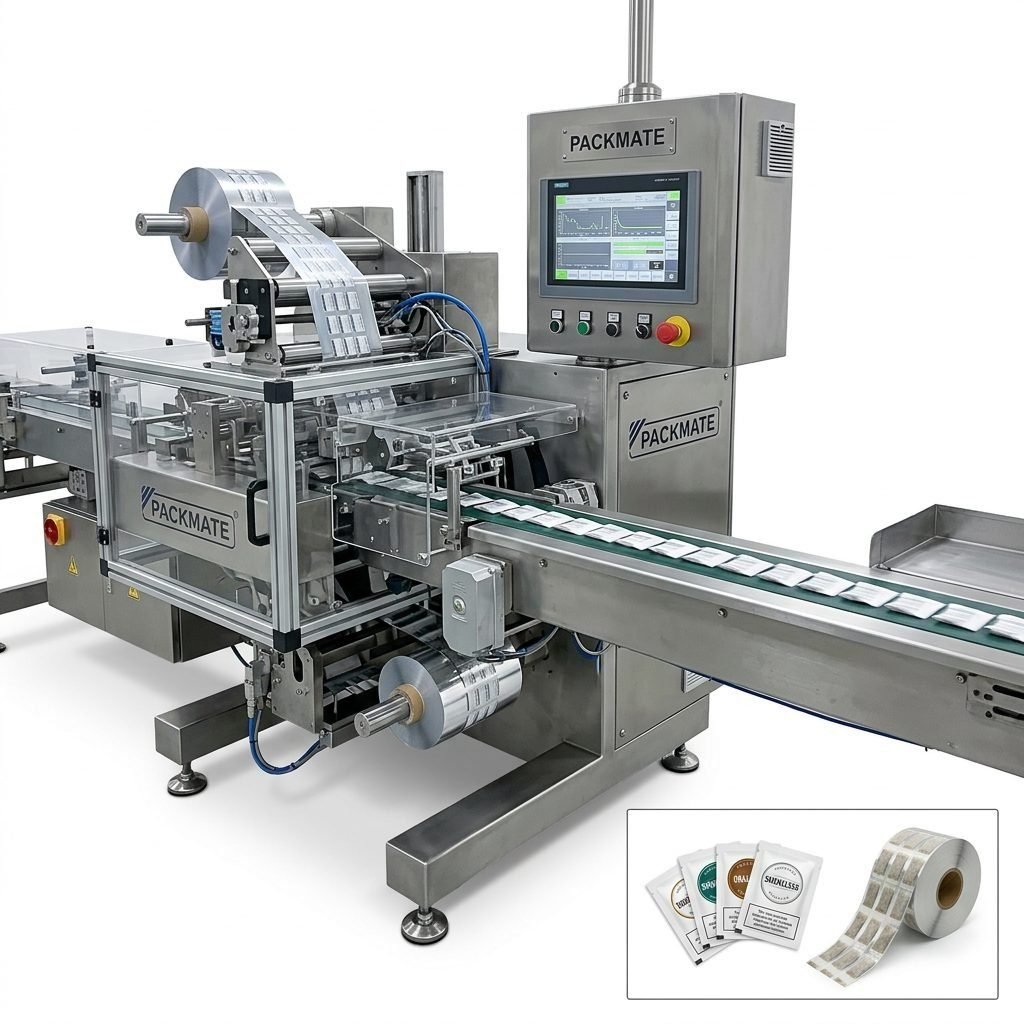
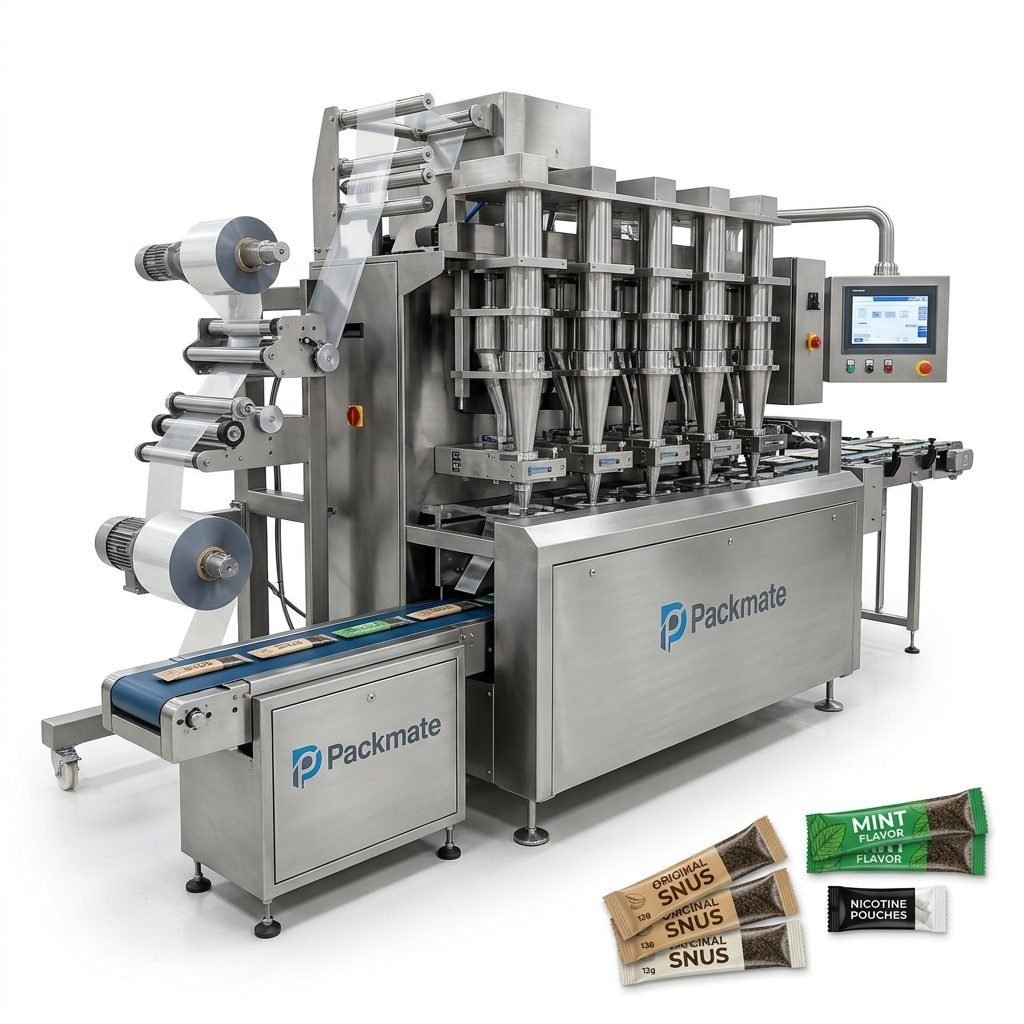
🔧 High-quality machines should meet international standards. Look for suppliers whose equipment complies with CE and ISO certifications and who provide clear quality-control records. Packmate Snus Machine, for example, emphasizes global compliance and rigorous factory testing for performance and durability.
2. Local After-sales Support & Training
📞 In Botswana, rapid after-sales response is crucial. Suppliers that can dispatch technical engineers, provide remote diagnostics, and offer on-site training will reduce downtime. Confirm lead times for spare parts and whether the supplier supports local technicians with training materials and installation assistance.
3. Machine Types & Production Flexibility
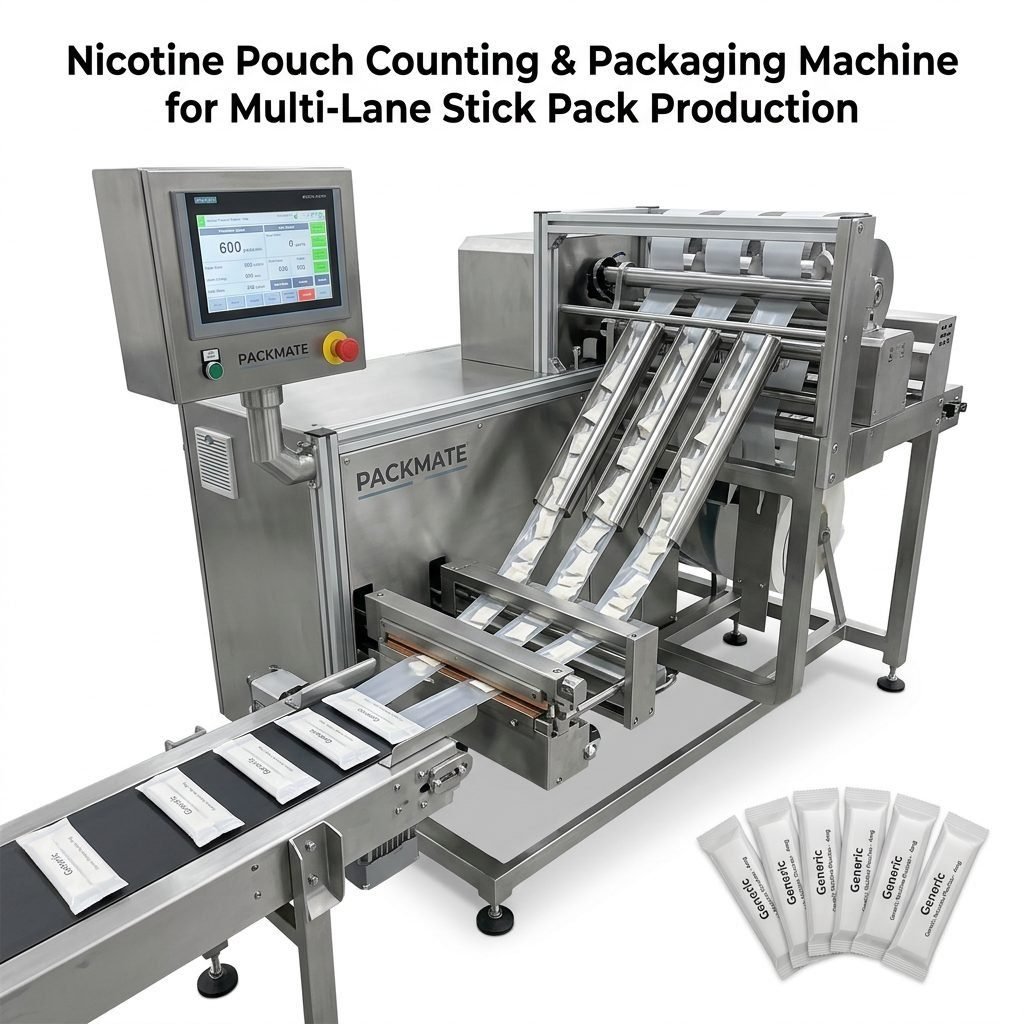
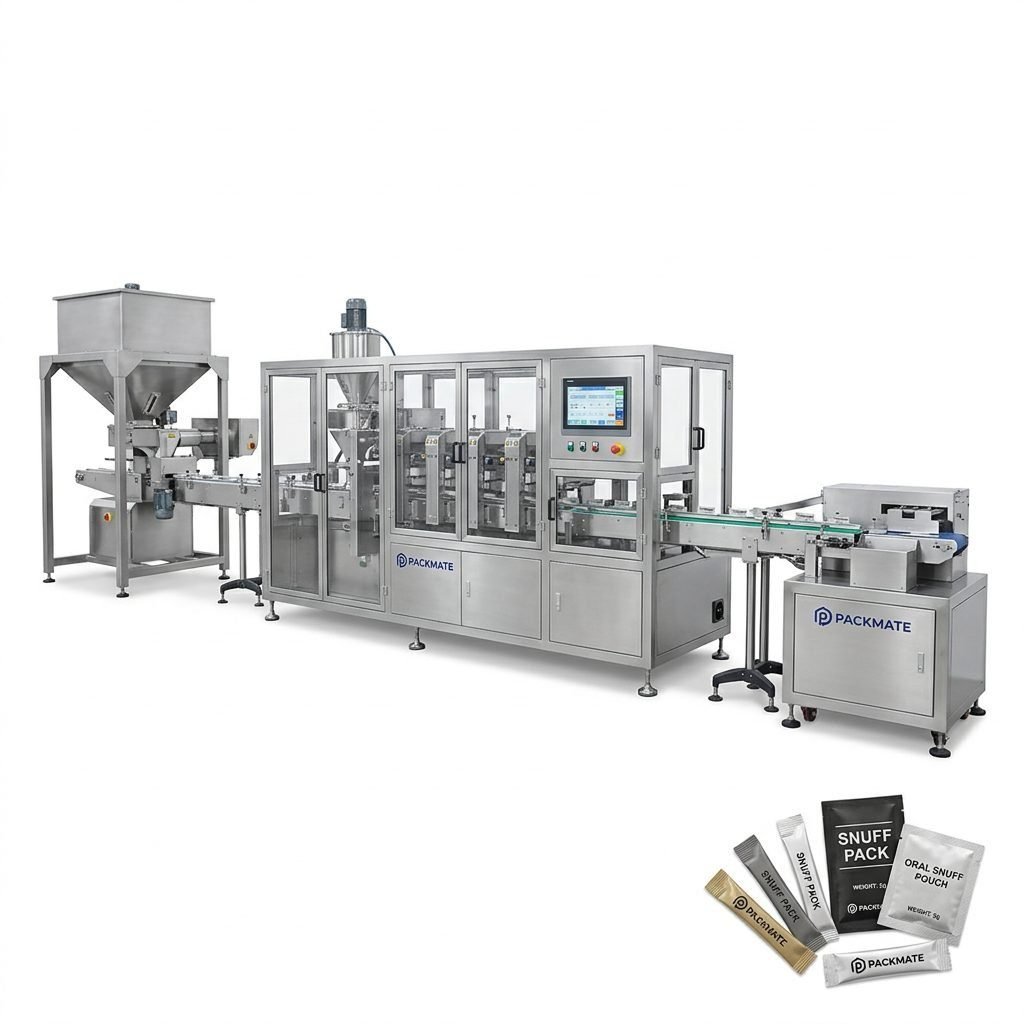
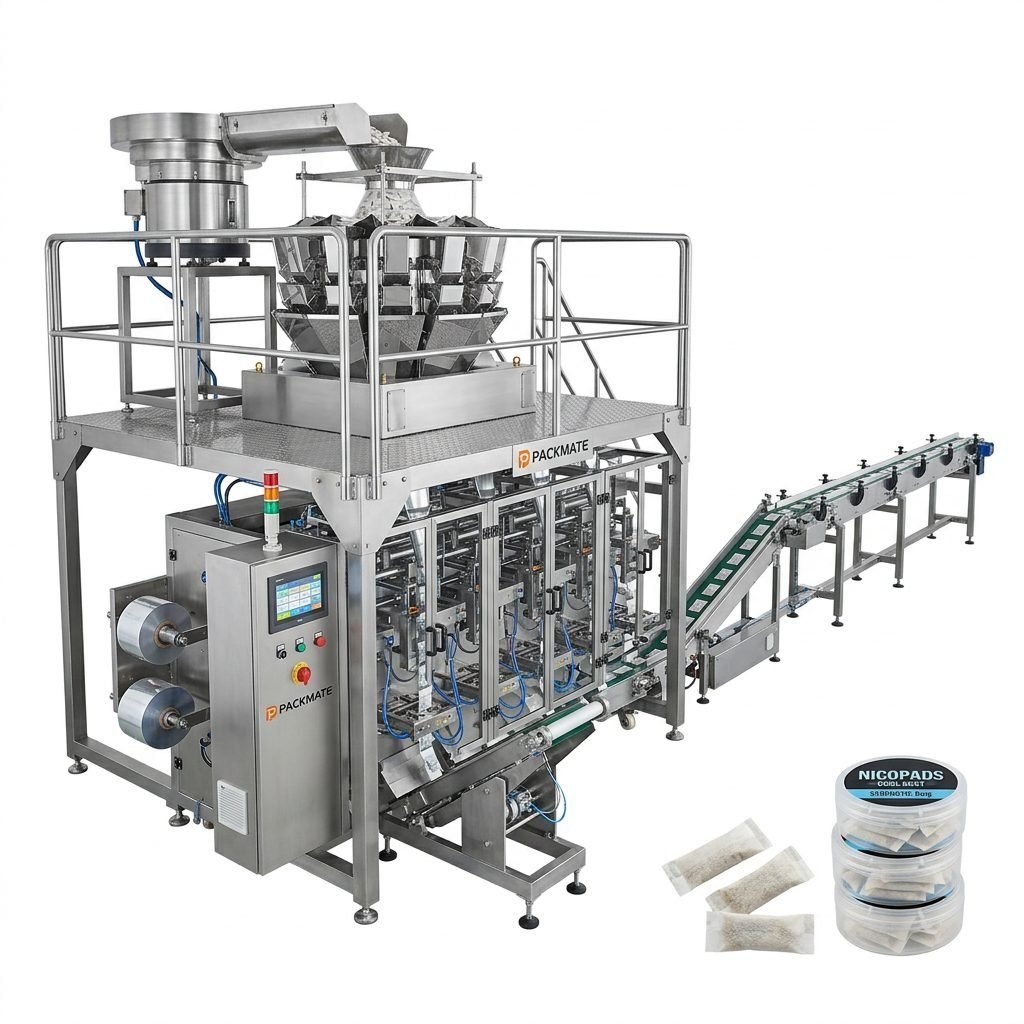
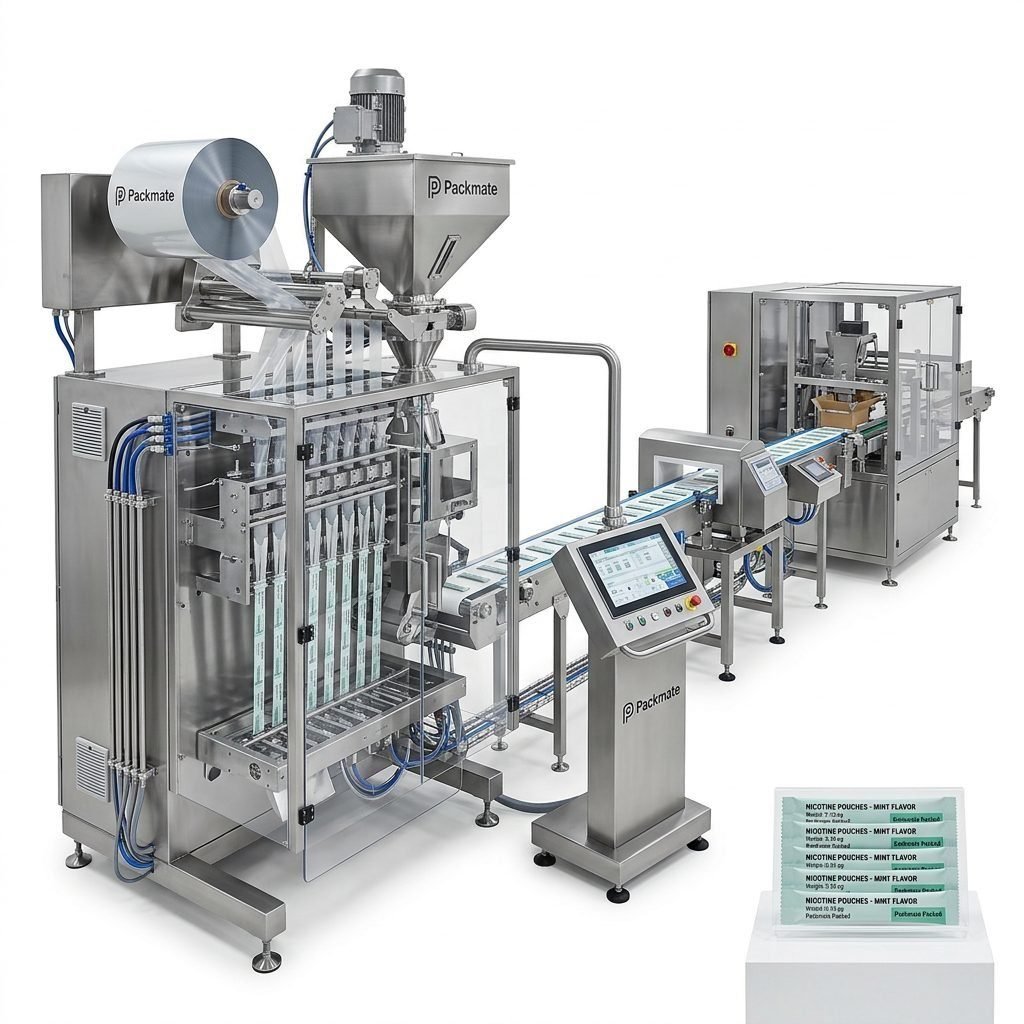
🔄 Choose machines that match your product formats and future growth. Important machine types include multi-lane snus pouch systems, stick pack machines, sachet machines, and integrated weighing & filling lines. If you foresee multiple SKUs or small-batch production, favor multi-lane or modular systems that can adapt without major retooling. For product references, explore suppliers’ product range such as Snus & Nicotine Packaging Machines.
4. Throughput, Accuracy, and Waste Reduction
⚙️ Evaluate machines by effective throughput (pouches/min), dosing accuracy, and material waste rates. Higher initial speeds may not translate to better performance if accuracy or material handling suffers. Suppliers who provide realistic performance data, test reports, and factory acceptance trials will help you judge real-world output.
5. Hygiene, Materials & Food-Safe Construction
🧼 For consumables like snus and nicotine pouches, stainless-steel contact parts, CIP-compatible designs, and dust control are essential. Check if the supplier uses food-grade materials, offers easy cleaning access, and designs machines to minimize contamination risks.
Commercial Considerations: Price vs Total Cost of Ownership
💰 The lowest purchase price isn’t always the best choice. Compare warranties, spare parts pricing, energy consumption, maintenance schedules, and expected machine life. A slightly more expensive machine from a trusted supplier with strong after-sales support can save significant costs over the long term. Ask suppliers for a lifecycle cost estimate and reference installations.
Payment Terms, Lead Times & Logistics
🚚 Confirm delivery lead times, shipping responsibilities, and import documentation support. Suppliers experienced in shipping to Africa can assist with customs paperwork and advise on packaging for long-distance transport. Negotiate payment terms that protect both parties, such as staged payments tied to factory acceptance tests and shipping milestones.
Assessing Supplier Credibility & Track Record
📁 Request case studies, client lists, and videos of live lines. Reliable suppliers will provide proof of installations across similar markets. Packmate highlights global cooperation cases and exhibition presence — factors that indicate transparency and international reach. Review real-world case examples: Case.
Factory Visits & Virtual Factory Tours
✈️ If feasible, perform a factory visit. If travel is constrained, request a virtual tour or live demonstration via video conference. During the visit, evaluate machining centers, assembly lines, and quality-test reports. Ask to see the specific model you plan to purchase running with your product type.
Customization, Turnkey Lines & Integration
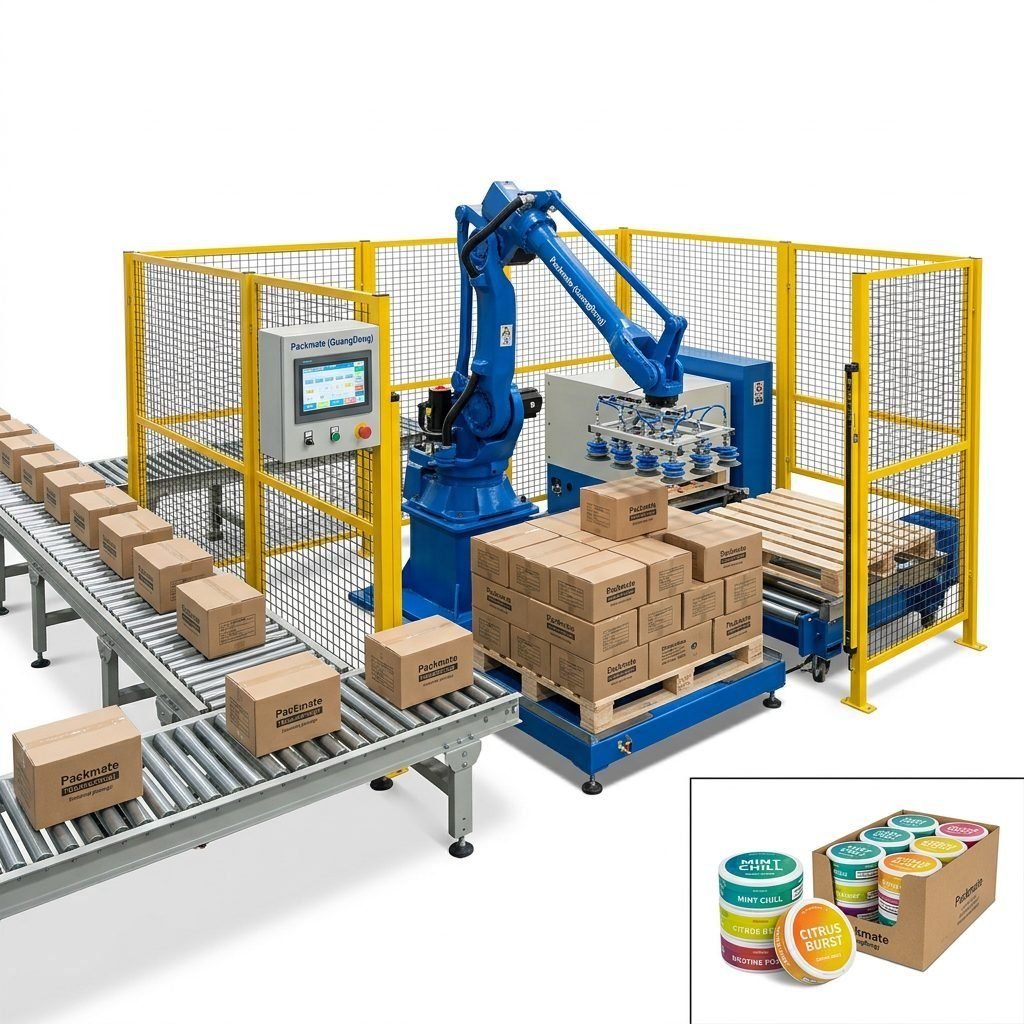
🧩 Many Botswana manufacturers prefer turnkey solutions that include filling, weighing, packing, and end-of-line systems. Confirm integration capability with your upstream and downstream equipment and inquire about control systems compatibility, PLC programming, and operator interfaces in English. Vendor offerings like complete production lines and auxiliary equipment can simplify procurement: Filling & Packaging Lines and Auxiliary Packaging Equipment.
Spare Parts, Warranty & Remote Support
🔁 Confirm warranty terms, spare parts delivery times to Botswana, and availability of remote technical support. Suppliers that keep a parts inventory close to your region or provide express shipping will minimize production interruptions. Also ask about spare parts kits included with the original purchase.
Red Flags & Practical Tips
❗ Red flags include vague performance claims, lack of verifiable references, unclear warranty terms, no local support plan, and refusal to allow factory acceptance testing. Always require a demonstration with your product samples and a written acceptance protocol.
💡 Practical tip: arrange a short acceptance test where the supplier runs your actual product on the machine at either their factory or a controlled demo site. Check seal integrity, dose accuracy, and packaging aesthetics before final payment.
Choosing Between Local Resellers and Direct Manufacturers
🧾 Local resellers can offer faster on-site service and knowledge of customs procedures, while direct manufacturers often provide lower pricing and deeper technical expertise. For Botswana buyers, consider a hybrid approach: select a reputable manufacturer that works with a reliable local representative for fast service and easier logistics. You can learn more about supplier profiles and direct manufacturer capabilities on the company About page: About Packmate.
Negotiating Contracts & After-sales SLA
✍️ Ensure contracts specify installation scope, training hours, spare parts included, response times for field service, and performance acceptance criteria. A strong Service Level Agreement (SLA) with defined penalties for missed timelines protects your operation from extended downtime.
How to Run a Supplier Evaluation Scorecard
🧾 Create a weighted scorecard covering: certification & quality (20%), after-sales & training (20%), performance & accuracy (15%), flexibility & customization (15%), cost & payment terms (10%), spare parts & warranty (10%), and references (10%). Score each supplier objectively and use the results to guide negotiation and final selection.
Local Installation & Workforce Training
👥 Plan for operator and maintenance training in Botswana. Suppliers should provide manuals, parts lists, and troubleshooting guides in English and offer remote or on-site training sessions. Training local technicians reduces dependency on external engineers and lowers operating risk.
Final Steps Before Purchase
✅ Before placing an order: confirm acceptance criteria, secure spare parts availability, validate payment and shipping terms, and agree on installation & commissioning schedules. If you need additional product options or to compare machine families, check product catalogs and demonstration videos: Catalog.
📌 Quick recap: prioritize certification and quality, confirm local support and spare parts, verify real-world performance with your product, and negotiate clear SLAs. A considered selection process reduces long-term operating costs and production risk in Botswana’s growing market.
Useful Links & Next Actions
If you want to explore machines and solutions in detail, start with specialized product pages and reach out for tailored quotations and demo scheduling. Contacting the supplier directly can help you arrange on-site or virtual trials: Contact Us.
Frequently Asked Questions
Q1: How long does delivery and installation typically take for snus packaging machines shipped to Botswana?
A1: Delivery and installation depend on machine complexity and current production schedules. Typical lead times range from 8–16 weeks for standard models. Allow extra time for customs clearance; negotiate specific timelines and penalties in the purchase agreement.
Q2: What after-sales support should I expect from a reliable supplier?
A2: Expect remote diagnostics, spare parts availability, on-site commissioning, operator training, and a clear warranty. Good suppliers provide manuals, video guides, and rapid-response channels to minimize downtime.
Q3: Can machines be customized for Botswana packaging preferences and materials?
A3: Yes. Many manufacturers offer customization for pouch formats, material thickness, and labeling systems. Discuss your packaging film suppliers and label requirements early so the supplier can adapt sealing jaws, feed systems, and dosing technology accordingly.
Q4: How do I evaluate the total cost of ownership (TCO)?
A4: TCO includes purchase price, energy use, spare parts, maintenance labor, consumables, downtime costs, and expected machine lifetime. Request a TCO breakdown from each supplier to compare options accurately.
Q5: Where can I see real installations and get references?
A5: Ask suppliers for case studies, reference clients, and video tours of installations. Many manufacturers also present at international exhibitions, where you can see live demos and meet technical teams: Our Exhibition.