Entering or expanding nicotine pouch production in Algeria requires more than just buying a machine — it demands selecting a packaging machinery supplier that understands local business culture, regulatory expectations, and the practical realities of North African logistics. This guide walks factory managers, procurement teams, and production engineers through a practical, step-by-step approach to choosing the best nicotine packaging machinery supplier in Algeria for your factory. Expect actionable checklists, negotiation tips, and real-world considerations tailored to Algeria’s market and workforce habits.
Understanding the Algerian Context: Market, Customs, and Practicalities
Algeria has a unique mix of Mediterranean and Saharan influences that shape business culture. Personal relationships and trust matter: face-to-face meetings, clear after-sales agreements, and on-site demonstrations are highly valued. When evaluating suppliers, consider how well they can support local language needs (Arabic and French), provide responsive service across long distances, and handle customs clearance for heavy machinery arriving at ports such as Algiers or Oran.
Key local considerations: reliable spare parts inventory, clear shipping timelines, Arabic/French documentation, compliance with local electrical standards, and culturally aware installation training for factory staff.
What kinds of nicotine packaging machines are commonly used in Algeria?
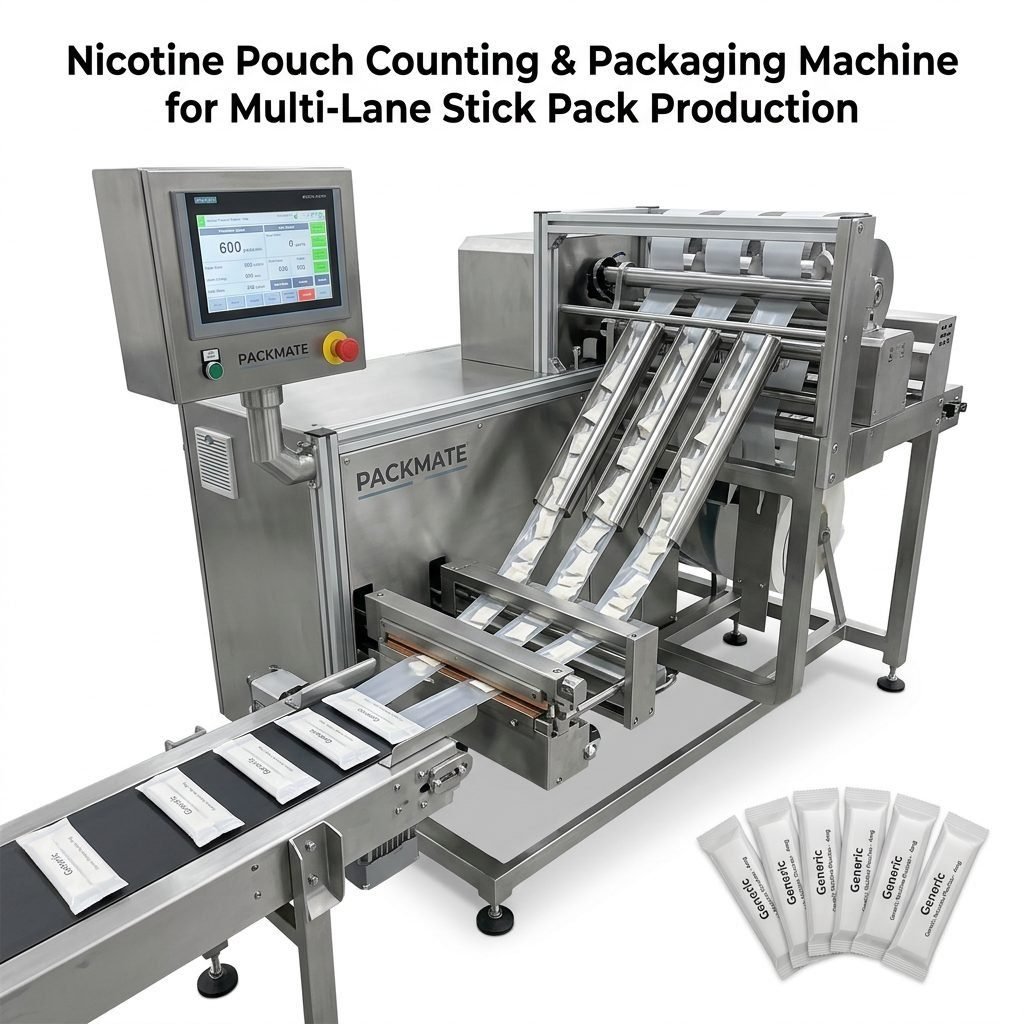
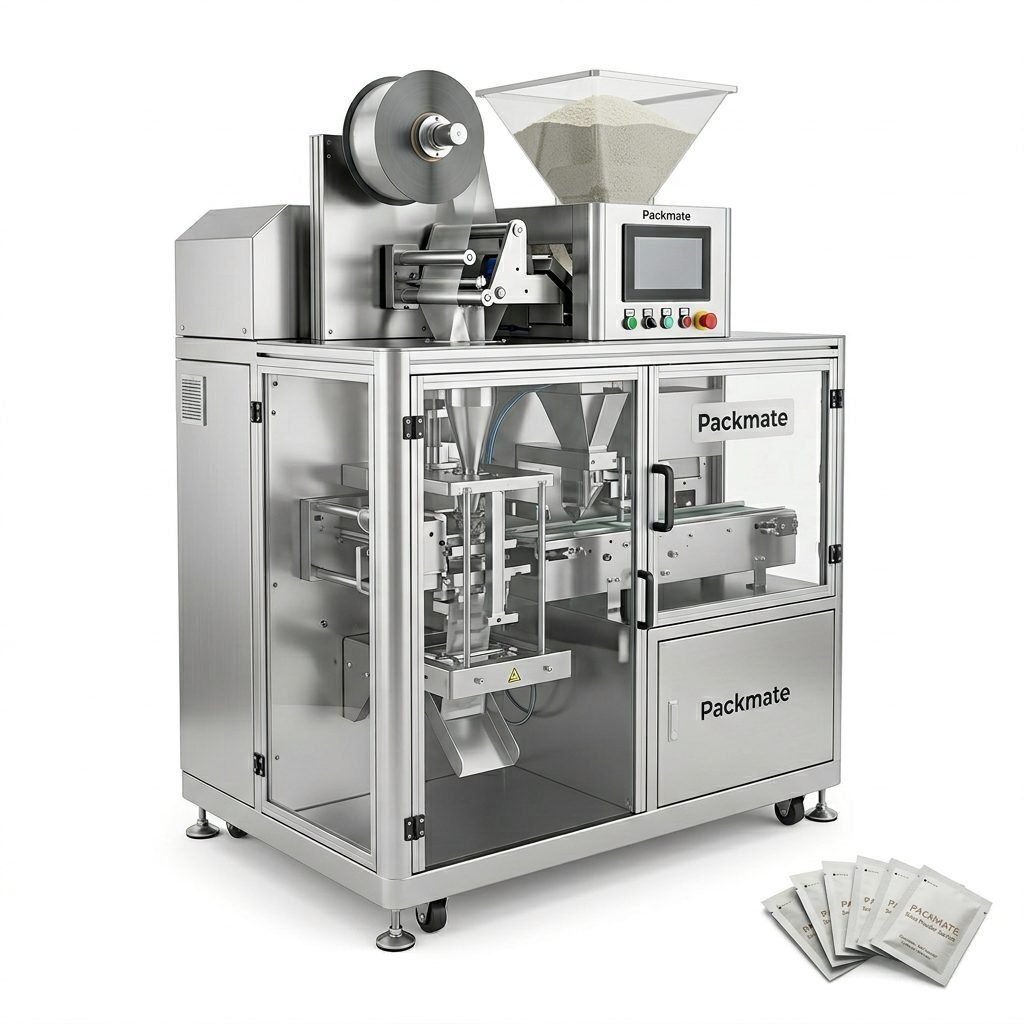
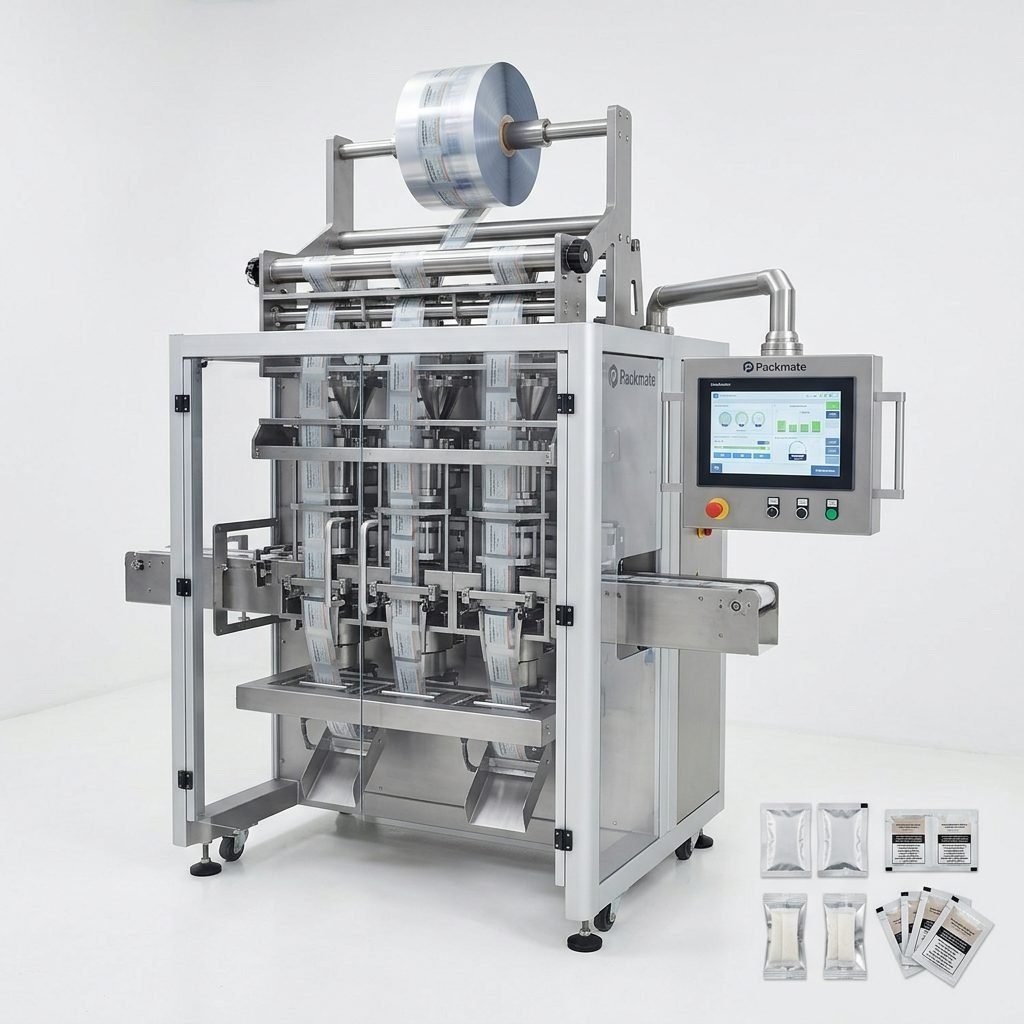
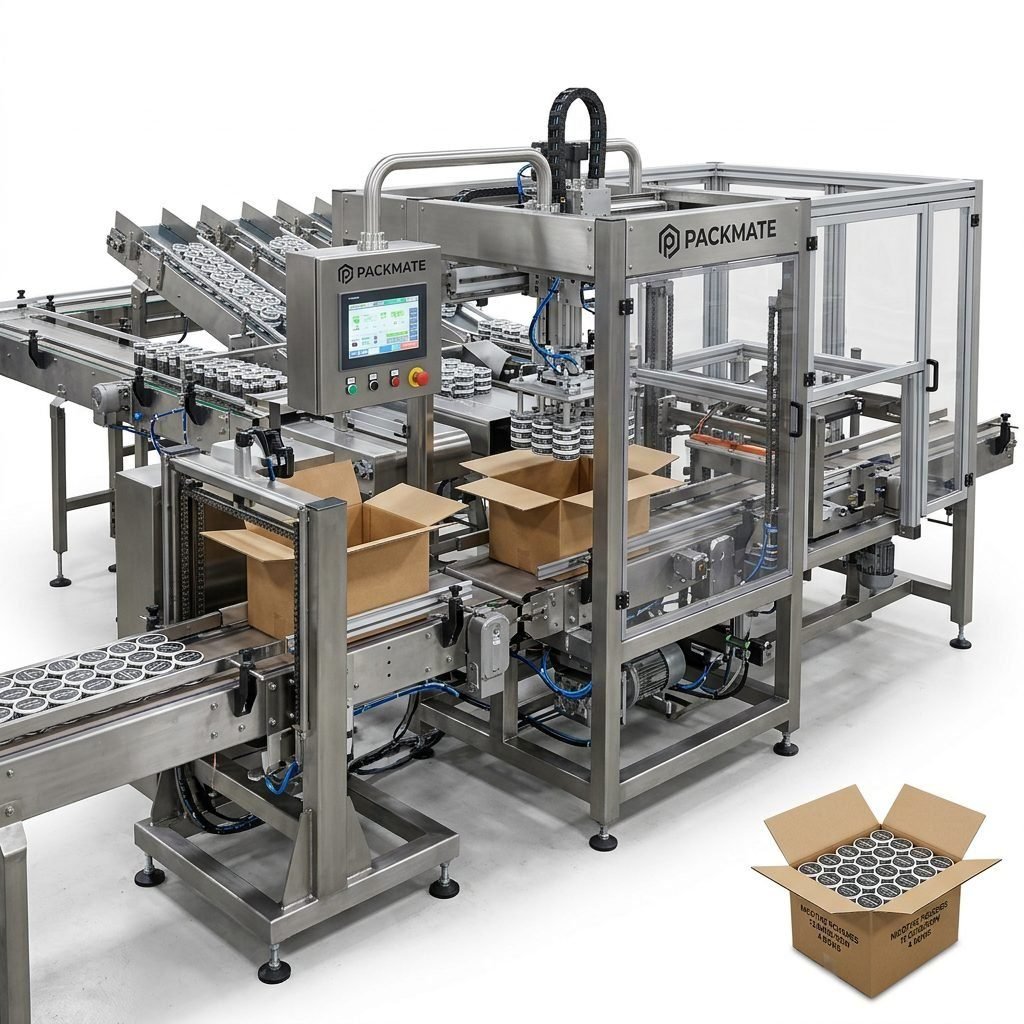
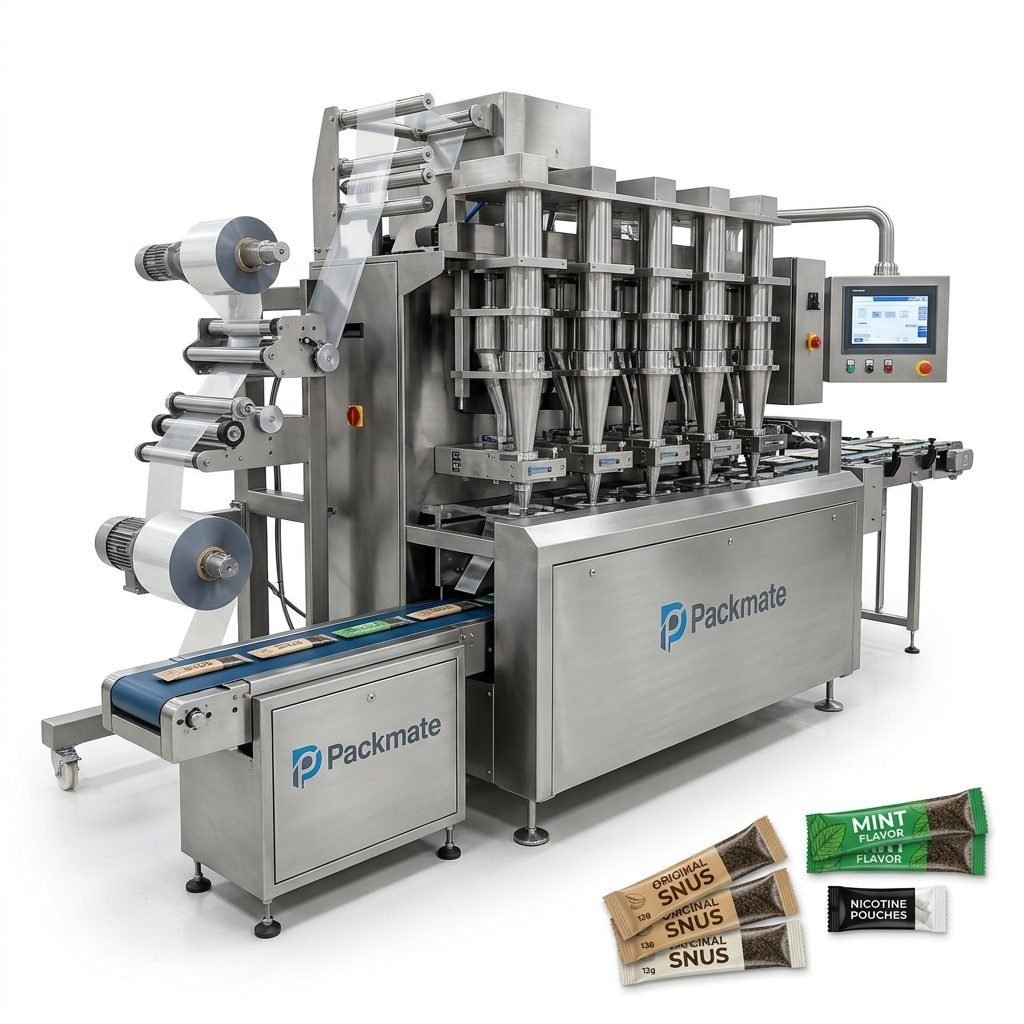
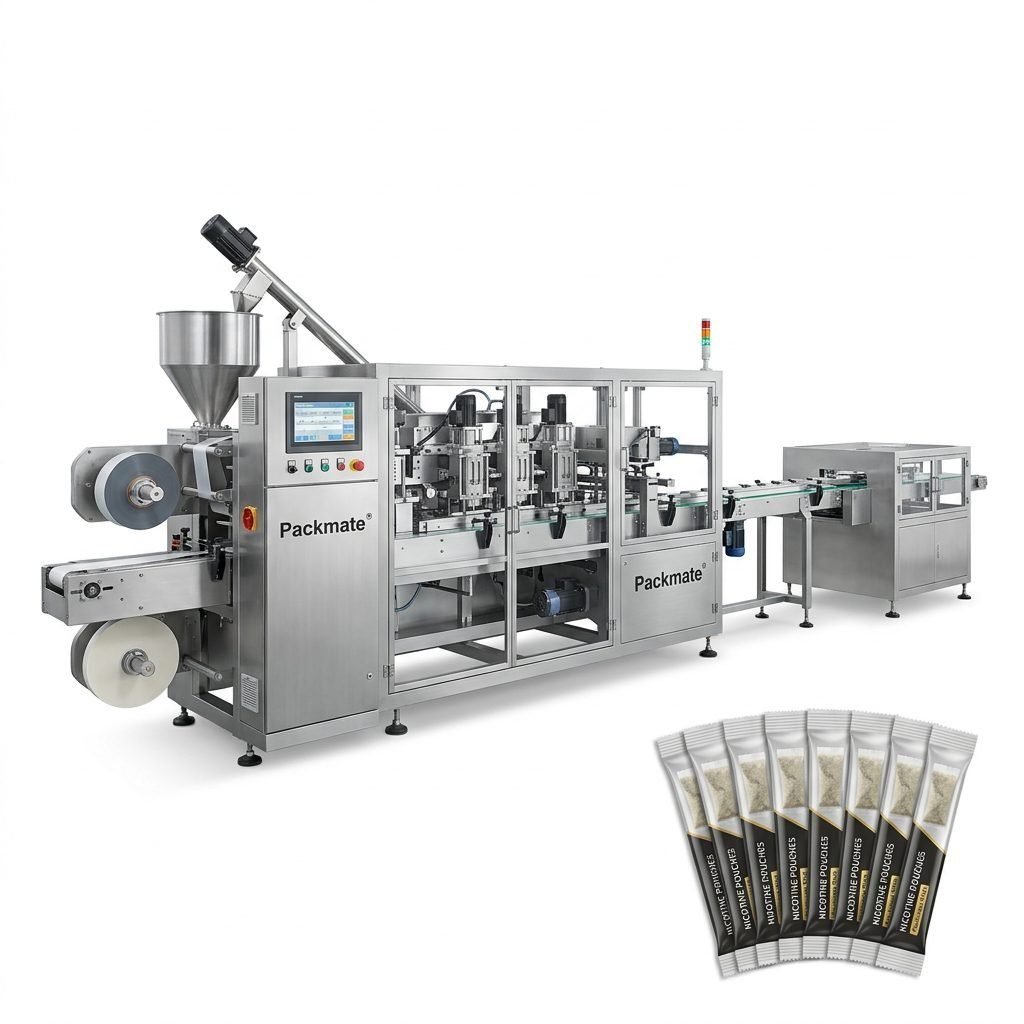
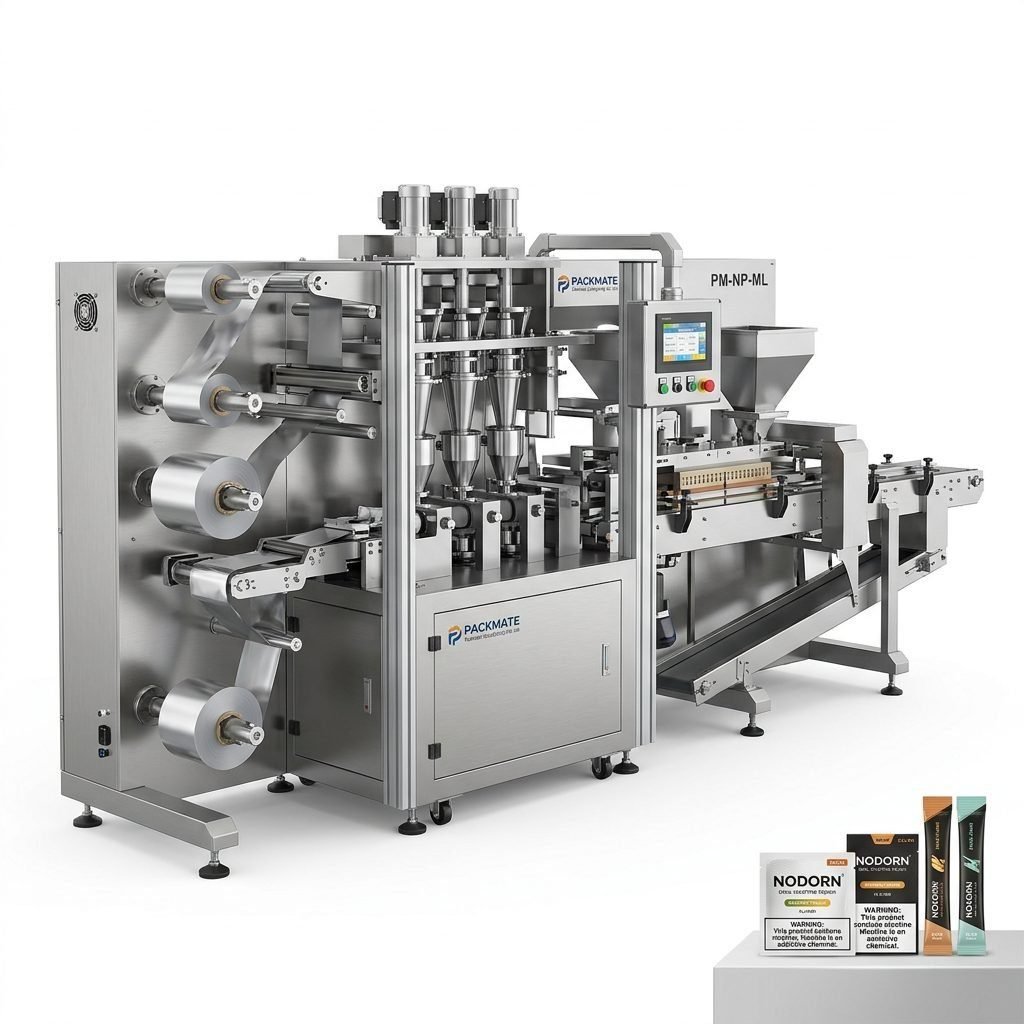
Algerian producers often choose compact, high-efficiency solutions for nicotine pouches and snus: multi-lane pouch packers, stick pack machines for single-dose formats, and sachet solutions for sampling. Machines that can handle low-dose, multi-lane production with accurate weighing are particularly valuable when manufacturing nicotine pouches at scale.
Top Criteria to Evaluate a Nicotine Packaging Machinery Supplier
When shortlisting suppliers, evaluate them across technical capability, documentation, regulatory support, and long-term reliability. Below is a prioritized checklist to guide procurement decisions.
1. Proven Experience and Product Range
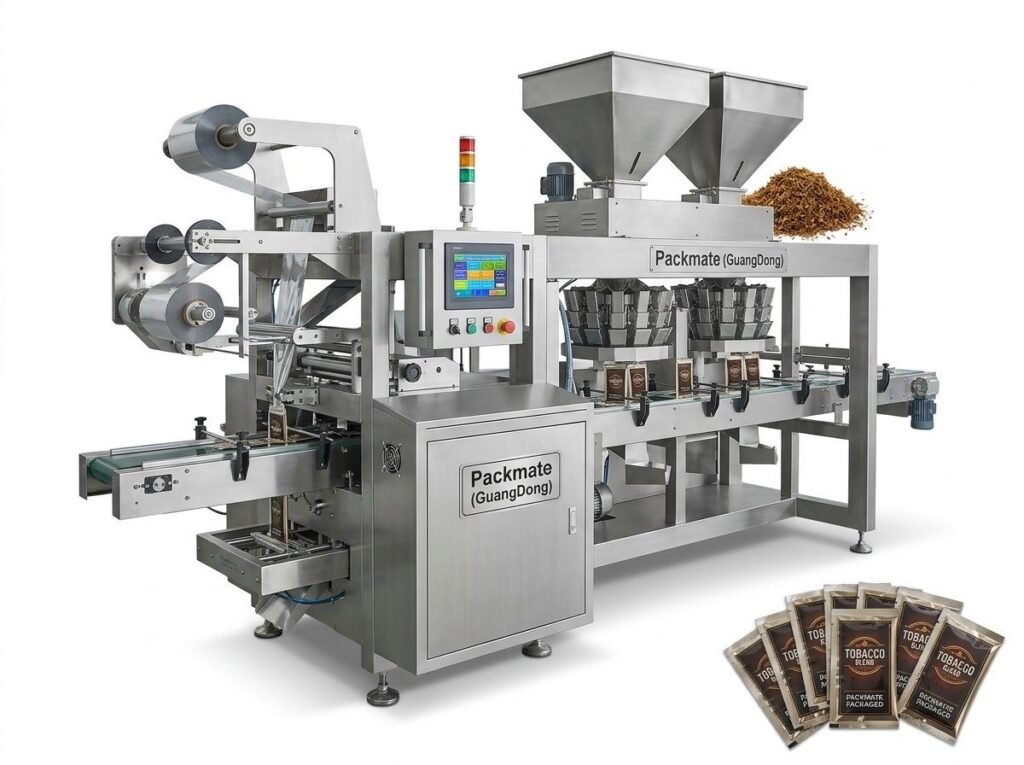
Experience matters. Prefer suppliers with decades of engineering history and models that match your product mix. For example, Packmate Snus Machine highlights 30+ years of engineering experience and multiple product lines from single-lane sachet machines to multi-lane snus packaging systems — an advantage when scaling production or switching formats.
2. Certifications and Compliance
Ensure machines comply with international standards like CE and ISO — this helps ensure safety, reliability, and easier customs clearance. Suppliers that publish certification details and provide documentation in French/Arabic will smooth regulatory communications in Algeria.
3. After-Sales Support and Spare Parts
Fast, reliable after-sales service is essential. Ask about spare parts lead times, modular components, remote diagnostics options, and local technician training. Suppliers who offer spare part kits and online diagnostic tools reduce downtime risk — crucial if your facility is far from major ports.
Tip: Request a written service level agreement (SLA) with response time guarantees in hours/days for parts and in-person visits.
4. Customization and Production Flexibility
A supplier should provide configurable machines that support multiple pouch sizes, different dosing systems (weighing, volumetric), and lane counts. If you expect product line expansion, prioritize modular designs that can be upgraded without full replacement.
5. Local Logistics and Export Experience
Suppliers experienced with shipments to North Africa will understand freight, customs tariffs, and port handling. They may also provide installation teams that travel to Algeria or recommend vetted local partners. Confirm who handles import documentation and if the supplier has shipped to Algerian customers before.
6. Price vs. Total Cost of Ownership (TCO)
Low capital cost is attractive, but TCO includes parts, energy consumption, downtime, and upgrade costs. Request running cost estimates, energy ratings, and spare parts pricing for the first 3–5 years.
A Practical Supplier Evaluation Checklist
Use this checklist during supplier evaluation and factory visits. Score each item to make an objective purchase decision.
📌 Documentation & Certifications: Valid CE/ISO certificates, French/Arabic manuals, test reports.
✓ Technical Tests: Factory acceptance tests (FAT) and video records available.
▶ Spare Parts: Availability, standard kits, and lead times.
Factory Visit and FAT
If possible, perform a factory visit and witness a Factory Acceptance Test (FAT). A FAT will confirm performance, speed, pouch sealing quality, and dosing accuracy under real production conditions. Ask to see similar machines running nicotine pouch products or snus production lines.
Why Consider Packmate Snus Machine for Algeria?
Packmate (GuangDong) Co., Ltd. presents a strong candidate with a 30-year engineering legacy, a wide model range (50+), and complete turnkey packaging solutions. Their experience with snus and nicotine pouch lines, plus global exhibition presence, indicates the technical depth and international cooperation needed for Algerian producers.
Learn more about relevant product categories: Snus & Nicotine Packaging Machines, Sachet & Stick Pack Machines, and full Weighing & Packaging Systems.
Technical Advantages to Validate
– Multi-lane capability for small dose consistency.
– Precise weighing and filling systems to meet regulatory labeling.
– Easy-to-replace wear parts and standardized modules.
– Remote support and diagnostic readiness.
Purchasing Process and Negotiation Tips
A structured purchasing process reduces risk. Start with a Request for Quotation (RFQ) that specifies desired output speed, pouch formats, tolerance for weight variation, electrical requirements, and required documentation in French/Arabic. Ask for a full BOM, FAT videos, and a list of reference clients.
Negotiation pointers: include spare parts packages, training days, one-year parts warranty, and a timeline for delivery and installation. Consider phased payments tied to milestones: deposit, FAT sign-off, shipment, and installation acceptance.
Installation and Commissioning in Algeria
Coordinate customs clearance early and confirm the supplier’s role in importing. Plan for technician arrival and translation support if needed. Ensure on-site staff receive hands-on operation and preventive maintenance training. A thorough commissioning phase ensures the machine integrates with existing lines and meets production KPIs.
Operational Tips for Algerian Factories
Algerian factories often balance modern automation with local workforce strengths. Adopt clear shift handover documentation in Arabic/French, schedule regular preventive maintenance during low-production hours, and use local suppliers for common consumables where possible to speed replenishment.
Training and Workforce Adaptation
Prioritize supplier-led training in the first two months. Use bilingual manuals and visual aids. Encourage a culture of continuous improvement where operators log small issues — these logs help suppliers refine maintenance kits and spare parts lists specific to your environment.
Questions to Ask Potential Suppliers
Use this list during calls or visits:
- Can you provide FAT videos with nicotine pouch products similar to ours?
- What are the guaranteed tolerances for dosing and pouch weight?
- How long is lead time for critical spare components?
- Do you offer on-site commissioning and bilingual training?
- Can you share references from North Africa or similar climates?
After Purchase: Warranties, Parts, and Upgrades
Secure a clear warranty covering mechanical and electrical failures and confirm parts pricing for the first three years. Ask about upgrade paths for software and hardware so your investment remains future-proof as regulations and product lines evolve.
Explore supplier credibility and past work via the company’s case studies and exhibition participation: Case, Our Exhibition, and the supplier background page About Packmate.
Final Checklist Before Signing the Contract
– Confirm FAT acceptance criteria and deliverables.
– Verify warranty scope and spare part commitments.
– Agree on delivery milestones, shipping terms, and import responsibilities.
– Ensure language and training arrangements are documented.
– Lock in SLA response times for on-site and remote support.
Decision trigger: choose the supplier that balances proven technology, clear local support, and a transparent total cost of ownership — not necessarily the lowest price.
Conclusion
Selecting the right nicotine packaging machinery supplier for your Algerian factory is a strategic decision that affects product quality, regulatory compliance, and long-term cost. Prioritize suppliers with demonstrated industry experience, clear certifications, strong after-sales support, and a willingness to adapt to local needs. With careful evaluation and a structured purchasing process, you can secure a partner that helps your factory grow reliably and efficiently in Algeria’s evolving market.
Frequently Asked Questions
Q1: How important is a Factory Acceptance Test (FAT)?
A1: Extremely important — a FAT demonstrates machine performance, packaging integrity, and dosing accuracy before shipment. It reduces disputes and ensures the supplier delivers agreed specifications.
Q2: What documentation should the supplier provide for customs and installation in Algeria?
A2: At minimum: commercial invoice, packing list, CE/ISO certificates, FAT report, operation manual (French/Arabic preferred), electrical schematics, and spare parts list.
Q3: How can I ensure quick spare parts delivery?
A3: Negotiate an initial spare parts kit with the machine purchase, confirm local stocking options, and choose suppliers that guarantee short lead times for critical wear items.
Q4: Should I prioritize suppliers with local representatives in Algeria?
A4: Yes. Local representation speeds service, training, and customs clearance. If a local office is not available, ensure the supplier has established regional partners.
Q5: Where can I see real machine examples and references?
A5: Request case studies and exhibition participation details from suppliers. You can review Packmate’s cases and exhibition history via their online pages to verify real-world installations.