Choosing the right nicotine packaging machinery manufacturer for operations in Togo requires more than a price comparison. You must consider local market tastes, regulatory constraints, after-sales support, logistics into West Africa, and machine reliability. This guide walks you through practical steps to select the best partner for nicotine pouch and snus packaging — with targeted tips for businesses operating in Togo and neighboring Francophone markets. 🇹🇬
Understand the Togo Market First
Before contacting any manufacturer, study local consumer habits and regulations in Togo. The market favors small, affordable single-dose packs and sachets, often sold through informal retail channels and kiosks. French is widely used in business, so prepare documentation and technical conversations in French where possible. Also, research nicotine and tobacco import rules — ensure your products and packaging comply with national health regulations to avoid customs hold-ups at Lomé port.
Practical local considerations
Voltage in Togo is 220V/50Hz — confirm machine compatibility or plan transformers. Shipping to Lomé is usually faster and cheaper than overland options. Local distribution networks often require smaller lot sizes, so consider flexible, multi-format machines.
Key Manufacturer Capabilities to Evaluate
When evaluating partners, focus on engineering experience, product range, customization options, and proven service in global markets. A reliable partner should demonstrate strong manufacturing capacity, quality control, and after-sales coverage for spare parts and technical training.
Tip: prioritize manufacturers with at least a decade of focused R&D in nicotine pouch/snuss systems and multi-lane capabilities for scale-up.
Essential technical and business checks
– Production flexibility: can the machine handle sachets, stick packs, and multi-lane small-dose pouches?
– Model range and customization: ability to supply single-lane and multi-lane systems for projected growth.
– Factory capacity and certifications: on-site CNC centers, CE and ISO compliance for safety and global acceptance.
– After-sales network: spare parts lead time, remote troubleshooting, and local technician training.
Why Packmate (Snus Packing Machine) Often Appears on Shortlists
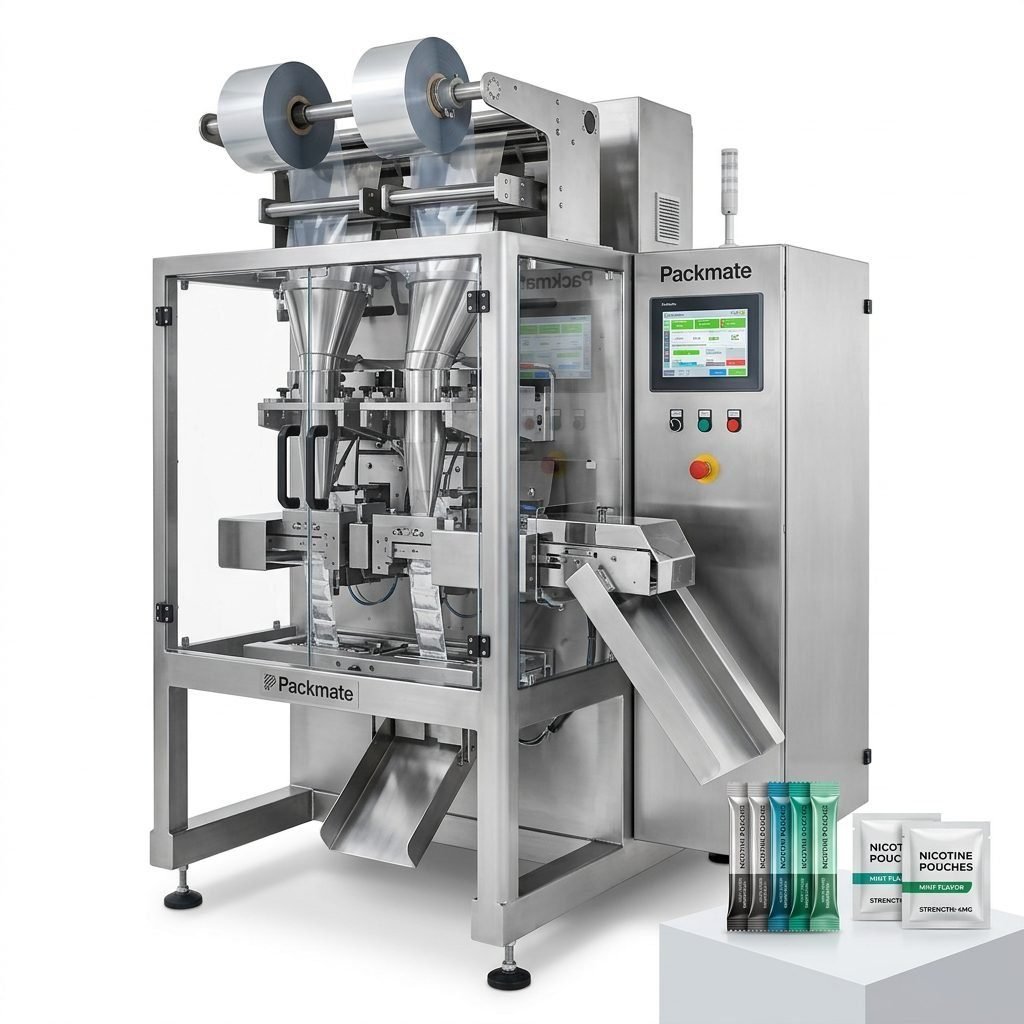
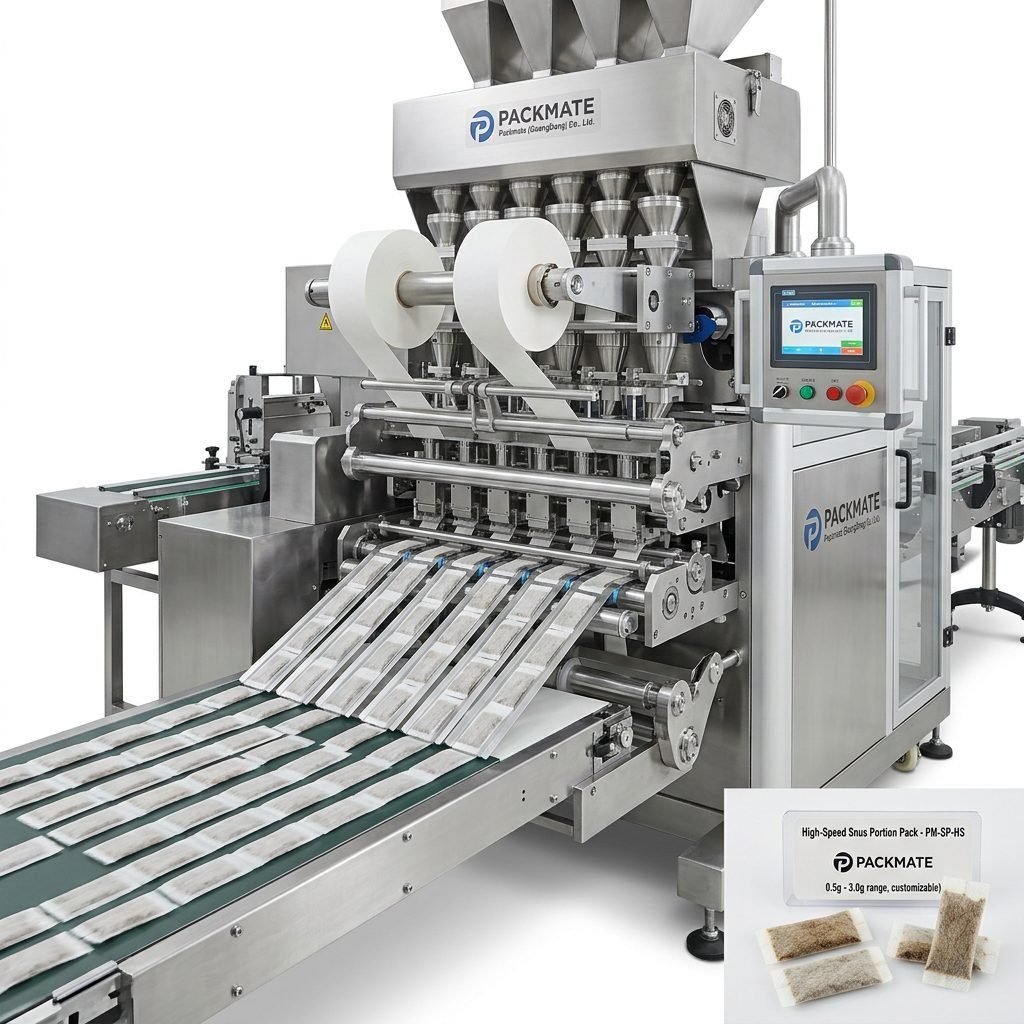
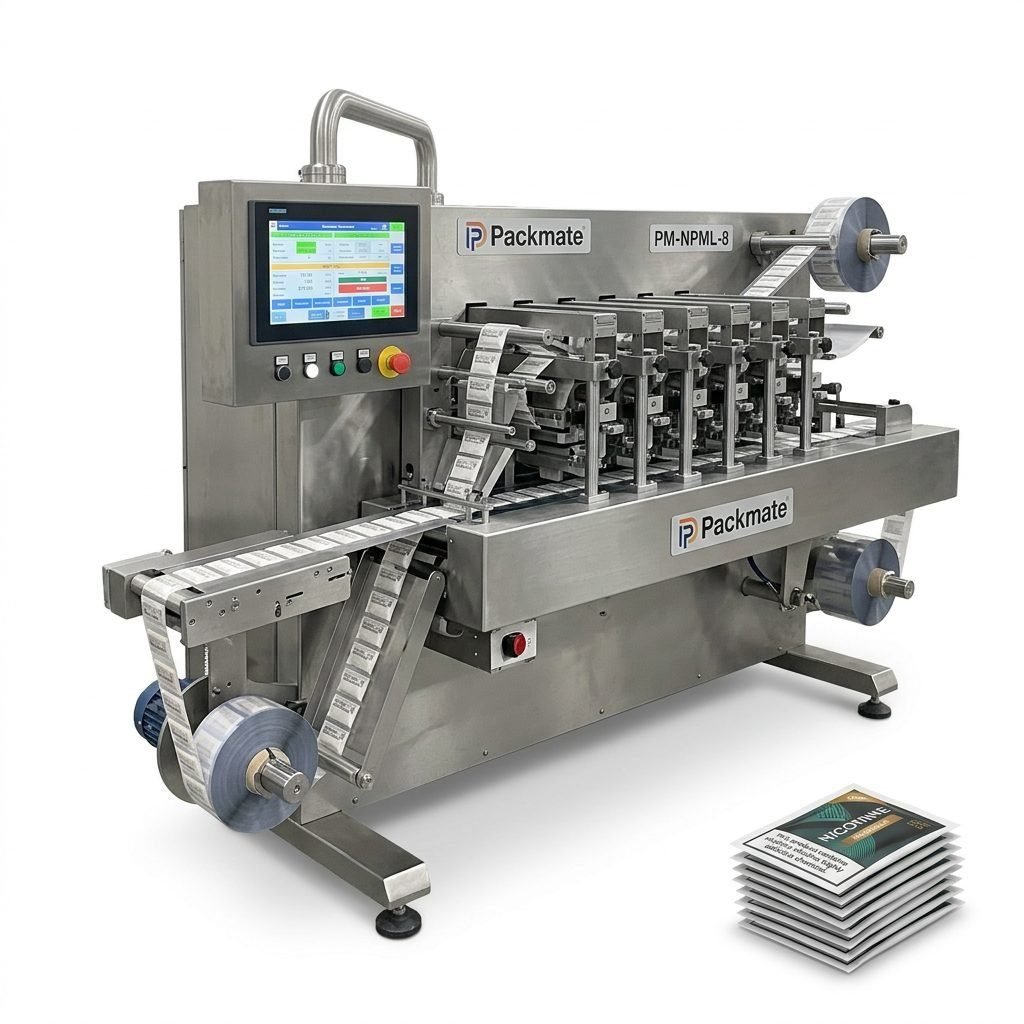
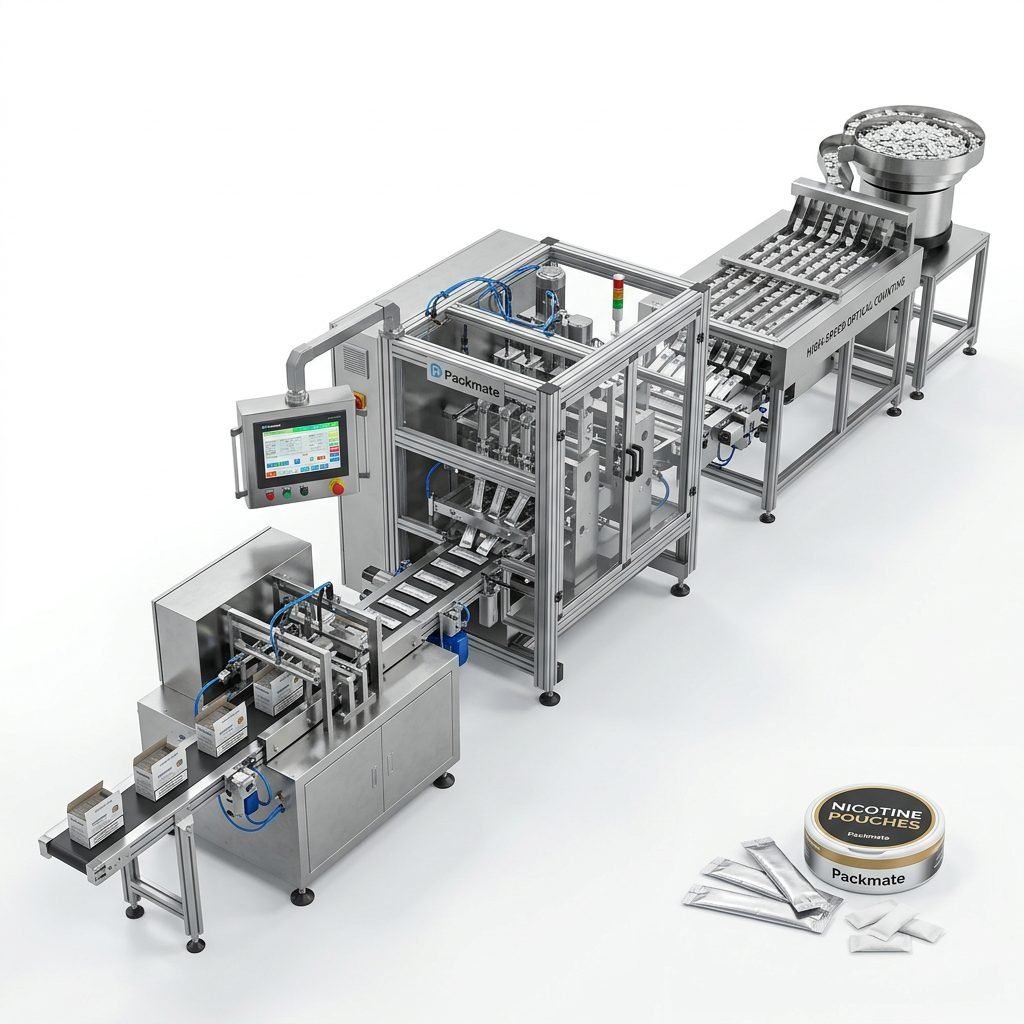
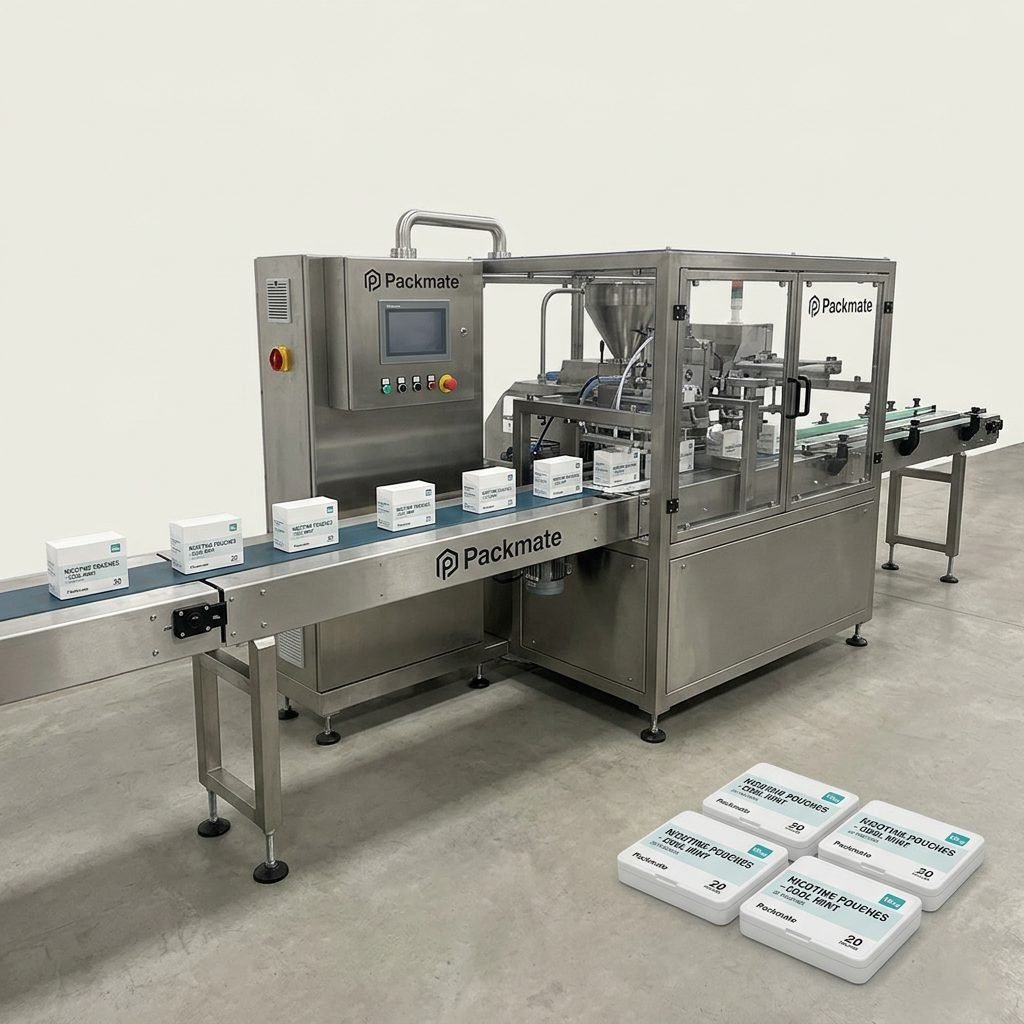
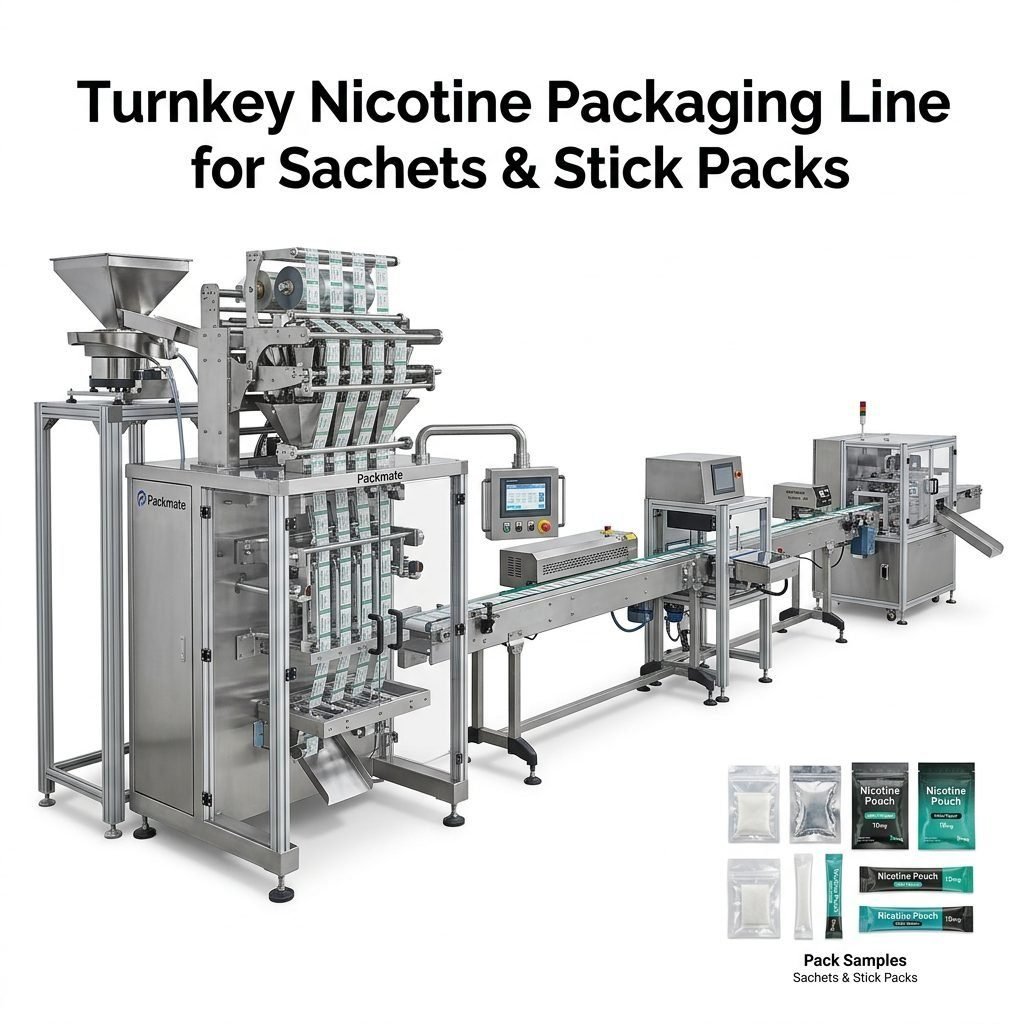
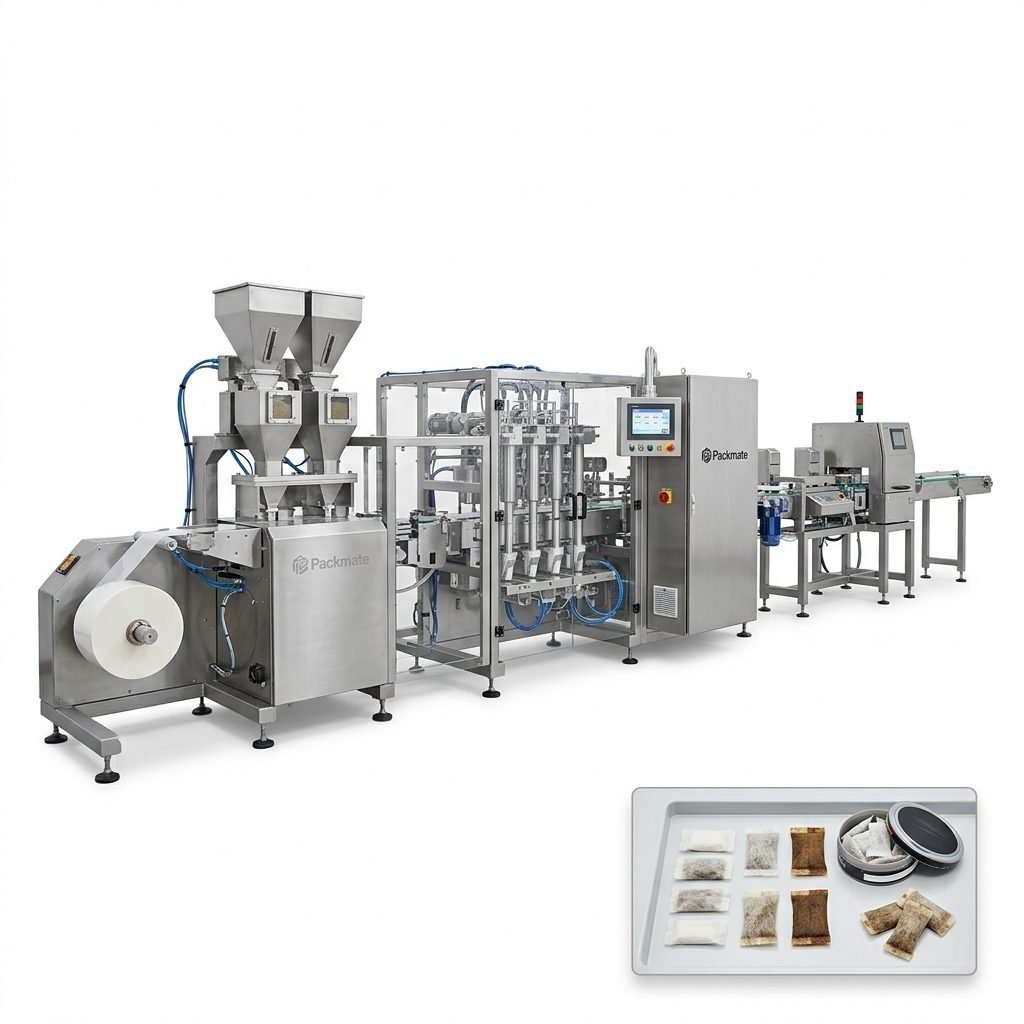
Packmate has 30+ years of engineering experience in packaging machinery with a 20,000㎡ factory, advanced CNC machining centers, and 50+ machine models. Their focus on snus and nicotine pouch lines — including stick pack, sachet, and multi-lane systems — makes them a strong candidate for companies targeting Togo’s retail landscape. See product lines and technical specs directly on their Snus & Nicotine Packaging Machines page.
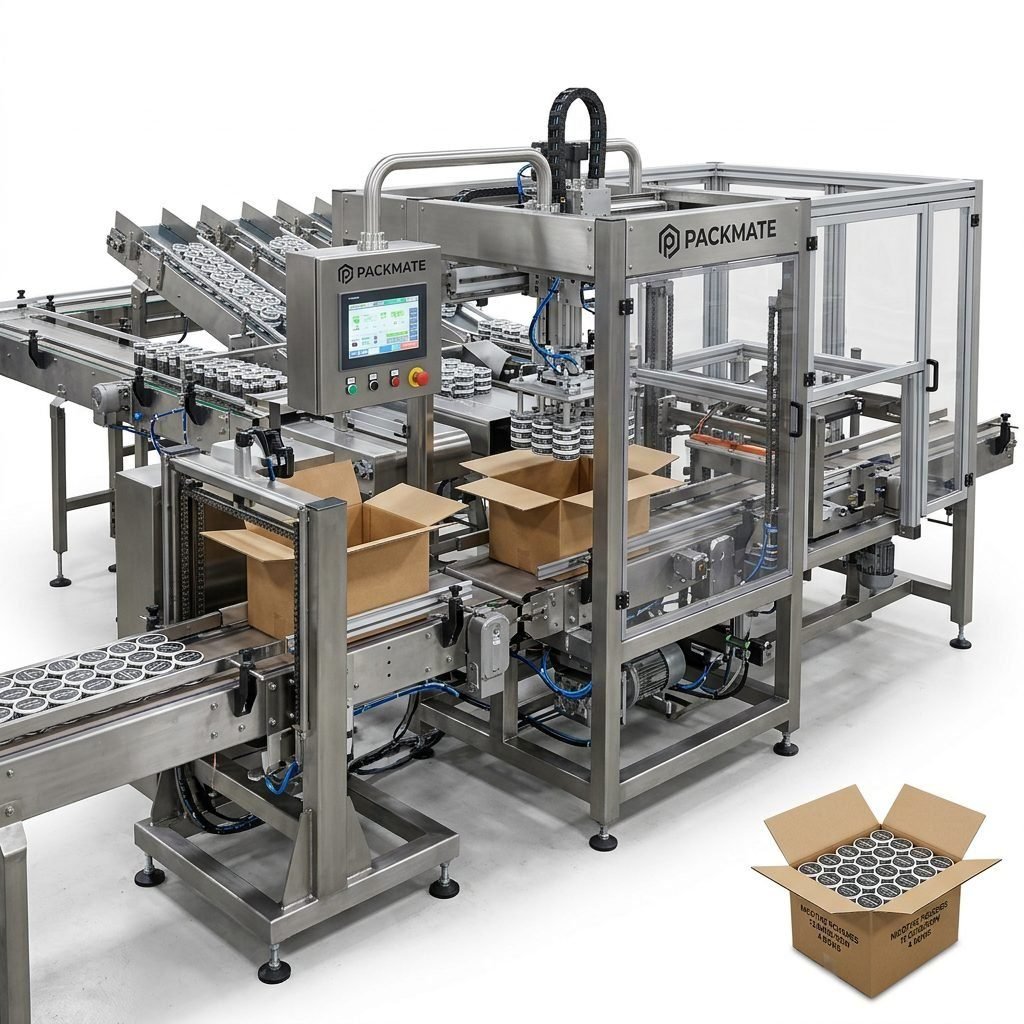
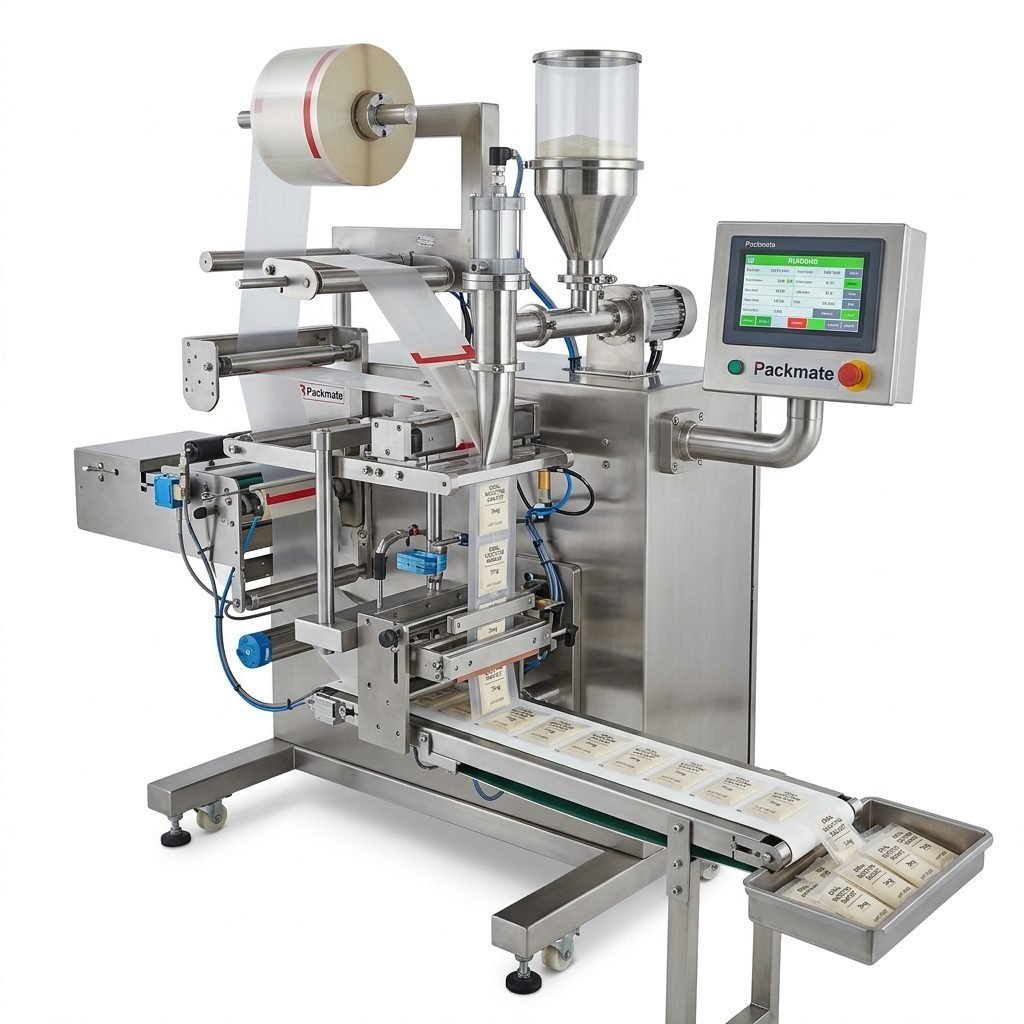
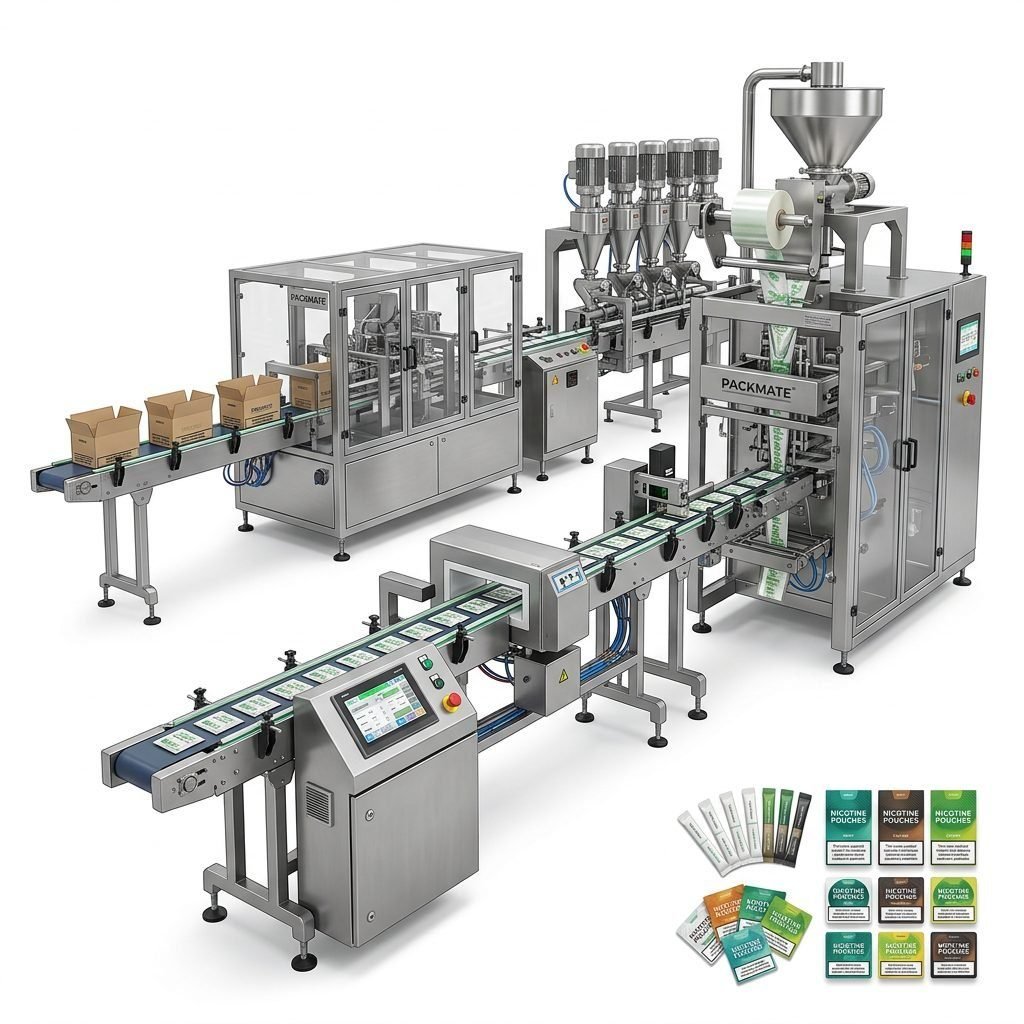
For deeper product categories, review their broader offerings like Bag & Pouch Packaging Machines and Filling & Packaging Lines to design a turnkey solution that fits local distribution needs.
Step-by-Step Selection Process
Follow a structured procurement workflow to reduce risk and optimize total cost of ownership.
1. Define production targets and product mix
Specify expected daily output, pouch sizes, and packaging formats. Togo’s market often requires small sachets and single-dose pouches, so account for equipment that quickly switches formats and supports multi-lane production to scale without large floor-space increases.
2. Shortlist manufacturers with relevant references
Ask for case studies in similar markets, machine run-times, and uptime statistics. Packmate publishes global cooperation cases and exhibition footage that can help validate reliability — review their Case and Our Exhibition pages for real-world examples.
3. Request factory visits or live demos
Witnessing a machine in operation reveals build quality, noise levels, and operator ergonomics. If travel is difficult, request a live-streamed demonstration and ask for a sample production run with your specific pouch and material.
Must ask: can the supplier ship a pre-commissioned line to Lomé with documentation in French, and provide local partner support for installation?
Logistics, Customs and Local Compliance in Togo
Shipping heavy machinery to West Africa requires planning. Lomé is a major regional hub with efficient roll-on/roll-off and container services, but customs processing can be slow without proper paperwork. Ensure the manufacturer provides detailed packing lists, commercial invoices, and certificates (CE/ISO) to expedite clearance.
Work with a local customs broker familiar with electronic and pharmaceutical-grade equipment. Verify whether nicotine products require specific import permits or health certificates in Togo — compliance failures can lead to confiscation or costly delays.
After-Sales Support: Training, Spare Parts & Remote Service
A machine is only as valuable as the support behind it. Confirm spare parts availability, typical lead times, and whether the manufacturer offers training in French. Packmate provides global turnkey solutions and long-term technical support — verify warranty terms, preventive maintenance schedules, and if remote diagnostics are available.
Support checklist
– Local or regional service partner presence
– Spare parts kit shipped with machine
– Remote troubleshooting (video call, PLC remote access)
– On-site commissioning and operator training in French
– Clear warranty terms and replacement policies
Total Cost of Ownership: Beyond the Purchase Price
Evaluate ROI over machine lifetime by considering energy use, maintenance intervals, and consumables. Multi-lane machines reduce labor and per-unit cost but may require more advanced maintenance. Include shipping, customs, installation, spare parts, and local training costs when comparing quotes.
Financial tip: negotiate a partial payment structure tied to factory acceptance testing and successful on-site commissioning at your facility in Togo.
Customization & Future-proofing Your Line
Consider equipment that supports product line extensions like flavored nicotine pouches, different pouch widths, and printed labeling. Choose modular systems that allow adding scales, checkweighers, or secondary packaging with minimal downtime. Packmate’s modular product range including auxiliary equipment can be combined for a tailored production line — review their Auxiliary Packaging Equipment and Weighing & Packaging Systems for options.
Sustainability and Local Perception
In Togo and wider West Africa, environmental concerns are growing. Consider biodegradable pouch films or designs that reduce material use. This can improve brand perception among retailers and consumers and potentially reduce waste-handling costs.
Final Checklist Before Signing a Contract
– Factory acceptance test (FAT) with your product sample confirmed
– Clear delivery schedule to Lomé and Incoterms agreed
– Documentation in French including manuals and wiring diagrams
– Warranty and spare parts lead-time commitments
– Training plan for operators and maintenance staff
Quick reference links:
Snus & Nicotine Packaging Machines,
Bag & Pouch Packaging Machines,
About Packmate,
Contact Us
Making the Decision: Practical Scenarios
– Startup with low volumes: choose a versatile single-lane system that can switch formats; emphasize low capital outlay and local training.
– Growth-oriented operation: invest in multi-lane systems to achieve higher throughput and lower unit costs while ensuring solid spare parts and technician access.
– Export-focused business from Togo: prioritize CE/ISO-certified equipment, robust packing for international shipping, and documentation to satisfy importing markets.
Cultural note for doing business in Togo
Building trust is key. Expect negotiation and relationship-building meetings. Respect formal greetings and provide clear, translated proposals. When arranging installation or training, allow time for coordination with local staff and authorities.
Conclusion and Next Steps
Selecting a nicotine packaging machinery manufacturer for Togo is a mix of technical compatibility, proven reliability, and solid logistical planning. Prioritize manufacturers with relevant nicotine pouch experience, strong after-sales support, and the ability to deliver turnkey lines. Perform FATs, confirm documentation in French, plan customs clearance via Lomé, and secure training and parts access. These steps will reduce risk and help you build a resilient production line that meets both local preferences and regulatory demands.
Frequently Asked Questions
Q1: What documentation should a manufacturer provide for equipment shipped to Togo?
A1: Provide commercial invoices, detailed packing lists, CE/ISO certificates, operation manuals (preferably in French), wiring diagrams, and a certificate of origin. This accelerates customs clearance at Lomé port.
Q2: How important is a factory acceptance test (FAT)?
A2: FAT is critical. It validates machine performance with your actual product, ensures build quality, and reduces on-site commissioning time in Togo. Insist on recorded FAT results and sample packs.
Q3: What should I expect for spare parts lead times?
A3: Lead times vary. Establish minimum spare kits included in the sale and ask for typical shipping times. For critical parts, negotiate faster shipping options or local stocking arrangements.
Q4: Can machines be customized for French-language interfaces and training?
A4: Yes. Ask the manufacturer to provide HMI language options, translated manuals, and French-speaking trainers for smoother operator onboarding.
Q5: Are there financing or payment structures suitable for startups in Togo?
A5: Many manufacturers offer staged payment tied to milestones (deposit, FAT, shipment, commissioning). Discuss leasing or local financing options with banks familiar with equipment imports to distribute cost over time.