Choosing the right snus packaging machine supplier in Colombia is a critical decision for any manufacturer or distributor of nicotine pouches and related products. This guide walks you through the most important factors to consider — from regulatory compliance and climate-adapted equipment to local service and return on investment — with practical tips tailored to the Colombian market and business culture.
Understand Colombia’s Regulations and Market Context
Colombia’s regulatory environment for tobacco, nicotine products, and related packaging is evolving. Manufacturers and suppliers should be aware of local labeling rules, import regulations, and any regional restrictions that affect the sale and distribution of snus and nicotine pouches. In addition to national laws, municipal regulations and retail licensing can affect how products are packaged, shipped, and sold.
Tip: Work with suppliers who have experience shipping to Latin America and can provide documentation for customs clearance and compliance. Suppliers with CE and ISO certifications bring extra confidence in meeting international and local quality expectations.
Why local habits matter in Colombia
Colombia’s consumers and retailers value clear labeling, compact retail displays, and products that withstand warm, humid climates in many regions. Suppliers should understand pack aesthetics preferred by local buyers and ensure packaging preserves product shelf life under tropical conditions.
Key Machine Types & Production Formats
Selecting the correct machine type depends on product format, desired output, and future growth plans. Common machine formats for snus and nicotine pouches include:
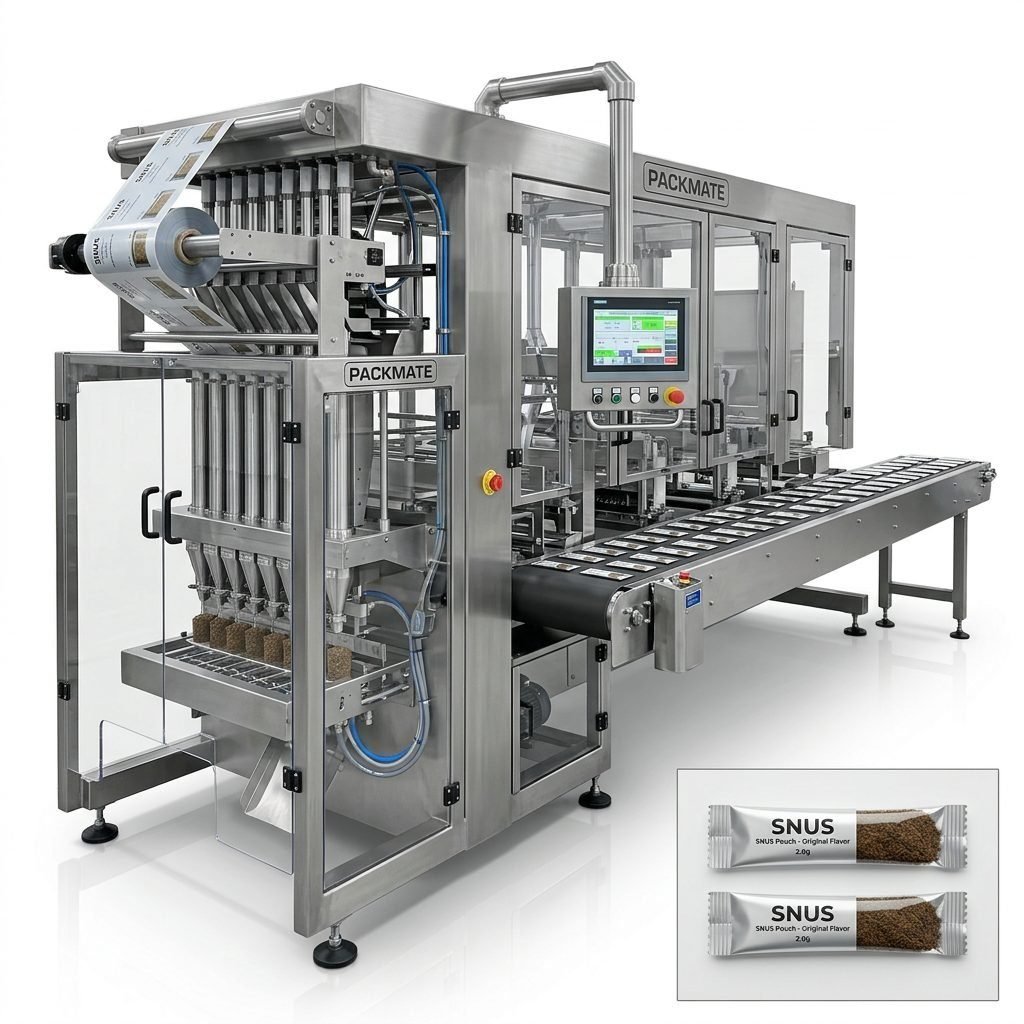
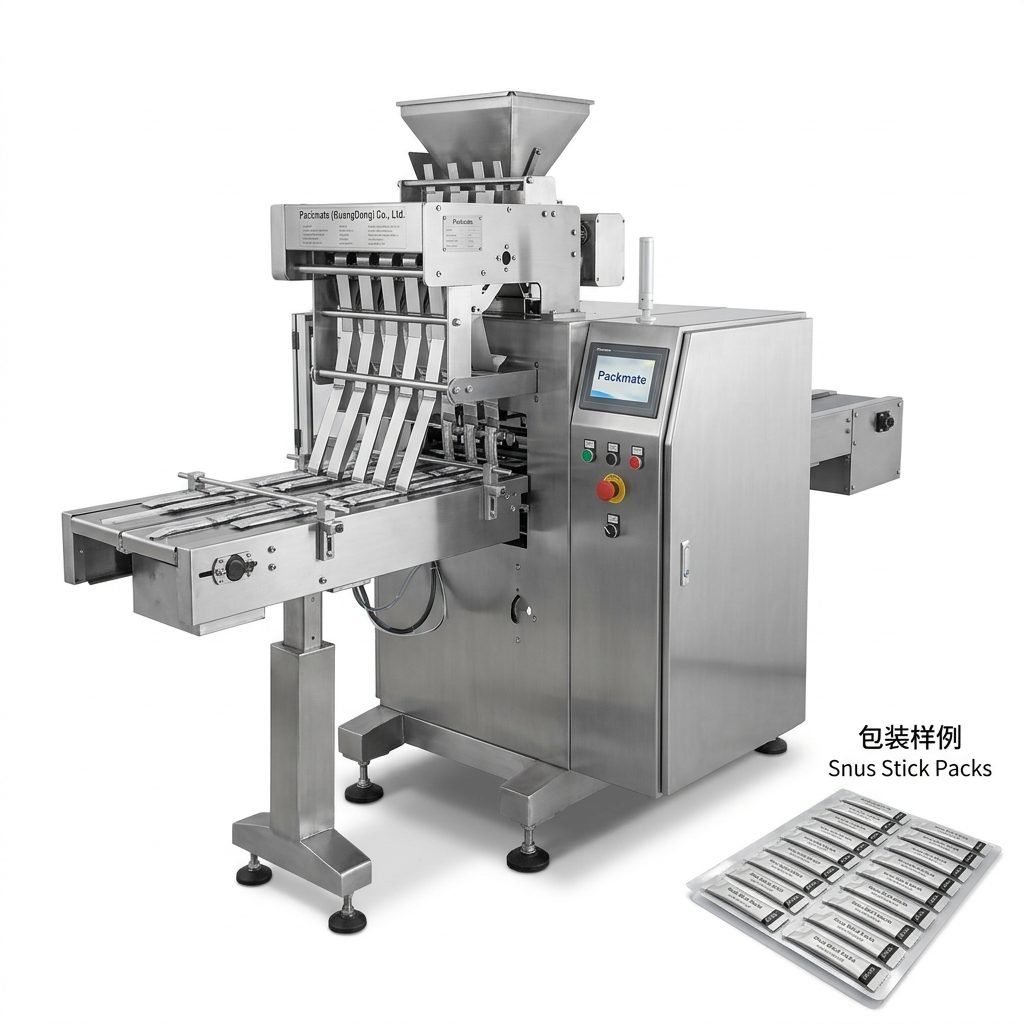
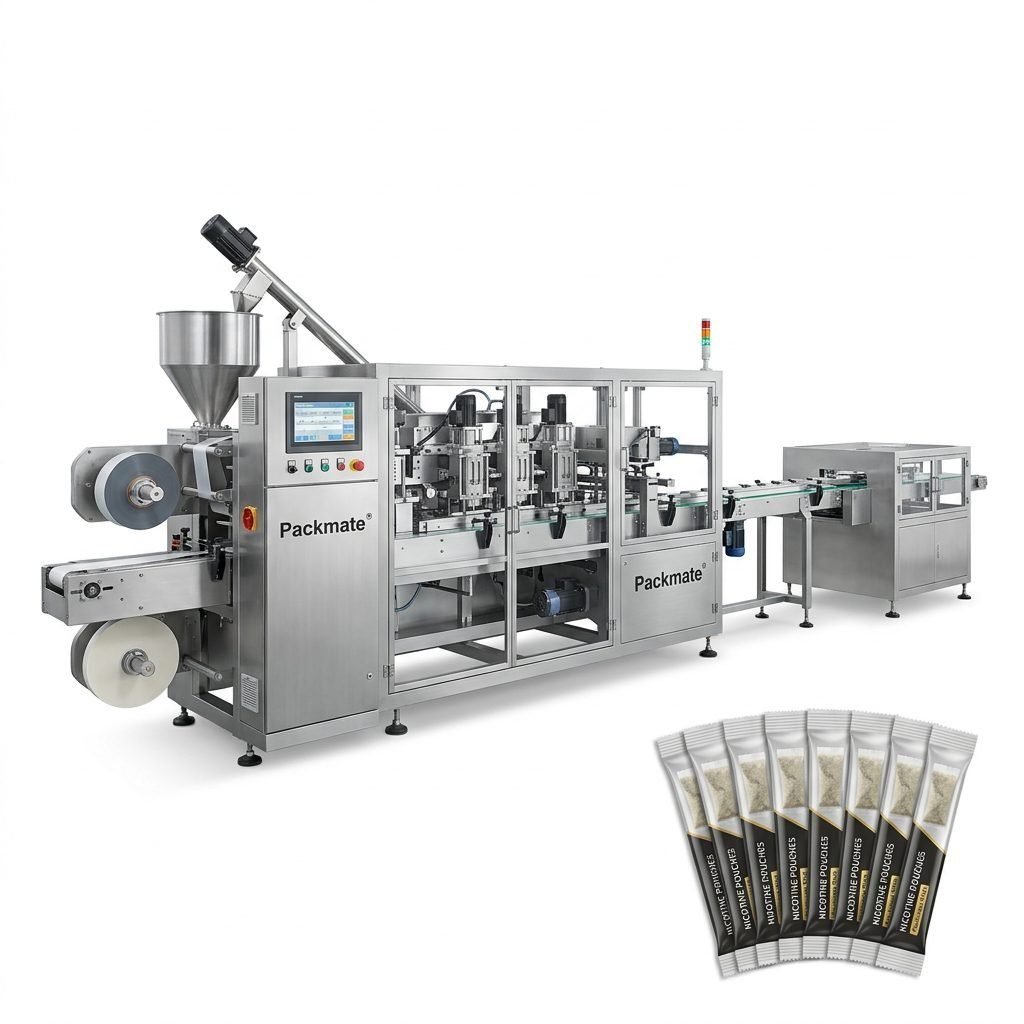
🔶 Stick pack and single-serve sachet systems — ideal for low- to medium-output lines and retail single-dose packs.
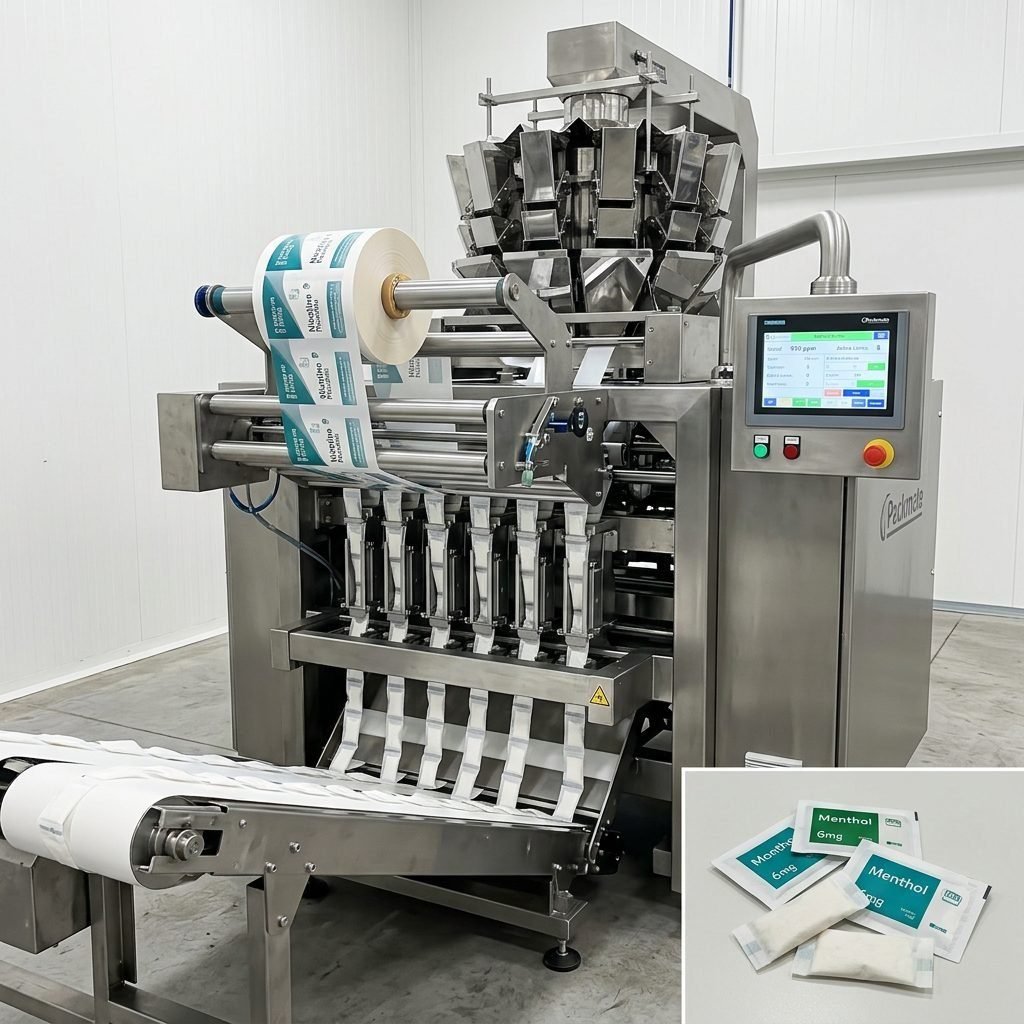
🔶 Multi-lane systems — designed for high-throughput operations, enabling several lanes of pouches to be formed and sealed simultaneously, which is essential for scaling production economically.
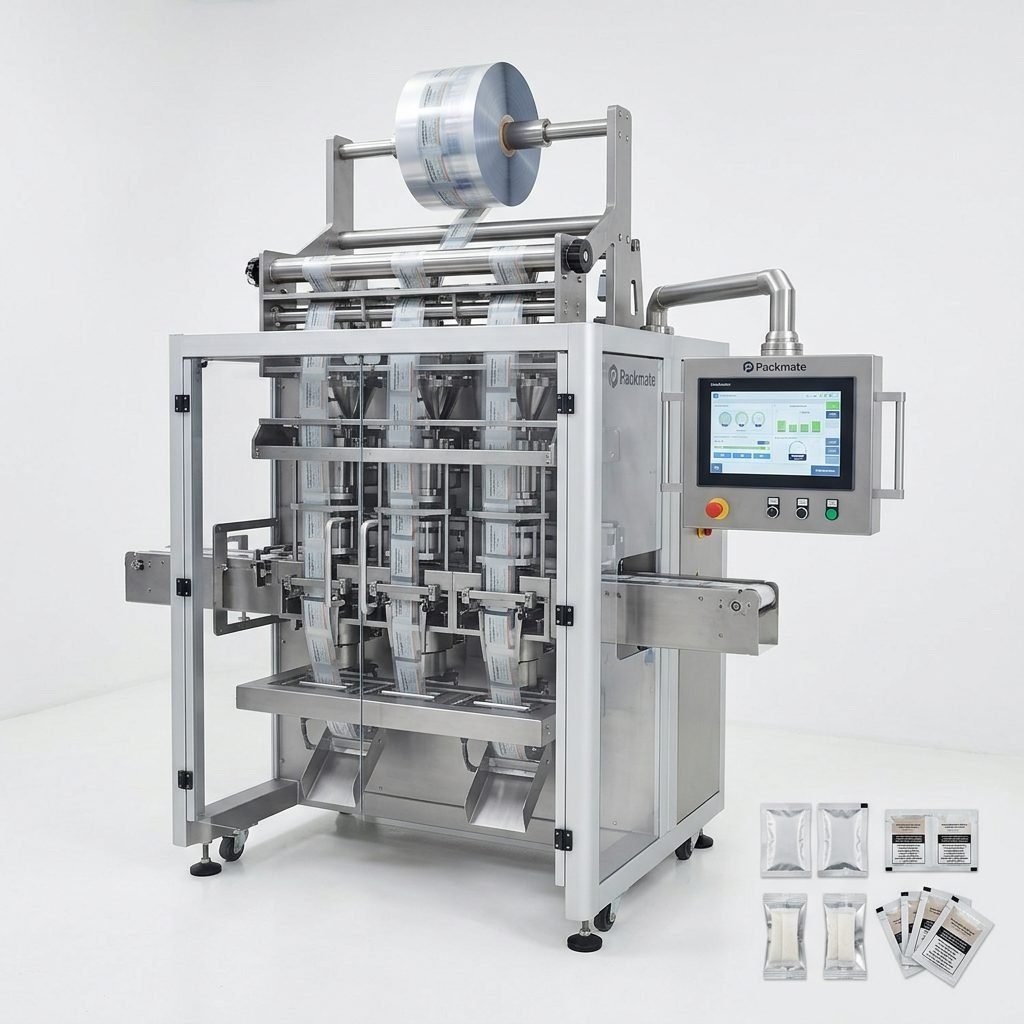
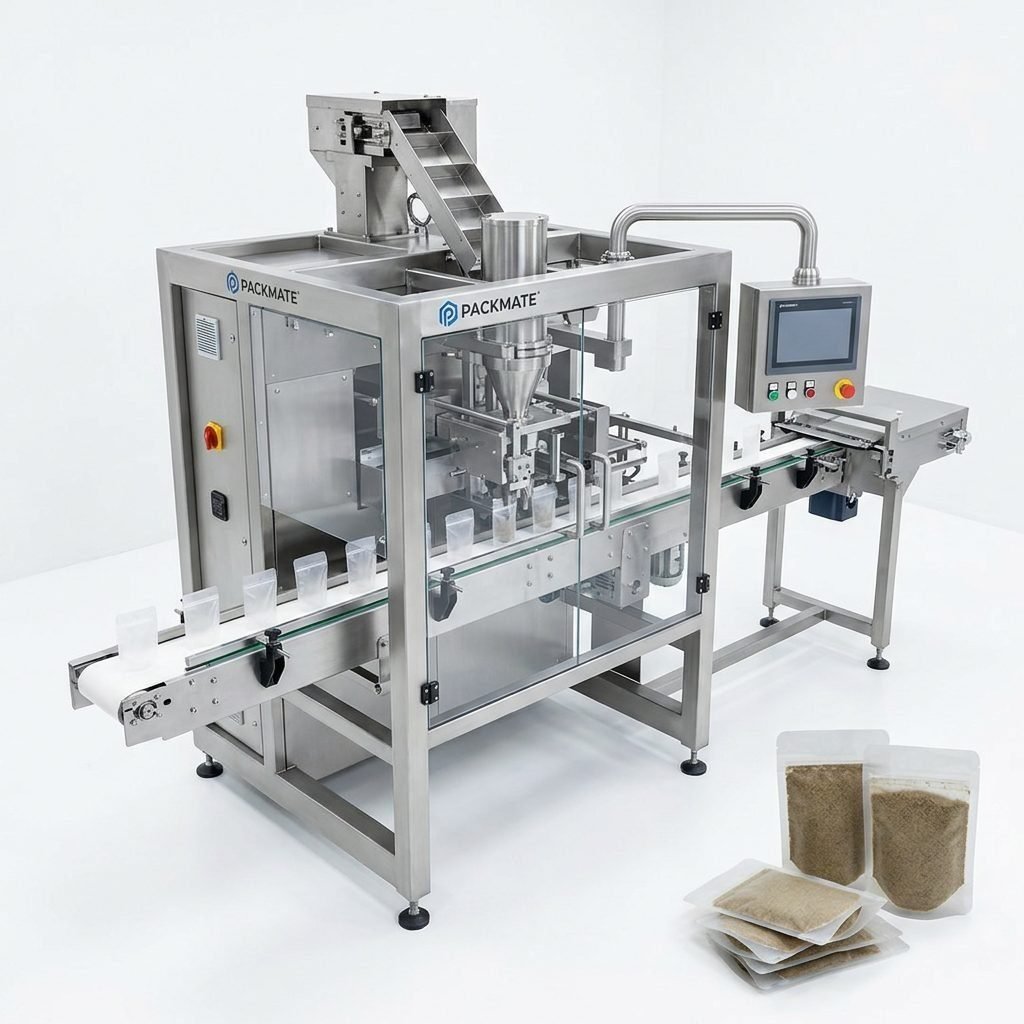
🔶 Vertical forming and filling lines — useful for powders or granules used in some pouch compositions.
Important: If you plan to expand distribution across Colombian cities such as Bogotá, Medellín, and coastal regions, consider machines that are modular and can be upgraded from single-lane to multi-lane setups as demand grows.
Performance, Reliability, and Certification
A supplier’s machine performance metrics — uptime, cycle speed, accuracy, and consistency — directly impact profitability. Evaluate machines on:
✅ Packaging speed (pouches per minute) and whether the speed is attainable with your product type.
✅ Filling accuracy and weight control for nicotine doses; sub-gram accuracy is often required.
✅ Material handling capabilities for powders, granules, or moist blends.
✅ Certifications such as CE and ISO that demonstrate adherence to international safety and quality standards.
Suppliers like Packmate (Packmate Snus Machine) with decades of engineering experience and CE/ISO certifications are equipped to deliver machines meeting these expectations. For product-specific lines, see Snus & Nicotine Packaging Machines.
Adaptation to Colombian Climate and Materials
Colombia’s climate varies from cool highlands to very humid coastal zones. High humidity can affect pouch materials, adhesives, and sealing processes. Choose machines that:
⚠️ Include humidity control options in forming and sealing areas.
⚠️ Offer flexibility for different film laminates, barrier materials, and heat-sealing profiles.
⚠️ Provide stable temperature controls for adhesives and sealing to avoid weak seals in humid environments.
Local insight: In coastal distribution hubs such as Cartagena, prioritize machines with robust sealing and desiccation handling to maintain product integrity during transit.
Customization, Tooling, and Packaging Design
The ability to customize packaging size, shape, printing alignment, and multi-lane tooling is essential for standing out in competitive markets. Suppliers should provide:
🔶 Tooling options for different pouch sizes and multi-lane conversions.
🔶 Assistance with artwork and print registration for precise graphic alignment.
🔶 Pilot runs and sample production so local stakeholders can validate packaging performance prior to full production.
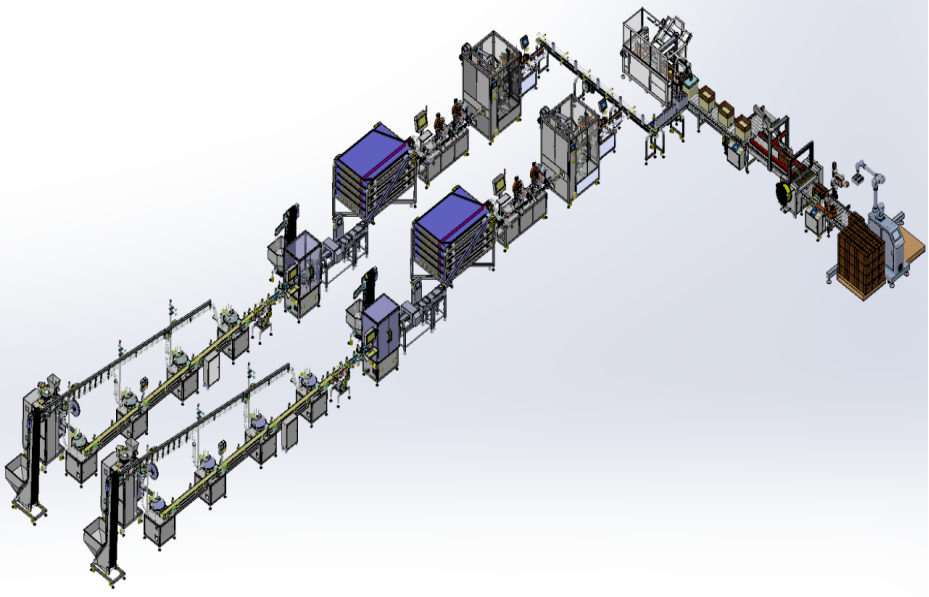
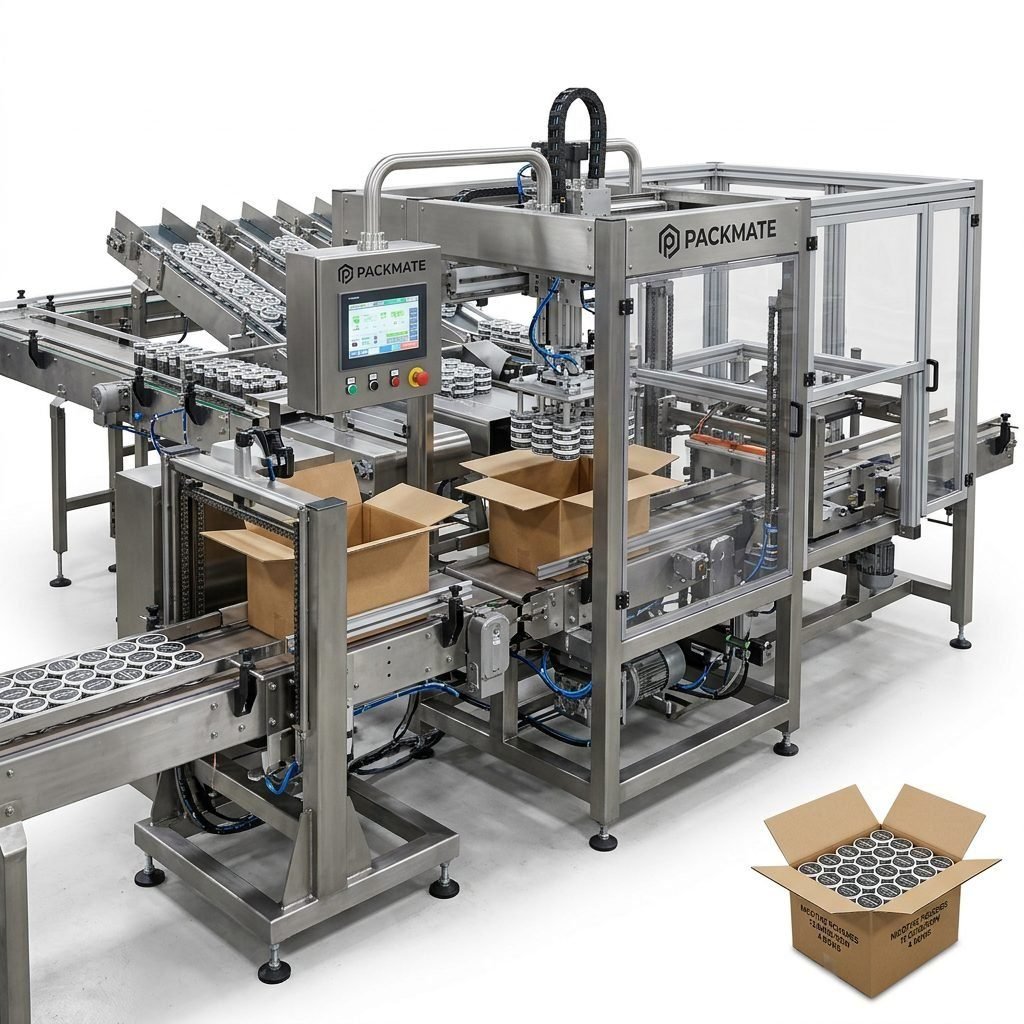
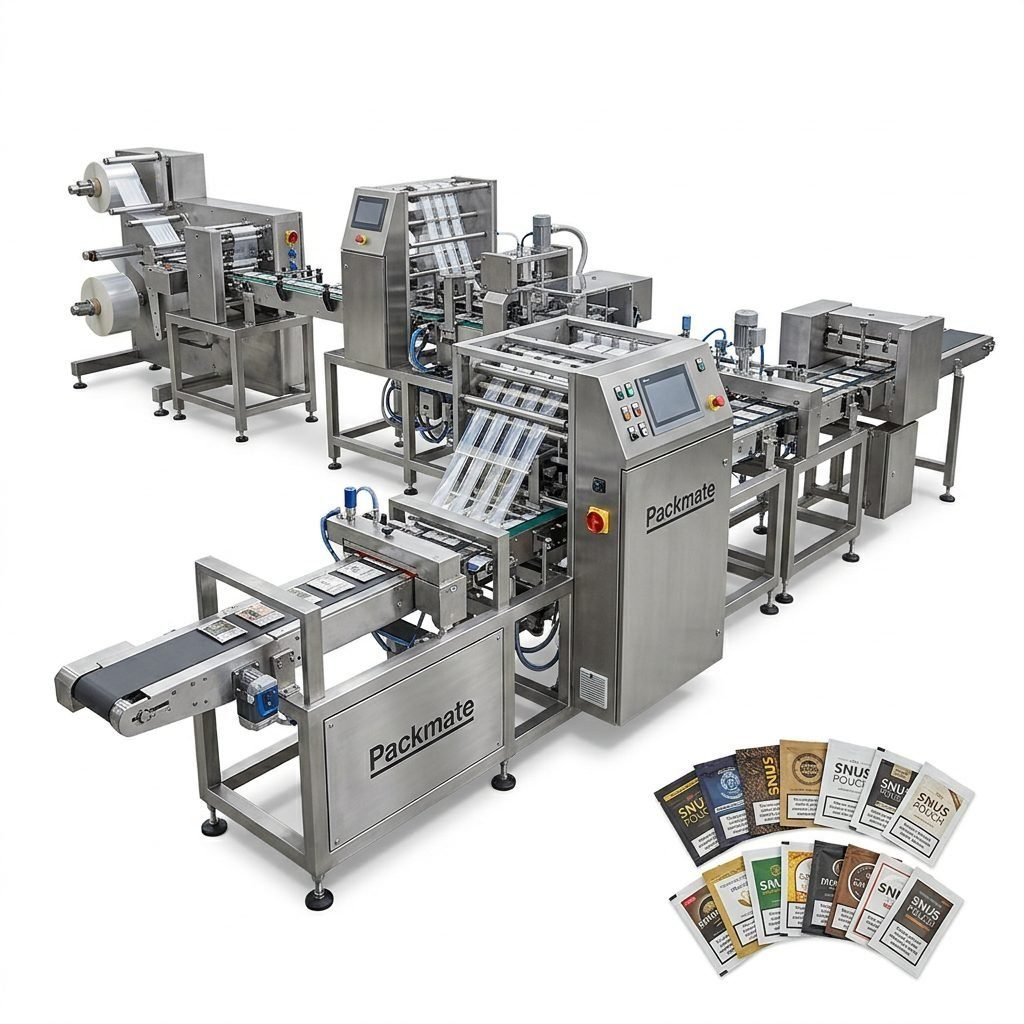
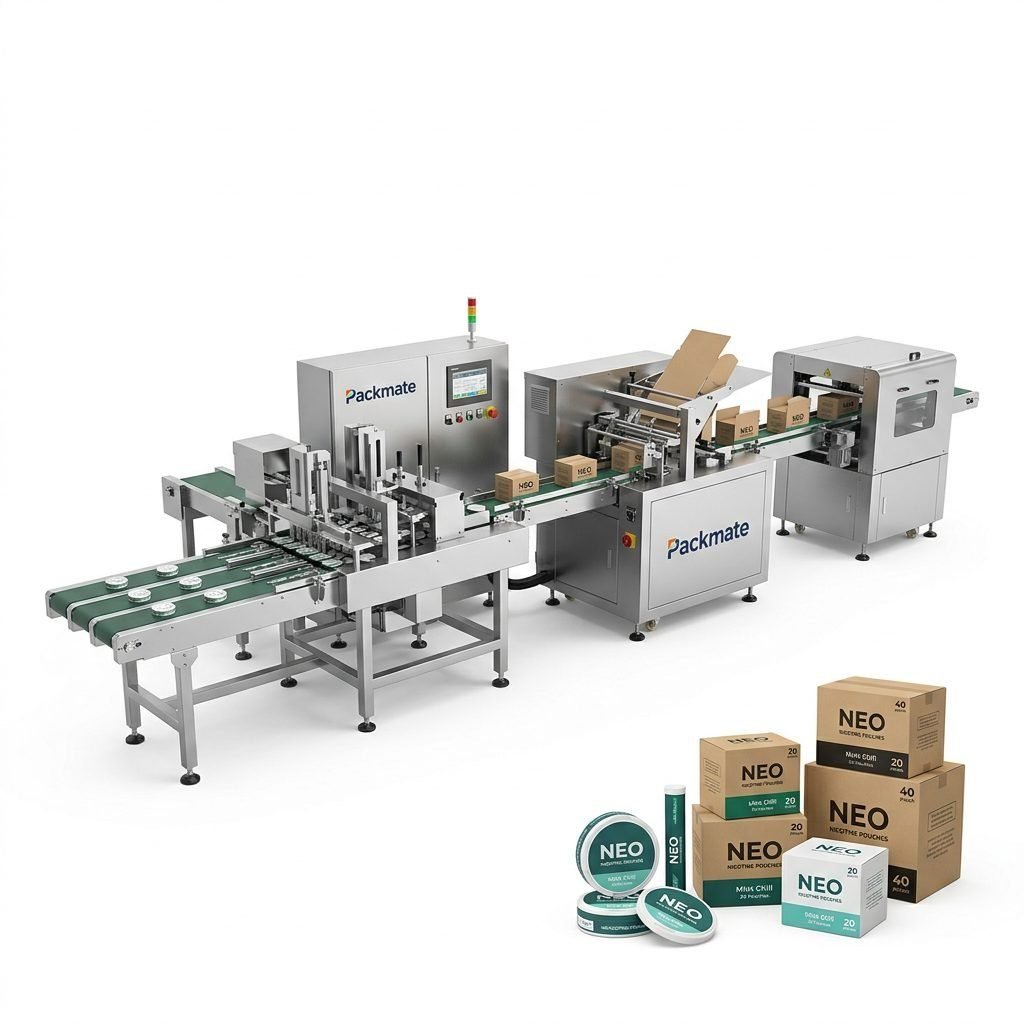
If you need full-line solutions including weighing and filling, consider integrated offerings. See Filling & Packaging Lines and Weighing & Packaging Systems for end-to-end options.
After-Sales Service, Spare Parts, and Local Support
After-sale support is arguably the most important factor for operations in Colombia, where on-site technical assistance and quick spare parts supply minimize downtime. Consider these aspects:
✅ Local or regional technical partners who can perform installation, commissioning, and preventive maintenance.
✅ Readily available spare parts and consumables shipped to Colombia with clear lead times.
✅ Remote diagnostics and training in Spanish — local language support reduces miscommunication and speeds repairs.
Practical check: Ask for a service agreement and a list of spare parts that are commonly replaced within the first two years. Suppliers who provide installation and local staff training (in Spanish) are preferred in Colombia’s market.
Factory Capabilities and Quality Assurance
A strong supplier should demonstrate real manufacturing capability: modern CNC machining centers, controlled assembly lines, and a strict quality testing process. Inspect or request:
🔶 Photos, virtual tours, or factory visits to confirm production capacity and assembly standards.
🔶 Test reports, trial videos, and customer references from similar markets.
🔶 Case studies showing experience with snus, nicotine pouches, and multi-lane packaging lines.
Packmate’s factory profile, long development timeline, and global case references can be helpful when evaluating supplier reliability. See Case and About Packmate to learn more about factory strength and project history.
Logistics, Lead Times, and Installation in Colombia
Evaluate the supplier’s shipping and installation plan carefully. Long lead times, slow customs clearance, and lack of installation support can derail production timelines.
✅ Confirm estimated shipping time to major Colombian ports or inland delivery locations.
✅ Ask about crating, customs documentation, and support for local customs brokers.
✅ Request a detailed installation timeline, commissioning checklist, and operator training plan.
Total Cost of Ownership and ROI
Price is only one factor; consider the total cost of ownership (TCO) which includes maintenance, spare parts, energy use, and downtime risks. Ask for a TCO projection covering:
⚖️ Initial machine price and tooling costs.
⚖️ Annual maintenance schedules and estimated spare parts cost.
⚖️ Operator training costs and expected production efficiency gains.
⚖️ Expected payback period given your planned production volumes.
Use real-case ROI examples from the supplier. If available, request references in Latin America to understand actual operating costs under similar conditions.
Decision matrix: Create a weighted scorecard with criteria such as compliance, performance, service, lead time, TCO, and local references. This simplifies side-by-side supplier comparison.
Supplier Transparency and Case Studies
A transparent supplier provides production videos, test runs, and customer case studies that showcase machine reliability in similar applications. Check for:
🔍 Detailed case studies, especially from Latin America or similar climates.
🔍 Pilot production runs and sample packages for verification.
🔍 Clear warranty terms and documented service response times.
Explore supplier cases to validate claims: review the Case page for specific project references and exhibition appearances to see machines demonstrated live.
Cultural Fit and Communication
Business culture in Colombia values clear communication, timely responses, and respect for relationship building. When evaluating suppliers:
✅ Favor suppliers that assign a dedicated account manager and provide Spanish-speaking support.
✅ Schedule video calls to review machine operation and ensure mutual understanding of project milestones.
✅ Visit exhibitions or request machine demonstrations if possible — Packmate participates in global exhibitions showcasing lines and live demos.
Practical Checklist Before Final Purchase
🔶 Verify CE/ISO certifications and ask for quality documentation.
🔶 Review spare parts list, lead times, and local warehousing options.
🔶 Request machine videos with your exact product or samples.
🔶 Confirm training, warranty, and service SLA details in writing.
🔶 Negotiate payment terms, commissioning schedule, and penalties for delayed delivery.
Useful links: For product references, explore Snus & Nicotine Packaging Machines, Bag & Pouch Packaging Machines, and Service to find integrated solutions and support options. To contact the supplier directly, see Contact Us.
Final Recommendation
Choosing the best snus packaging machine supplier for Colombia requires a balanced assessment of technical capability, local adaptation, after-sales service, and cultural fit. Prioritize suppliers who provide end-to-end solutions, transparent documentation, and reliable local support. Evaluate machines not only on price but on total cost of ownership, scalability, and ability to withstand local environmental conditions.
Working with established manufacturers that have a strong global footprint and experience in nicotine pouch lines — and who can demonstrate success through case studies and certifications — will reduce risk and accelerate your time-to-market in Colombia.
Frequently Asked Questions
Q1: How important are CE/ISO certifications when buying packaging machinery for Colombia?
A1: Very important. CE/ISO certifications indicate compliance with international quality and safety standards. They also simplify customs clearance and give assurance of consistent manufacturing practices.
Q2: What is the typical lead time for a snus packaging line and what affects it?
A2: Lead time varies by machine complexity, customization, and factory workload. Standard machines may ship in a few weeks to months; fully customized multi-lane lines can take longer. Factors include tooling, testing, certification, and shipping arrangements.
Q3: Do suppliers provide on-site installation and training in Spanish?
A3: The best suppliers offer on-site installation and operator training, and many provide Spanish-speaking support or local partners for smoother communication. Confirm language options before contracting.
Q4: How can I verify a supplier’s claims about machine performance?
A4: Request test videos, sample runs with your products, factory references, and case studies. If possible, visit the factory or watch live demonstrations at exhibitions to confirm performance.
Q5: What after-sales support should I expect?
A5: Expect clear warranty terms, spare parts availability, preventive maintenance plans, remote diagnostics, and on-site support agreements. Suppliers with local service partners or quick spare parts shipping to Colombia reduce downtime risks.
For more detailed product information and to review full equipment lines, visit the supplier’s product and service pages: Snus & Nicotine Packaging Machines, Filling & Packaging Lines, and Service. To discuss specific project needs, explore About Packmate and Contact Us for direct communication and tailored solutions.