Choosing the right supplier for nicotine pouch and snus packaging machinery is one of the most important decisions a factory owner in Angola can make. Whether you are launching a new production line near Luanda, expanding capacity for export, or upgrading equipment for better yield, the supplier you select will determine production reliability, regulatory compliance, and your long-term cost of ownership. This guide walks through the practical steps, local considerations, and technical checklists to help Angolan manufacturers pick the best supplier for nicotine packaging machines.
Understand the Angola Market and Local Requirements
⚠️ Regulatory environment: In Angola, all imported machinery and nicotine products must comply with customs rules and national health regulations. You should confirm local import duties, documentation requirements, and whether nicotine pouch packaging requires any specific labeling or tamper-evident features to meet health and consumer protection laws.
Language and business etiquette matter: Portuguese is the official language — prepare technical documentation, contracts, and training materials in Portuguese where possible, or work through a reliable local agent who understands both Portuguese and machine specifications. Business meetings tend to value relationship-building; expect negotiation to include in-person visits and a preference for trustworthy long-term partners.
Local infrastructure and utilities
Consider site power (voltage and stability), compressed air quality, and floor loading capacity. Some high-speed multi-lane machines require stable three-phase power and clean, dry air. If your factory is outside major cities, plan for voltage stabilizers and dust control measures.
Key Machine Types and What They Mean for Your Factory
Selecting the right mechanical layout depends on your product format and target volumes. Common options include:
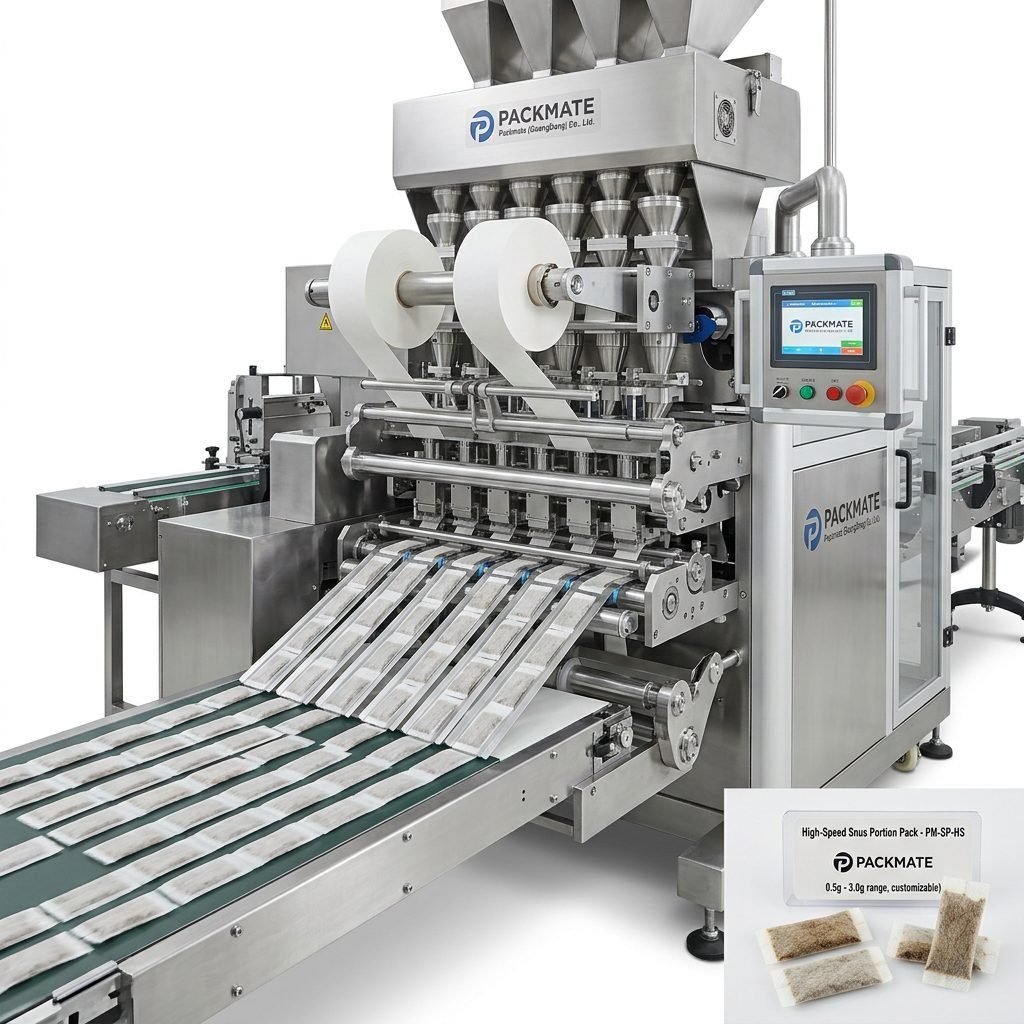
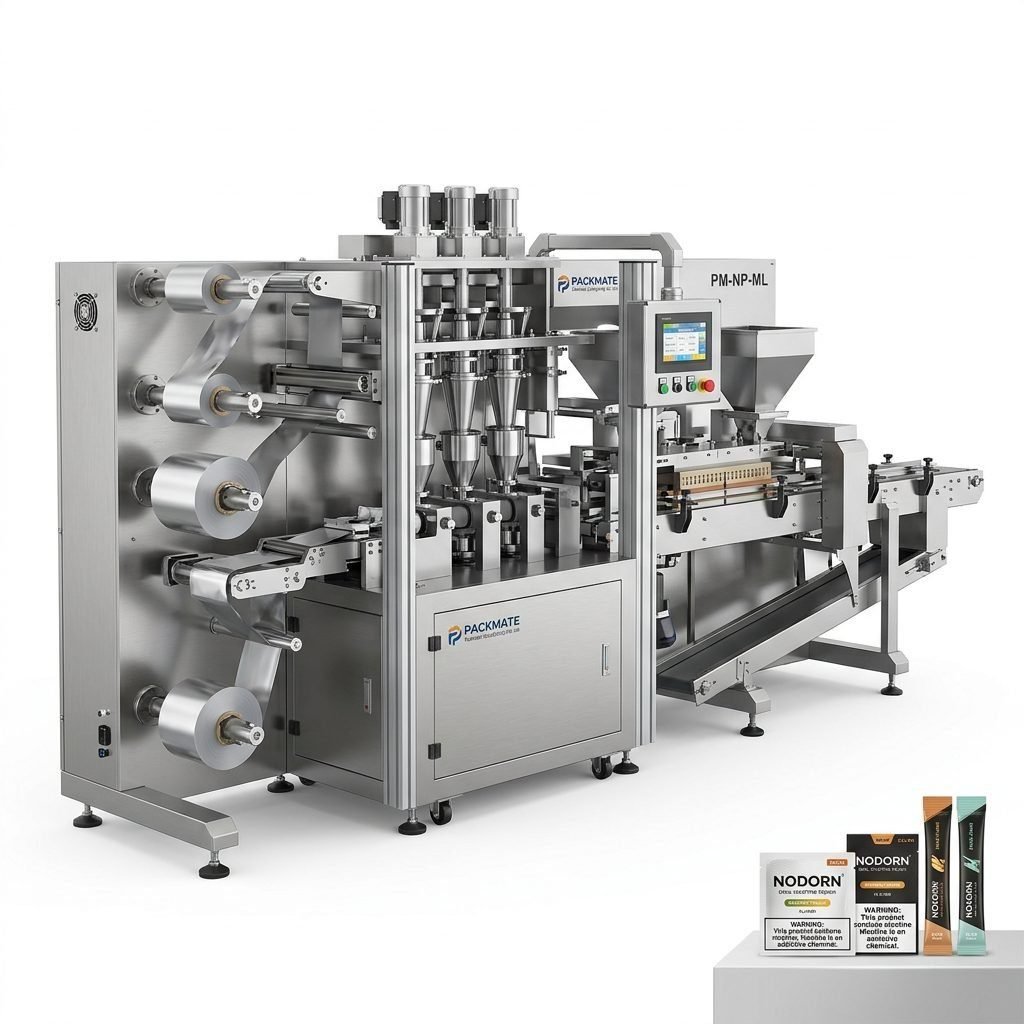
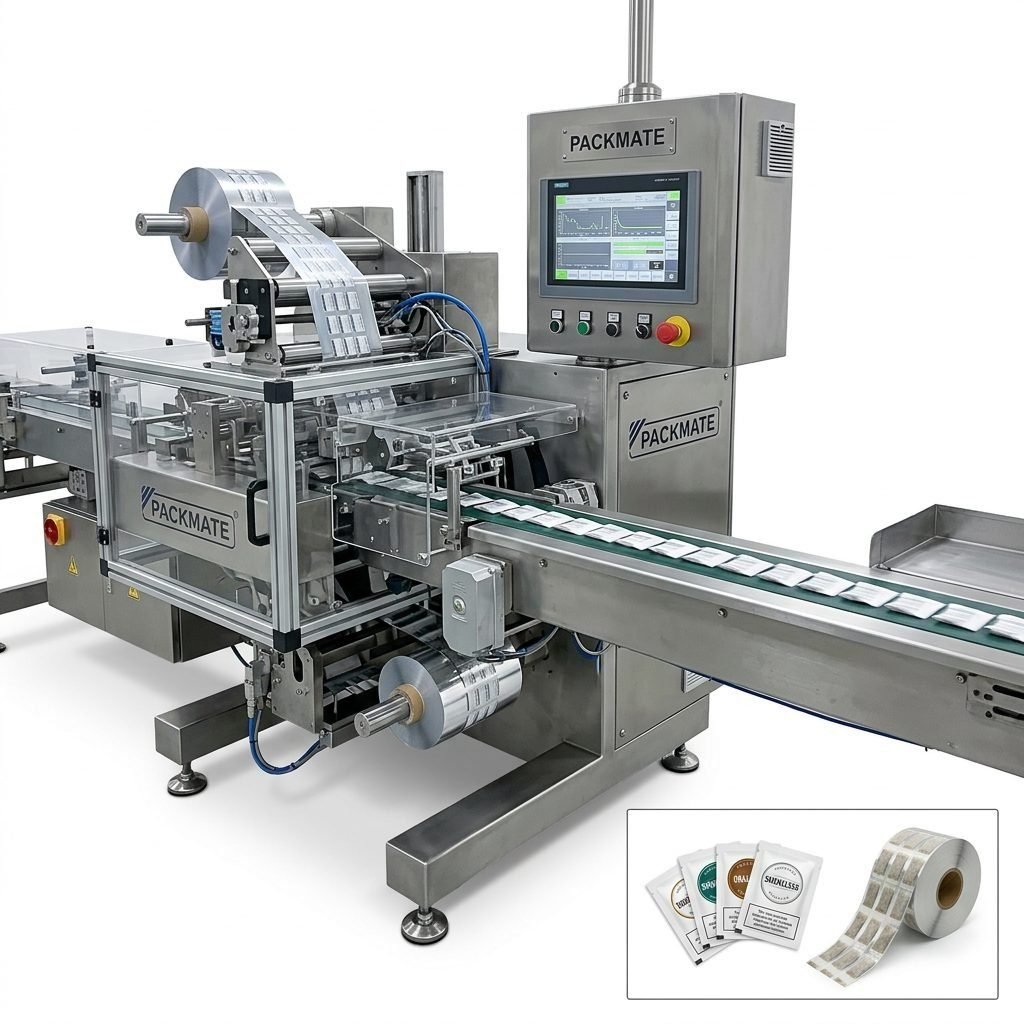
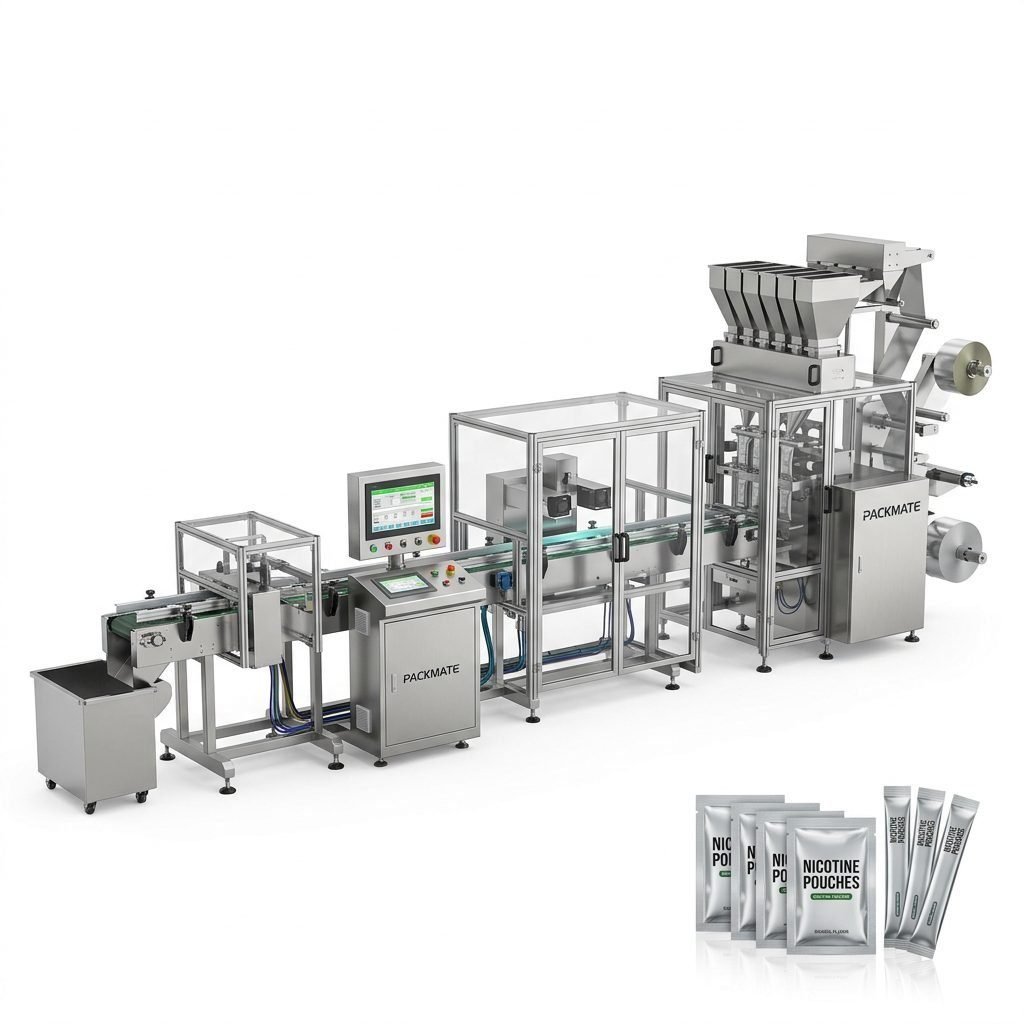
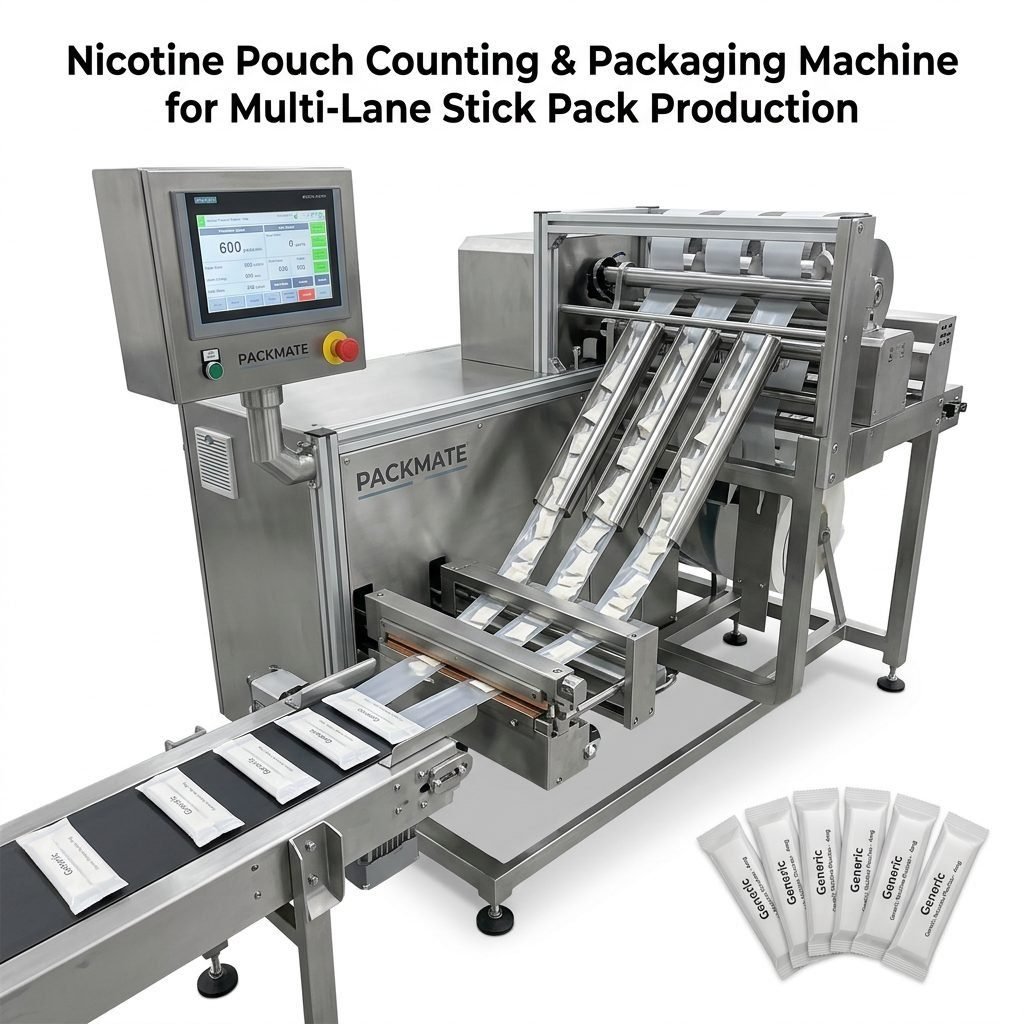
- Snus & nicotine pouch packing machines for sealed sachets and pouches — ideal for single-dose formats and multi-lane high-output lines.
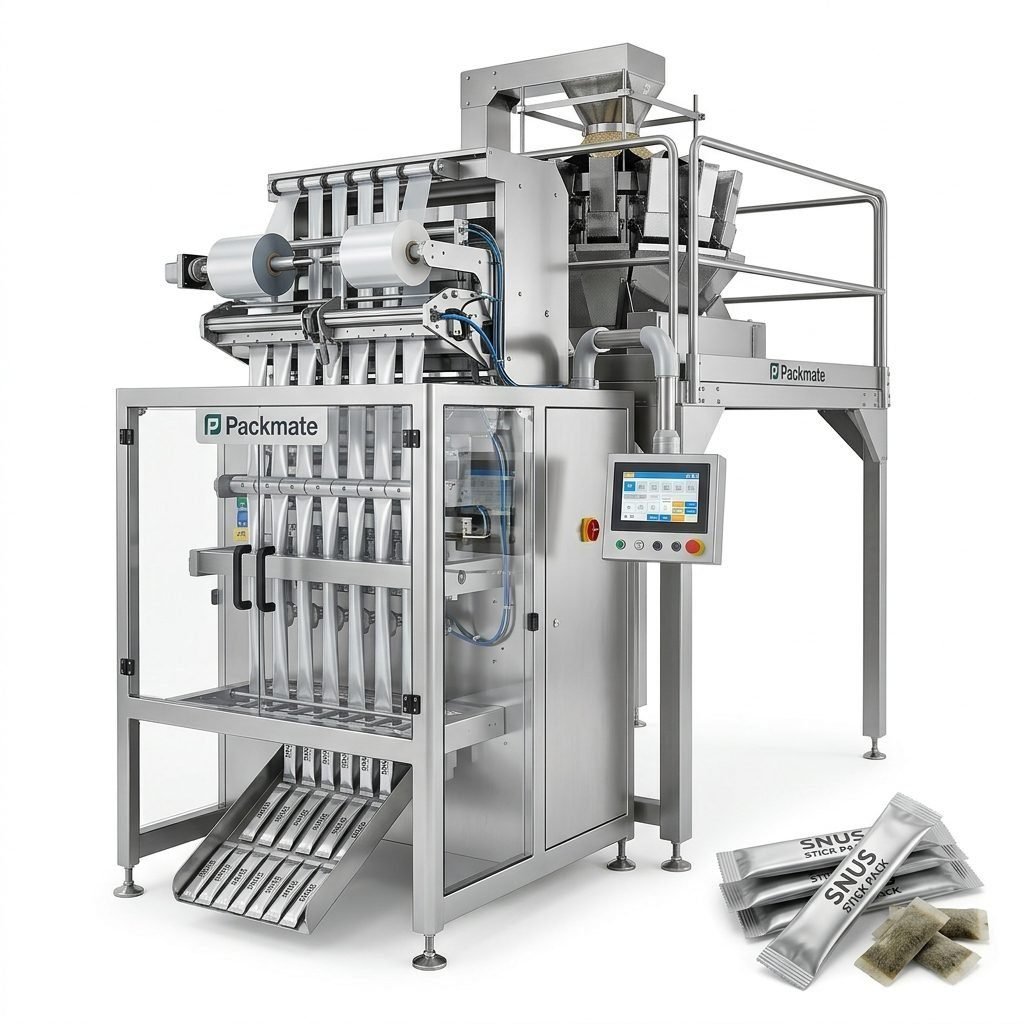
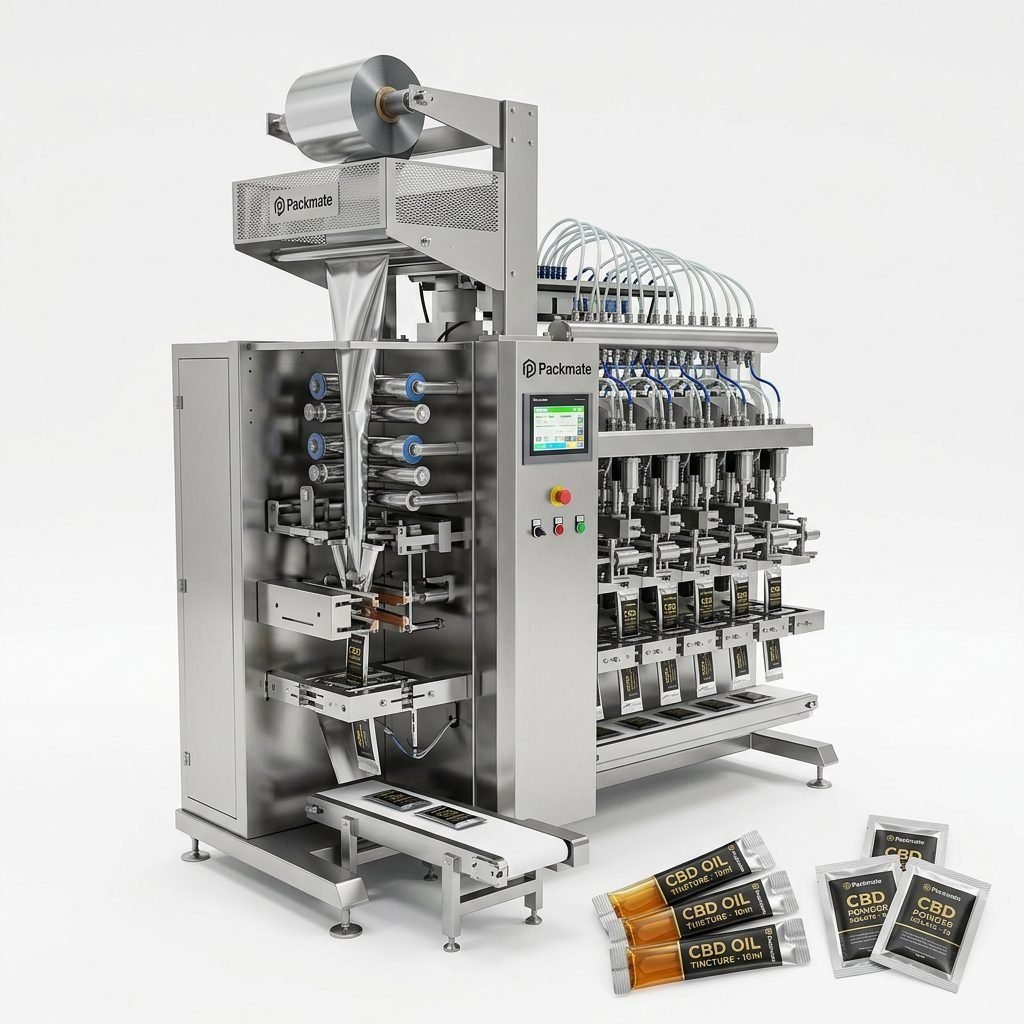
- Stick pack and sachet machines — useful for smaller stick or sachet formats and flexible packaging sizes.
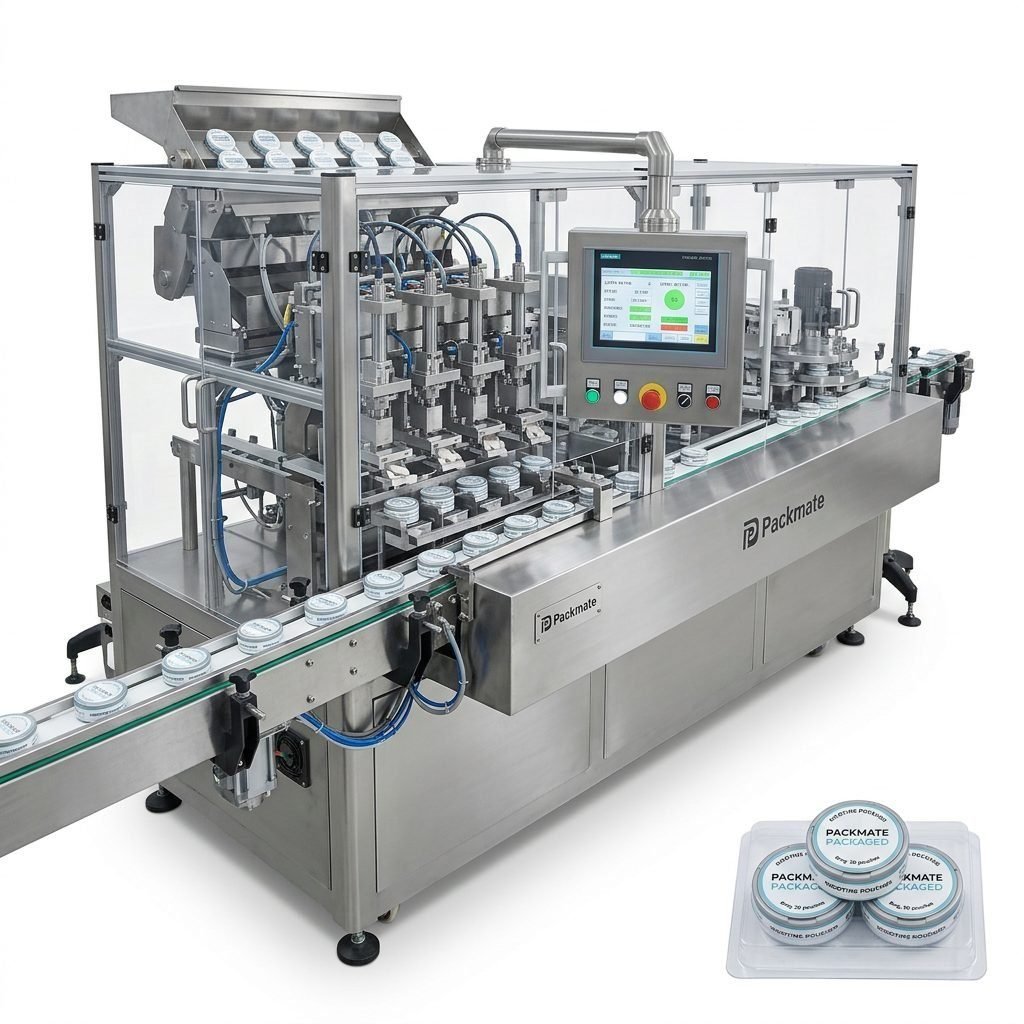
- Weighing & packaging systems that integrate dosing, filling, and sealing — essential for consistent dose control in nicotine pouches.
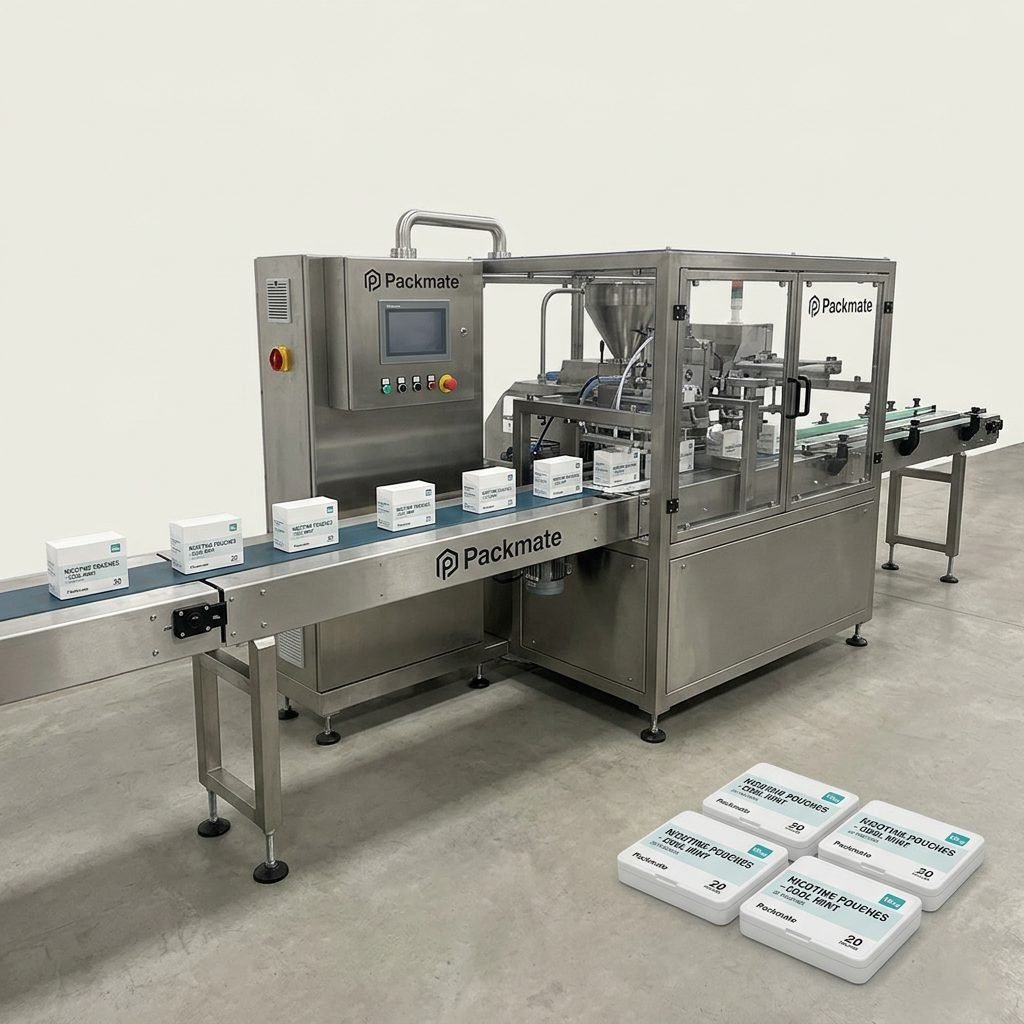
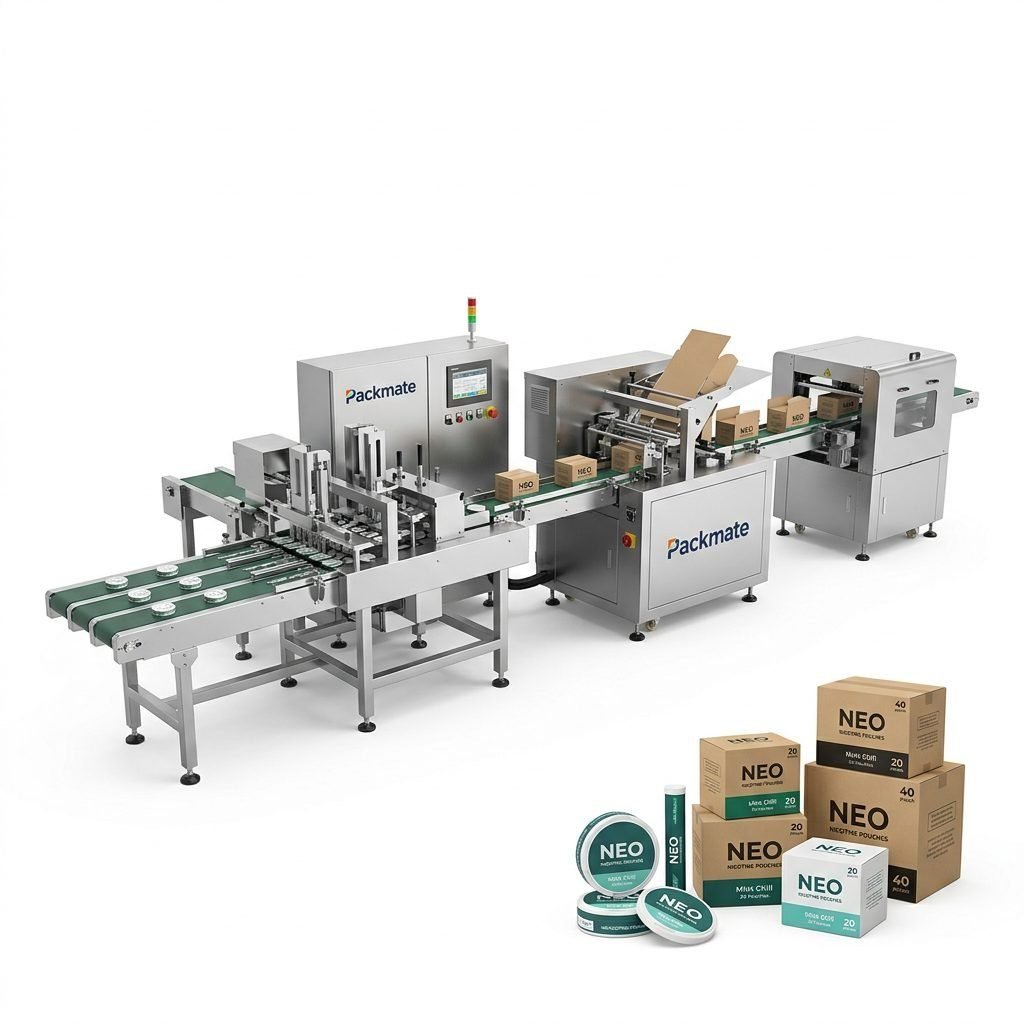
- Auxiliary equipment such as conveyors, case packers, and labeling units for full turnkey lines.
For detailed machine models and capabilities, review supplier product pages (for example, see Snus & Nicotine Packaging Machines and Filling & Packaging Lines).
Production capacity mapping
✅ Tip: Map your daily, weekly, and monthly targets, then compare them with machine throughput (pouches per minute and lanes). Aim for a machine that has 20–30% capacity headroom to account for maintenance and future growth.
Supplier Qualification Checklist
When evaluating suppliers, use a structured checklist to avoid surprises:
• Experience: Look for 10+ years in snus/nicotine or similar packaging machines. Packmate Snus Machine, for example, has over 30 years of experience and a wide model range.
• Factory & quality systems: Confirm a robust manufacturing facility with CNC machining and assembly lines, and ask for CE/ISO certificates.
• References & case studies: Request real-world case studies and references, ideally in similar climates or markets; check their global exhibition presence and project portfolio.
• Spare parts & lead time: Ensure spare parts availability and ask the supplier to guarantee reasonable lead times for critical components.
• After‑sales support: Evaluate training, remote diagnostics, and local support plans. A supplier offering training and commissioning is invaluable in Angola.
Factory visit, audits & trials
Schedule a factory visit or virtual tour. Watch machines running with products similar to yours. Confirm repeatability and product weight tolerance during live trials. If a supplier has global turnkey projects, review those case studies (see Case).
Technical Specifications to Compare
Technical specs tell you whether a machine will meet your production demands and integrate well with your factory:
- Throughput: pouches per minute and lanes.
- Accuracy: dosing tolerance and pouch weight consistency.
- Format flexibility: easy changeover between pouch sizes and stick lengths.
- HMI and control systems: PLC compatibility, remote access, and recipe management.
- Materials compatibility: ability to handle your specific nicotine blends, moisture-sensitive materials, or special liners.
- Sanitation and cleaning: ease of cleaning, especially if lines are used for multiple products.
Integration with upstream and downstream equipment
Integrate weighing systems, filling lines, and case packing for smooth workflow. Check compatibility with existing conveyors and pick-and-place systems, and consider packaging material suppliers that can provide consistent films and laminate suitable for Angola’s climate.
Total Cost of Ownership (TCO) — Beyond Purchase Price
The cheapest quote rarely delivers the lowest TCO. Evaluate:
• Energy consumption: High-speed machines consume more power; ensure stable power supply to avoid downtime.
• Maintenance intervals and mean time between failures (MTBF): Longer MTBF reduces downtime and labor cost.
• Spare parts pricing and shipping to Angola: Ask for a spare parts list with prices and recommended stock levels.
• Training and installation fees: Consider on-site commissioning and operator training costs.
Warranty, Service Contracts and Local Support
A strong warranty and local service offer give peace of mind. Look for:
- Clear warranty terms including parts and labor for a specific period.
- Optional service contracts for preventive maintenance and priority response.
- Remote diagnostic capability and spare part kits shipped in advance.
- Local partner or agent in Angola who can respond faster for urgent issues.
If you want to understand the supplier’s support offering, see their Service and About Packmate pages for examples of global support and certifications.
Shipping, Customs and Import Logistics to Angola
Shipping heavy machinery to Angola requires careful planning:
• Cargo terms: Decide between FOB, CIF, or DDP. DDP reduces surprises but costs more upfront.
• Import documentation: Prepare technical specs, certificates (CE, ISO), packing lists, and bills of lading in Portuguese and English to speed customs clearance.
• Local freight partners: Choose a logistics provider experienced with heavy machinery offloading at Angolan ports and inland transport to your site.
Cultural and Commercial Considerations in Angola
Business in Angola often values long-term relationships and trust. Practical tips:
- Prepare Portuguese-language documents and presentations for key stakeholders.
- Be patient with negotiation timelines; invest time in face-to-face meetings when possible.
- Consider hiring a local consultant or agent to manage customs, translation, and after-sales logistics.
- Understand payment preferences — letters of credit, staged payments, and escrow arrangements are common for international machinery purchases.
Selecting the Right Contract and Acceptance Tests
The contract should detail delivery schedules, acceptance criteria, performance guarantees, penalties for delays, and training obligations. Insist on FAT (Factory Acceptance Test) and SAT (Site Acceptance Test) with clear measurable KPIs such as pouch integrity rate, fill accuracy, and uptime targets.
Performance guarantees to include
🔍 Measurable KPIs: speed (pouches/min), accuracy (± tolerance), downtime (<X% per month), and consumable usage. Require the supplier to demonstrate these during FAT.
Financing, Leasing and Cost Strategies
Consider supplier financing, leasing, or staggered payments if capital is a concern. Some vendors offer lease-to-own schemes or factory financing that include installation and training. Compare total payments against expected product margins to ensure profitability.
Why Packmate Snus Machine Is a Strong Candidate
Packmate brings relevant experience for Angolan manufacturers:
• 30+ years engineering experience — proven track record in snus and nicotine pouch machines.
• Wide product range: multiple machine models and turnkey solutions including stick pack, sachet, multi-lane systems, and weighing & packaging systems (see Weighing & Packaging Systems).
• Manufacturing strength: a 20,000㎡ facility with CNC machining and strict QC, plus CE and ISO certifications for global compliance.
A Practical Roadmap for Procurement in Angola
Follow this step-by-step approach to reduce risk:
- Define product specs and target output.
- Shortlist suppliers based on experience, certifications, and references.
- Request detailed proposals with TCO, spare parts list, and support plan.
- Perform FAT and require performance guarantees.
- Agree contract terms including delivery, installation, training, and penalties.
- Plan shipping and customs documentation in Portuguese, and coordinate with a local logistics partner.
- Execute SAT and sign-off when KPIs are met.
Final Considerations and Next Steps
Choosing the right nicotine packaging machinery supplier for an Angolan factory means balancing technical capability, local support, regulatory compliance, and long-term partnership value. Prioritize suppliers who can demonstrate proven field performance, provide robust after-sales support, and supply clear documentation in Portuguese. If you are ready to review machine options and request quotes, check the supplier’s product catalogs and contact pages to start discussions (for example, Contact Us).
Key takeaways
• Verify regulatory & import requirements for Angola.
• Insist on FAT/SAT with measurable KPIs and documented acceptance criteria.
• Prioritize after-sales service, spare parts availability, and local logistics planning.
Frequently Asked Questions (FAQs)
Q1: What documentation do I need to import packaging machines into Angola?
A: Typical documents include the commercial invoice, packing list, bill of lading, CE/ISO certificates, machine specifications, and any health certificates related to nicotine handling. Provide Portuguese translations to smooth customs clearance.
Q2: How important is local after-sales support in Angola?
A: Extremely important. Fast response times for spare parts and technical support minimize downtime. Working with suppliers who offer local agents or on-site commissioning and training is highly recommended.
Q3: Can suppliers modify machines for local power and environmental conditions?
A: Yes. Reputable manufacturers can adapt electrical systems, add voltage stabilizers, and specify materials suited for high humidity or dust-prone environments. Clarify these modifications in the contract.
Q4: What is the typical lead time for a turnkey nicotine packaging line?
A: Lead times vary by complexity but often range from 12 to 28 weeks including manufacturing, FAT, shipping, and on-site commissioning. Early engagement and clear specifications can shorten this timeline.
Q5: Where can I see real machine configurations and global projects?
A: Review manufacturer portfolios and case studies on their website to see installed lines and exhibition demonstrations. Many suppliers show live demos at international trade shows and publish detailed case pages.