Choosing the right snus packaging machinery manufacturer in Malaysia is a strategic decision that affects product quality, production efficiency, and regulatory compliance. Whether you plan to produce nicotine pouches, snus sachets, or multi-lane stick packs, understanding local market habits, environmental factors, and the capabilities of potential suppliers will help you achieve a reliable, cost-effective production line.
🔍 Why Malaysia Needs a Tailored Approach
Malaysia’s tropical climate, diverse population, and regulatory environment create specific requirements for packaging and machinery. Humidity control, corrosion resistance, clear bilingual labeling (Malay + English), and sensitivity to cultural norms—especially considering Malaysia’s majority Muslim population—mean manufacturers and packagers must plan carefully. If you are exporting to or producing within Malaysia, you must be aware of local restrictions on nicotine products and prepare compliant packaging and documentation.
📌 Local consumer habits and packaging preferences
Malaysian consumers favor discreet, resealable formats and compact portion sizes for on-the-go use. Retailers prefer shelf-friendly shapes, clear expiry information, and tamper-evident seals. For international brands operating in Malaysia, offering multilingual instructions and robust moisture barriers is essential to maintain product integrity in humid conditions.
Key point: choose a manufacturer who understands tropical storage challenges, regulatory labeling in Malaysia, and the need for sanitary, corrosion-resistant machine components.
⚙️ Production Needs: Define Your Requirements First
Before contacting suppliers, map out your production profile. Consider:
• Target daily output (units/hour or units/day)
• Product forms (loose powder, granules, nicotine pouches, wet snus, liquids)
• Packaging formats (pouch, stick pack, sachet, multi-lane strips)
• Desired automation level (manual feeding vs. fully automated turnkey lines)
💡 Quick checklist
✓ Production capacity target
✓ Product dimensions & tolerances
✓ Environmental controls (dehumidifiers, cleanroom requirements)
🧩 Types of Snus Packaging Machinery You May Need
Manufacturers typically offer a range of machines. Selecting the correct type depends on your product and output.
Sachet & Stick Pack Machines
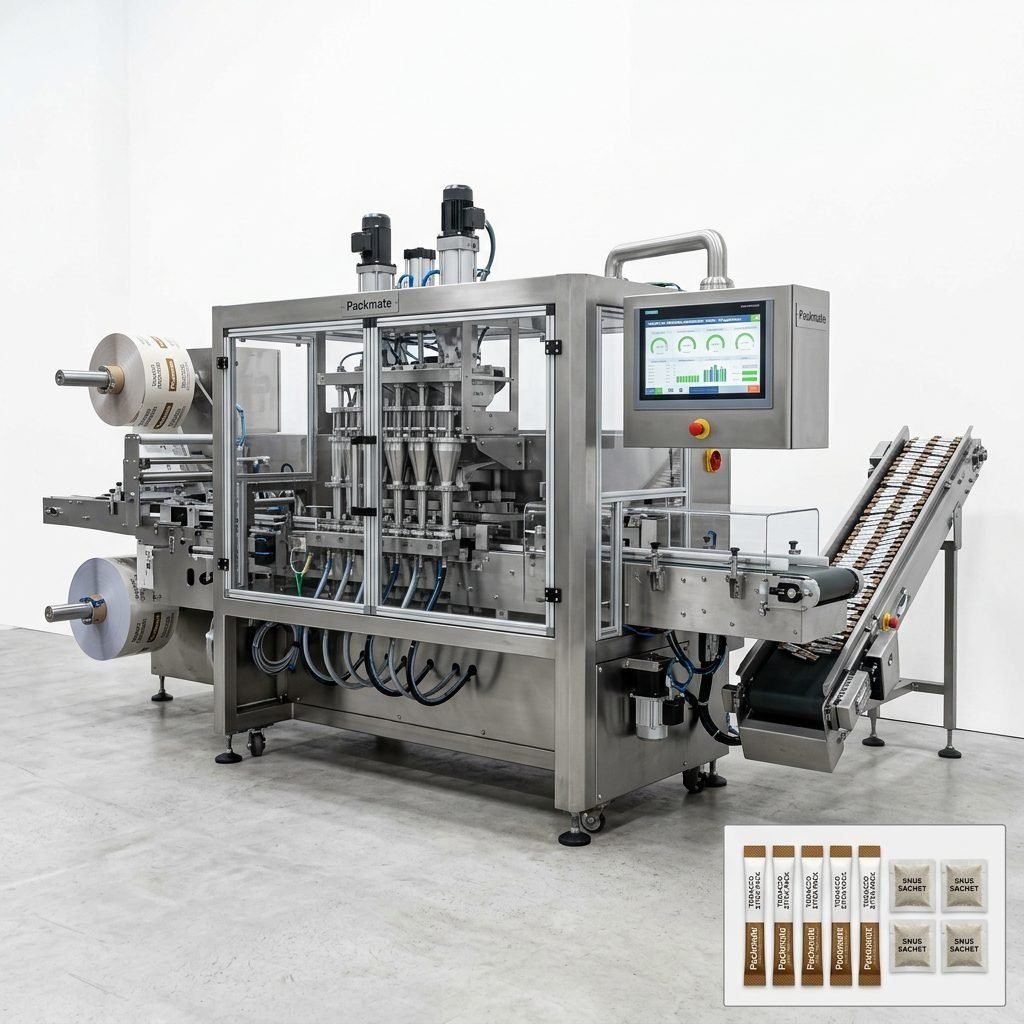
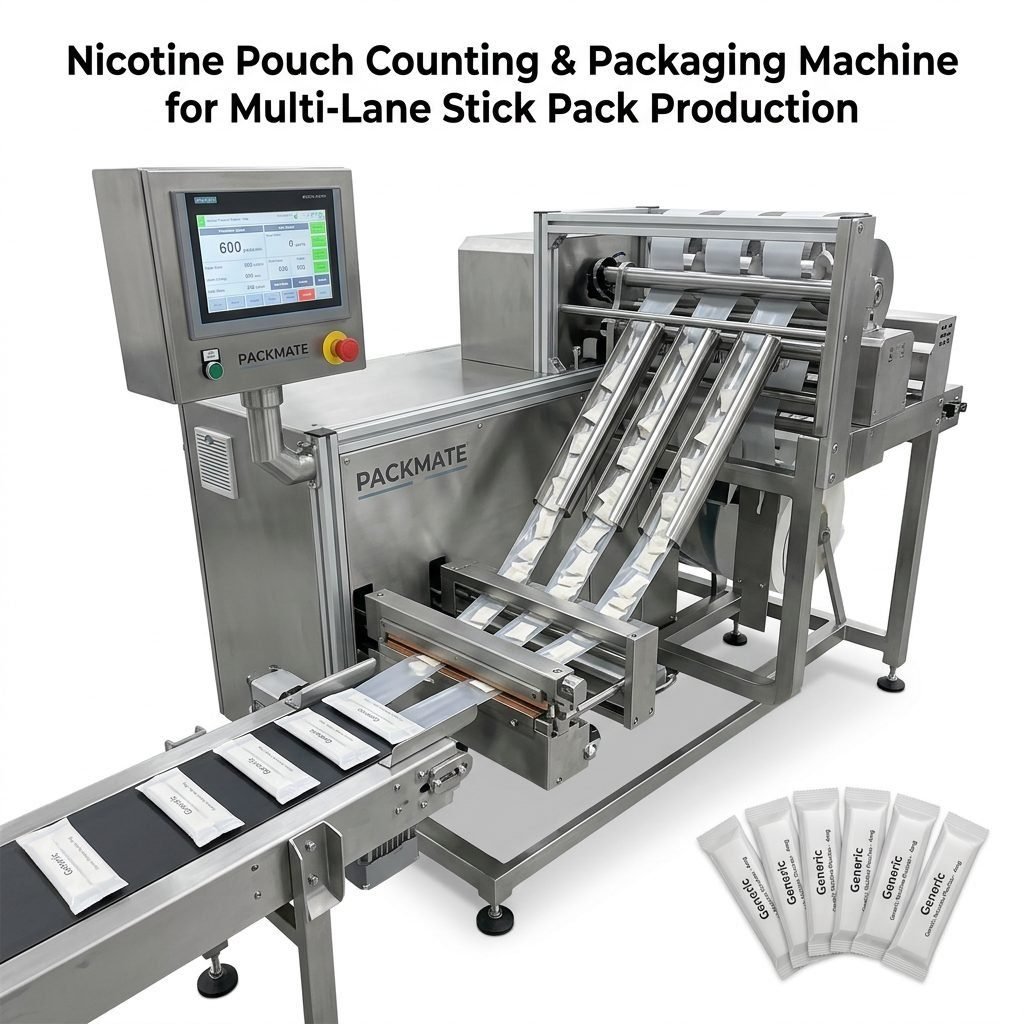
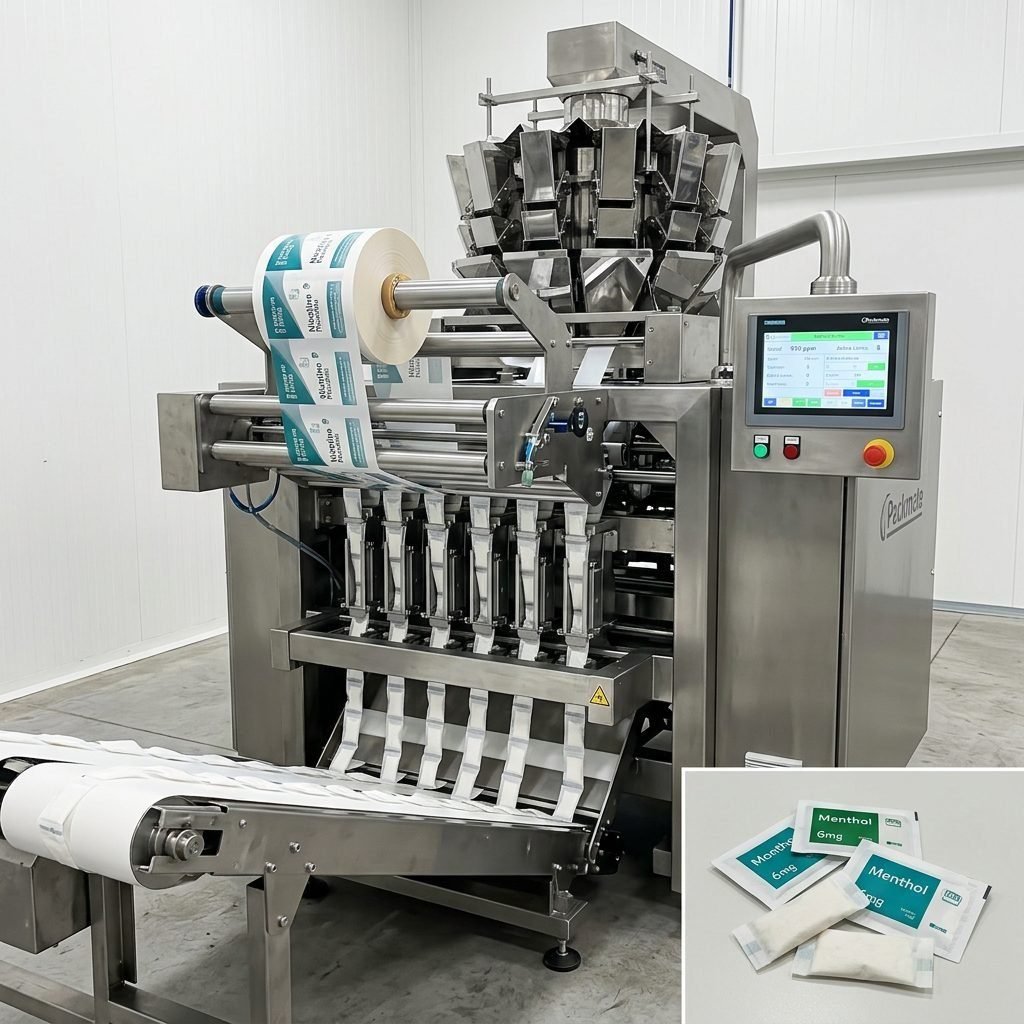
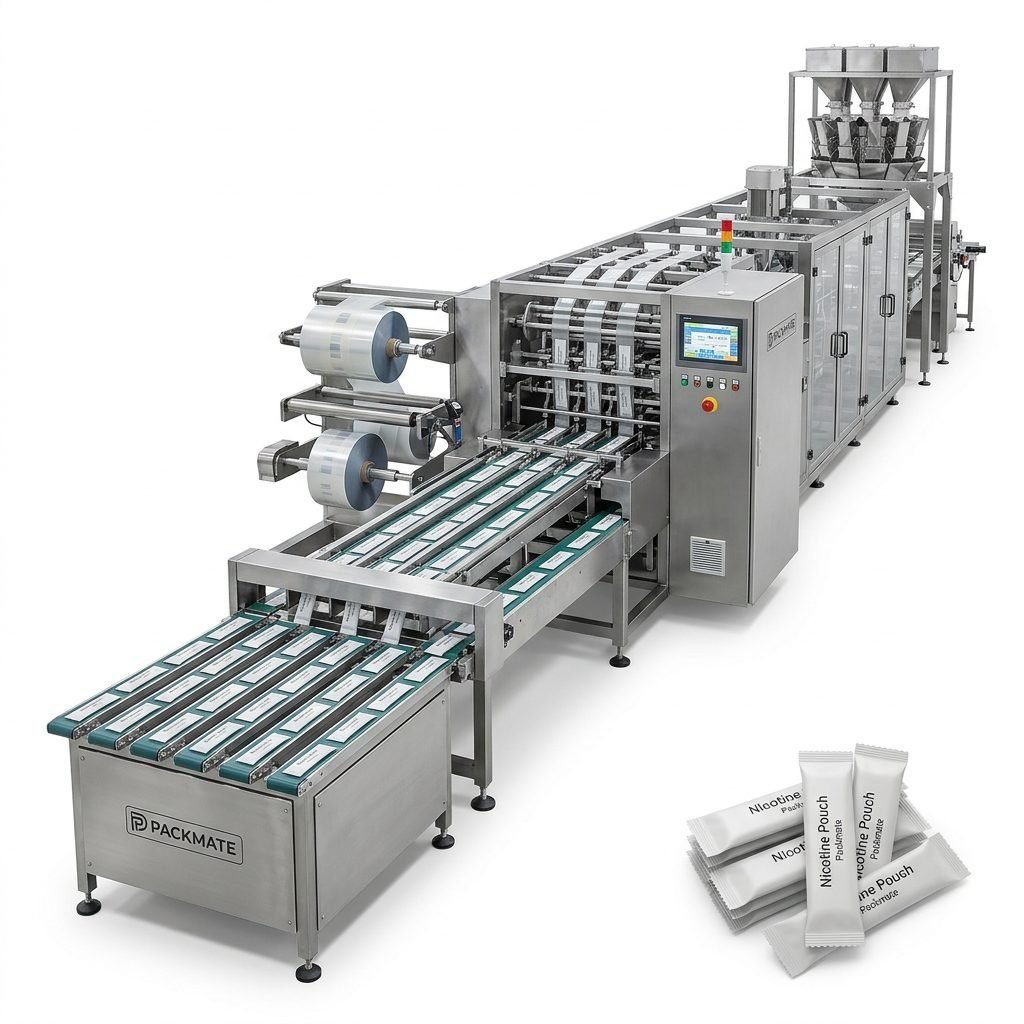
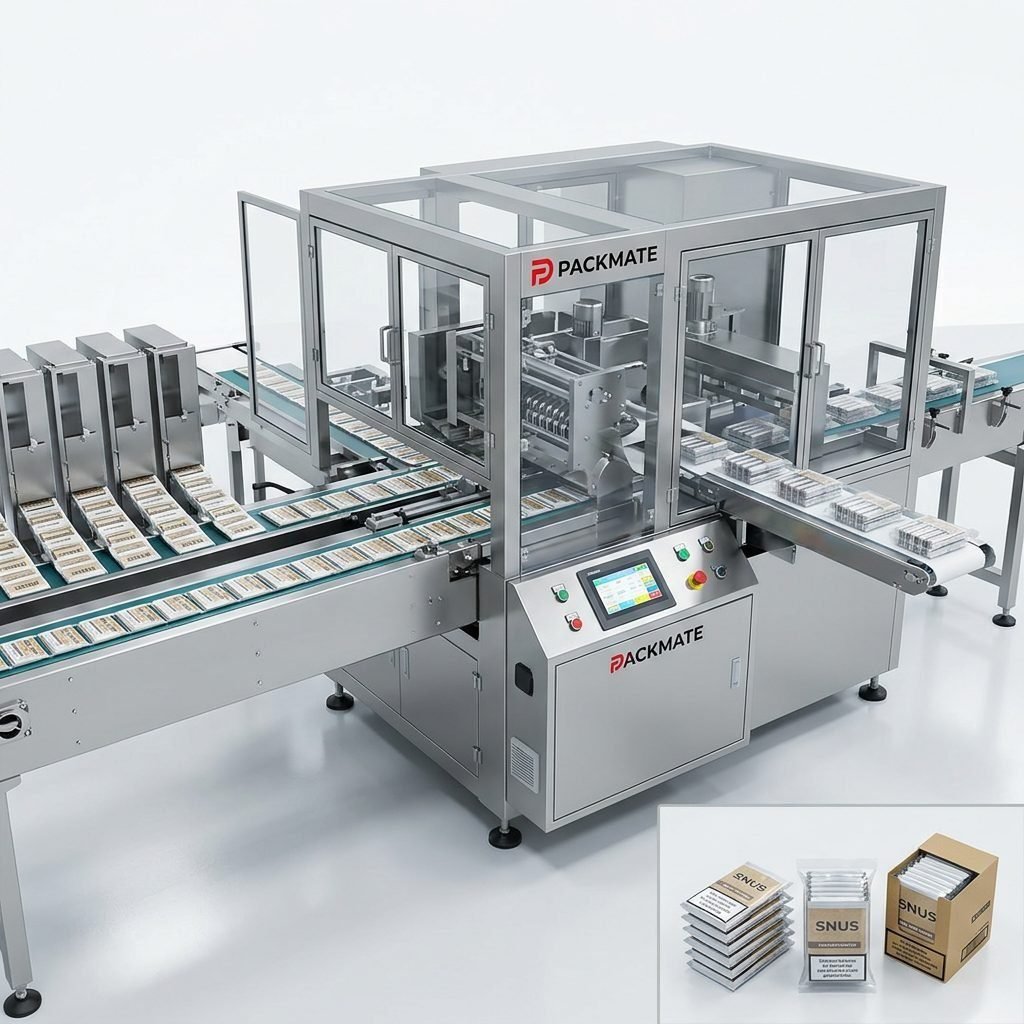
Ideal for single-dose sachets or elongated stick packs. High-speed options exist for large volumes; consider multi-lane models for boosting throughput without increasing floor footprint. See examples: Sachet & Stick Pack Machines.
Snus & Nicotine Pouch Packaging Machines
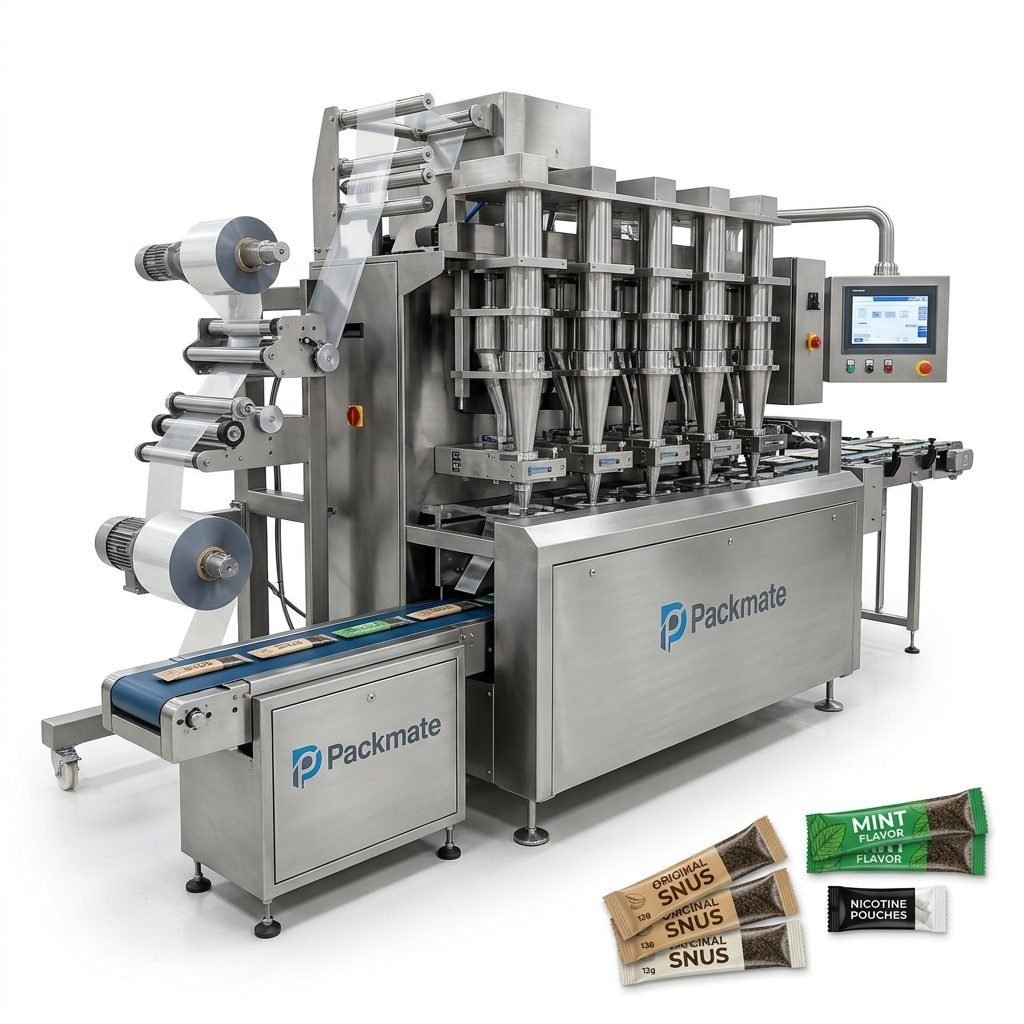
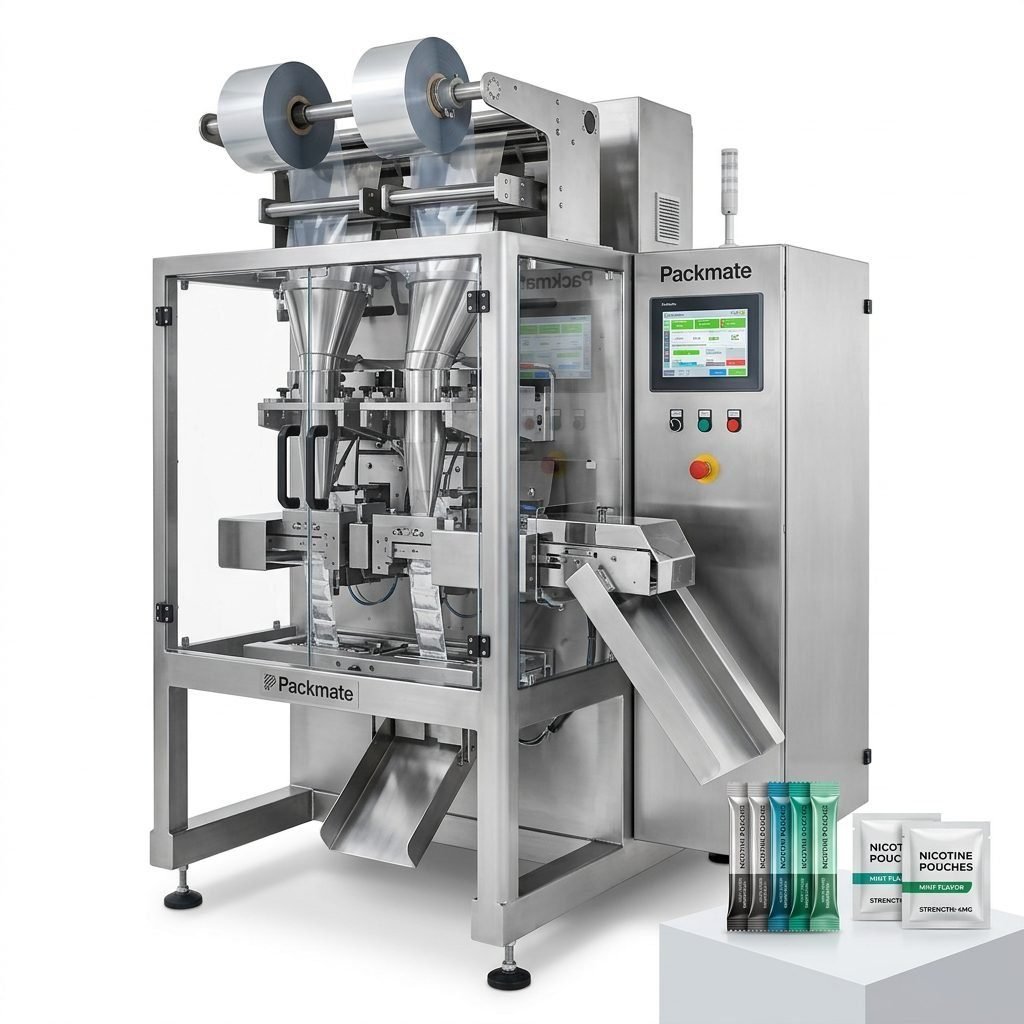
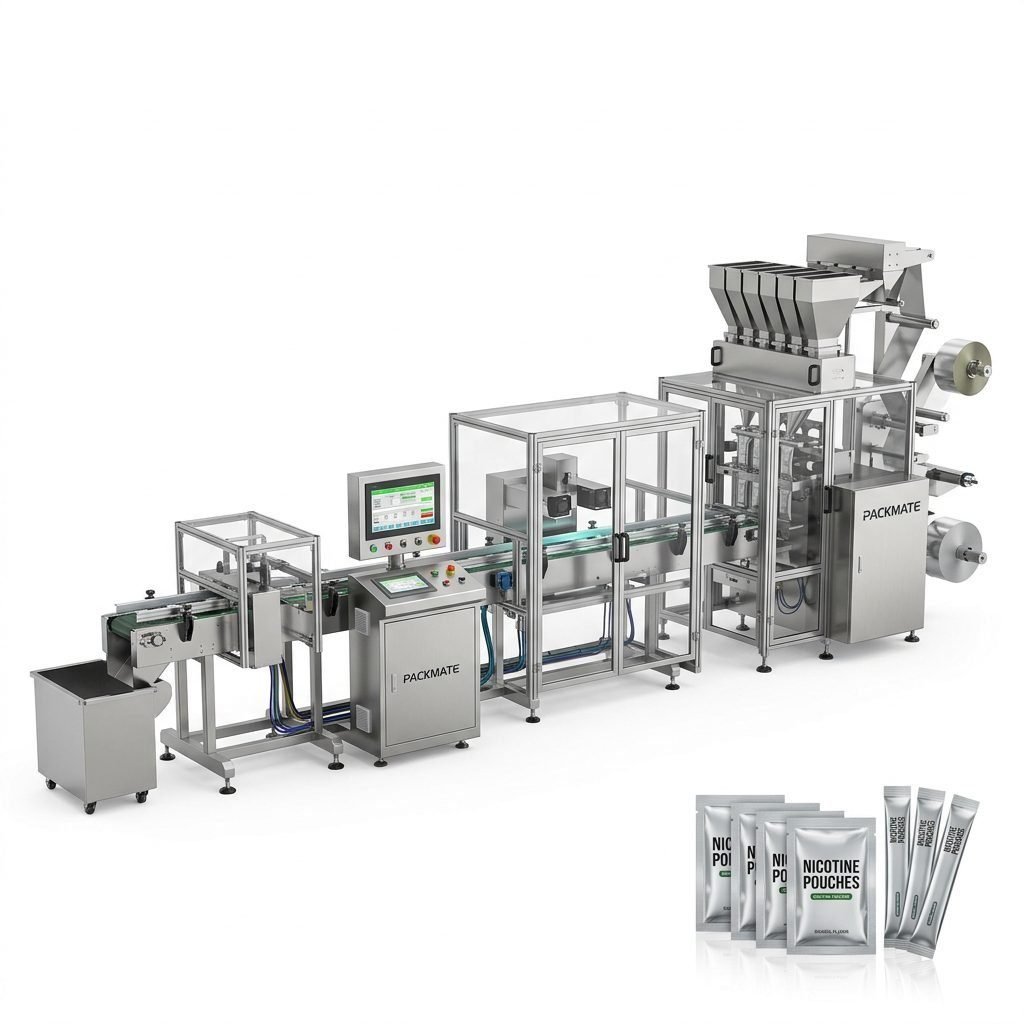
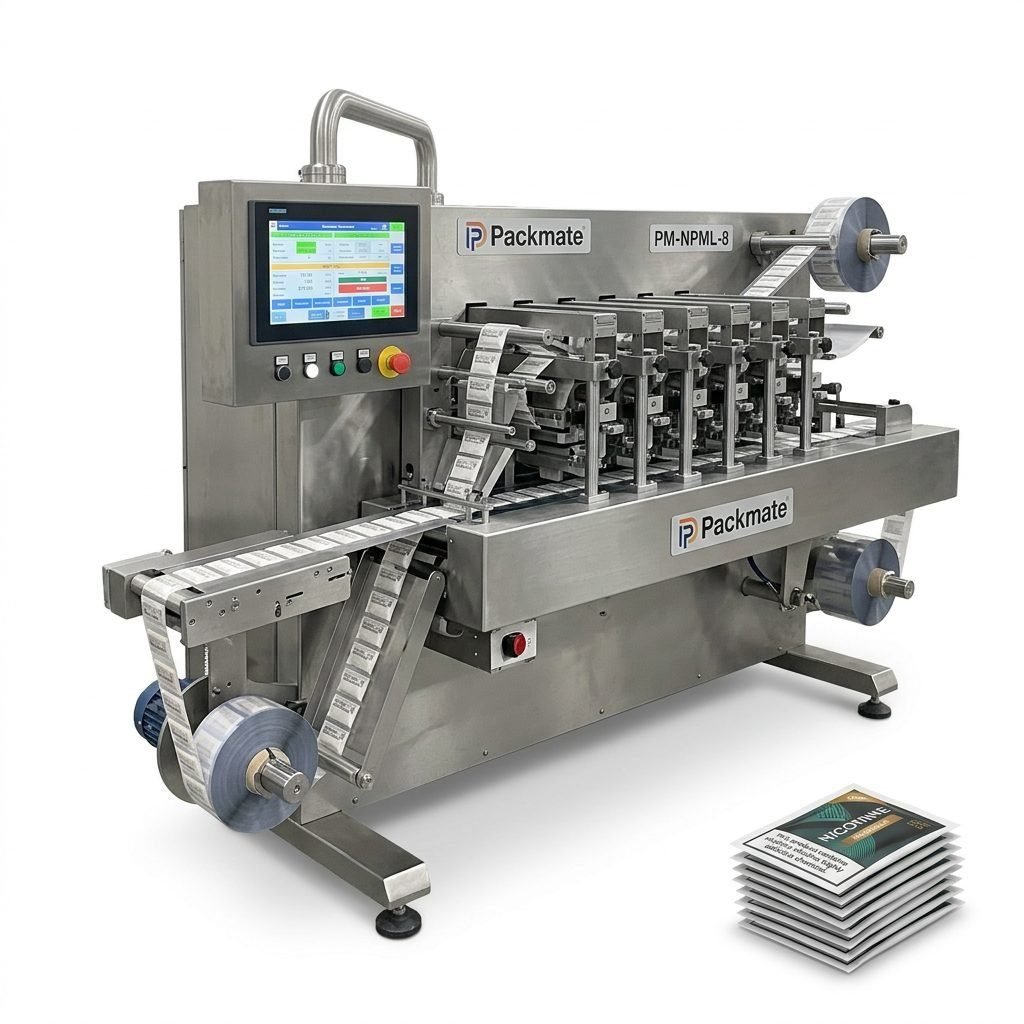
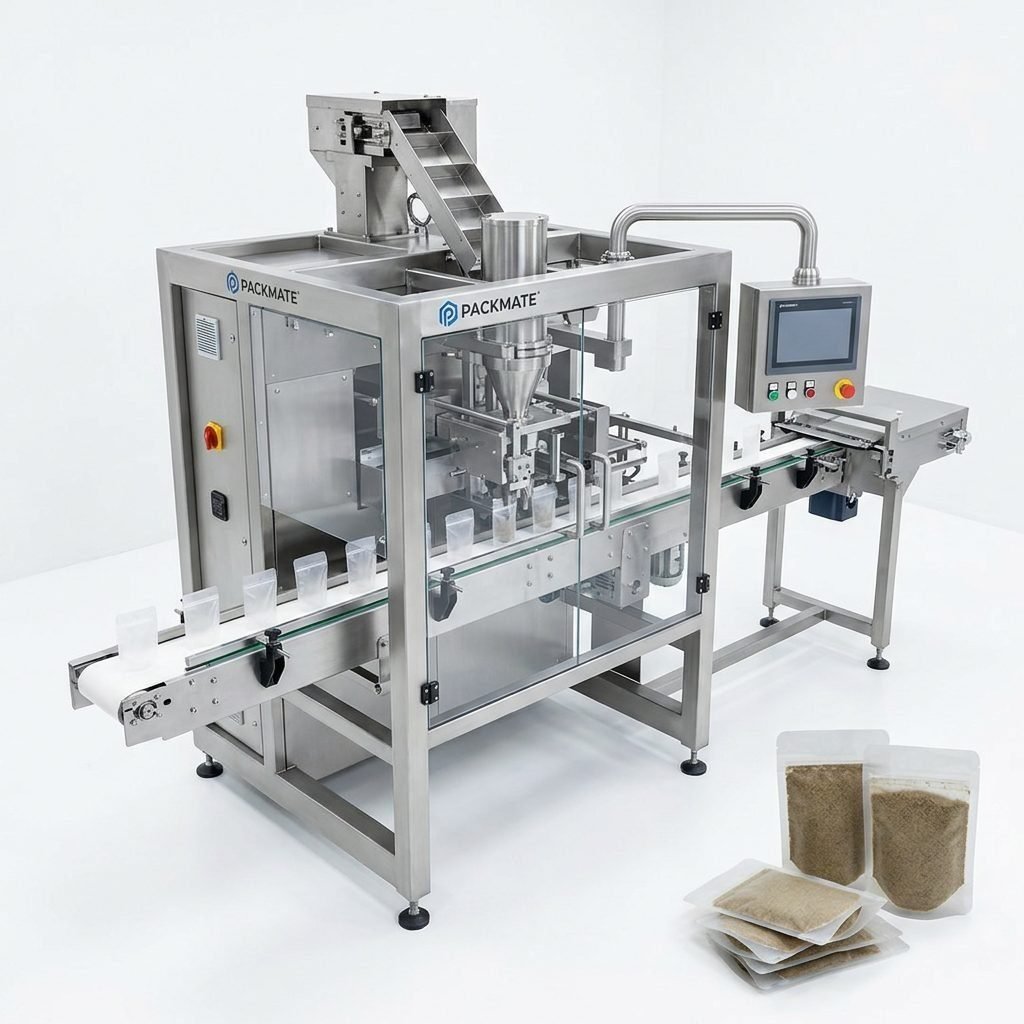
Specialized pouch forming and filling equipment designed for small-dose nicotine pouches and snus. Look for precise dosing, gentle handling, and sterile filling options: Snus & Nicotine Packaging Machines.
Multi-Lane Systems & Weighing Integration
Multi-lane systems allow parallel filling to scale output. Integration with weighing and feeding systems improves accuracy and reduces waste. Browse options: Weighing & Packaging Systems.
✅ How to Evaluate Machine and Manufacturer Quality
When choosing a manufacturer in Malaysia or for shipments to Malaysia, focus on these measurable criteria:
1. Industry Experience & Track Record
Experience matters. A manufacturer with decades of engineering history is more likely to deliver stable machines. For example, Packmate Snus Machine brings 30+ years of engineering experience and a wide model range—an indicator of design maturity and service capability. See company background: About Packmate.
2. Certifications & Compliance
Ensure CE, ISO, and other relevant certifications. Good manufacturers maintain traceable QA processes and offer documentation that simplifies regulatory approval or audits.
3. Customization & Turnkey Capabilities
Choose suppliers who can design full lines (filling, sealing, labelling, packing) and provide customization for formats, labeling languages, and halal-compliant components if needed. Packmate offers turnkey packaging solutions across multiple industries.
4. After-Sales Service & Spare Parts
Fast technical support, local spare parts availability, and training reduce downtime. Ask about guaranteed SLAs, remote diagnostics, and spare parts lead times for Malaysia shipments.
5. Factory & Production Capability
Evaluate factory size, machining capability, and assembly lines. A 20,000㎡ facility with CNC centers and precision assembly suggests reliable manufacturing capacity and quality control.
Insider tip: Request case studies or references from similar tropical-climate installations—this reveals how machines perform under Malaysian humidity and power conditions.
📑 Questions to Ask Potential Manufacturers
Prepare a consistent questionnaire to compare suppliers directly. Essential questions include:
• What is the expected production output and OEE for the proposed machine?
• Can you provide test videos with a product similar in viscosity, granularity, and humidity?
• What corrosion-resistant materials and coatings are used for tropical environments?
• What is your support model in Malaysia (local agents, spare parts stock, remote support)?
🏭 Factory Visit & Pre-Shipment Checks
If possible, visit the manufacturer or hire a local inspector. During visits:
• Inspect CNC machining and assembly quality
• Observe final testing and quality control procedures
• Witness a factory acceptance test (FAT) with your product
• Confirm packaging for sea/air freight to Malaysia and spare parts lists
💰 Cost vs Value: Total Cost of Ownership
Initial machine price is only part of the equation. Factor in:
• Installation and commissioning
• Training and documentation
• Spare parts, consumables and mean time between failures
• Energy use and maintenance requirements in Malaysia’s climate
A higher upfront cost for a robust multi-lane system can pay back quickly through reduced labor and increased throughput.
📦 Logistics, Documentation & Compliance for Malaysia
When importing machinery to Malaysia, ensure:
- Complete packing lists and machine manuals in English (Malay if requested)
- Certificates for CE/ISO and material compliance
- Clear documentation for customs clearance and electrical compatibility (voltage/frequency)
- Statement on hazardous substance use and disposal if any
🔧 After-Sales: Training, Spare Parts, and Upgrades
A reliable manufacturer provides training programs, preventive maintenance schedules, and rapid spare parts delivery. Confirm:
• Availability of local service technicians or certified partners in Malaysia
• Typical spare part lead times and stocked items
• Software upgrade policy and remote support channels
🔗 Useful Resources & Next Steps
To explore machine types and pre-configured lines, review product categories and case studies to match your needs:
• Product examples: Bag & Pouch Packaging Machines
• Turnkey line options: Filling & Packaging Lines
• Contact supplier for quotes and technical discussions: Contact Us
⚠️ Malaysia-specific considerations
• Be mindful of legal restrictions on nicotine products in Malaysia — consult local counsel or regulatory experts before large investments.
• Ensure labeling, warnings, and product claims meet Malaysian healthcare and trade regulations. Cultural sensitivity and halal certification may be relevant for certain markets.
Conclusion: How to Choose Wisely
Selecting the best snus packaging machinery manufacturer for Malaysia means balancing technical capability, local support, and compliance readiness. Prioritize manufacturers with proven experience in nicotine/snack packaging, robust factory infrastructure, clear certification, and a demonstrable track record of serving humid climates. A trusted partner will help you design a line that fits local consumer habits, meets regulatory requirements, and scales as your business grows.
FAQs
Q1: Are nicotine pouch machines legal to import into Malaysia?
Regulations change frequently. Before importing machinery intended for nicotine product production, consult Malaysian customs and health authorities and consider legal counsel. Some uses might require specific permits or be restricted.
Q2: How important is corrosion resistance for machines used in Malaysia?
Very important. Tropical humidity accelerates corrosion and microbial growth. Choose stainless steel contact parts, protective coatings, and humidity control in production zones.
Q3: What local support should a manufacturer provide?
Local spare parts stock, trained technicians or certified partners, remote diagnostics, and timely spare-part shipping are essential. Clarify SLAs and emergency support options before purchase.
Q4: How can I test a machine before buying?
Request factory acceptance tests (FAT) with your actual product, sample videos, and performance guarantees. If a visit is not feasible, ask for a live video demo and shared test reports.
Q5: Where can I see real-world case studies or exhibitions?
Many manufacturers publish case studies and attend global exhibitions. Review case examples and exhibition participation to evaluate real-world performance: Case | Our Exhibition.