Choosing the right nicotine packaging machinery manufacturer in Uganda is a strategic decision that affects production efficiency, regulatory compliance, and long-term profitability. This guide walks you through practical, industry-proven criteria to identify a partner who delivers high-performance machinery, reliable service, and scalable solutions tailored to the nicotine pouch and snus market.
🔎 Understanding the Uganda Market & Local Needs
The nicotine pouch business in Uganda is evolving, with increasing demand for compact, consistent-dose products. Local manufacturers need machines that are compact, energy-efficient, and capable of precise small-dose filling for multi-lane operations. Consider machines that handle variable pouch sizes, support different packaging formats (stick pack, sachet, pouch), and can be adjusted for local utilities (voltage, air supply).
📌 Key local considerations
Pay attention to: supply chain reliability, on-site technical expertise, availability of spare parts within the region, and a manufacturer’s experience exporting to Africa. These factors reduce downtime and speed up commissioning.
Tip: Choose machines tested for continuous multi-shift operation and easy-to-source spare parts — this minimizes stoppages and lowers operating costs.
🏭 Manufacturer Credentials: What to Look For
A reputable packaging machinery manufacturer should demonstrate: extensive industry experience, proven factory capability, international certifications, and documented case histories. Look for detailed factory information (CNC centers, assembly lines), machine model variety, and turnkey solution capabilities.
Essential credentials
- 30+ years or significant engineering experience in packaging automation
- Factory size and tooling: modern CNC machining and precision assembly
- International standards: CE, ISO certifications for safety and quality
- Clear product lines for nicotine/snus packaging and related industries
⚙️ Machine Types & Technical Specifications
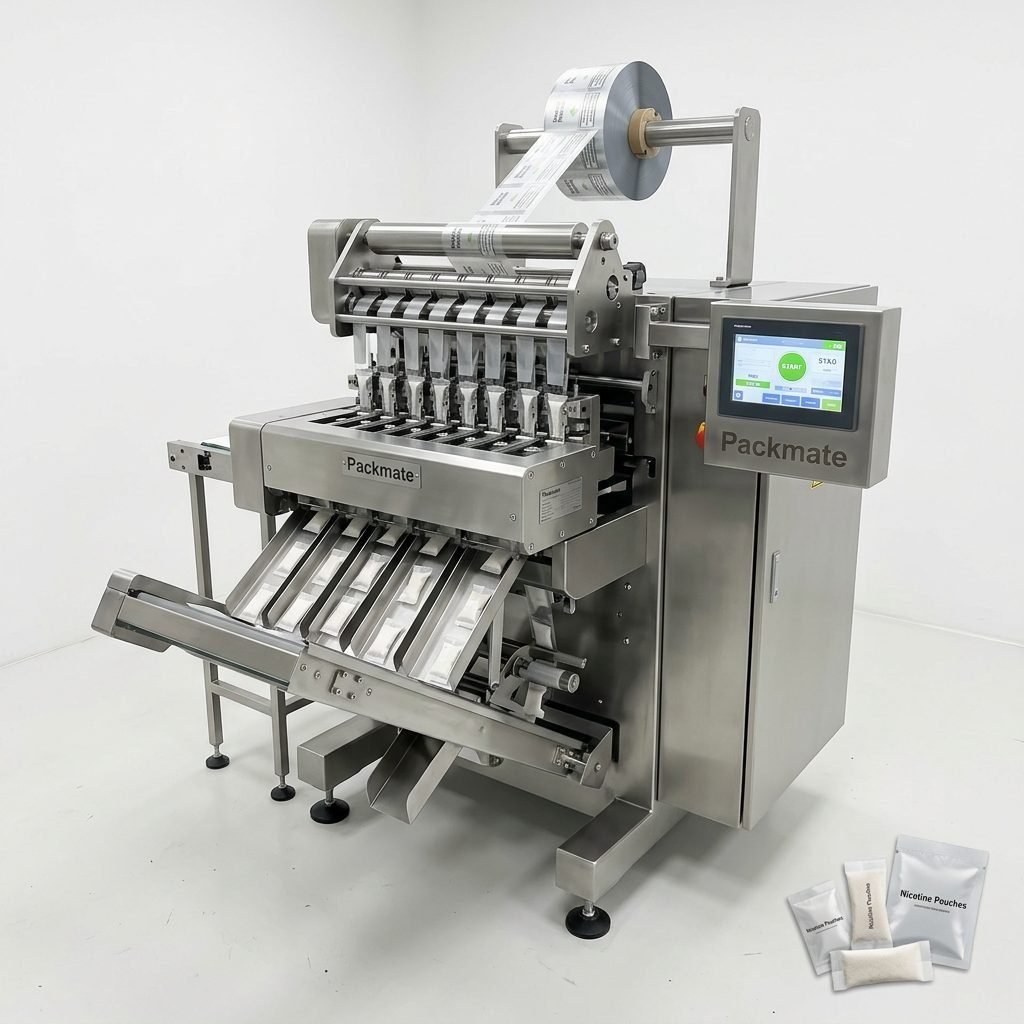
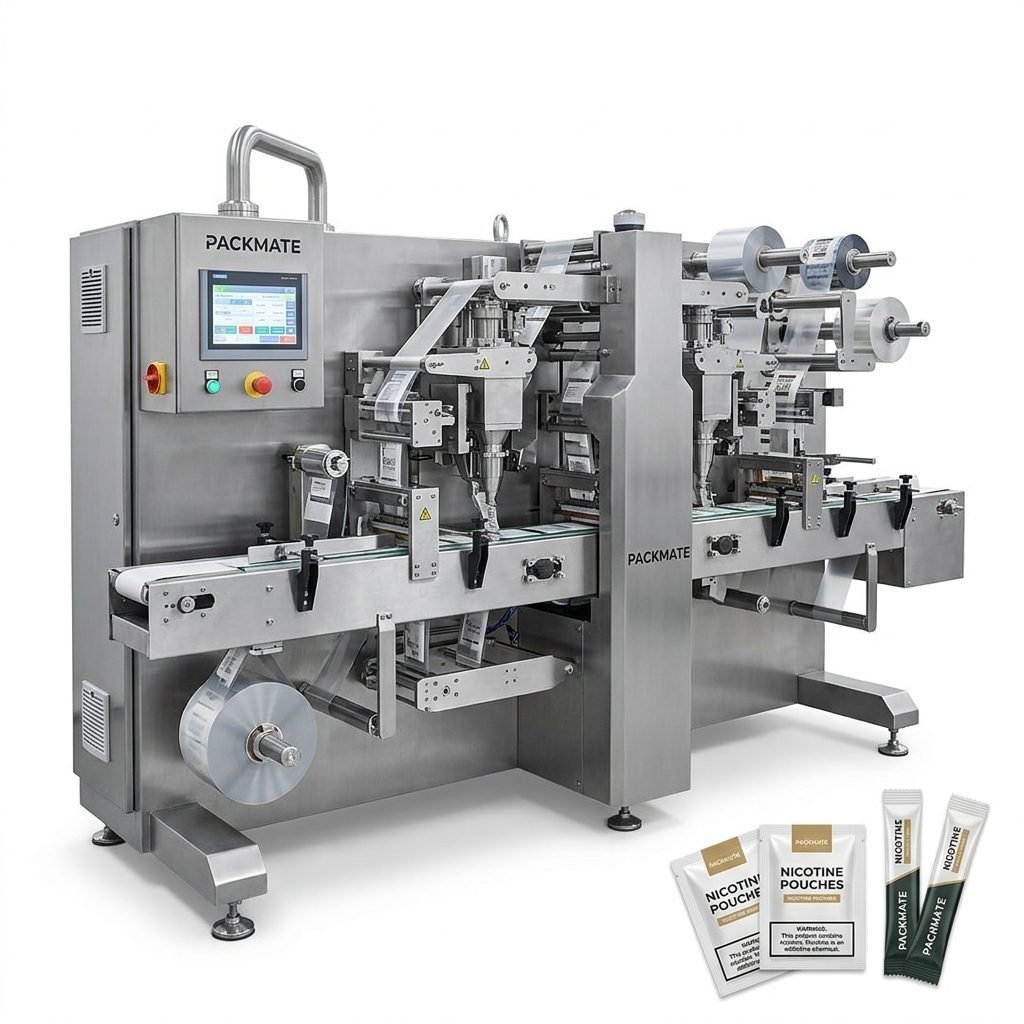
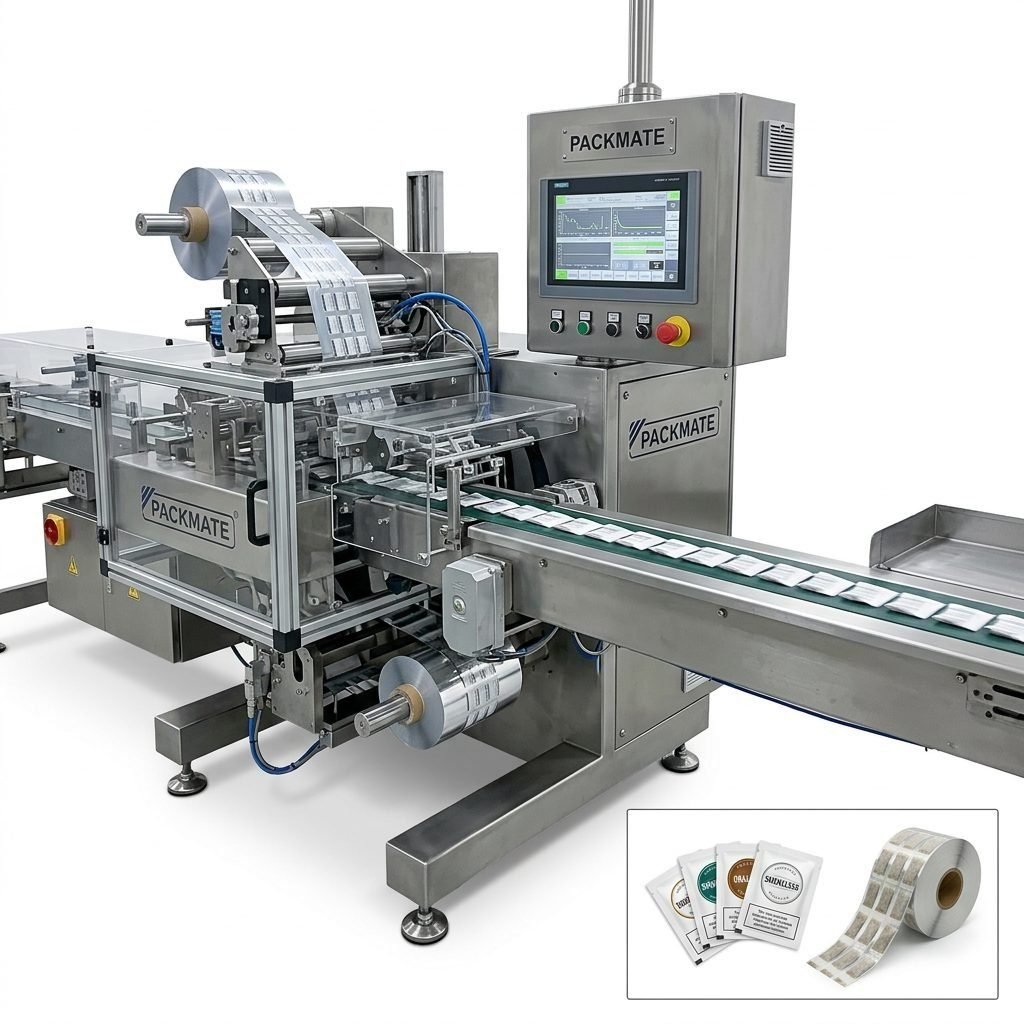
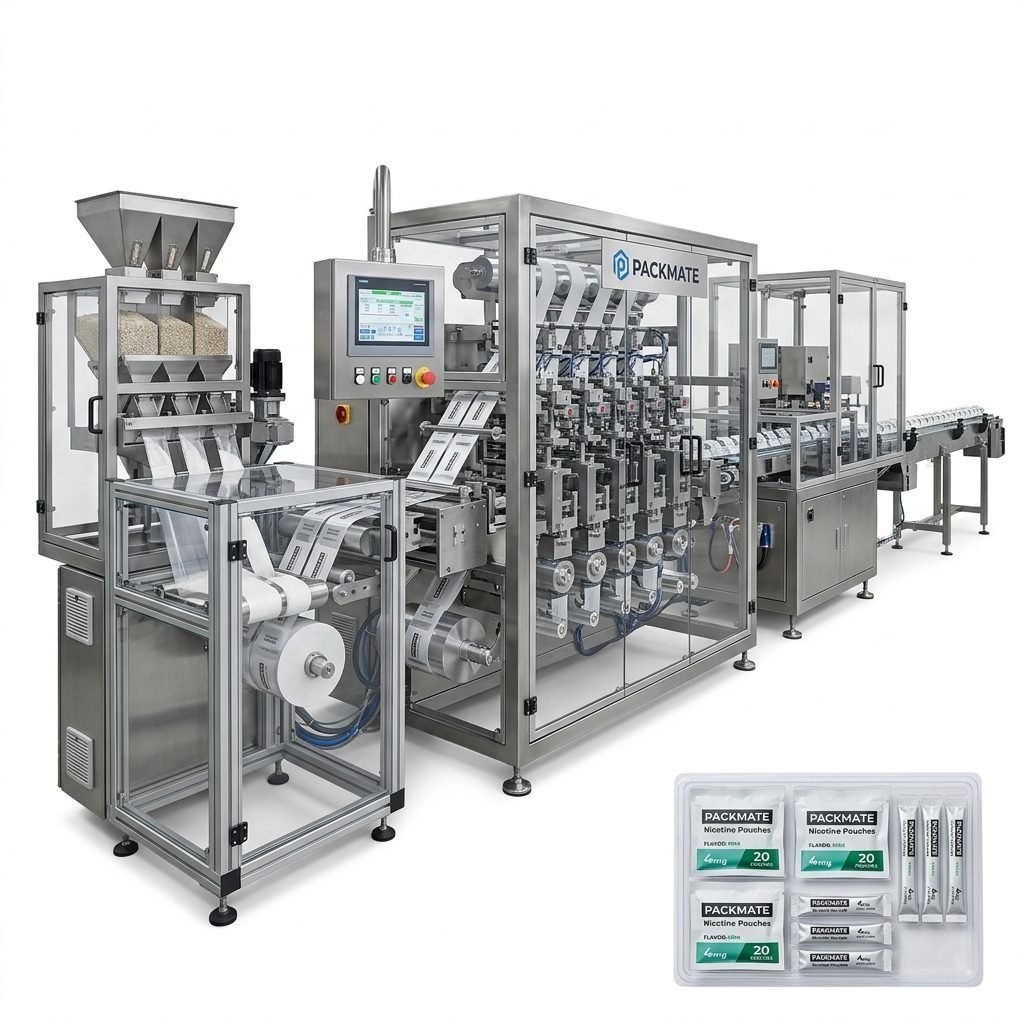
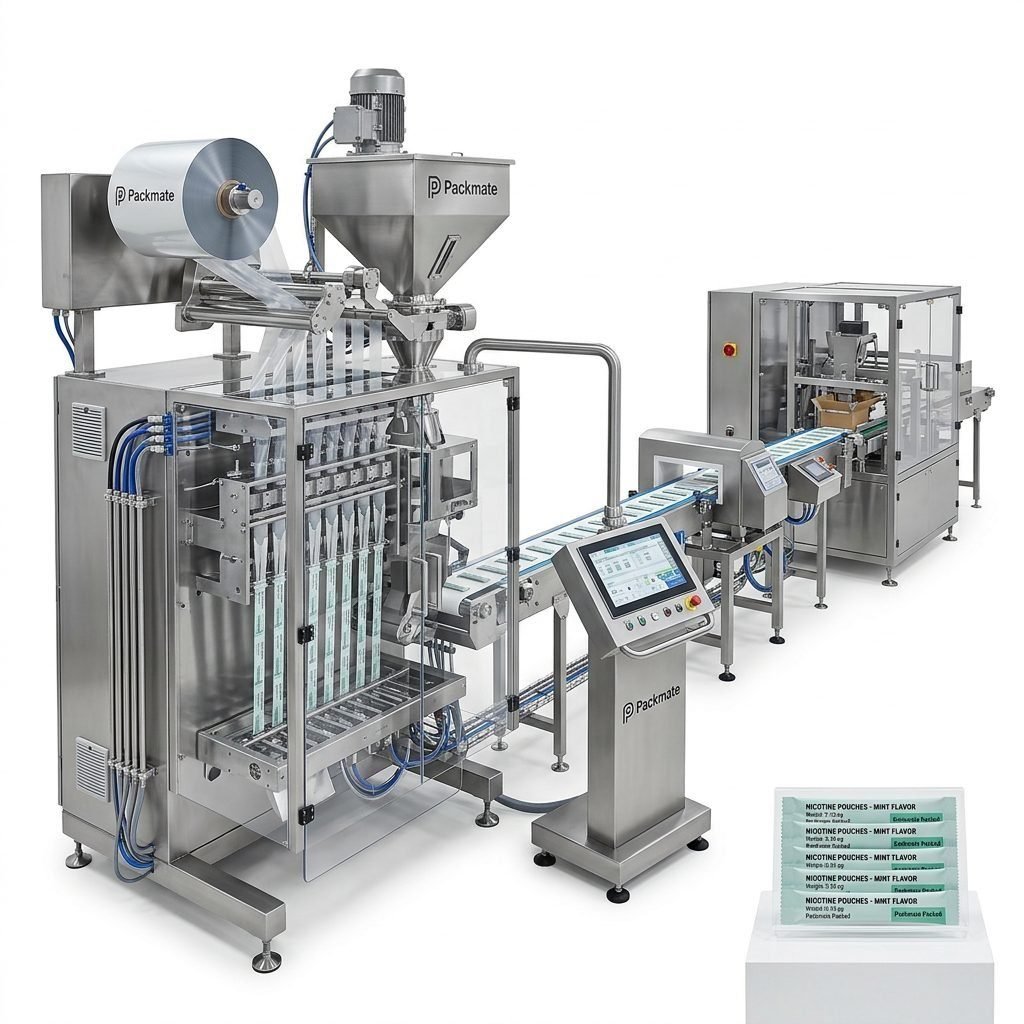
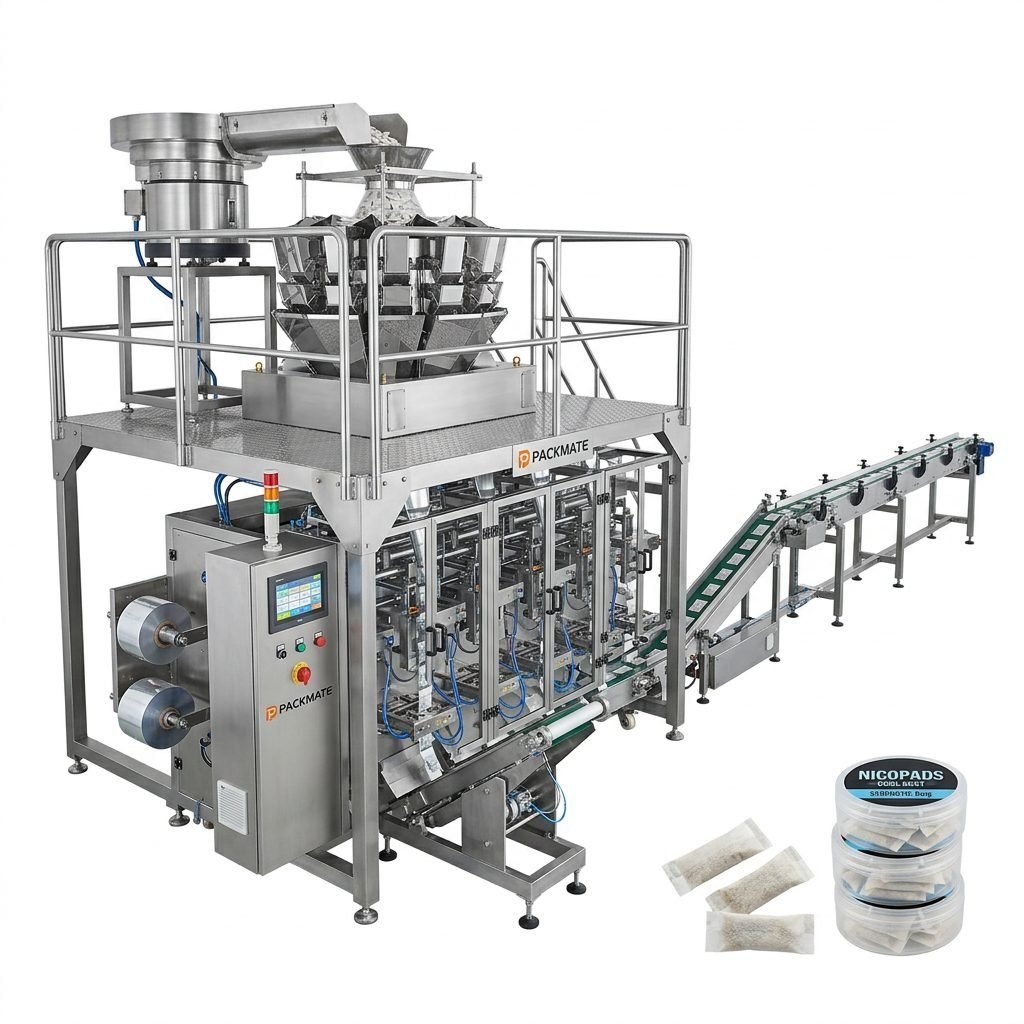
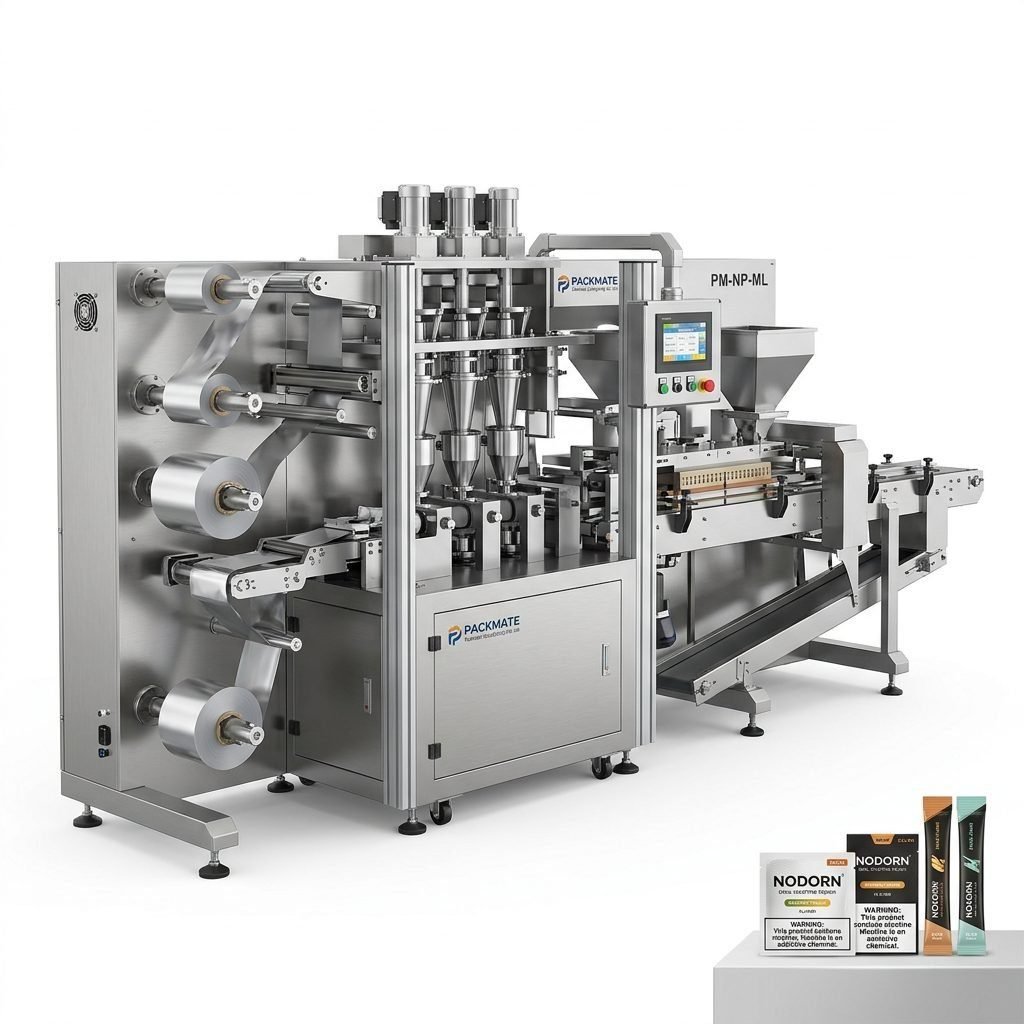
Different nicotine products require different packaging approaches. Typical machine families include stick pack machines, sachet machines, multi-lane snus pouch machines, powder/granule fillers, and liquid filling lines. Match the machine type to your product format and throughput targets.
Critical specs to compare
Focus on: production speed (pouches/minute), lane configuration (single vs. multi-lane), dosing accuracy, changeover time, footprint, power consumption, and PLC/HMI platform. Machines with modular design and quick die-change systems save time during product format changes.
Must-have: Check dosing accuracy specs — for nicotine pouches small variance can mean regulatory risk and customer complaints.
✅ Quality Assurance & Certifications
Certifications such as CE and ISO indicate a manufacturer’s commitment to safety, quality processes, and international standards. Inquire about machine testing procedures, run-in tests, and full line acceptance before shipment. A transparent manufacturer will provide test records and sample production videos.
🛠 Customization & Turnkey Solutions
As nicotine pouch formats diversify, customization becomes a competitive advantage. Choose a supplier that offers tailored solutions: multi-lane expansions, integrated weighing systems, automated feeding, and downstream packaging options. Turnkey providers reduce integration risks by delivering fully harmonized lines.
For product lines and modular options, review manufacturer product pages such as Snus & Nicotine Packaging Machines and Sachet & Stick Pack Machines to compare real-world configurations.
🔧 After-Sales Service & Spare Parts
After-sales support is often the deciding factor. Inspect the supplier’s spare parts policy, lead times, and availability of regional service engineers. Top manufacturers provide remote diagnostics, training for your operators, and structured maintenance plans.
Red flag: Suppliers that do not offer documented spare part lists, or have unclear warranty and service terms.
💸 Cost, Total Cost of Ownership & ROI
Don’t judge the investment by the purchase price alone. Calculate total cost of ownership (TCO): initial purchase, installation, commissioning, spare parts, energy consumption, labor, downtime, and expected lifespan. Machines with higher initial cost but lower operating expenses and longer life can produce a better ROI.
How to calculate ROI
- Estimate annual production and yield improvements with automation
- Factor reduced labor hours and training costs
- Include maintenance contracts and spare part turnover
- Project break-even period and 3–5 year ROI
📋 Site Requirements & Installation Planning
Before buying, confirm site power (voltage/frequency), compressed air quality and pressure, floor load capacity, ceiling height, and shipping/installation access. A reliable manufacturer will provide detailed site drawings and a pre-shipment checklist to streamline installation.
🔬 Factory Visits, References & Case Studies
Visit the manufacturer’s factory or request virtual tours. Review case studies and customer testimonials to validate claims. Suppliers with a track record in multiple regions demonstrate adaptability and real-world performance. For example, review documented projects on supplier pages such as Case to see implemented lines and results.
Checklist for visits: Ask for machine run videos, shop acceptance records, operator training schedules, and spare parts inventory lists.
🤝 Choosing a Long-term Partner — Not Just a Vendor
Long-term partnerships bring benefits: continuous improvement, tailored upgrades, and priority support. Look for manufacturers that provide engineering resources for custom automation, committed R&D, and clear communication channels. Learn more about company background and values by checking their corporate pages such as About Packmate.
📦 Logistics, Export & Compliance
Export-ready manufacturers handle international packing, customs documentation, and carrier coordination. Confirm they supply compliant documentation for regulated nicotine products and can assist with local importation issues in Uganda. Reliable exporters will also provide clear warranty terms and international technical support.
🧾 Final Selection Steps: Practical Evaluation
1) Shortlist 3–5 vendors based on credentials and product fit.
2) Request detailed proposals with technical sheets, lead times, and TCO estimates.
3) Ask for references and sample machine run data.
4) Verify after-sales plans and spare parts logistics for Uganda.
5) Negotiate installation, training, warranty, and service-level agreements.
When you are ready to request proposals or ask technical questions, use direct contact channels provided by established suppliers. For personalized support and sales contact information, check the manufacturer’s contact page: Contact Us.
🔺 Why Packmate (an example of a strong supplier)
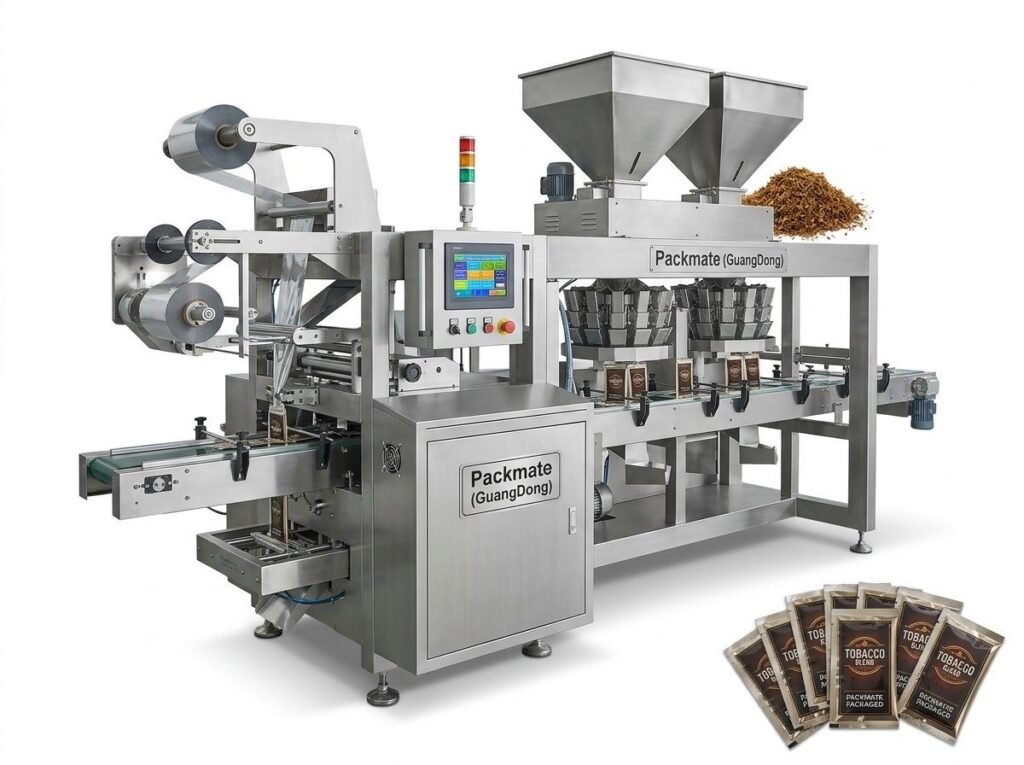
Packmate Snus Machine represents the type of manufacturer to consider: decades of experience, a large manufacturing facility with advanced CNC and assembly systems, and a product range covering snus & nicotine packaging, stick pack, sachet, and full filling lines. Explore product families like Filling & Packaging Lines to see compatible solutions for multi-format production.
Packmate strengths: 30+ years of engineering, 20,000㎡ factory, 50+ machine models, CE/ISO compliance, global turnkey solutions and active exhibition presence.
🧭 Practical Tips for Procurement Teams
– Prioritize machine reliability and service access over lowest price.
– Ask for spare parts kits and an initial training package in the contract.
– Pilot a single line before committing to multiple systems where possible.
– Ensure legal and regulatory documentation accompanies the sale for nicotine products.
Next steps
Collect detailed proposals, schedule factory visits or virtual demonstrations, and verify references. Use the information here to create a vendor evaluation scorecard that emphasizes uptime, accuracy, support, and TCO.
Summary
Selecting the best nicotine packaging machinery manufacturer in Uganda relies on a clear assessment of machine capability, manufacturer credentials, after-sales support, and long-term cost implications. Emphasize proven experience, international certifications, and regional supportability. A well-chosen partner will accelerate your time-to-market and secure product consistency for competitive advantage.
FAQs
Q1: How long is the typical lead time for snus packaging machines?
A: Lead times vary by model and customization level. Standard models may ship in several weeks, while custom turnkey lines can take several months. Always ask for a detailed lead time in the proposal.
Q2: What certification should I demand for export compliance?
A: At minimum request CE and ISO documentation. For regulated products, ensure the manufacturer provides compliance support documents and assists with export paperwork.
Q3: Can machines be upgraded from single-lane to multi-lane?
A: Some modular systems allow lane augmentation. Discuss upgrade paths and mechanical/electrical compatibility before purchase to avoid costly retrofits.
Q4: How do I ensure spare parts availability in Uganda?
A: Request a spare parts list, stocking recommendations, and local distributor options. Consider ordering a critical spare kit with the initial shipment.
Q5: Where can I view real project examples?
A: Review manufacturer case pages and request video evidence of installed lines. Visit online case studies like those found on the supplier’s Case page for detailed references.