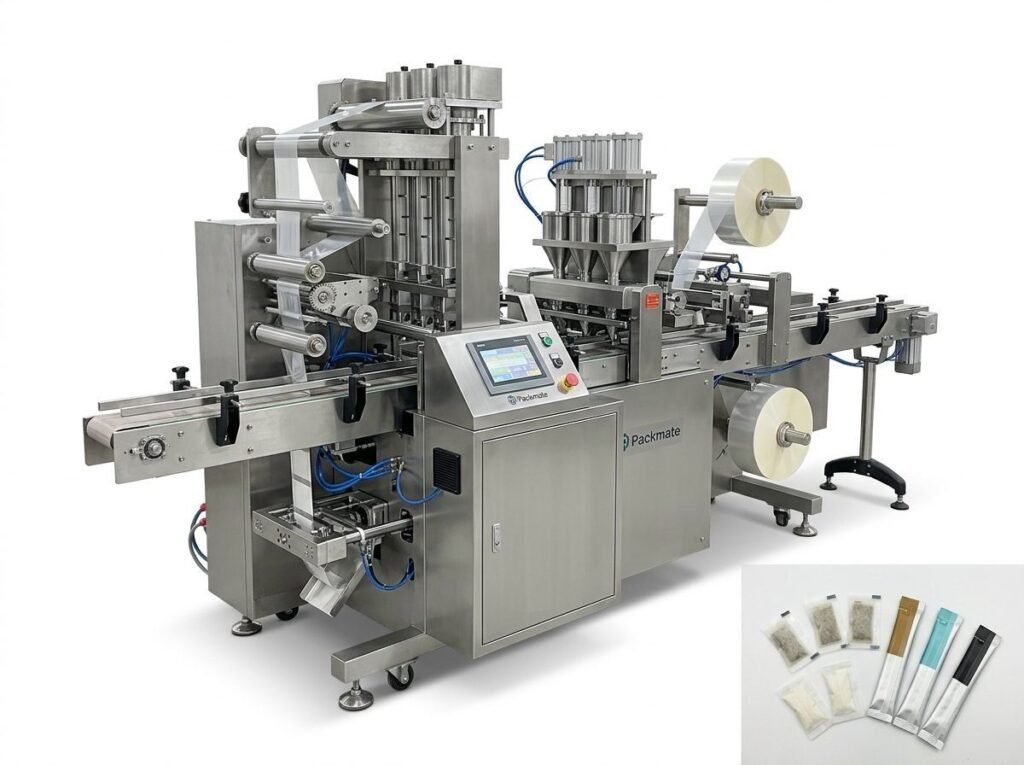
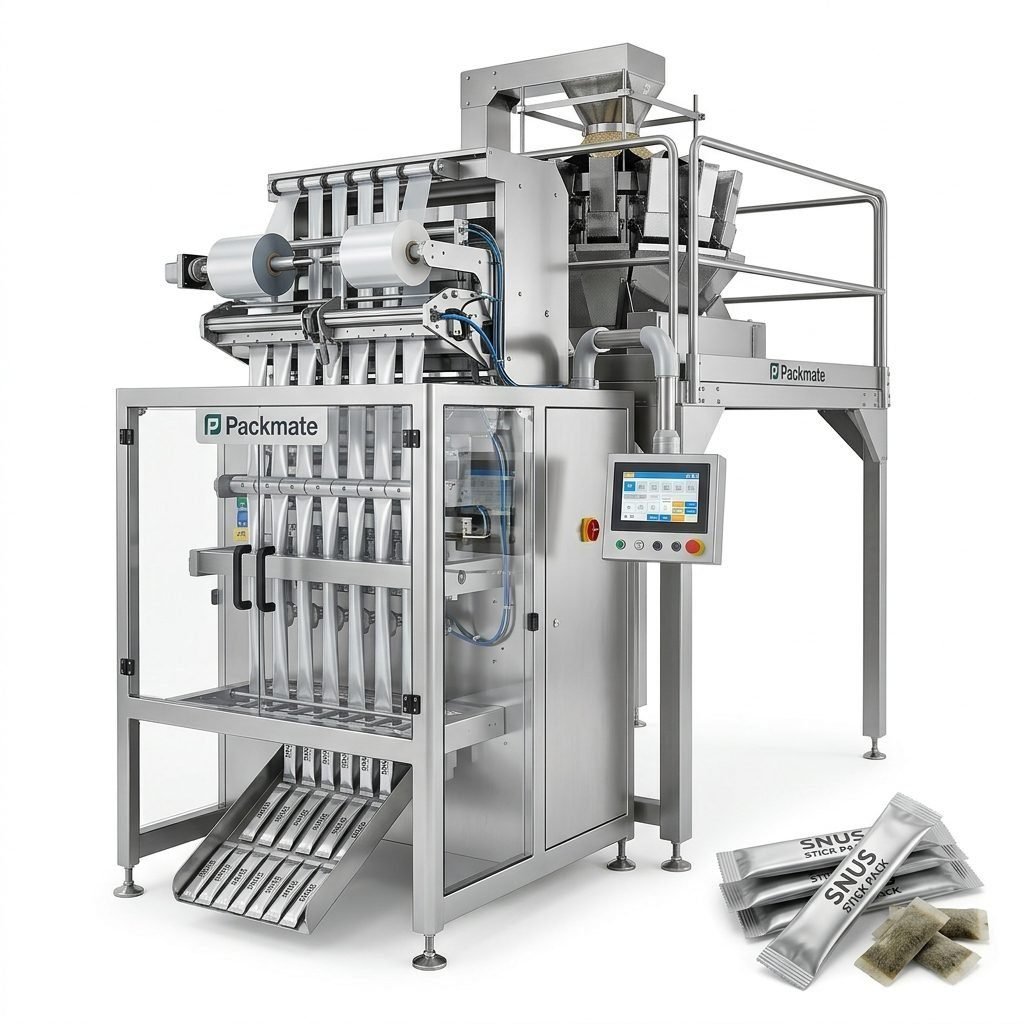
Choosing the right nicotine packaging machinery supplier for your Micronesia-based production is a strategic decision that affects product quality, regulatory compliance, uptime, and long-term costs. This guide walks you through the critical factors to evaluate — from machine capabilities and environmental robustness to logistics, after-sales support, and cultural fit — so you can make a confident investment for island operations.
Understand Micronesia’s market and operational realities
Micronesia is a collection of small islands and atolls with widely scattered logistics hubs. Key realities to consider:
- 🚢 Shipping windows are limited and sometimes weather-dependent — plan for longer lead times and robust packing of spare parts.
- 🌴 Tropical humidity and salt air can accelerate machine corrosion — prioritize corrosion-resistant materials and protective coatings.
- 👥 Labor pools may be small; prefer machines with user-friendly HMI, remote support, and comprehensive training options.
- ⚖️ Regulatory checks: confirm local and territorial rules for nicotine product packaging and imports; vendor documentation (CE, ISO) is essential but verify local acceptability.
Start with the right machine family
Different product formats need specialized equipment. Consider these common families:
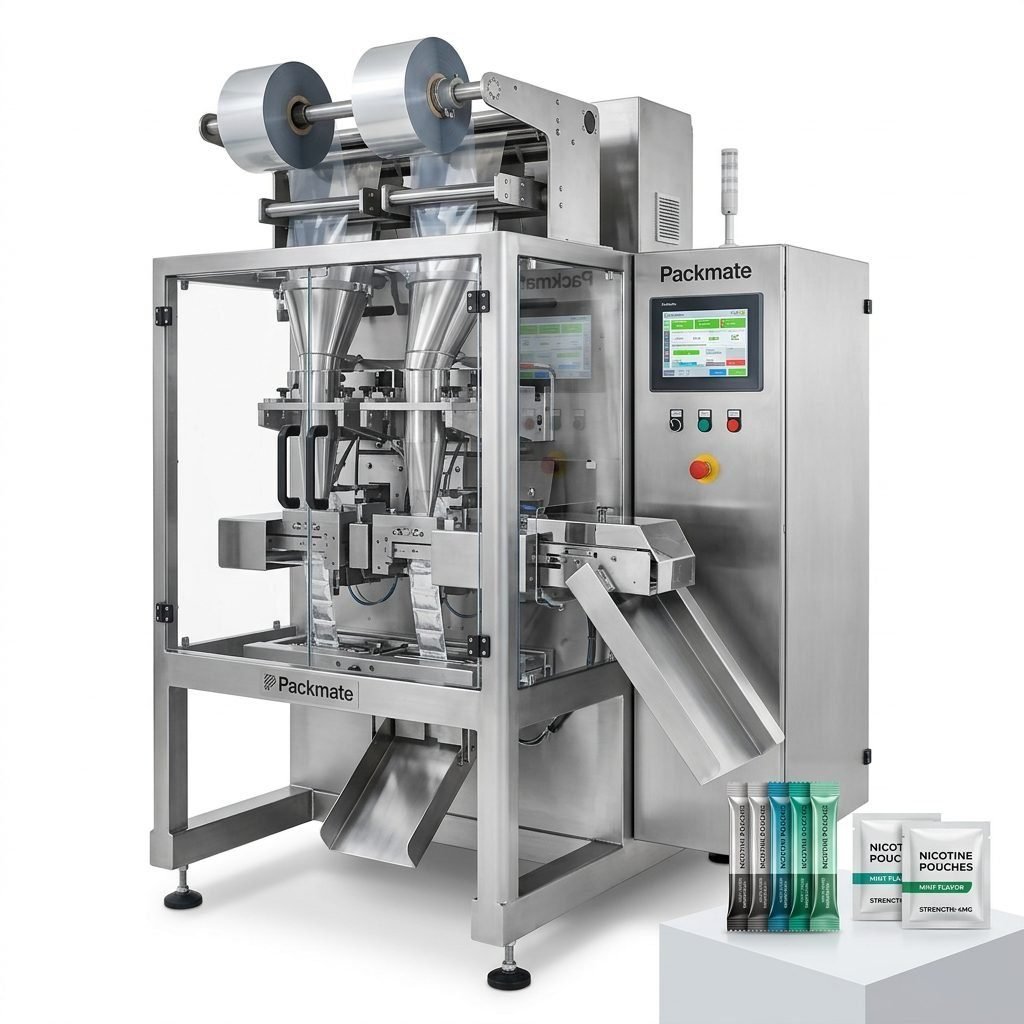
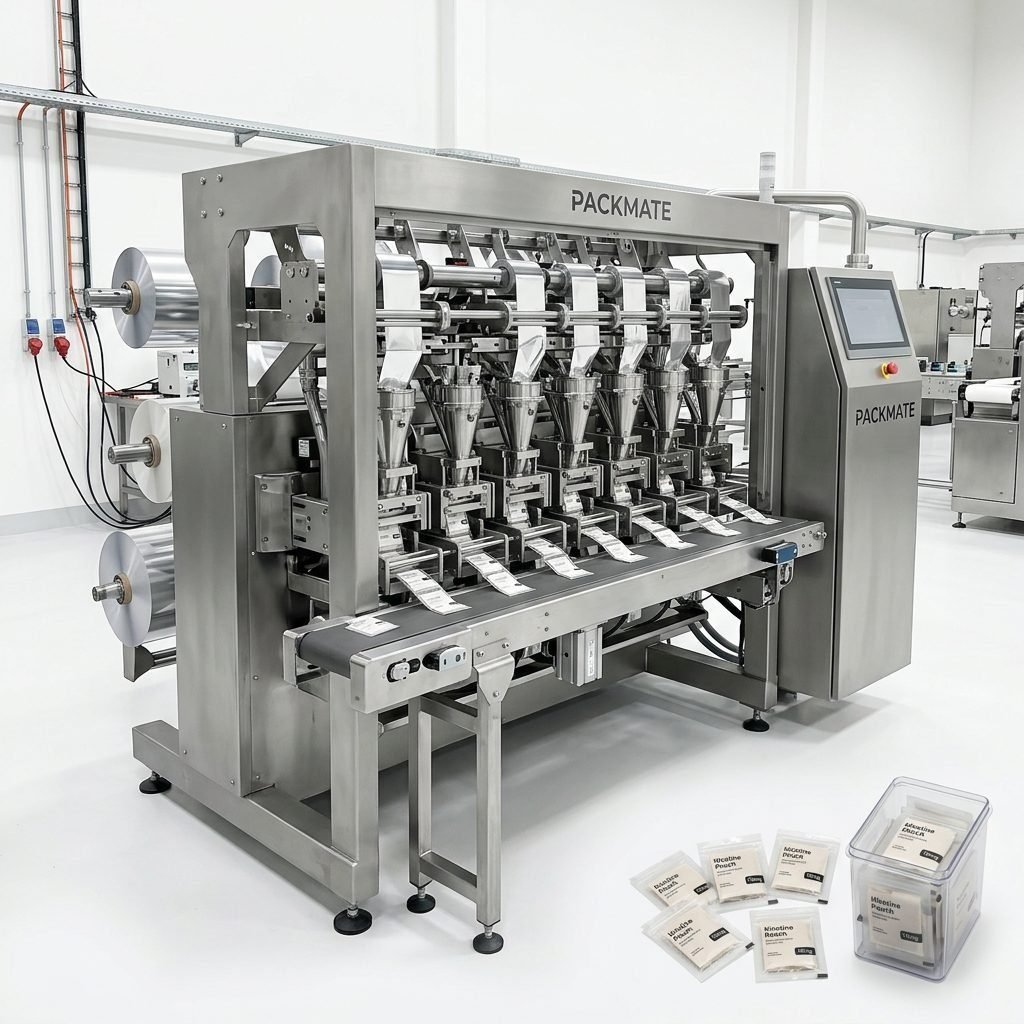
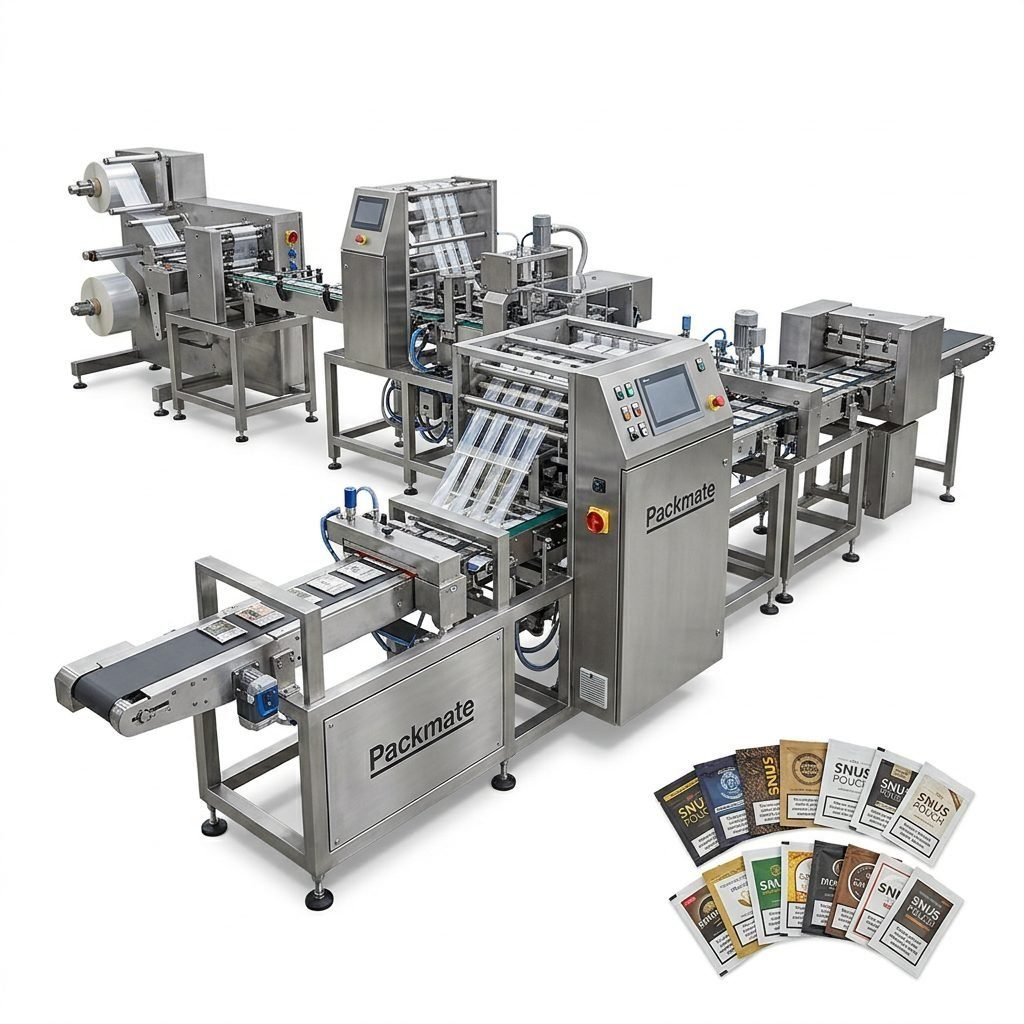
Snus & Nicotine Pouch Machines
Designed for low-dose pouches and multi-lane output. Choose systems with precise dosing and gentle pouch forming.
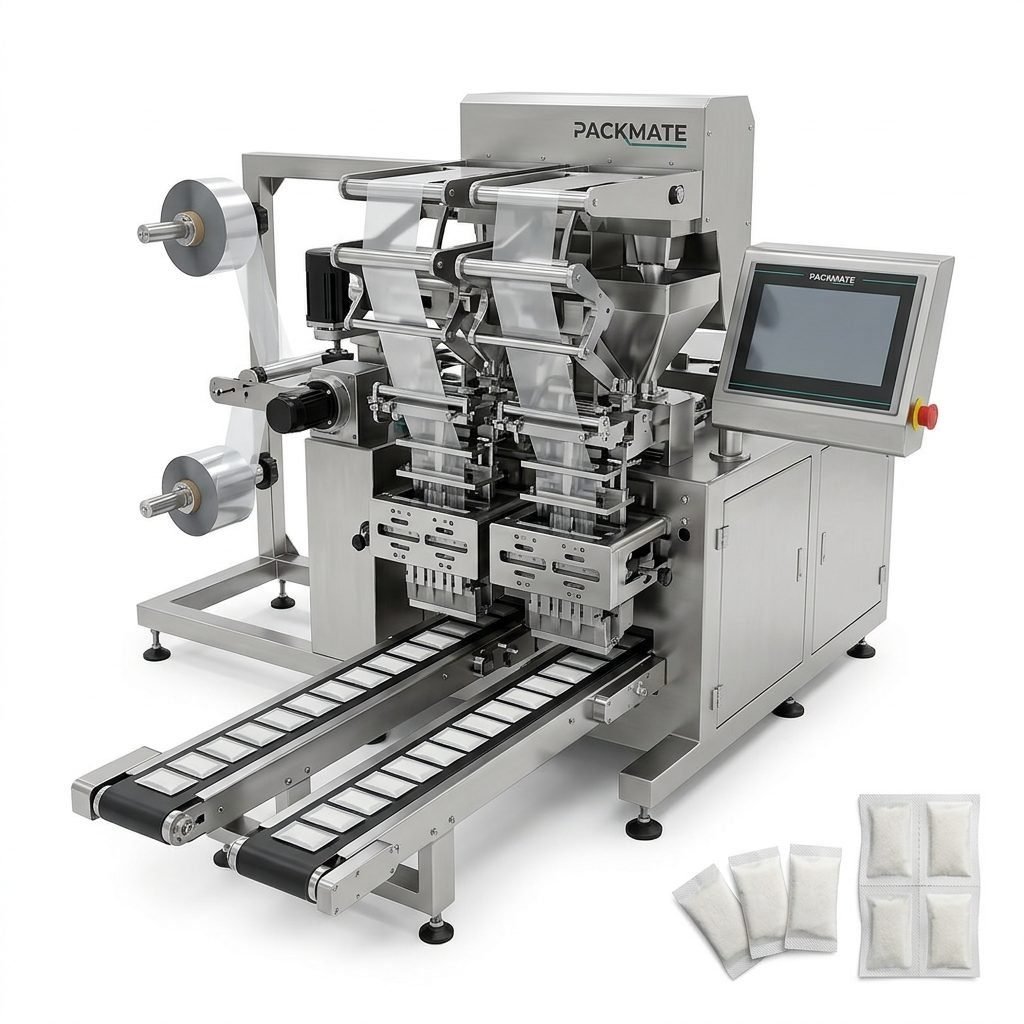
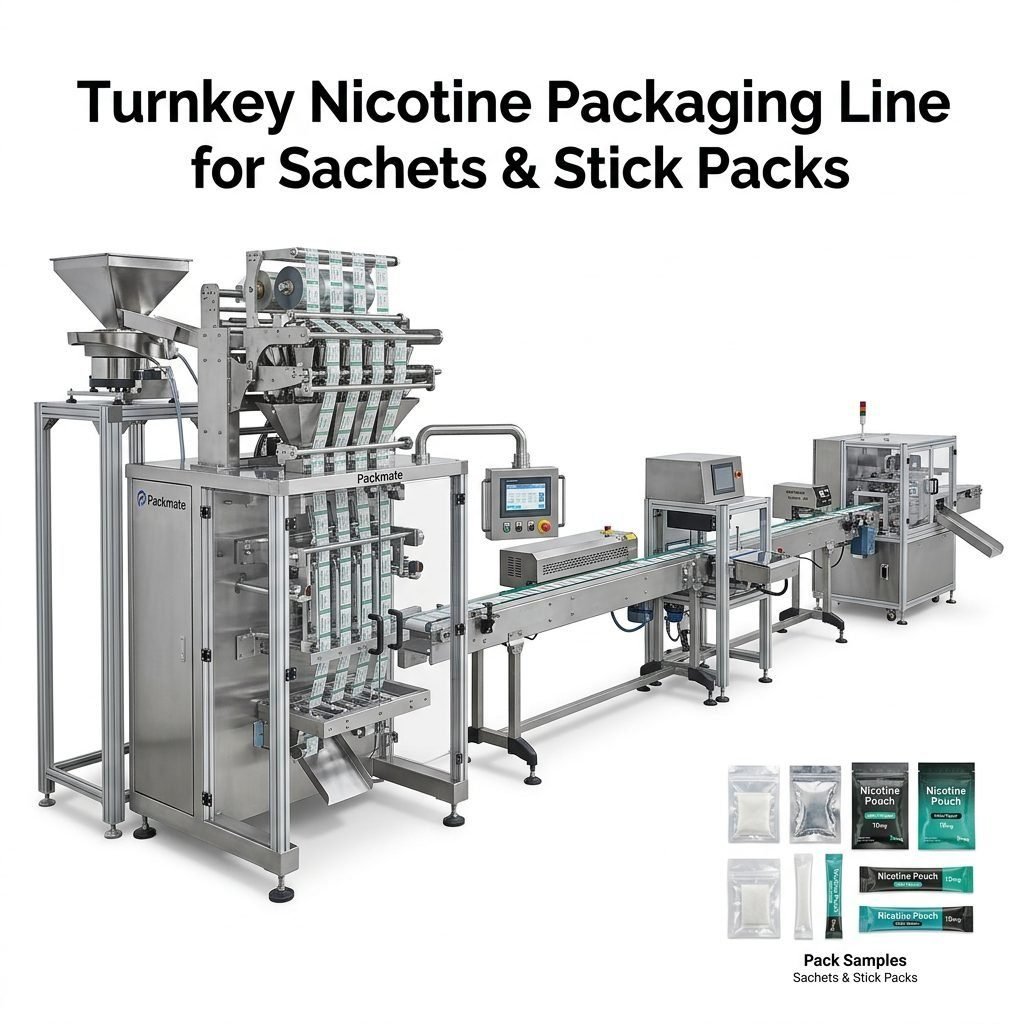
Stick & Sachet Machines
Ideal for single-serve formats, with high-speed sealing and reliable fill-control. Good for promotions and trial packs.
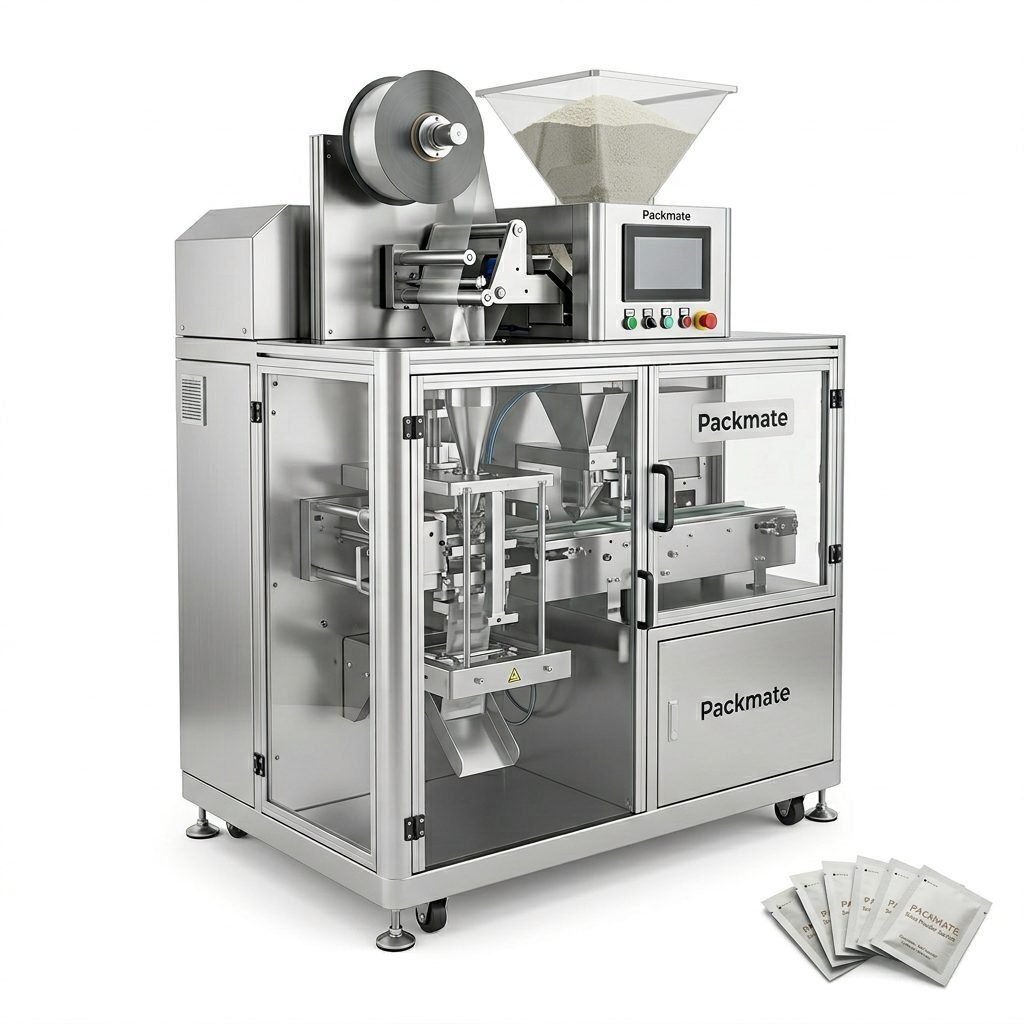
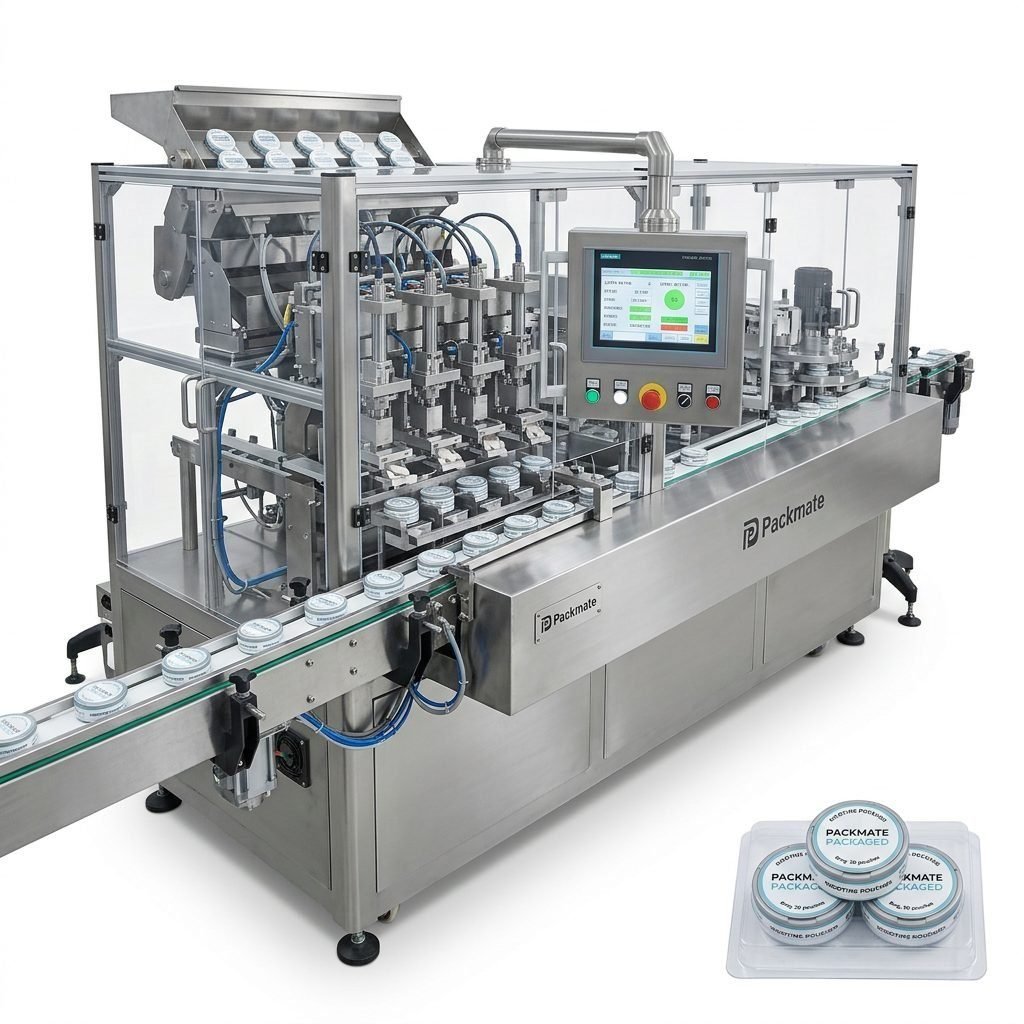
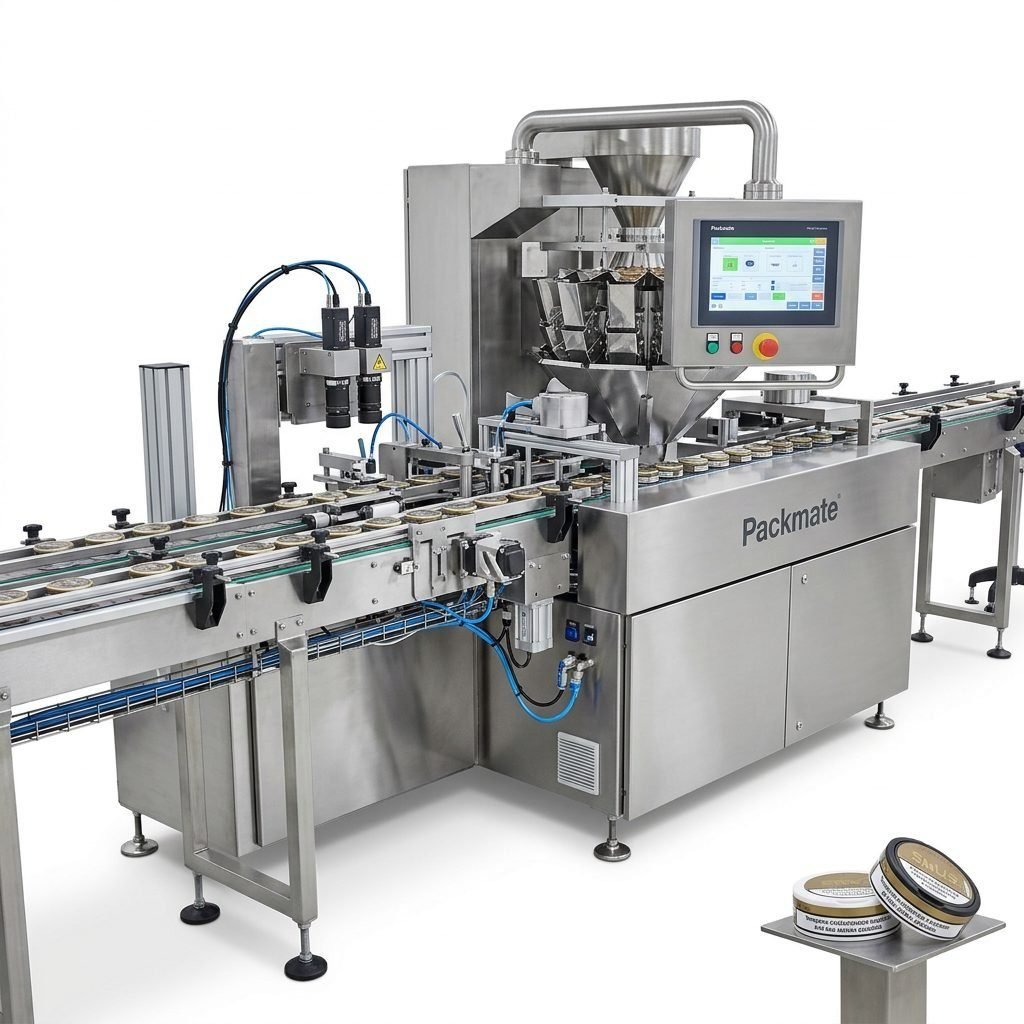
Auxiliary & Filling Systems
Weighing, feeding, and allied machines are crucial for consistent throughput and automated lines.
Key supplier criteria: what to evaluate
When you’re comparing suppliers, use a structured scorecard. Below are the primary dimensions to weigh.
1. Technical fit and machine performance
Match the supplier’s product lines to your production goals: throughput, pouch format, multi-lane needs, and material compatibility. Ask for data: cycle rates, accuracy, downtime metrics, and tolerance ranges. For example, Packmate’s multi-lane snus systems are engineered for small-dose pouch production with high lane counts, which can be ideal if you intend to scale variety without huge footprint increases.
2. Quality, certifications and compliance
Suppliers should provide evidence of CE, ISO, and other relevant certifications. These demonstrate consistent manufacturing and safety controls. Also request test reports and FAT (Factory Acceptance Test) records that show machines performing under real loads.
3. After-sales support and spare parts availability
This is a decisive area for island operations — prioritize vendors that offer:
- 🔧 Fast spare-part shipping or local stock strategies (kits for critical parts).
- 📡 Remote diagnostics, frequent remote sessions, and clear escalation paths.
- 👨🏫 On-site commissioning and operator training as part of the contract.
4. Robustness for tropical environments
Request materials and finishes suitable for high humidity and salty air: stainless steel grades, protective coatings on electronics, and sealed bearings. Ask for climate-testing records or references from similar geographies. Machines that handle humidity better will reduce corrosion and electrical faults.
5. Logistics, packaging and delivery planning
Micronesia’s islands require special logistics planning: consolidated shipments, crate reinforcement, and clear customs documentation. Confirm the supplier’s experience with long-haul and ocean freight packaging. It’s smart to ask about spare-parts kits shipped with the machine for initial months of operation.
Evaluating supplier capabilities and trustworthiness
A strong supplier will not only sell machines but offer turnkey solutions. Use the following checks:
Factory tour & technical transparency
Factory visits or live virtual tours reveal manufacturing processes, CNC capabilities, assembly precision, and QC practices. Packmate’s facility examples show advanced CNC machining centers and precision assembly lines — evidence of systems-level capability matters.
References & case studies
Ask for references in similar climates or industries. Look for long-term customers and case studies demonstrating uptime, spare part responsiveness, and on-the-ground training. Visit or speak directly with past clients when possible.
Customization & scalability
Your supplier should support line customization — variable fill volumes, lane expansion, and future automation upgrades. Check lead times and pricing for upgrades and spare component kits.
Financial planning: price vs total cost of ownership (TCO)
The cheapest initial quote rarely gives the best ROI. Build a TCO model including installation, spare parts, consumables, expected downtime costs, utility consumption, and training. Factor in shipping and customs duties to Micronesia, and consider extended warranties or service contracts. An experienced supplier that helps model TCO and shows real-world productivity metrics will provide better long-term value.
Financing, leasing and modular procurement
If capital is limited, discuss leasing, staged deliveries, or modular expansion (start with a pilot lane and scale). Suppliers with flexible business models can reduce upfront risk for island manufacturers.
Service agreements, training and remote support
Your agreement should include:
- 📅 Clear SLAs for parts and technical response times.
- 👩🏫 Comprehensive operator and maintenance training during installation.
- 🔁 Scheduled preventive maintenance visits (or clear remote maintenance plans).
- 📡 Remote troubleshooting and software updates to reduce downtime for distant sites.
Cultural fit and local relationships in Micronesia
Business in Micronesia often relies on personal relationships and trust. Prioritize suppliers who are patient, provide clear documentation, and are willing to establish long-term partnerships. Local agents or regional partners can bridge language, customs, and logistical gaps and can be decisive in smooth installation and licensing processes.
A practical selection checklist
Quick supplier checklist
- Machine type match and throughput validation (request sample outputs).
- Certifications and FAT documentation.
- Spare parts lead time and local stocking plan.
- Remote support capability and training plan.
- Corrosion-resistant construction and climate testing.
- Clear logistics and customs support for Micronesia.
- References from similar customers and demonstration videos or visits.
How Packmate (example supplier) addresses Micronesia challenges
Established manufacturers like Packmate focus on snus and nicotine pouch packaging with turnkey lines, advanced CNC manufacturing, and global service models. Their product families — from multi-lane snus machines to sachet and stick packers — can be tailored for island environments with protective finishes, remote support, and extended spare-part kits. Explore specific solutions in Snus & Nicotine Packaging Machines and allied lines such as Bag & Pouch Packaging Machines.
Engage early: sample runs and pilot commissioning
Insist on pilot production or sample runs before final purchase. Pilot runs validate fill accuracy, packaging integrity in humid conditions, and help tune the line to local materials. Request a site acceptance test (SAT) and a written punch list before final sign-off. For more information on full lines and allied equipment, view Filling & Packaging Lines and Weighing & Packaging Systems.
Negotiation and contracting tips
Negotiate clear deliverables: FAT criteria, spare parts included, training days, warranty terms, and penalties for missed delivery windows. Include clauses for remote support hours and escalation. Ask for a detailed bill of materials and spare parts list, and ensure the contract lists documentation in English and any local language you require.
Decision roadmap: from shortlist to go-live
- Define product formats, target throughput and budget.
- Shortlist suppliers based on technical fit and references.
- Request FAT, pilot runs, and factory credentials.
- Negotiate TCO, warranty, SLAs and logistics plans.
- Schedule delivery with spare parts, installation and training.
- Conduct SAT and accept machine; implement preventive maintenance schedule.
Useful links and resources
For deeper technical specs, case studies and contact information, check the supplier’s product pages and corporate information such as About Packmate, published Case studies, and their Contact Us page for service and inquiry routes.
Final recommendations
Practical next steps
- Start with a detailed RFP that specifies climate, shipping, and local utility conditions.
- Require FAT videos and references from similar island customers.
- Insist on spare-part kits and remote support SLAs in the contract.
- Plan for extended lead times and build a buffer inventory of critical consumables.
Summary: what matters most for Micronesia
For island-based nicotine pouch production, supplier reliability, climate-hardened designs, spare parts logistics, and a strong support plan trump low upfront cost. Choosing a partner with proven packaging lines, documented performance, and a willingness to develop local relationships will minimize downtime and maximize ROI.
Frequently Asked Questions
Q1: How long does delivery to Micronesia usually take?
A: Delivery depends on the supplier’s build time and shipping schedule. Factor in 8–16 weeks for manufacture plus ocean freight that can take several weeks. Always plan a buffer for customs clearance and local handling.
Q2: What spare parts should I insist on including?
A: Include belts, seals, critical sensors, drive components, and an electrical spare kit. Also request a maintenance toolkit and recommended consumables for the first 6–12 months.
Q3: Are remote commissioning and training reliable for remote islands?
A: Remote commissioning can be effective when combined with comprehensive documentation, live video, and scheduled on-site follow-ups. Ensure the supplier commits to a hybrid plan with guaranteed response times.
Q4: How can I verify a supplier’s climate readiness?
A: Request corrosion-resistant material specs, environmental testing results, and customer references from tropical or coastal projects. Insist on protective treatments for electronics and bearings.
Q5: Where can I get more detailed product info and contact help?
A: Explore product catalogs and service pages for detailed specs and sales contacts: Catalog, Service, and FAQs.