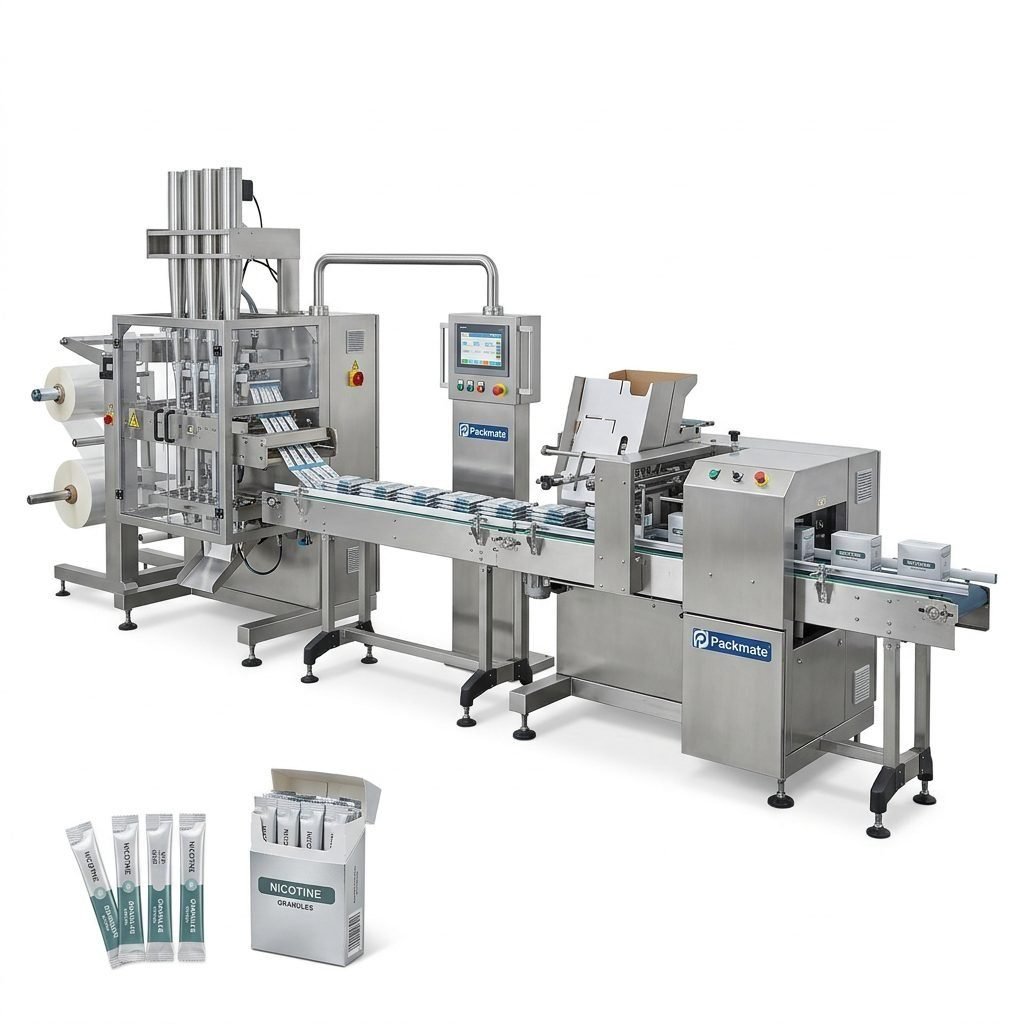
Entering the African market with snus or nicotine pouch products requires careful selection of a packaging machine supplier. Choosing the right partner affects your production uptime, product consistency, regulatory compliance, and long-term operating cost. This guide explains practical steps and local considerations to help you choose the best snus packaging machine supplier in Africa for your business needs.
Understand the Local Market and Regulatory Landscape
Before evaluating machines, research how snus and nicotine pouches are perceived, regulated, and sold in your target African countries. Regulations vary widely: some markets impose strict tobacco and nicotine controls, while others allow sales under specific labeling and packaging requirements. Confirm local restrictions on nicotine content, warnings, and import permits. A reliable supplier will help you navigate compliance questions and provide machine documentation that supports regulatory approvals.
Local consumer habits and packaging preferences
Consumer habits also shape the type of packaging you should target. In many African urban centers consumers prefer compact, single-portion sachets or stick packs for convenience. In contrast, some traditional or rural trade channels favor larger pouches or multi-pack formats. Choose packaging styles that match local retail patterns and price sensitivity to maximize product acceptance.
Key Technical Criteria When Comparing Suppliers
✓ Speed & accuracy: Production throughput and dosing precision determine unit cost and product consistency. For nicotine pouches, small-dose accuracy is critical.
✓ Machine stability & uptime: Look for suppliers that design for continuous production in dusty, high-humidity environments common in many African climates.
✓ Spare parts & maintenance: Rapid access to replacement parts, clear spare-part lists, and straightforward maintenance procedures reduce downtime.
Electrical compatibility and environment
Verify the supplier can configure machines for local power systems (voltage, frequency) and include protections against unstable grids. Machines designed for African markets should tolerate higher dust loads and humidity; ask about protective coating, sealed electronics, and cooling strategies.
Service, Training and Local Support — Non-negotiable Factors
A top supplier offers more than equipment: they provide training, installation, commissioning, and long-term service. In Africa, on-site support or nearby service partners can be critical. Evaluate the supplier’s training programs for operators and technicians, spare-part delivery times, and whether they provide remote diagnostics or phone support.
What to ask potential suppliers
Request case studies and references from African customers. Confirm how quickly spare parts can be shipped to your country and whether local engineering partners exist. Ask about typical repair times and the supplier’s escalation process for urgent issues.
Customization and Scalability
Business growth in Africa can be rapid and uneven. Choose suppliers who can scale machines or upgrade lines without replacing the entire system. Multi-lane and modular solutions allow adding capacity as demand grows. The ability to change pouch sizes, materials, or printing options quickly keeps your brand agile.
Important: Choose suppliers that document upgrade paths and provide retrofit kits for expanding lanes, changing formats, or adding automation modules like feeding, weighing, and carton packing.
Certifications, Quality Control and Compliance
For nicotine-related products, machine and process documentation matter during regulatory review and audits. Suppliers with CE, ISO and other international certifications indicate established quality systems. Request factory acceptance test (FAT) reports, machine calibration records, and validation documentation. A supplier that supports on-site acceptance testing will help reduce commissioning risk.
Why certifications matter in Africa
Governments and large local distributors often prefer vendors who can demonstrate consistent production quality and adherence to safety standards. Certified machines reduce barriers when applying for permits or forming partnerships with regulated retailers.
Total Cost of Ownership (TCO) Over Purchase Price
Compare suppliers using TCO: initial price, installation, training, spare-part inventory, electricity consumption, consumables compatibility, and expected lifespan. Cheaper machines may have higher maintenance rates or less accurate dosing, increasing waste and regulatory risk. Favor suppliers that provide transparent cost breakdowns and performance guarantees.
Energy efficiency and consumables
In many African facilities, utility costs and supply chain interruptions are major concerns. Machines that minimize electricity use and accept common film types or standard rolls make operations more resilient and lower running costs.
Supplier Reputation and Proven Projects
Evaluate the supplier’s track record: how many snus or nicotine pouch lines have they delivered globally? Are there examples of installations in climates similar to yours? Ask for references and visit demonstration centers or local installations when possible.
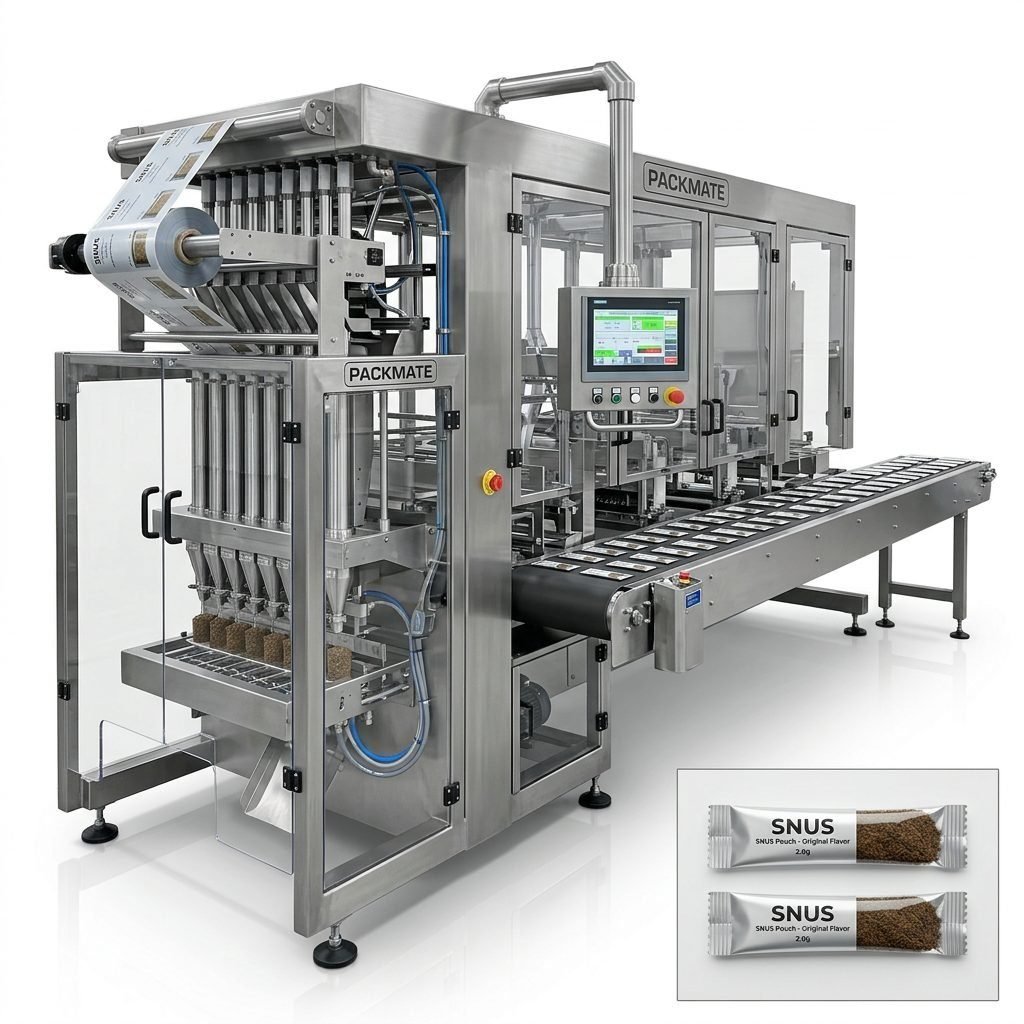
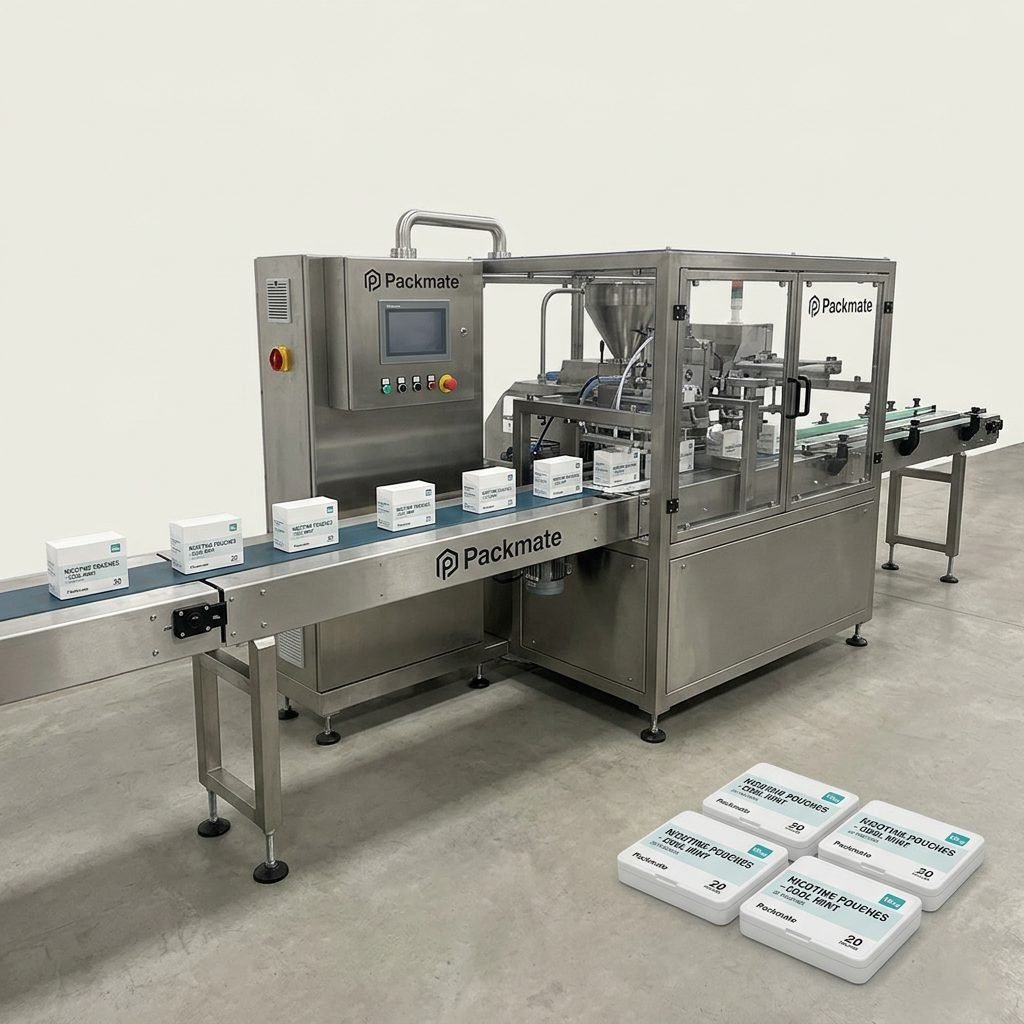
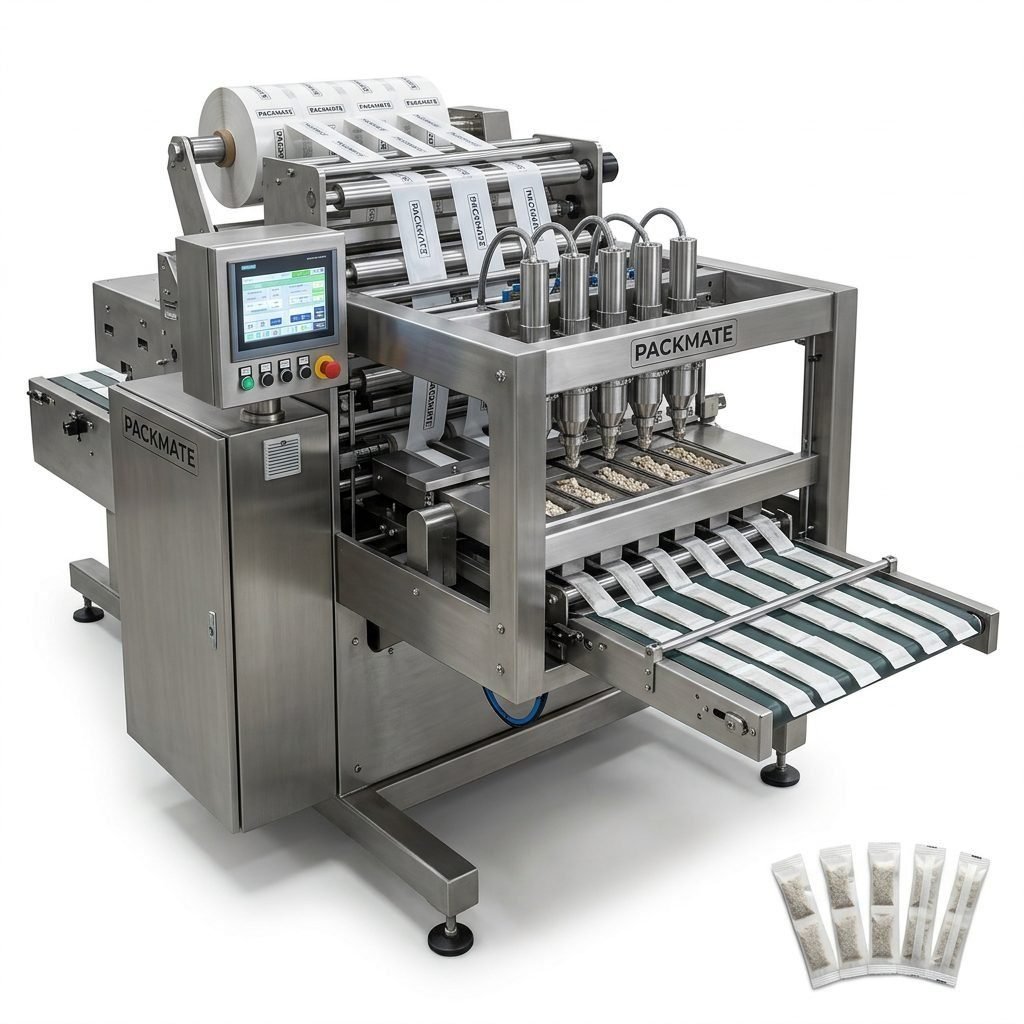
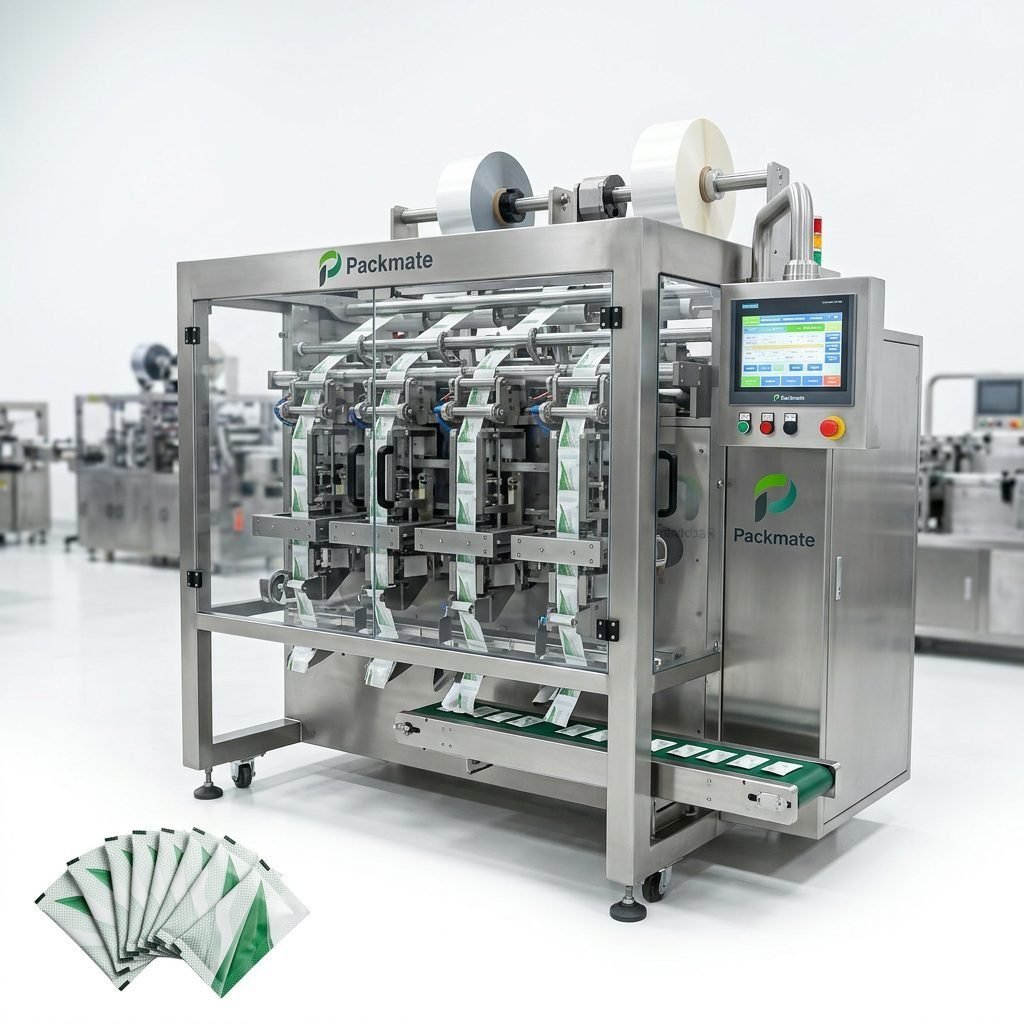
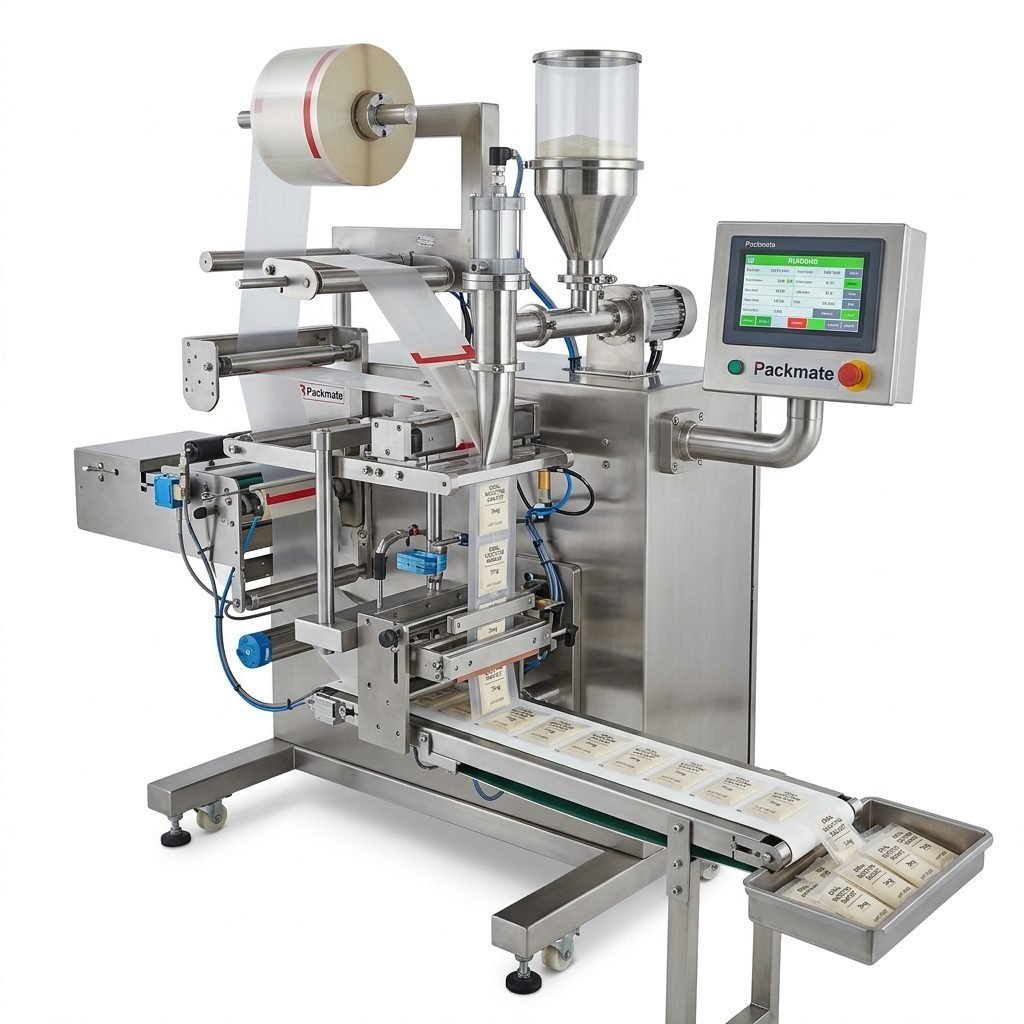
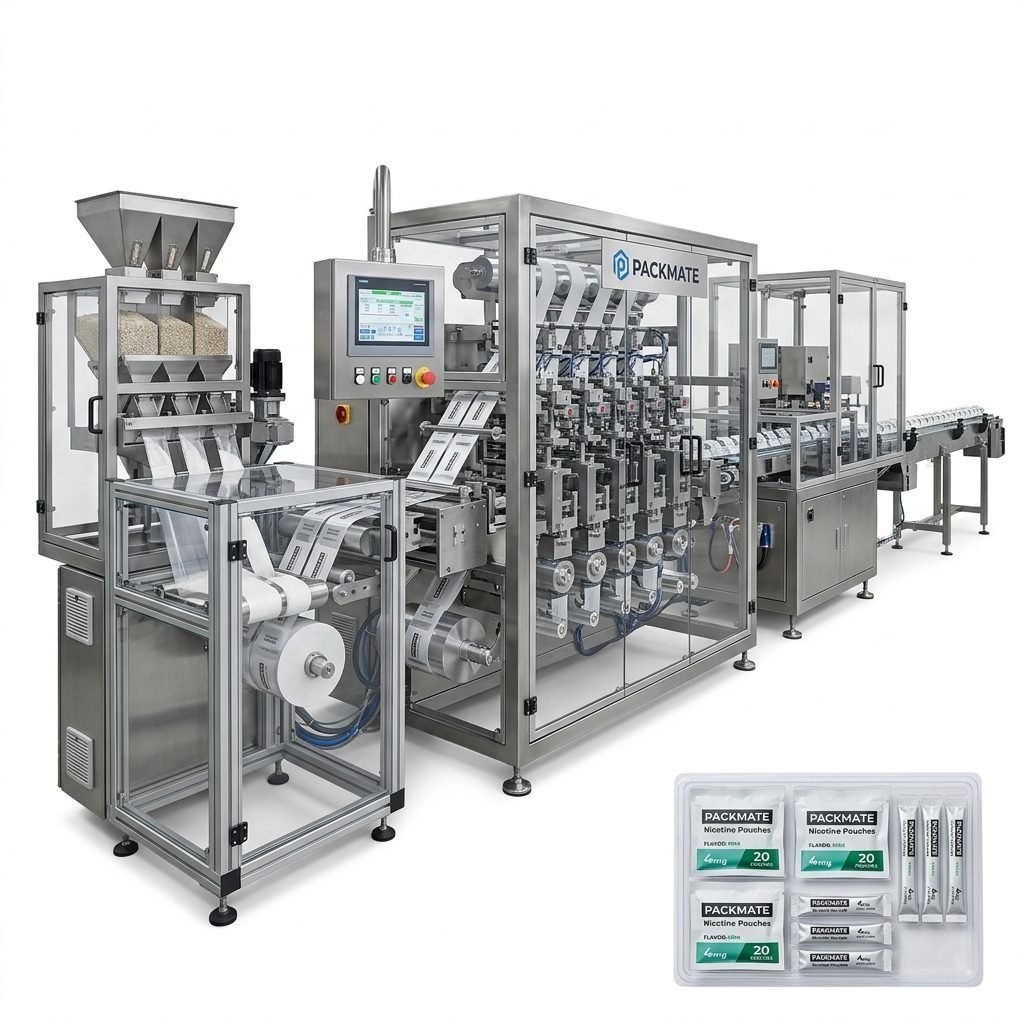
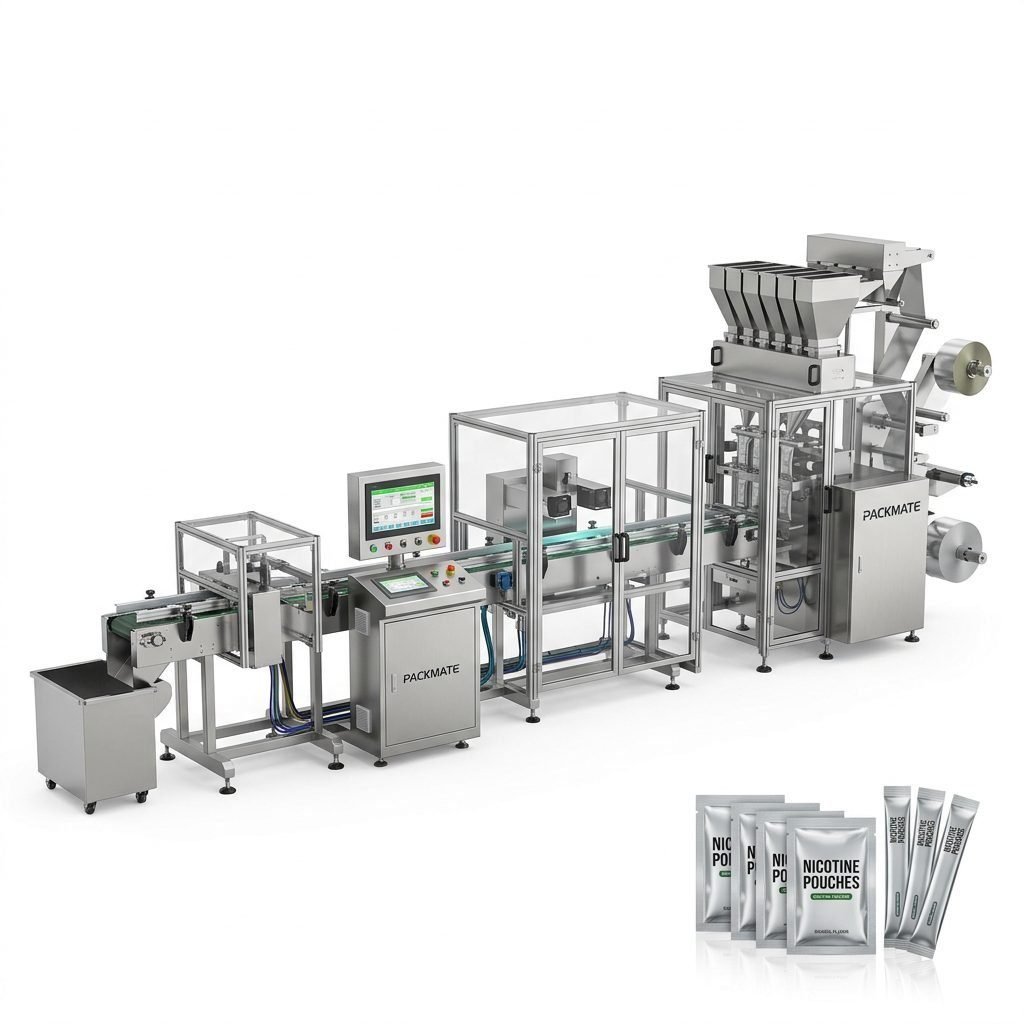
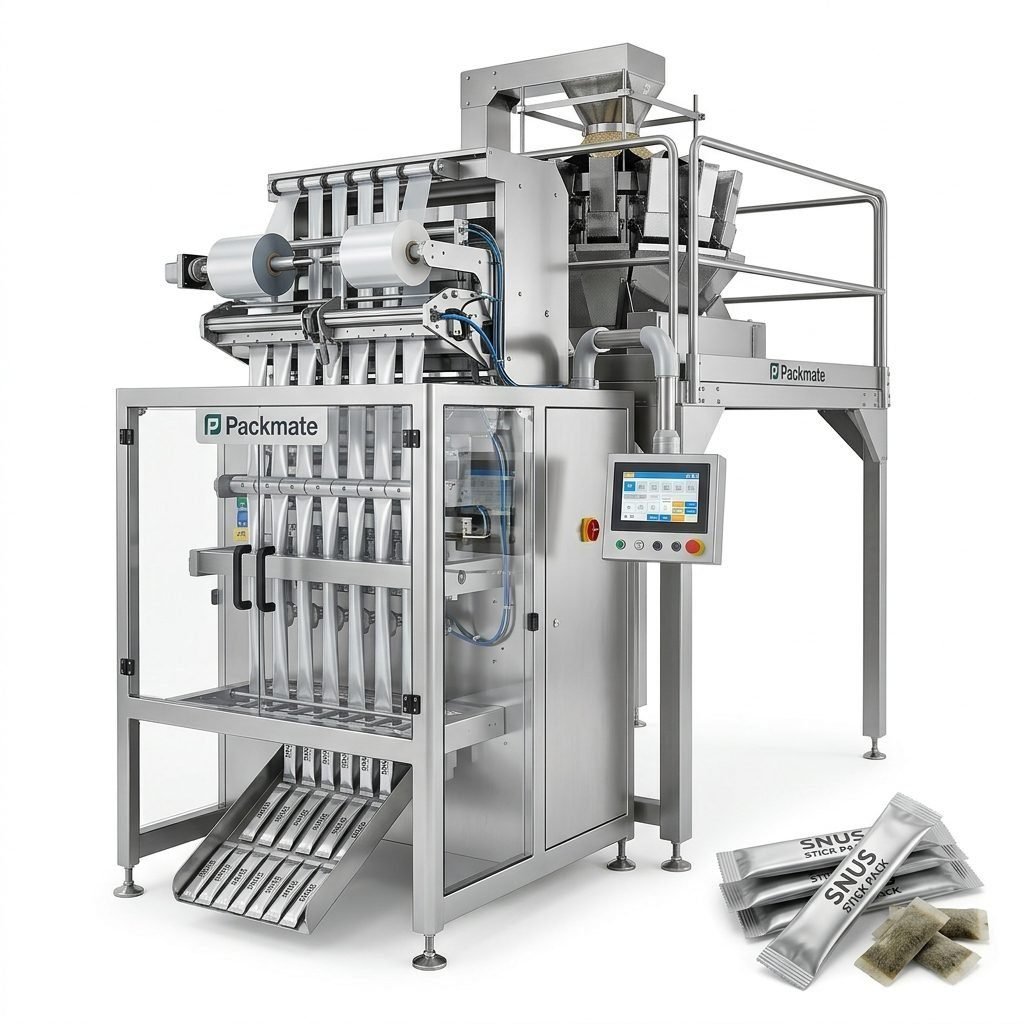
Packmate Snus Machine, for example, brings 30+ years of engineering experience and a large manufacturing facility with advanced CNC and assembly lines. They specialize in multi-lane snus pouch solutions and provide turnkey production lines tailored to nicotine pouch production. Learn more about their product range and case studies via their product pages and case library:
Snus & Nicotine Packaging Machines |
Bag & Pouch Packaging Machines |
Case Studies |
About Packmate
Factory Visit and Factory Capabilities
If feasible, a factory visit reveals manufacturing standards, quality control, and testing procedures. Look for advanced CNC capabilities, rigorous assembly processes, and a dedicated test area where machines are run with real materials. A modern factory with robust QA systems reduces the risk of receiving poorly finished equipment.
What to inspect during a visit
Check spare parts inventory, assembly tolerances, calibration procedures, and whether the supplier can perform full line FAT before shipment. A manufacturer that documents every stage of production demonstrates reliability.
Logistics, Customs and After-Sales Considerations in African Markets
Shipping heavy machinery into African ports can be complex. Confirm the supplier’s experience shipping to your country and whether they assist with customs documents, CIF/FOB terms, and local clearance. After-sales support arrangements, such as local agents or trainers, shorten commissioning time and reduce unexpected costs.
Tip: Favor suppliers who include clear documentation, spare-part kits for initial stock, and optional local training packages for your engineers.
Commercial Terms, Warranty and Risk Allocation
Compare warranty terms, what’s included in installation and commissioning, and the supplier’s liability for defects. Longer warranty periods, clear acceptance testing, and defined KPIs for machine performance offer better protection for buyers. Clarify lead times for custom parts and the supplier’s policy on software updates and control-system backups.
Contracts and service agreements
Include service-level agreements (SLAs) in your contract that specify response times, spare-part delivery windows, and availability of remote support. These help manage expectations and reduce downtime costs over the machine lifecycle.
How to Run a Supplier Evaluation Checklist
Create a weighted checklist covering technical performance, regulatory support, service capability, TCO, references, and local logistics experience. Score each supplier and ask for clarifications on any low-scoring items. Insist on factory acceptance tests with your product or a close simulation to validate claims.
Example checklist items
– Dosing accuracy and roll-to-roll waste rates
– Average MTBF (mean time between failures) data
– Spare-part lead times to your port
– On-site training scope and documentation
– Experience with nicotine pouch production lines
Final Steps Before Purchase
After narrowing down suppliers, negotiate clear delivery timelines, acceptance test criteria, warranty, and payment milestones. Request a demonstration with similar products, and if possible, visit an installed line that uses the same machine model in a similar environment.
For more information on machine types and complementary systems, review detailed product pages and system solutions such as weighing and filling lines or auxiliary equipment to build a full production solution:
Weighing & Packaging Systems |
Filling & Packaging Lines |
Auxiliary Packaging Equipment
Summary Checklist — Quick Purchase Guide
► Technical fit: dosing accuracy, speed, multi-lane capability.
► Local fit: power compatibility, environment protection, local service.
► Commercial fit: TCO, warranty, spare-part logistics, and references.
Conclusion
Selecting a snus packaging machine supplier for Africa is a strategic decision. Prioritize suppliers who combine proven technical solutions, robust after-sales service, clear documentation, and experience shipping to and supporting businesses in African markets. A reputable manufacturer that can offer turnkey solutions and demonstrate past success with nicotine pouch lines will minimize risk and accelerate your time-to-market.
Frequently Asked Questions
Q1. How important are certifications like CE and ISO when buying packaging machinery for African markets?
A1. Certifications are important because they indicate the supplier follows standardized safety and quality practices. They also help when applying for regulatory approvals or when working with larger distributors who require certified equipment.
Q2. What spare parts should I stock locally after buying a snus packaging machine?
A2. Stock critical wear parts (cutting blades, belts, sensor modules), common electrical components (PLC modules, relays), and a small set of mechanical spares (bearings, gears). Your supplier should provide a recommended spare-part list based on machine model and local conditions.
Q3. Can suppliers help with regulatory compliance and product validation?
A3. Many experienced suppliers assist with documentation for regulatory filings and provide validation protocols, material traceability, and machine calibration records. Confirm this support before purchase.
Q4. Is a factory acceptance test (FAT) necessary?
A4. Yes. FAT verifies machine performance before shipment and reduces surprises during installation. Insist on FAT with your materials or close substitutes.
Q5. Where can I find more details about turnkey snus packaging solutions?
A5. Review product and solution pages that cover snus and nicotine packaging machines, weighing and filling systems, and auxiliary equipment. For direct inquiries and tailored solutions, contact the supplier via their official site.
Contact resources: Contact Us | FAQs | Catalog