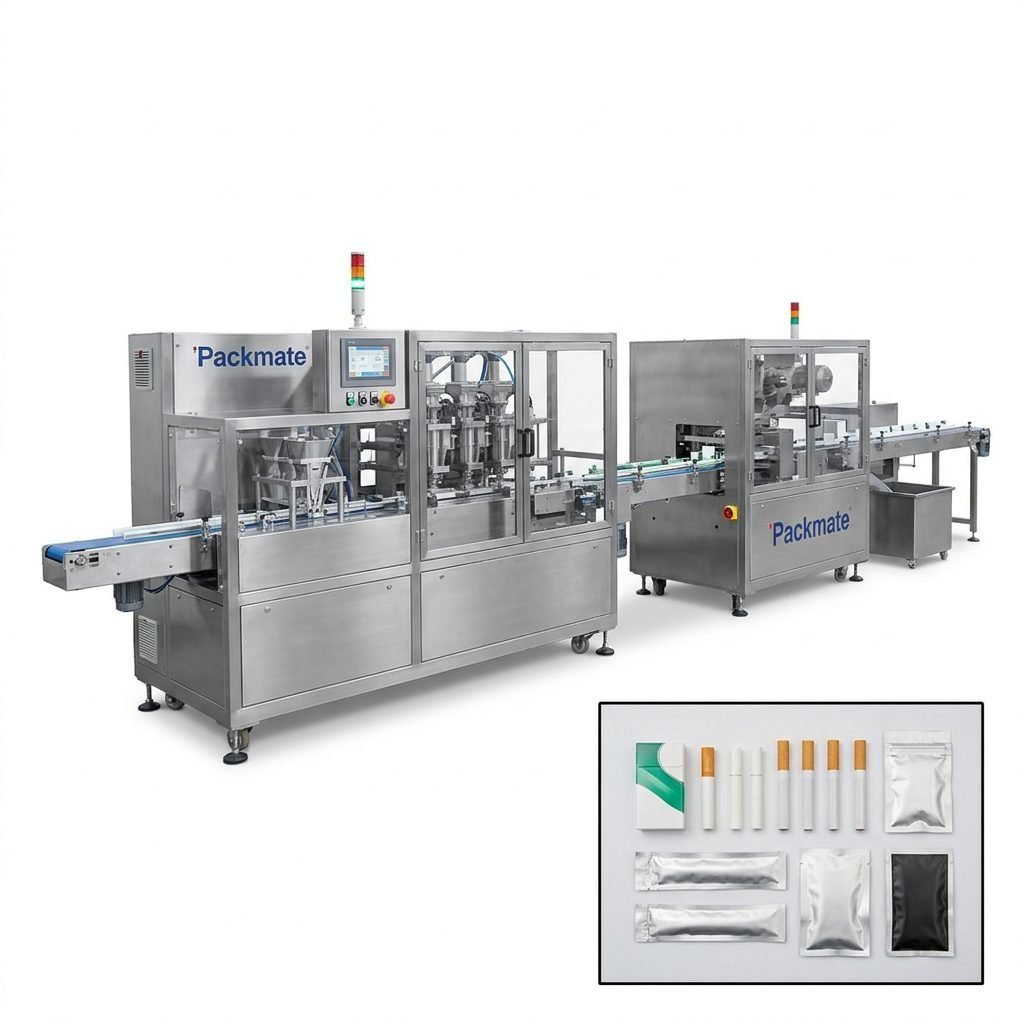
Choosing the best snus packaging machinery in Uruguay is a strategic step for any producer aiming to scale up quality, consistency, and compliance. Whether you are launching a new nicotine pouch brand or upgrading an existing line, selecting equipment that matches your product format, throughput targets, and regulatory expectations will determine production efficiency and profitability. This guide walks you through the practical considerations, machine types, integration tips, and supplier evaluation criteria to help you make a confident decision.
Why the Right Machine Matters for Your Snus Production
A well-chosen snus packaging machine does more than just seal pouches — it protects product integrity, reduces waste, lowers labor costs, and ensures consistent portioning. In markets like Uruguay, where demand for nicotine pouches and snus products has grown, investing in a machine that balances speed, flexibility, and hygiene is essential. Key outcomes of the right choice: higher yield, faster time-to-market, and reliable compliance with international standards.
Understand Your Product and Packaging Formats
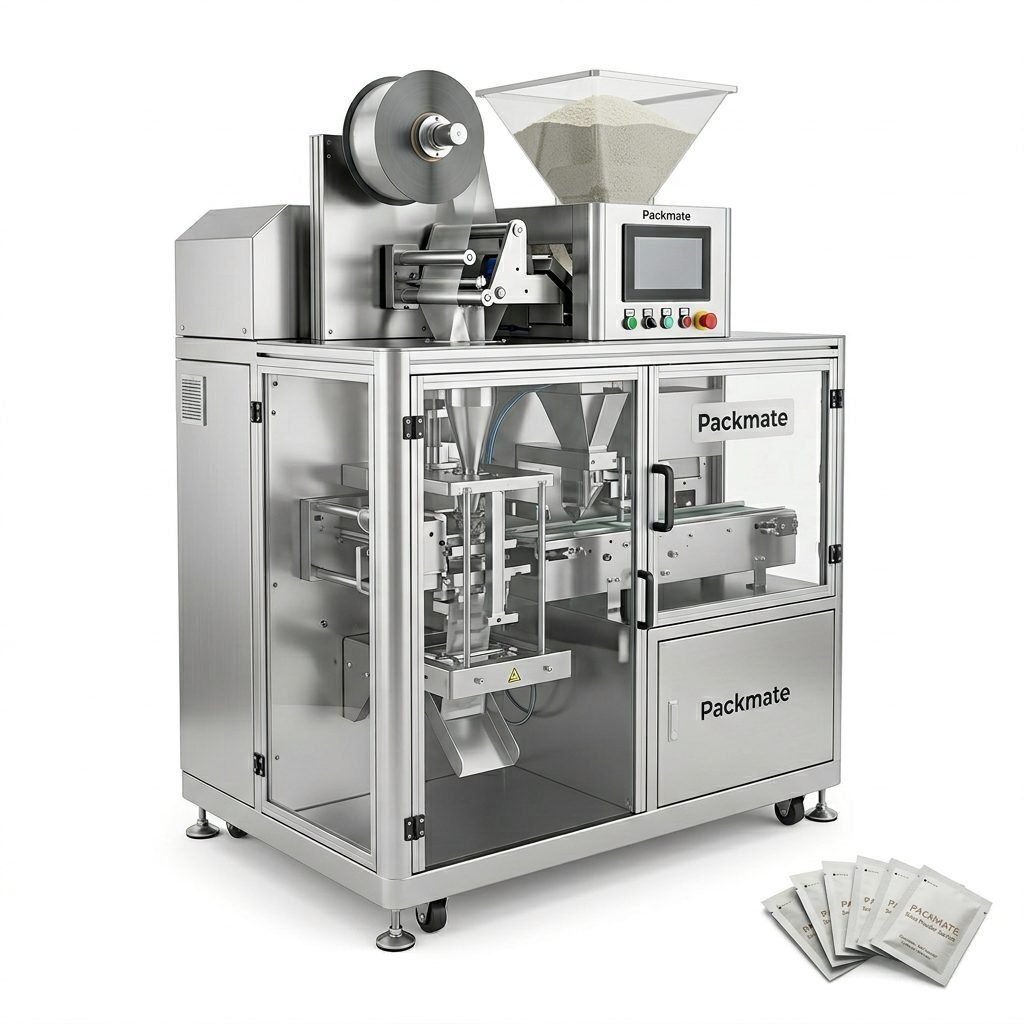
Start by detailing the product you will package: is it a loose snus, nicotine pouch, granular mix, powder, or a liquid-infused pouch? Packaging format options include stick packs, sachets, multi-lane pouches, or specialized pouch formats. Each format demands different machine features — from dosing systems to sealing technologies and pouch forming heads. Carefully map your product attributes (particle size, moisture, oil content) to the machine’s dosing and sealing capabilities.
Choose the Right Machine Type
There are core machine types commonly used for snus and nicotine pouch production:
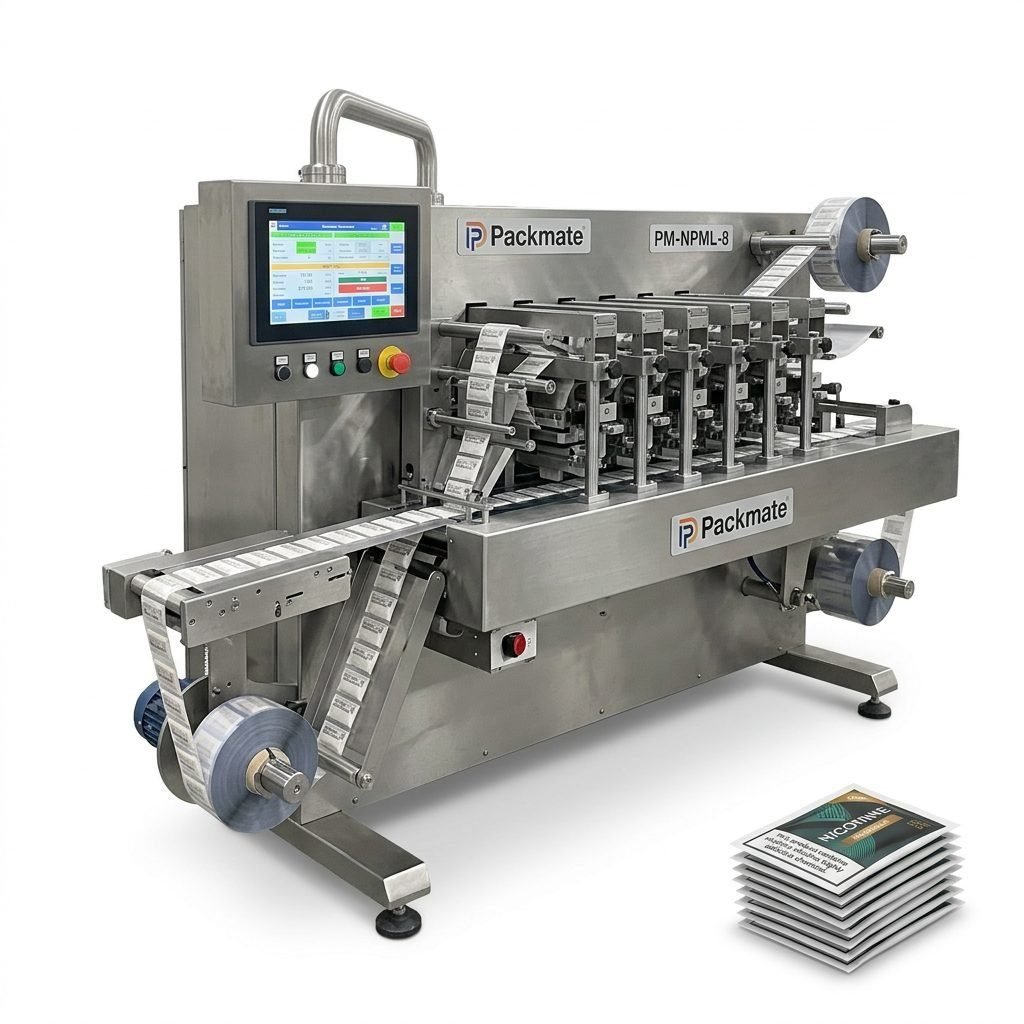
• Stick pack and sachet machines — ideal for single-serve pouches and flexible packaging. These are compact, often cost-effective, and suitable for flavored pouches or dosed formats. See examples of stick & sachet machines here: Sachet & Stick Pack Machines.
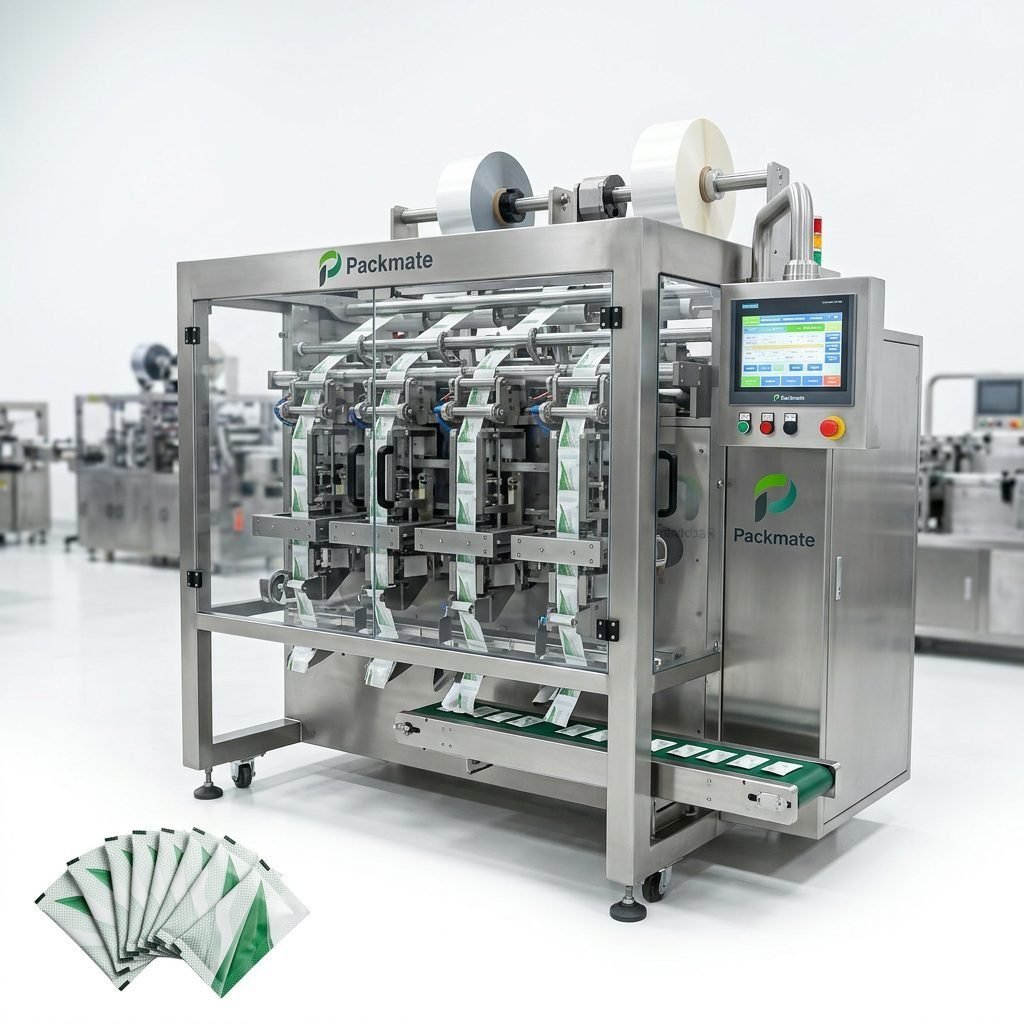
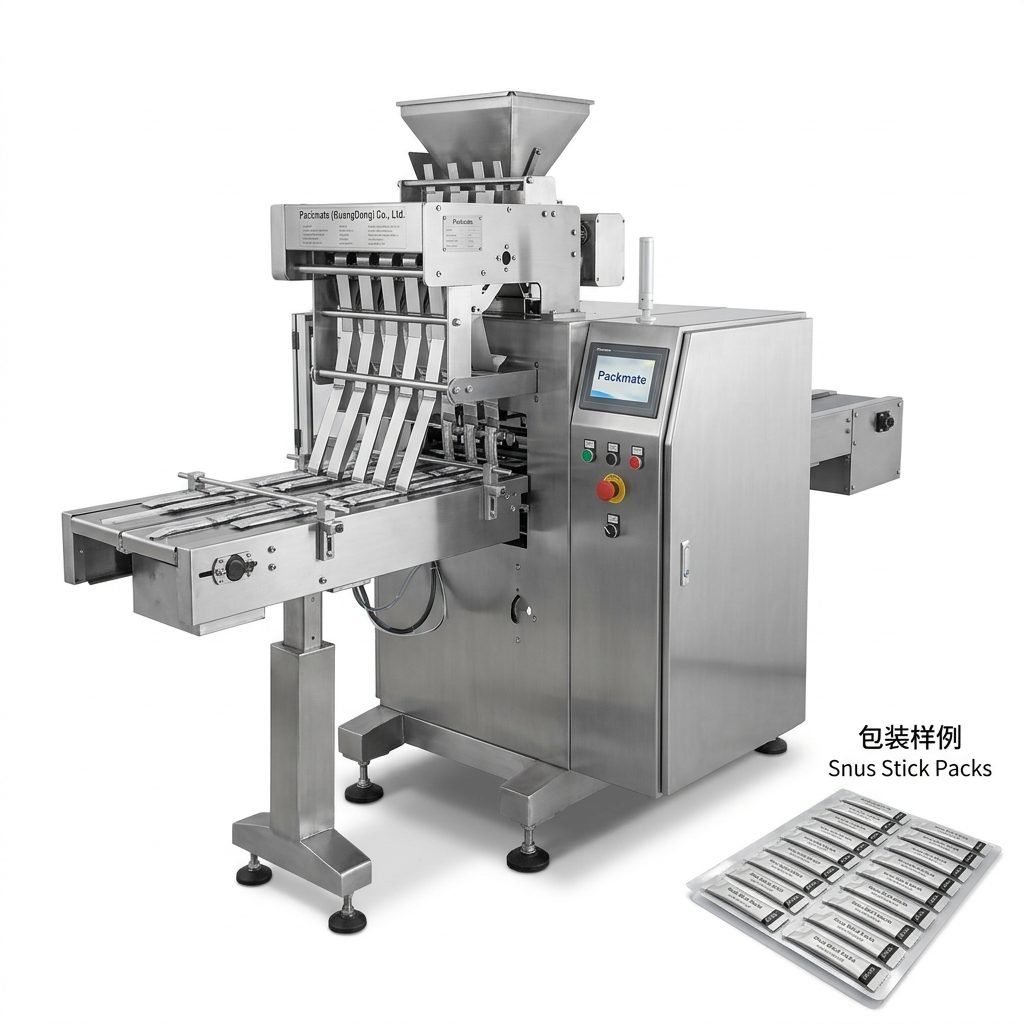
• Multi-lane snus pouch systems — provide high throughput by running multiple lanes simultaneously. They are suited for mass production of small-dose pouches where precision and lane synchronization matter.
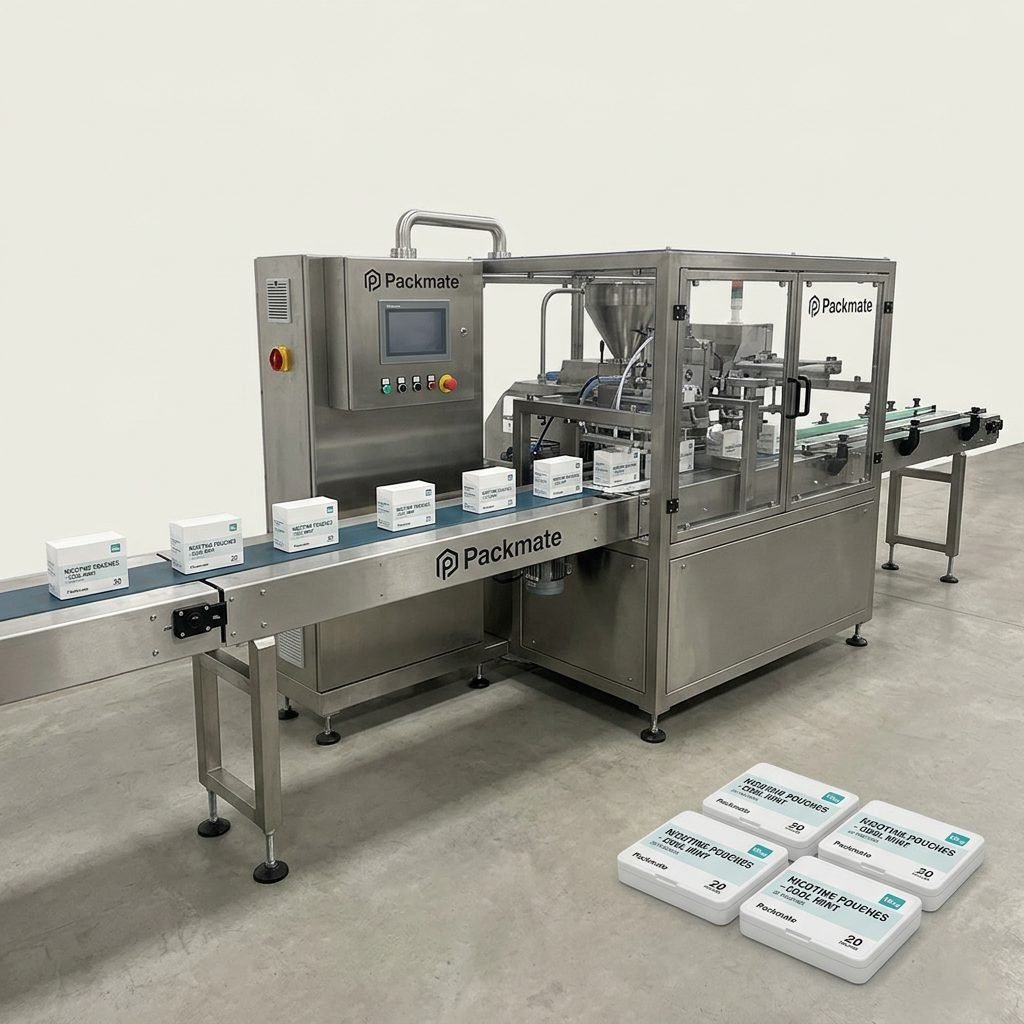
• Vertical form-fill-seal (VFFS) and bag/pouch machines — used when you need specific bag shapes or robust barrier requirements. For a broader view of pouch equipment, review Bag & Pouch Packaging Machines.
Production Speed, Lane Configuration and Scalability
Define your expected daily or monthly output and then select a machine whose nominal speed and multi-lane options meet or exceed that target with a margin for growth. For example, a 4-lane multi-track machine can produce at much higher net output than a single-lane stick pack at the same cycle speed. When planning capacity, include downtime for cleaning and changeovers — flexibility for lane addition or modular upgrades can protect your investment.
Dosing & Filling Accuracy
Accurate portioning is fundamental for snus products where legal and customer consistency matters. Choose between volumetric, auger, or gravimetric (weighing) systems depending on product characteristics:
• Powder or granular snus: auger fillers or vibratory dosing with feedback control.
• Moist or sticky formulations: positive displacement or specialized wet dosing heads.
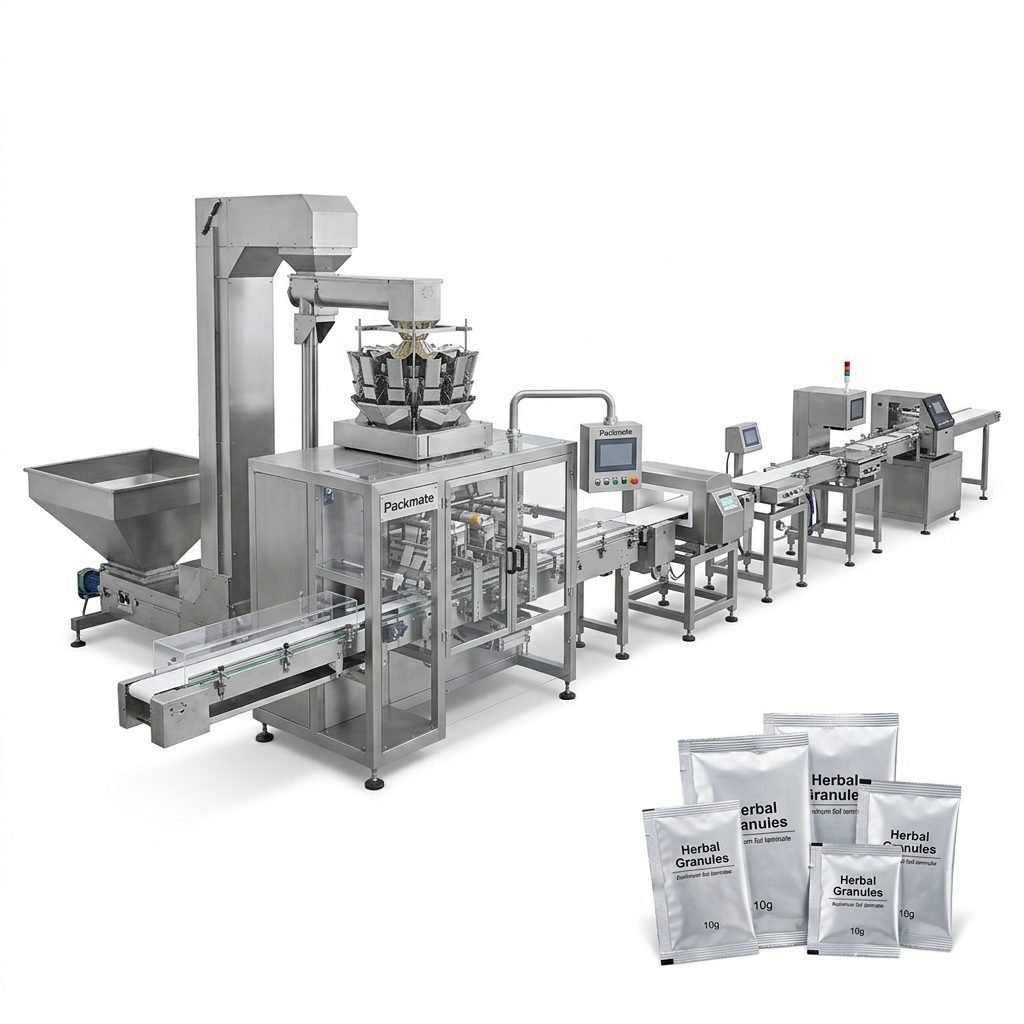
• For highest accuracy and dynamic process control consider gravimetric solutions — learn more about integrated weighing and packaging systems here: Weighing & Packaging Systems.
Materials, Sealing Methods and Barrier Requirements
Packaging material selection impacts shelf life, aroma retention, and sealing reliability. For snus and nicotine pouches you often need multi-layer laminates with heat-sealable inner layers and barrier layers for oxygen/moisture protection. Confirm the machine supports your chosen films (pre-made pouches vs. film roll), sealing temperatures, and cutting mechanisms. Machines with adjustable sealing pressure and temperature zones provide greater process stability across different films.
Automation, HMI and Integration
Modern snus packaging lines feature PLC controls, touch-screen HMIs, recipe storage, and remote diagnostics. Decide how much automation you need: basic semi-automatic lines reduce labor but require manual interventions; fully automatic lines integrate feeding, portioning, sealing, and secondary packaging. Ensure the control system allows recipe recall, quick changeover parameters, and industry-standard communication protocols for line integration.
Auxiliary Equipment and Turnkey Solutions
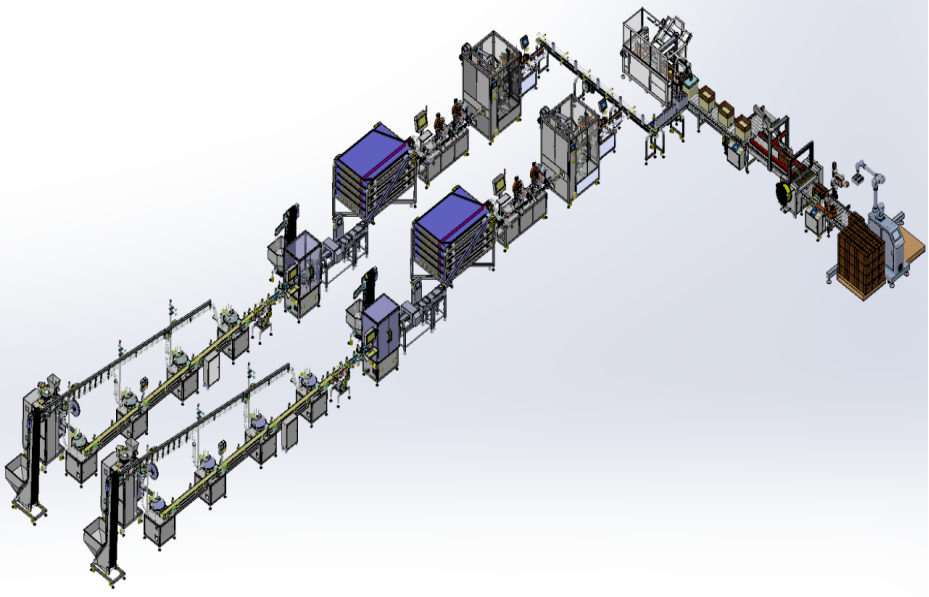
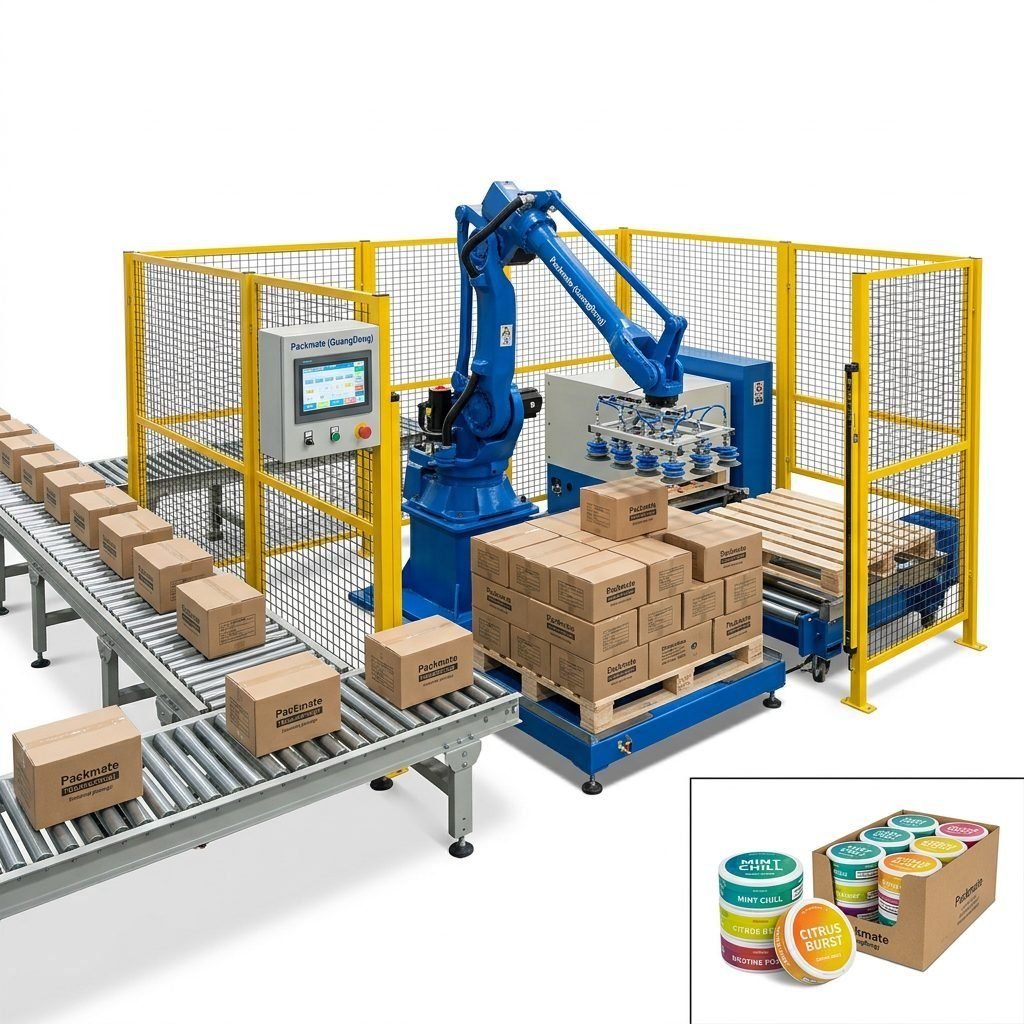
A production line is more than the primary packer. It must include upstream dosing, mixers, conveyors, metal detectors, checkweighers, and downstream secondary packaging. Assess whether your supplier offers turnkey solutions and tested integrations to simplify commissioning. Packmate provides complete lines and auxiliary equipment — view complementary systems here: Auxiliary Packaging Equipment.
Hygiene, Cleaning and GMP Requirements
Food and nicotine pouch producers must enforce strict hygiene. Look for machines with sanitary design, stainless steel contact parts, easy-to-disassemble dosing heads, and clean-in-place (CIP) where applicable. Smooth surfaces, minimal crevices, and tool-free maintenance points speed cleaning and reduce contamination risk — all critical for compliance and product safety.
Maintenance, Spare Parts and Local Support in Uruguay
After-sales support greatly influences total cost of ownership. Confirm spare parts lead times, availability of service engineers, and remote support options. If local service networks exist or if the manufacturer commits to fast shipment of parts, downtime will be minimized. Suppliers with global experience and documented case studies can provide dependable long-term support — review real customer cases here: Case.
Certifications and Regulatory Compliance
Ensure the machine meets applicable international standards (CE, ISO) and that documentation supports regulatory audits and product traceability. Certified equipment reduces approval cycles and demonstrates commitment to safety and quality — see supplier certification details here: Certificate.
Factory Visits, Trials and Exhibitions
Whenever possible, arrange factory acceptance tests (FAT) and on-site demonstrations. Witnessing machine trials with your product gives confidence in dosing accuracy, sealing quality, and changeover procedures. Suppliers that exhibit internationally often provide live demos — check exhibition schedules and demonstration opportunities: Our Exhibition.
Budgeting, ROI and Total Cost of Ownership
Look beyond the initial purchase price. Consider operating costs (energy, compressed air), spare parts, labor savings, yield improvements, and the value of faster time-to-market. A higher upfront investment in a reliable multi-lane system often produces a superior ROI through reduced scrap and higher throughput. Ask suppliers for lifecycle cost analysis and expected uptime metrics.
Checklist: Questions to Ask Potential Suppliers
✔️ What are the machine’s nominal and net outputs per hour?
✔️ Can the machine handle my specific material and pouch type without modification?
✔️ What is included in the warranty and what are lead times for critical spares?
✔️ Do you offer FAT, SAT, and on-site commissioning support in Uruguay?
✔️ Are there local service partners or remote diagnostics available?
Evaluating Packmate and Other Global Suppliers
When evaluating suppliers, look for a strong engineering background, documented global installations, and the ability to provide turnkey solutions. Packmate Snus Machine brings 30+ years of experience, a 20,000㎡ facility, CE/ISO certifications, and a diverse product lineup for snus and nicotine packaging. Consider supplier references, machine model diversity, and willingness to customize lines for your exact needs. Learn more about the company profile here: About Packmate.
Commissioning and Operator Training
Effective commissioning and operator training are critical to achieving promised performance. Confirm that the supplier provides detailed operation manuals, training sessions, and troubleshooting guides. Many experienced manufacturers include remote training as part of the delivery package to accelerate ramp-up and ensure consistent product quality.
Practical Tips for Launching Snus Production in Uruguay
• Start with a pilot run to validate recipes and packaging before full-scale investment.
• Keep spare parts for wear items on-site (seals, belts, sensors).
• Incorporate quality-control devices like checkweighers and metal detectors early in the line.
• Engage with local regulatory consultants to ensure labeling and nicotine-related rules are met.
Ready to evaluate machines? For specific equipment quotes, line configurations, or to arrange a demonstration with your product, contact the supplier directly for tailored solutions: Contact Us.
Common Questions (FAQs)
Q1: How do I determine whether to buy a single-lane stick pack or a multi-lane snus pouch machine?
A1: Assess your current and projected volumes, available floor space, and budget. Single-lane machines are cost-effective for small runs; multi-lane systems provide higher throughput and better cost-per-unit for scaling production.
Q2: What maintenance considerations should I plan for in Uruguay?
A2: Maintain a spare-parts inventory for wear components, schedule preventive maintenance, and secure remote or local technical support agreements. Verify suppliers can ship parts quickly to South America or have regional partners.
Q3: Are snus packaging machines compliant with international safety and quality standards?
A3: Reputable manufacturers supply machines with CE and ISO certifications and provide documentation for regulatory audits. Confirm the machine’s compliance certificates during procurement.
Q4: Can I run multiple product recipes on the same line?
A4: Yes — most modern machines support recipe storage and quick changeovers. However, some materials or pouch designs may require component swaps or adjustments; plan for validation and minor downtime during changeovers.
Q5: How can I verify the machine performance before purchase?
A5: Request a Factory Acceptance Test (FAT) or live demonstration using your product. Ask for production data from similar installations and references from customers in comparable markets.