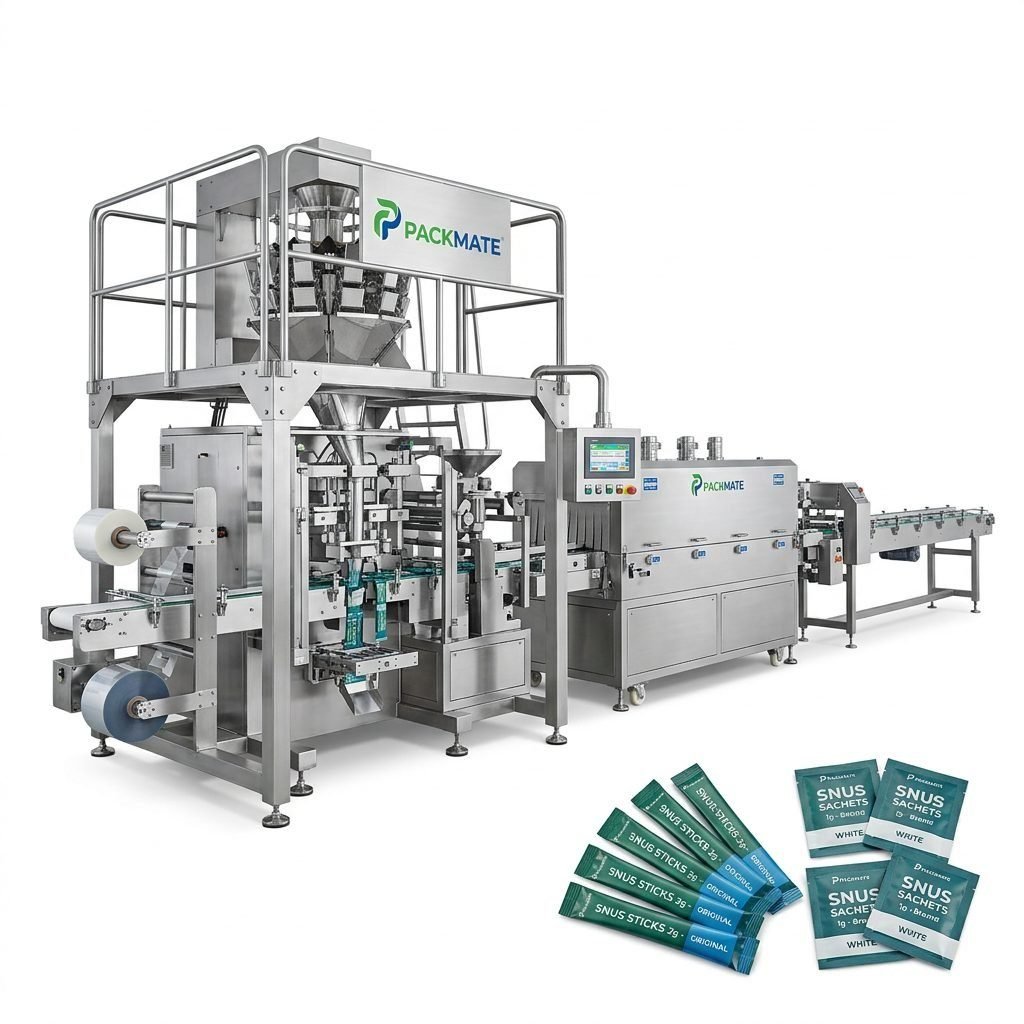
In the Philippines, choosing the right snus packaging machine is both a technical decision and a market-driven strategy. Local habits, regulatory requirements, and consumer preferences shape how manufacturers design and run nicotine pouch production lines. This guide walks through practical steps to select the best snus packaging machine for your Philippine production needs — from capacity planning and compliance to technology features that ensure product quality and operator safety.
Understand the Philippine Market and Regulatory Context
The Philippines has a unique consumer profile: a young population with growing exposure to alternative nicotine products, patchy regional enforcement of tobacco rules, and increasing scrutiny from health authorities. Before investing in machinery, you should confirm product legality, labeling rules, and potential taxation or import duties. Work with local regulatory advisors and consider communication with the Food and Drug Administration of the Philippines where necessary. Compliance affects machine choice — for instance, you may need equipment capable of printing variable lot numbers and batch traceability directly on packaging.
Key local considerations
⚠️ Age restrictions and health warnings — ensure your packaging meets any local language and warning label requirements.
✅ Moist tropical climate — design your line for moisture control and desiccant handling to avoid product degradation.
🔧 Labor and training — choose machines with intuitive HMI and local serviceability suitable for Philippine staffing conditions.
Define Your Production Requirements
Start with a clear definition of your production goals. Important parameters include intended daily output, SKU range, pouch format, and future expansion plans. Philippine businesses often start with modest volumes but plan to scale quickly across Luzon, Visayas, and Mindanao. Your packaging machine selection should align with both current and projected throughput.
📌 Production snapshot to define: target pouches per minute, shift patterns (single/double shifts), number of SKUs, pouch sizes (small-dose vs larger), and packaging formats (stick, sachet, multi-lane).
Capacity and format: what to pick?
– For small-dose nicotine pouches and snus, high-precision multi-lane machines increase yield and reduce cost per pouch.
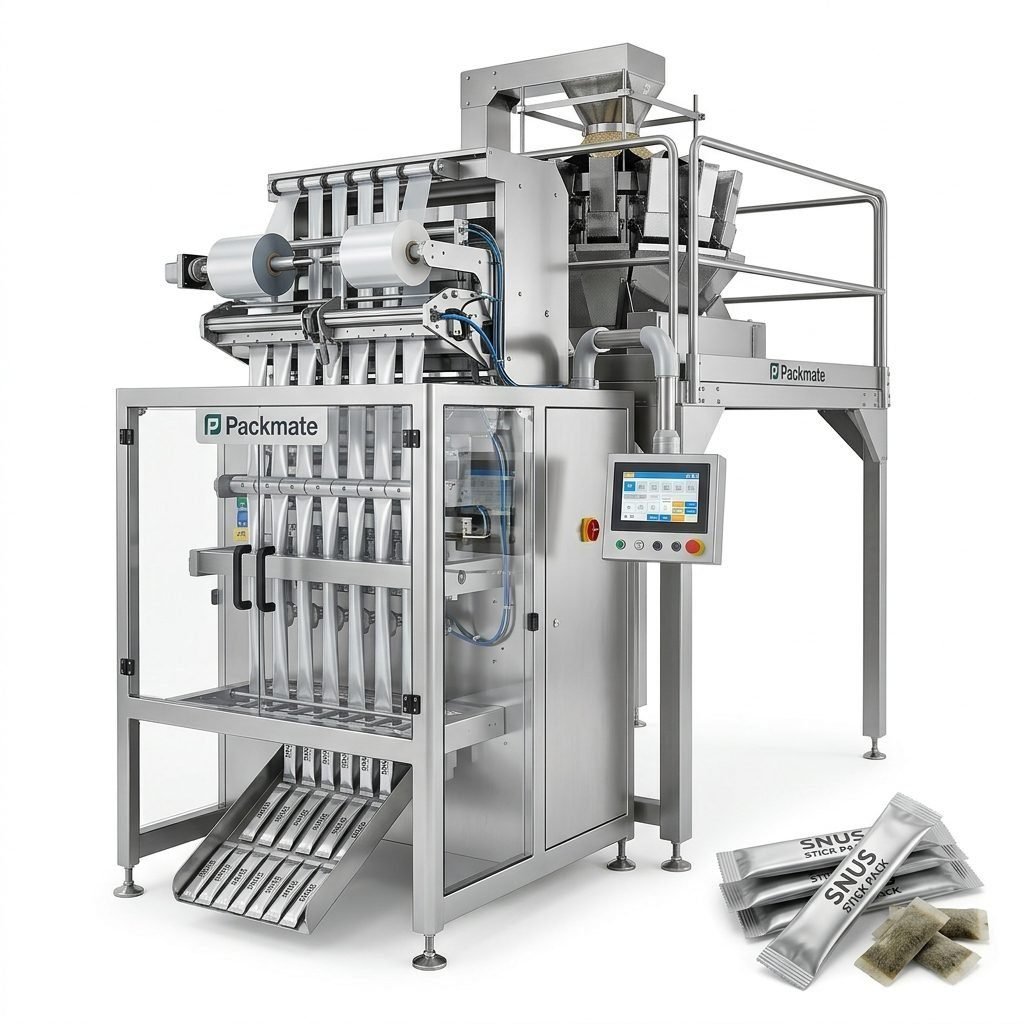
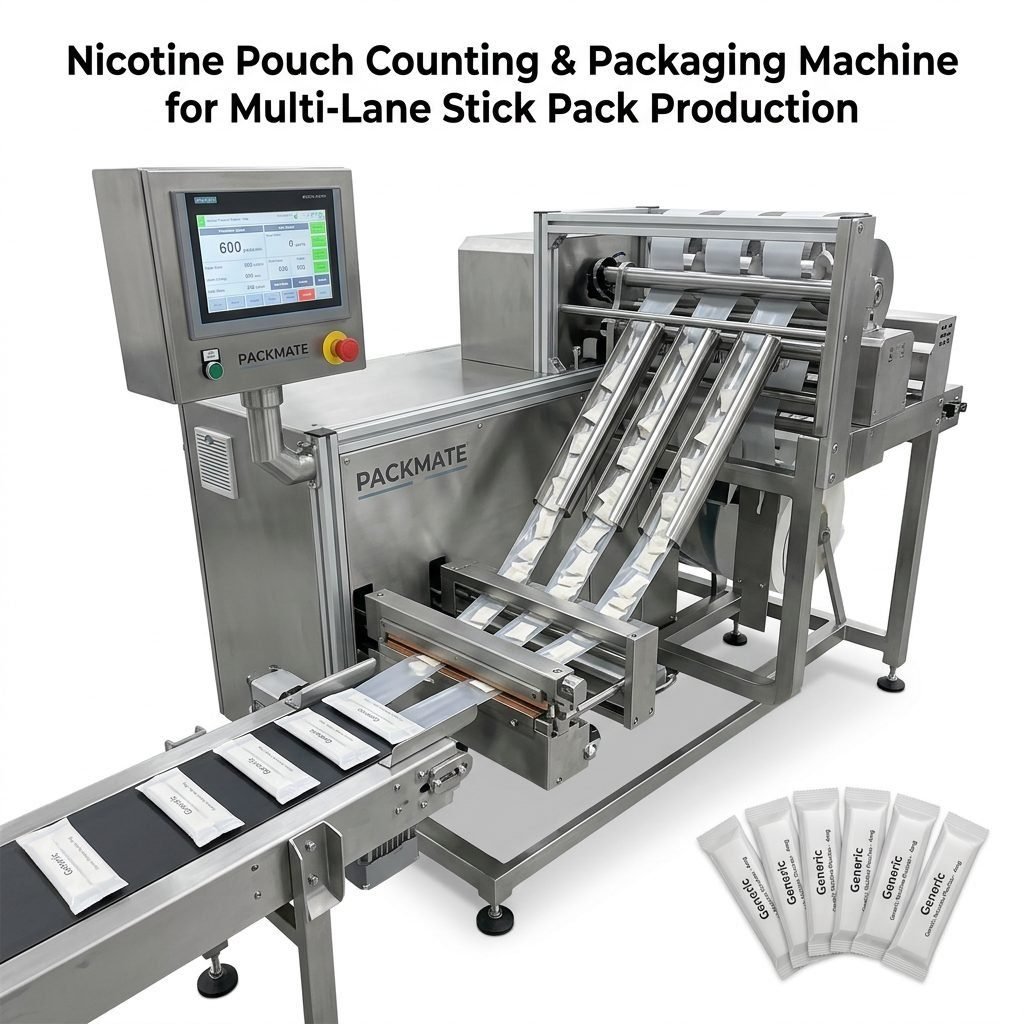
– Stick pack and sachet lines provide flexible presentation options. Machines like multi-lane stick pack systems are common in the nicotine pouch industry.
– If you plan to offer multiple sizes or variable fillings, choose modular machines that accept quick-changeover tooling.
Machine Types and Key Features
Understand machine families and what features to prioritize for snus and nicotine pouch production.
1. Multi-lane pouch packing systems
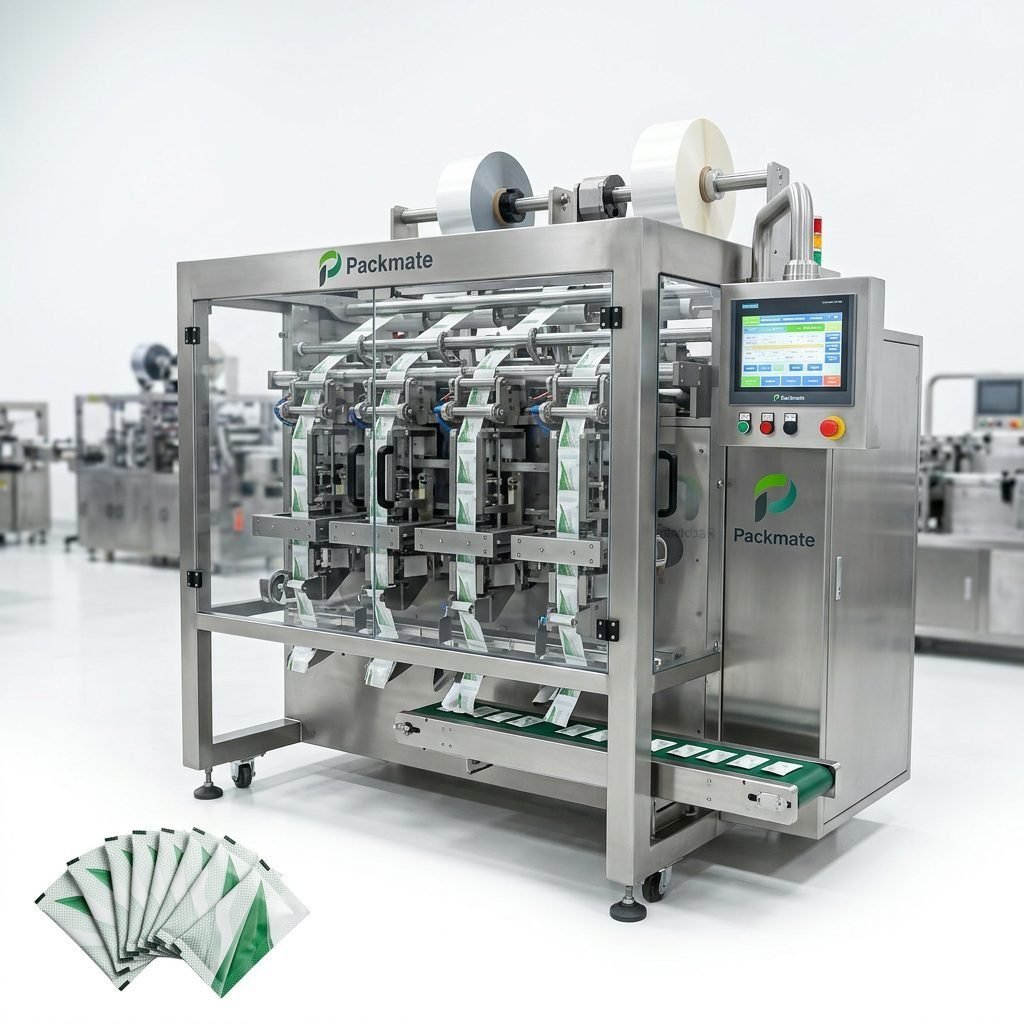
Multi-lane systems maximize throughput by forming multiple pouches simultaneously. These are ideal when you expect to scale and want consistent pouch weight across lanes. Their advantages: efficient footprint use, synchronized filling, and better total output for a single operator team.
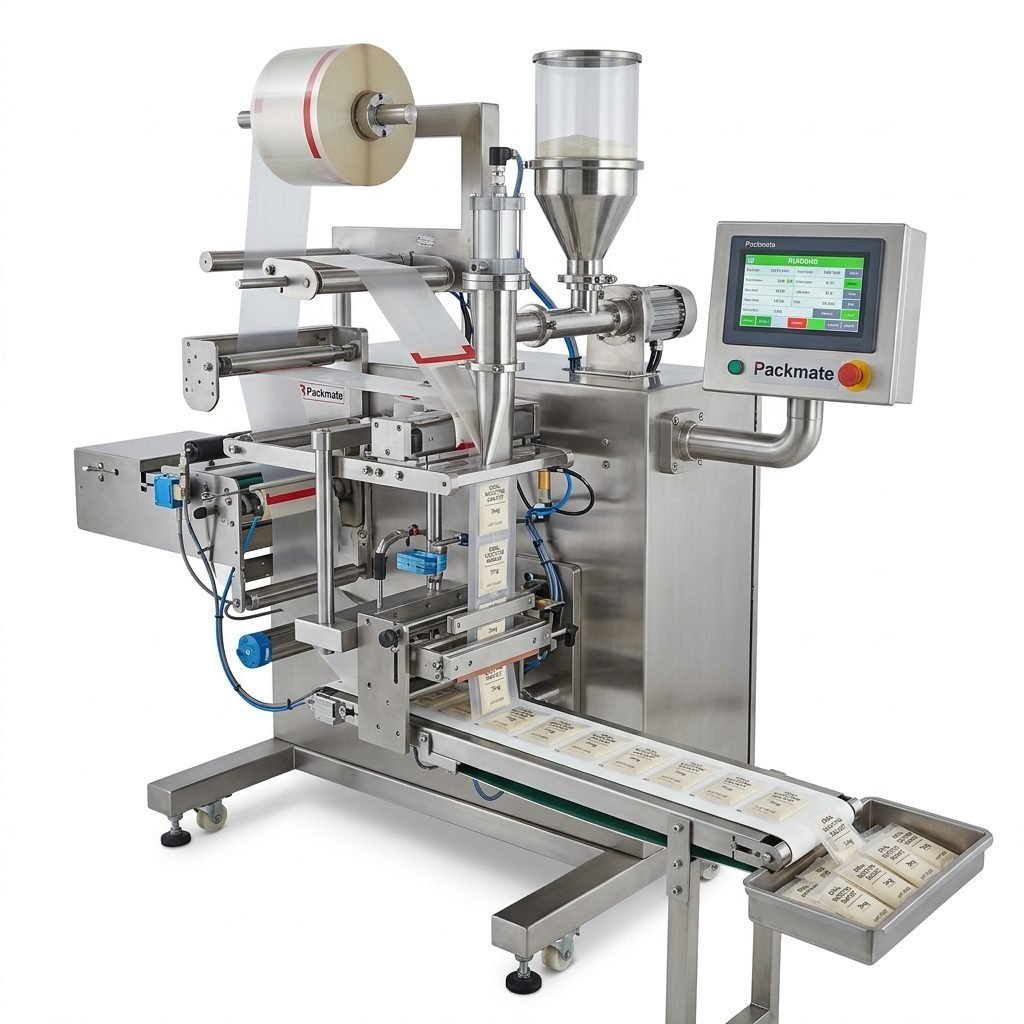
2. Stick pack and sachet machines
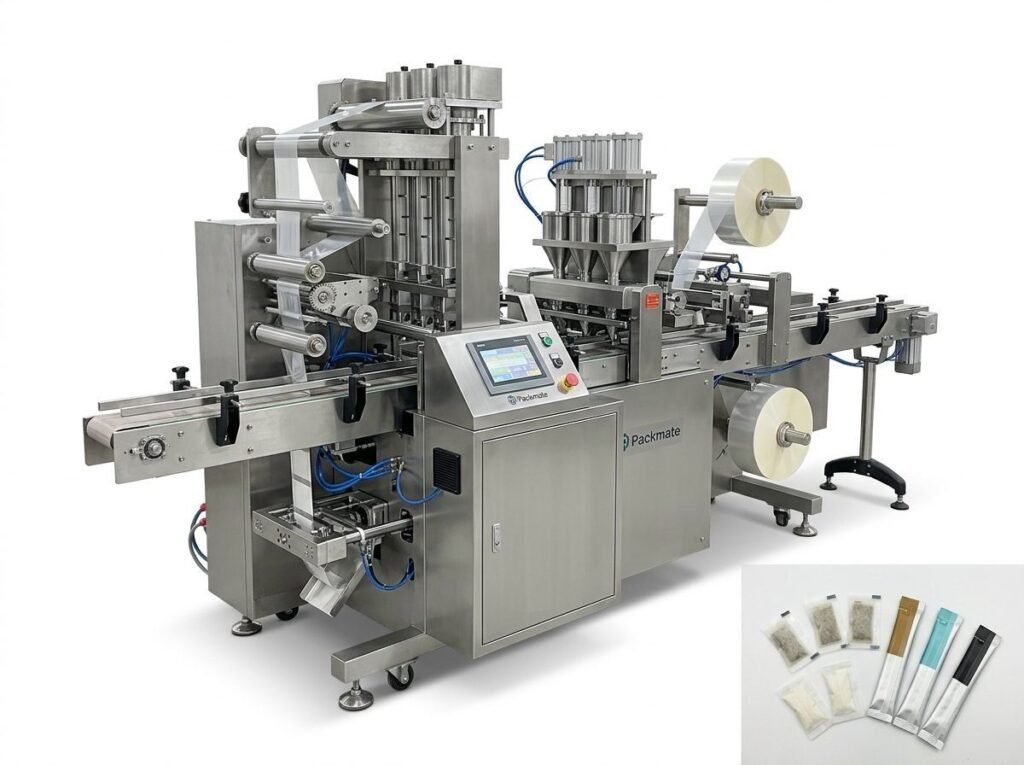
Stick packs are common for single-serve formats, while sachets can offer varied shapes and larger capacity. If you are targeting retail display or sampling programs, stick/sachet versatility matters. Consider machines that can handle powder, granules, and small pouches with minimal changeover time.
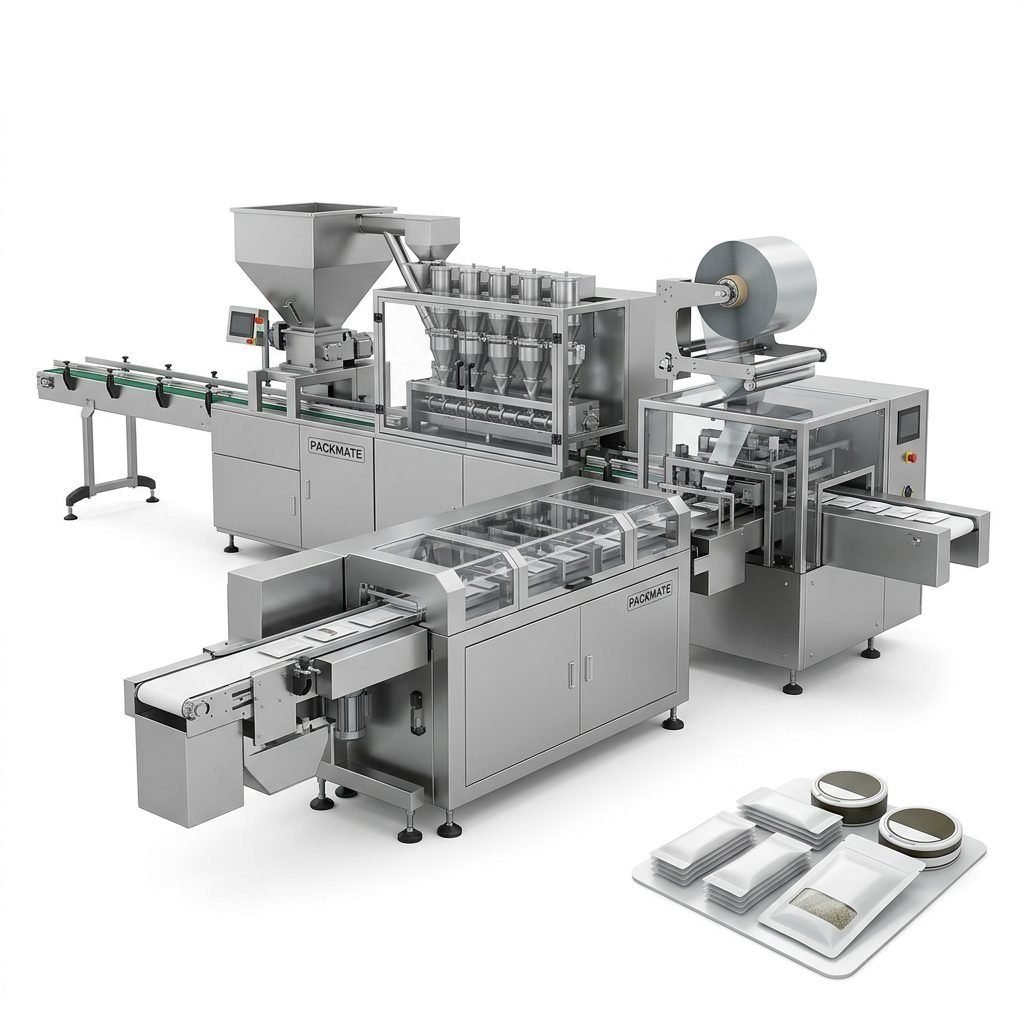
3. Auxiliary equipment and integrated lines
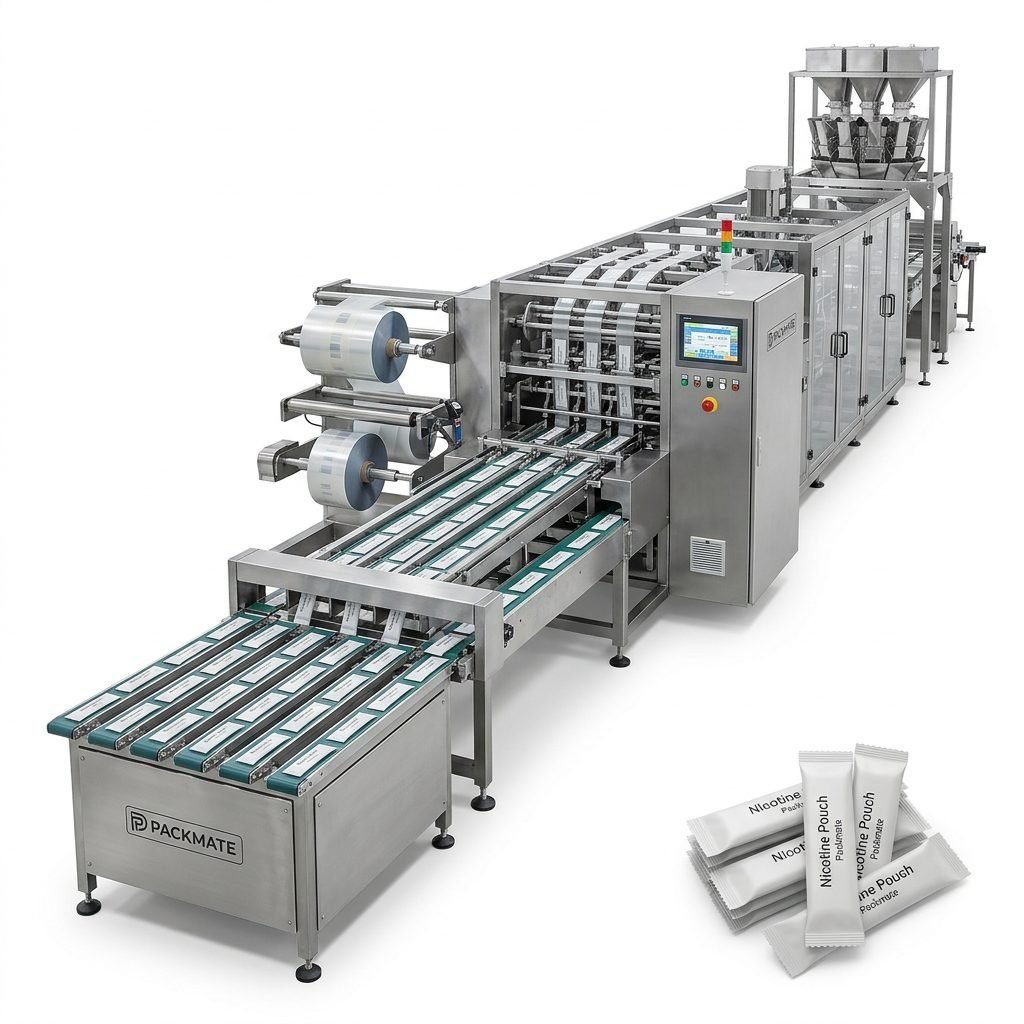
Weighing systems, feeders, pouch collators, and packaging conveyors all influence line efficiency. Integrated lines with fully automated weighing and rejection systems minimize manual intervention and improve yields. For options and full-line solutions, explore specialist suppliers that provide turnkey solutions.
For product references and to review available machines, check these resources: Snus & Nicotine Packaging Machines, Sachet & Stick Pack Machines, and Bag & Pouch Packaging Machines.
Technical Specifications to Compare
When evaluating vendors, compare these technical specifications side-by-side:
🔧 Accuracy & filling tolerance: +/- acceptable gram tolerance per pouch.
🔧 Speed: pouches per minute per lane and total lines per hour.
🔧 Changeover time: minutes to switch between SKUs.
🔧 Materials & sealing quality: seal integrity for humid climate resistance.
🔧 HMI & control: intuitive Human Machine Interface, recipe management, data logging.
🔧 After-sales and spare parts: local serviceability or quick global support.
Environmental and product handling features
Look for controlled dosing systems, dust management, and optional nitrogen flushing for oxygen-sensitive formulations. Climate-controlled enclosures and automated desiccant inserters are valuable in tropical environments like the Philippines to keep product freshness and shelf life optimal.
Choosing the Right Supplier: What to Verify
Your machine supplier is a long-term partner. Verify manufacturing credentials, service footprint, and success cases in similar markets. Packmate Snus Machine, with decades of experience and a broad portfolio, illustrates the supplier profile many buyers seek: proven multi-lane systems, CE/ISO certifications, and global turnkey project experience.
Useful links to validate supplier capabilities and view product catalogs: About Packmate, Catalog, and Case.
Questions to ask a supplier
– Can you provide references and performance data from similar installations?
– What is the warranty and spare parts lead time to the Philippines?
– Do you offer onsite commissioning, operator training, and preventive maintenance contracts?
– Are customization options available for local labeling, language, and regulatory printing?
📌 Tip: choose suppliers that can provide remote diagnostics and a clear spare-parts strategy to minimize downtime for geographically distributed Philippine operations.
Footprint, Utilities and Facility Preparation
Ensure your facility can accommodate machine footprint, conveyors, and auxiliary equipment. Utilities planning is critical: confirm power supply specifications, compressed air quality, vacuum requirements, and dust extraction. For tropical climates, consider HVAC for product storage and prepack areas to protect pouch integrity.
Local logistics and installation notes
– Prepare for local customs clearance and potential duties when importing machines.
– Plan for a controlled assembly area, safe lifting equipment, and local technician availability for installation.
– Confirm on-site training schedules and availability of manuals in English and, if necessary, Tagalog.
Operational Excellence: Training, Maintenance and Quality Control
After purchase, focus on operator training, preventive maintenance programs, and inline quality checks. Automated weight checks, seal inspection cameras, and metal detection are common quality aids. Establish SOPs and record-keeping for traceability — essential for recalls or audits.
✅ Operational checklist: SOPs, spare parts kit, maintenance logbook, operator certification, and a plan for remote support and spare parts shipment.
Budgeting and ROI for Philippine Producers
Determine total cost of ownership: purchase price, installation, shipping, training, spare parts, and expected downtime. Estimate payback period based on expected sales growth in the Philippines and export markets. Multi-lane, higher-capacity machines can offer faster ROI if you can secure distribution and steady demand.
Financing and phased investment
Consider phased investments: start with a modular line allowing upgrades, or lease equipment if capital is tight. Many suppliers provide financing or phased delivery to match growth and cash flow.
Real-World Example: Building a Flexible Snus Line
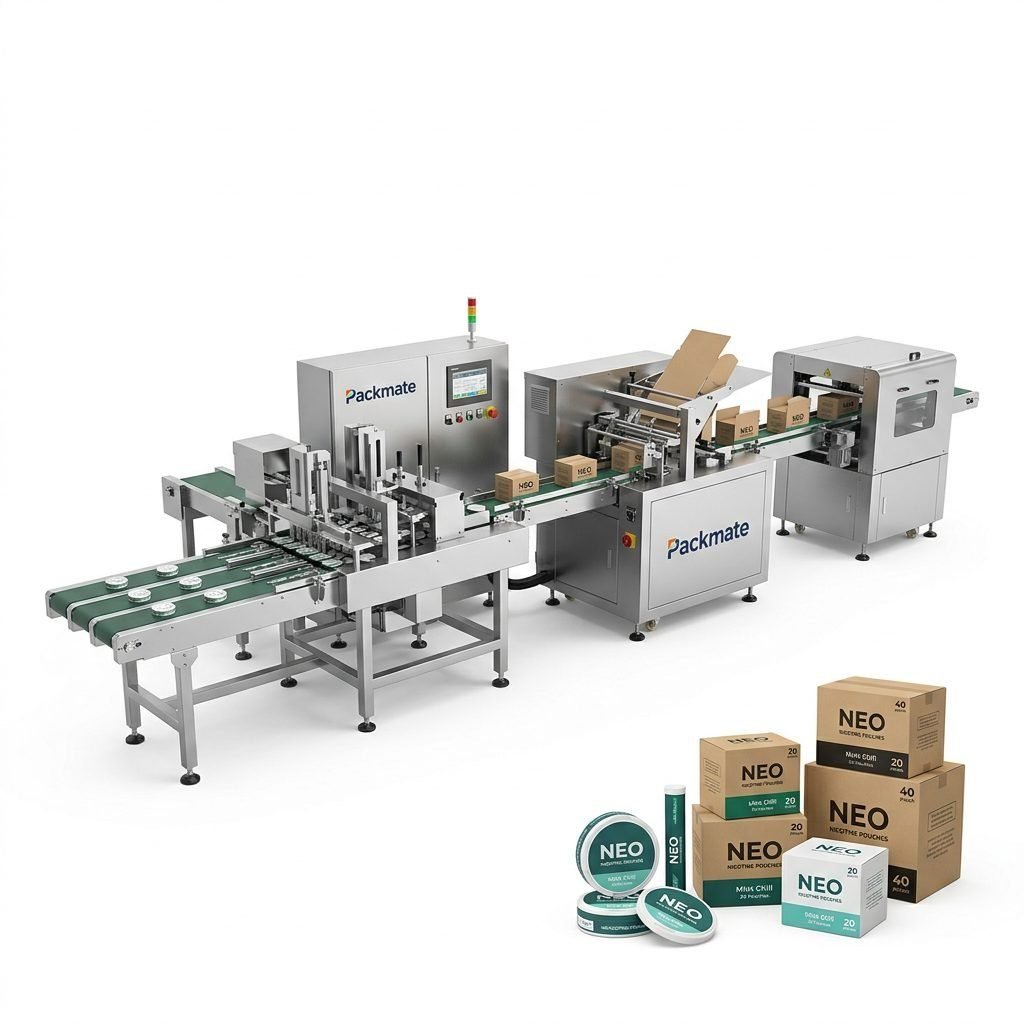
A typical flexible line for Philippine operations could include a multi-lane pouch machine for core production, a stick-pack module for sampler sticks, an inline weight-check system, and automatic cartoning. Choose components that can run multiple SKUs with simple parameter changes through the HMI.
For more on filling and integrated solutions, see Filling & Packaging Lines and Weighing & Packaging Systems.
Sustainability and Packaging Material Choices
Many Filipino consumers respond positively to sustainability messaging. Consider recyclable or mono-material films that are easier to process at end-of-life. Machines must be compatible with your selected materials, as sealing temperatures and film stretch differ between materials.
🌱 Sustainability tip: validate film seal strength and barrier properties during pilot runs to ensure shelf life and compliance with labeling claims.
How to Run a Successful Pilot Before Full Investment
Pilot runs help you confirm machine performance with local formulations and packaging materials. Run several SKUs, test shelf-life under Philippine humidity, and verify labeling and batch printing. Collect operator feedback and iterate machine settings before final procurement.
Pilot checklist
– Confirm pouch weights and sealing integrity.
– Test desiccant function and oxygen control if used.
– Validate batch printing, barcode readability, and labeling location.
– Log downtime and changeover times for ROI modeling.
Final Selection Roadmap
1. Define production goals and regulatory needs.
2. Select machine type (multi-lane, stick pack, sachet) based on SKU strategy.
3. Compare technical specs and supplier track records.
4. Plan facility, utilities, and installation logistics.
5. Run pilot production and lock down final configuration.
6. Negotiate support, spare parts, and training packages.
📌 Remember: the right machine balances throughput, flexibility, and serviceability — especially in the Philippine context where distribution and climate affect product quality and logistics.
Where to Find Trusted Solutions and Support
Look for suppliers with global experience and proven success in snus and nicotine pouch markets. Suppliers offering turnkey solutions, clear spare parts policies, and local or remote support are preferable. You can learn more about full services and exhibitions from supplier pages to meet teams in person.
Explore additional resources: Auxiliary Packaging Equipment, Service, and Our Exhibition.
Conclusion
Selecting the best snus packaging machine in the Philippines requires careful alignment of market knowledge, technical requirements, supplier capability, and facility readiness. Prioritize modular, multi-lane systems if you expect growth, and ensure your supplier offers clear training and spare-part strategies. Pilot testing under local climate conditions and compliance checks will protect product quality and accelerate ROI. With the right partner and planning, your snus/nicotine pouch production can scale reliably across Philippine regions and beyond.
Frequently Asked Questions
Q1: What machine type is most suitable for small startups in the Philippines?
A1: Startups often benefit from modular multi-lane systems or compact stick-pack machines that allow gradual scaling and lower initial investment. Prioritize machines with quick changeover and flexible dosing.
Q2: How do Philippine climate conditions affect machine selection?
A2: High humidity affects sealing and product stability. Select machines that support desiccant insertion, nitrogen flushing, and reliable thermal seals. Test films and seals in pilot runs under local humidity to validate selections.
Q3: What support should I expect from an international supplier?
A3: Expect commissioning, operator training, spare parts guidance, and remote diagnostics. Verify lead times for spare parts shipment to the Philippines and whether local technicians are available for onsite support.
Q4: Are multi-lane machines worth the investment for Philippine distribution chains?
A4: If you expect rapid growth or export demand, multi-lane machines reduce cost per pouch and increase output with a smaller footprint, making them a high-value investment for scaling across Filipino markets.
Q5: Where can I see examples of turnkey snus packaging lines and request more information?
A5: Visit supplier resources to review machine models, case studies, and catalogs. Useful starting points include the Packmate pages for Snus & Nicotine Packaging Machines and the Contact Us page for direct inquiries.