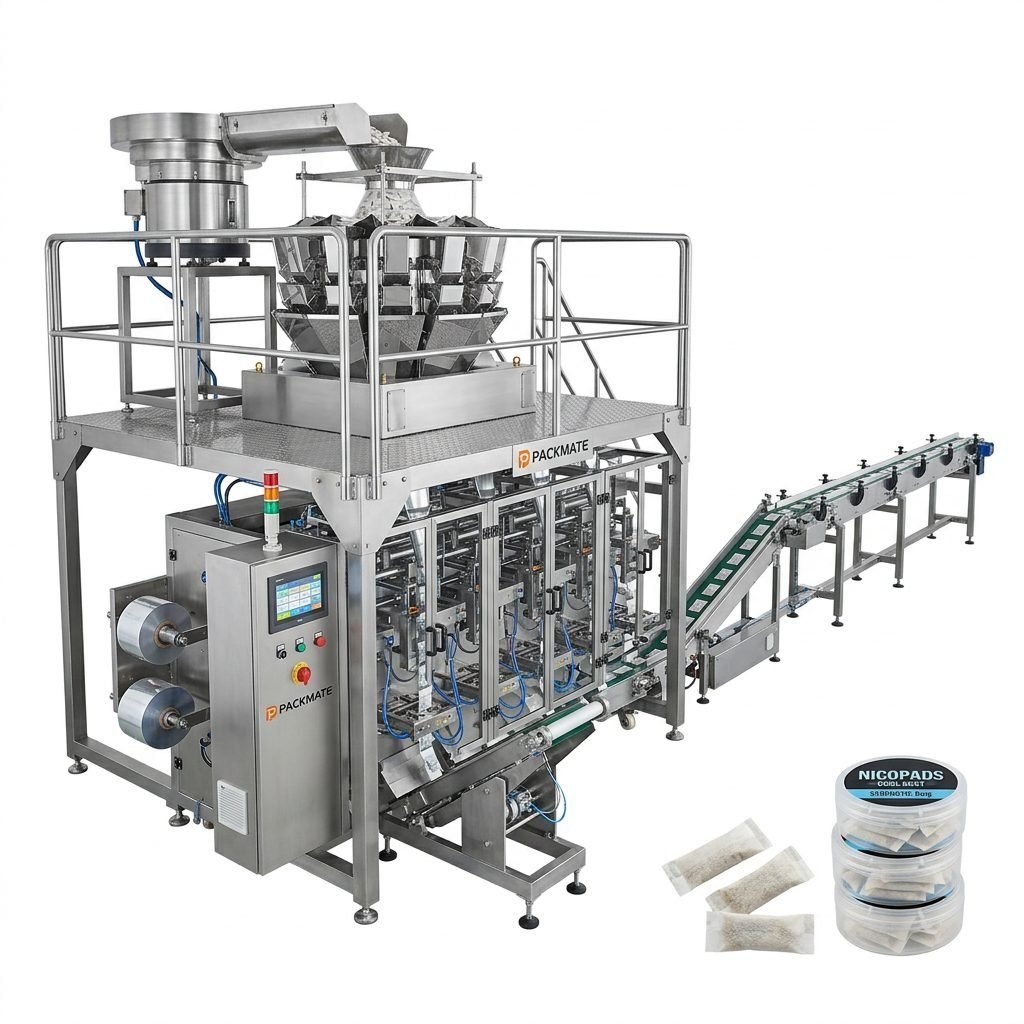
Choosing the right snus packaging machine for the Afghan market is more than picking a piece of equipment — it is about understanding local consumption habits, regulatory limits, climate challenges, distribution channels, and the long-term service footprint. This guide breaks down practical considerations, technical features, and supplier evaluation tips so you can select a machine that performs reliably in Afghanistan’s unique environment.
Why packaging matters in Afghanistan
In Afghanistan, tobacco products and nicotine pouches carry specific cultural and regulatory sensitivities. Many end-users prefer discreet, hygienic formats that travel well across long distances and cope with hot, dusty conditions. Retail environments range from small kiosks to modern shops in Kabul, so packaging that protects product quality and looks professional will increase shelf appeal and reduce waste. Consider also labeling in Dari and Pashto alongside English for wider acceptance.
Key features to prioritize in a snus packaging machine
When evaluating machines, focus on features that directly affect product quality, uptime, and operating cost:
✅ Sealing consistency: Reliable heat-seal quality prevents moisture ingress and keeps pouch integrity intact during long transport routes common in Afghanistan.
⚙️ Precision dosing: Accurate weighing and dosing systems reduce product giveaway and ensure every pouch meets declared nicotine content. Look for integrated weighing modules or compatibility with external scales.
🔧 Easy maintenance & parts access: Machines should have quick-change components and locally serviceable parts. Short technician training cycles reduce downtime far from main cities.
📦 Flexible format support: Ability to run nicotine pouch, snus sachet, and small pouch formats without excessive changeover time gives you a broader market reach.
🌡️ Robustness to environment: Dust seals, higher tolerance to ambient heat, and controlled dosing for humidity variations help machines survive in Afghan conditions.
Machine types that suit Afghan producers
Different production scales and product formats call for different equipment. Consider these mainstream types:
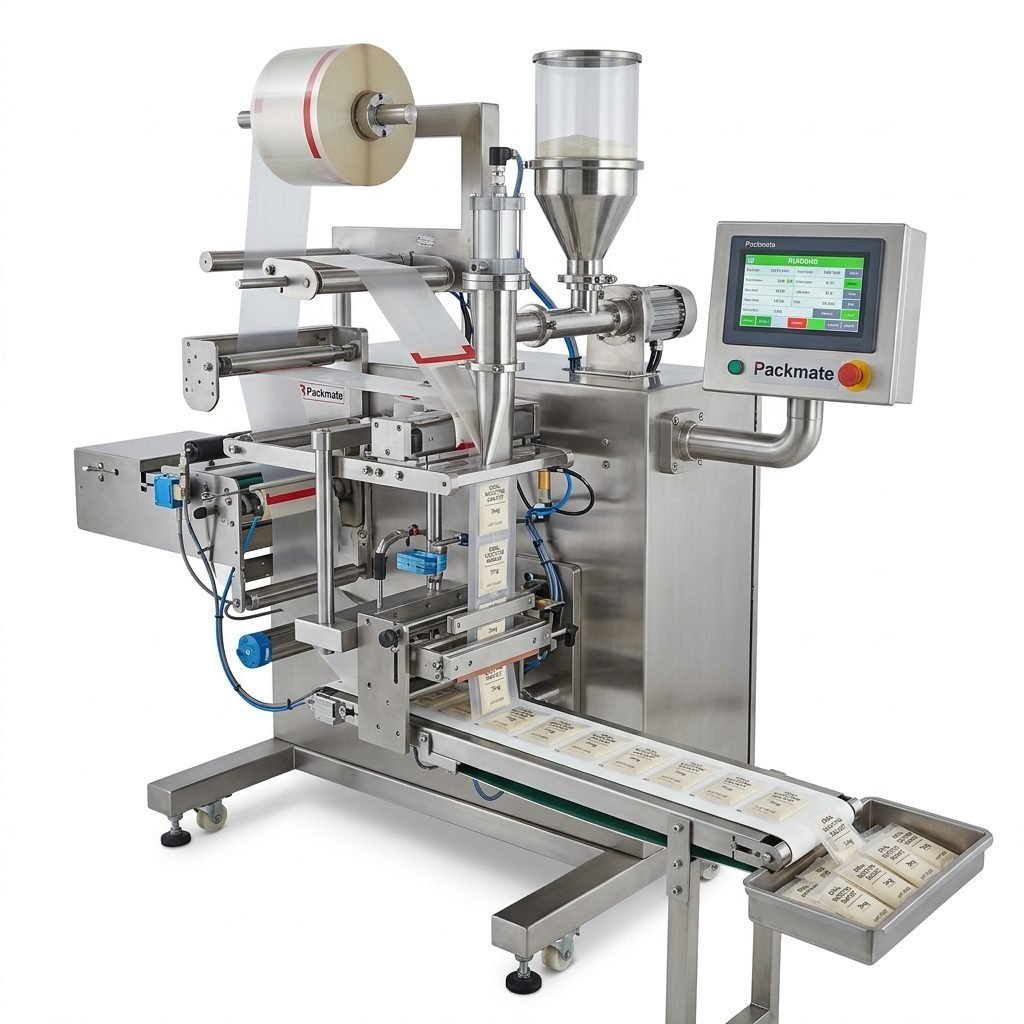
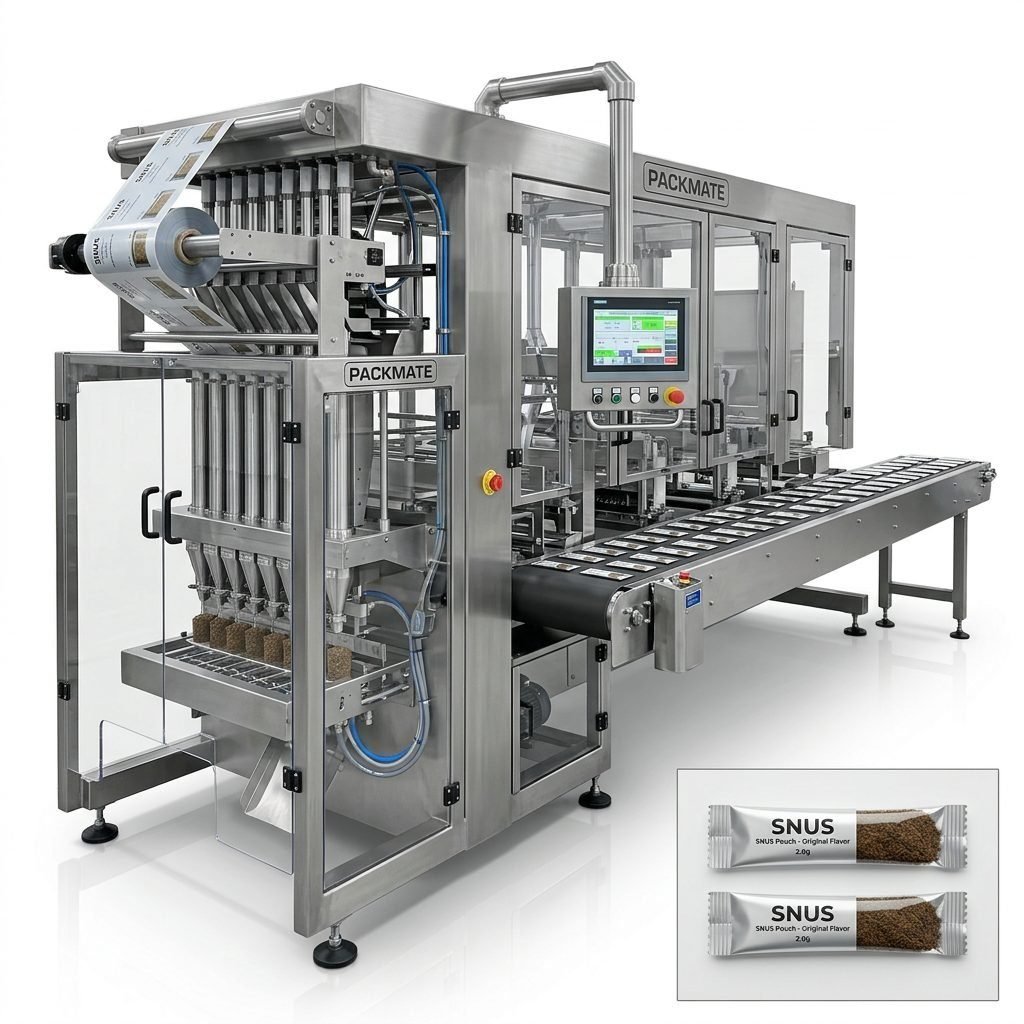
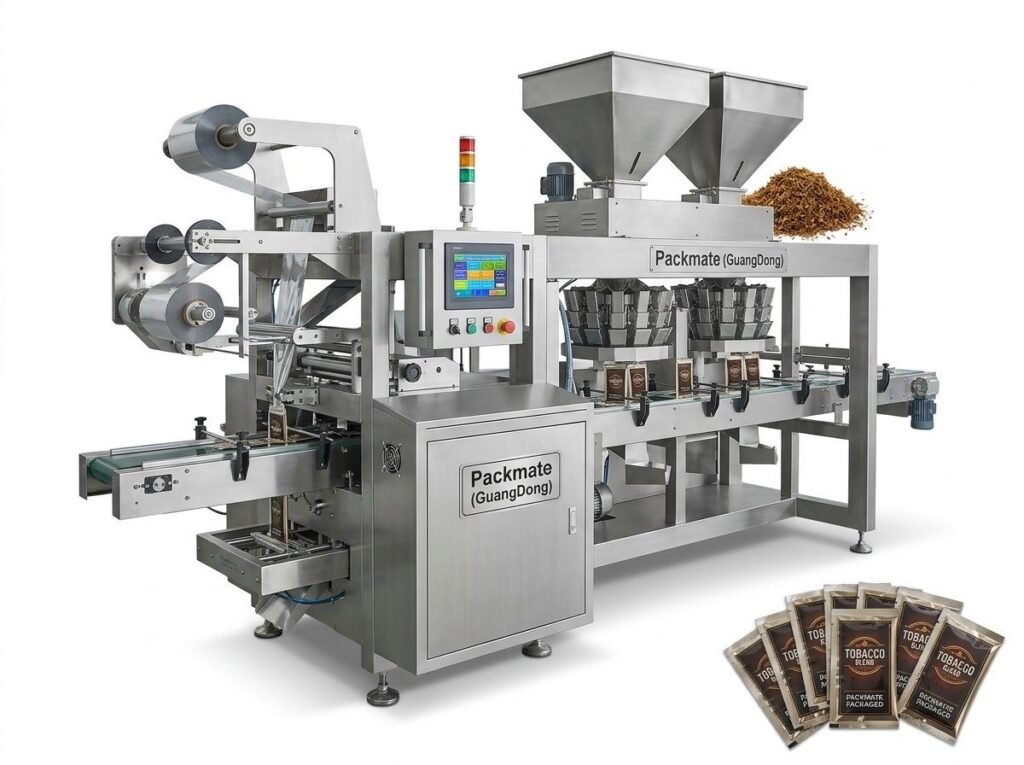
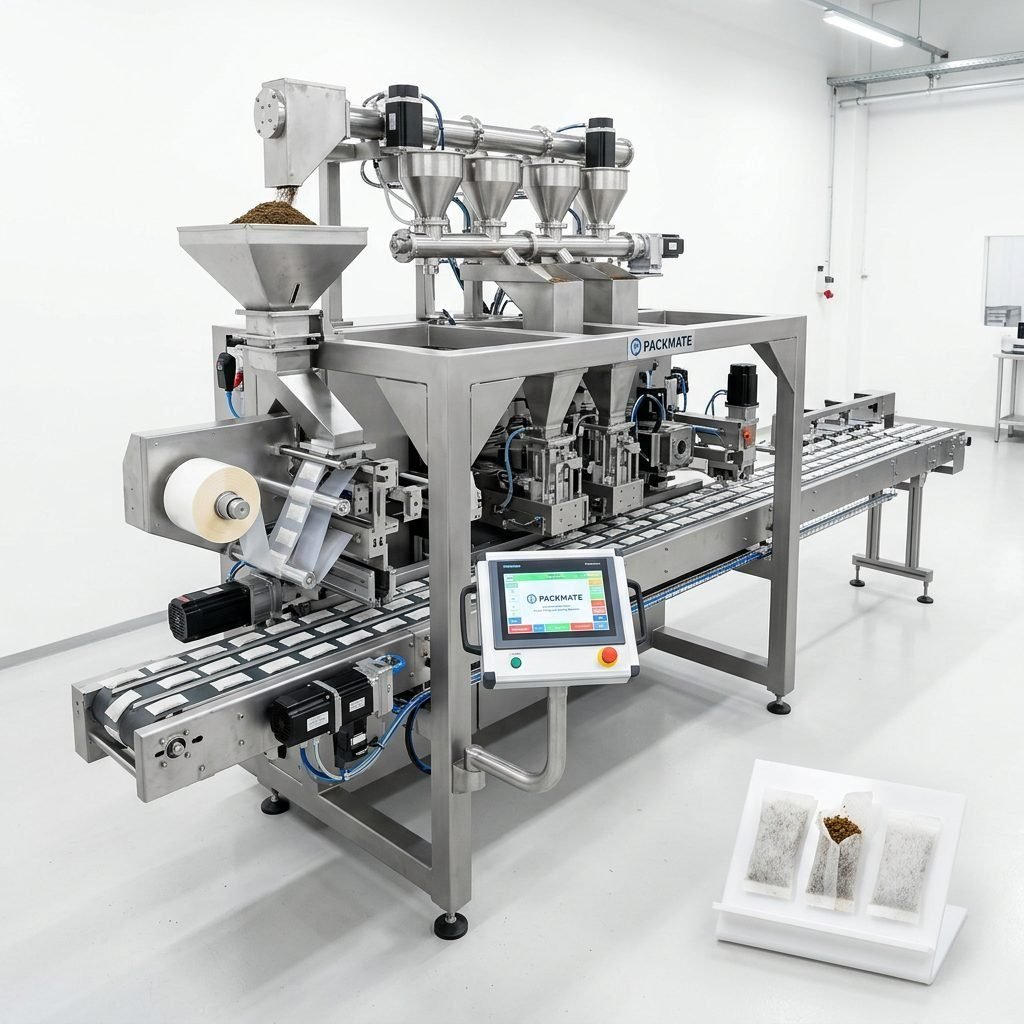
• Stick pack and sachet machines — Ideal for single-serve snus or nicotine pouches. These machines excel at high-speed, single-lane or multi-lane production and are widely used for disposable dose sachets. See examples of Sachet & Stick Pack Machines: Sachet & Stick Pack Machines.
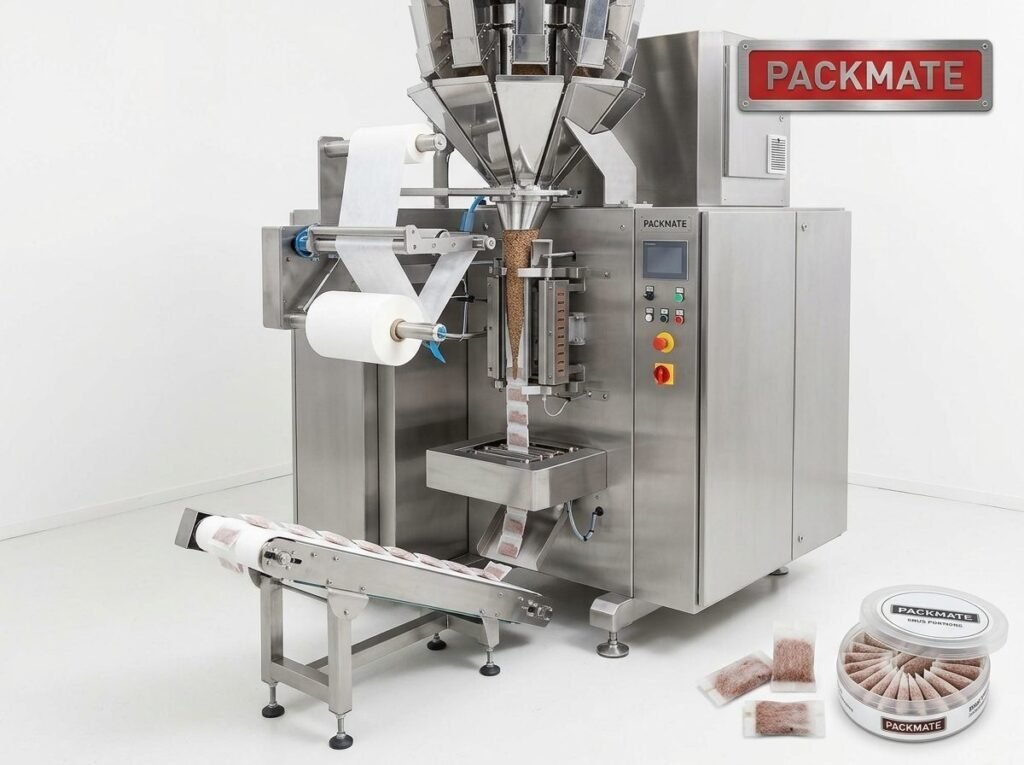
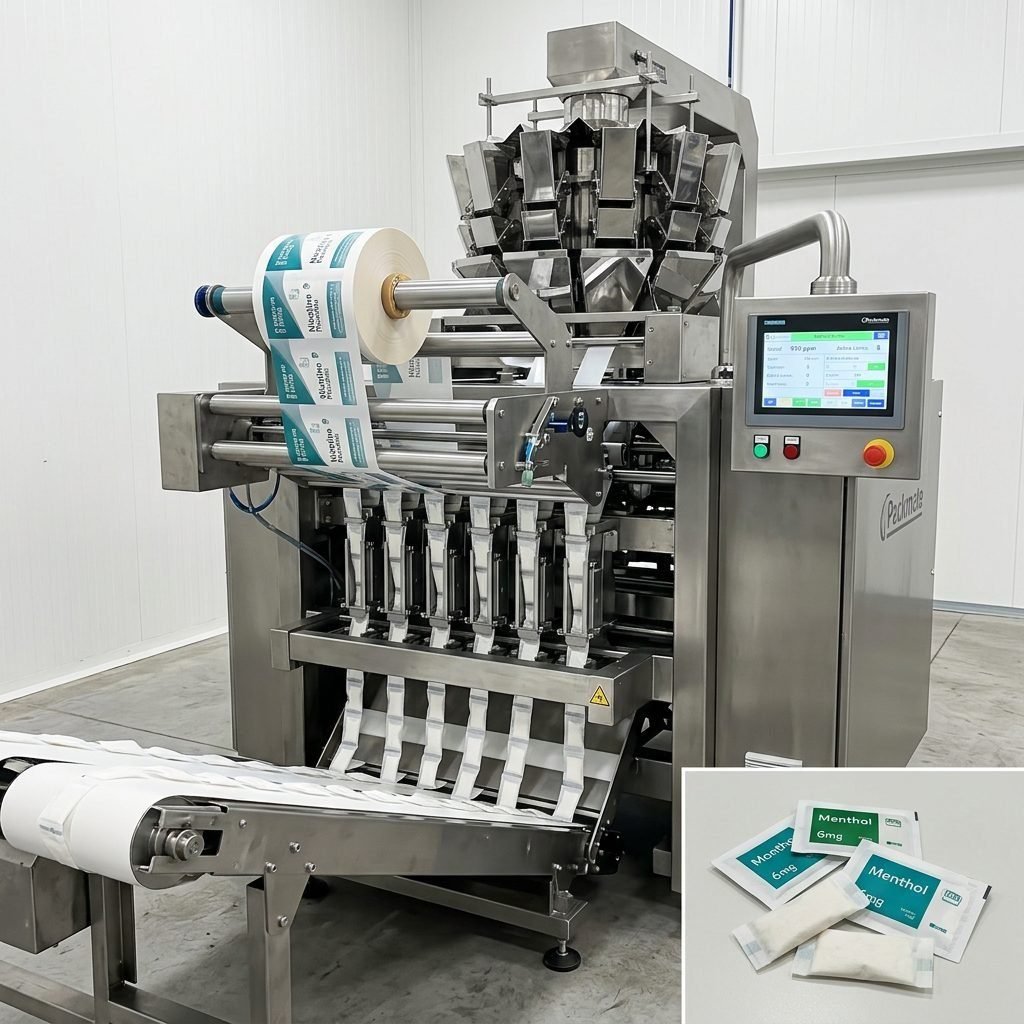
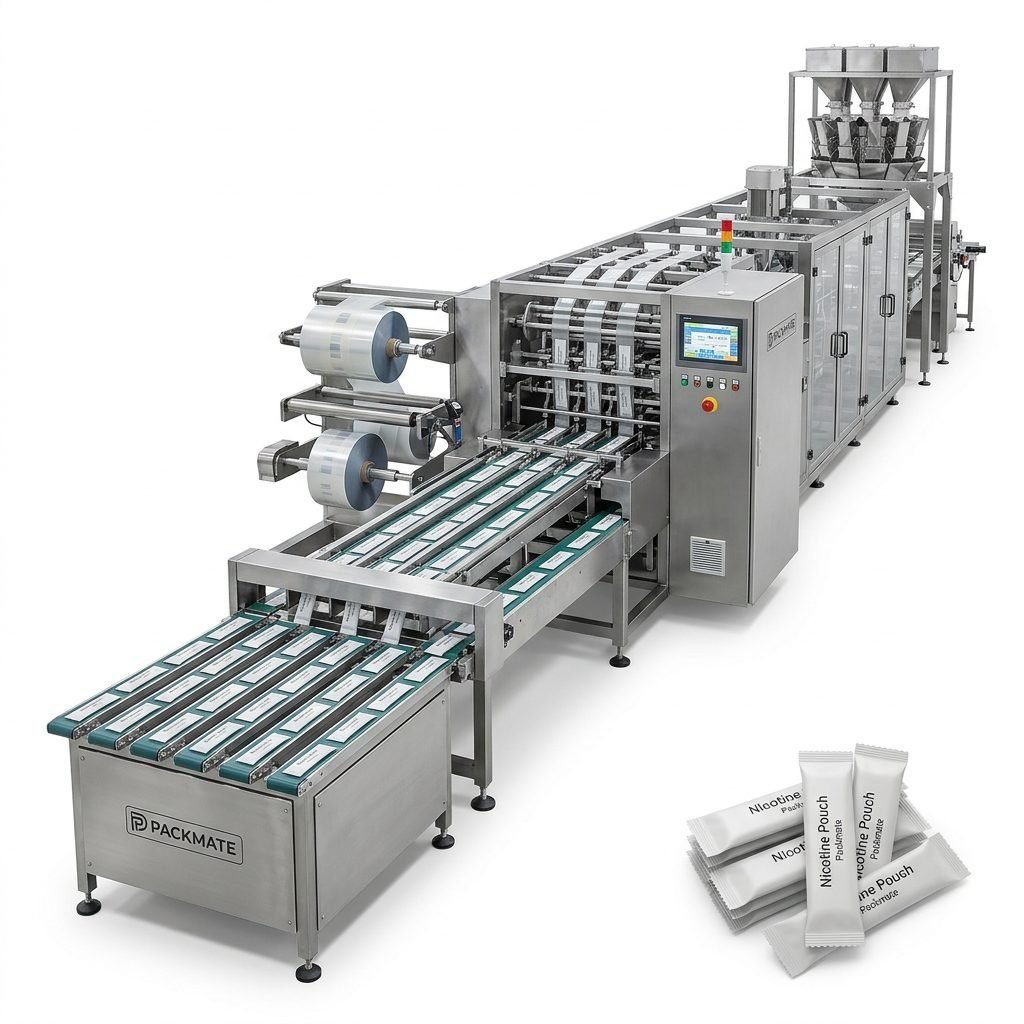
• Multi-lane snus pouch systems — For higher outputs with lower labor intensity, multi-lane systems increase throughput while keeping footprint manageable. Many manufacturers offer modular lanes that can be expanded.
• Bag & pouch systems — If you plan retail-ready cartons or resealable pouches, these machines handle secondary packaging and are suited for supermarkets and premium outlets. Explore Bag & Pouch Packaging Machines: Bag & Pouch Packaging Machines.
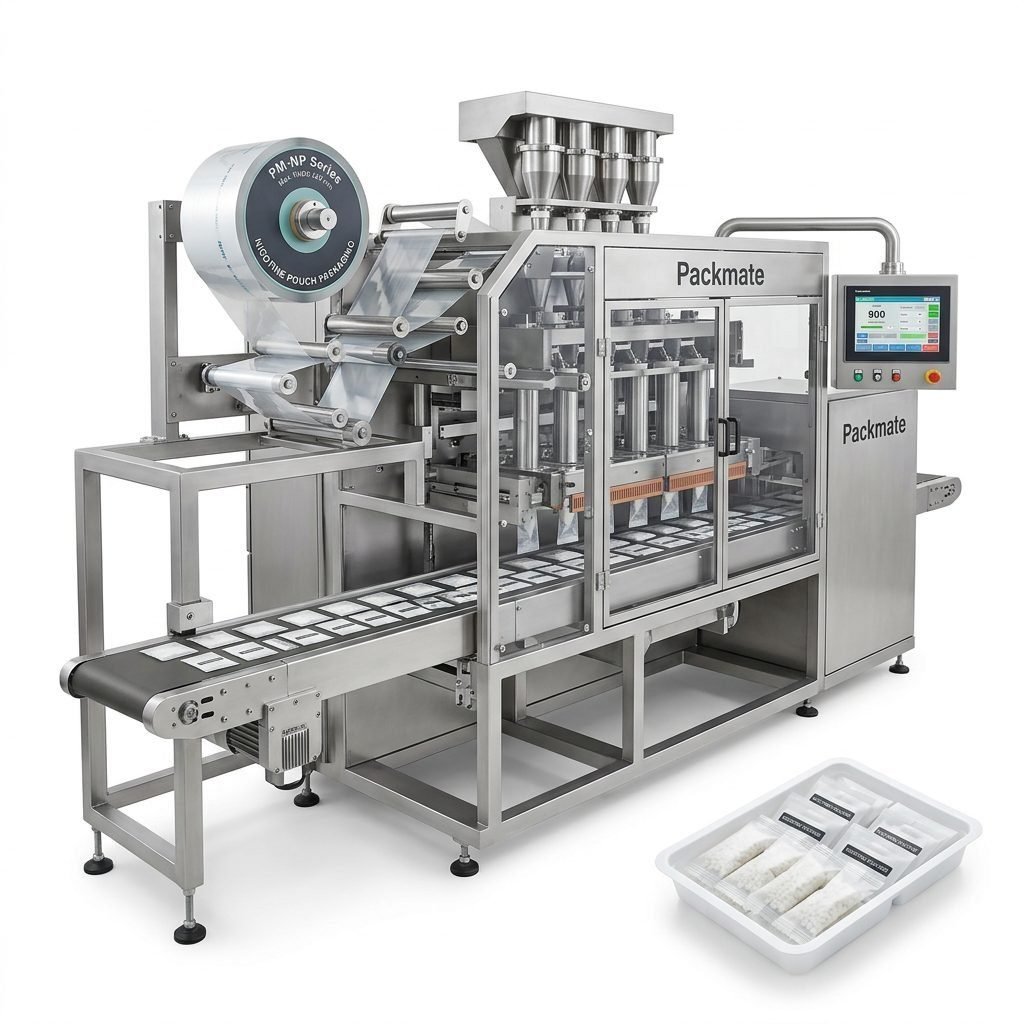
For turnkey snus lines that combine filling, dosing, and final packaging, check full solutions under Snus & Nicotine Packaging Machines: Snus & Nicotine Packaging Machines.
Core technical specs and capacity planning
Estimate your production needs realistically. Consider weekly volume targets, SKU variety, and growth plans. Key parameters to request from suppliers:
• Nominal output (pouches/min or pouches/hour) — plan for 20–30% headroom above forecast peak demand.
• Changeover time — shorter changeovers mean less lost production when switching SKUs.
• Dosing accuracy — specify tolerance in mg or percent to ensure compliance and customer trust.
• Machine footprint and utilities — power requirements, compressed air consumption, and floor mounting needs.
Multi-lane vs single-lane: choose for scale and flexibility
Multi-lane machines multiply output per cycle and save floor space per unit of output, but they increase complexity and spare parts variety. Single-lane systems are easier to maintain and ideal for craft-oriented producers or early-stage businesses.
Material handling, packaging films and barrier needs
Use barrier films that provide moisture and oxygen protection. Coextruded films with metallized or EVOH layers extend shelf life, especially important for hot summers and long supply chains in Afghanistan. Ensure your machine supports the film thickness and sealing profile of the chosen material.
Site and environmental considerations for Afghanistan
Afghanistan’s climate and infrastructure present particular considerations:
• Dust protection — install machines with sealed control cabinets and dust-resistant bearings.
• Temperature control — if your product is temperature sensitive, consider a controlled packaging room or select machines with cooling stations for sealing units.
• Power stability — factor in voltage stabilizers or UPS units to prevent damage from power fluctuations.
• Local regulations & labeling — prepare labels in local languages and maintain documentation for customs and regulatory review.
Quick buying checklist: Demand forecast, output target, SKUs, packaging format, film barrier type, spare parts list, local voltage and air specs, on-site training plan, warranty and spare parts availability.
After-sales support, spare parts & certification
A machine is only as good as the support behind it. Prioritize suppliers offering:
• Clear spare parts list with lead times and export readiness.
• Remote diagnostics and training programs to minimize on-site service visits.
• International certifications such as CE and ISO — these demonstrate design and safety standards and simplify import clearance. Learn more about manufacturer credentials via Certificate and About Packmate: Certificate, About Packmate.
Evaluating suppliers: practical checklist
Before you sign a purchase agreement, validate:
• Factory visits or virtual tours — review assembly lines, CNC capabilities, and testing procedures. See examples of Case studies and exhibitions: Case, Our Exhibition.
• References from existing customers and sample product trials on your chosen film and pouch type.
• Service level agreements (SLA) for response times and remote support windows.
• Training for operators in local languages where possible — quick adoption reduces initial scrap rates.
Cost, ROI and financing considerations
Total cost of ownership includes purchase price, installation, tooling, spare parts, power, consumables, and operator wages. Calculate ROI by factoring yield improvements from accurate dosing, reduced material waste, and higher shelf value. For smaller Afghan operations, phased investments (start single-lane, upgrade to multi-lane) often preserve cash flow while expanding capability.
Installation, commissioning and training
Plan for a realistic commissioning window: unpacking, alignment, test runs, and first-production validation. Insist on hands-on operator training and detailed maintenance manuals. Where available, remote commissioning and troubleshooting can be invaluable for sites distant from major cities.
Where to see and validate machines
Visit supplier demonstrations at global exhibitions or request live-streamed factory demos. Packmate and other reputable manufacturers often showcase working lines — reach out to schedule a viewing or test run. Use the Contact Us page to request personalized demos and quotes: Contact Us.
Choosing the best snus packaging machine for Afghanistan requires balancing technical capability with local realities: dust and heat-resilient design, simple maintenance, local language support, film compatibility, and a reliable service network. Armed with the right checklist and supplier validation steps, you can secure equipment that delivers consistent product quality and long-term value.
Frequently Asked Questions
Q: How do I ensure a supplier will support me after delivery in Afghanistan?
A: Ask for a clear spare parts list, warranty terms, remote diagnostics options, local service partner references, and a timeline for spare parts delivery. Confirm whether the supplier provides operator training and bilingual manuals.
Q: Which packaging film types are best for hot and dusty conditions?
A: Multi-layer barrier films with metallized or EVOH layers provide the best protection against moisture and oxygen. Discuss recommended heat-seal settings with your machine supplier to ensure reliable seals under varied temperatures.
Q: Is a multi-lane machine worth the higher upfront cost?
A: If your volume forecasts justify it, multi-lane machines reduce labor and footprint per unit output. For uncertain demand, consider a scalable approach starting with single-lane and upgrading later.
Q: How important are international certifications like CE/ISO?
A: Certifications indicate adherence to recognized safety and quality standards, simplify import customs review, and often reflect better engineered equipment. Always request certification documents and compliance reports.
Q: Where can I see real-world examples of snus packaging lines?
A: Ask suppliers for case studies and exhibition demonstrations. Manufacturers often provide video or live-streamed demos and can arrange visits to partner factories. Explore real examples on Packmate’s product pages and case studies: Filling & Packaging Lines and Case.