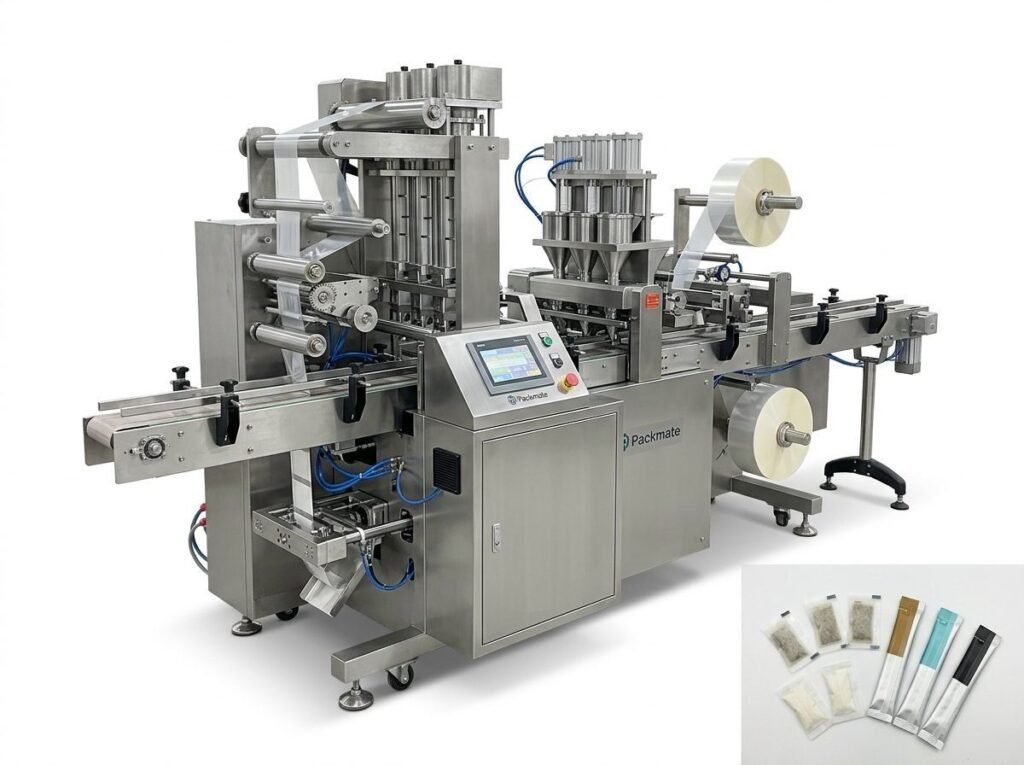
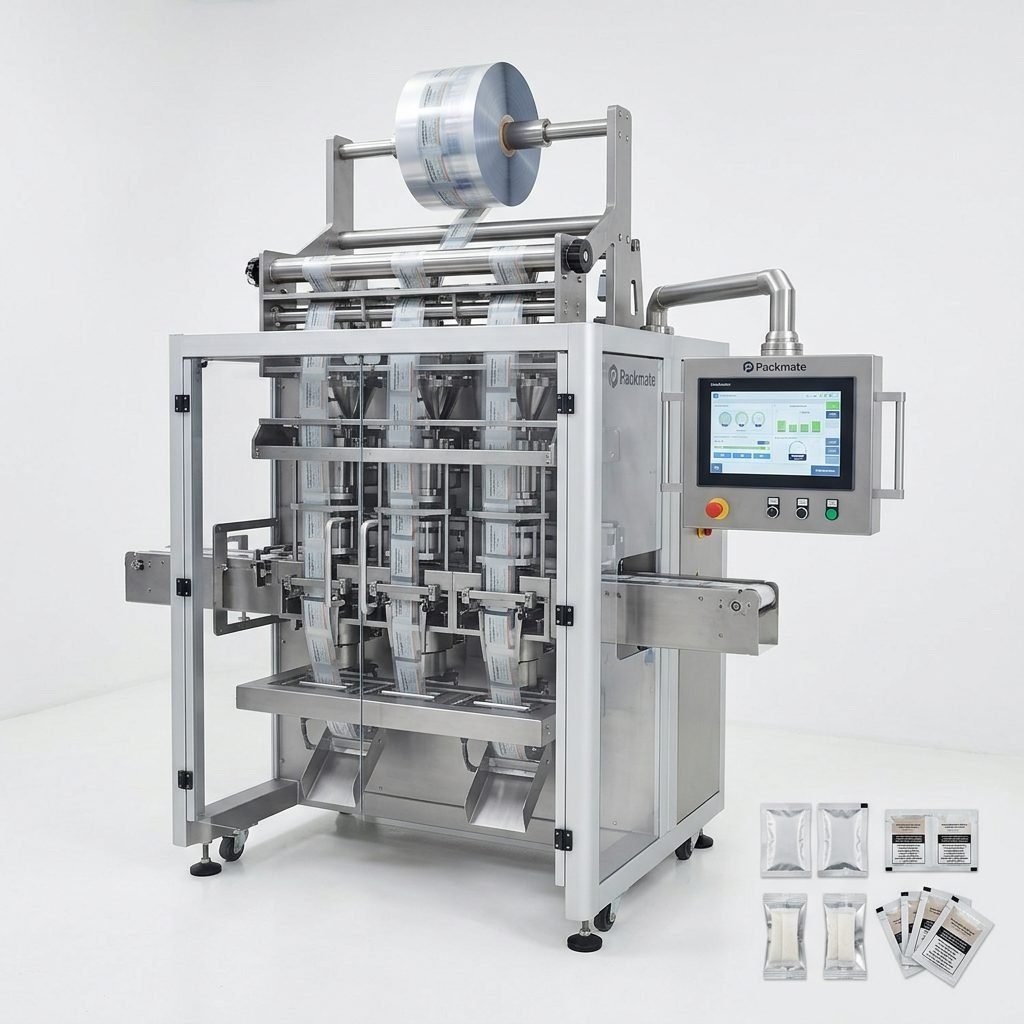
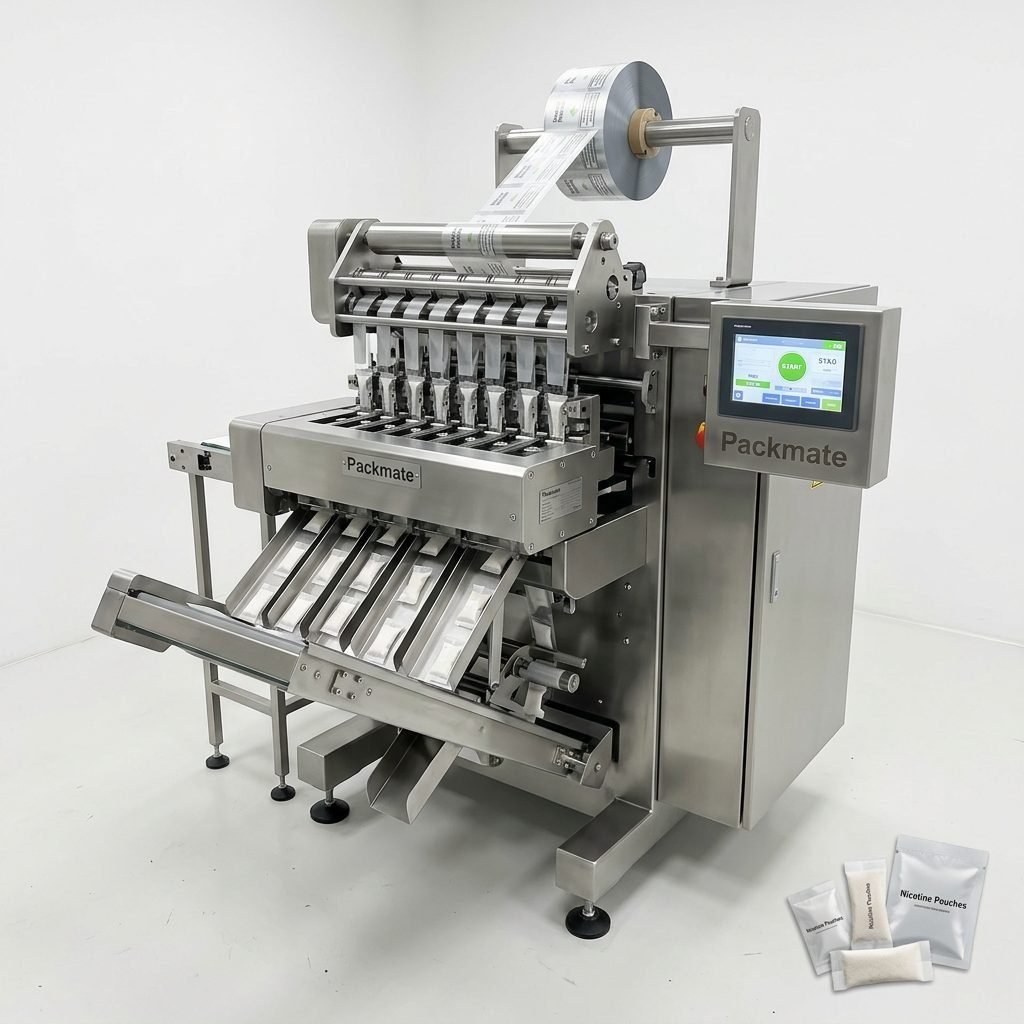
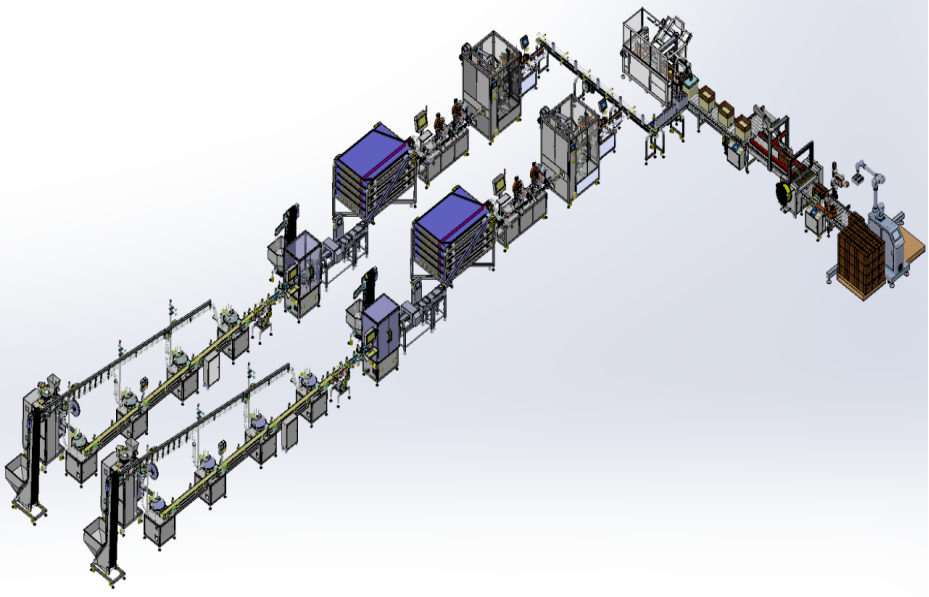
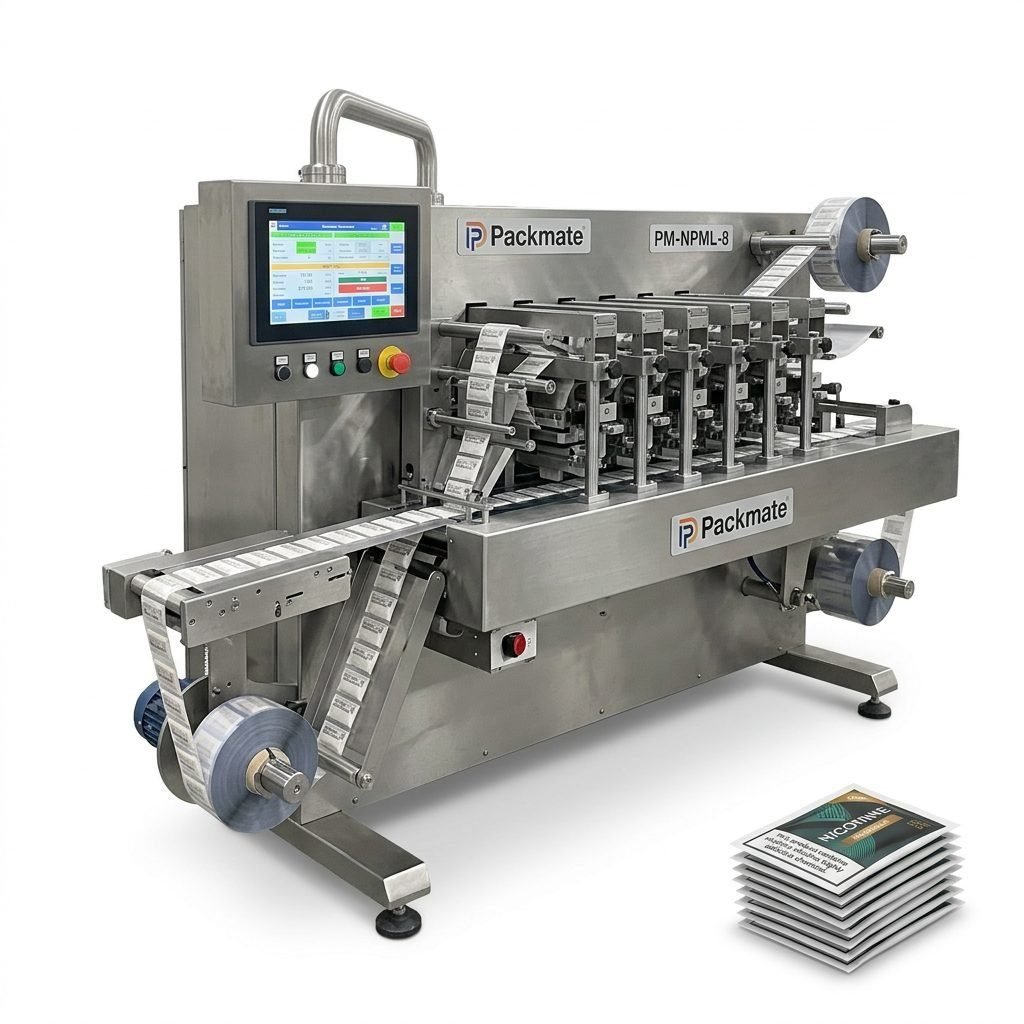
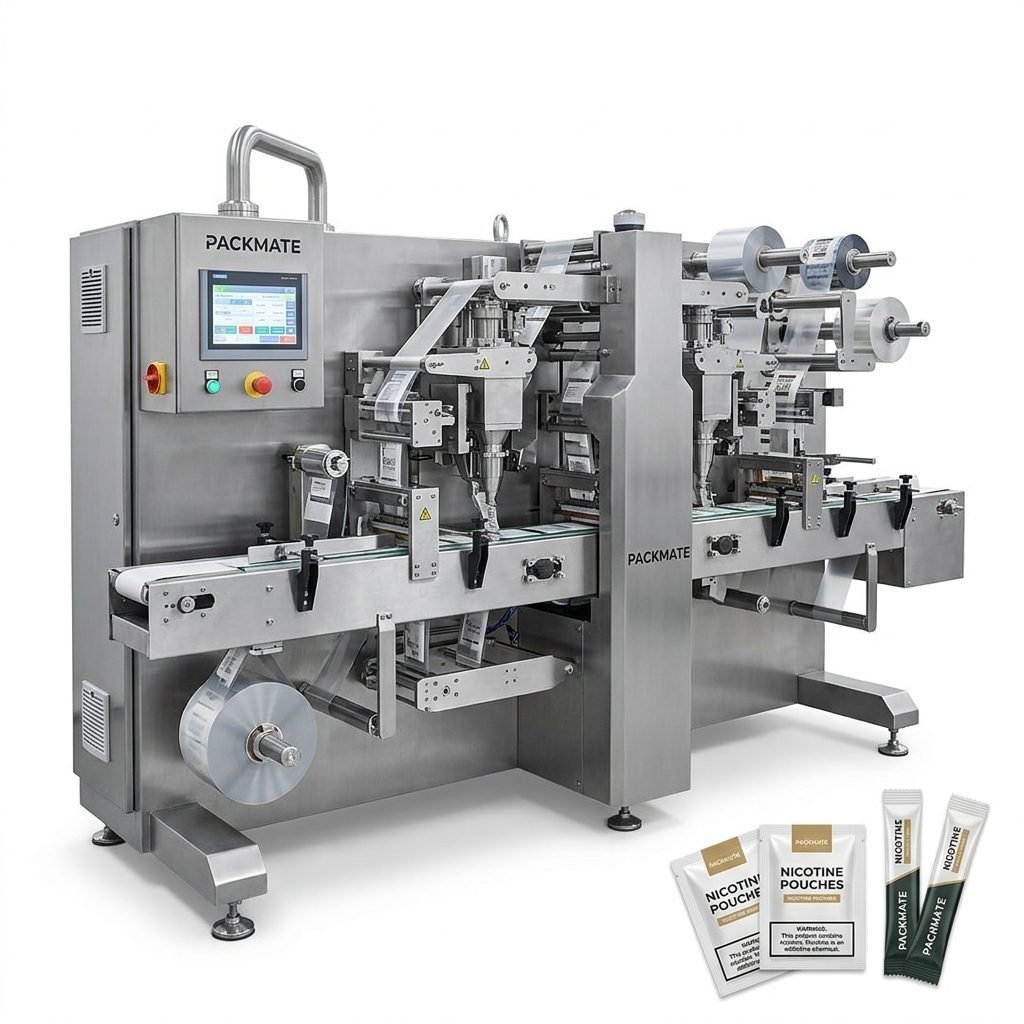
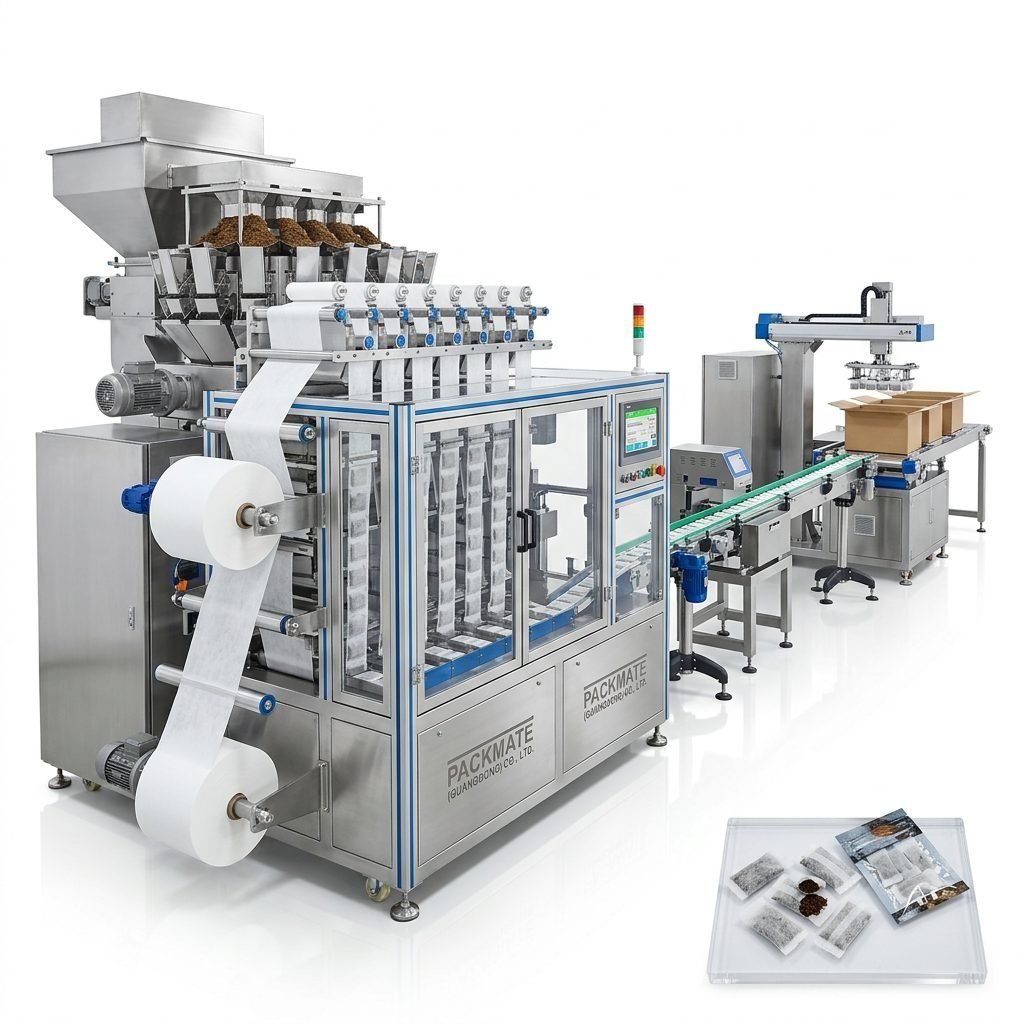
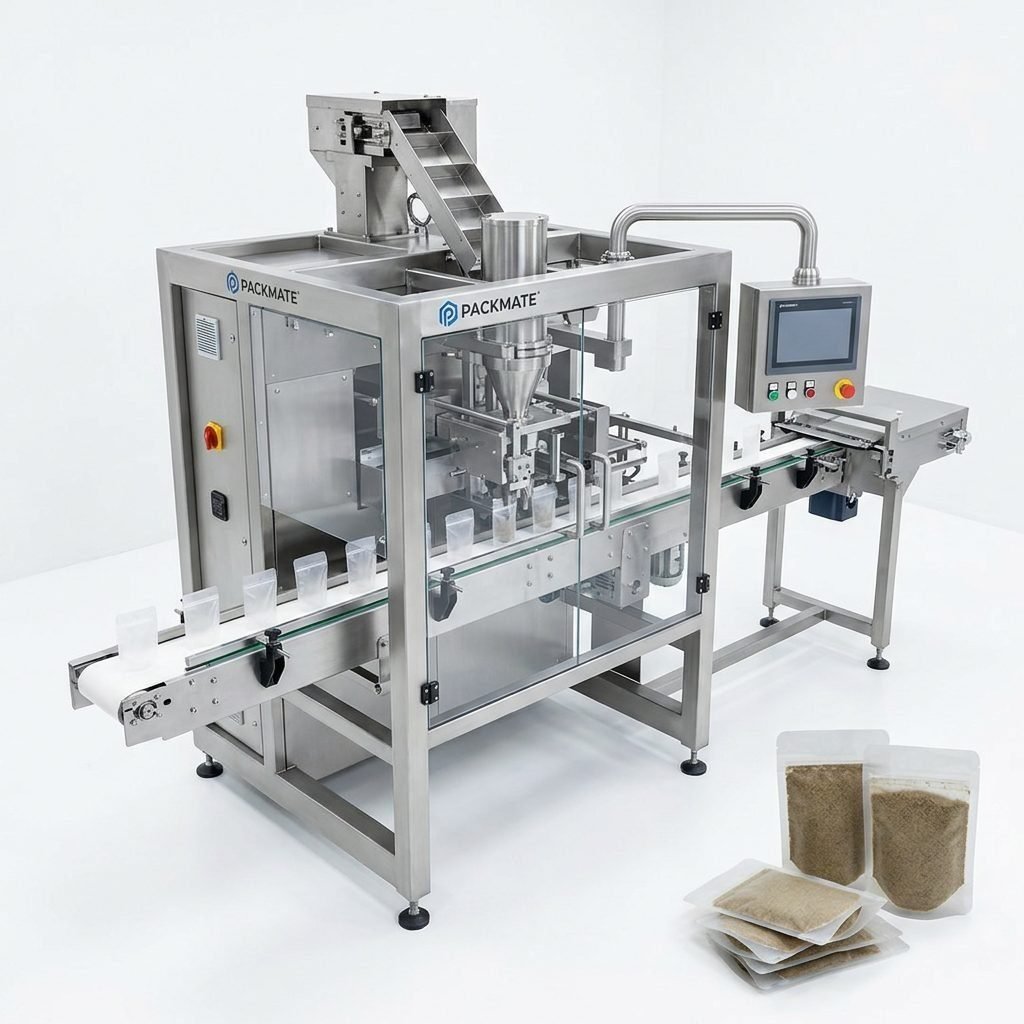
Choosing the right automatic snus pouch filling system is a critical step for any manufacturer or brand entering the nicotine pouch and snus market. The right equipment impacts yield, product consistency, regulatory compliance, and long-term cost of ownership. This guide walks you through practical, production-oriented considerations — from machine types and throughput to material handling, dosing accuracy, cleaning, and after-sales support — so you can make an informed purchase decision that scales with your business.
Why invest in an automatic snus pouch filling system?
🔶 Small-batch hand filling is labor-intensive, inconsistent, and risky for a regulated product category. An automated solution delivers consistent pouch weight, sealed packages, and a stable production rhythm that supports quality control and traceability.
🔶 For brands targeting rapid growth or multiple SKUs, automation reduces per-unit labor cost, improves hygiene, and enables multi-shift operation. Consider machines that can handle varied formats (round pouches, sachets, stick packs) and different fill materials such as powders, granules, or mixed blends.
Core machine categories and when to use them
• Single-lane rotational pouch fillers: Ideal for startups or niche SKUs where product changeover frequency is low and initial investment needs to be modest. They are simple, reliable, and easy to maintain.
• Multi-lane pouch packaging systems: Best for scaling production. These systems multiply throughput while using a single control platform. If you expect volumes to grow, multi-lane is the most cost-efficient route.
• Stick pack and sachet lines: Suitable when your product uses elongated stick packs or flat sachets; they are flexible for different sachet lengths and can integrate with upstream weighing systems.
Recommended reference resources
For machine model comparisons and detailed specs, check product pages such as Snus & Nicotine Packaging Machines, Bag & Pouch Packaging Machines, and full line solutions on Filling & Packaging Lines.
Key specifications to evaluate before buying
🔑 Throughput (pieces/min): Match machine lanes and speed to your target production output. Remember that quoted speeds assume ideal conditions — factor in changeovers, cleaning, and material variability.
✅ Accuracy & dosing tolerance: Look for weight-control systems (load-cell based or volumetric augers) with closed-loop control to keep pouch-to-pouch variation minimal.
🔧 Changeover flexibility: Ease of converting between pouch sizes, lines, and flavors affects downtime. Tool-less or quick-change fixtures save hours during SKU swaps.
⚙️ Integration capability: Ensure the filler can mate with upstream weighing feeders and downstream sealing, printing, and case packing equipment. A single HMI and PLC platform reduces operator training time.
Throughput planning: lanes, speed, and real-world performance
Throughput is the product of lane count × pieces per minute per lane minus operational losses. If a single lane reliably produces 40 pouches/min, a 4-lane system can theoretically reach 160 pouches/min. However, account for realistic run rates (70–85% of theoretical) to size your production line. Multi-lane systems also require precise synchronized dosing to maintain weight consistency across lanes — this is a technology differentiator among suppliers.
Filling accuracy and dosing technologies
Dosing accuracy is essential for regulatory compliance and cost control. Common dosing systems include:
• Volumetric augers — simple, high-speed, best for consistent powder/granule flow with known bulk density.
• Multi-head weighers (integrated upstream) — ideal when precise metering is required; they feed pre-weighed portions to the pouch filler to achieve tight tolerances.
• Servo-driven piston fillers — excellent for paste-like or high-precision dosing with fast response and recipe control.
Material compatibility and pouch format considerations
Not all fillers are equal when handling hygroscopic blends, high-fiber tobacco material, or blends with liquid binders. Ask suppliers about hopper agitation systems, anti-bridging devices, and in-line vibratory feeders. Pouch format (round pinch, flat sachet, stick pack) determines sealing technology, web feed mechanism, and downstream finishing modules like embossing or box feeding.
Automation, controls, and Industry 4.0 readiness
Modern systems offer intuitive HMIs, recipe management, remote diagnostics, and MES integration. If you plan a networked factory, verify that the machine supports standard industrial protocols (OPC-UA, Ethernet/IP) and can export production data for traceability. Remote support can drastically reduce downtime — prioritize vendors that offer secure remote access for troubleshooting.
Hygiene, cleanability, and GMP concerns
Nicotine pouch production requires stringent cleaning and containment practices. Choose machines with easy-to-remove contact parts, smooth surfaces for wipe-down, and CIP or dry-clean-compatible designs when applicable. Stainless steel 304/316 construction in contact areas and IP-rated motors for washdown zones are important specifications.
Safety, certification, and regulatory compliance
Confirm CE marking and ISO-compliant manufacturing practices. For international shipments, ensure the machine meets the target market’s electrical standards and safety norms. Suppliers that provide clear machine documentation, risk assessments, and safety interlocks make validation and audits smoother.
After-sales support: a decisive factor
🔧 Evaluate lead time for spare parts, local service networks, remote support capabilities, and training packages. A solid supplier will offer installation, start-up commissioning, operator training, and an accessible spare parts program. You can review supplier credibility on pages like About Packmate or their Case studies.
Practical checklist: what to ask your supplier
• Can you share real-world OEE and run-rate data for my target pouch type?
• How long is the lead time from order to shipment?
• What specific dosing tolerance can the machine maintain (e.g., ±0.02 g)?
• What spare parts are critical and their recommended stock levels?
• Do you provide installation, commissioning, and operator training onsite?
Budgeting, ROI, and lifecycle costs
Initial capex is only part of the story. Include the following in your ROI model:
• Labor savings and reduced rework costs due to improved accuracy.
• Downtime risk — factor in local service response times and remote diagnostic options.
• Consumables and spare parts consumption rates.
• Energy costs for higher-speed systems vs. manual lines.
Real-world implementation: timeline and training
A typical implementation schedule from order to validated production often follows:
• Design review and engineering: 2–4 weeks.
• Manufacturing and factory acceptance testing (FAT): 6–12 weeks depending on complexity.
• Shipping and installation: 2–6 weeks.
• Onsite commissioning, process validation, and training: 1–2 weeks.
Work with suppliers who provide structured operator and maintenance training and clear SOPs for cleaning and changeover.
Proof points and vendor selection
When comparing vendors, request customer references and visit a running line when possible. Evidence of global installations, participation in international exhibitions, and certifications such as CE/ISO signal a mature supplier. You may also consult the Our Exhibition and Certificate pages to verify qualification and market presence.
Common pitfalls to avoid
⚠️ Purchasing the highest-speed machine without verifying upstream/downstream compatibility can lead to bottlenecks and expensive retrofits.
⚠️ Overlooking spare parts lead times or local service presence can turn a short fault intodays of downtime.
⚠️ Not validating a machine with your actual product blend and pouch material increases the risk of failure during scale-up.
Why choose an experienced supplier like Packmate
Packmate Snus Machine offers decades of packaging engineering experience, multi-lane snus-specific systems, and turnkey solutions tailored to nicotine pouch production. With a strong factory footprint, advanced CNC machining, and a broad model range, experienced suppliers reduce integration risk. Explore service options on their Service and reach out via Contact Us to discuss custom solutions.
Final recommendations
• Start with a clear production forecast and SKU plan.
• Run material trials with shortlisted suppliers before committing to purchase.
• Favor modular systems that allow capacity upgrades with minimal footprint changes.
• Build spare-part inventory for wear items and establish an annual maintenance contract.
Frequently Asked Questions (FAQs)
Q1: How many lanes should my snus pouch filling machine have?
A1: Choose lanes based on your target throughput and future growth. If you expect rapid volume increases, a multi-lane system (4–8 lanes) typically offers better per-unit costs. Validate lane synchronization and dosing uniformity before purchase.
Q2: What dosing accuracy can I expect for powder nicotine pouches?
A2: Modern multi-head weighers or precision auger systems can achieve tight tolerances (often ±0.02–0.05 g) depending on material flow. Request supplier validation tests with your exact formulation to confirm real-world performance.
Q3: How long does installation and validation typically take?
A3: Typical timelines are 1–3 months for manufacturing and FAT, then 2–6 weeks for shipping and onsite installation. Commissioning and process validation often take 1–2 weeks depending on the complexity and number of SKUs.
Q4: Does Packmate provide turnkey lines and after-sales support?
A4: Yes. Packmate offers turnkey packaging lines tailored for snus and nicotine pouches, backed by factory support, certifications, and global service. Visit their About Packmate and FAQs for more details.
Q5: What are the top maintenance items to stock?
A5: Keep spare sealing jaws, belts, bearings, sensors, and critical electronic modules. Coordinate with your supplier to identify wear parts and lead times so you can avoid prolonged downtime.