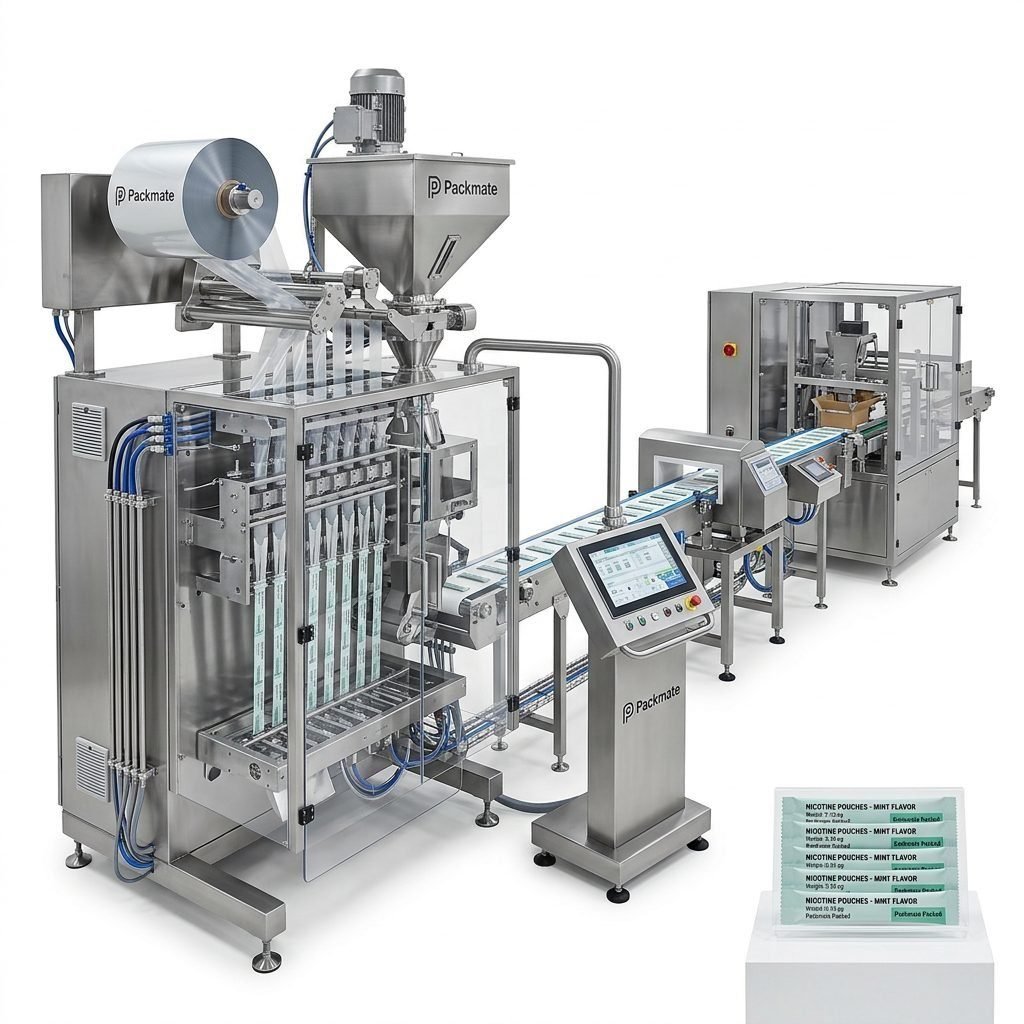
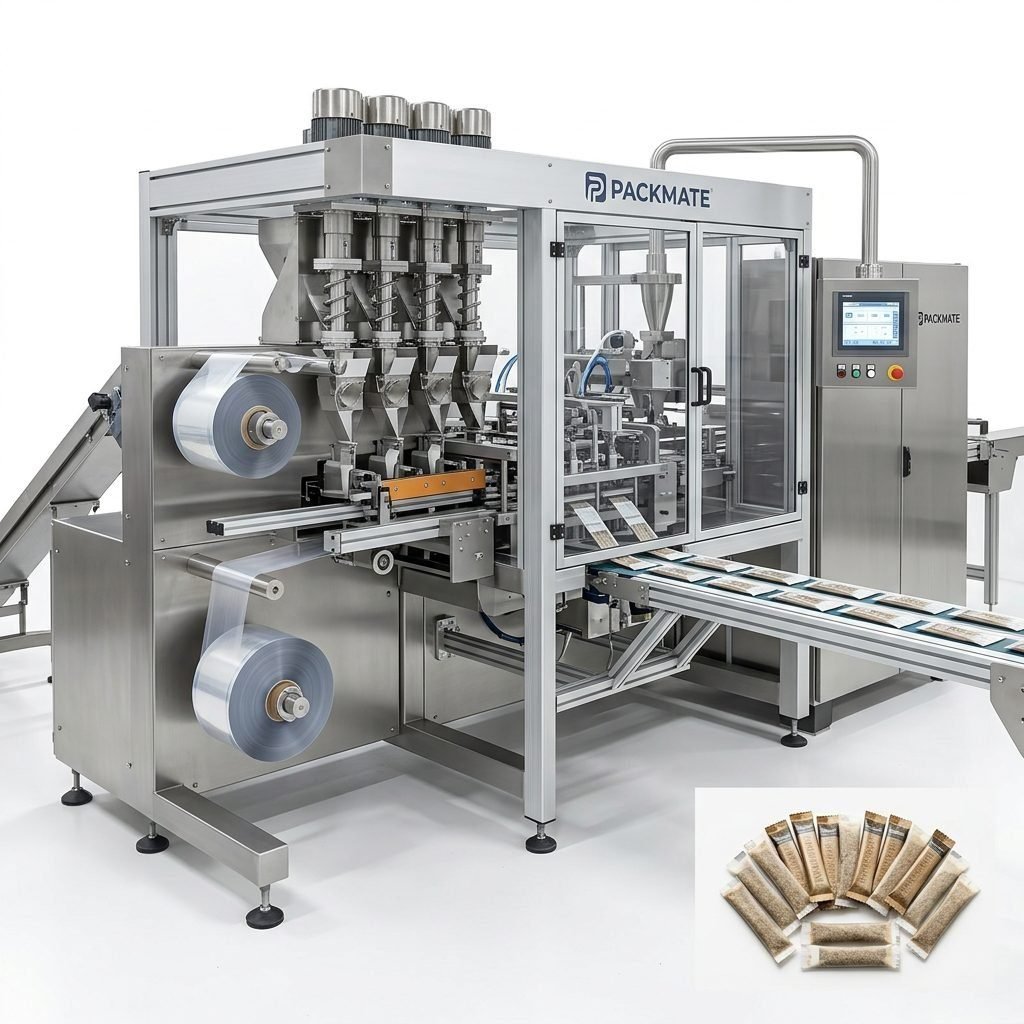
Choosing the right snus packaging machinery manufacturer in Turkey is a strategic decision that affects product quality, regulatory compliance, production efficiency, and long-term operating costs. Whether you are launching a new line of nicotine pouches or scaling up an existing snus operation, this guide walks you through the essential considerations, evaluation checklists, and practical steps to identify a reliable manufacturer that matches your production needs and growth plans.
Understand Your Production Requirements First
Before approaching potential manufacturers, document your production requirements in detail. This includes projected daily output, product formats (e.g., pouches, sachets, stick packs), dosing accuracy, packaging materials, desired automation level, and space constraints in your factory. The clearer your internal brief, the more accurate proposals and machine configurations you will receive.
Key production parameters to define: target pieces per minute, number of lanes (single or multi-lane), pouch sizes, fill types (powder/granule/liquid), required weighing tolerances, and preferred material types for packaging film.
Identify Machine Types That Match Your Product
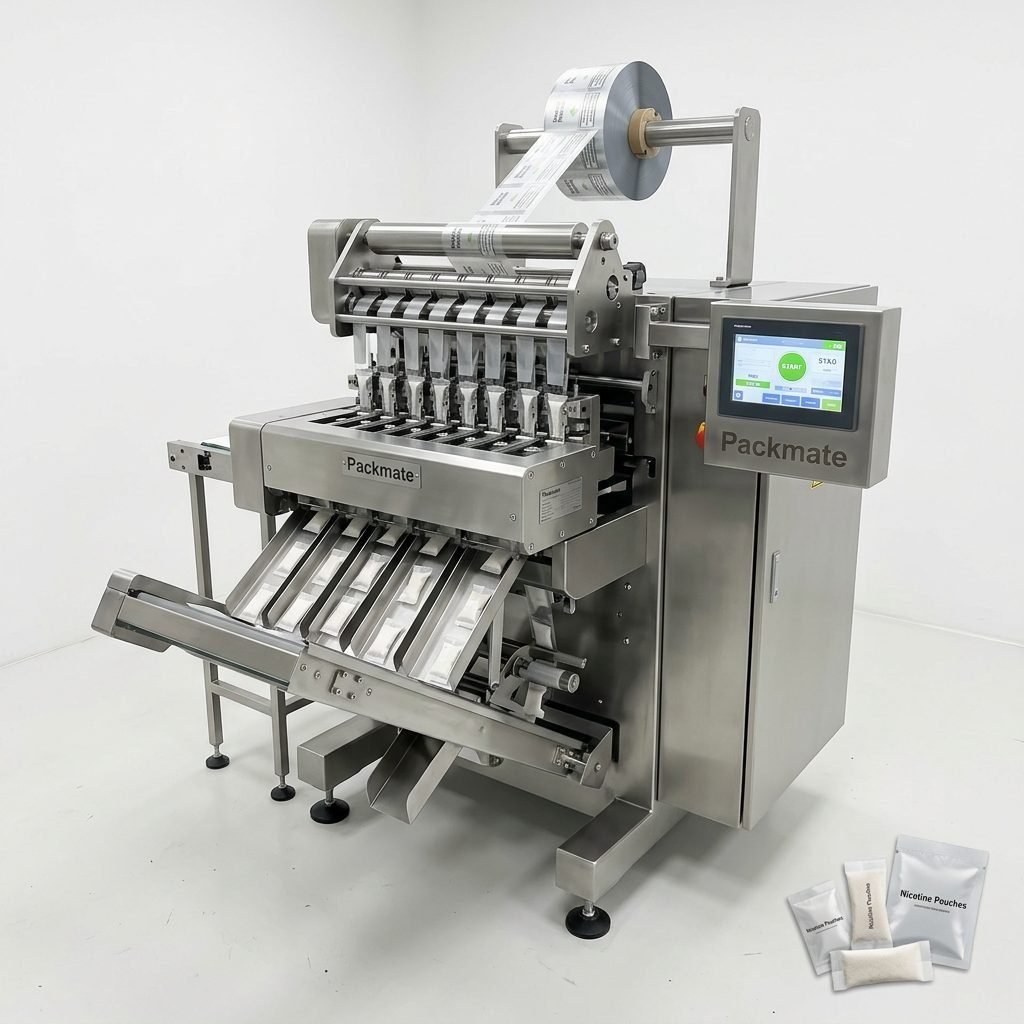
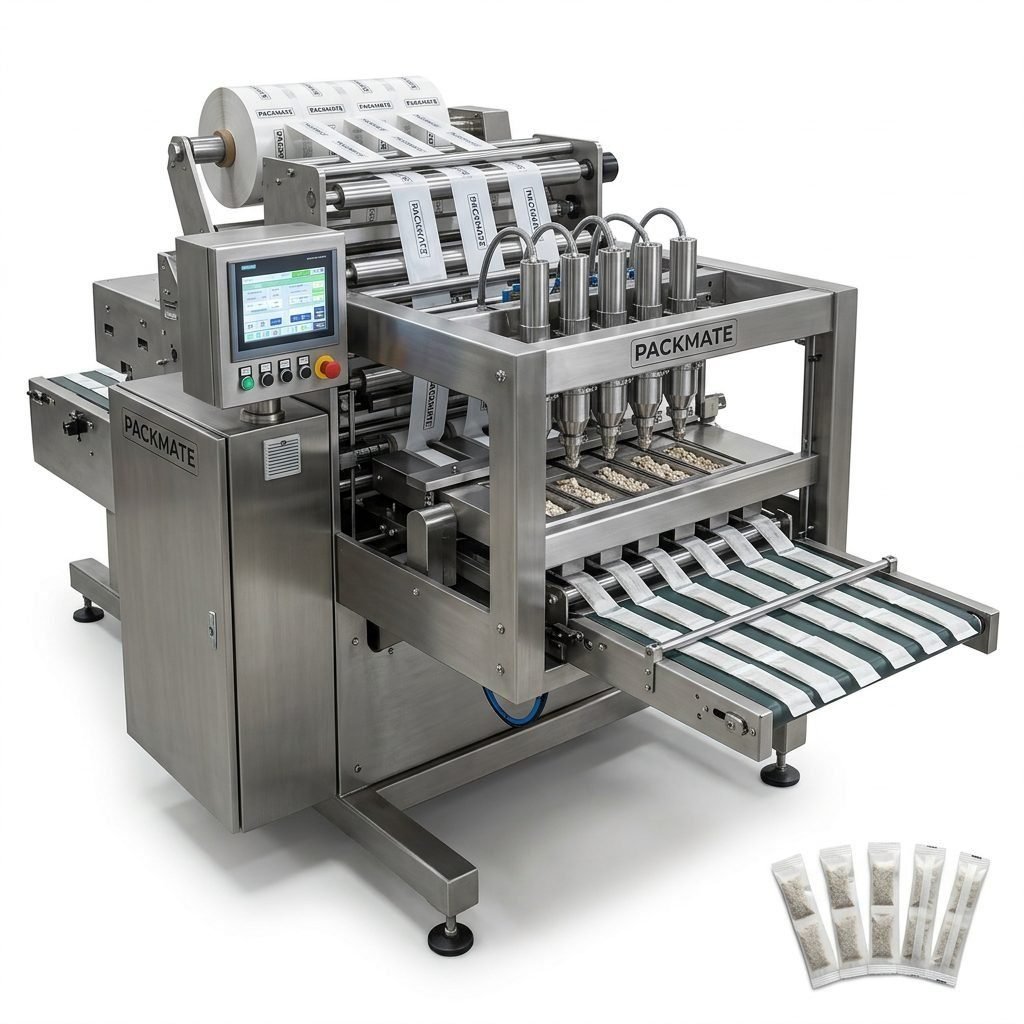
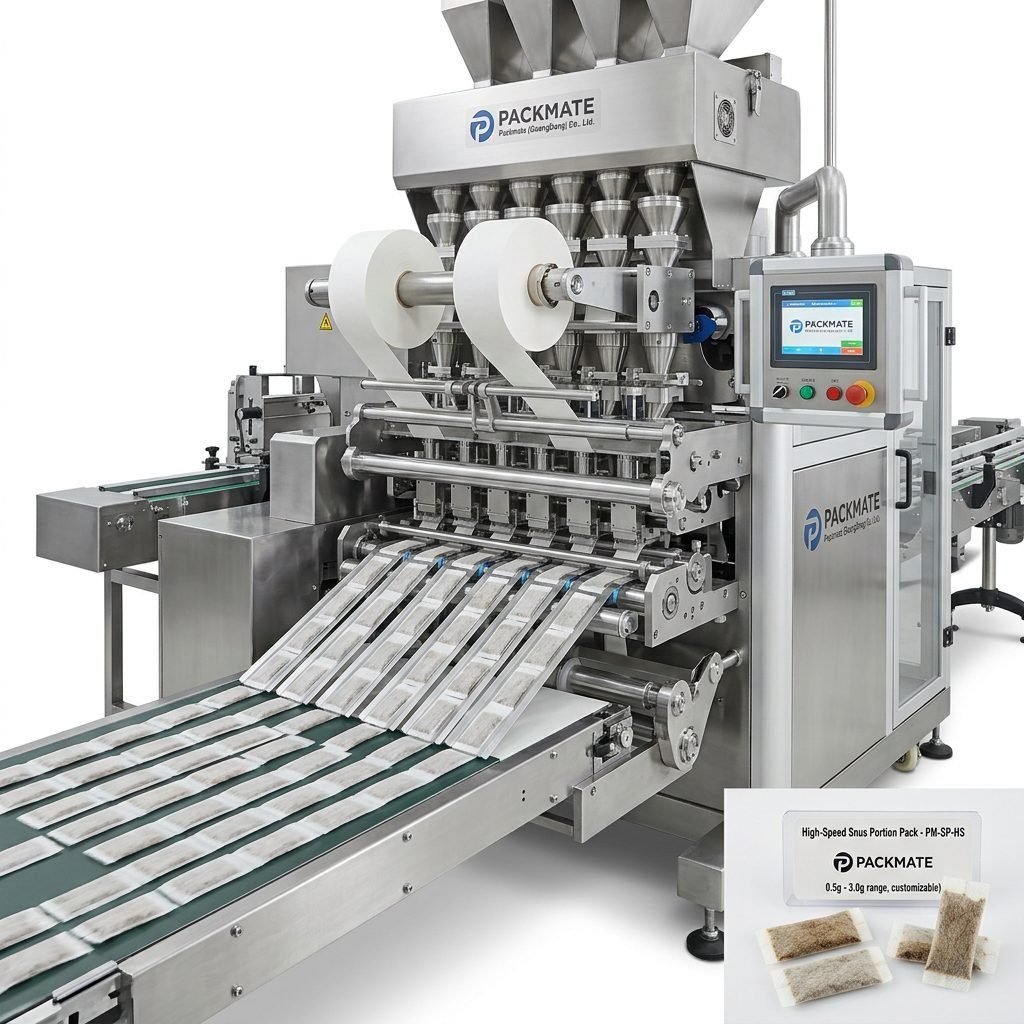
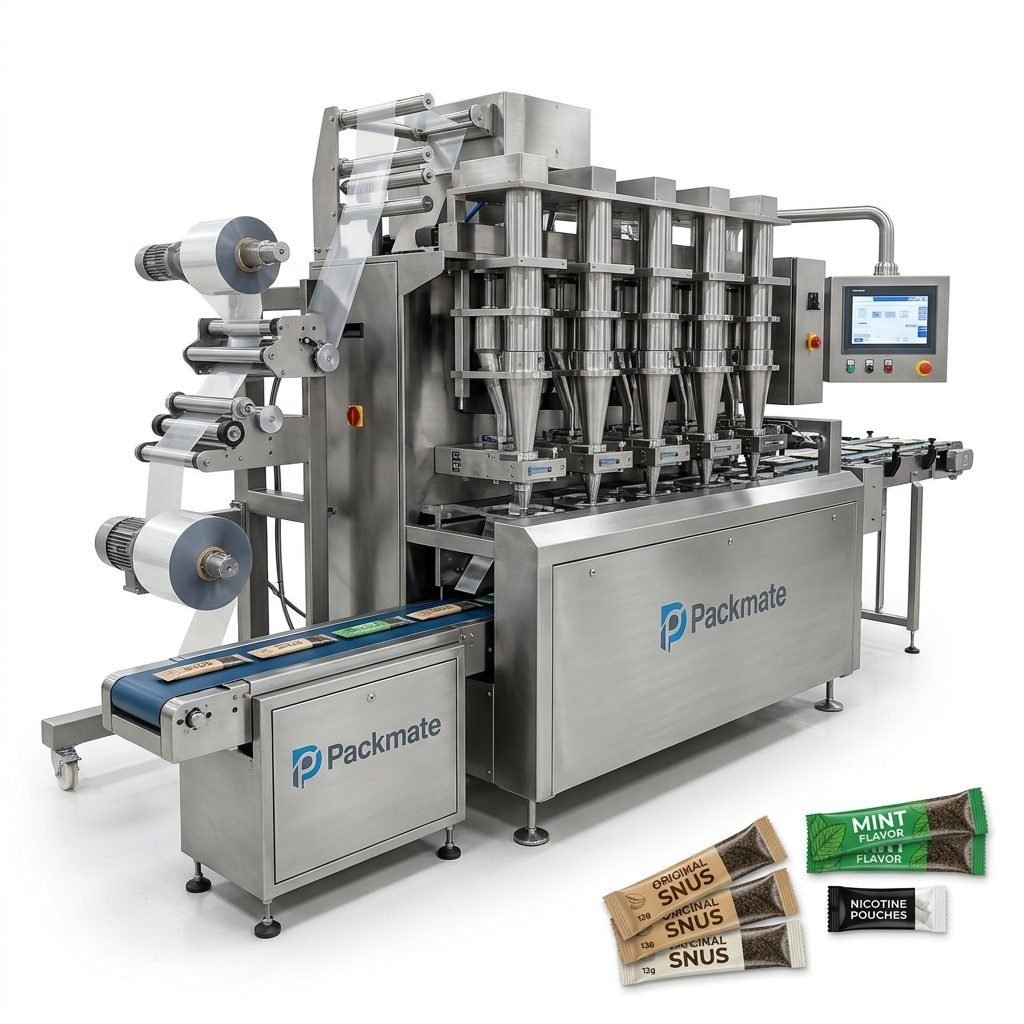
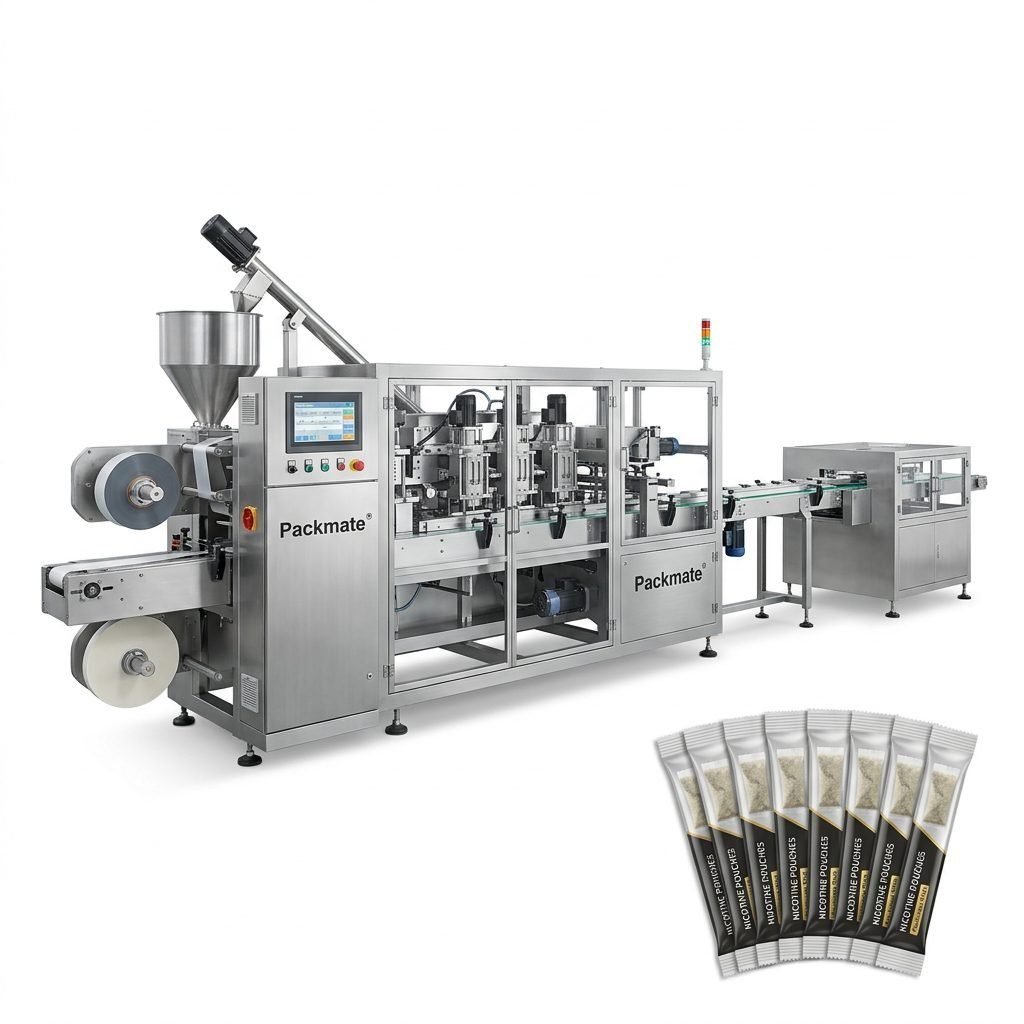
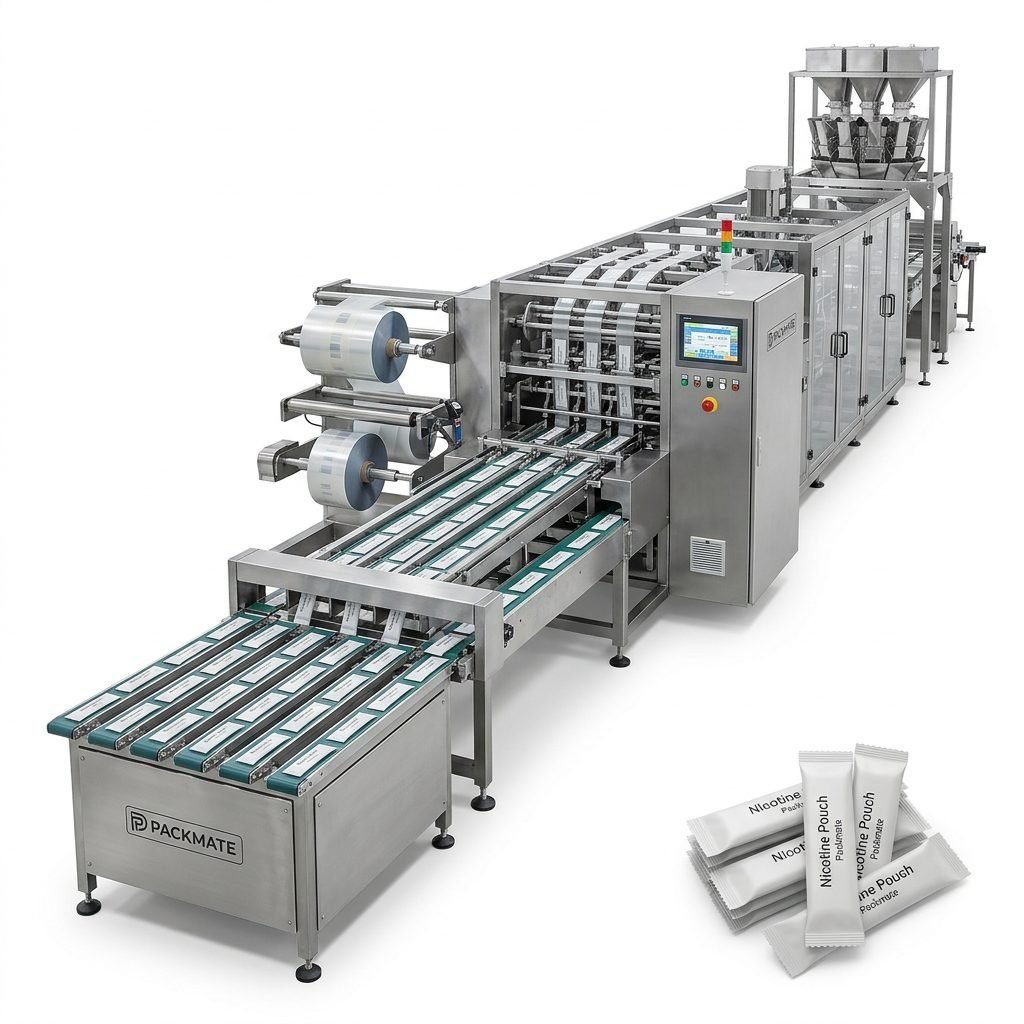
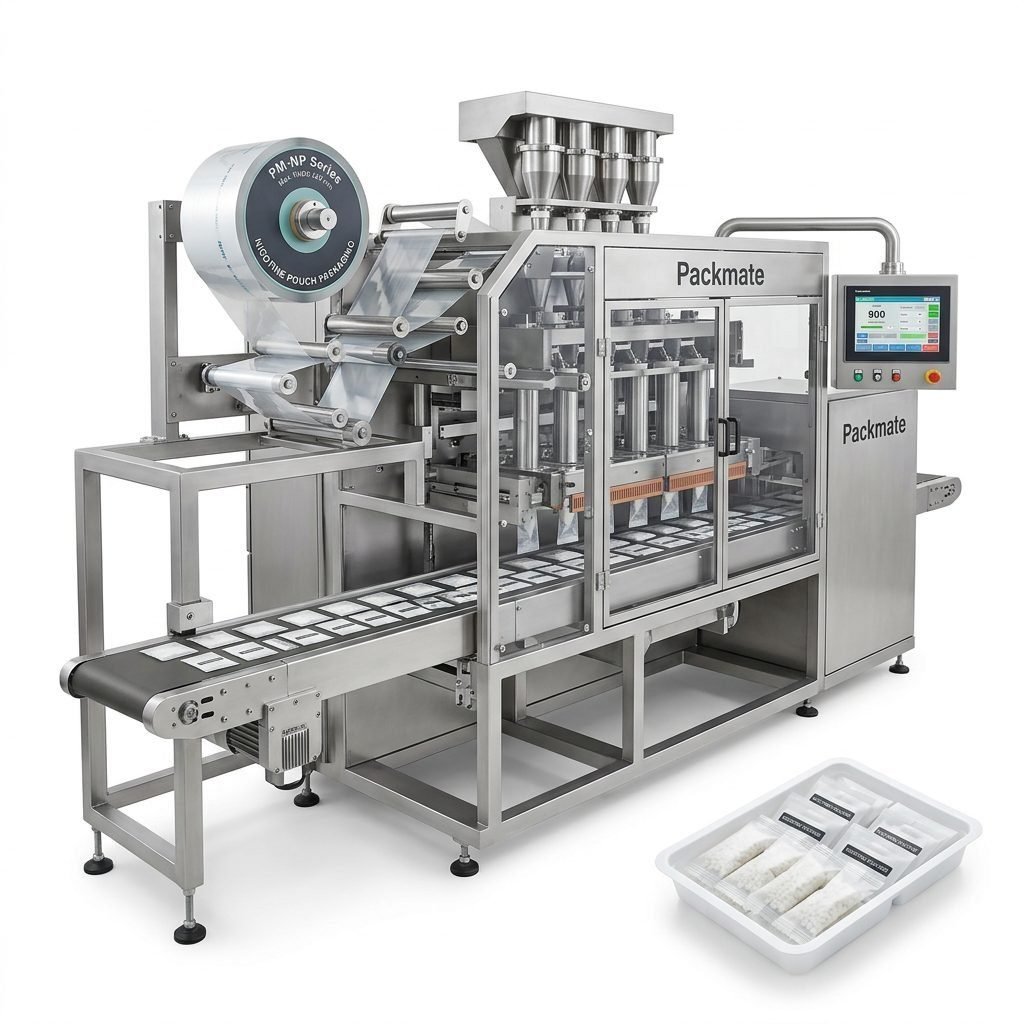
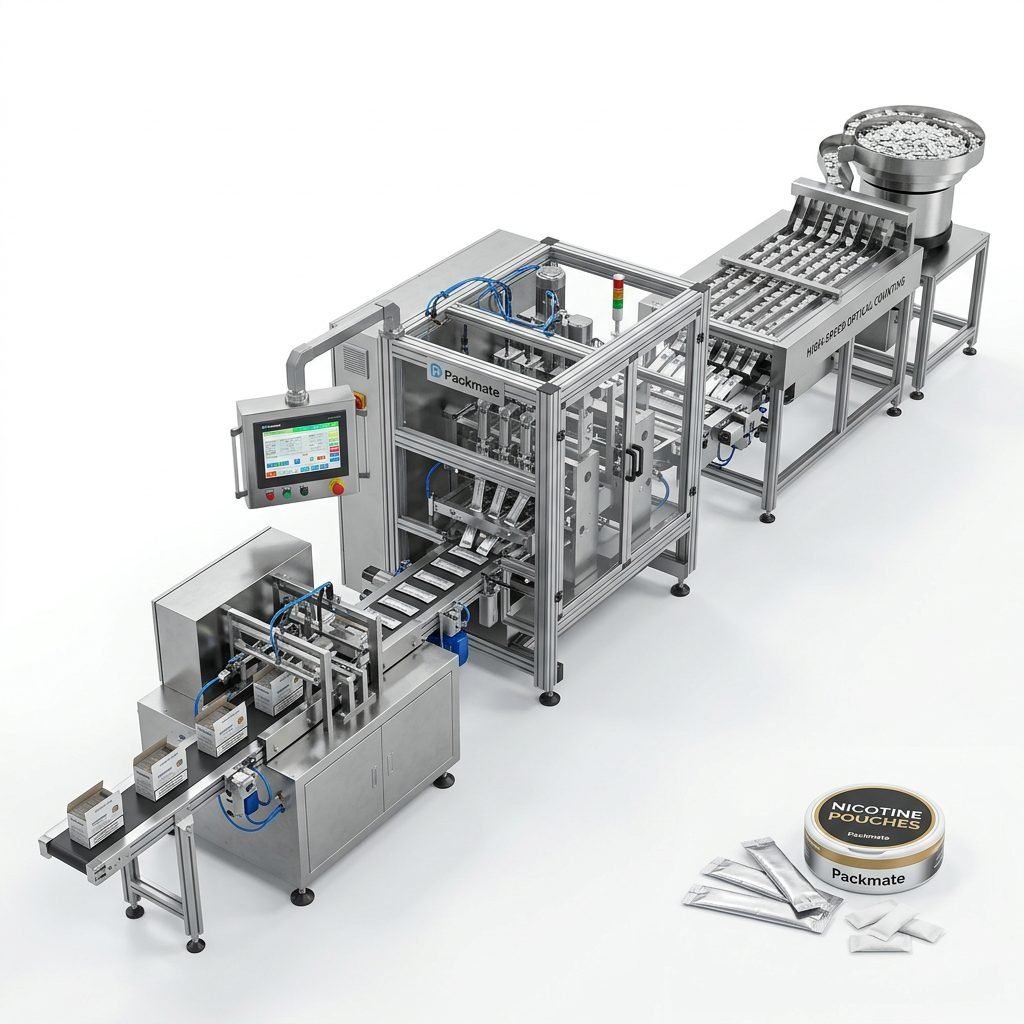
Snus and nicotine pouch production commonly uses a few machine categories. Make sure your shortlist of suppliers can provide the exact machine type and variants you require:
- Stick pack and sachet systems for single-portion formats.
- Multi-lane pouching lines for high throughput of small-dose nicotine pouches.
- Weighing & dosing systems for precise micro-dosing of active ingredients.
- Complete filling and packaging lines that integrate upstream and downstream processes.
Use authoritative references when evaluating equipment
Request machine datasheets, production demonstrations, and technical specifications. If available, watch live machine demos at exhibitions or via supplier video links. For manufacturers with broad portfolios, you can compare categories such as
Snus & Nicotine Packaging Machines,
Bag & Pouch Packaging Machines, and
Filling & Packaging Lines.
Evaluate Manufacturer Experience and Technical Capabilities
Experience in nicotine pouch and snus packaging is critical because these products often require high precision and regulatory care. Ask prospective manufacturers about:
- Years of industry experience and dedicated snus packaging projects.
- Number of installed lines for similar products worldwide.
- Engineering capabilities: Do they use advanced CNC machining and precision assembly?
- Portfolio breadth: Can they provide stick pack, sachet, and multi-lane systems?
Tip: Manufacturers with a wide model range (50+ models, for example) and a large manufacturing facility usually offer more customization and faster delivery options.
Check Manufacturing Footprint and Quality Systems
The physical capacity and quality control systems of a manufacturer determine long-term reliability. Important checks include:
- Factory size and layout (e.g., 20,000㎡ production area indicates higher capacity).
- Presence of advanced CNC machining centers and precision assembly lines.
- Quality control procedures and testing protocols for each machine before shipping.
- Relevant certifications like CE and ISO to ensure compliance with international standards.
Insight Box
If you need proven manufacturing strength and turnkey solutions, look for companies that openly publish factory capabilities, certifications, and case studies. For example, global suppliers often provide comprehensive product catalogs and case pages to showcase real-world deployments.
Assess Customization and Turnkey Capabilities
Every brand has unique packaging artwork, film types, and filling tolerances. A capable supplier should offer:
- Custom machine configurations and tooling for specific pouch sizes and materials.
- Integration services that combine auxiliary equipment, weighing systems, and packaging lines into one turnkey solution.
- Flexibility to adapt machines to future product changes without complete replacement.
Manufacturers that provide full-service lines—such as upstream feeders, weighing & dosing modules, the main sealing and forming machines, and downstream conveyors and packaging—help reduce integration risk and commissioning time. Explore suppliers’ product pages like
Weighing & Packaging Systems and
Auxiliary Packaging Equipment for compatibility information.
Service, Spare Parts, and Local Support in Turkey
One of the most critical factors is after-sales support. For machinery sourced for operation in Turkey, confirm:
- Local service engineers or authorized partners in Turkey who can perform installation and preventive maintenance.
- Availability and lead times for spare parts—ask for a parts list and stock policies.
- Remote support options (video troubleshooting, PLC access, software updates) and training programs.
Must ask: “Do you have a local representative or distributor in Turkey?” and “What are the typical response times for on-site support?”
Validate Performance: Factory Acceptance Tests (FAT) and Site Acceptance Tests (SAT)
Insist on FAT demonstrations where machines run your actual product or a realistic simulation. A solid FAT process should include:
- Performance metrics: speed, yields, reject rates, and accuracy under real conditions.
- Electrical and control architecture review: PLCs, HMI languages, and remote access capabilities.
- Documentation delivery: mechanical drawings, electrical diagrams, operator manuals, and spare parts lists.
Commercial Considerations: Pricing, Lead Time, and Warranties
Competitive pricing matters, but do not compromise on build quality. When comparing quotes, align them against identical scopes:
- Delivery lead time—longer lead times can disrupt launch schedules.
- Warranty coverage and response terms for defects and wear parts.
- Payment terms and whether commissioning and spare parts are included.
Red Flags to Avoid
Be cautious of vendors who avoid FATs, provide vague spare part policies, or cannot supply references for similar installations. Also beware of quotes that are significantly lower without clear explanations—these may cut corners on components or service.
Evaluate References, Case Studies, and Exhibition Presence
Reliable suppliers will share customer case studies, visits, or references. Exhibition presence is another useful signal—manufacturers attending international trade shows often demonstrate real machines and perform live tests. Explore available case examples or contact marketing teams for direct references; many suppliers host exhibition information and case pages such as
Case and
Our Exhibition.
Legal, Compliance, and Certification Checks
Verify that machinery meets relevant safety and regulatory standards. Certifications to look for include CE for Europe and ISO management standards. Documentation should be supplied with every machine to ease customs clearance and installation compliance. You can request certification proof such as
Certificate pages from potential vendors.
Shortlisting and Negotiation Strategy
Create a short list of 3–5 manufacturers after initial screenings. Ask for formal proposals that include:
- Detailed Bill of Materials and machine scope.
- FAT plan and acceptance criteria.
- Lead times and installation schedule.
- Total cost of ownership: initial cost + spare parts + service + training.
Negotiation tip: Lock in response times for critical spare parts and agree on a service SLA (Service Level Agreement) as part of the contract.
Why Consider Global Suppliers and Partners
If local Turkish manufacturers cannot meet your technical needs, broaden your search to reputable global suppliers who offer Turkish service partners or local agents. Companies with decades of engineering experience and a global footprint often bring stronger R&D, better-quality components, and more robust after-sales networks. For more about potential international partners, view pages like
About Packmate.
Final Checklist Before Signing
Use this checklist to finalize your decision:
- Validated machine performance via FAT with your product or a close simulation.
- Clear warranty, spare part availability, and lead times documented.
- Service and training agreements, including local support in Turkey.
- Complete technical documentation and source code or PLC program access terms.
- Confirmed certifications and compliance documentation for import and operation.
Decision trigger: Proceed with suppliers who can demonstrate proven installations, offer a clear FAT plan, and commit to fast local support in Turkey.
Summary: Balance Technology, Service, and Commercial Terms
Selecting the best snus packaging machinery manufacturer in Turkey requires a balanced evaluation of technology capabilities, local support, quality assurance, and commercial terms. Prioritize suppliers that offer transparent testing, documented performance, and fast access to spare parts and technical teams. A well-chosen partner will minimize downtime, ensure regulatory compliance, and help you scale production efficiently.
If you want detailed machine options or turnkey proposals, consider requesting catalogs and service outlines directly from reputable suppliers, or view specialized product categories such as
Sachet & Stick Pack Machines to see typical configurations and performance data.
Common Questions (FAQs)
Q1: How important is a Factory Acceptance Test (FAT)?
A1: Extremely important. FAT verifies machine performance with your product or a close simulation before shipment, reducing commissioning risks and ensuring the line meets agreed KPIs.
Q2: Can I buy a turnkey packaging line from an overseas supplier and operate it in Turkey?
A2: Yes, but ensure the supplier provides clear documentation, shipping and customs support, and an authorized local service partner or trained engineers for installation and maintenance.
Q3: What certifications should I ask for when sourcing machines for snus or nicotine pouches?
A3: Request CE and ISO-related certifications for manufacturing quality and safety, plus any export documentation required for customs and local compliance.
Q4: How do I ensure fast access to spare parts in Turkey?
A4: Negotiate spare parts stock levels and delivery lead times into your contract. Prefer suppliers with local distributors or regional warehouses to reduce downtime.
Q5: What is the best way to compare vendor proposals?
A5: Standardize the scope across quotes (components, FAT terms, spare parts, lead times, training, warranty) and score each vendor against technical fit, service capability, and total cost of ownership.