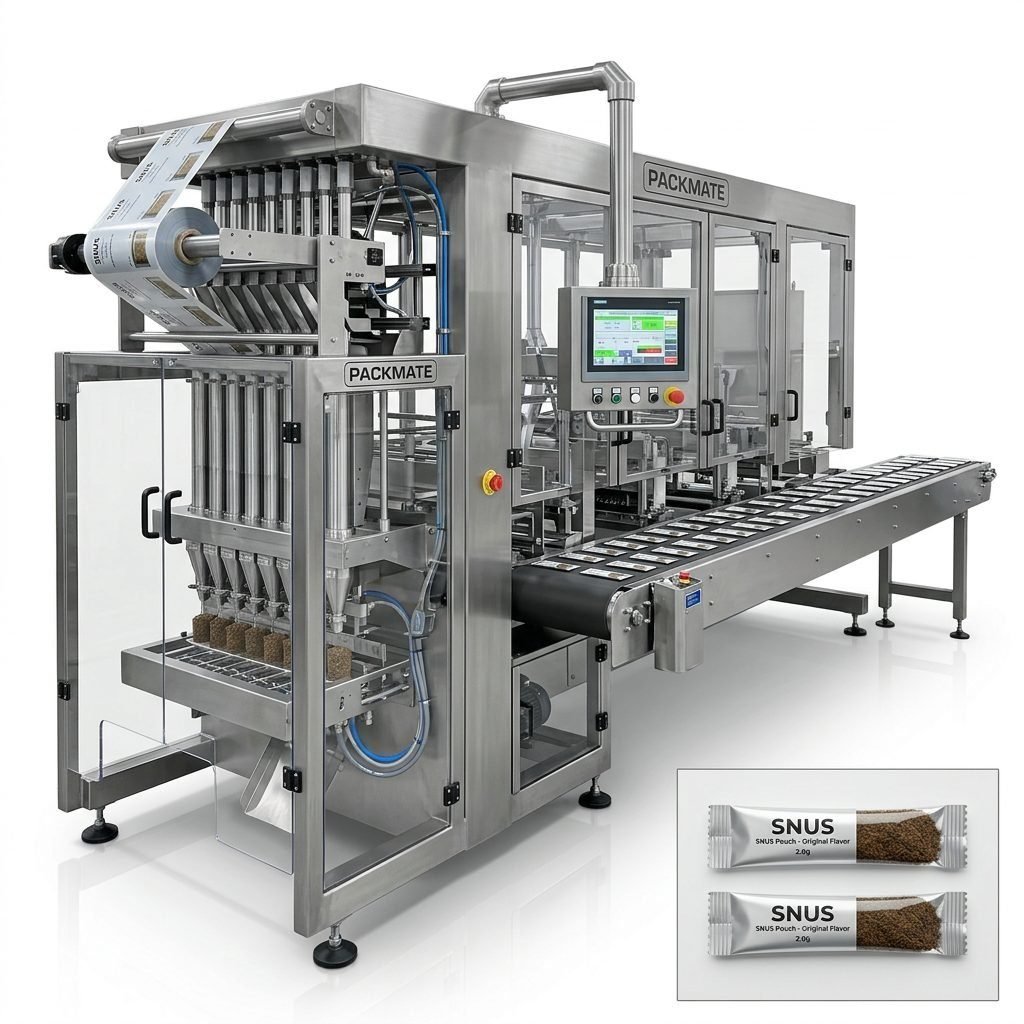
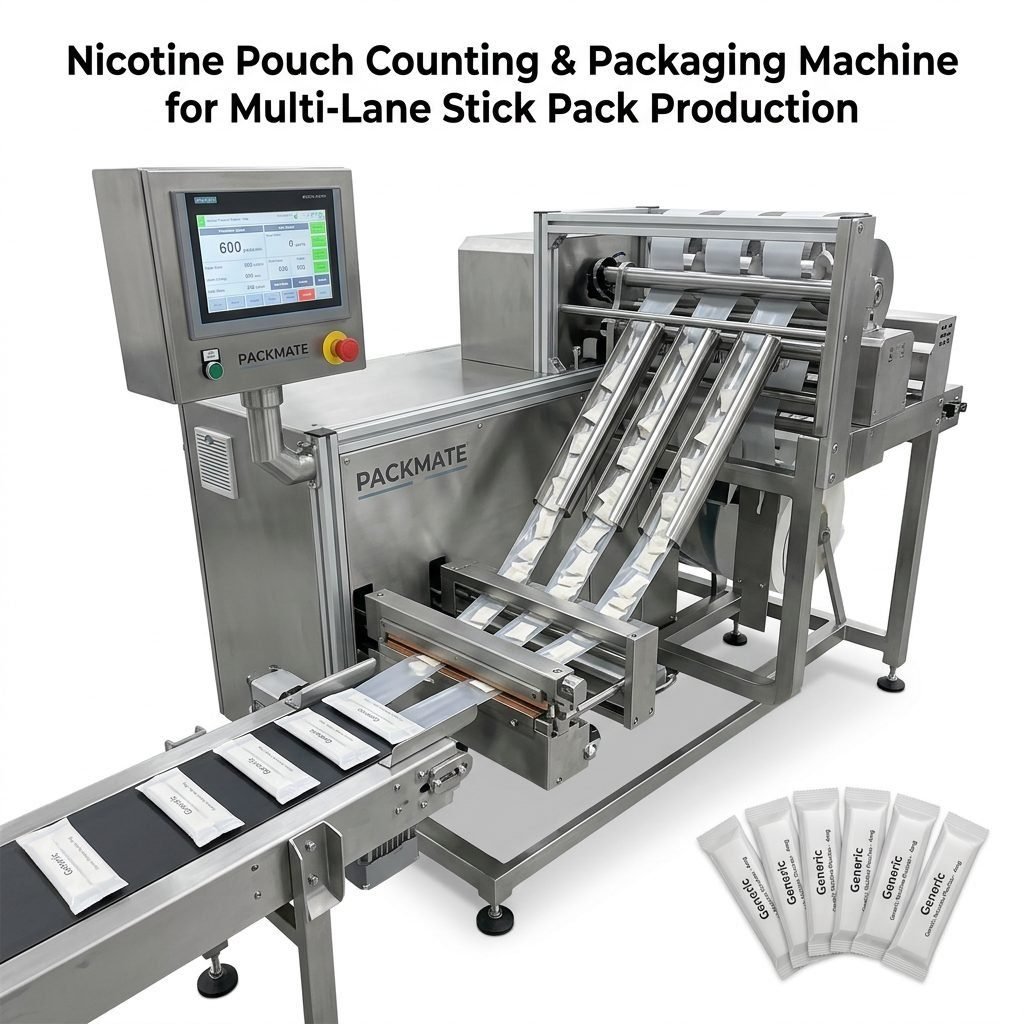
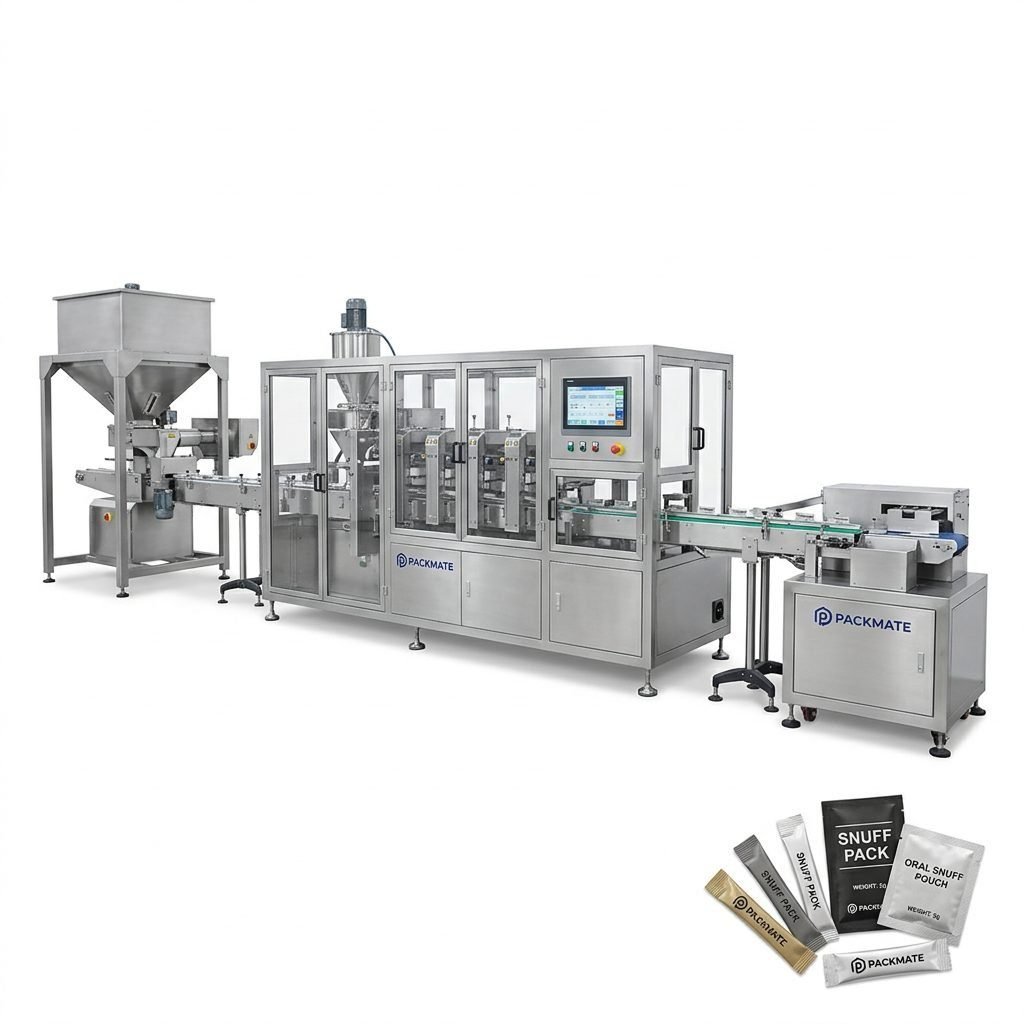
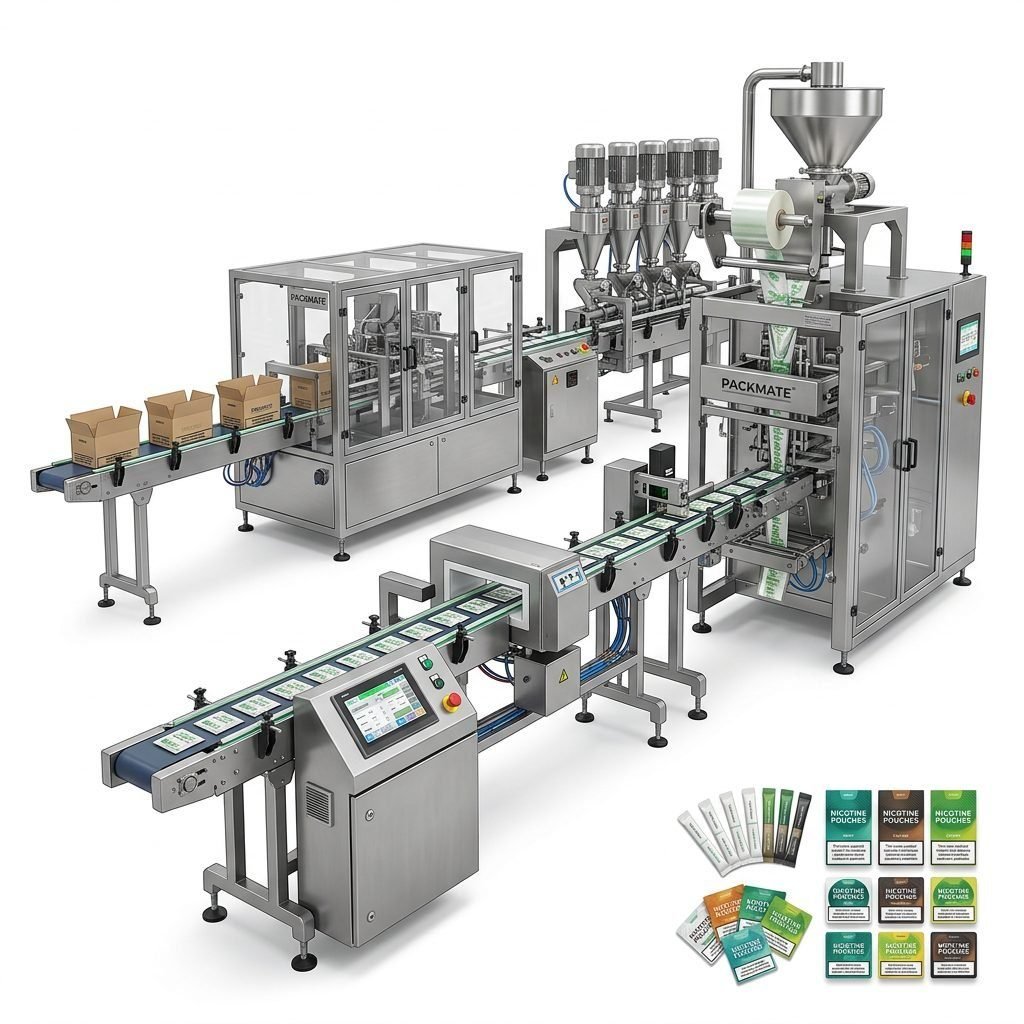
Choosing the right snus packaging machine manufacturer for your business in Chile requires more than comparing prices and delivery dates. You need a partner who understands the technical demands of nicotine pouch production, local regulatory and cultural factors in Chile, and the business realities of scaling production while maintaining product quality and compliance.
Why the Manufacturer Choice Matters in Chile
Chilean consumers and regulators bring unique considerations to the snus and nicotine pouch market. Although traditional oral tobacco use is less common than in Scandinavia, demand for discreet nicotine formats and exports to neighboring markets is growing. A manufacturer that can provide machines tailored to small-dose pouches, discreet packaging formats, and Spanish-language labeling support will reduce your time-to-market and legal risk. Look for suppliers with experience in high-precision multi-lane systems and compliance certifications that align with Chilean import and health regulations.
Know Your Product and the Chilean Market
Before evaluating machines, clarify what you intend to produce: tobacco-based snus, nicotine pouches, or herbal alternatives. Each requires different filling accuracy, sealing methods, and materials compatibility. In Chile, labeling in Spanish, clear nicotine content information, and recyclable packaging are often expected by consumers and inspectors. Also consider distribution channels — in-store retail, duty-free, or exports to Peru, Argentina, and Brazil — since packaging formats and batch documentation needs may change depending on the destination.
Technical Capabilities to Prioritize
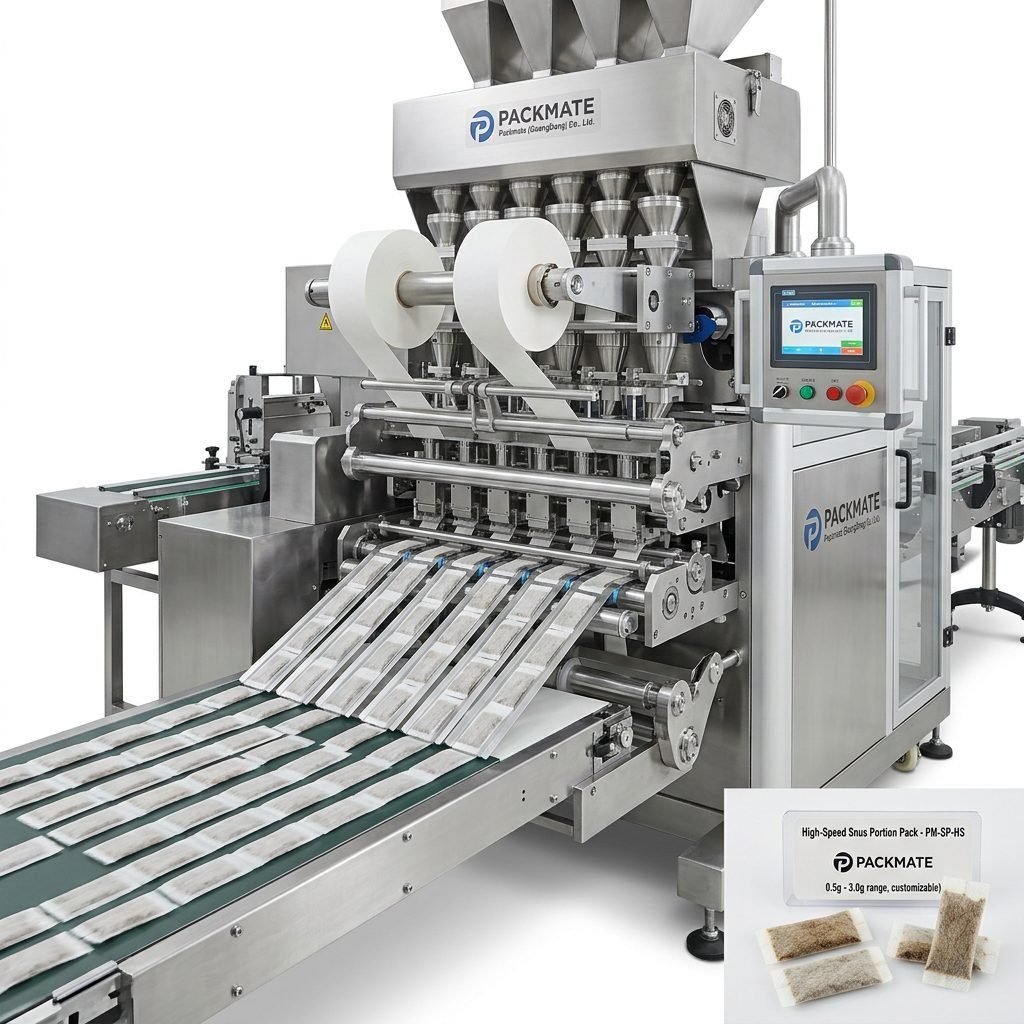
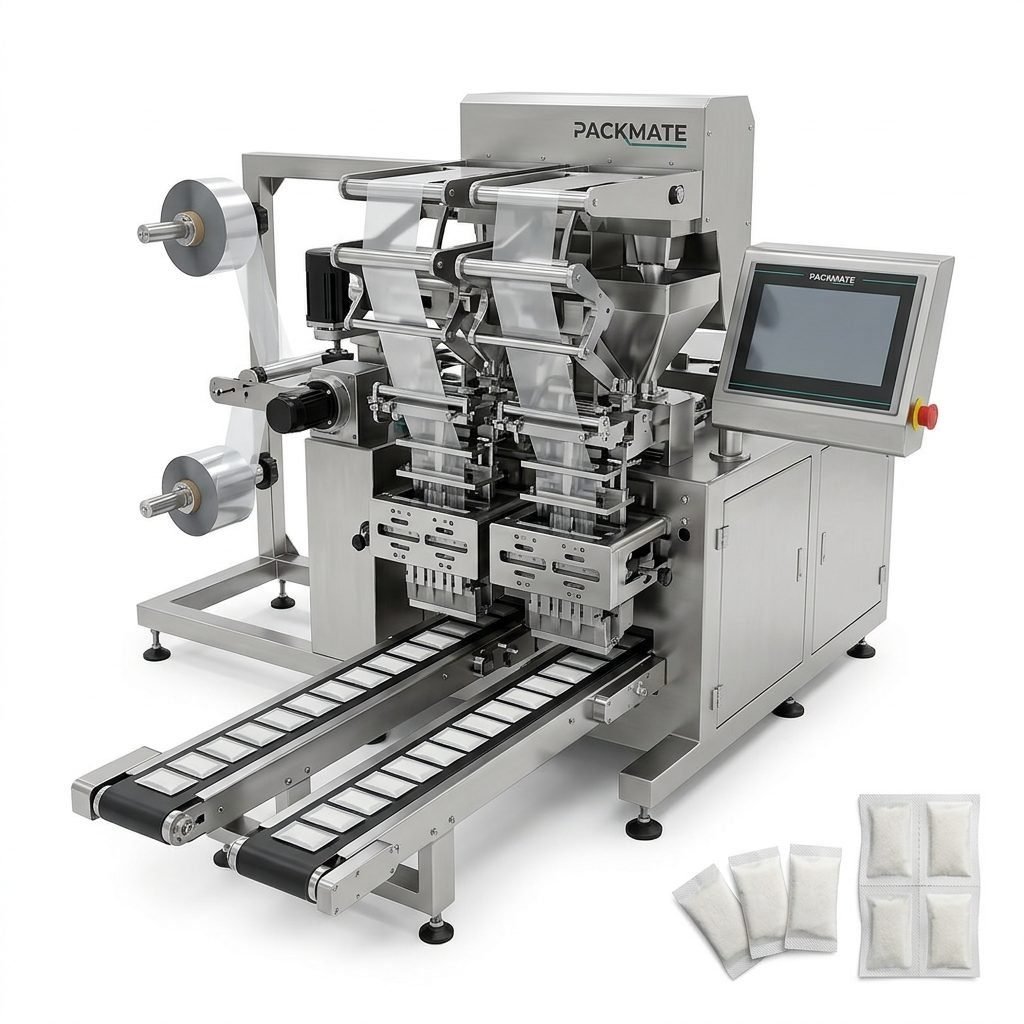
When comparing manufacturers, assess the following core technical features: dosing accuracy, production speed (pouches per minute), number of lanes (single vs multi-lane), material handling for wet and dry formulations, and machine uptime figures. Machines designed for nicotine pouches must offer precise micro-dosing and stable sealing to avoid product leakage and ensure shelf life. Look for modular designs that allow capacity upgrades without replacing the entire line.
Key technical checklist:
✅ Precise micro-dosing for small pouches
✅ Multi-lane configurations for high throughput
✅ Gentle handling for fragile pouch materials
✅ Quick changeover for flavor or pack-size shifts
✅ Cleanability and food/pharma-grade contact materials
Quality, Certifications, and Long-Term Reliability
Equipment reliability is business-critical. Prioritize manufacturers with documented quality systems and recognized certifications such as CE and ISO. These certifications indicate adherence to international safety and manufacturing standards, which simplifies Chilean import clearance and helps with customer confidence. Ask for performance test reports, MTBF (mean time between failures) data, and references from similar projects. A supplier with a 30+ year track record, advanced CNC machining capability, and a controlled assembly environment will typically offer stronger long-term stability and spare parts availability.
Customization, Turnkey Solutions and Pack Formats
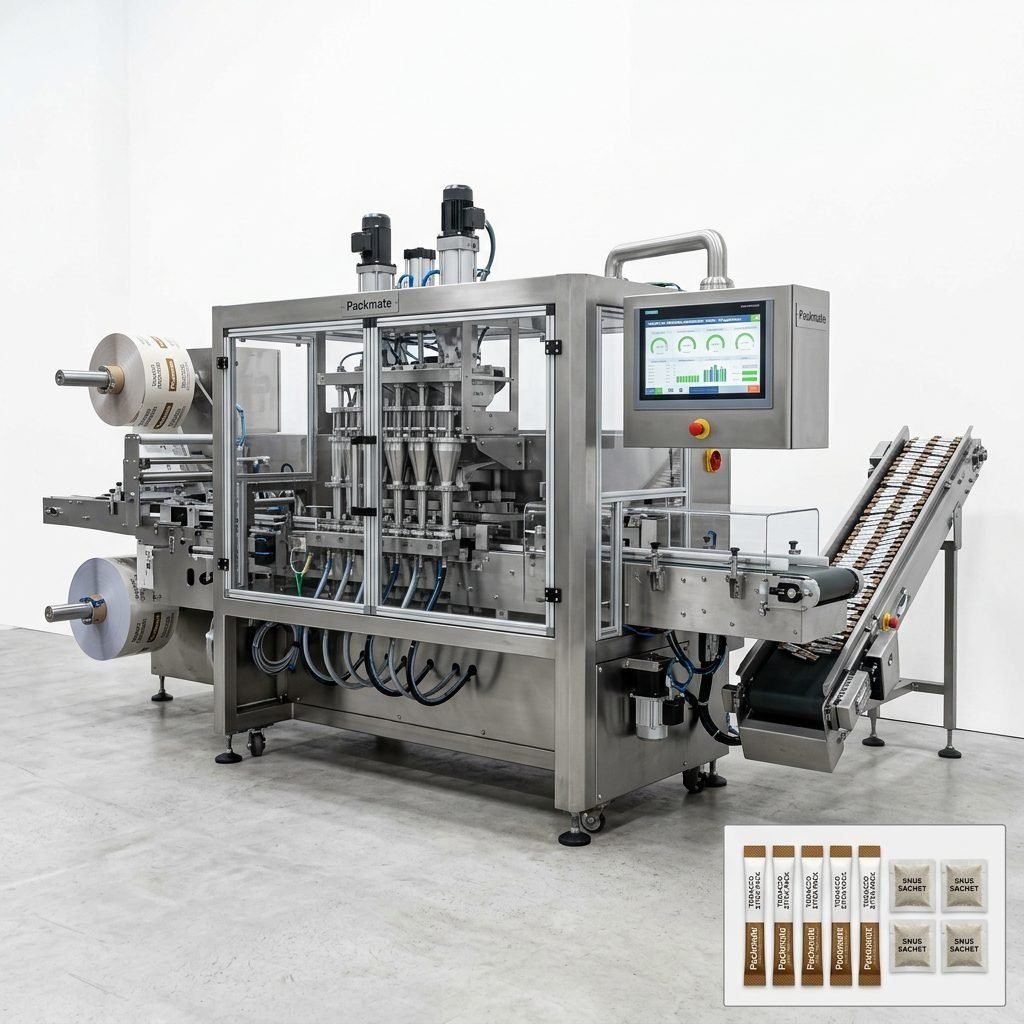
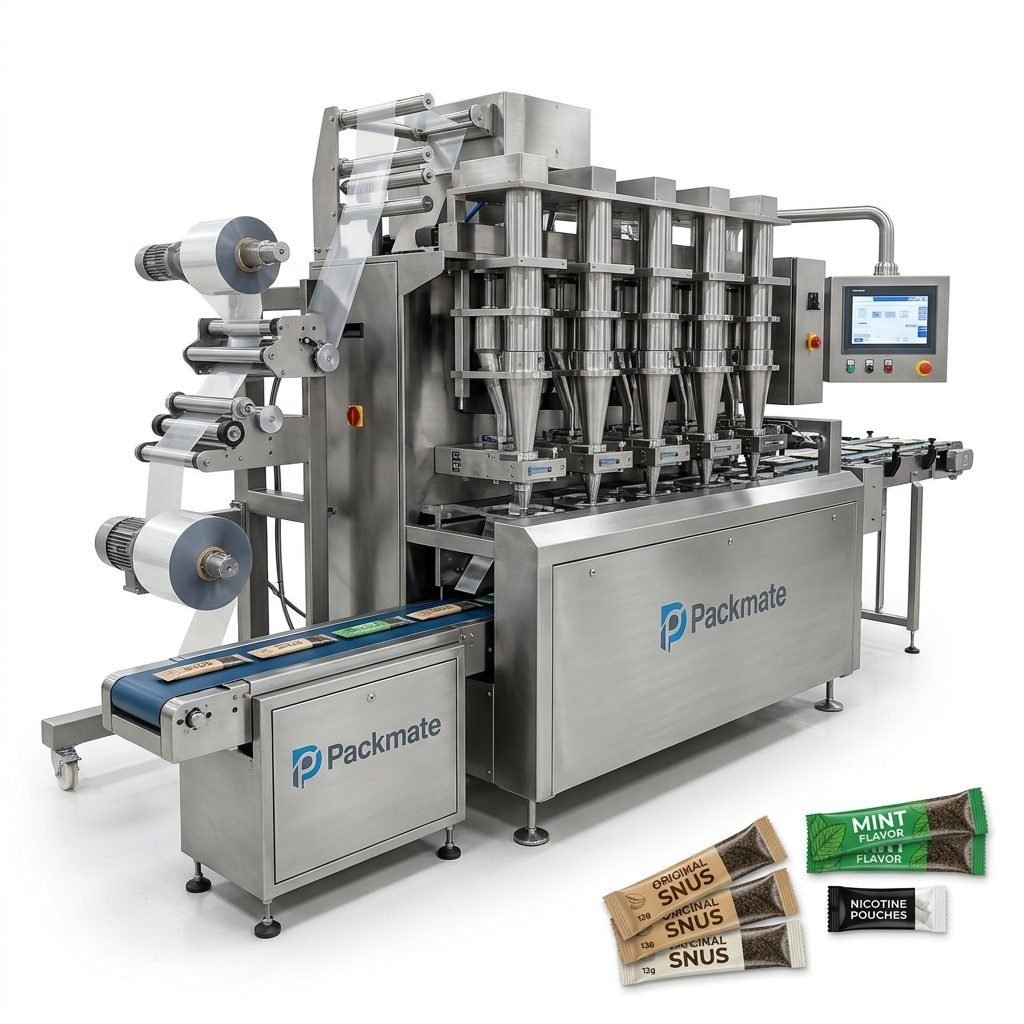
The best manufacturers offer more than a machine: they deliver turnkey solutions including dosing systems, sealing stations, secondary packaging (cartoning or shrink-wrapping), and integration with weighing or metal-detection systems. If you plan unique formats — slim sachets, stick packs, or discreet small pouches — ensure the supplier has proven designs and references for those pack types. Packmate Snus Machine, for example, highlights a wide range of models and turnkey lines suitable for nicotine pouch production and related packaging needs.
Consider also whether the manufacturer can provide customized tooling and software for Spanish-language HMI and local regulatory traceability (batch codes, lot numbers, and printheads compatible with local labels).
Support, Spare Parts and Local Service in Chile
After-sales support is a frequent differentiator. Evaluate the manufacturer’s spare parts lead times and whether they keep critical spares in regional warehouses. In Chile, having technicians who can communicate in Spanish, or remote support with quick video troubleshooting, is invaluable. Ensure training is included — both for operators and maintenance staff — so you can maintain high OEE (Overall Equipment Effectiveness) from day one.
Service and support indicators to request:
⚙️ On-site commissioning and operator training
📦 Spare parts kits for 6–12 months of operation
📞 Remote diagnostics and Spanish-language manuals
🔁 Preventive maintenance contracts and scheduled audits
Materials, Sustainability and Packaging Preferences in Chile
Sustainability is increasingly important in Chile. Consumers appreciate recyclable or compostable wraps and minimal secondary packaging. When selecting a machine, verify compatibility with eco-friendly films and the ability to seal diverse substrates without compromising integrity. Machines that optimize material usage and reduce scrap deliver both environmental and cost benefits. Discuss film tension control, servo-driven feeding, and reliable sealing temperature control to avoid film waste.
Cost of Ownership: More Than the Purchase Price
Total cost of ownership includes energy consumption, downtime costs, spare parts, tooling wear, and the learning curve for staff. Lower initial cost can be offset by higher long-term expense if the machine requires frequent maintenance or produces inconsistent packs. Request life-cycle cost estimates and examples of clients in similar markets. A robust, locally serviceable machine often offers the best ROI.
Factory Capabilities and Manufacturing Transparency
Ask about the manufacturer’s facility capabilities — advanced CNC centers, precision assembly lines, and quality control procedures. Visiting a factory or requesting virtual tours can reveal workmanship, assembly practices, and testing rigs used to verify performance. A well-equipped factory with over 20,000㎡ of manufacturing space and formal quality testing systems is an indicator of scale and consistency. For reference and machine options, explore Packmate’s product range and factory profile to see their approach to snus packaging machines.
Find detailed product lines and technical information on the Snus & Nicotine Packaging Machines page for baseline comparisons: Snus & Nicotine Packaging Machines.
Regulatory and Import Considerations for Chile
Chile enforces health and labeling regulations for nicotine products. Work with a manufacturer that understands export documentation, customs codes, and the requirements for importing machinery into Chile (such as CE paperwork and customs packing lists). Additionally, ensure the machine’s electrical components comply with local standards or supply local converters. Manufacturers familiar with international shipping and exhibition participation often make these processes smoother.
Local Culture and Consumer Preferences
In Chile, product presentation and ease of use influence purchase decisions. Many consumers prefer discreet, pocket-friendly pouches with clean, modern designs and Spanish-language instructions. The packaging should reflect local tastes — understated, high-quality finishes and clear nicotine content labeling. If you plan to sell in tourist-heavy regions or duty-free shops, consider premium packaging options for visibility and perceived value.
Factory Acceptance Tests, Training and Documentation
Ensure the manufacturer conducts comprehensive factory acceptance tests (FAT) and provides full documentation, including electrical schematics, spare parts lists, and training materials. FAT sessions demonstrate machine performance at planned speeds and prove dosing accuracy and sealing quality on your chosen materials. Remote FAT via video is often available if travel is restricted, but on-site FAT considerably reduces commissioning time at your plant.
Factory & commissioning expectations:
📋 Complete FAT with your film and product
👨🏫 Operator and maintenance training in Spanish
🧩 Spare parts and tooling handover package
📝 Full machine documentation and electrical diagrams
How to Vet Supplier Claims and Check References
Ask for customer references in similar industries and machine types. Check case studies, exhibition demonstrations, and real-world performance data. A credible supplier will provide references, videos of their machines in operation, and detailed case studies. For more examples, review published projects and customer cases to validate claims: Case.
Purchase Process, Lead Times and Logistics
Confirm lead times for machine delivery, spare parts, and tooling. High-demand models or custom machines may require extended lead times, so align production schedules accordingly. Clarify logistics terms (EXW, FOB, CIF), and whether the supplier assists with export documentation. Plan for on-site installation time, validation, and operator training — these stages are essential to reach target production levels.
Why Partner with an Experienced Manufacturer?
Partnering with a manufacturer that has decades of experience in packaging machinery brings technical know-how, manufacturing discipline, and product innovation. Experience reduces hidden risks like poor sealing, inaccurate dosing, or inadequate material handling that can devastate product quality. Companies with large portfolios and turnkey experience are better positioned to support product launches and subsequent scale-ups.
For more detailed product families and complementary solutions (weighing, filling, auxiliary equipment), review auxiliary product lines and integrated systems to build a full production line: Weighing & Packaging Systems and Auxiliary Packaging Equipment.
Checklist for Final Decision
Final supplier evaluation checklist:
✅ Verified product performance on your material and pouch type
✅ Clear warranty and spare parts policy
✅ Spanish-language support and training availability
✅ Transparent lead times and logistics support
✅ Compliance with CE/ISO and documented FAT reports
Useful Links for Further Research
Explore company details, certifications, and exhibition participation to assess the supplier’s industry presence: About Packmate, Our Exhibition, and Certificate.
Practical Next Steps for Chilean Buyers
Start with a detailed requirements document that outlines product specs, desired capacity, consumables (films, pouches), and regulatory labeling needs in Spanish. Request an on-material trial, ask for FAT documentation, and negotiate a commissioning schedule that includes operator training and spare parts supply. If possible, visit the manufacturer or attend an international exhibition to see machines running live and discuss technical details in person.
Be mindful of Chile’s logistics: plan imports around seasonal slowdowns at ports, and coordinate with customs brokers experienced in industrial equipment. If you anticipate after-sales visits, verify the supplier’s regional partners for faster support.
Conclusion
Selecting the best snus packaging machine manufacturer in Chile is a multi-faceted decision that combines technical fit, regulatory compliance, cultural awareness, and long-term serviceability. Prioritize manufacturers with proven experience in nicotine pouch systems, comprehensive turnkey solutions, and robust after-sales support. A supplier who understands Chilean labeling, consumer preferences for discreet and recyclable packs, and offers Spanish-language service will provide the clearest path to successful product launches and reliable production.
Frequently Asked Questions
Q: How important are CE and ISO certifications when importing packaging machines into Chile?
A: Very important. CE/ISO certifications streamline customs procedures and demonstrate international compliance standards, which helps with inspections and buyer confidence.
Q: Can machines for nicotine pouches handle eco-friendly films and compostable materials?
A: Many modern machines are compatible with a range of substrates, but you should request on-material trials to confirm sealing quality and scrap rates for specific eco-films.
Q: What level of local support should I expect from an overseas manufacturer?
A: Expect remote support, spare parts shipment options, and on-site commissioning services. The ideal supplier will have Spanish-language documentation/training and short lead times for critical spares.
Q: How can I verify a supplier’s performance before purchase?
A: Ask for FAT reports, customer references, case studies, and videos of machines running on similar products. Visiting exhibitions or the factory is highly recommended when possible.
Q: Where can I find more details about specific machine models and turnkey lines?
A: Review product pages and catalogs from reputable suppliers for technical specifications and line configurations (for example, see Bag & Pouch Packaging Machines and Sachet & Stick Pack Machines).