Choosing the right nicotine packaging machine supplier for your factory in Belarus is more than a procurement decision — it’s a strategic choice that affects product quality, regulatory compliance, production uptime, and long-term profitability. This guide helps Belarusian buyers evaluate suppliers, compare technologies, and make a confident selection that fits local operational realities and market expectations.
Understand the Belarus Market Context
Belarus operates within the Eurasian Economic Union (EAEU), and its market practices are influenced by close trade ties with Russia and neighboring countries. Russian is widely used in business communication, and many buyers expect clear technical documentation and service materials in Russian. Decision-making tends to be formal and relationship-driven — long-term partnerships and reliable after-sales service are highly valued.
When assessing international suppliers, Belarusian factories should prioritize equipment that meets both international standards (CE, ISO) and EAEU / TR CU regulations where applicable. Local electrical standards (220V, 50Hz) and spare-parts logistics across the EAEU are practical considerations that affect lead time and total cost of ownership.
Types of Nicotine Packaging Machines to Consider
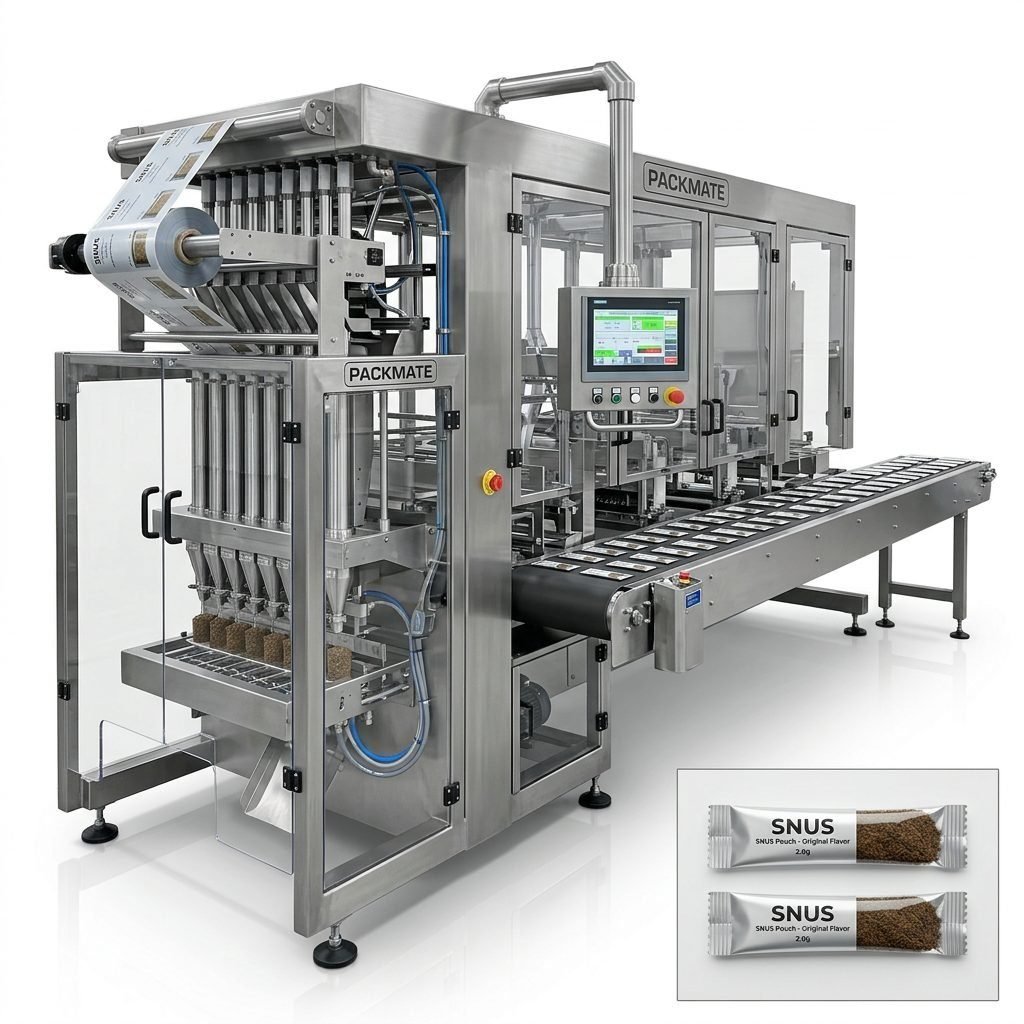
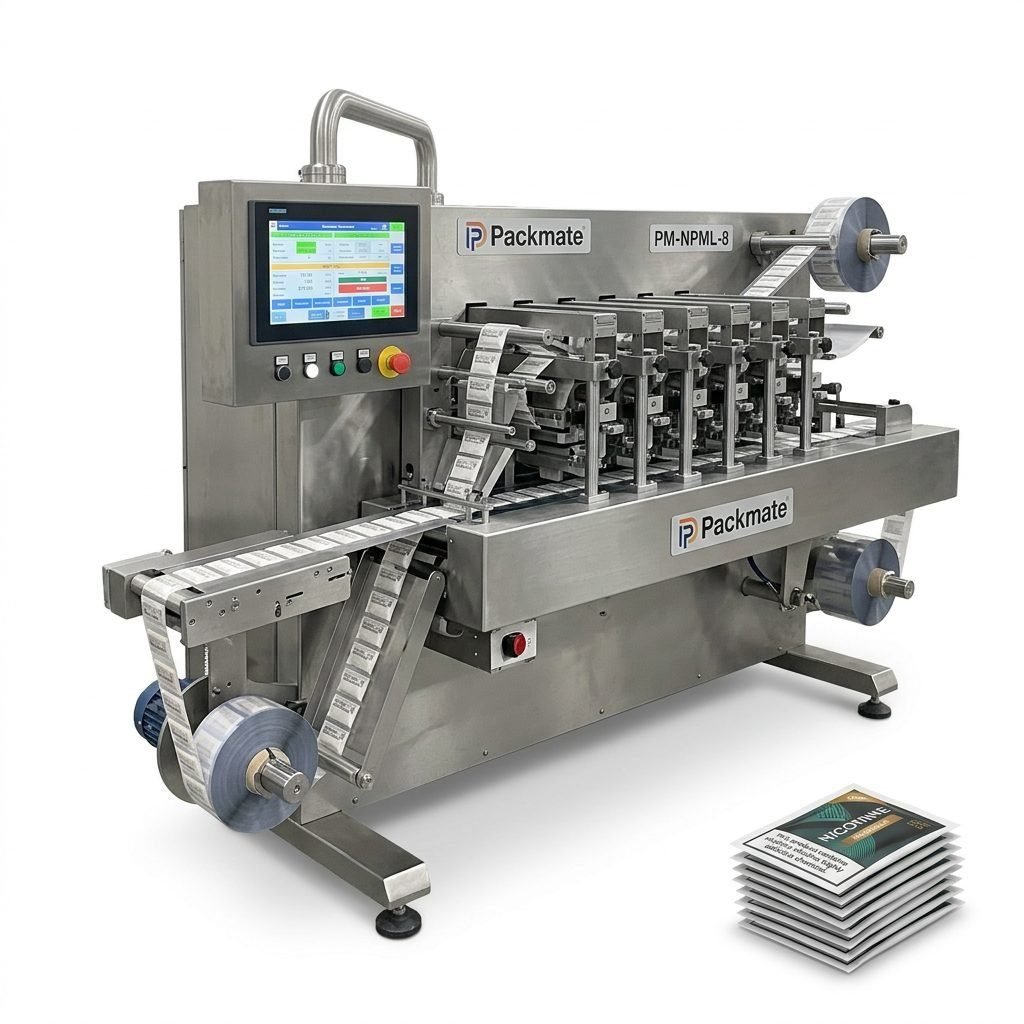
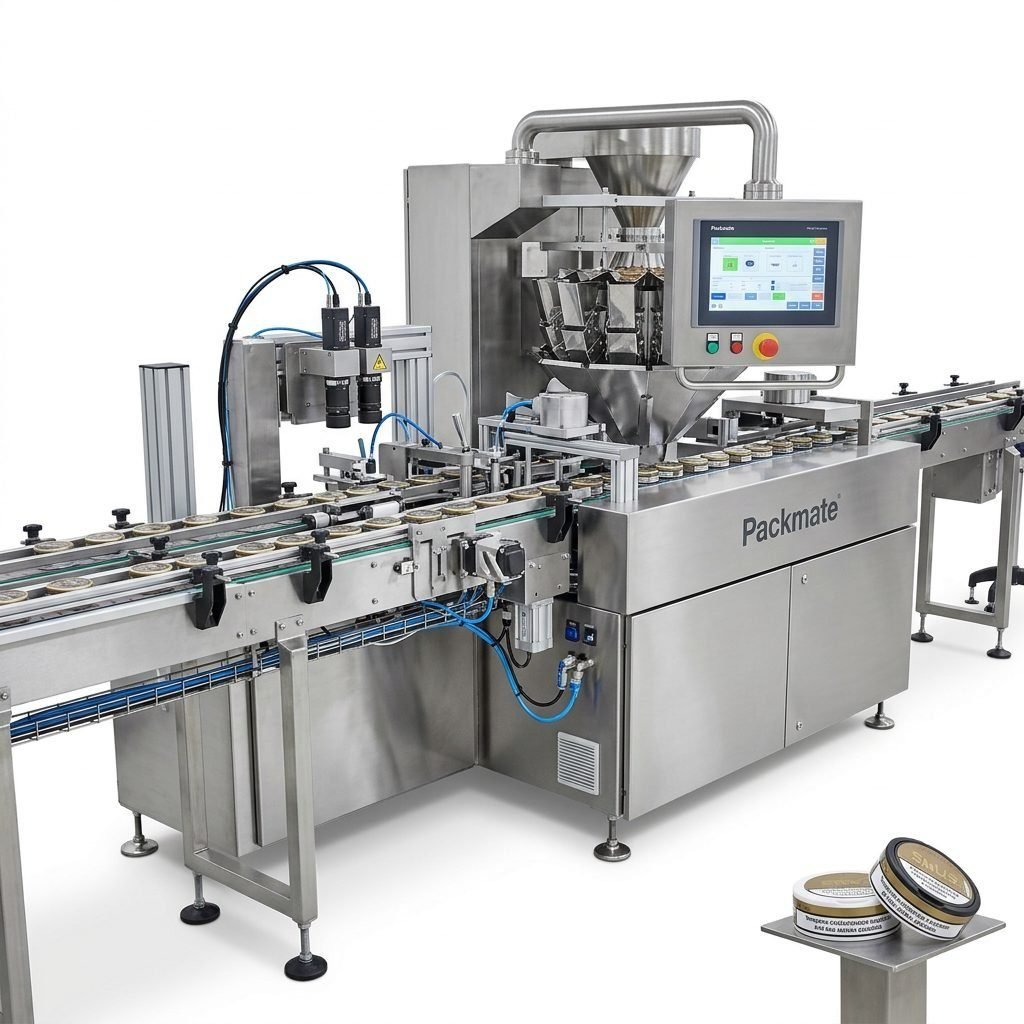
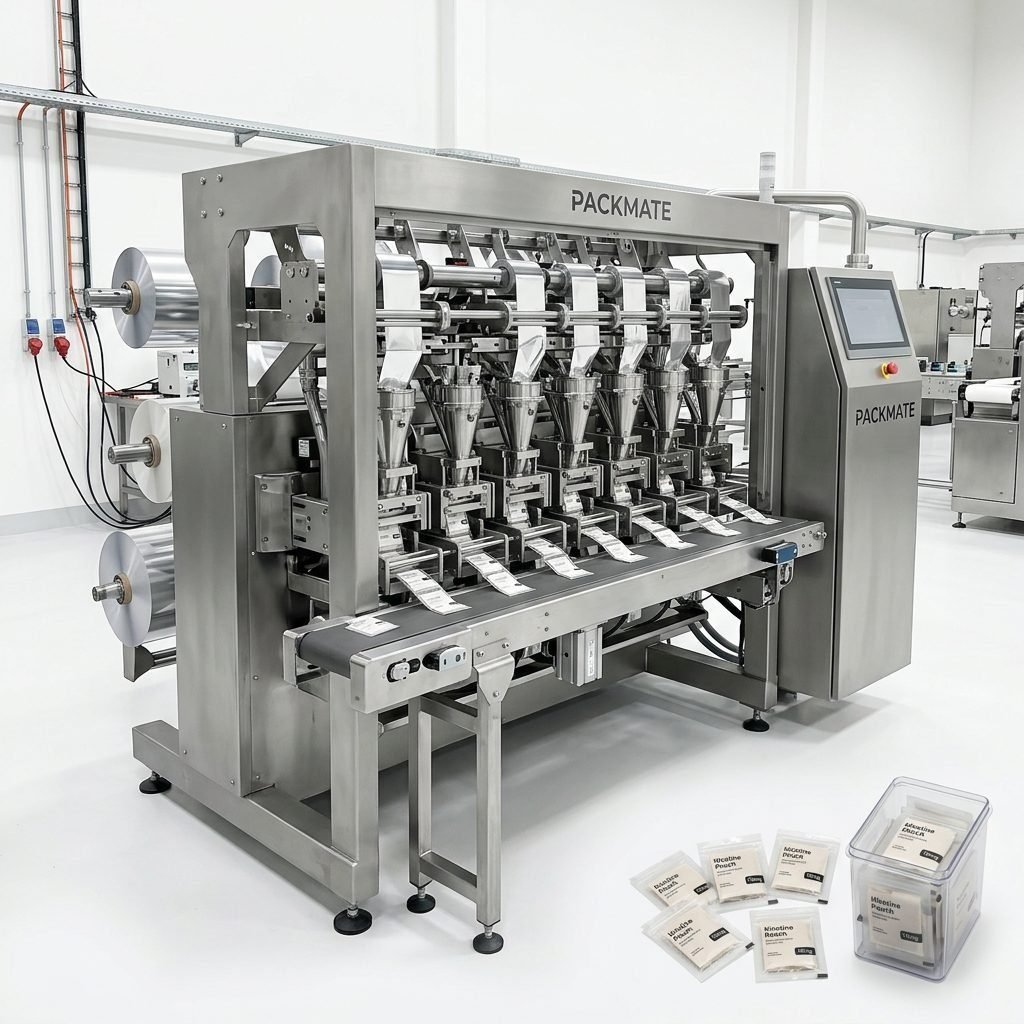
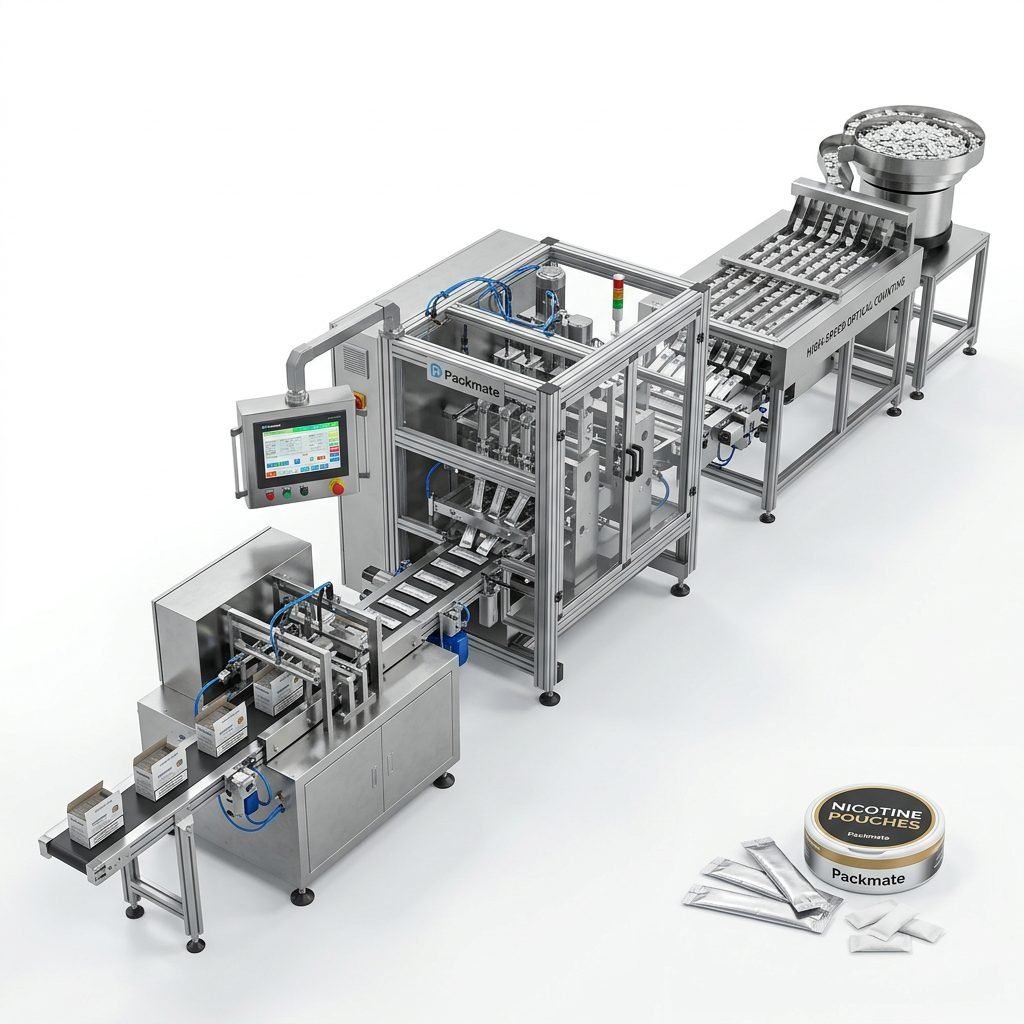
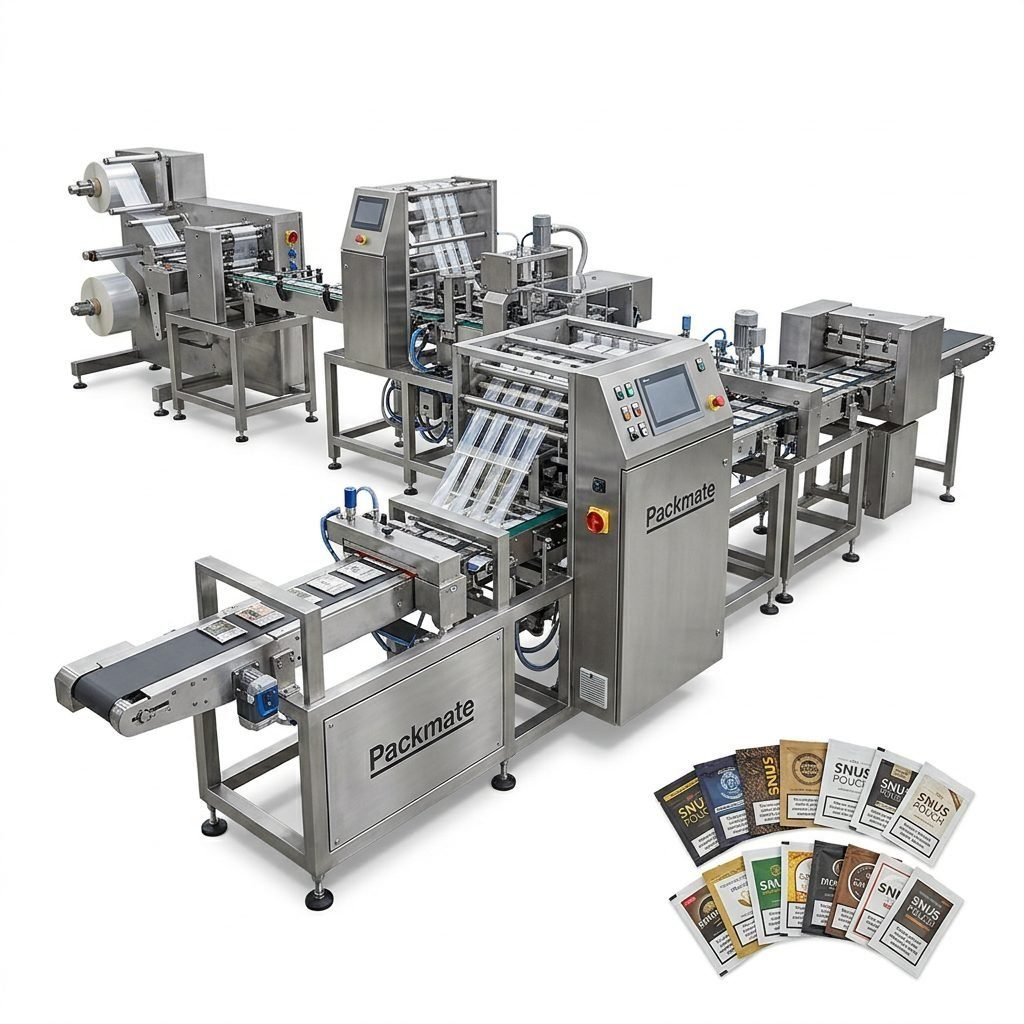
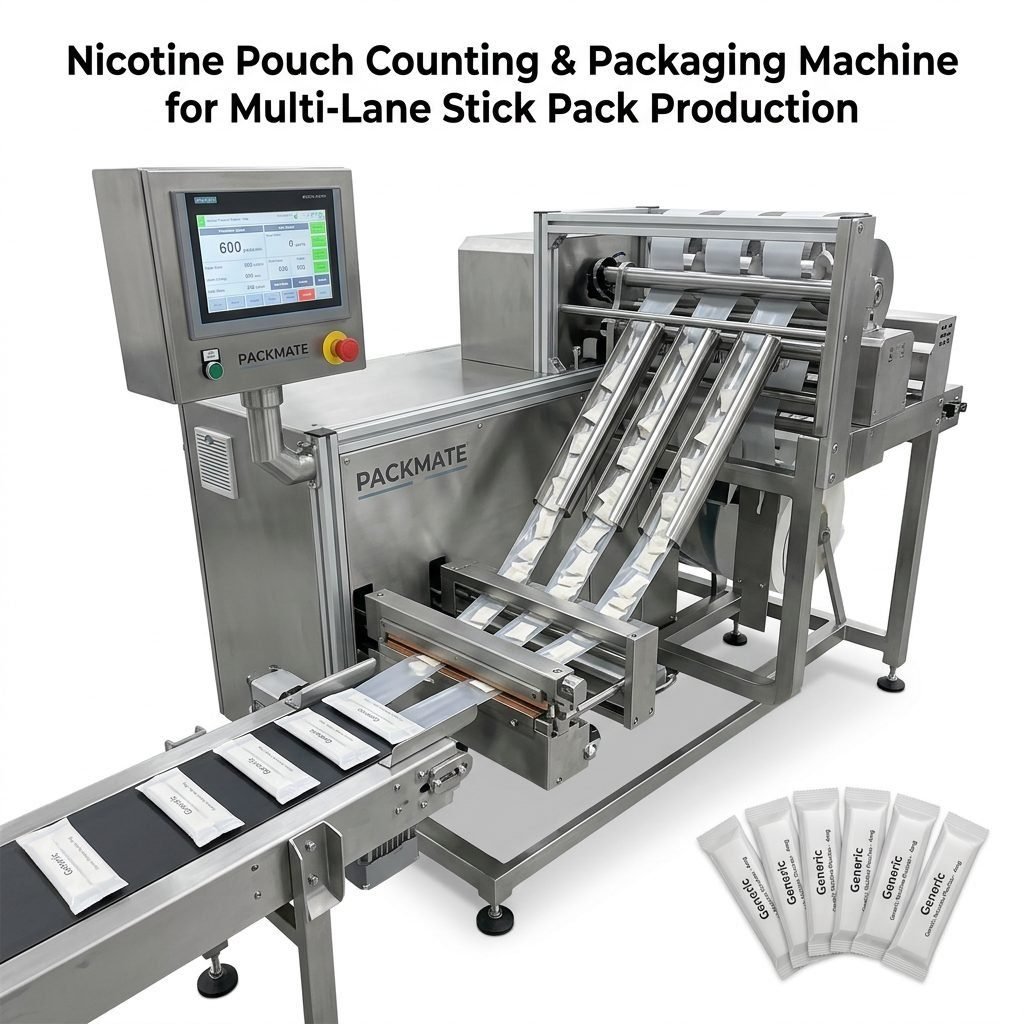
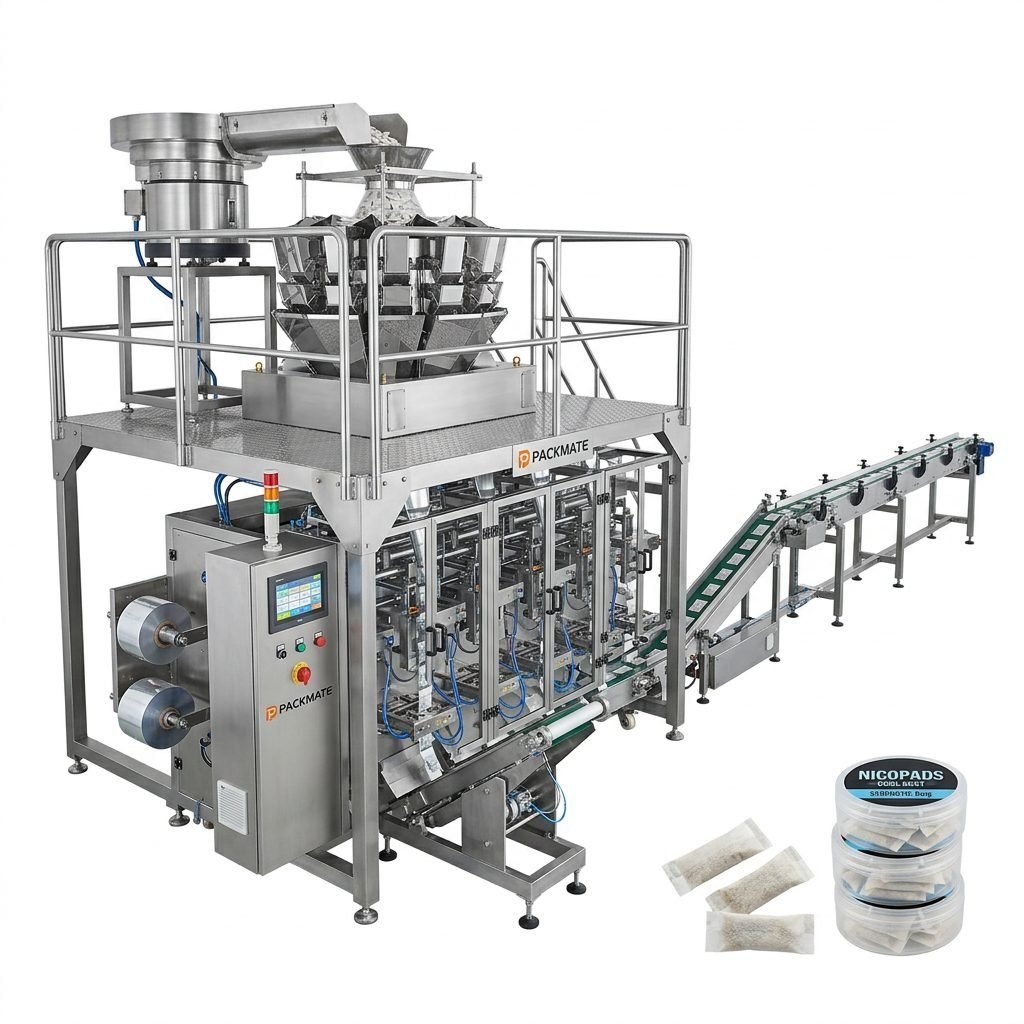
Packmate and other industry vendors offer a range of machines suitable for nicotine pouch and snus manufacturing. Knowing the right type for your product mix is the first step:
- Stick pack machines — ideal for single-dose sachets and narrow pouches.
- Sachet & multi-lane sachet machines — high throughput for small-dose nicotine pouches.
- Multi-lane systems — maximize output for small-dose pouch formats across parallel lanes.
- Auxiliary systems — weighing, filling, and sealing equipment that integrate into turnkey lines.
Explore specific models and line configurations to match your target format: Snus & Nicotine Packaging Machines and Sachet & Stick Pack Machines provide useful starting points.
Key Supplier Evaluation Criteria
Not all suppliers are equal. Use the checklist below to screen vendors and shortlist partners who can deliver performance, compliance, and long-term value.
✔️ Compliance & Certification: Confirm CE, ISO, and, when relevant, documentation for EAEU/TR CU acceptance. Certified machines reduce import friction and accelerate market entry.
✔️ Manufacturing Strength: A factory with robust CNC machining centers, precision assembly lines, and rigorous testing indicates consistent quality. Look for production capacity and model variety.
✔️ Field References: Request case studies and customer references — suppliers with proven international installations are preferable. See real examples: Case.
✔️ After-sales & Spare Parts: Local spare parts availability and a clear service plan minimize downtime. Confirm lead times for critical components and support languages.
Factory Visit and Technical Audit
Whenever possible, arrange a factory visit or request a virtual tour. A hands-on audit reveals production discipline, quality control protocols, and assembly standards. During the audit, pay attention to:
- Machine run-off tests and acceptance procedures
- Quality records and test reports
- Spare parts inventory and sourcing strategies
- Employee skill level and after-sales team structure
Technical Specifications That Matter
In Belarus, like elsewhere, small technical differences can significantly affect yield and reliability. Ask suppliers for:
- Actual throughput (pouches/min) under real product conditions
- Changeover time between formats and ease of adjustments
- Compatible packaging materials and recommended film suppliers
- Precision of dosing systems and consistency metrics
Service, Training, and Spare Parts — The Hidden Value
Belarusian factories often prefer partners offering comprehensive training and local support. Evaluate:
On-site installation & commissioning: Ensure the supplier includes installation, validation, and operator training in the contract.
Preventive maintenance plan: A scheduled maintenance program with clear spare-parts lists reduces unplanned shutdowns.
Remote support capability: Fast remote troubleshooting and PLC access can resolve many issues without a field visit.
Customization and Turnkey Solutions
If your product range includes unique formats or multi-ingredient dosing, a supplier that offers turnkey lines and custom engineering is invaluable. Ask about:
- In-house R&D capacity for new format development
- Ability to deliver integrated lines (weighing, filling, packaging)
- Experience with nicotine pouch production and contamination control
Packmate provides full production lines including Filling & Packaging Lines and Weighing & Packaging Systems, which streamline supplier coordination and reduce integration risk.
Pricing, Terms, and Total Cost of Ownership (TCO)
A low initial price can be misleading. Evaluate the TCO:
- Warranty duration and what it covers
- Expected lifetime of wear parts
- Energy efficiency and spare-parts cost
- Training costs and estimated downtime during format changes
Negotiate clear payment milestones tied to factory acceptance tests (FAT) and on-site commissioning to protect your investment.
Logistics, Import Rules, and Labeling for Belarus
Importing machinery to Belarus is usually straightforward within the EAEU framework, but attention to documentation and labeling is crucial:
- Technical passports, CE/ISO certificates, and instruction manuals (preferably in Russian)
- Ensure electrical components match Belarus standards (220V, 50Hz) or include transformers/adapters
- Prepare import documentation early to avoid customs delays — suppliers experienced with the EAEU are an advantage
- Product labeling should comply with local regulations; Russian language labeling is commonly accepted
Coordinate with your local customs broker and ask the supplier for HS codes, packing lists, and machine serial-level documentation well before shipment.
Cultural Tips for Negotiating with Suppliers
Belarusian buyers often appreciate transparent, respectful negotiation. Provide clear technical briefs, and expect suppliers to reciprocate with detailed proposals. Establishing trust through references, factory visits, and small pilot runs builds stronger long-term cooperation.
Case Studies & Proven Performance
Ask suppliers for documented case studies showing successful installations in similar markets. Real-world examples demonstrate how a line performs with specific product recipes, packaging materials, and production targets. Packmate’s global references illustrate international turnkey deliveries and support: Case.
Decision Checklist — Final Steps Before Ordering
⚙️ Technical alignment: Machine specs verified against product tests
📄 Documentation: Manuals and certificates available in Russian and English
🔧 Support plan: Installation, training, and spare-parts commitments signed
💼 Commercial terms: Warranty, payment milestones, and lead times agreed
🔍 Acceptance testing: FAT and SAT scope defined with measurable KPIs
Why a Manufacturer Like Packmate Is a Competitive Option
With 30+ years of engineering experience and a 20,000㎡ manufacturing facility, Packmate focuses on high-performance snus pouch packaging lines and turnkey systems. Their product range spans snus/nicotine packaging machines, stick packs, sachets, and auxiliary equipment. Learn more about their background and capabilities: About Packmate.
Key advantages include a broad model lineup (50+ machines), advanced CNC machining, and a track record of global cooperation. For Belarusian buyers, their turnkey approach reduces the coordination burden across multiple vendors and helps shorten time-to-production.
How to Start the Procurement Process
Begin with a clear statement of requirements: product specifications, expected daily output, preferred packaging formats, and regulatory or language needs. Request a detailed proposal including technical drawings, timeline, acceptance criteria, and a full spare-parts list. If helpful, schedule a virtual demonstration or factory virtual tour to validate machine performance before committing.
When you are ready to request quotes or technical discussions, suppliers with transparent processes and demonstrated Belarus/EAEU experience simplify the procurement path. Reach out directly for tailored solutions and commercial terms: Contact Us.
Practical Tips for Smooth Implementation in Belarus
- Schedule a comprehensive FAT with product runs to confirm performance
- Translate key manuals and SOPs into Russian for operators and maintenance teams
- Plan spare parts inventory for at least the first 12 months of operation
- Allocate time for staff training and a gradual ramp-up to full production
- Establish a local or regional support contact to minimize response times
Further Resources
For more detailed product information and supporting equipment, see Packmate’s product pages for Bag & Pouch Packaging Machines and Auxiliary Packaging Equipment. For operational, certification, or exhibition-related inquiries, their service and exhibition pages provide practical contact points: Service | Our Exhibition.
Closing Note
Selecting the right nicotine packaging machine supplier for your Belarus factory requires technical diligence, cultural awareness, and a focus on long-term serviceability. Prioritize suppliers that demonstrate robust manufacturing, proven case history, clear documentation in Russian, and a commitment to after-sales support. A well-chosen partner not only delivers machines but also helps you scale production reliably and compliantly.
Common Questions
Q1: What certifications should I require for machines imported to Belarus?
A1: Require CE and ISO certificates as a baseline, and ask for documentation that demonstrates compatibility with EAEU/TR CU where applicable. Ensure electrical and safety documentation aligns with Belarus standards (220V/50Hz).
Q2: How long is a typical lead time for turnkey nicotine pouch production lines?
A2: Lead times vary by customization and production backlog. Standard models may ship in several weeks, while fully customized turnkey lines can take several months. Factor in FAT scheduling, shipping, customs clearance, and on-site commissioning.
Q3: What after-sales support should I insist on?
A3: Include on-site installation & commissioning, operator training, spare-parts kits for the first year, remote troubleshooting, and defined response times for critical failures. Ensure documentation is available in Russian.
Q4: Can one supplier provide the whole line (weighing, filling, packaging)?
A4: Yes — many manufacturers, including Packmate, offer integrated solutions covering weighing, filling, and packaging to reduce integration risk and streamline commissioning. Review integrated line references and performance data.
Q5: Where can I see examples of successful installations?
A5: Request supplier case studies and customer references. Packmate provides documented cases and exhibition demonstrations that showcase real-world installations: Case.