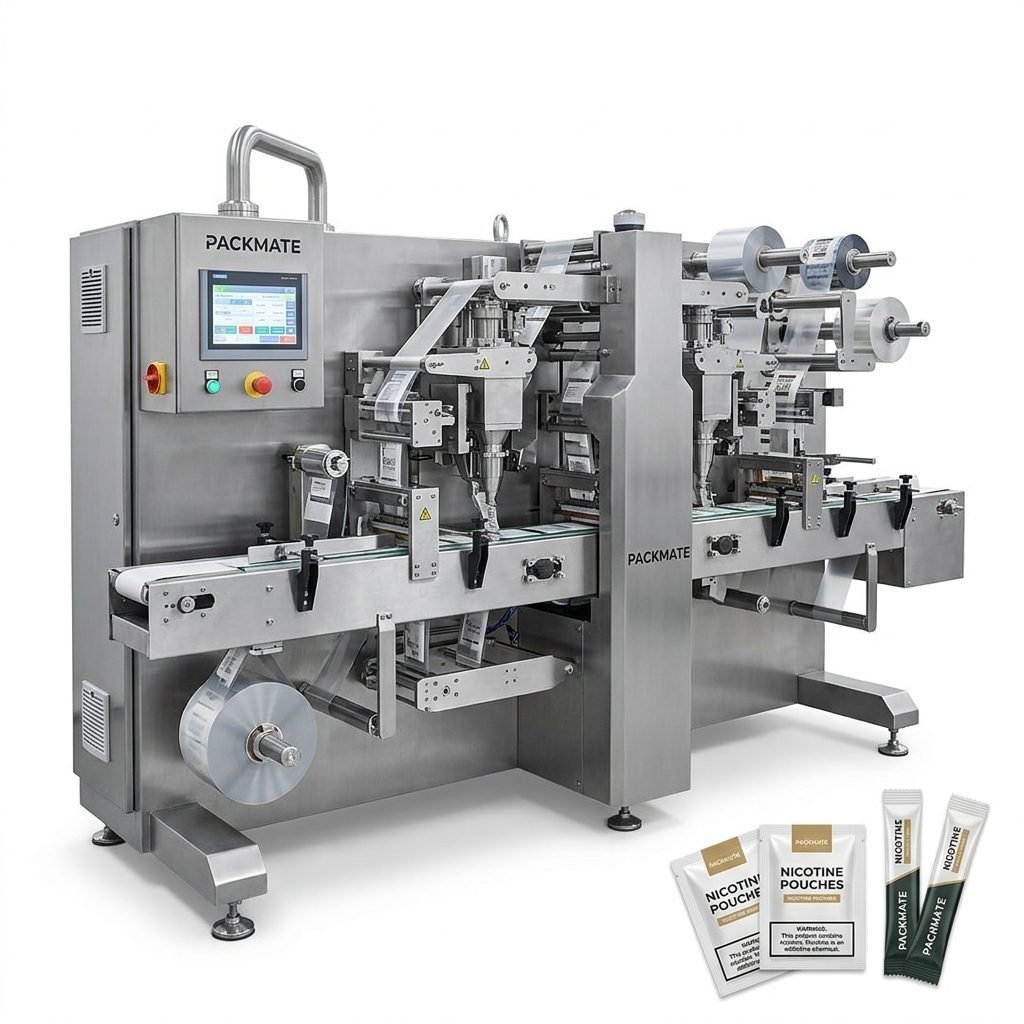
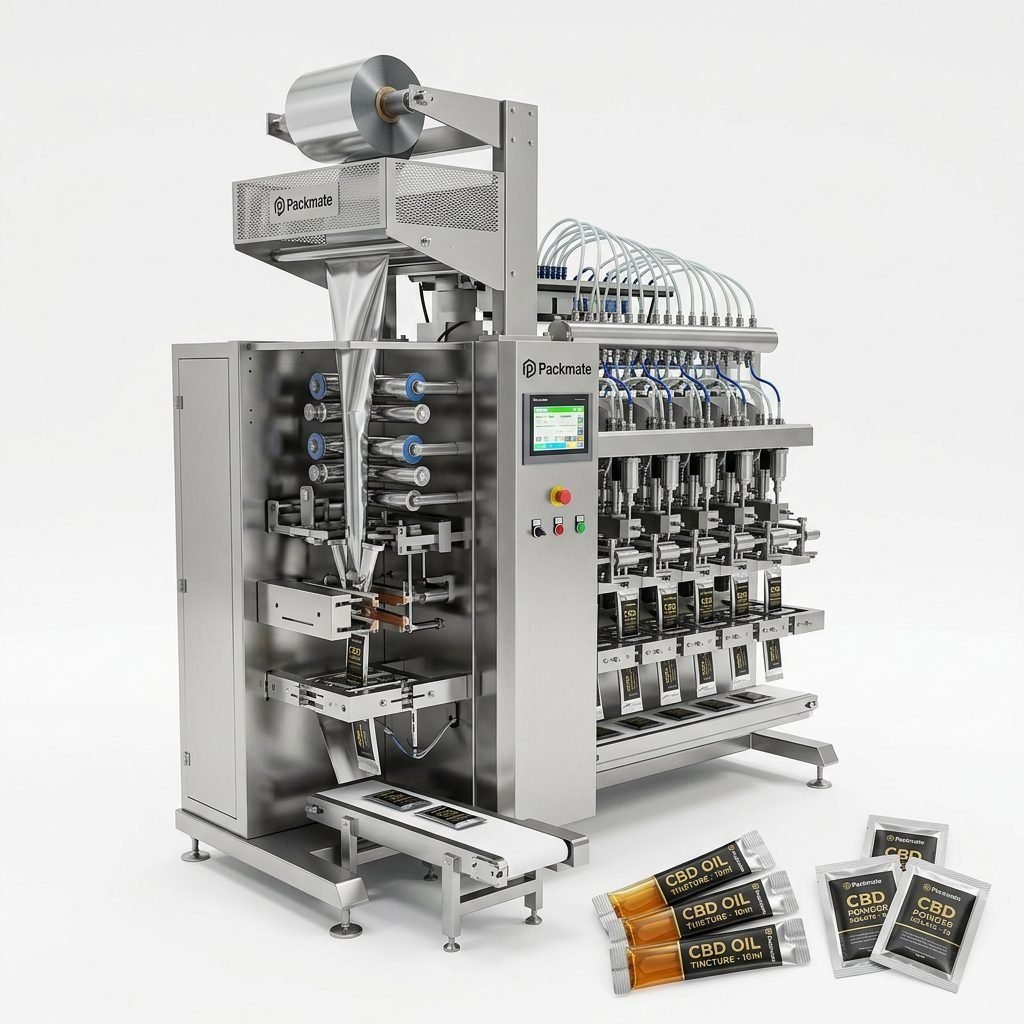
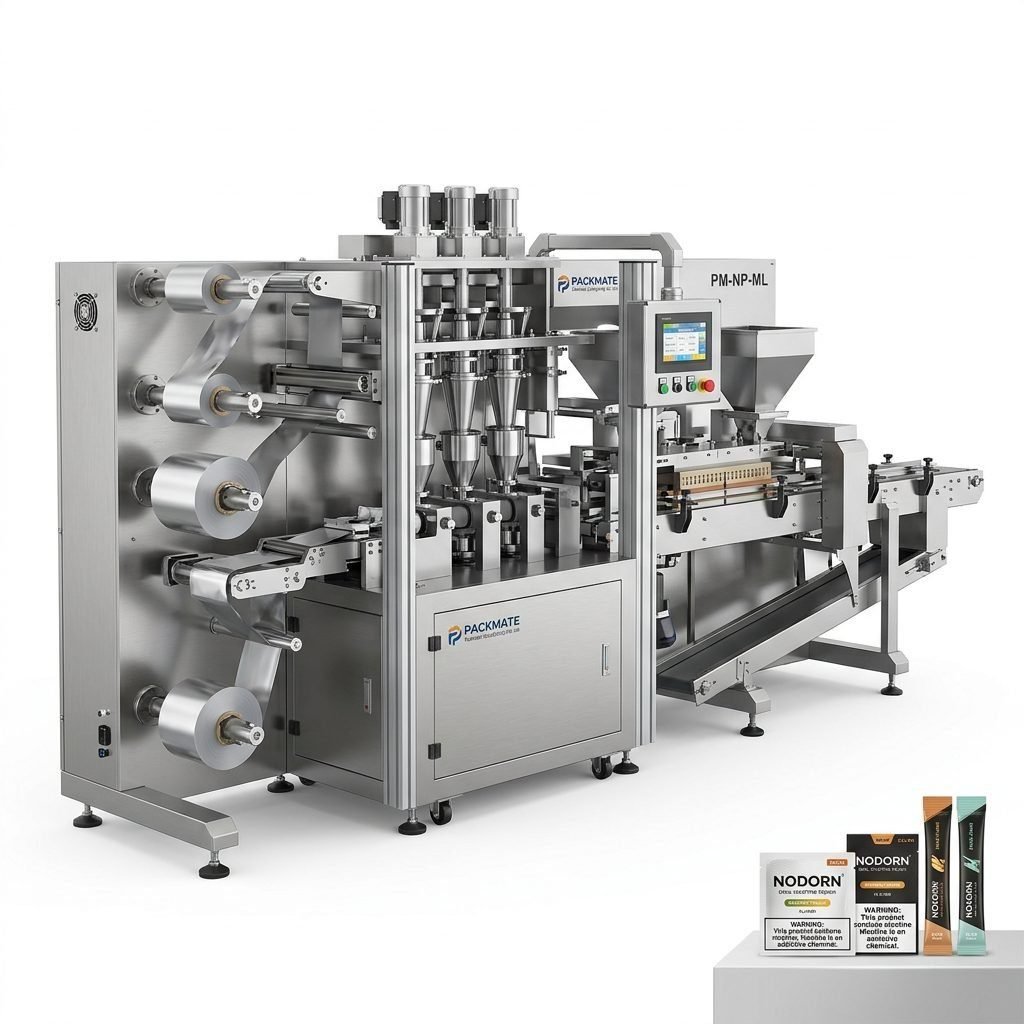
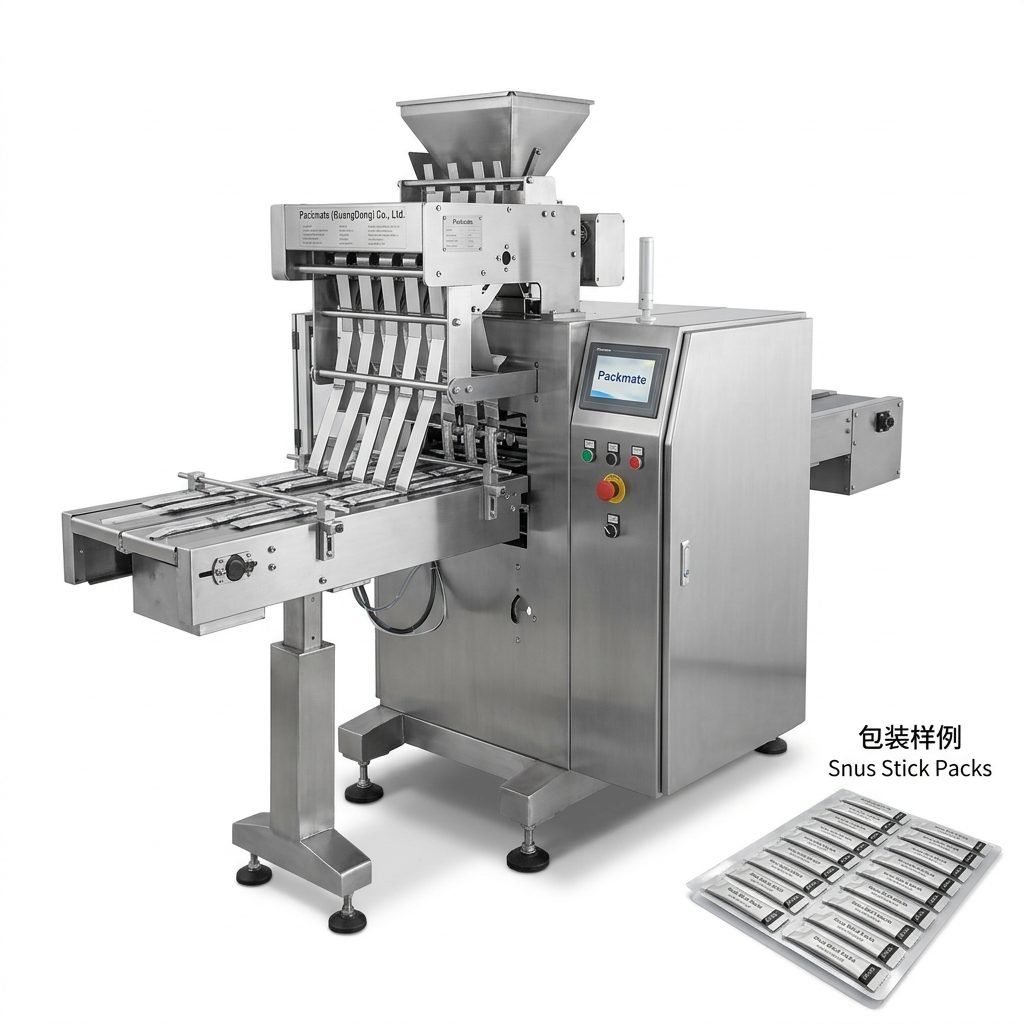
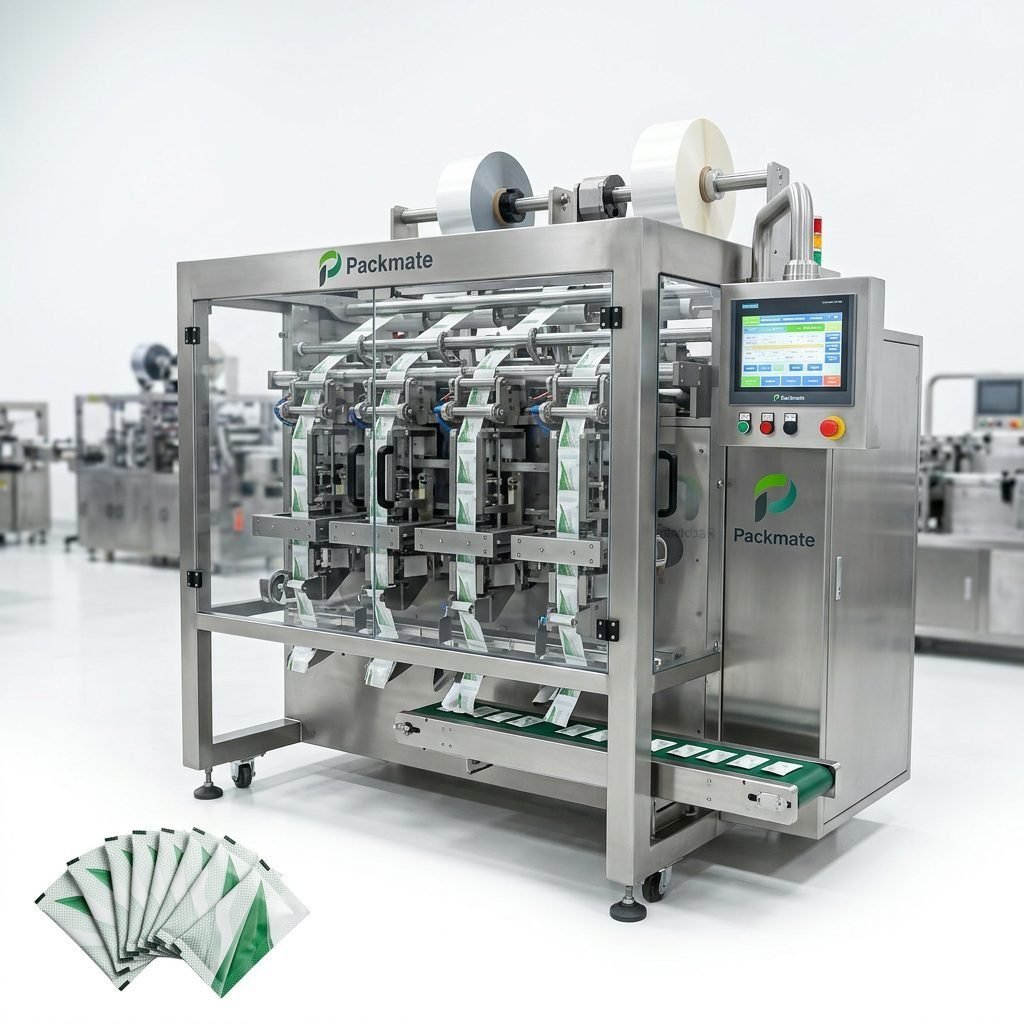
For manufacturers, brands, and production engineers searching for reliable snus packaging solutions, understanding the capabilities of a professional equipment partner is critical. This article explores advanced snus packing engineering, automatic filling lines, and turnkey packaging solutions provided by an experienced manufacturer with decades of mechanical expertise. You will learn how modular design, multi-lane technology, and tailored service translate into production stability, cost-efficiency, and regulatory compliance for nicotine pouches, snus, and similar small-dose products.
Company Overview and Heritage
Founded by an engineer with rooted experience in automation, the company evolved from a small workshop into a global packaging equipment supplier. With more than 30 years of continuous R&D and product evolution, the manufacturer supplies multi-lane snus packing machines, stick pack systems, sachet machines, and complete filling & packaging lines to meet the rising demand for nicotine pouch formats. Their factory footprint and production capacity reflect mature industrial capability: a 20,000㎡ manufacturing facility, advanced CNC machining centers, and precision assembly lines designed to deliver consistent machine performance.
Core Facts at a Glance
🔧 30+ years of engineering focused on packaging automation
📦 50+ machine models covering snus, sachet, stick pack, powder and liquid filling
⚙️ 20,000㎡ factory with CNC machining and precision assembly
Product Portfolio: Machines & Lines
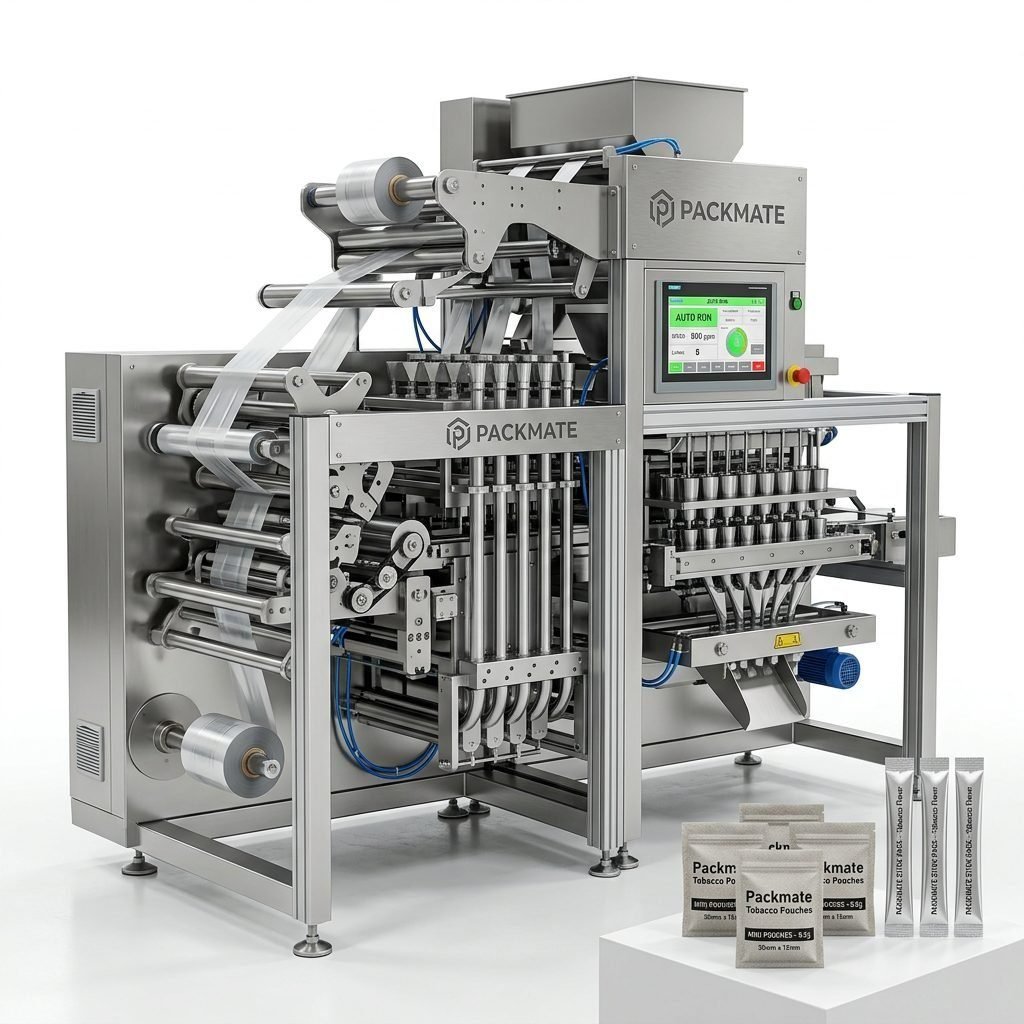
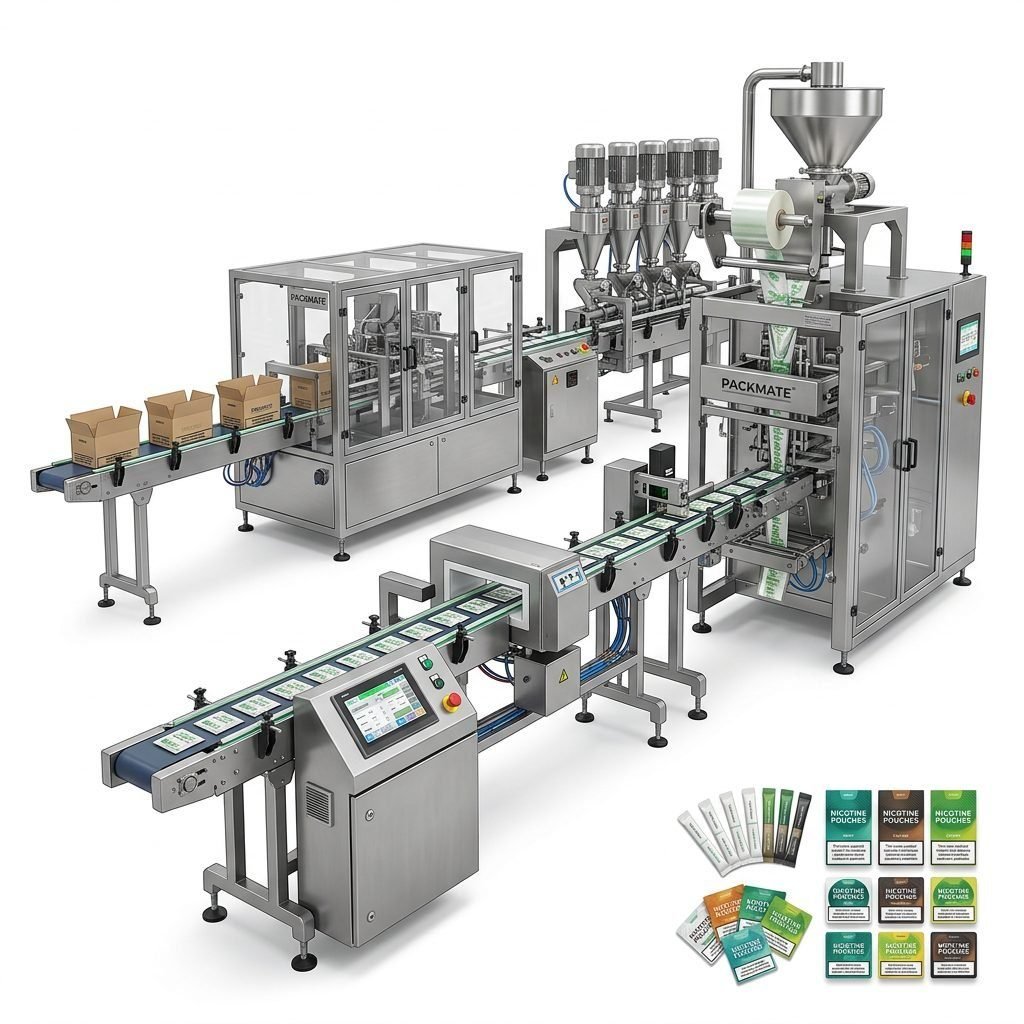
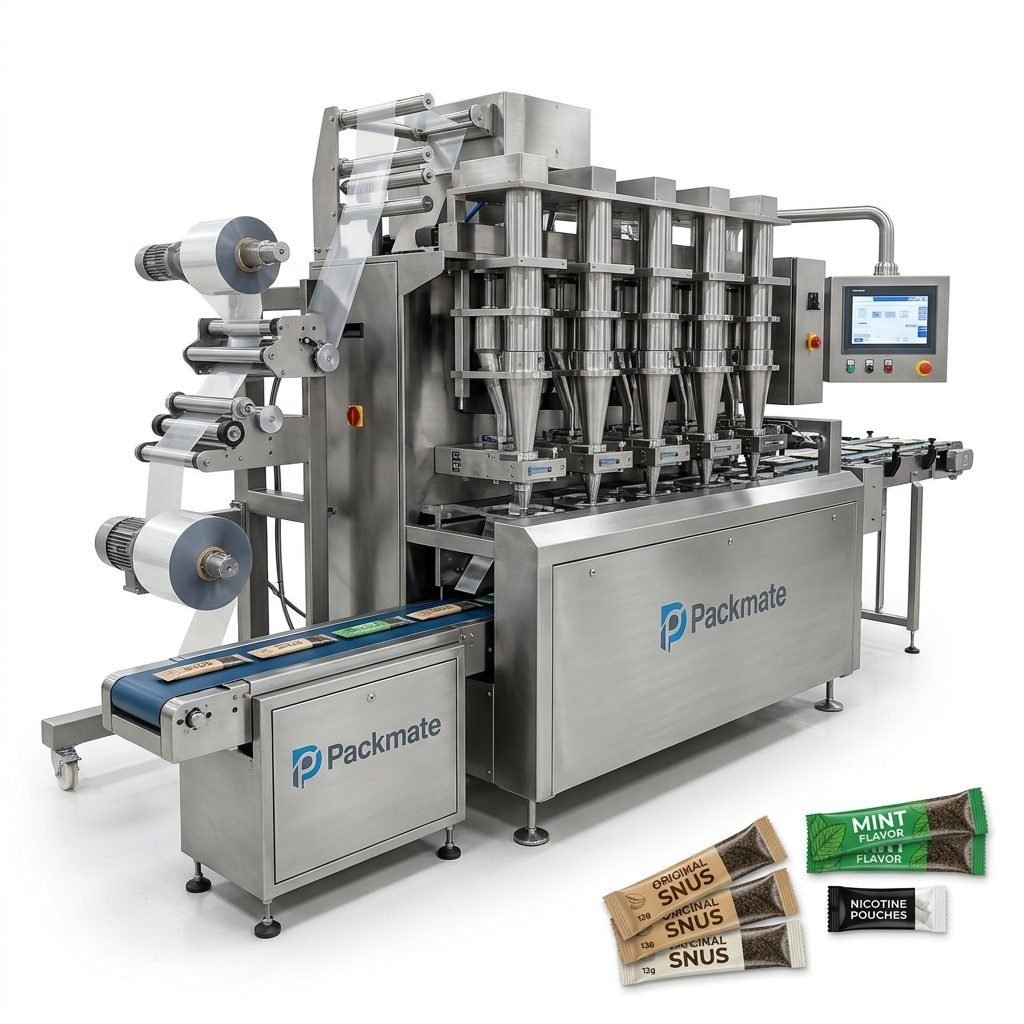
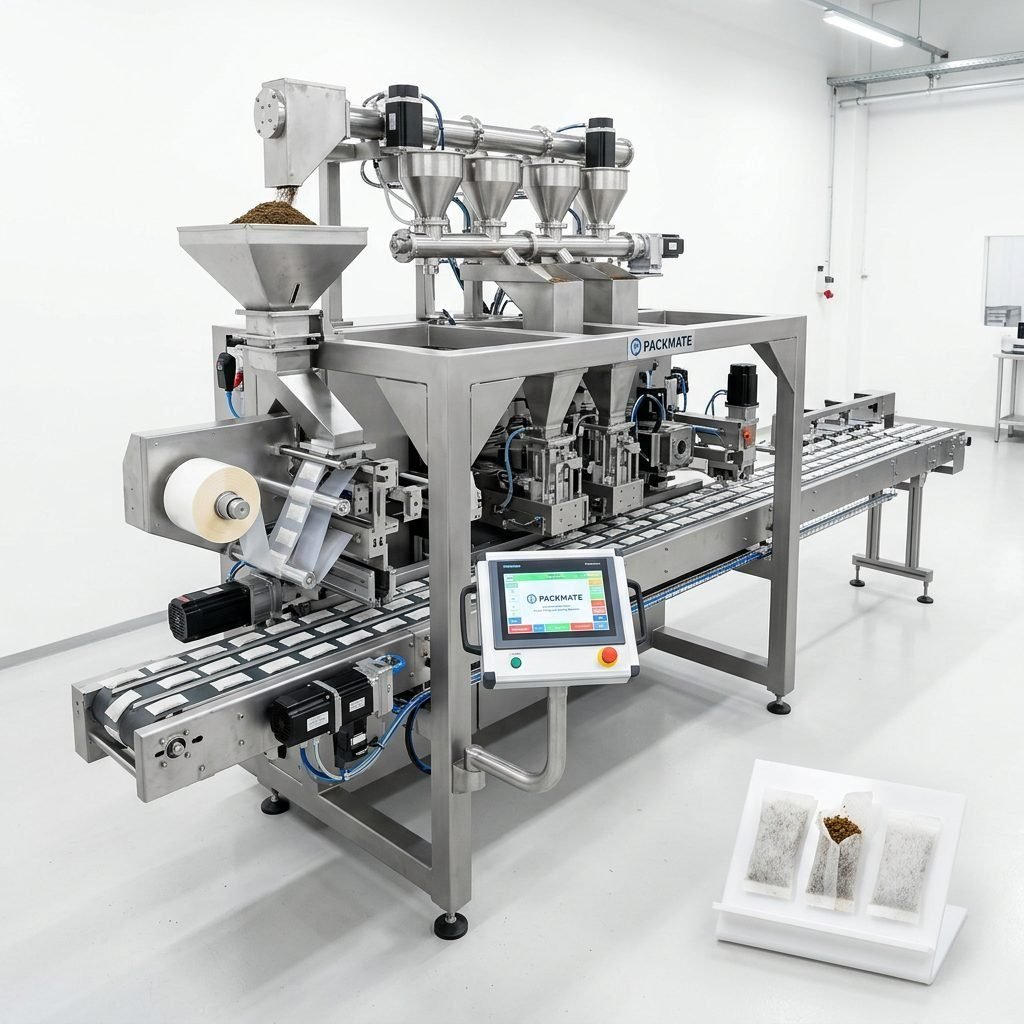
The product portfolio is engineered to cover the full scope of snus and nicotine pouch production. Modular machine designs enable easy upgrading and lane expansion for higher throughput. Typical offerings include snus & nicotine packaging machines, bag & pouch systems, sachet & stick pack machines, weighing systems, and auxiliary packaging equipment for integrated production lines.
Access direct product overviews here:
Snus & Nicotine Packaging Machines,
Sachet & Stick Pack Machines,
Filling & Packaging Lines.
Key Machine Types
• Multi-lane snus packing systems – for high-speed small-dose pouch production, enabling precise portioning across multiple lanes.
• Stick pack and sachet machines – versatile solutions for single-serve formats and rapid format changeovers.
• Weighing & filling systems – accurate dosing for powder, granules, and liquid formulations to meet regulatory consistency requirements.
Engineering Strengths and Customization
Engineering is the core differentiator. From initial concept through to delivery, machines are designed with a precision-first mindset. Advanced CNC capabilities allow custom components and tight tolerances. Whether the need is for a bespoke platemark, modified filling geometry, or custom servo control sequences, the manufacturer provides tailored engineering solutions to match unique product characteristics such as particle size, moisture, and desired pouch weight.
Customization highlights: convertible lane modules, optional hygienic surfaces for pharma-grade lines, interchangeable feeders for powder/granule/liquid, and integrated metal detection and checkweighing systems for QA.
Turnkey Solutions and Integration
Large-scale projects often require full line integration: formulation handling, dosing, upstream conveying, packaging, and end-of-line palletizing. Turnkey services include layout design, electrical and pneumatic integration, PLC and HMI programming, FAT (Factory Acceptance Testing), SAT (Site Acceptance Testing), and commissioning support. These services reduce the burden on in-house engineering teams and ensure faster time-to-market.
📣 Turnkey benefit: single-source responsibility for mechanical, electrical, and control integration reduces commissioning time and improves system reliability.
Quality Assurance, Safety, and Certifications
High uptime and regulatory compliance matter. Quality processes in the factory include precision machining, component traceability, and rigorous final testing. Equipment is built to meet international standards such as CE and ISO, and optional hygiene upgrades are available for markets with strict food/pharma requirements. Safety guards, emergency stops, and interlocks are standard, with custom documentation and risk assessments provided for each project.
For documentation and certification inquiries, customers can learn more on the certificate and compliance pages: Certificate.
Testing and Reliability
• Factory Acceptance Testing (FAT) to verify mechanical performance and control logic.
• Stability runs to demonstrate consistent pouch weights and seal integrity over time.
• Material traceability and spare parts strategy to support long-term serviceability.
Global Presence, Exhibitions, and Case Studies
The company regularly attends international industry exhibitions to showcase live demonstrations and to connect with global partners. Case studies reflect deployments across Europe, Asia, and the Americas for both startup brands and large-scale industrial manufacturers. Interested customers can explore examples of completed projects and exhibition schedules here: Case and Our Exhibition.
Typical Global Projects
Projects range from single-machine upgrades for small brands to fully automated lines for multinational customers. Common objectives include increasing throughput with multi-lane solutions, reducing product giveaway with precise dosing, and automating end-of-line operations to lower labor costs and improve hygiene.
Service, Support, and Spare Parts
Reliable after-sales support is essential for production continuity. The manufacturer offers global service options including remote diagnostics, on-site technicians, preventive maintenance contracts, and genuine spare parts. Training programs are provided during commissioning to ensure operator competency and reduce downtime risk.
For service inquiries and technical support, use the contact and service pages: Service and Contact Us.
📞 Support highlight: remote troubleshooting and scheduled preventive maintenance reduce unplanned stoppages.
Technology Trends and Innovations
The snus and nicotine pouch market drives rapid innovation in packaging technology. Current trends include multi-lane high-speed systems for small-dose formats, smart sensors for predictive maintenance, and compact hygienic designs for easier cleaning and reduced cross-contamination risk. Advanced servo controls and vision systems improve pouch placement accuracy, seal quality inspection, and automated reject handling.
Integrating data acquisition and Industry 4.0 capabilities enables remote performance monitoring and analytics for continuous improvement across production batches.
Sustainability Considerations
Efficient packaging design and precise dosing reduce material waste and product giveaway. Machines engineered for quick changeover drive lower energy consumption per unit produced. Options for recyclable material handling and reduced film usage support sustainability targets for responsible manufacturers.
How to Choose the Right Snus Packaging Partner
Selecting the right vendor means balancing technical capability, service footprint, and long-term partnership potential. Consider these evaluation criteria:
• Proven machine performance with reference lines and FAT results.
• Customization capability to adapt equipment to product specifics and future growth.
• Service and spare parts network for minimal downtime.
• Regulatory and safety compliance aligned with target markets.
Installation, Training, and Ramp-up
Effective ramp-up includes structured installation, operator training, and performance validation. Typical commissioning steps include site preparation, mechanical & electrical installation, software configuration, operator training sessions, and production validation runs. A phased approach to ramp-up helps ensure consistent product quality and machine reliability from day one.
Training may include maintenance skills, troubleshooting, routine cleaning protocols, and safety procedures to maximize operational life while minimizing risk.
Deployment Timeline (Typical)
1. Project planning and layout – 2 to 4 weeks
2. Manufacturing and FAT – 6 to 12 weeks
3. Shipping and site installation – 2 to 6 weeks
4. Commissioning and training – 1 to 3 weeks
Conclusion
For brands and manufacturers entering or expanding within the snus and nicotine pouch arena, partnering with an experienced packaging machine supplier is a strategic investment. Robust engineering, flexible customization, and global service capabilities ensure consistent product quality, compliance, and business scalability. Whether you need single-machine upgrades or a fully integrated filling and packaging line, a modern snus machine manufacturer provides the technical depth and turnkey delivery to keep production running smoothly and profitably.
Want to learn more?
Visit the company overview to explore mission, history, and team: About Packmate. Browse catalogs and FAQs for detailed specifications and common queries: Catalog and FAQs.
Frequently Asked Questions
Q1: How long does it take to deliver a customized snus packing line from order to commissioning?
A1: Typical delivery timelines depend on customization level. Standard configurations can be supplied in 8–12 weeks, while highly customized turnkey lines usually require 12–20 weeks, including FAT. Detailed project schedules are provided during contract negotiation.
Q2: What kind of support is available after installation?
A2: Support includes remote diagnostics, spare parts supply, preventive maintenance contracts, and on-site service visits. Training for operators and maintenance staff is provided during commissioning to ensure smooth production handover.
Q3: Can machines handle different product forms such as powder, granule and liquid within the same line?
A3: Yes. Modular filling systems and interchangeable dosing modules enable conversion between powders, granules and liquids, though conversion may require changeover components and validation to ensure dosing accuracy.
Q4: Are the machines compliant with international safety and quality standards?
A4: Equipment is manufactured to meet CE and ISO standards, with optional hygienic upgrades for food and pharmaceutical production. Certificates and compliance documents are available upon request.
Q5: How can I see machine demonstrations and real case studies?
A5: Attend industry exhibitions where live demos are hosted or request case studies and virtual FAT demonstrations. Visit the exhibition and case pages to find upcoming events and documented project references.