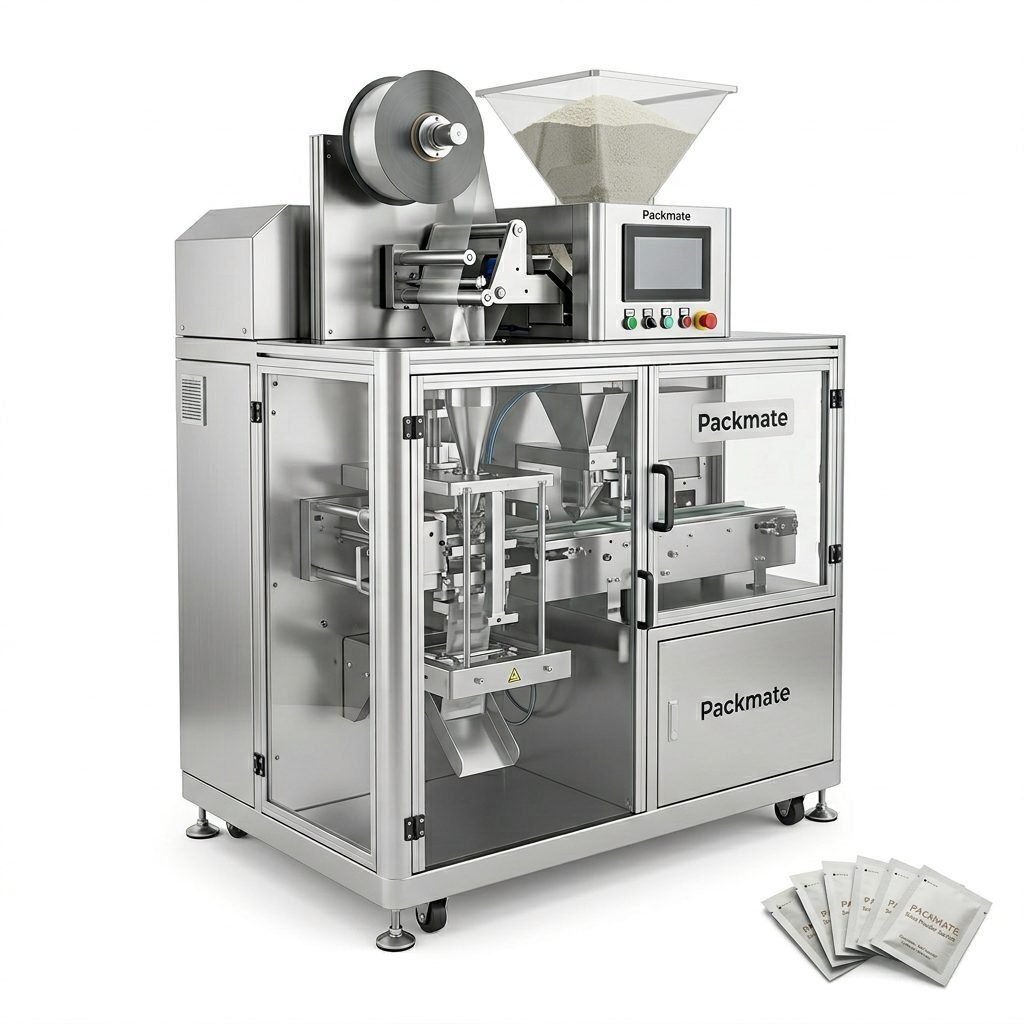
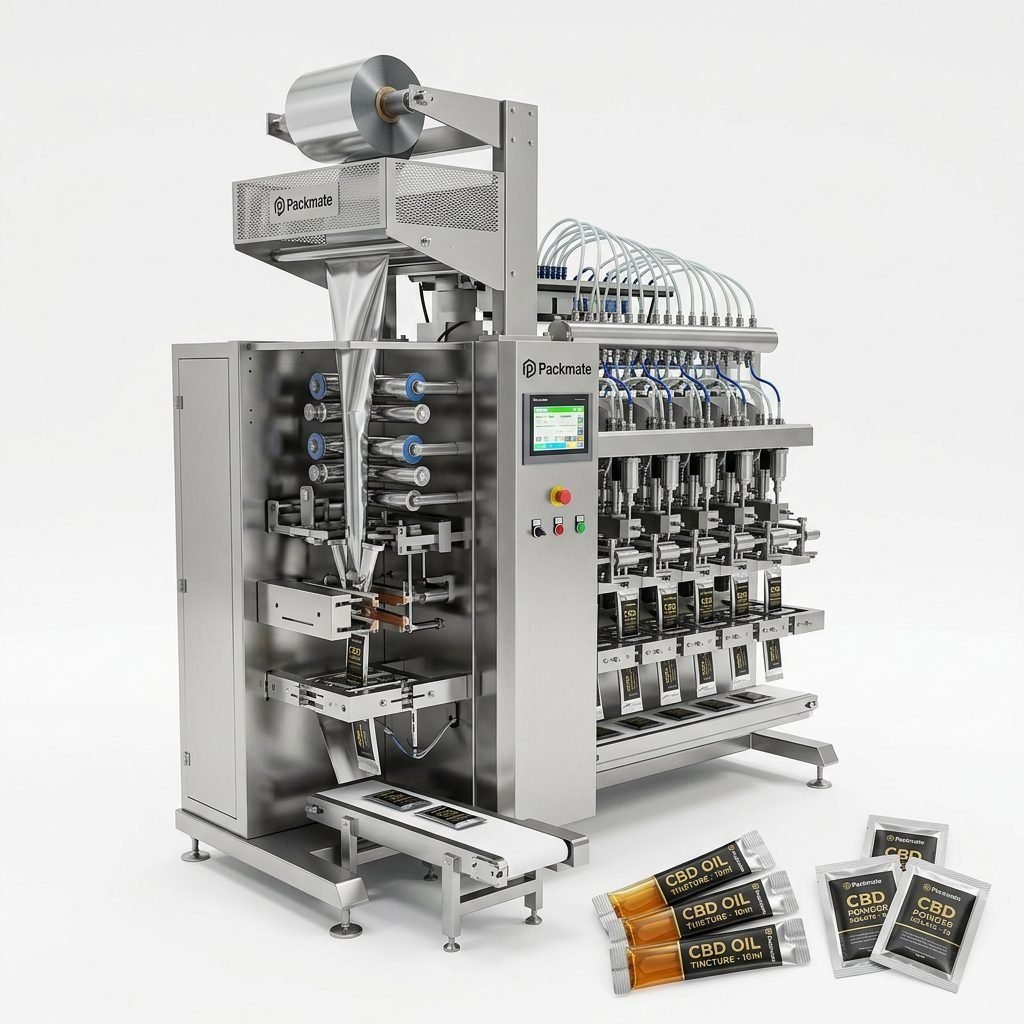
Entering the snus and nicotine pouch market in Chad requires thoughtful planning around equipment selection, local regulations, and supply chain realities. Choosing the right snus packaging machine manufacturer is a strategic decision that affects product quality, regulatory compliance, operating costs, and your ability to scale. This guide explains how to evaluate manufacturers, what technical and commercial criteria matter most, and specific considerations for doing business in Chad, helping you select a partner that will support growth and reliable operations.
Understand Your Product and Market Needs
Before comparing manufacturers, clearly define the product specifications and market characteristics in Chad. Consider pouch sizes (single-dose or multi-dose), material choices (paper, film, or laminated structures), required barrier properties against humidity, and whether you need nitrogen flushing for product shelf life. In Chad, where temperatures and humidity can vary widely, moisture protection and robust sealing are critical.
Also factor in packaging formats that local retailers and consumers prefer. Retail packaging in Chad often follows regional conventions; French language labeling and clear regulatory information may be expected. If you plan cross-border distribution to neighboring countries, choose packaging that meets multiple markets’ labeling standards.
Key Machine Types and Technologies
Manufacturers offer a variety of machine platforms. Know which product formats you require:
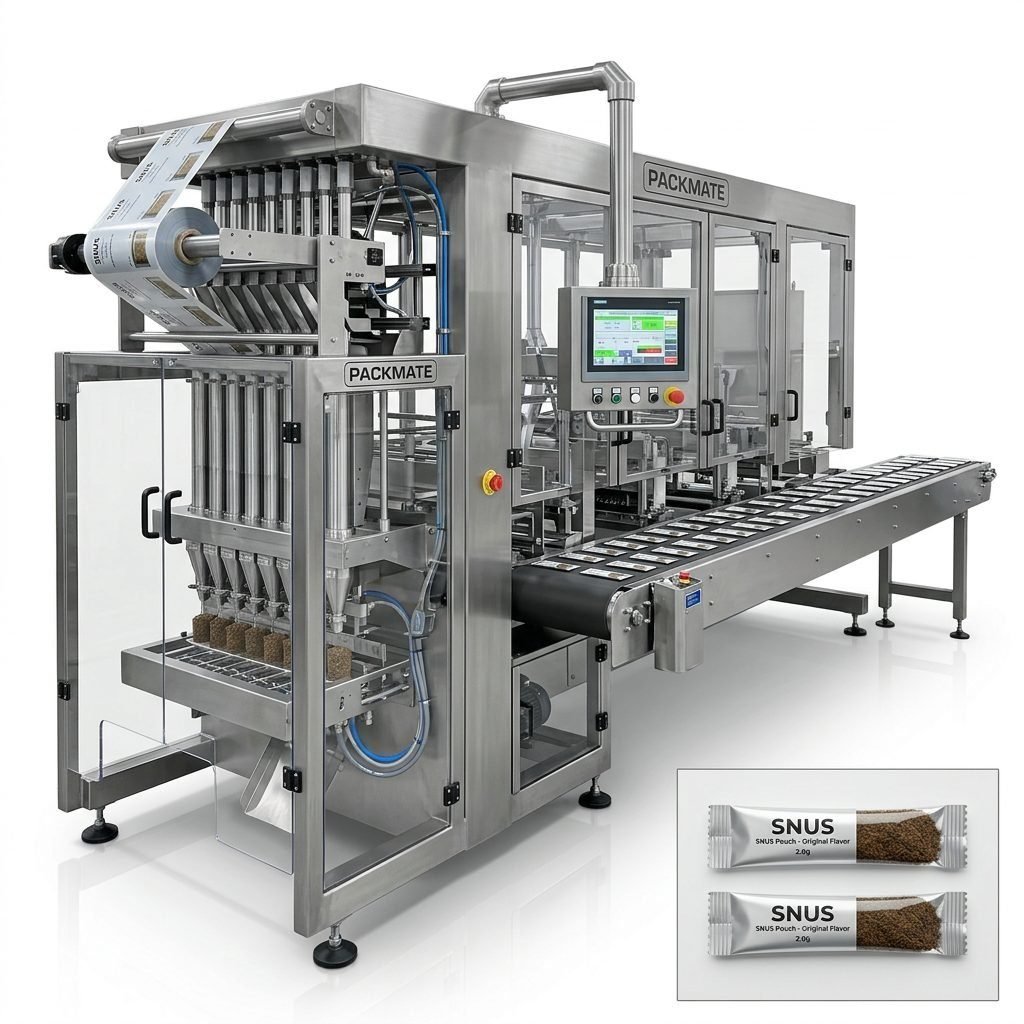
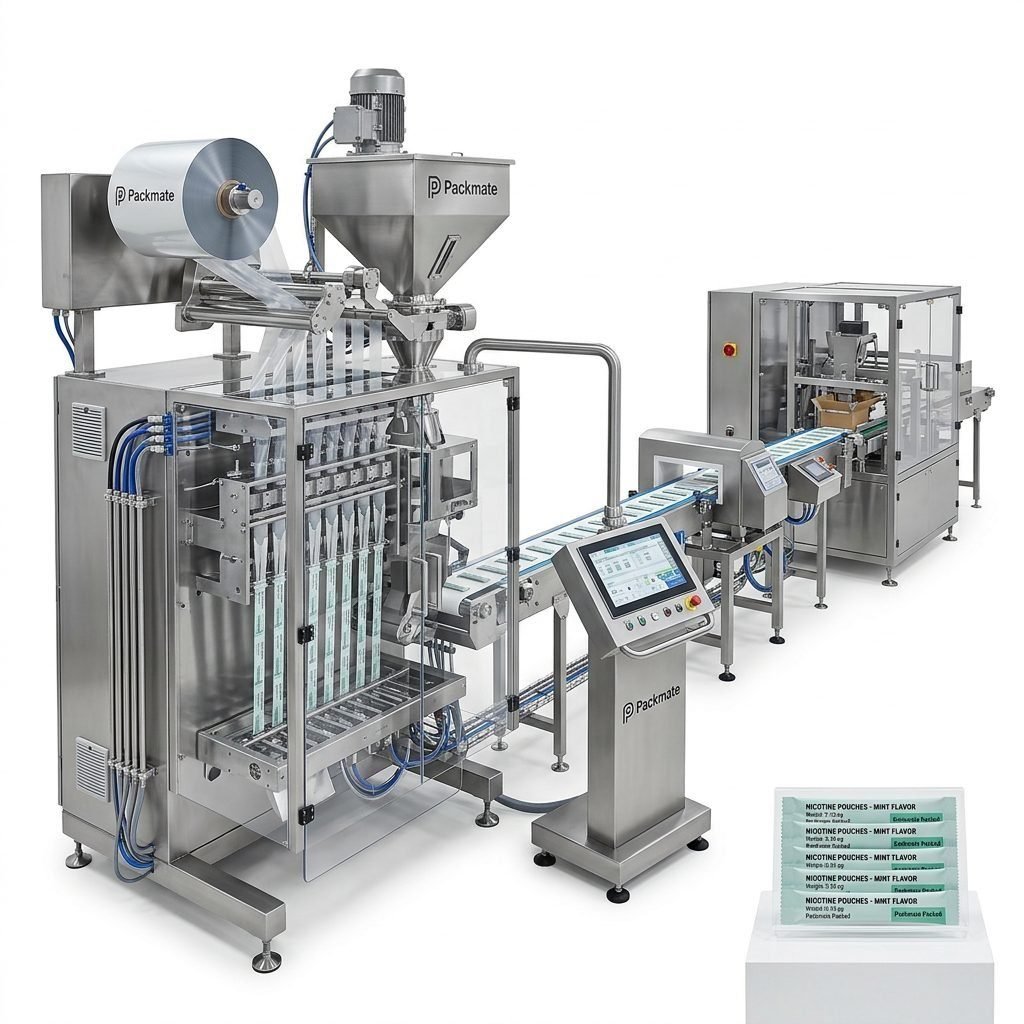
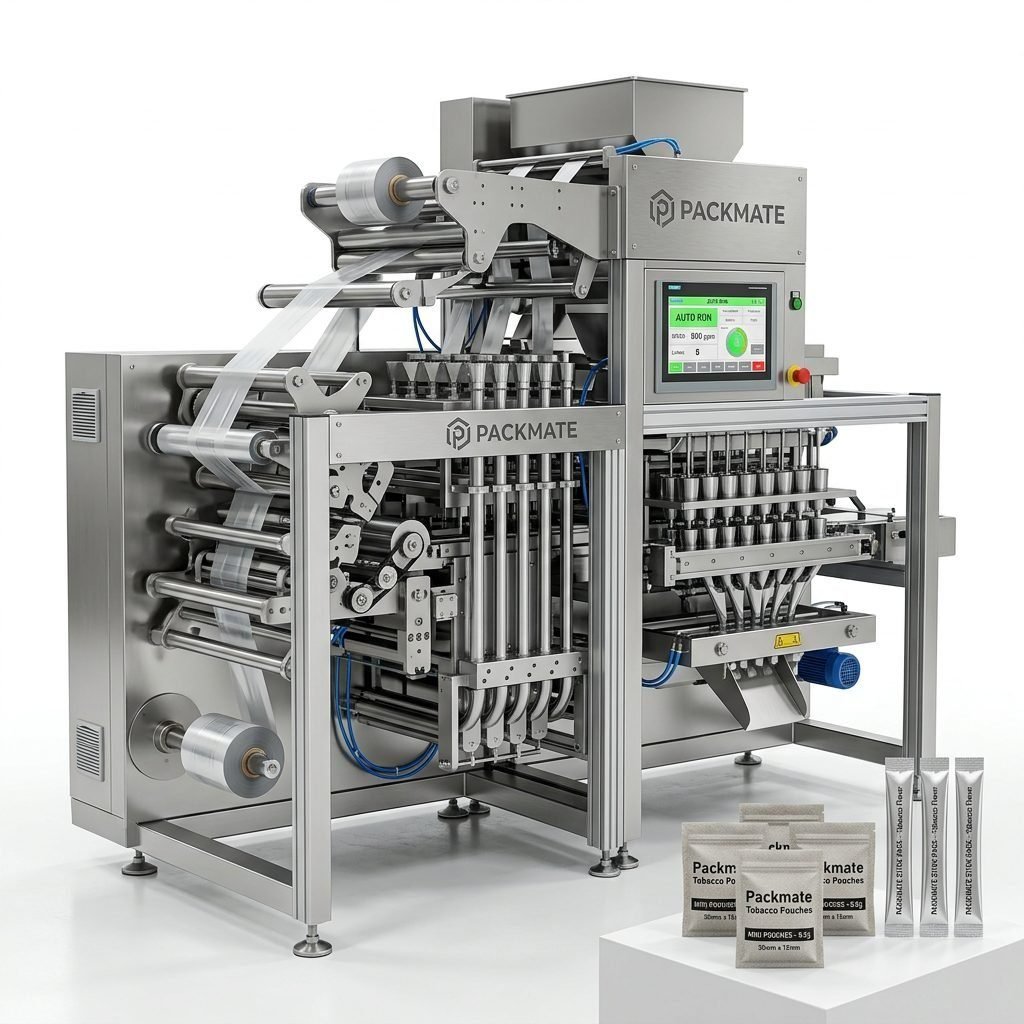
🔧 Stick pack machines — ideal for single-dose or slim sachets, suitable for high-speed single-lane or multi-lane production.
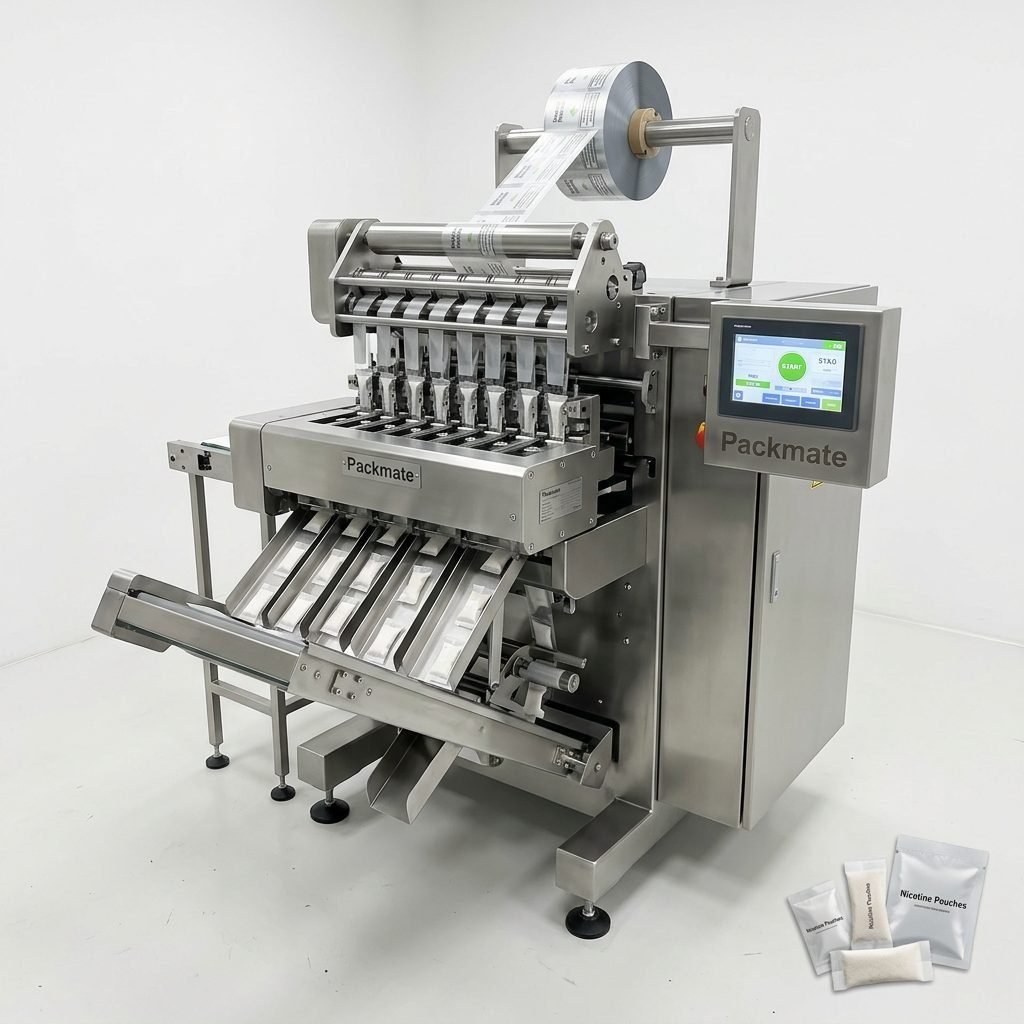
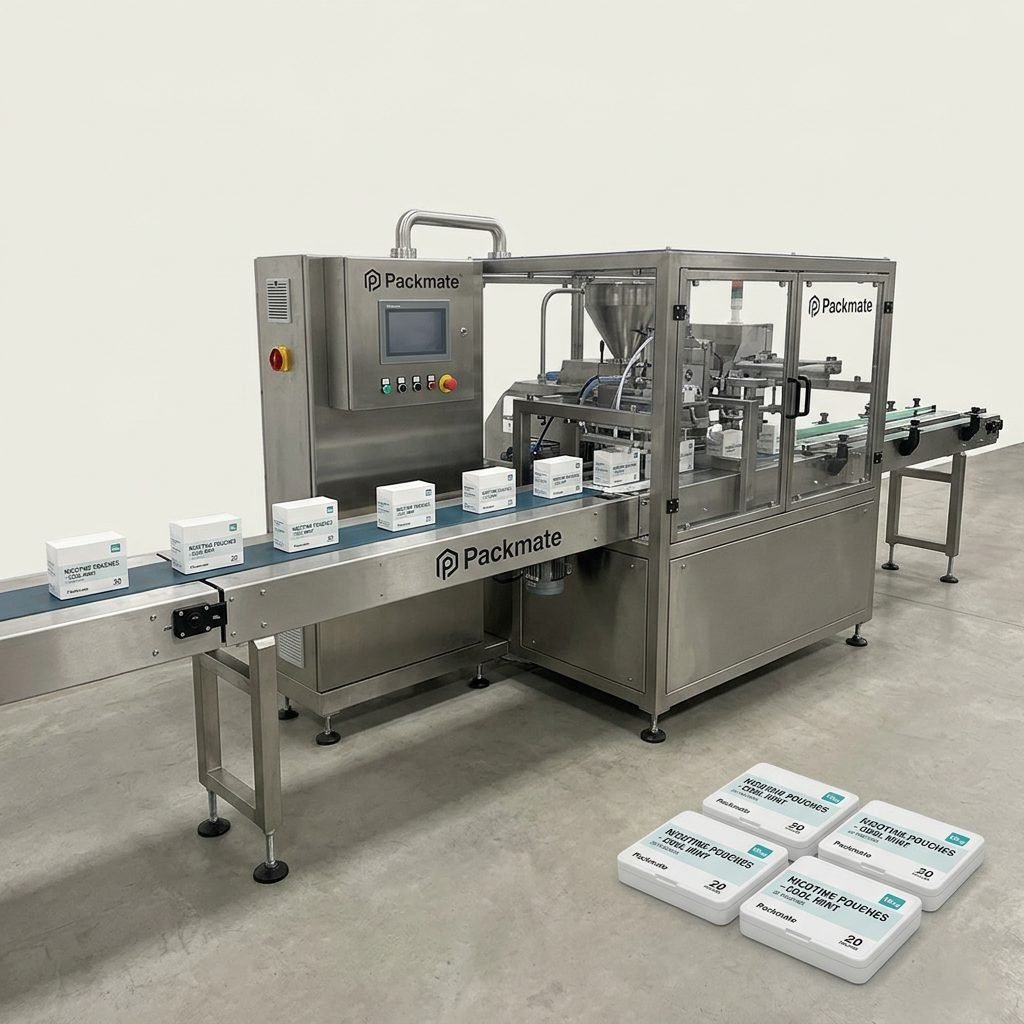
🧾 Sachet & pouch machines — flexible pouch design and shape options, often used for nicotine sachets and snus pouches.
⚙️ Multi-lane systems — higher throughput using parallel lanes, important for scaling quickly while minimizing footprint.
Automation Elements to Prioritize
For reliable operations in Chad, prioritize machines with:
• Servo-driven motion for precision and reduced maintenance; servo systems increase repeatability and help maintain quality in hot climates.
• PLC and HMI interfaces that support multilingual operation (English and French are useful for Chad).
• Robust sealing jaws and film handling to cope with variable film materials and humidity.
• Quick-change components to reduce downtime when switching SKUs.
Assess Manufacturer Capabilities and Track Record
When evaluating manufacturers, examine engineering experience, certifications, and global customer cases. A manufacturer with deep experience in nicotine and snus equipment will understand the sensitivity of dosing and the importance of gentle handling for small pouches. Look for:
📌 Certifications: CE and ISO attest to quality and compliance with international standards.
📌 Factory capacity: Larger facilities with CNC machining centers and precision assembly lines indicate stronger build quality and consistent parts supply.
📌 Product portfolio: A broad model range shows the ability to tailor solutions—from single machines to turnkey lines.
Why a Company Like Packmate Might Be a Strong Option
Consider manufacturers with proven heritage and focused product development. For example, a supplier with 30+ years of engineering experience, a 20,000㎡ manufacturing facility, and a catalog of 50+ machine models signals strong technical depth and production capacity. Such a partner typically provides:
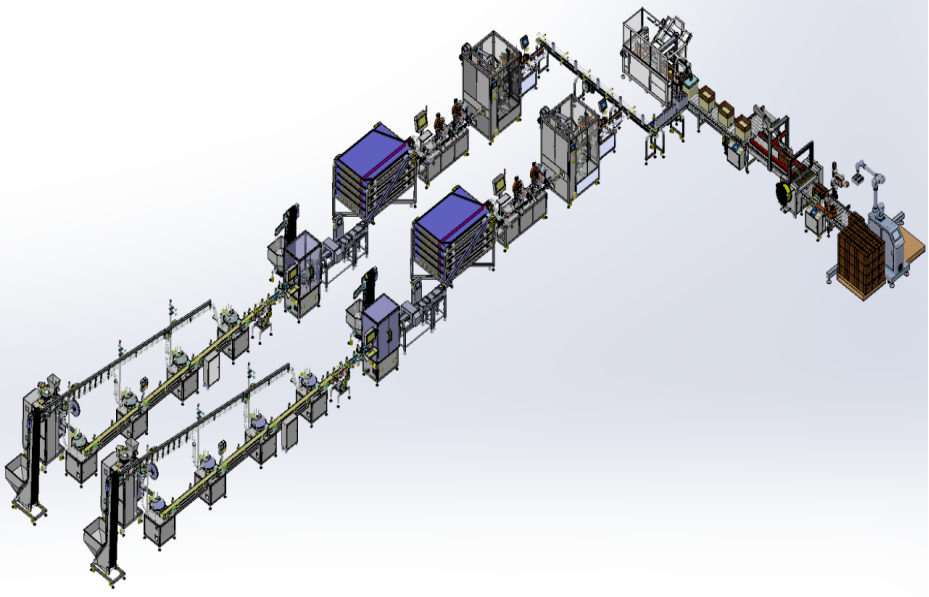
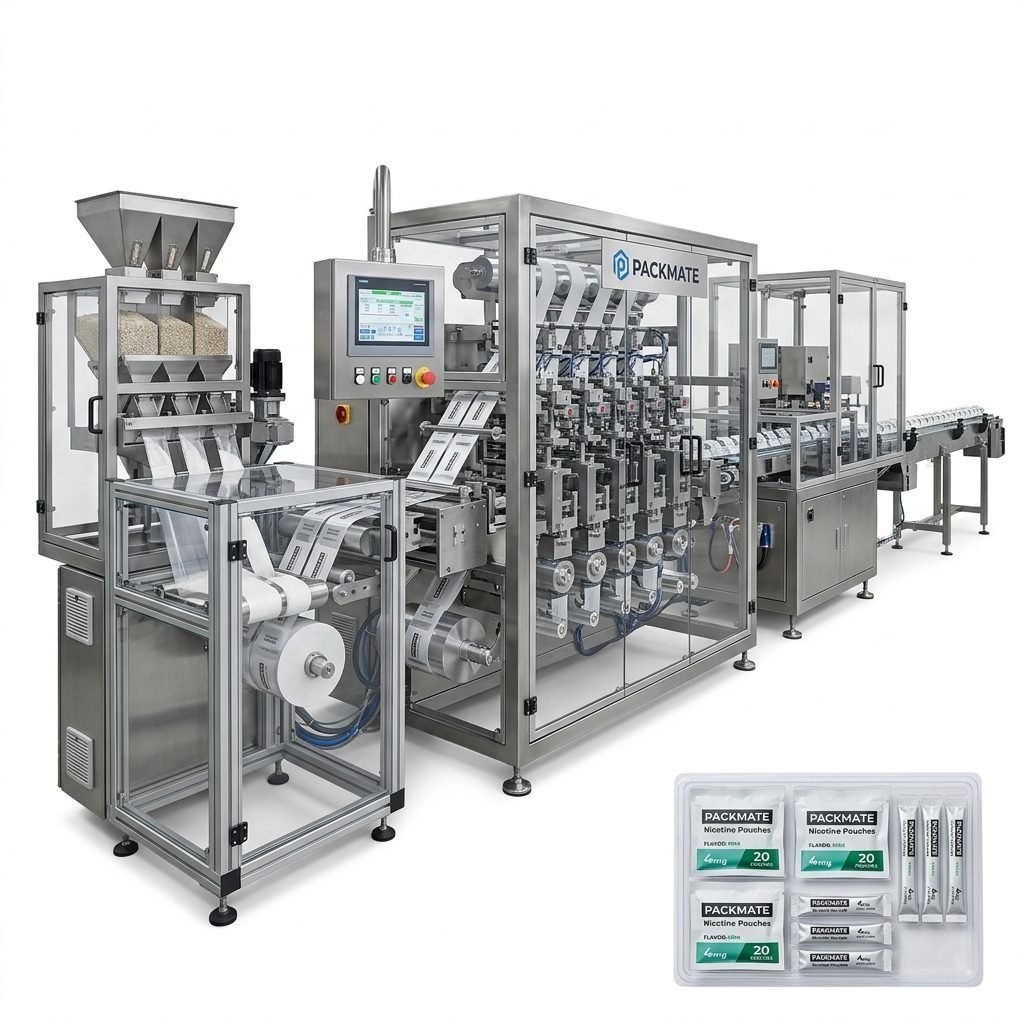
• Customized turnkey packaging lines tailored to nicotine pouches and snus.
• Advanced manufacturing processes and quality testing.
• Support for multi-lane and small-dose production—critical for snus lines.
Learn more about specialized product lines such as Snus & Nicotine Packaging Machines and broader offerings like Sachet & Stick Pack Machines.
Evaluate After-Sales Support and Spare Parts Availability
In Chad, long lead times for spare parts can be costly. Prioritize manufacturers who provide:
• On-site installation and commissioning support — reducing startup risk.
• Remote diagnostics and training to minimize travel needs.
• Local stock or rapid shipping of critical spare parts.
• Clear servicing packages and scheduled maintenance plans to maintain uptime.
Check whether the manufacturer offers detailed documentation and multilingual manuals; French-language documentation is especially useful for many Chadian technicians and operators.
Power, Environment, and Site Conditions in Chad
Chad presents environmental and infrastructure considerations that affect machine selection:
• Electricity stability: Select equipment with robust voltage tolerance and consider adding voltage stabilizers or UPS systems.
• Dust and heat: Machines should have protective enclosures and dust-resistant components. Sealing systems must remain reliable despite heat and particulate exposure.
• Humidity control: High humidity can affect film handling and product shelf life—choose machines that manage film tension effectively and consider local climate-controlled production areas.
Regulatory and Labeling Requirements in Chad
Regulatory frameworks for tobacco and nicotine products can vary. In Chad, ensure you:
• Confirm labeling language needs (French is widely used) and required health warnings.
• Understand import duties, customs clearance processes, and documentation for packaging equipment.
• Verify any licensing for nicotine products—some countries require specific approvals. Non-compliance can lead to product seizures and costly delays.
Work with your machine supplier to ensure that the machines can produce compliant labels and that the production line supports variable printing or labeling steps.
Total Cost of Ownership (TCO) and Financing
Do not focus solely on initial purchase price. Consider TCO, which includes spare parts, energy consumption, installation, training, and expected lifetime. Ask for:
• Energy ratings and expected power draw.
• Recommended maintenance intervals and costs.
• Warranties and options for extended service contracts.
• References from similar customers who operate in comparable climates or markets.
Some manufacturers support financing or staged payments for turnkey lines; discuss these options if capital constraints are a factor.
Testing, Trials and Acceptance Criteria
Prior to final acceptance, require Factory Acceptance Tests (FAT) and Site Acceptance Tests (SAT). FATs should demonstrate the line running with your product or an identical formulation. Ensure the manufacturer provides:
• Measured throughput rates and yield statistics.
• Sample packs for inspection.
• Agreed protocols for SAT after installation in Chad.
• Clear acceptance criteria and remedies if the line does not meet performance targets.
Cultural and Business Practices in Chad
Understanding local business practices eases procurement and operation:
• Communication: French is commonly used in business; Arabic or local languages may be used in certain regions. Ask suppliers for French-language technical support if needed.
• Relationships: Building a trusted relationship with suppliers and local partners can smooth import procedures and after-sales service.
• Workforce skill levels: Invest in operator training and practical manuals; local technicians may be available but require systematic training on high-precision equipment.
Choosing a Long-Term Partner
A packaging machine supplier should be a partner, not just a vendor. Evaluate:
• Track record in nicotine/snugar markets and proven global installations.
• Willingness to customize solutions and provide turnkey production lines.
• Support for spare parts logistics and training in Chad or a nearby regional hub.
• Participation in industry exhibitions and transparent references—details you can verify through manufacturer exhibition history and case studies.
For example, review company credentials and case studies via their about and case pages: About Packmate and Case.
Installation, Training, and Local Support
Successful long-term operation depends on effective installation and skills transfer:
• Ensure the supplier provides on-site commissioning and operator training.
• Ask for shared training materials, video support, and local language manuals.
• Confirm spare parts shipment times to N’Djamena or other regional ports and whether the supplier has logistics partners experienced with African imports.
How to Conduct a Practical Supplier Evaluation
Follow a structured approach:
1. Define product specs and regulatory needs in Chad.
2. Shortlist suppliers with nicotine/snugar packaging experience.
3. Request technical proposals and budgets including TCO.
4. Visit factory if possible or require detailed FAT documentation and videos.
5. Check references and installed-machine performance in comparable climates.
6. Confirm spare parts, training, and warranty commitments in writing.
Helpful Resources and Next Steps
Explore product pages and offerings to match machine types to your needs:
• Snus & Nicotine Packaging Machines — detailed product configurations.
• Weighing & Packaging Systems — integrate dosing and accuracy controls.
• For turnkey projects and service details, visit Service and Contact Us to start discussions.
Quick Checklist
✔ Confirm humidity and temperature resilience
✔ Verify CE/ISO certification and FAT/SAT procedures
✔ Ensure multilingual manuals and technician training
✔ Evaluate spare parts logistics to Chad and warranty terms
Final Recommendations
Select a manufacturer that balances technical performance, robust build quality, and dependable after-sales support. For operations in Chad, emphasize sealing reliability, humidity resilience, multilingual support (especially French), and strong spare parts logistics. A partner with a long history in snus and nicotine pouch equipment, a large manufacturing footprint, and international certifications will reduce deployment risk and help you expand regionally.
Frequently Asked Questions
Q1: What is the typical lead time for snus packaging machines?
A1: Lead times vary by customization and model complexity, but established manufacturers often quote 8–16 weeks for standard machines and longer for turnkey lines. Always confirm FAT schedules and shipping timelines.
Q2: How can I ensure spare parts arrive quickly in Chad?
A2: Work with manufacturers that maintain regional warehouses or expedited shipping agreements. Stock critical wear parts locally and pre-agree logistics channels to minimize downtime.
Q3: Do I need special labeling capabilities for Chad?
A3: Yes — include multilingual labeling (French and possibly Arabic), required health warnings, and batch coding. Confirm that the line supports upstream printers or apply-on-demand labeling modules.
Q4: How important is machine certification?
A4: Very important. CE and ISO certifications indicate adherence to safety and quality processes that ease import and compliance in many markets.
Q5: Where can I see examples of successful installations?
A5: Review case studies and exhibition records on the manufacturer’s website to verify real-world performance and industry presence; explore their Our Exhibition and Case pages.