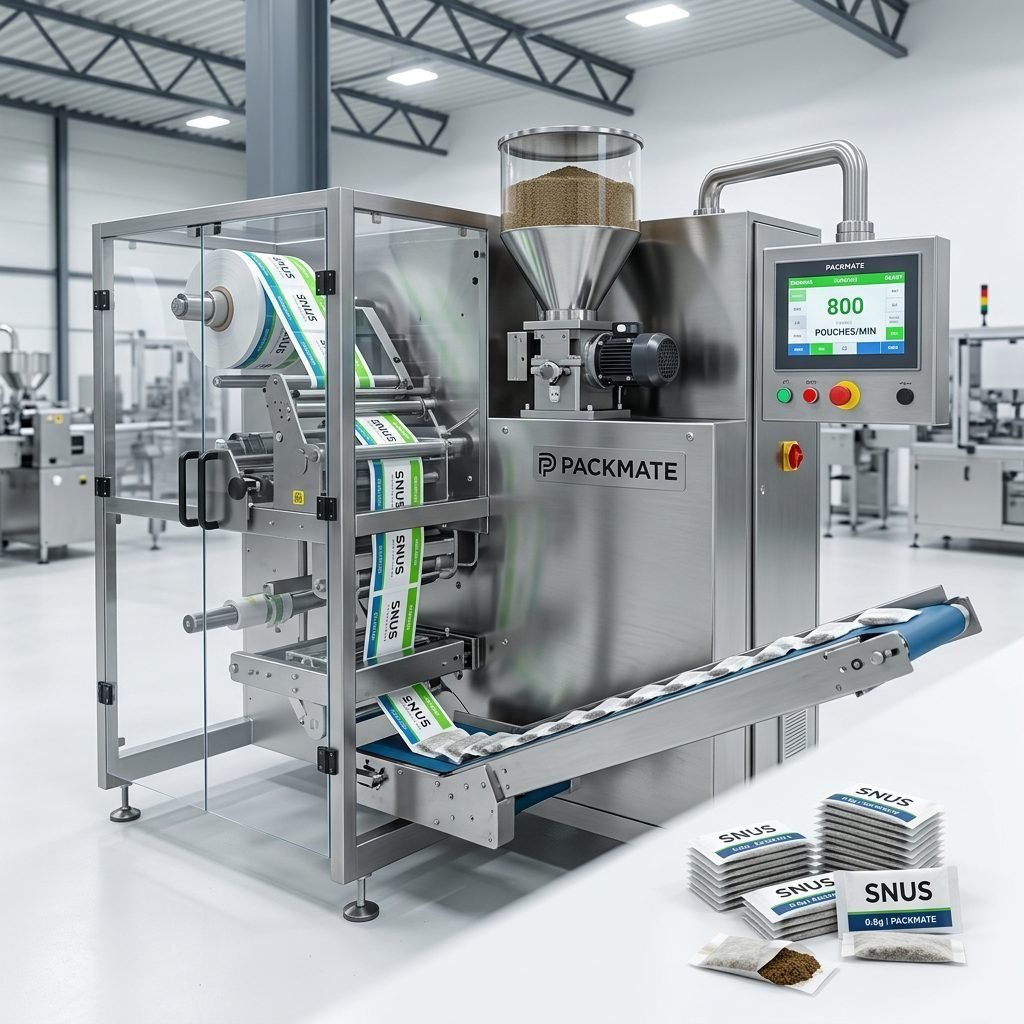
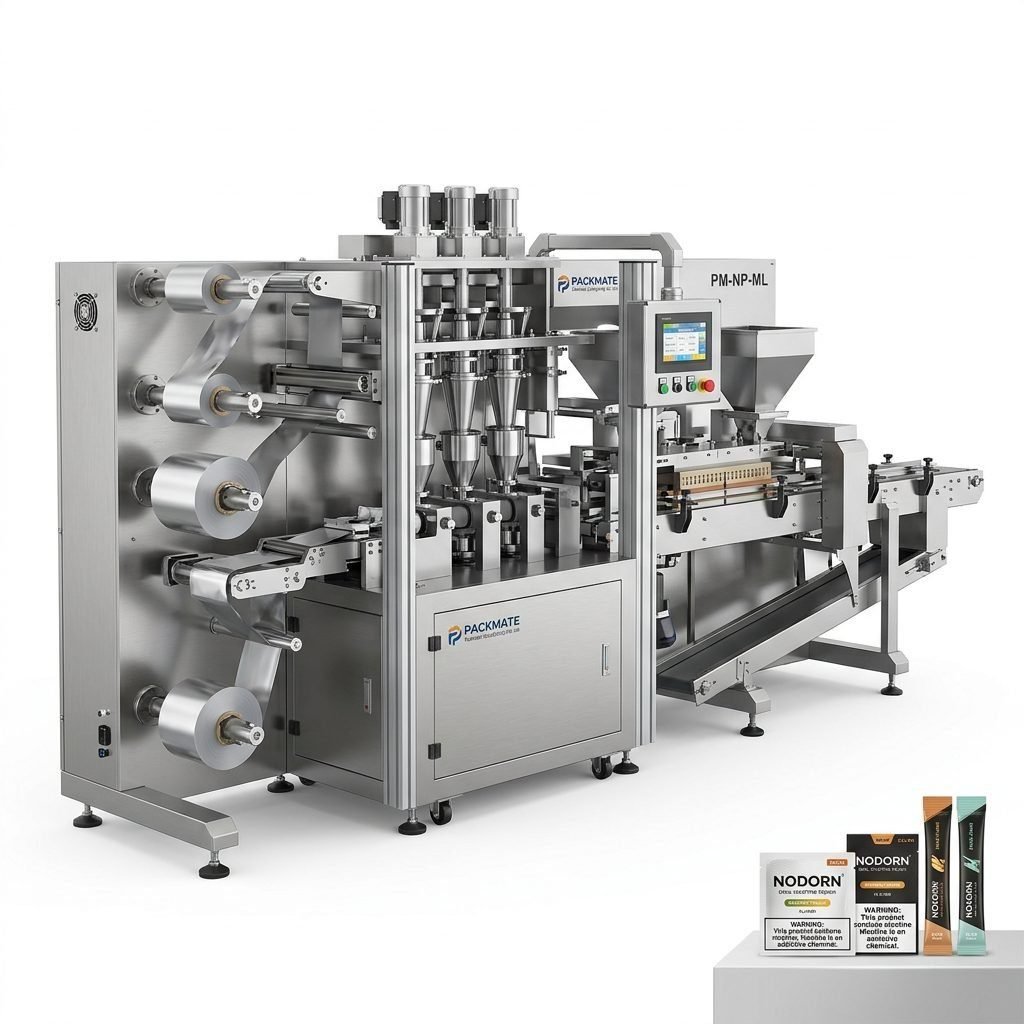
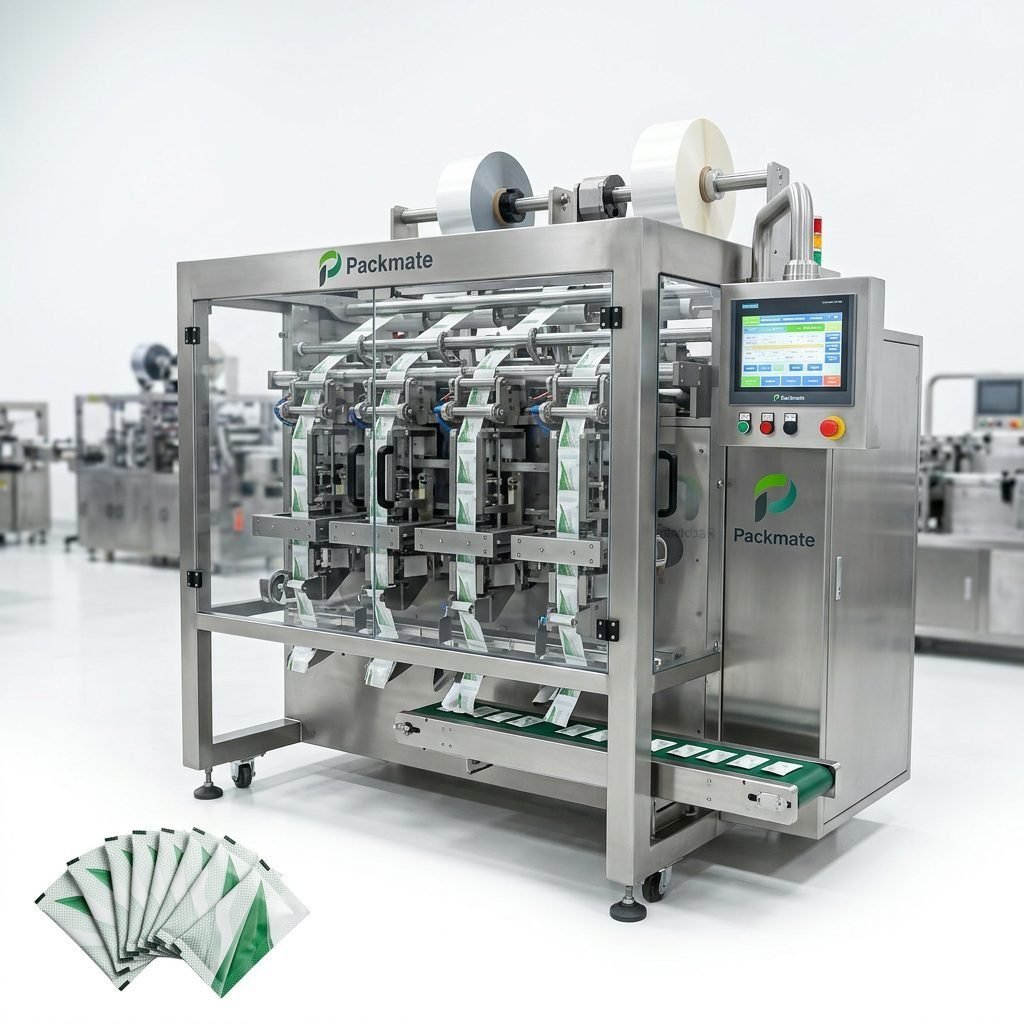
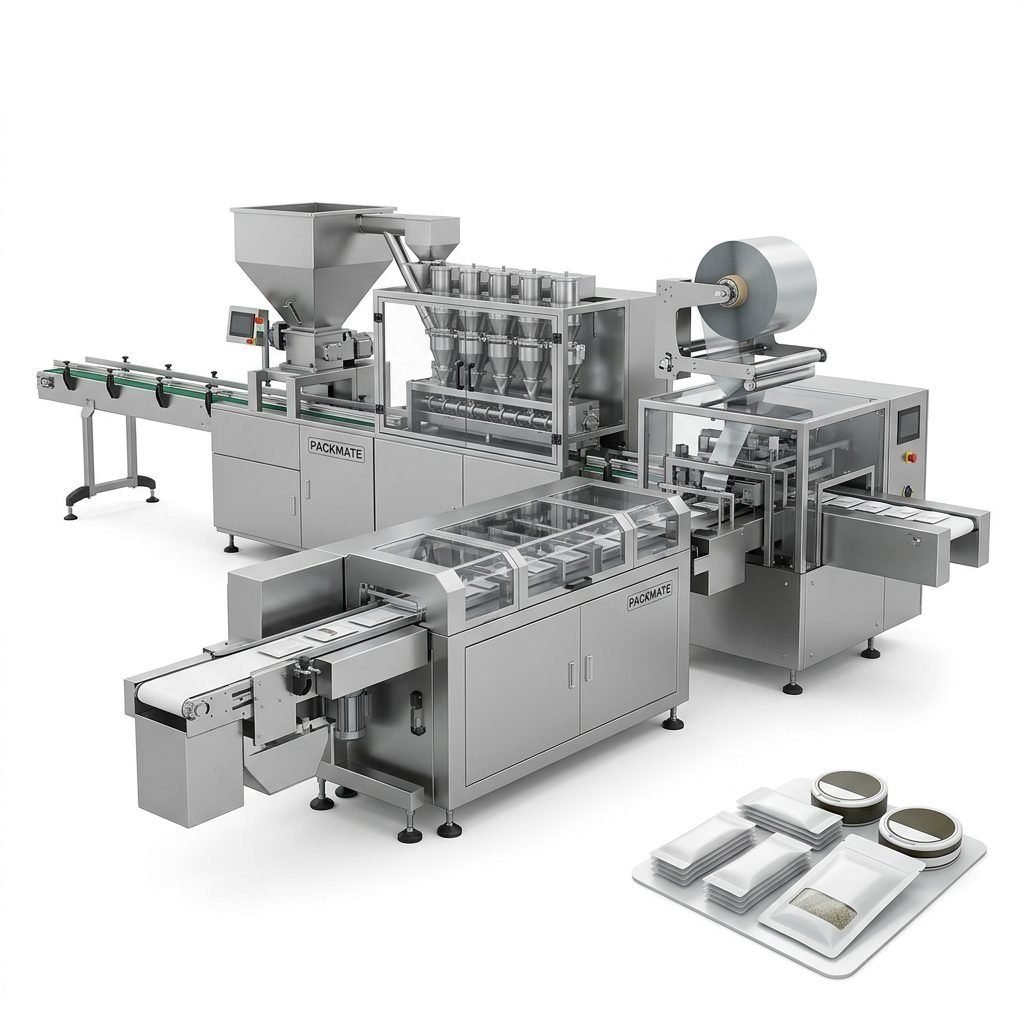
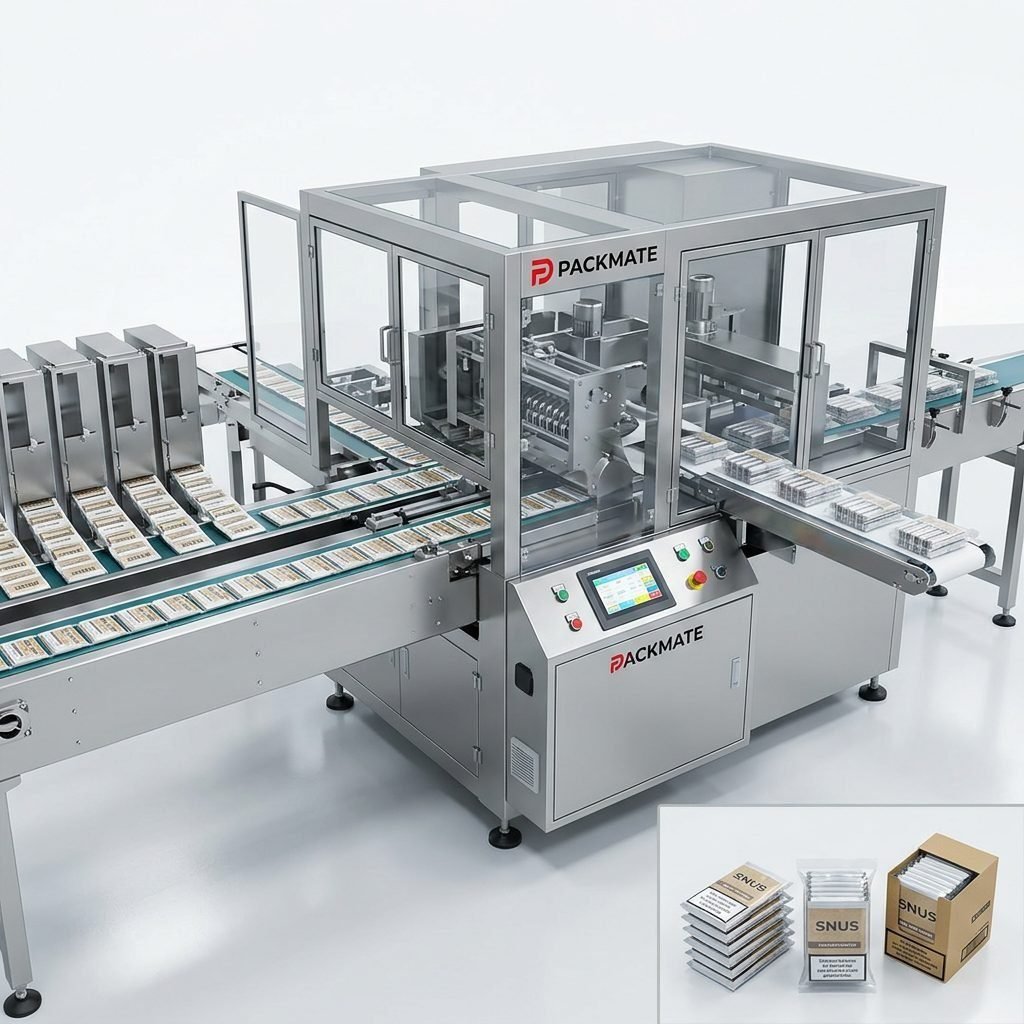
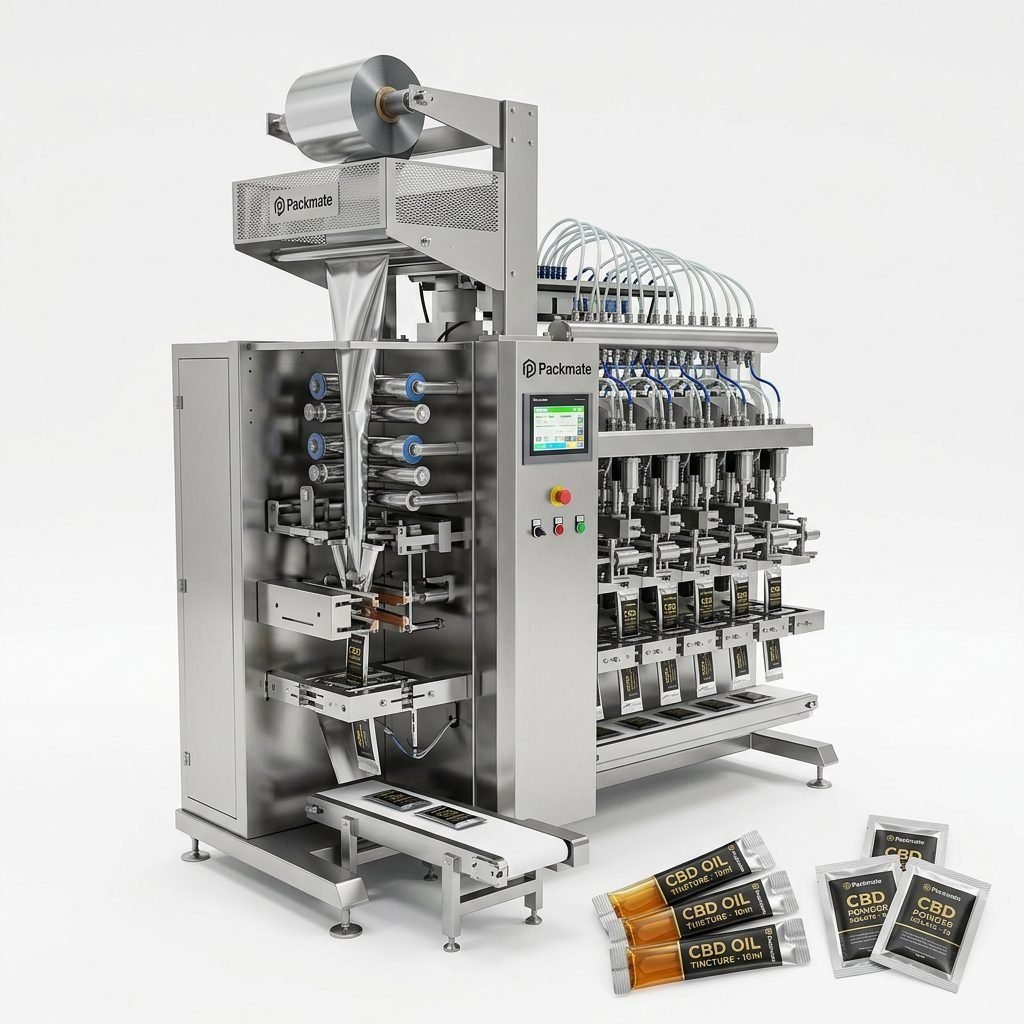
In modern snus and nicotine pouch manufacturing, hygiene is not an option — it is a core competency that determines product safety, shelf life, and market acceptance. This article explores a complete hygienic snus production line, covering machine choices, sanitary design principles, turnkey packaging solutions, quality control, and real-world deployment strategies for manufacturers aiming to scale up with confidence.
Why Hygienic Design Matters in Snus Production
Snus and nicotine pouches are intimate-use products with strict expectations for cleanliness and consistency. A hygienic production line minimizes contamination risks, reduces recalls, and ensures compliance with international standards. Key benefits include:
✅ Product safety: Lower microbial load and reduced foreign matter risk.
⚙️ Consistent dosing: Precision weighing and filling prevent variance in nicotine content.
📦 Brand protection: Fewer defects and stronger retailer trust.
Sanitary Engineering Principles
Hygienic design follows a few non-negotiable principles: smooth surfaces that are easy to clean, minimal crevices, accessibility for inspection, corrosion-resistant materials, and closed transfer systems for powders and granules. These elements reduce cross-contamination and make cleaning procedures faster and more effective.
Core Components of a Hygienic Snus Production Line
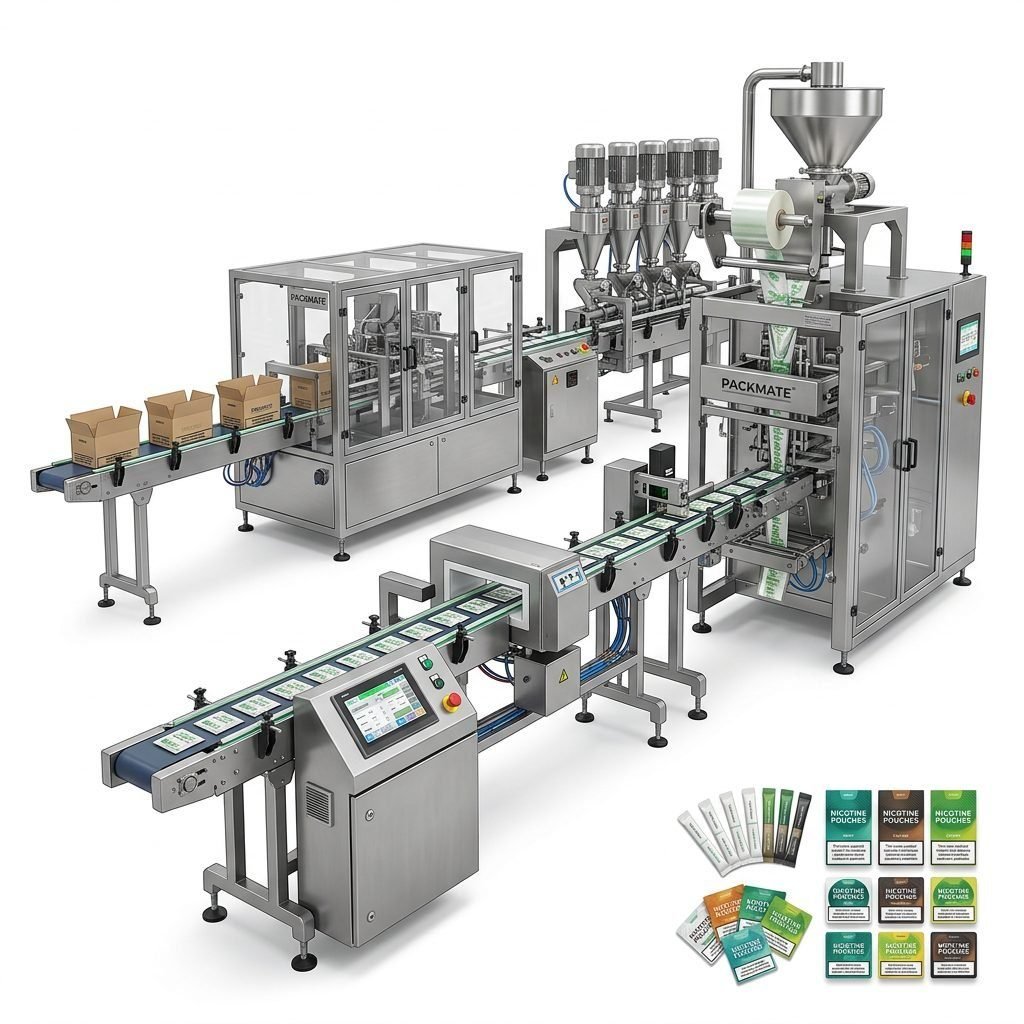
A complete snus pouch production line integrates multiple systems to handle filling, pouch forming, sealing, packaging, and quality control. Typical modules include:
⚙️ Multi-head weighing systems for accurate dosing.
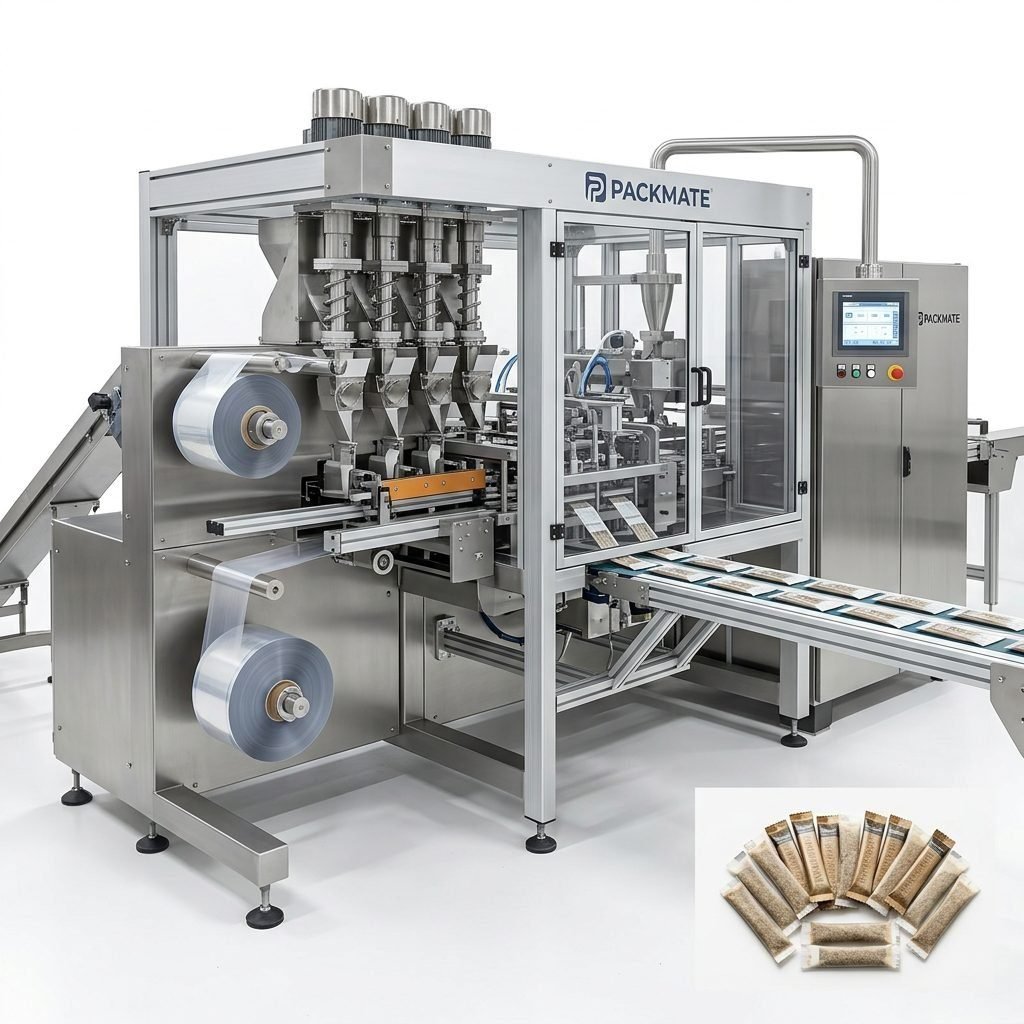
🧷 Pouch forming and heat-sealing machines optimized for tobacco and nicotine blends.
🧪 In-line metal detectors and vision systems for foreign body and seal inspection.
📦 Secondary packaging lines for cartons and cases.
Packmate Equipment: Features That Support Hygiene
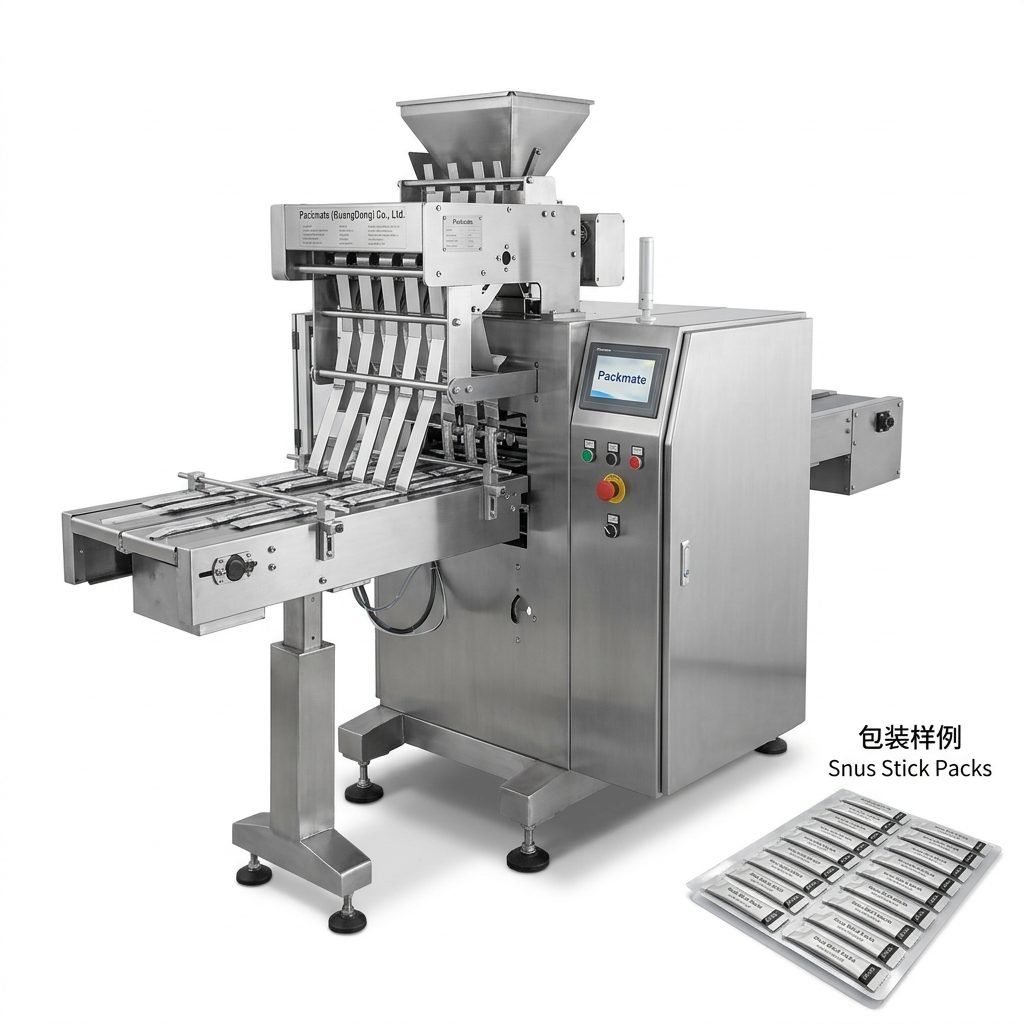
Packmate Snus Machine has engineered a range of snus and nicotine pouch packaging machines that prioritize sanitary construction and reliable output. With over 30 years of experience and a 20,000㎡ factory equipped with advanced CNC machining, Packmate delivers machines that meet CE and ISO requirements.
For a detailed overview of machine categories, explore Packmate’s product pages such as Snus & Nicotine Packaging Machines and Bag & Pouch Packaging Machines.
Sanitary Materials and Surface Treatments
Stainless steel 304/316 is standard for contact parts due to corrosion resistance and cleanability. Surface finishes are specified to reduce bacterial adherence — polished, passivated surfaces and FDA-compliant seals are commonly used. Packmate’s precision assembly and strict quality testing ensure parts are fitted to hygienic tolerances.
Closed Transfer and Dust Control
Proper handling of powdered nicotine and tobacco components prevents dust migration and exposure. Hygienic lines often include enclosed transfer hoppers, HEPA-filtered vents, and negative-pressure enclosures where necessary to protect operators and maintain product purity.
High-Speed Multi-Lane Systems for Small-Dose Pouches
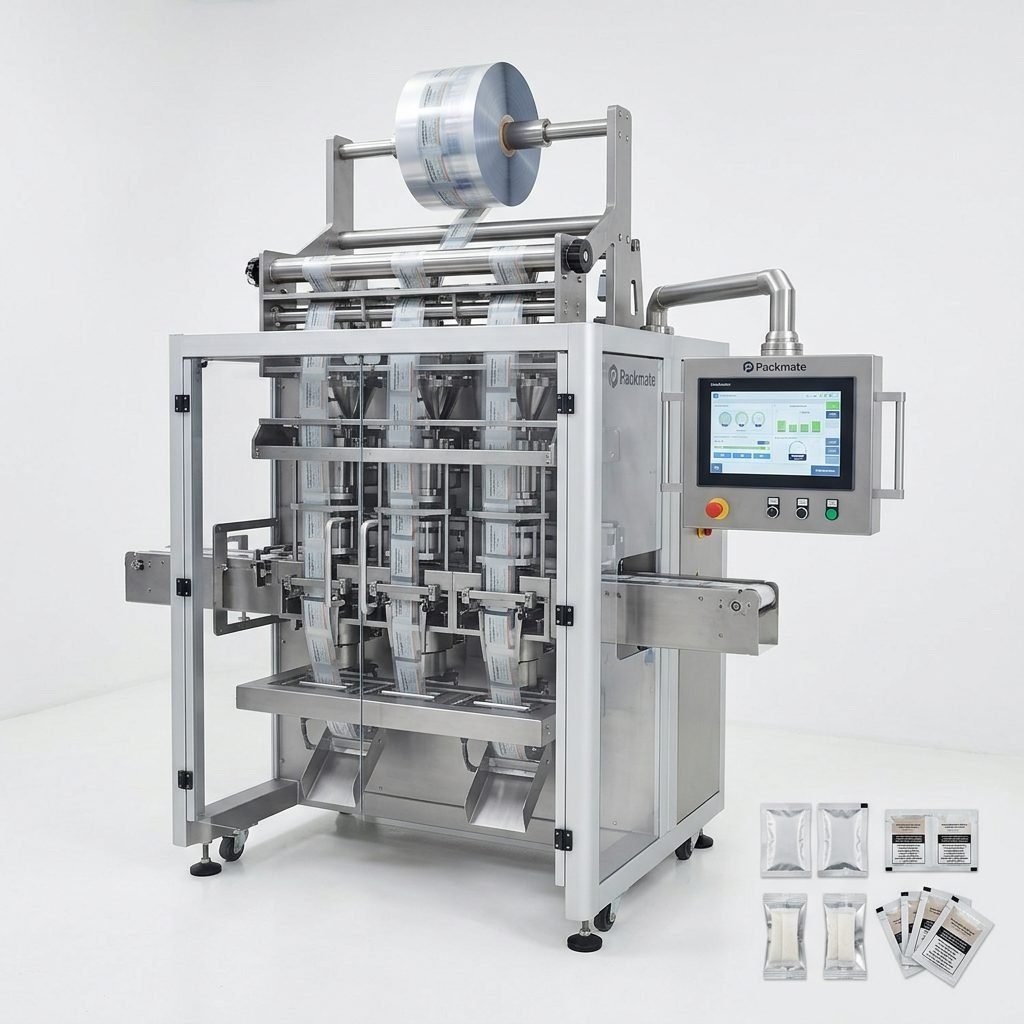
As demand grows for small-dose nicotine pouches, manufacturers need multi-lane systems capable of producing high volumes while preserving dosing accuracy. Packmate’s multi-lane platforms reduce footprint, synchronize lanes for consistent output, and support rapid changeovers to different pouch formats.
📈 Up to 8 lanes: Parallel filling increases throughput without sacrificing accuracy.
🔁 Quick changeover: Tooling kits and recipe memory save downtime.
🧰 Integrated controls: PLC and HMI systems for centralized monitoring.
Weighing & Filling Precision
Precise dosing is a hygienic consideration as much as a regulatory one. Packmate’s weighing and dosing systems offer multi-head and auger solutions tailored for both free-flowing granules and cohesive tobacco blends. Integration with Weighing & Packaging Systems helps achieve consistent nicotine levels and minimizes giveaway.
Turnkey Solutions: From Filling to Final Carton
A turnkey approach streamlines installation and accelerates time-to-market. Packmate’s full lines can include filling stations, pouch formers, sealing units, date coders, metal detection, and secondary case packing — all engineered for sanitary access and efficient cleaning.
Learn about full line integrations in the Filling & Packaging Lines section and review past implementations in the Case library.
Installation, Validation, and Training
Proper installation and IQ/OQ/PQ validation protocols ensure the line meets performance and hygiene targets. Packmate provides commissioning, operator training, and maintenance programs to ensure teams can run and sanitize equipment to specification.
Quality Assurance and Compliance
Meeting CE and ISO standards is the baseline; proactive quality assurance goes further with statistical process control, in-line inspection systems, and supplier traceability. Key QA features include:
🧾 Batch traceability from raw material to finished cartons.
🔍 Vision systems to detect seal integrity and pouch fill level.
🧯 Metal detection and rejection systems for foreign object control.
Certificates and International Markets
Packmate’s equipment complies with international certificates like CE and ISO, making it suitable for global markets. Manufacturers targeting stringent markets should also consider region-specific registration, labeling, and toxicological testing.
Customization and Modular Expansion
One of the strongest advantages of modular lines is the ability to adapt to changing product mixes. Add lanes, switch pouch formats, or integrate secondary packaging without a complete line rebuild. Packmate offers tailored solutions across 50+ machine models to meet varying production strategies.
Service, Spare Parts, and Global Support
Reliable after-sales service is essential. Packmate provides spare parts, remote troubleshooting, and scheduled maintenance packages. For more information on services, visit the Service and Contact Us pages.
Practical Considerations for Implementation
When planning a hygienic snus line, consider floor space, utilities (power, compressed air, vacuum, water), operator training, and waste handling. Early collaboration with engineering teams avoids costly retrofits and ensures sanitary flows between raw material intake and finished goods storage.
Local Regulations and Market Customs
Different regions apply varying rules for nicotine products: labeling, nicotine limits, and advertising can differ significantly. While Packmate serves global customers, manufacturers must align packaging and dosing with local laws and consumer expectations.
Case Study Highlights and Exhibition Presence
Packmate showcases live demonstrations at major global exhibitions (see Our Exhibition) and presents case studies of multi-lane installations in Europe, Asia, and the Americas. These case histories demonstrate how hygienic design and modular automation reduce defects and boost throughput.
ROI and Productivity Gains
Investment in sanitary automation typically yields returns through reduced labor, fewer rejects, and higher output consistency. Manufacturers should model TCO including downtime for cleaning, spare parts, and regulatory maintenance.
Selecting the Right Partner
Choosing a partner with deep experience in snus packaging is critical. Look for a manufacturer that offers:
🔎 Proven installations and customer references.
🏭 Manufacturing capacity and quality control systems.
🤝 Ongoing service and spare parts availability.
For a company profile and manufacturing credentials, see About Packmate and review certificates at Certificate.
Final Recommendations
Successful hygienic snus production relies on thoughtful design, precise dosing, closed material handling, and robust QA systems. Prioritize equipment with sanitary construction, modular expandability, and reliable service support. Engage suppliers early to align line architecture with regulatory requirements and future product diversification.
Quick Action Checklist
✅ Define required throughput and pouch formats.
✅ Select hygienic materials and easy-clean designs.
✅ Integrate weighing and inline inspection systems.
✅ Plan IQ/OQ/PQ validation and operator training.
✅ Secure service agreements and spare parts support.
Frequently Asked Questions
Q1: What makes a snus packaging machine “hygienic”?
A1: Hygienic machines use stainless contact parts, smooth finishes, enclosed material transfers, easy-to-disassemble components for cleaning, and meet international sanitation standards to reduce contamination risks.
Q2: How can I ensure dosing accuracy for small-dose nicotine pouches?
A2: Use precision multi-head weighing or auger dosing systems, regular calibration, and in-line weight checks. Multi-lane synchronization and recipe control also maintain consistent fills.
Q3: Do you provide turnkey lines including installation and validation?
A3: Yes. Packmate offers turnkey solutions including installation, commissioning, IQ/OQ/PQ support, operator training, and after-sales service.
Q4: What certifications should I look for in a snus packaging supplier?
A4: CE and ISO certifications are common baselines. Also consider supplier traceability, documented QA procedures, and compliance with local regulatory requirements.
Q5: How can I see Packmate equipment in action?
A5: Check exhibition schedules and case studies on the Packmate site to view live demos and past installations: Our Exhibition and Case.