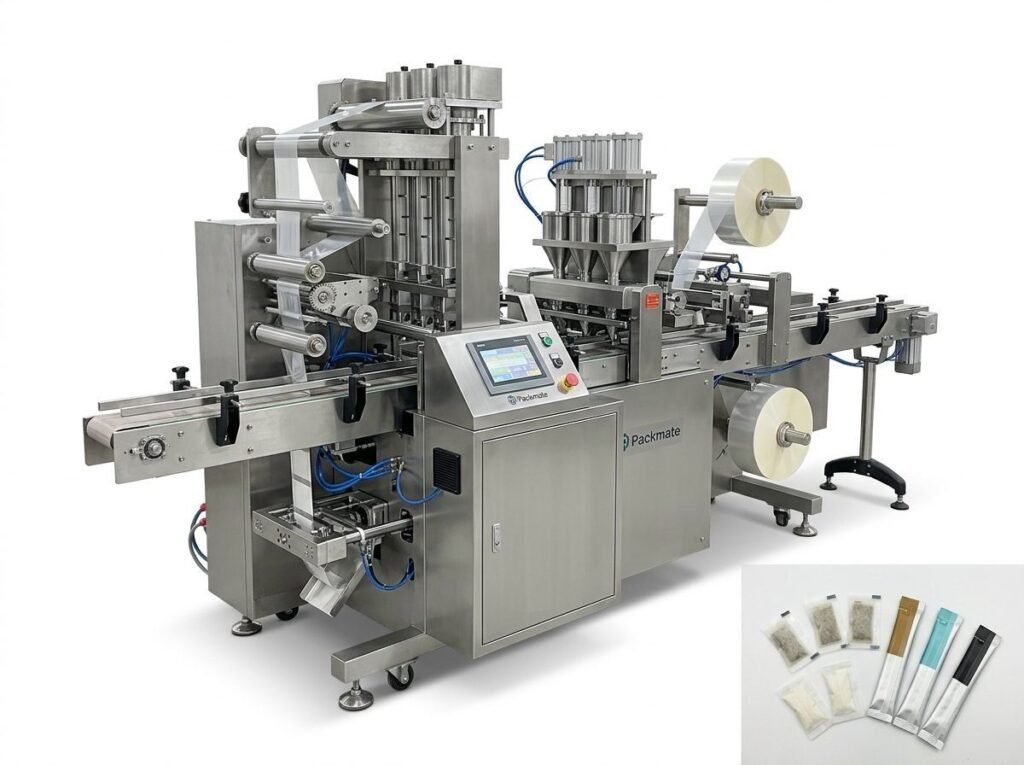
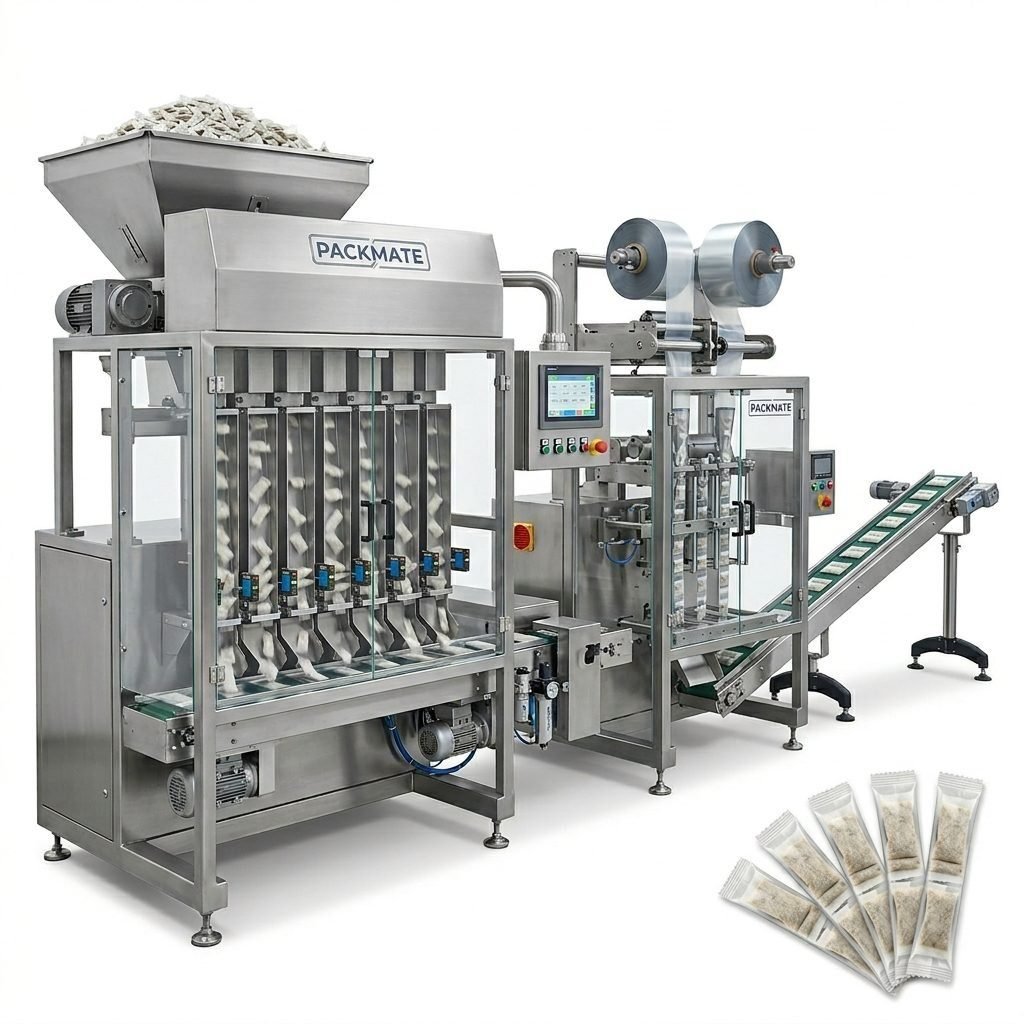
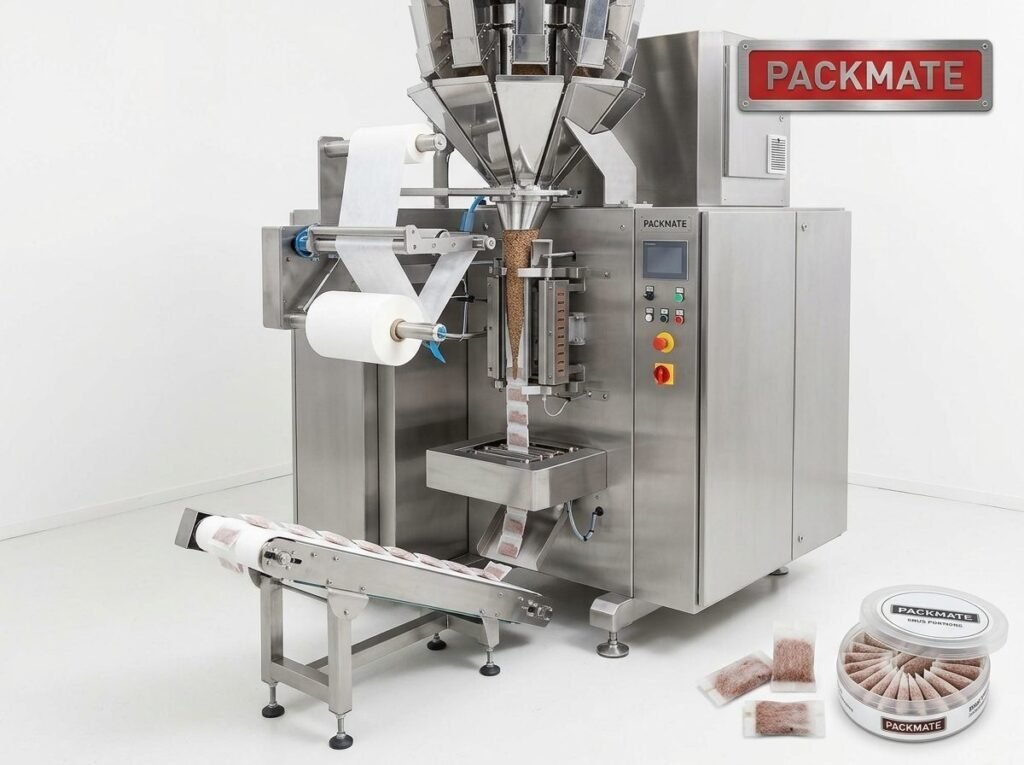
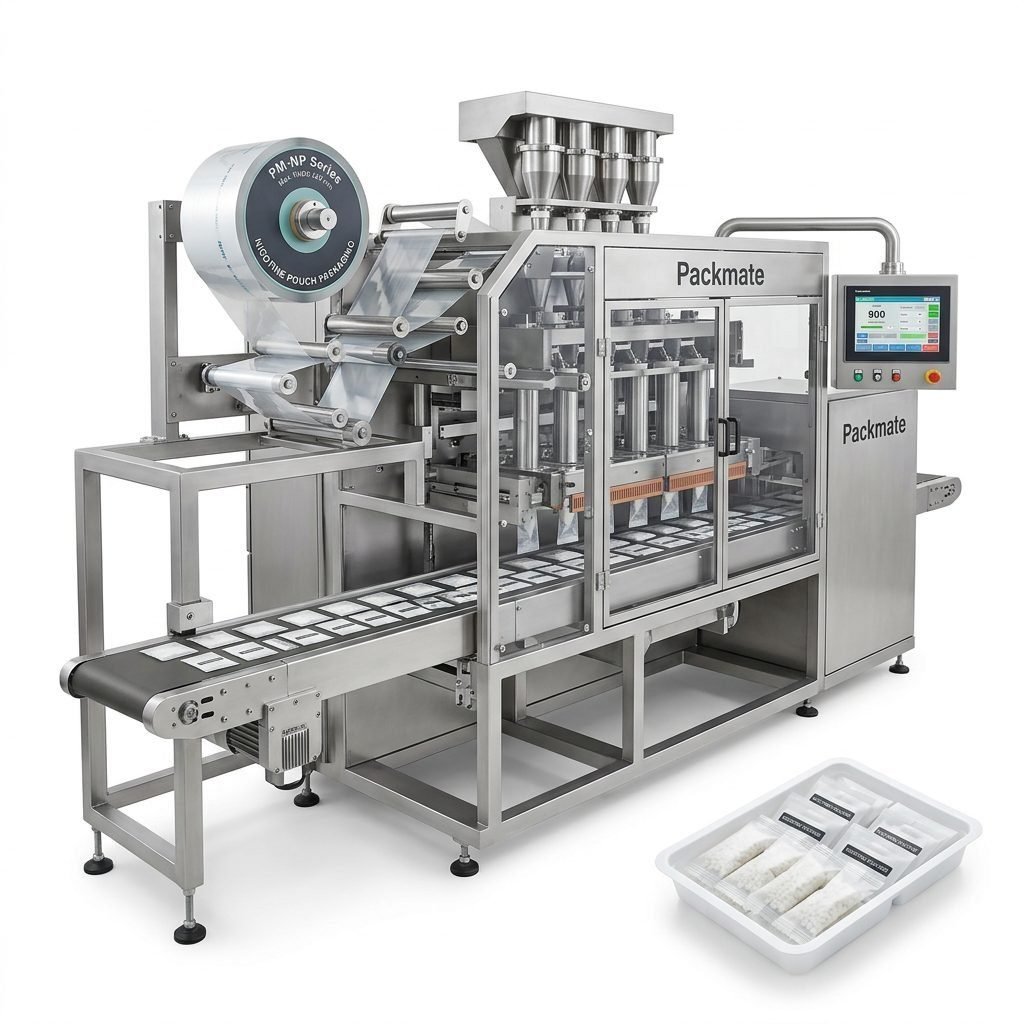
Navigating the search for a reliable snus packaging machinery supplier in Malawi requires both technical understanding and local market awareness. This buyer’s guide will walk you through step-by-step evaluation criteria, procurement best practices, logistics tips relevant to Malawi’s geography and trade routes, and practical checklists to help secure a long-term partner for nicotine pouch and snus production.
Why Choosing the Right Snus Packaging Supplier in Malawi Matters
Malawi is a landlocked country with a unique mix of formal retail and vibrant informal markets. Consumers often value discreet, durable packaging and clear labeling in English and Chichewa. Selecting the right supplier impacts product consistency, regulatory compliance, production uptime, and the ability to scale from small batches for local trade to higher-volume export orders. A reputable supplier reduces operational risk, improves product appearance on crowded shelves, and supports compliance with nicotine product regulations which can vary across southern Africa.
Key local considerations
• Infrastructure realities: variable electricity supply and long haul distances from seaports.
• Market format: mix of small retailers and modern trade, meaning flexible batch sizes and adaptable packaging are advantageous.
• Language & labeling expectations: dual-language labels (English + Chichewa) help with acceptance in rural and urban markets.
• Import channels: common ports include Beira and Nacala in Mozambique or Durban in South Africa, plus road transit—plan for additional logistics time and customs clearance steps.
What to Look for in a Reliable Supplier
When vetting a supplier, prioritize technical credibility, factory capacity, after-sales support, and regional experience. The following sections break these down into measurable checkpoints.
Supplier Credibility Checklist
🔍 Experience and track record: Look for suppliers with decades of engineering experience, multiple machine models, and documented global installations. For example, Packmate Snus Machine offers over 30 years of expertise and 50+ machine models.
🛠️ Manufacturing strength: A large factory footprint, CNC machining centers, and precision assembly lines indicate quality production.
✅ Certifications: CE and ISO compliance support safer equipment and smoother import processes.
Technical Capabilities & Product Fit
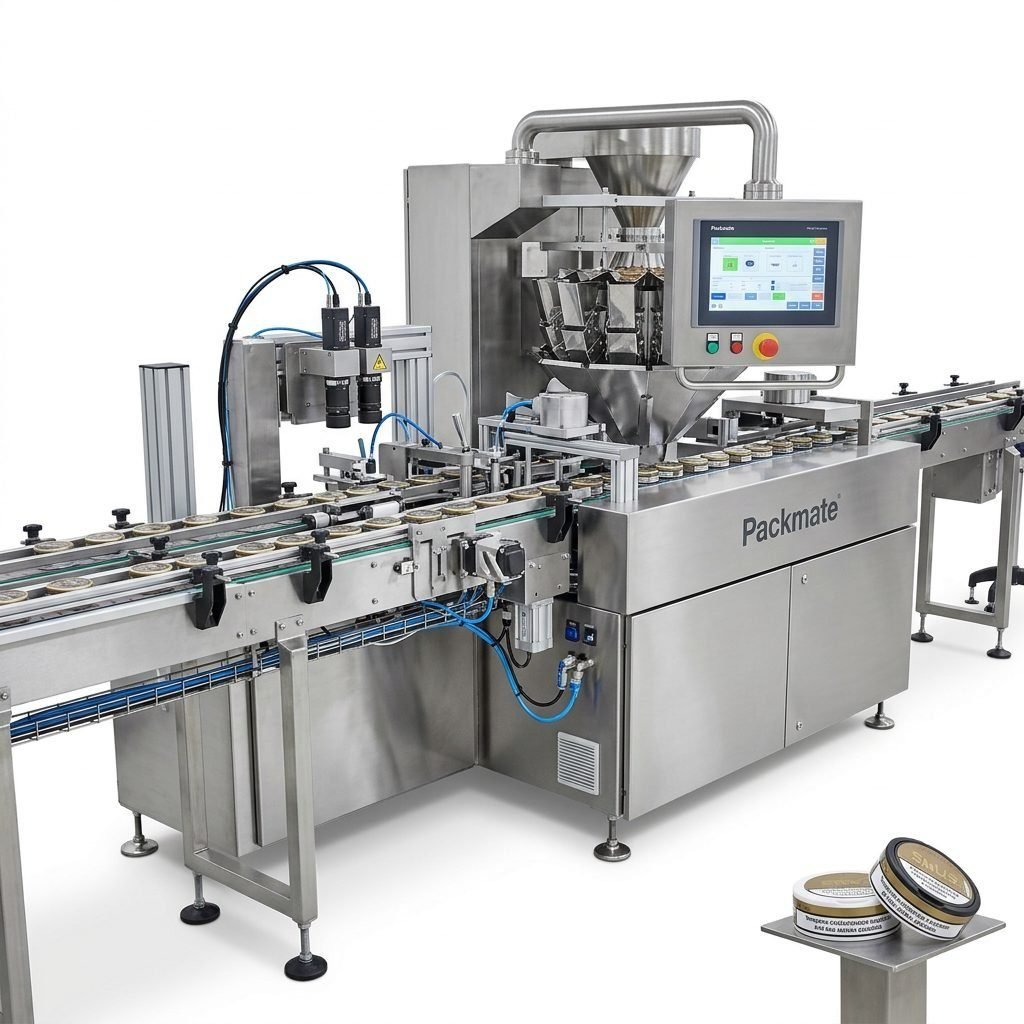
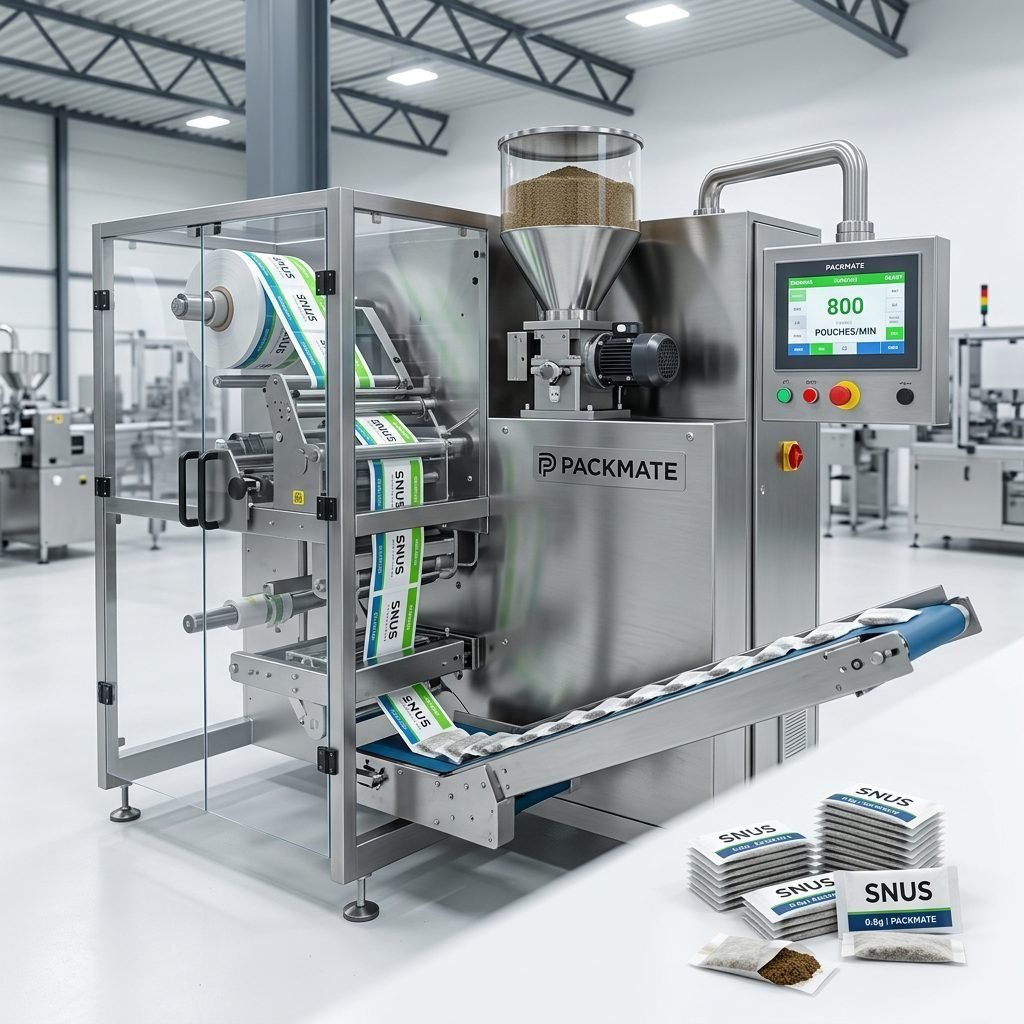
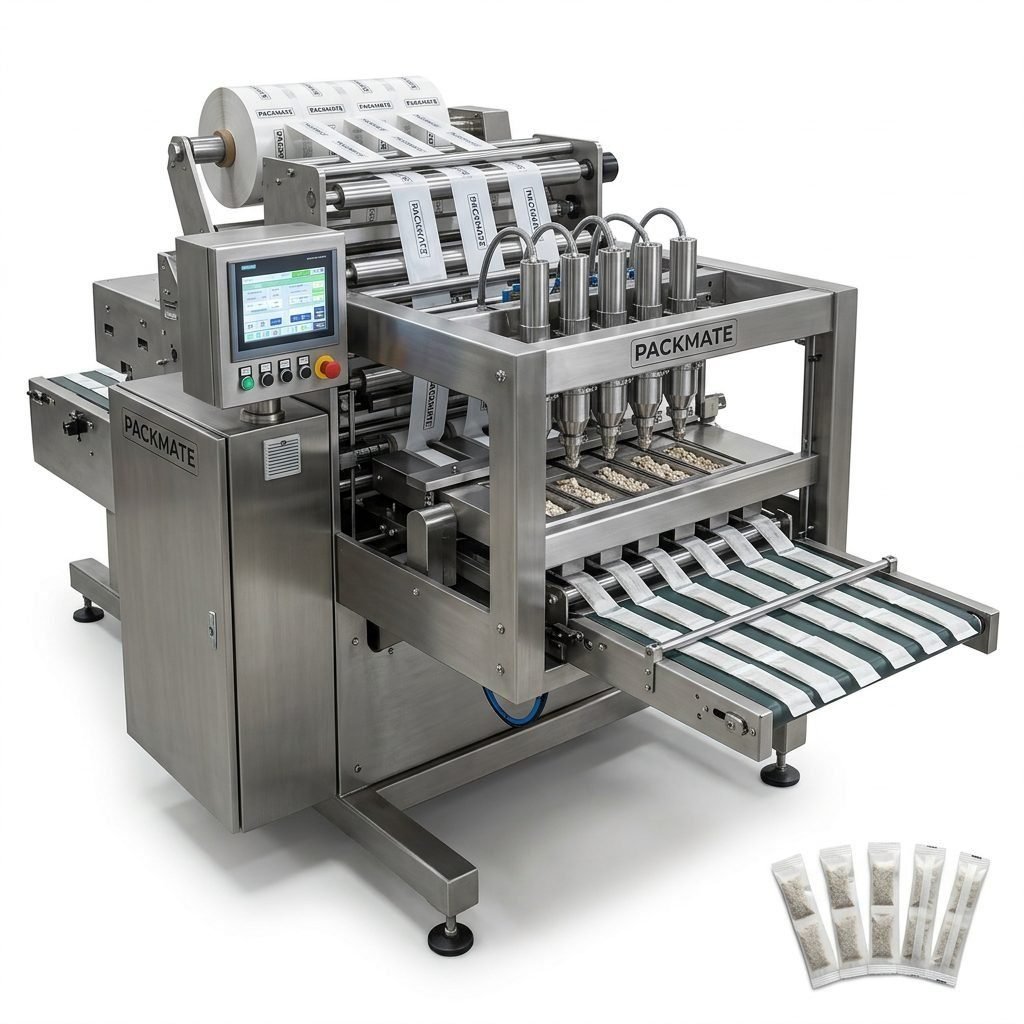
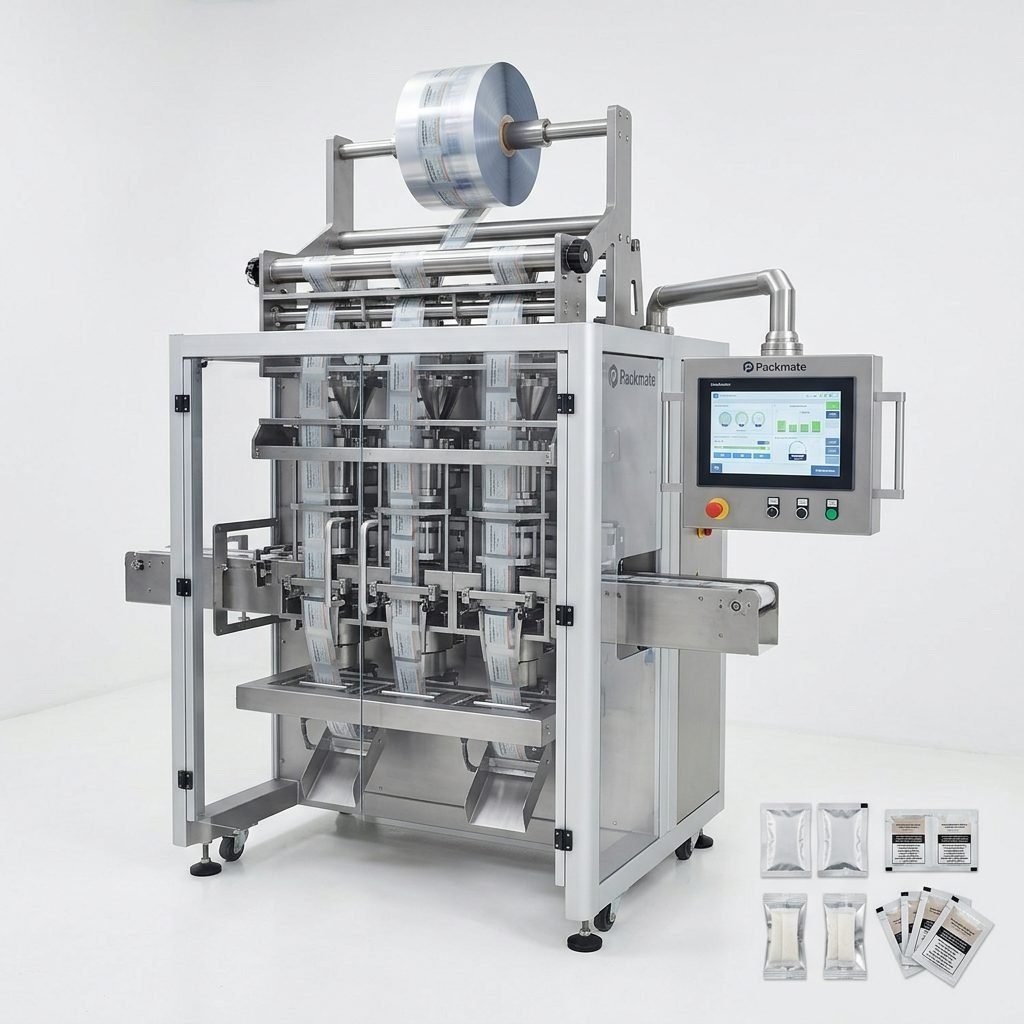
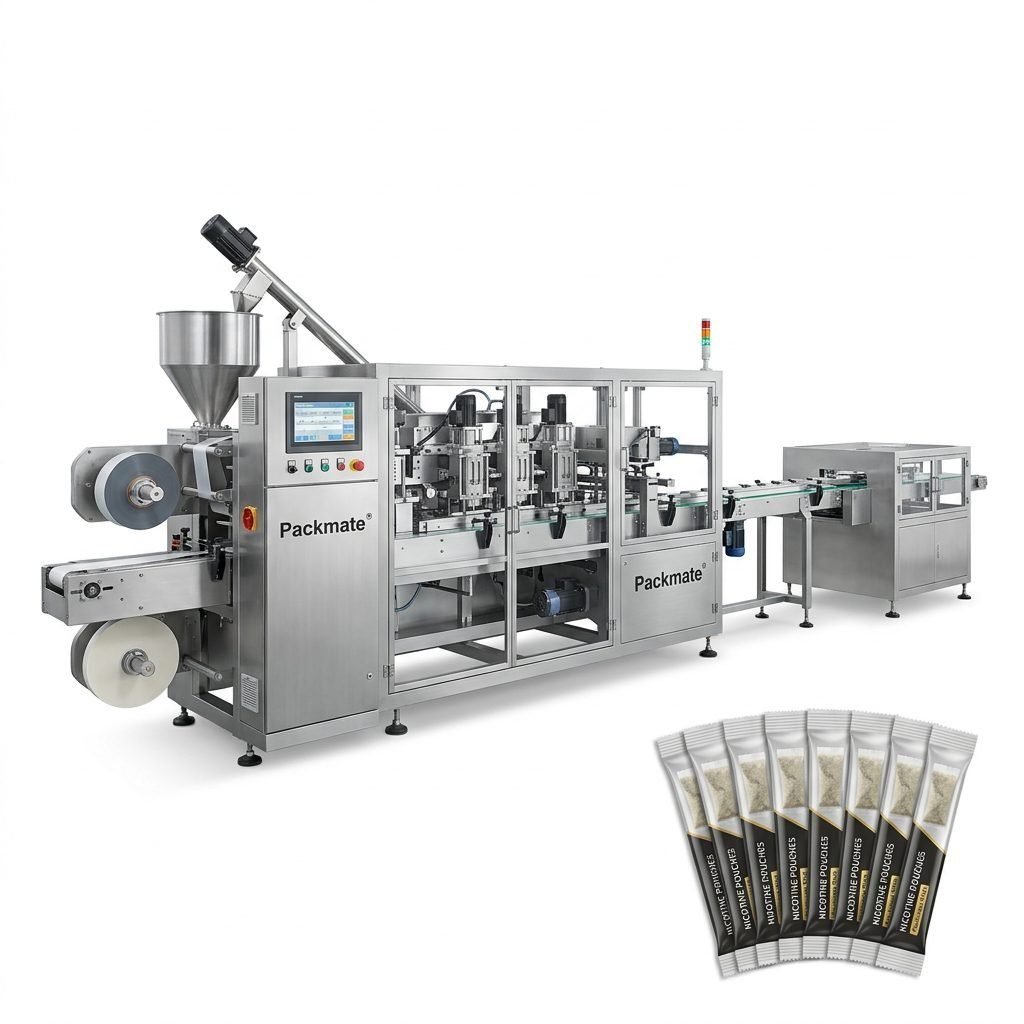
Match the supplier’s machine portfolio to your product: nicotine pouches, snus, stick packs, sachets, powders, or liquids. Evaluate speed (pouches/min), lane configuration (single vs. multi-lane), fill precision, and compatibility with your dosing systems. If you need integrated lines (weighing, filling, packaging), choose a vendor experienced with turnkey solutions.
Useful links for deeper product research:
Snus & Nicotine Packaging Machines,
Sachet & Stick Pack Machines,
Weighing & Packaging Systems.
Factory Visits, Audits & Remote Verification
A physical factory visit is ideal, but when distance is a constraint, request live video factory tours, recorded machine demonstrations, and detailed factory photos. Ask for:
- Machine run-off videos showing consistent production at rated speed.
- References and contact details of customers in similar climates or markets.
- Factory inspection reports, QC procedures, and spare parts inventory status.
What to verify during a visit
• Assembly quality and cleanliness; • Test reports for electrical and safety systems; • CNC and machining capabilities to support spare part manufacturing; • Warehouse for spare parts and critical components.
📦 Tip: Ask the supplier for standard spare parts kits for the first 12 months and expected lead times for replacements shipped to Malawi.
Regulatory & Customs Considerations for Malawi
Malawi’s regulatory environment for nicotine products includes labeling, excise registration, and potential restrictions on product presentation. Work with local legal counsel or a customs broker experienced in tobacco and nicotine product imports to ensure:
- Proper product classification and HS codes for machinery and consumables.
- Documentation for machine origin, CE/ISO certificates, and commercial invoices for customs clearance.
- Preparation for duty, VAT, and any excise licensing if you import finished product or components containing nicotine.
Logistics routes commonly used include ports in Mozambique (Nacala, Beira) and South Africa (Durban) followed by road transport into Malawi. Factor in longer transit times, potential transshipment, and secure inland trucking options.
Service, Installation & Training—Keys to Long-Term Reliability
A reliable supplier should offer installation, operator training, commissioning, and long-term technical support. Confirm:
- On-site installation and acceptance testing included in the contract.
- Training for operators and maintenance staff—documentation in English and, if possible, translated guides for local technicians.
- Remote support options (VPN, video calls) and guaranteed response times for critical failures.
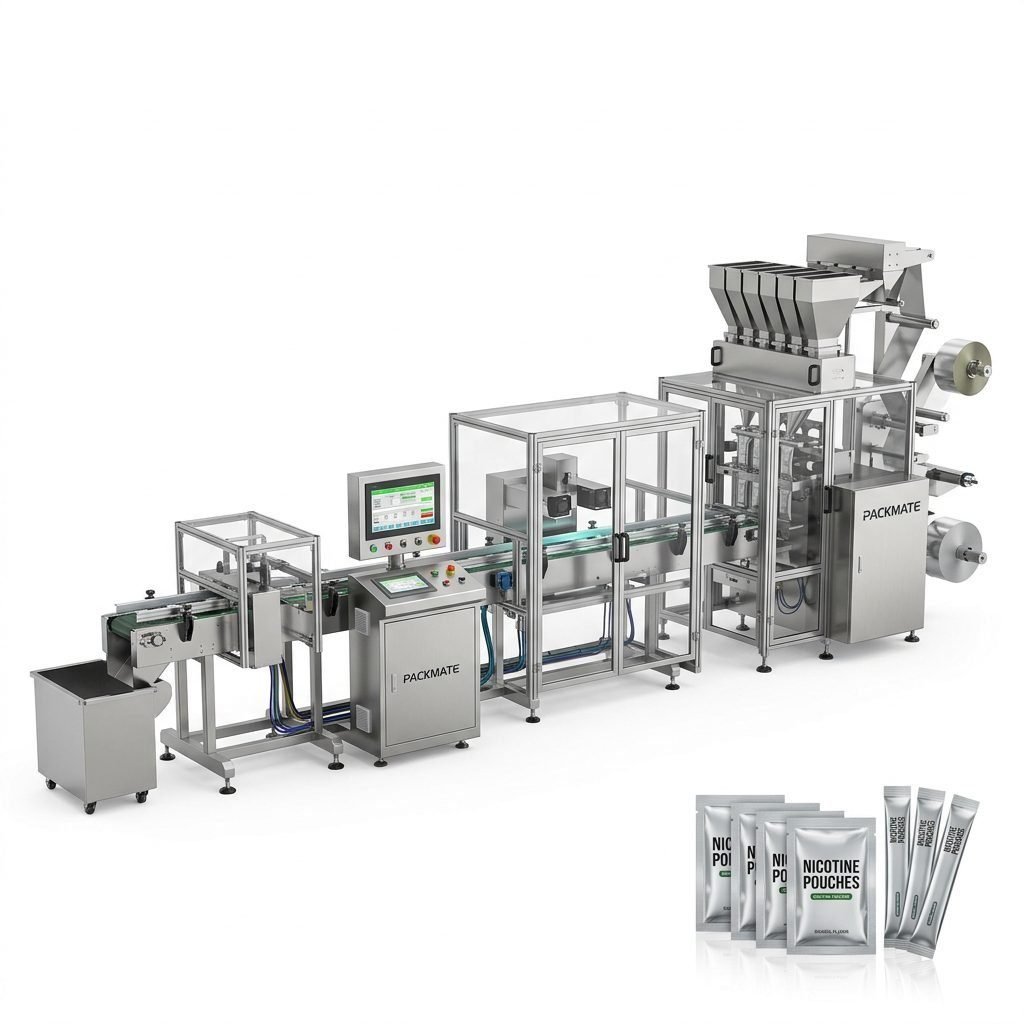
For turnkey lines, verify the supplier’s experience integrating auxiliary equipment such as feeders, conveyors, and weighing systems by reviewing their Filling & Packaging Lines and Auxiliary Packaging Equipment.
Costing: Beyond the Machine Price
The lowest initial price can hide higher lifecycle costs. When comparing quotes, include:
- Shipping, insurance, customs duties, and inland transport to your facility.
- Installation, commissioning, and training fees.
- Spare parts kits, tooling, and wear parts.
- Warranty period, service contracts, and hourly rates for technicians.
- Costs of required electrical upgrades or air/water infrastructure on site.
Negotiation pointers
• Bundle services: negotiate for spare parts, training, and an extended warranty if purchasing a complete line.
• Payment terms: consider staged payments tied to milestones (factory acceptance test, shipping, installation).
• Spare parts lead time: lock down guaranteed delivery windows for critical components.
Machine Types & Technical Specs to Prioritize
Assess these technical aspects depending on your product:
- Pouch format compatibility: single-dose nicotine pouches, multi-lane small-dose lines, stick packs, sachets.
- Fill accuracy: critical for nicotine doses—look for precision systems and low CV (coefficient of variation).
- Hygiene & materials: stainless steel contact parts and enclosed areas for powder handling.
- Electrical requirements: check voltage compatibility and robustness for areas with unstable power.
Suppliers like Packmate provide specialized snus and nicotine packaging machines, multi-lane systems, and complete lines that match these requirements. See their product offerings for specifics in machine types and line configurations.
Quick Ready-to-Buy Checklist
✓ Define product specs and expected output (pouches/min).
✓ Confirm required packaging formats and label languages.
✓ Verify supplier certifications and factory capabilities.
✓ Confirm lead times, spare parts availability, and after-sales response times.
✓ Plan logistics: port, transit, customs clearance, and local installation needs.
Common Pitfalls and How to Avoid Them
• Underestimating spare parts stock: keep a minimum kit for six months if imports are slow.
• Ignoring local regulatory steps: register products, secure licenses, and verify labeling rules early.
• Overlooking utility readiness: ensure stable power, adequate compressed air, and clean water where needed.
• Skipping operator training: leads to unnecessary downtime and warranty disputes.
How to Finalize the Purchase & Onboarding
1) Request a formal proposal with technical specs, warranty, delivery dates, and a clear list of inclusions (installation, training, spare parts).
2) Agree payment and acceptance milestones tied to factory acceptance tests (FAT) and site acceptance tests (SAT).
3) Prepare your site infrastructure and schedule customs clearance ahead of arrival.
4) Document all tests and retain machine manuals and training records for future maintenance.
Useful supplier resources
Review supplier reputation and case studies to understand real-world installations: Case, company information at About Packmate, and compliance certificates at Certificate.
Final Recommendations for Buyers in Malawi
Start with a pilot line or smaller multi-lane machine to validate product acceptance in local markets before scaling. Work with a supplier that offers modular upgrades and strong documentation so you can expand capacity with minimal disruption. Engage a customs broker familiar with Malawi’s import procedures for regulated products to avoid avoidable delays at the border.
Buyer’s Quick Action Plan
1. Define product specs & labeling needs for Malawi.
2. Shortlist suppliers with proven snus machine experience and certifications.
3. Request FAT videos, references, and spare parts policies.
4. Confirm logistics route (Beira, Nacala, or Durban) and customs requirements.
5. Schedule installation and training with clear acceptance criteria.
Frequently Asked Questions
Q1: What documents and certifications should I request from a packaging machinery supplier?
Ask for CE and ISO certificates, machine technical datasheets, test reports from factory acceptance tests (FAT), electrical schematics, and a detailed spare parts list. Also request references and videos of long-term installations to verify durability.
Q2: How do I handle shipping and customs for a machine delivered to Malawi?
Plan for port choice (Nacala, Beira, or Durban), inland transport, and customs brokerage services experienced with machinery imports. Prepare origin certificates, commercial invoices, packing lists, and CE/ISO documentation to smooth clearance. Factor in additional transit time and inland trucking arrangements.
Q3: What local support should I expect after installation?
Expect supplier-led commissioning, operator and maintenance training, an initial spare parts kit, and remote troubleshooting support. Negotiate guaranteed response times for critical issues and options for annual maintenance contracts.
Q4: Is it better to buy a full turnkey line or individual machines?
Turnkey lines simplify integration and responsibility for performance, often saving time and reducing startup risk. However, if cash flow is limited, buy a core packaging machine first and add auxiliary systems later—ensure modular compatibility and integration support from the supplier.
Q5: How can I evaluate a supplier’s claims about machine speed and accuracy?
Require FAT videos showing machines running at rated speeds with your product or a close simulant. Review accuracy reports, CV values for dosing systems, and request a written guarantee of performance under agreed test conditions.