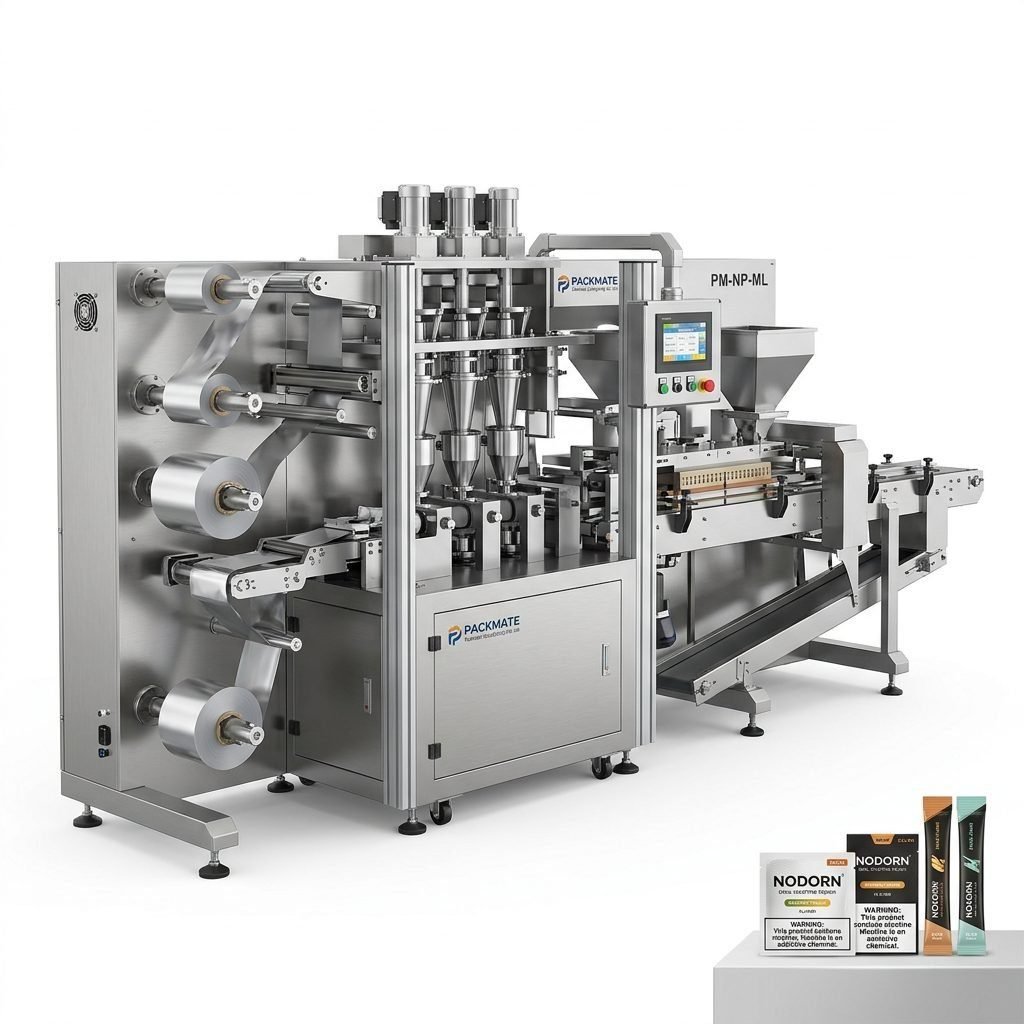
Choosing the right nicotine packaging machine manufacturer is a strategic decision that impacts product quality, regulatory compliance, production efficiency, and your bottom line. If you plan to source equipment in Madagascar or partner with an international supplier serving that market, this guide outlines the essential considerations, evaluation checklist, negotiation tactics, and long-term support factors to ensure you select the best partner for your snus and nicotine pouch production needs.
Why the Manufacturer Choice Matters
A packaging machine is more than a piece of equipment — it determines product consistency, packaging speed, downtime frequency, and compliance with safety standards. For nicotine pouches and snus, precision dosing, gentle handling, and multi-lane scalability are critical. Choosing a reputable manufacturer reduces risk, shortens time-to-market, and preserves brand reputation.
Key Manufacturer Attributes to Prioritize
🔎 Experience & Specialization: Look for a firm with focused experience on snus and nicotine pouch systems rather than general packaging. Over 20–30 years in packaging engineering often signals maturity in design and problem-solving.
🏭 Factory Strength: A large, well-equipped factory with CNC machining centers and precision assembly lines ensures consistent build quality and spares availability.
Types of Machines and Technologies
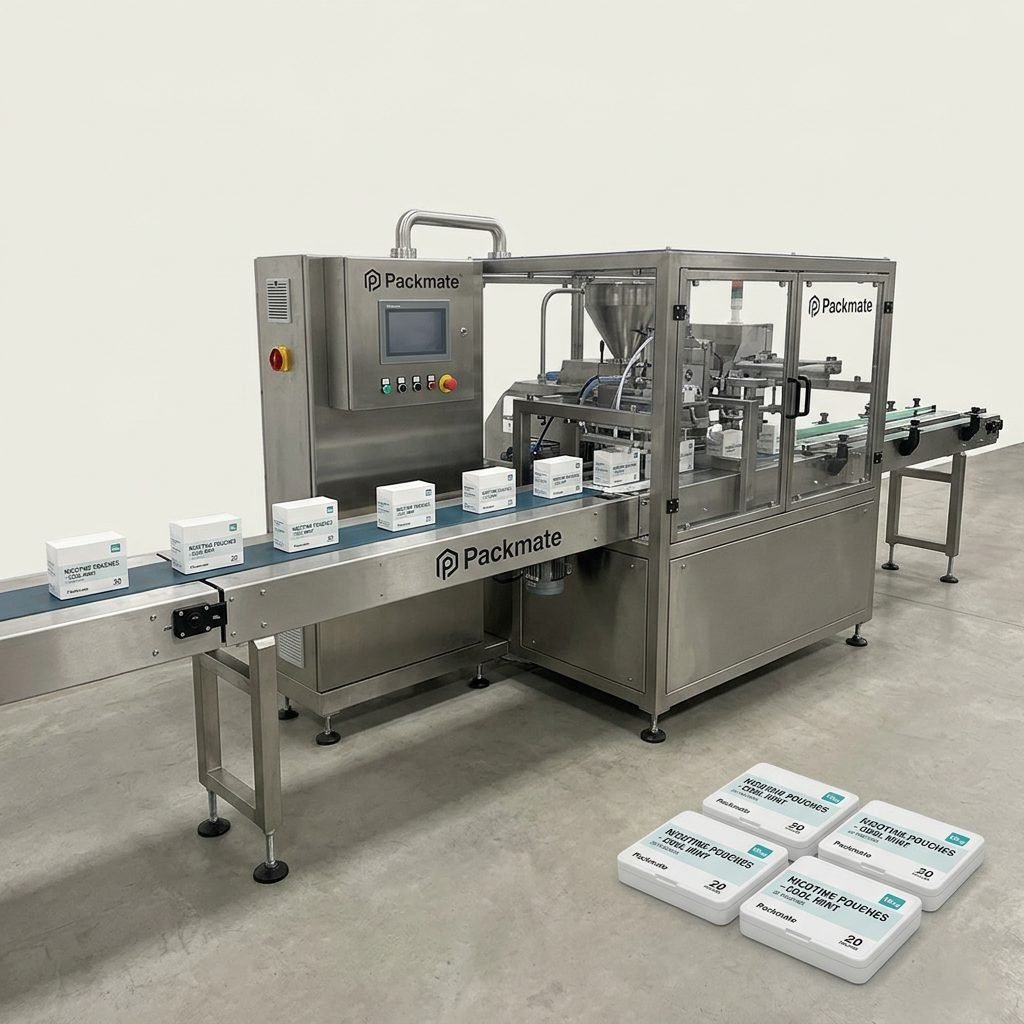
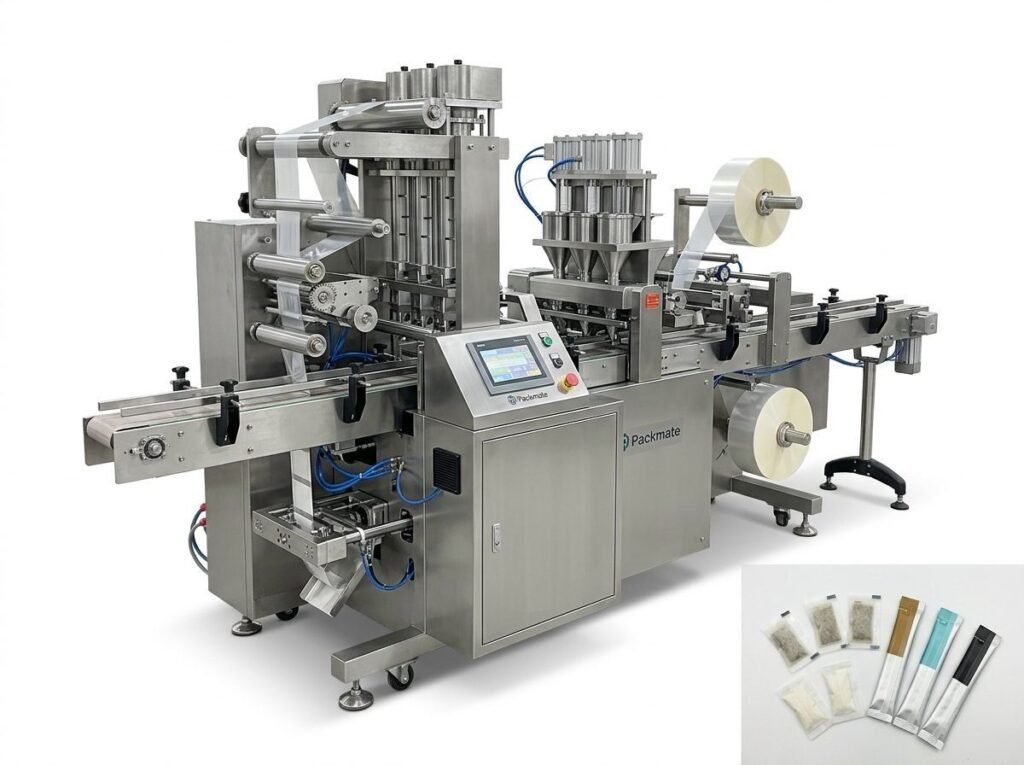
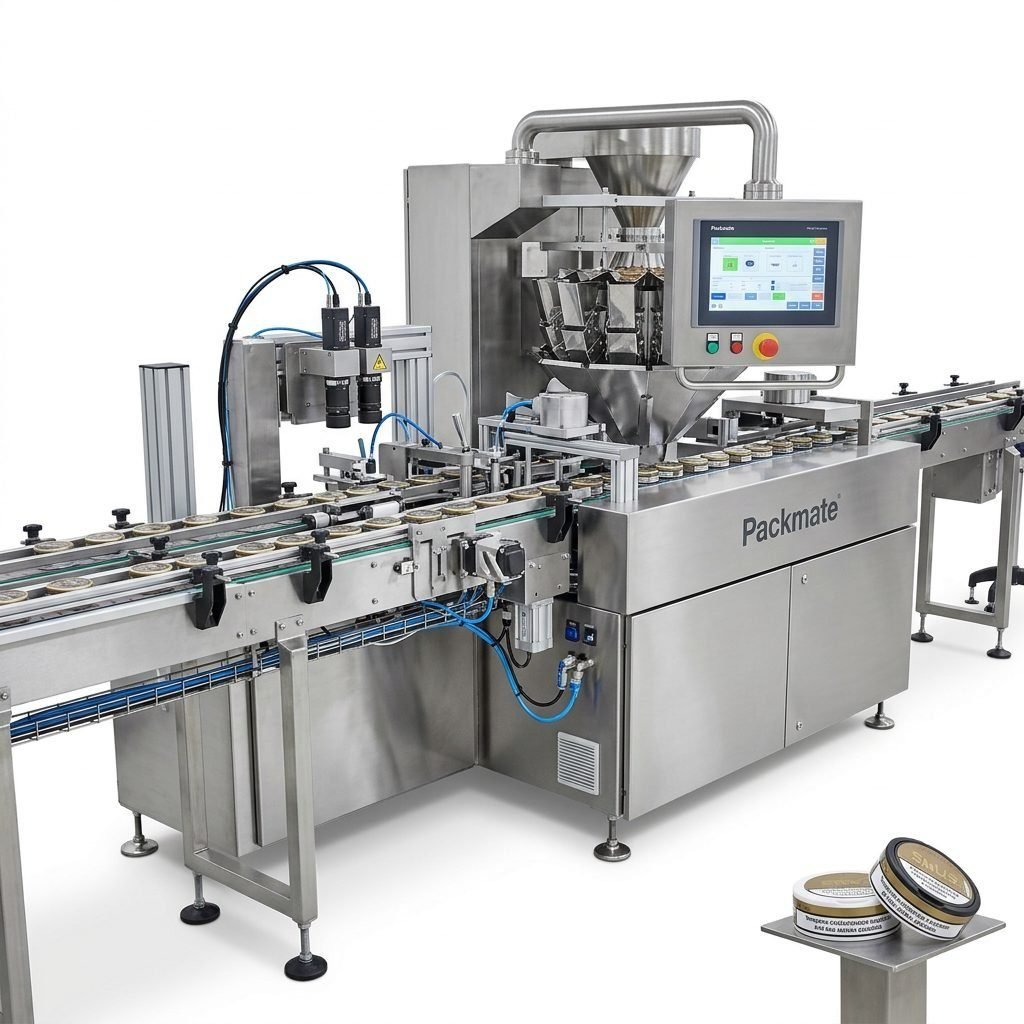
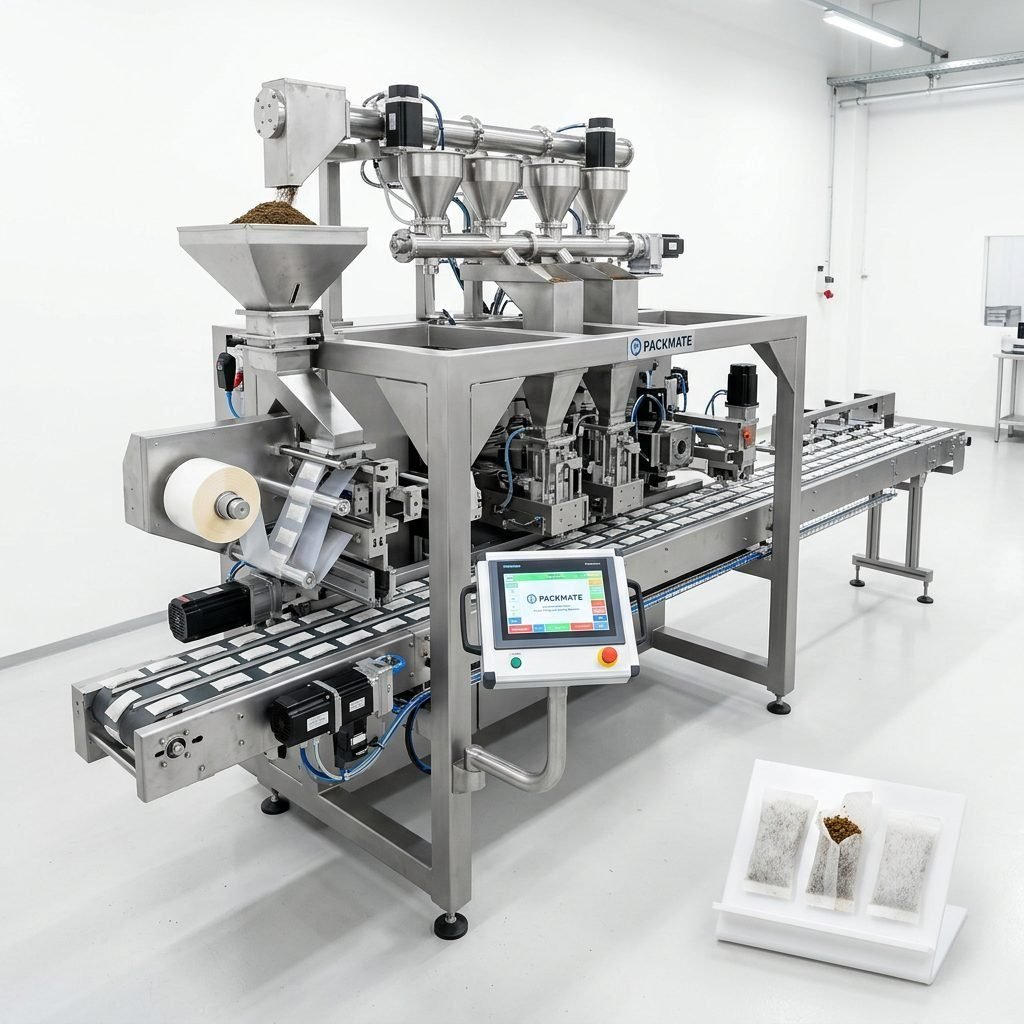
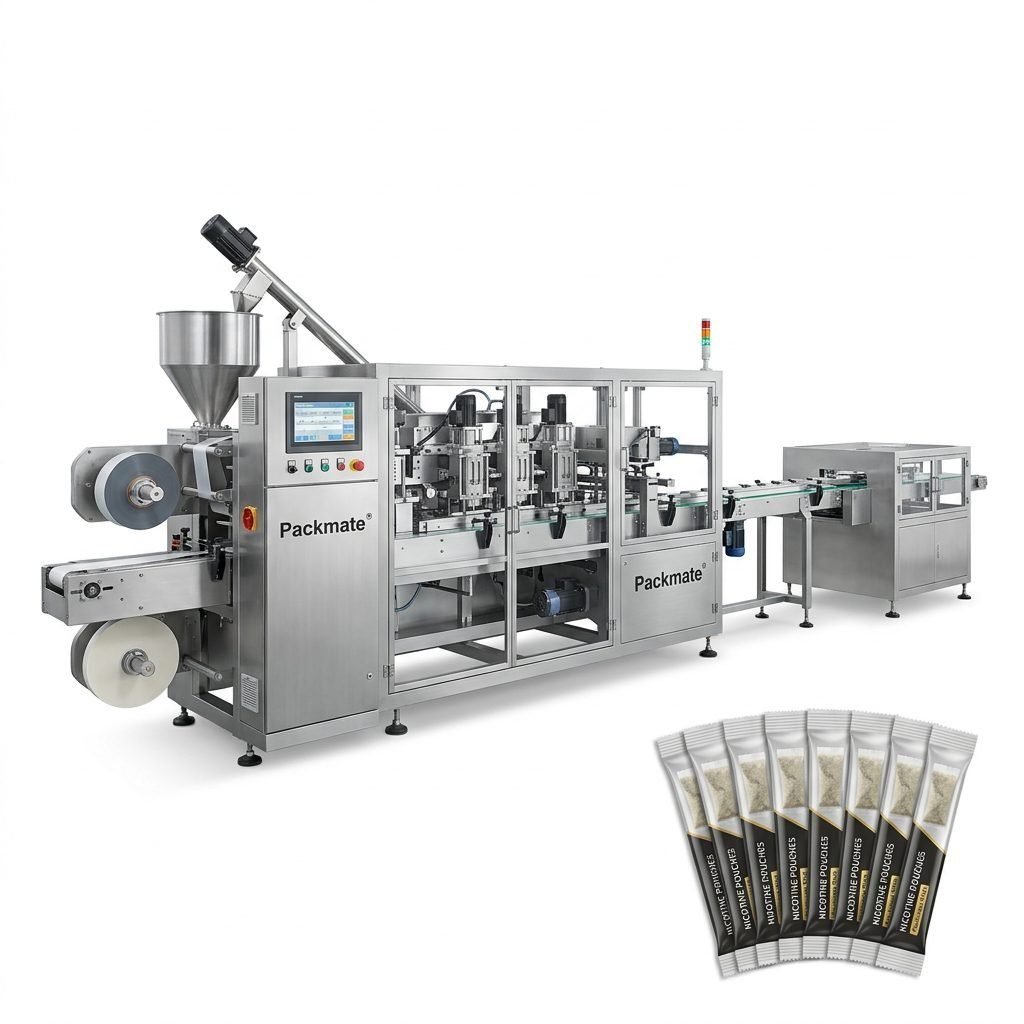
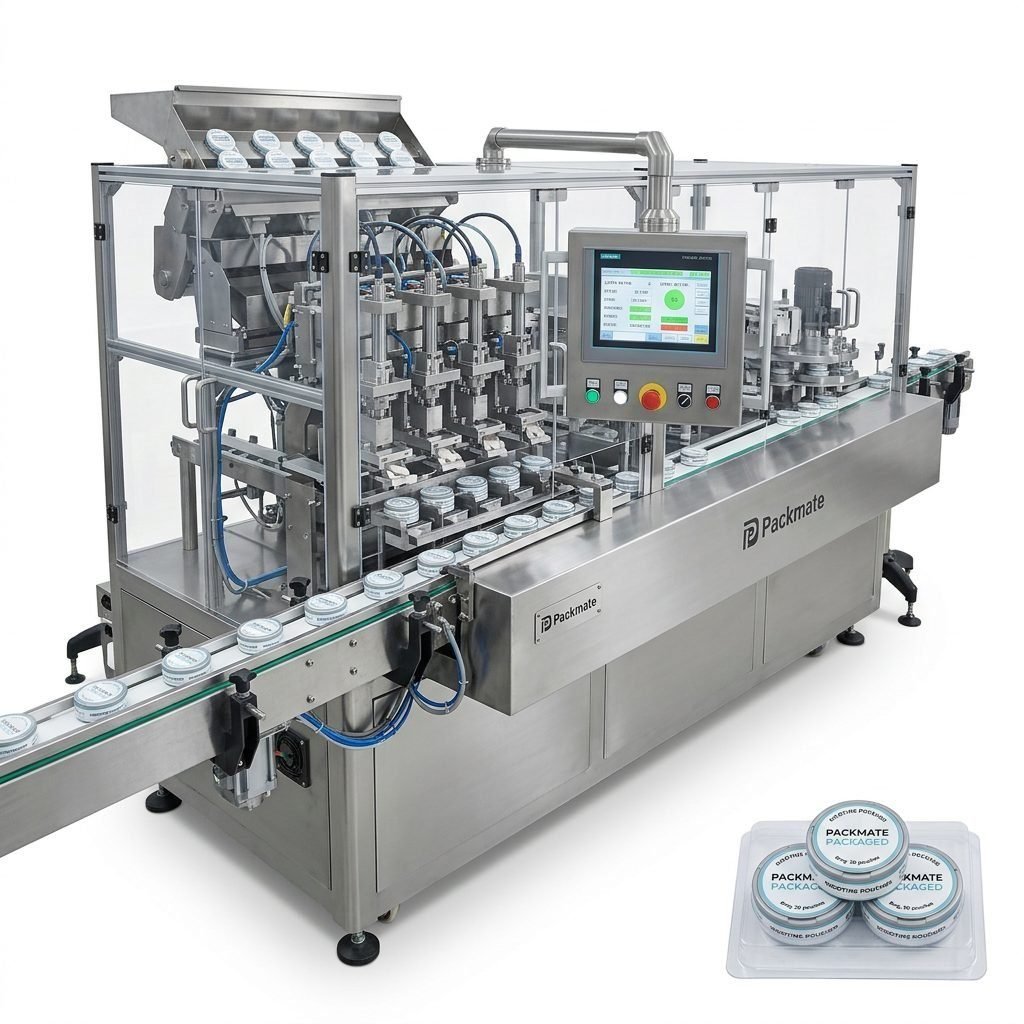
Determine whether your product needs stick pack, sachet, multi-lane snus pouch, or a hybrid line. Manufacturers that provide modular designs allow you to expand lanes or convert packaging formats with minimal downtime. If you want to review machine lines, check product pages such as
Snus & Nicotine Packaging Machines.
Quality, Certifications, and Standards
International certifications (CE, ISO) are not optional when exporting or ensuring workplace safety and reliability. Verify that the manufacturer runs strict quality control and provides test reports, material certificates, and compliance documentation. A certified supplier is easier to insure and more likely to meet auditing requirements.
Inspection & Factory Visit Checklist
📌 Production Capacity: Can the factory build multiple machines concurrently?
📌 Machining & Assembly: Observe CNC centers, welding, and assembly lines to assess workmanship.
📌 Testing & QC: Ask to see test benches, sample runs, and any reliability data.
Customization and Turnkey Project Capabilities
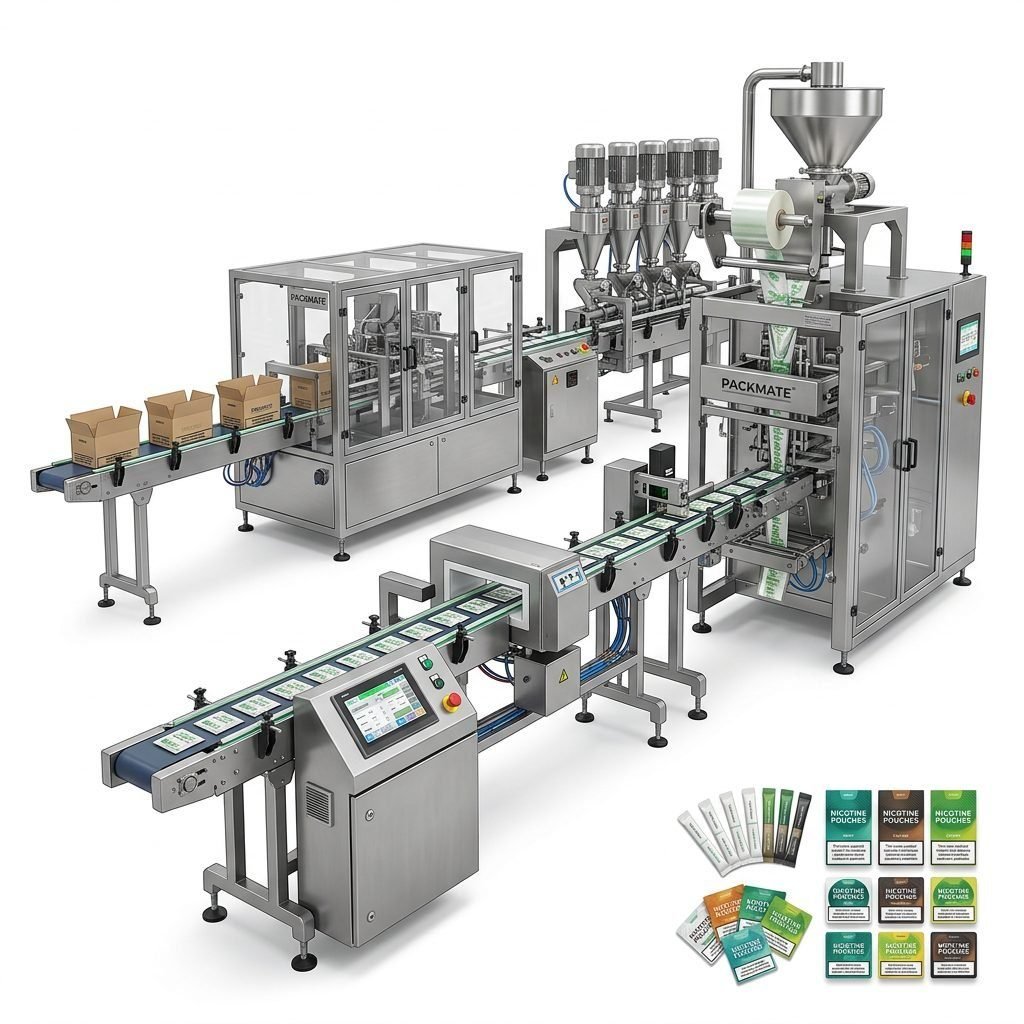
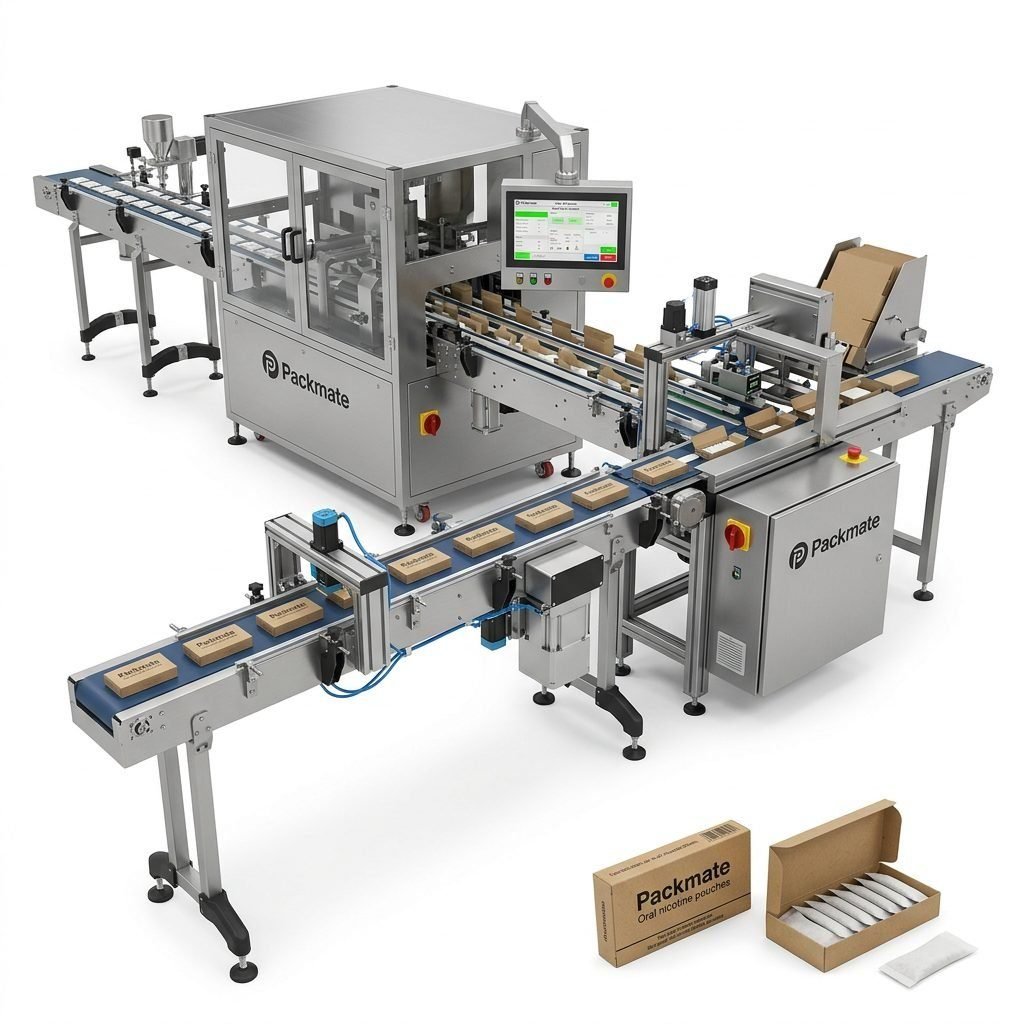
Many nicotine pouch producers require fully integrated lines: feeding, dosing, sealing, coding, and packing into outer cartons. A manufacturer that offers turnkey solutions minimizes vendor management. Review their past turnkey cases — for example, the manufacturer’s case studies at
Case.
Customization Points to Clarify
– Multi-lane synchronization and OEE targets;
– Material compatibility (foil, paper, laminate);
– Automated feeding for different pouch sizes;
– Integration with upstream weighers and downstream cartoners.
After-Sales Service, Spare Parts & Training
After-sales support is where many procurement projects succeed or fail. Ensure the supplier provides spare parts lists, recommended wear parts inventory, and fast shipping options. On-site commissioning and operator training are essential; remote support (video, PLC program sharing) is a useful supplement.
🛠️ Spare Parts Lead Time: Ask about typical lead times for critical components and whether parts are stocked locally or shipped from the factory.
🎓 Training & Documentation: Get full operation manuals, preventive maintenance schedules, and training for technicians and operators.
Total Cost of Ownership & ROI
Purchase price is only part of the equation. Evaluate TCO by factoring in energy consumption, consumables, expected MTBF (mean time between failures), labor requirements, and anticipated yield. A slightly higher capital cost can be justified by lower downtime and higher throughput.
Calculate Realistic ROI
Build a model including daily production targets, rejection rates, and labor savings from automation. Confirm the machine can meet your speed targets for the specific nicotine pouch weight range and packaging format.
Delivery, Lead Time, and Logistics for Madagascar
Shipping heavy equipment to Madagascar requires experience with packaging for export, freight forwarding, customs, and local installation logistics. Ask the manufacturer whether they provide export crating, CIF/FOB options, and assistance with local customs clearance.
Installation & Commissioning Timeline
Agree on a realistic installation schedule with milestones for pre-delivery inspection, shipment, assembly, test runs, and acceptance testing. Confirm who will cover travel and accommodation for engineers and what documentation will be delivered.
Proven Track Record & References
Ask for references in similar markets and applications. Suppliers with global clients and exhibition attendances demonstrate credibility. Visit the manufacturer’s profile to learn more about their history and capabilities:
About Packmate.
What to Request from References
– Performance vs. promised speed and yield;
– Response times for service calls;
– Reliability after 1–3 years;
– Actual spare parts consumption and costs.
Comparing Multiple Bids: A Practical Checklist
✔️ Scope Clarification: Compare apples-to-apples on machine scope, options, and accessories.
✔️ Warranty Terms: Duration, parts covered, and exclusions.
✔️ Payment & Delivery Terms: Staged payments tied to milestones reduce risk.
Negotiation Tips & Contract Clauses
Negotiate acceptance criteria tied to test runs, spare parts kit inclusion, training hours, and a clear warranty SLA. Include clauses for penalties in case of missed delivery or failure to meet agreed performance during FAT/SAT.
Protect Your Investment
Add clear KPIs for acceptance, require source-code escrow for custom PLC code if needed, and ask for detailed MTBF/MTTR data. This protects you from surprises after installation.
Sustainable Choices & Energy Efficiency
Energy-efficient servo drives, optimized heating systems for sealing, and reduced material waste help reduce long-term costs and environmental impact. Ask suppliers about energy consumption per 1,000 packages and any eco-friendly material handling options.
Why Packmate Snus Machine Can Be a Strong Candidate
With decades of engineering experience and a 20,000㎡ manufacturing facility, Packmate offers specialized snus and nicotine pouch solutions. They supply modular multi-lane systems, automated lines, and turnkey projects backed by global customers. Learn more about their product range:
Sachet & Stick Pack Machines and
Filling & Packaging Lines.
Final Selection Roadmap
1) Define product specs and target capacity.
2) Shortlist 3–5 manufacturers with relevant snus experience.
3) Request technical proposals, FAT videos, and references.
4) Visit the factory or conduct a virtual tour.
5) Negotiate contract with clear acceptance tests.
Connecting with Suppliers
Reach out to the supplier for inquiries on spare parts, service packages, and exhibition schedules to see live demos. For direct service information, see
Service and contact options:
Contact Us.
Conclusion
Selecting the best nicotine packaging machine manufacturer for Madagascar demands a balanced view of technical capability, factory strength, certifications, after-sales support, and total cost of ownership. Prioritize suppliers with proven snus expertise, transparent documentation, and a track record of turnkey projects to reduce risk and accelerate production ramp-up.
Frequently Asked Questions
Q1: How long is the typical delivery time for a snus packaging line?
A: Delivery varies by customization and production schedule, but typical lead times range from 12–26 weeks for fully customized lines. Confirm factory capacity and shipping terms early.
Q2: What warranty and support should I expect?
A: Standard warranties commonly cover 12 months for parts and workmanship; choose suppliers that include remote support, spare kits, and optional extended warranties.
Q3: Can the same machine handle different pouch sizes and lane counts?
A: Many modern designs are modular and adjustable. Verify quick-change parts, recipe storage in the PLC, and lane scalability before purchase.
Q4: How do I manage spare parts inventory for Madagascar?
A: Keep a minimum set of critical wear parts on-site, negotiate express shipping options for larger parts, and confirm local partner availability for emergency service.
Q5: Where can I see real demos and case studies?
A: Visit supplier exhibition pages and case study sections to view demos and project reports. See the manufacturer’s exhibition overview at
Our Exhibition.