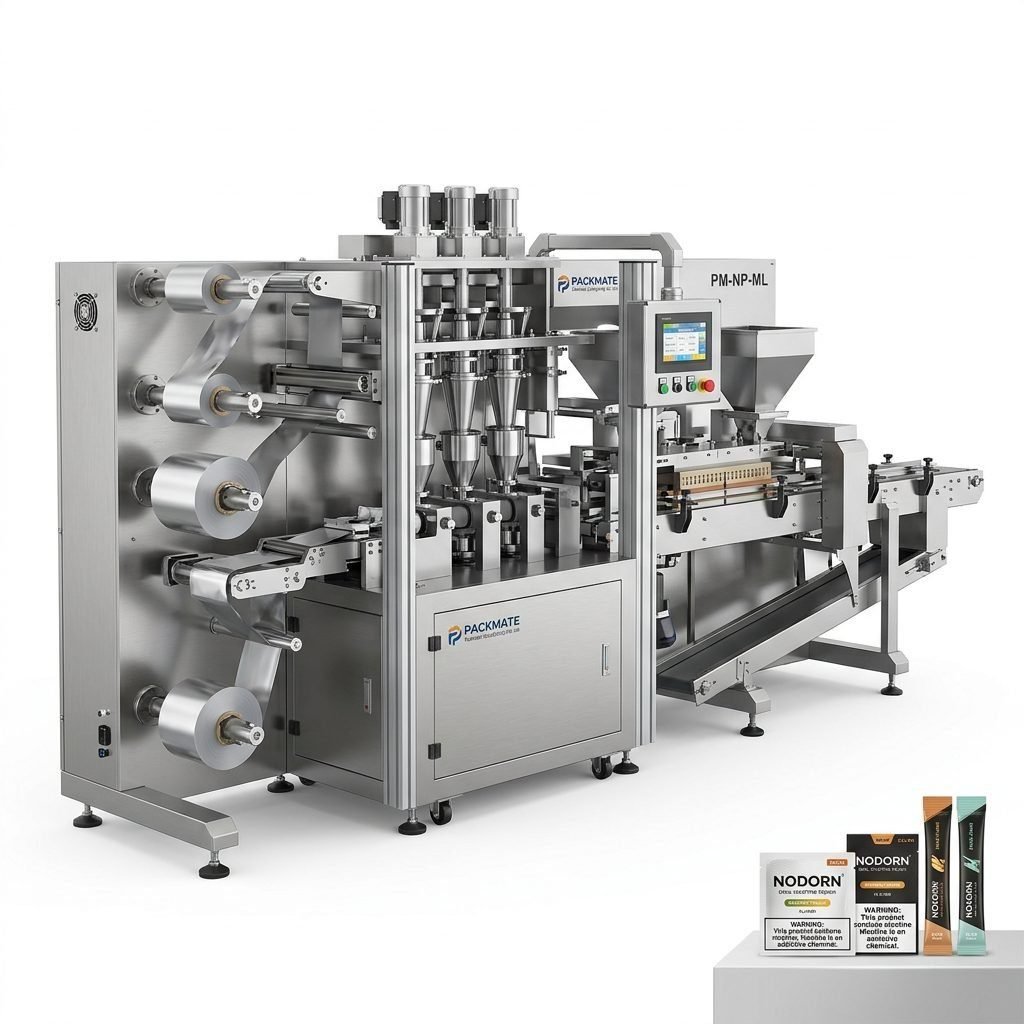
Choosing the right nicotine packaging machinery for your Australian production line is a strategic decision that impacts product quality, regulatory compliance, operational efficiency, and return on investment. This guide walks you through the practical considerations, machine types, supplier evaluation, and real-world implementation tips to help you select equipment that fits your production needs and growth plans.
Understand Your Product & Production Goals
Before comparing machines, clarify the core attributes of your product and output targets. Ask:
🔍 Product format — nicotine pouches, snus, sachets, stick packs or multi-lane small-dose pouches?
⚙️ Dose & filling type — powder, granule, paste or liquid? Precision dosing matters greatly for nicotine products.
📦 Target output — pieces per minute/hour and daily throughput requirements.
Match Machine Type to Format
Different machines excel at different formats. Here are common options:
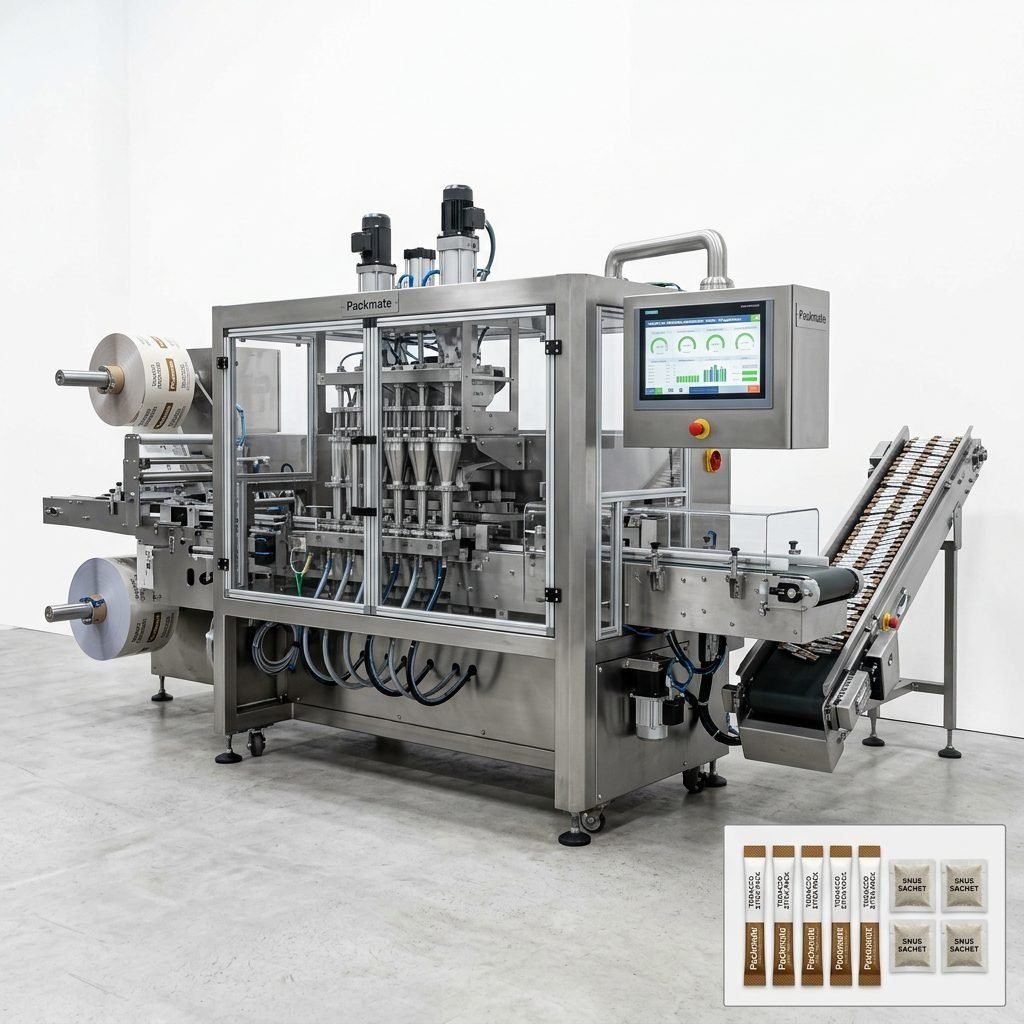
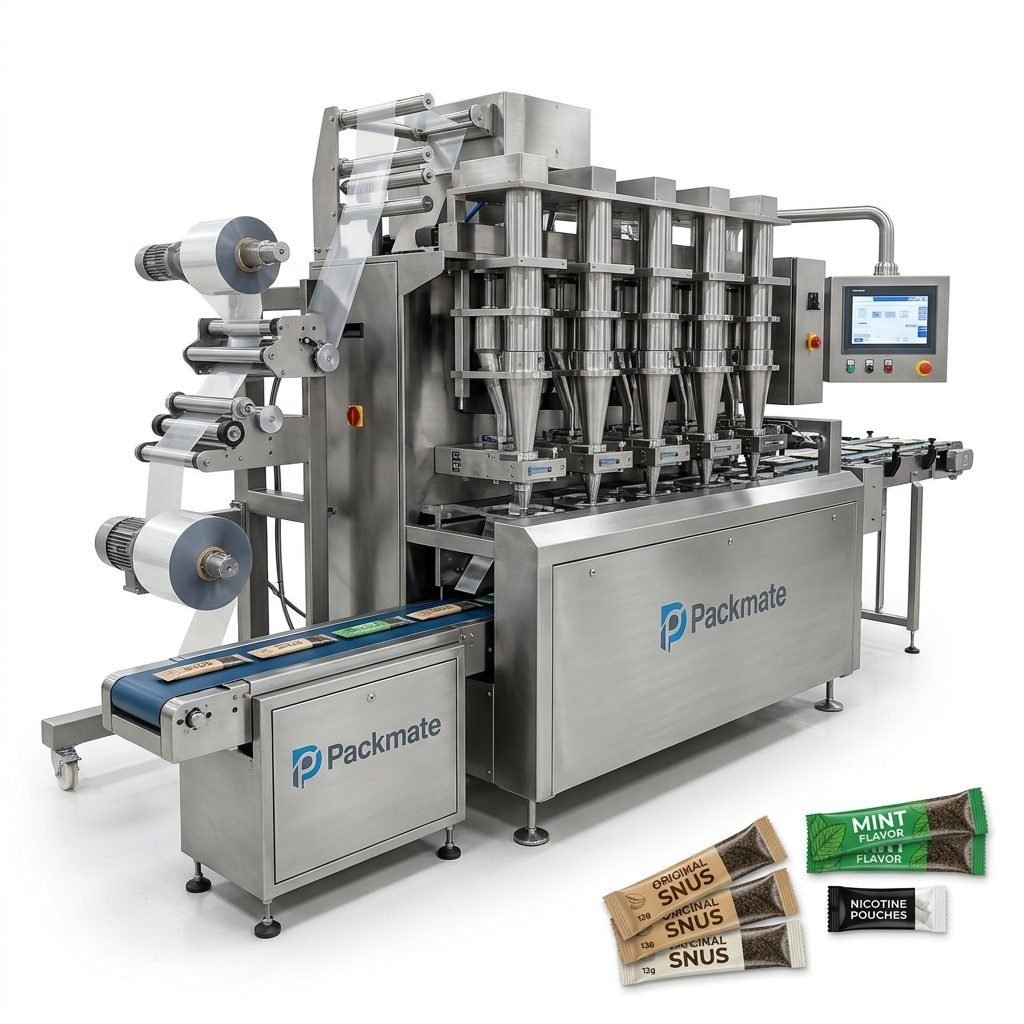
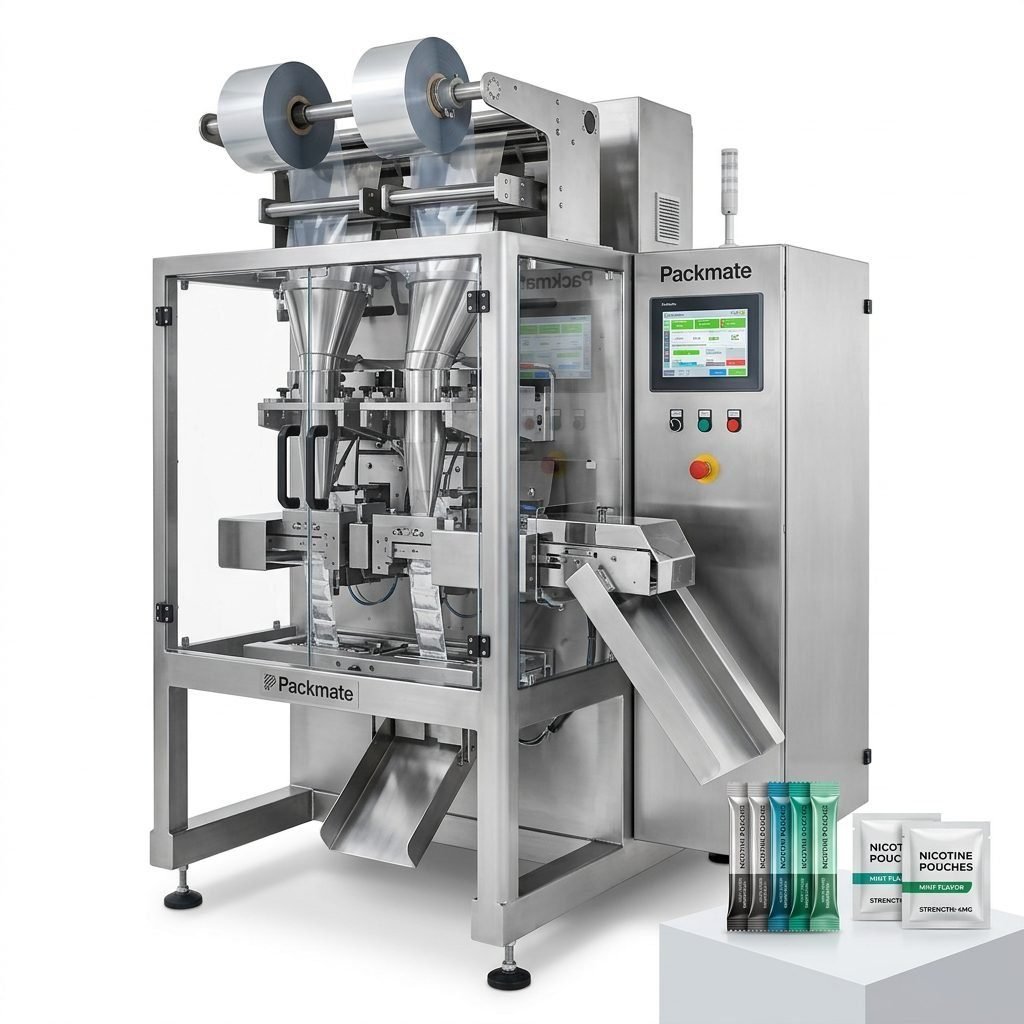
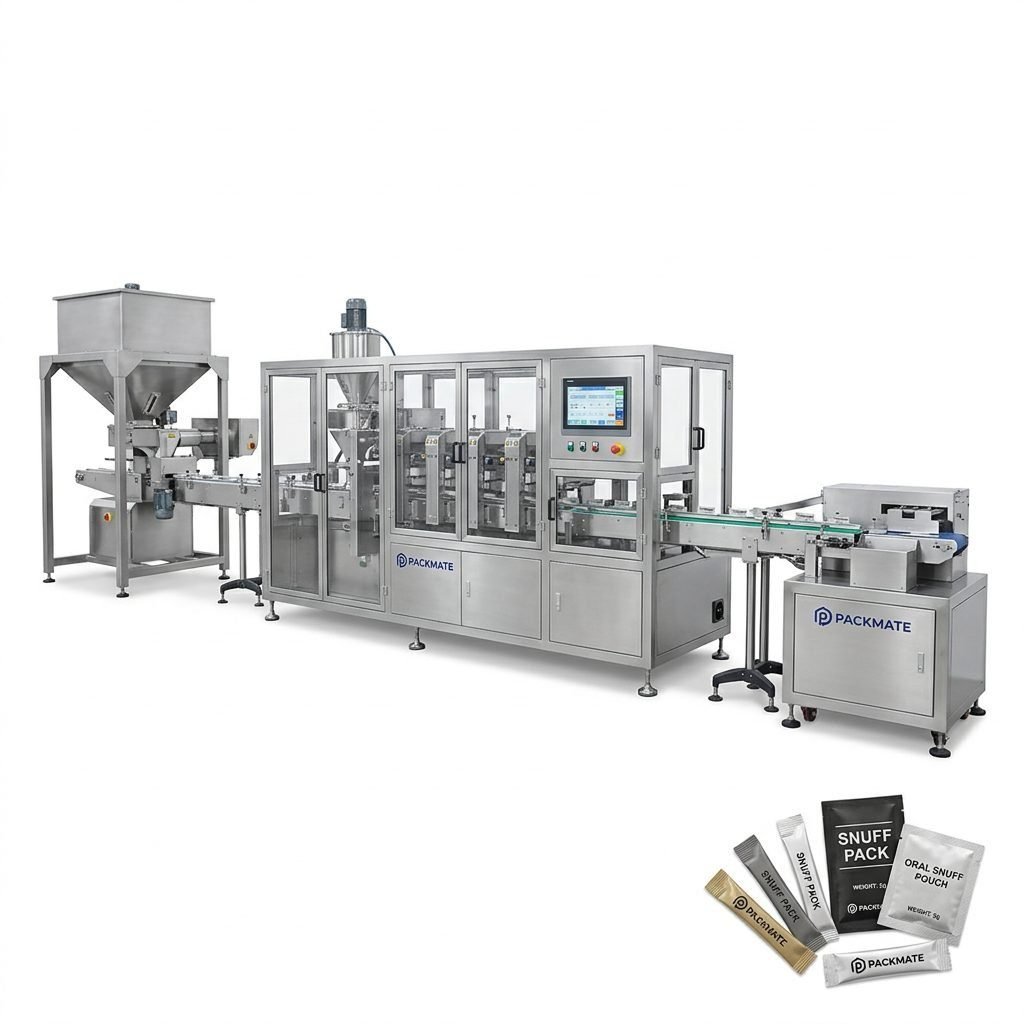
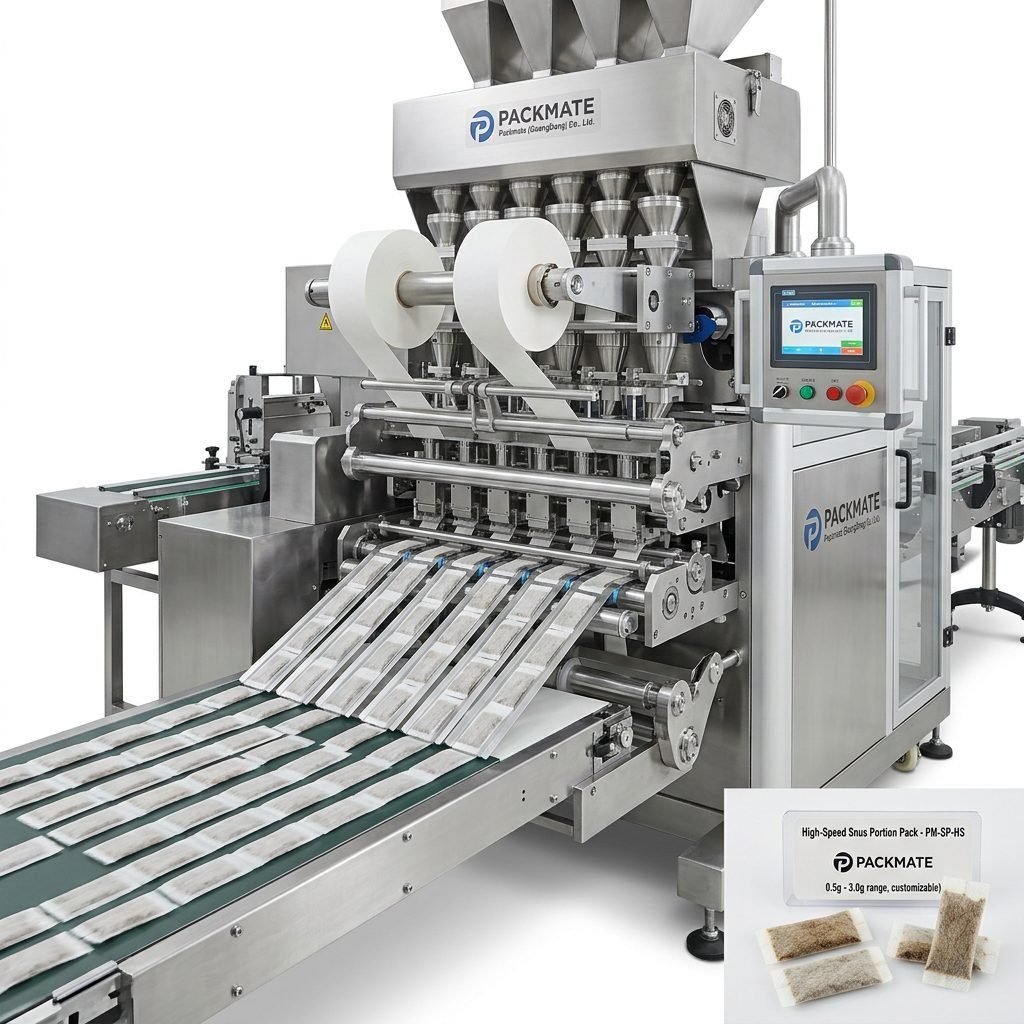
📌 Snus / Nicotine pouch packing machines — optimized for small-dose, multi-lane pouch production; ideal if you need high precision and consistent pouch weight. Consider visiting Snus & Nicotine Packaging Machines for detailed models.
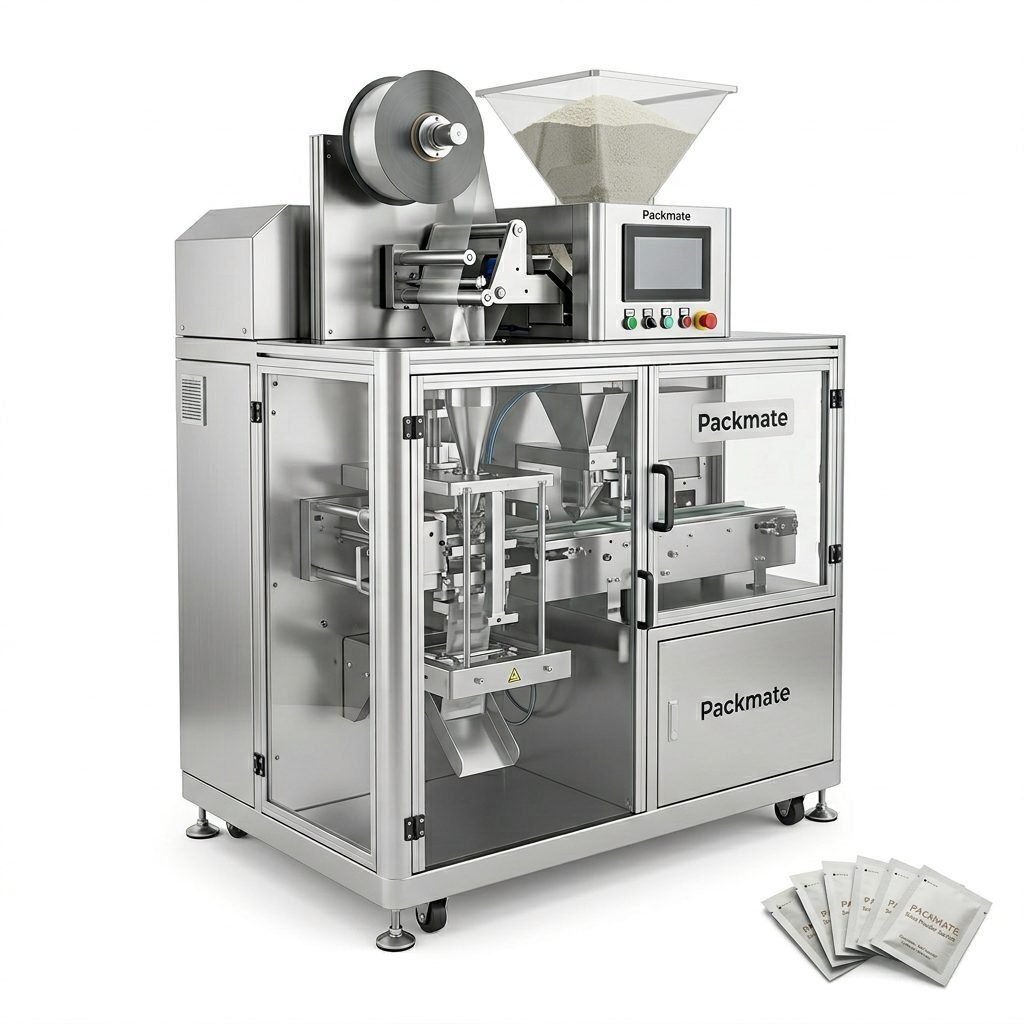
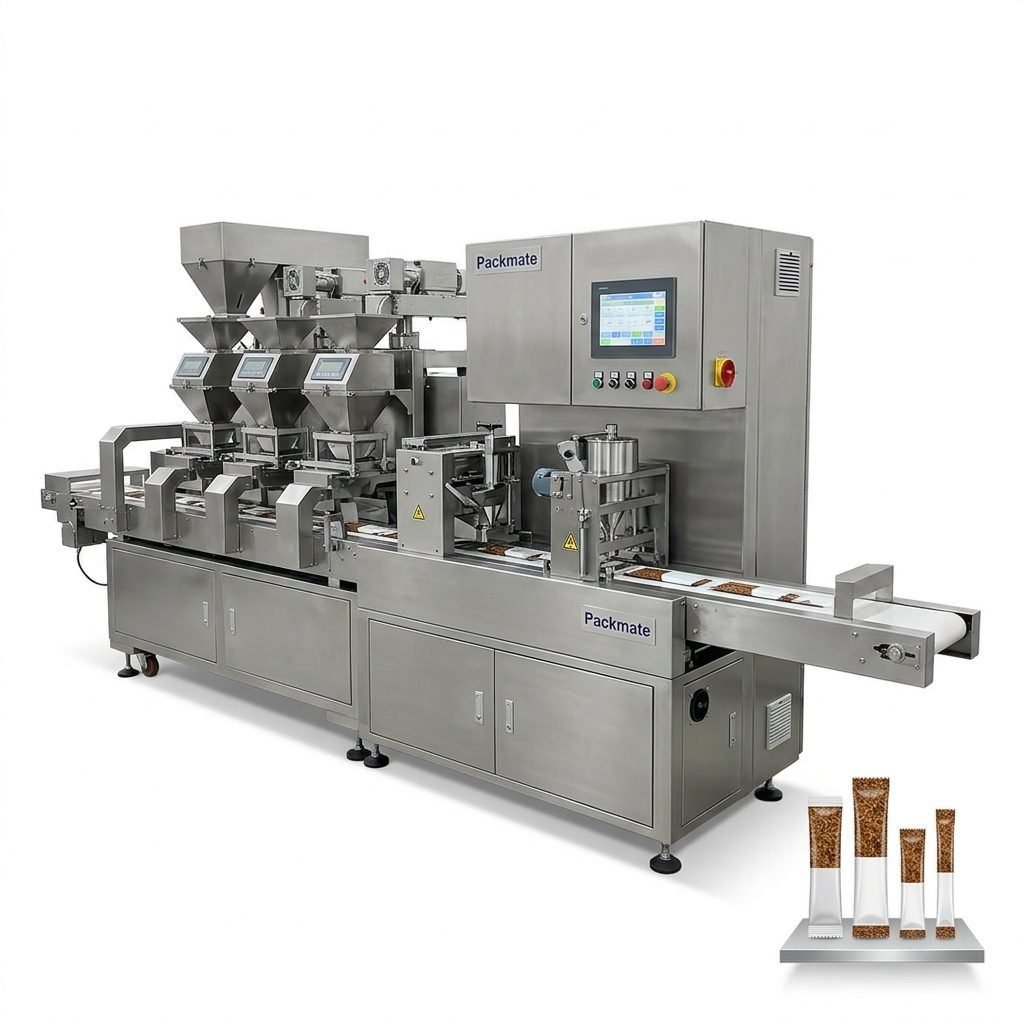
📌 Sachet & stick pack machines — great for single-serve formats and flexible product shapes. These are well-suited for flavored pouches or stick packs (Sachet & Stick Pack Machines).
📌 Multi-lane systems — if high throughput is a priority, multi-lane systems multiply output without proportionally increasing footprint.
Production Capacity & Scalability
Calculate current and future capacity needs. Consider ramp-up scenarios, seasonal demand, and new SKUs. Choose machines with:
- Modular designs for adding lanes or modules
- Upgradeable control systems and PLCs
- Compatibility with automated upstream/downstream equipment
Key Technical Features to Evaluate
Focus on features that affect product integrity, OEE (Overall Equipment Effectiveness), and compliance.
✅ Filling accuracy — for nicotine pouches, tolerance is critical. Look for precision weighing and dosing modules.
✅ Speed vs. product handling — higher speeds are great, but ensure gentle handling to preserve pouch shape and sealing.
✅ Changeover time — quick tool-less changeovers reduce downtime when switching SKUs.
✅ Hygienic design — stainless steel construction, easy-to-clean surfaces, and minimal product traps will help meet regulatory expectations.
Material Compatibility & Packaging Types
Ensure the machine supports the films and materials you plan to use (PE, PET, barrier laminates, pouch papers). Evaluate sealing technologies for moisture and nicotine stability.
Regulatory Compliance in Australia
Australian nicotine product regulations are strict and evolving. Your packaging line must support tamper-evidence, accurate labeling, and manufacturing traceability. Machines with integrated labeling, serialization, and batch coding modules simplify compliance.
Quality Assurance & Certifications
Choose suppliers with international standards such as CE and ISO. Vendors with documented factory testing, IQ/OQ support, and spare-parts traceability reduce commissioning risk.
Supplier Evaluation: What to Look For
Selecting the right vendor is as important as choosing the right machine model.
📈 Track record & experience — prefer manufacturers with decades of packaging experience and a proven portfolio in nicotine/snack/food sectors. Learn more About Packmate.
🔧 Factory & manufacturing strength — facilities with advanced CNC, precision assembly, and testing ensure build quality and faster lead times.
🛡️ Certifications — supplier certifications such as CE/ISO show adherence to international standards.
🤝 After-sales support — check local service capabilities, spare parts availability, and training offerings. See service options at Service.
Customization & Turnkey Solutions
Many producers benefit from turnkey lines that include weighing, filling, packaging, labeling, and case packing. If you have special material, multi-lane needs, or integrated quality inspection, choose vendors who offer tailored engineering and full-line integration.
Cost, ROI & Total Cost of Ownership
Purchase price is only part of the story. Evaluate:
- Energy consumption and consumables cost
- Operator training and downtime during changeovers
- Spare parts prices and lead times
- Projected OEE and labor savings from automation
Installation, Commissioning & Validation
A clear commissioning plan shortens time-to-production. Ask for:
📋 Factory Acceptance Test (FAT) — verify machine performance before shipping.
🏭 Site Acceptance Test (SAT) — validate in production environment with your product.
📚 Documentation & training — operation manuals, preventive maintenance schedules and on-site training are essential.
Maintenance, Spare Parts & Long-term Support
Reliable supply of spare parts and remote troubleshooting reduce downtime. Prefer manufacturers with global parts depots or fast shipping channels. Some vendors also provide predictive maintenance via IoT modules.
Warranty & Field Service Network
Confirm warranty scope, response times, and if local technicians are available for Australia. Service contracts for preventive maintenance can offer predictable operating costs.
Real-World Considerations & Practical Tips
These operational insights help smooth adoption:
🧩 Trial runs & sample runs — run samples at supplier factory and at your site with production materials.
👩🏭 Operator involvement — involve operators early to identify usability and cleaning pain points.
📦 Logistics & footprint — ensure factory floor layout, utilities and access doors support machine delivery and installation.
Case Examples & Proven Solutions
Review supplier case studies and references to see how similar plants handled challenges like multi-lane synchronization, moisture control, and rapid SKU changes. Packmate has documented implementations and global cases — see Case references for inspiration.
Suggested Selection Checklist
Use this compact checklist when evaluating suppliers and machines:
✅ Production speed & capacity match your forecast
✅ Filling accuracy & dosing technology validated
✅ Machine hygiene and cleanability meet requirements
✅ Supplier offers FAT/SAT, spare parts, and rapid field support
✅ Total cost of ownership analysis completed
Why Choose an Established Manufacturer
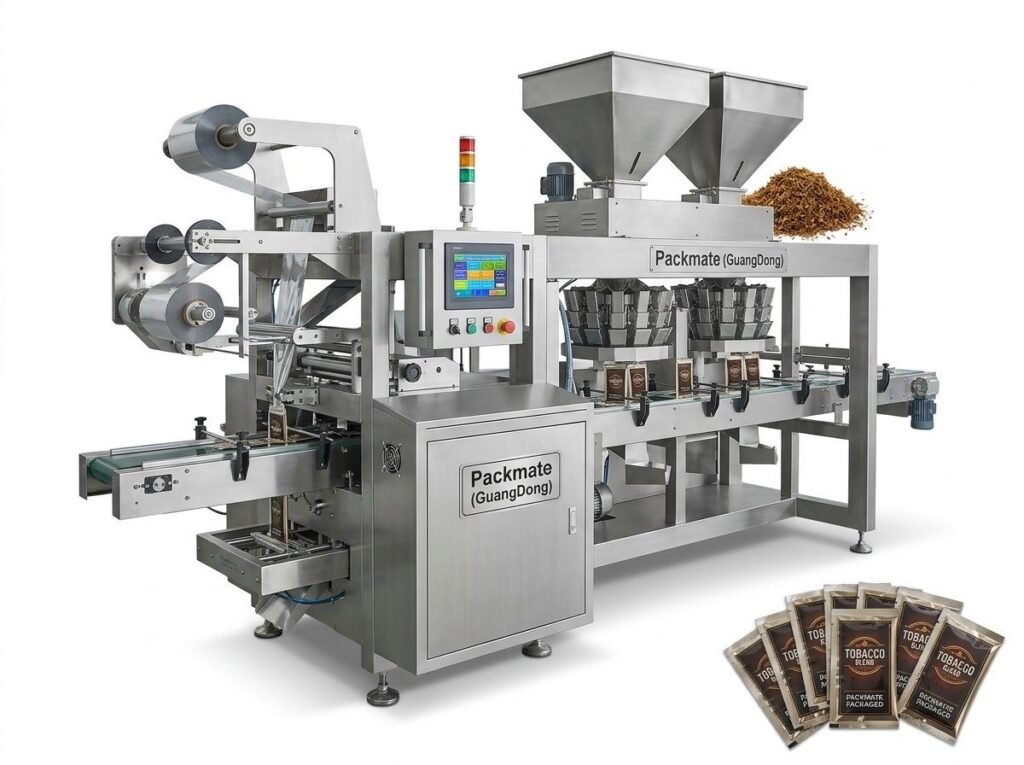
Established manufacturers with decades of experience provide robust engineering, predictable lead times, and proven designs. For nicotine pouch lines, companies with focused expertise in snus and nicotine packaging offer optimized multi-lane systems and integrated production lines. Explore full product families such as filling & packaging lines at Filling & Packaging Lines and auxiliary equipment options at Auxiliary Packaging Equipment.
Final Recommendation Framework
Choose the machine that best balances the following:
- Production capability today and scalability for tomorrow
- Precision dosing and consistent packaging quality
- Supplier reliability, certifications and after-sales support
- Reasonable total cost of ownership and clear ROI
- Regulatory readiness for Australian market requirements
Next Steps to Buy & Implement
Start with these action items:
1. Request technical datasheets and performance curves.
2. Schedule FAT with your product and accepted tolerances.
3. Confirm commissioning timeline, spare parts list, and training plan.
4. Verify compliance documentation and post-sale support commitments. Contact suppliers through their official channels (see Contact Us).
Conclusion
Selecting the best nicotine packaging machinery in Australia requires a balance of product-specific technical needs, capacity planning, regulatory compliance, and supplier capability. By prioritizing filling accuracy, hygienic design, modular scalability, and strong after-sales support you’ll position your production facility to meet current demand and adapt to future product lines.
Frequently Asked Questions
Q1: What machine type is best for high-volume nicotine pouches?
A: Multi-lane snus/nicotine pouch lines with synchronized dosing and sealing modules are typically best for high-volume production. They deliver high output with consistent dosing, while keeping footprint and labor requirements efficient.
Q2: How important is supplier experience in the nicotine packaging niche?
A: Very important. Suppliers with decades of packaging experience and specific expertise in snus/nicotine systems understand dosing tolerances, materials, and regulatory needs, reducing implementation risk and ensuring robust support.
Q3: What are common hidden costs to watch for?
A: Common hidden costs include spare parts lead times, consumables (films, seals), unplanned downtime during changeovers, training expenses, and any modifications needed for regulatory compliance or local utilities.
Q4: Can suppliers provide turnkey solutions for a complete production line?
A: Yes — many reputable manufacturers provide turnkey solutions including weighing, filling, packaging, auxiliary equipment, and packaging lines. Review integrated offerings such as Weighing & Packaging Systems to evaluate full-line configurations.
Q5: How should I validate a machine before purchase?
A: Perform FAT with your actual product, require performance guarantees for speed and dosing accuracy, review SAT procedures, and ensure documentation for OEM support, spare parts lists, and training schedules are included in the contract.