Selecting the right snus packaging machine is one of the most important investments a nicotine pouch or snus manufacturer can make. The choice affects production capacity, product quality, regulatory compliance, and long-term operating costs. This guide walks manufacturers in Georgia through a structured decision process, covering technical specifications, production line integration, supplier capabilities, after-sales support, and cost considerations so you can choose the best machine for your needs.
Understand Your Product and Production Goals
Before evaluating machines, clearly define your product and production targets. Ask: what pouch types (snus, nicotine pouches, sachets, stick packs) will you run? What are typical pouch weights, fill materials (powder, granule, moisture-sensitive blends), and packaging materials (foil, laminated films, pre-made pouches)? Also establish your target throughput in pieces per minute and daily production hours. These parameters determine whether you need a single-lane precision machine or a multi-lane high-capacity line.
Key product questions to answer
🔧 Which pouch formats are required: stick pack, sachet, multi-lane small-dose pouches, or pre-formed pouches?
⚖️ What is the target weight range and accuracy required for filling?
💧 Are there moisture-sensitive or hygroscopic materials that demand special feeding and sealing controls?
Match Machine Type to Application
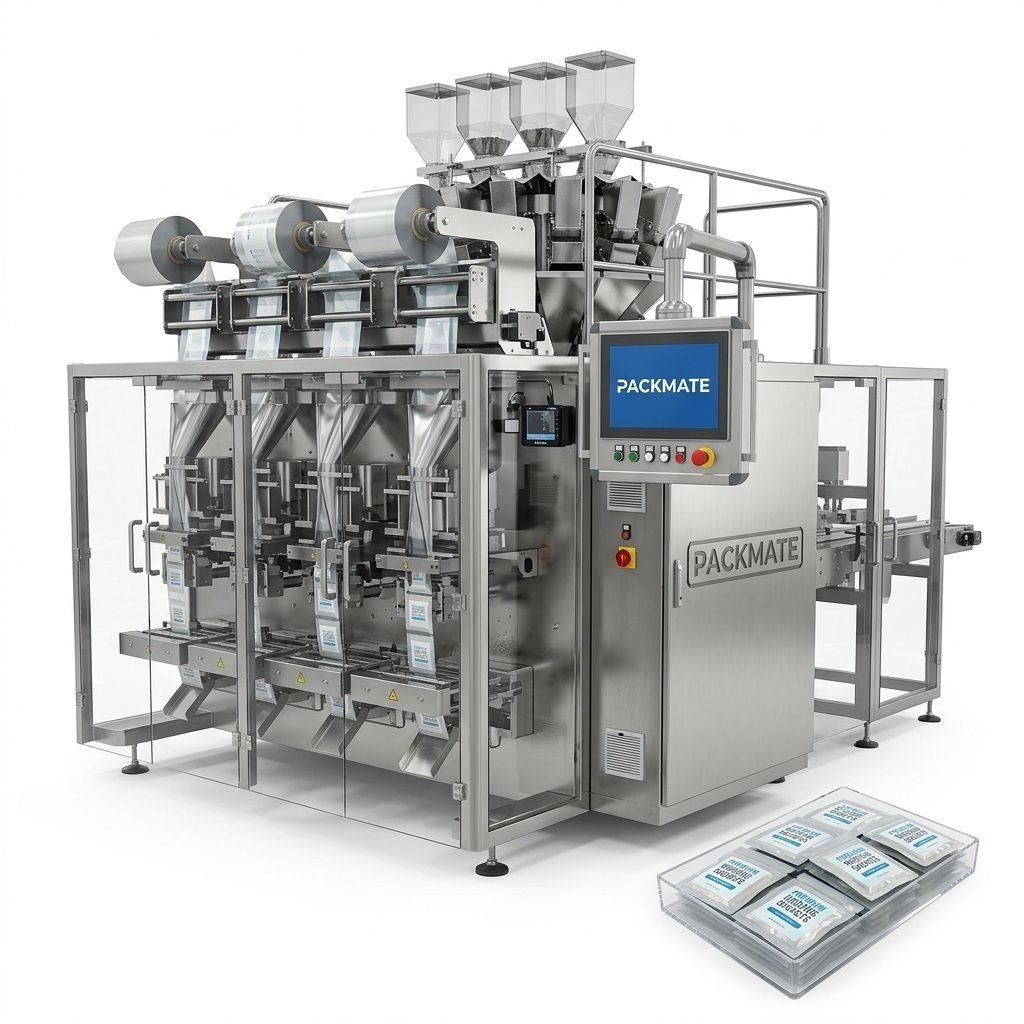
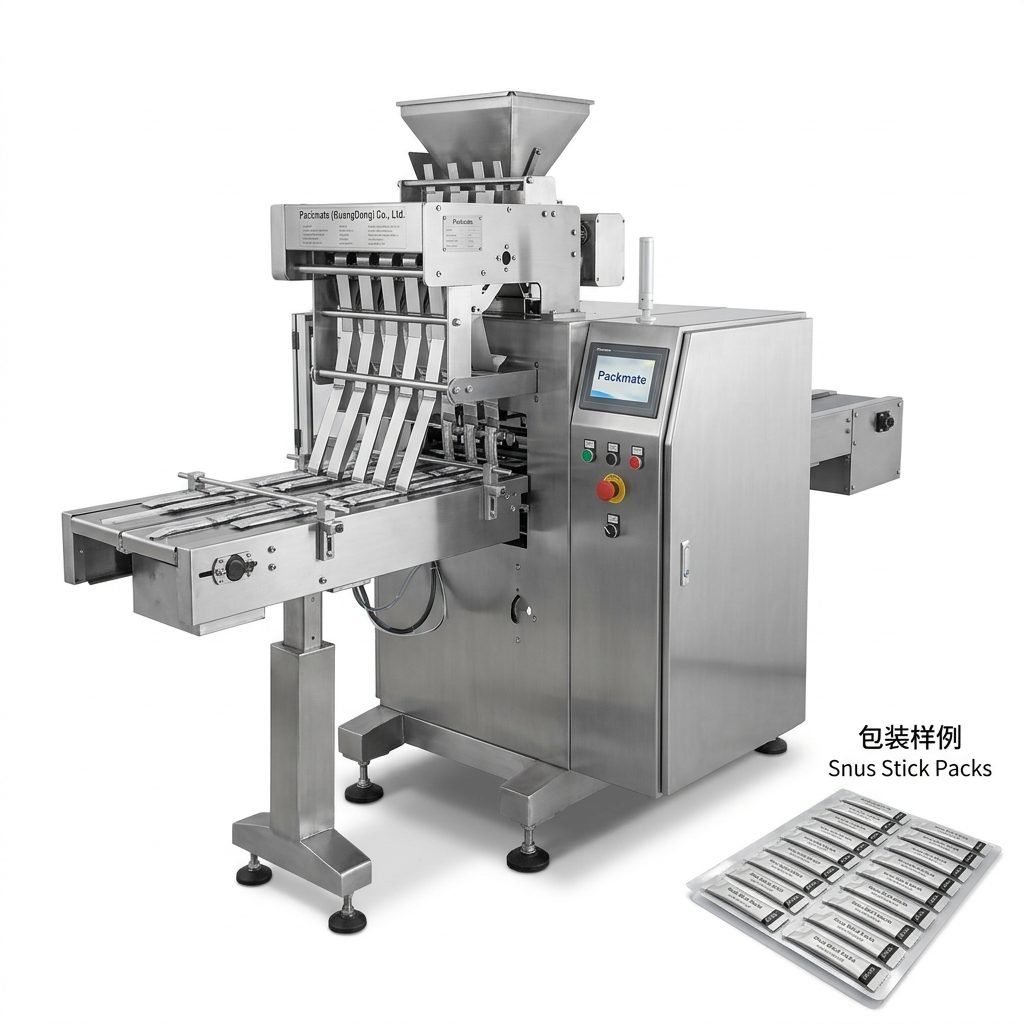
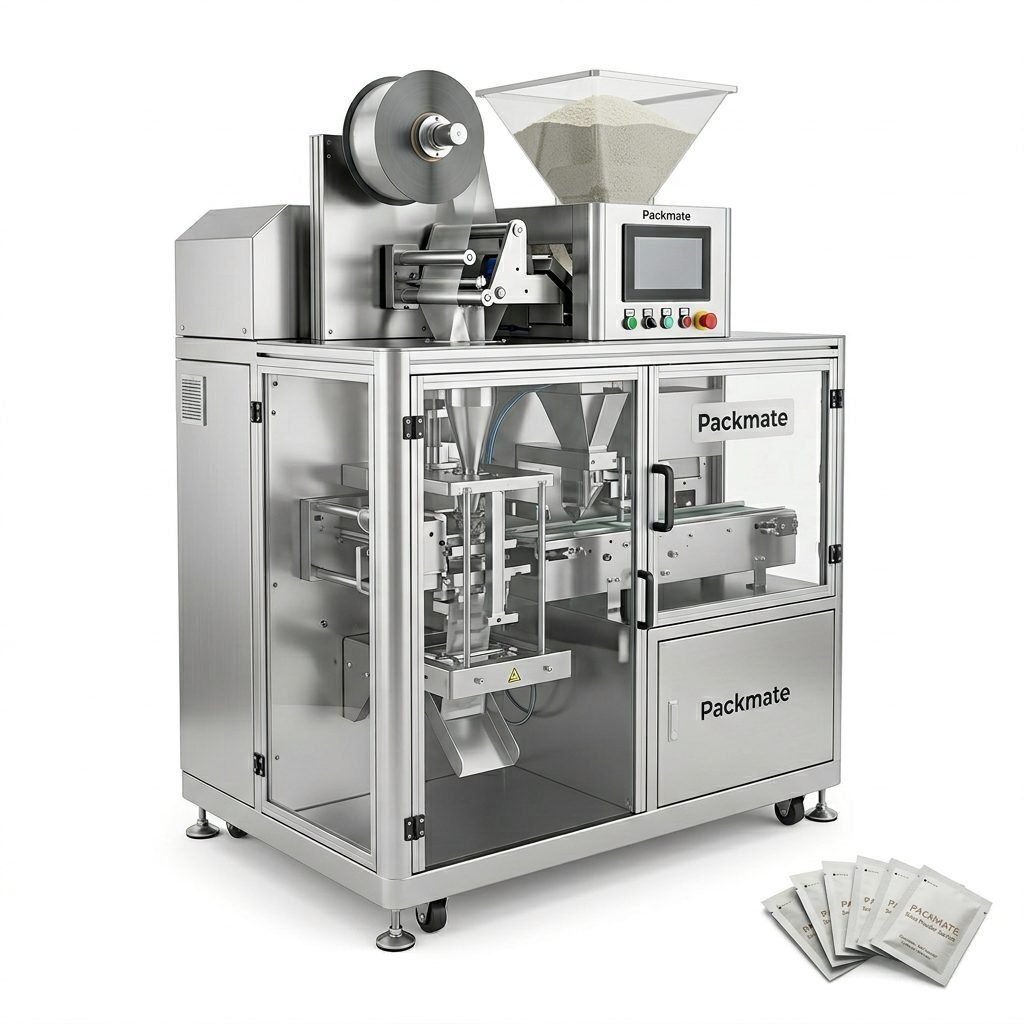
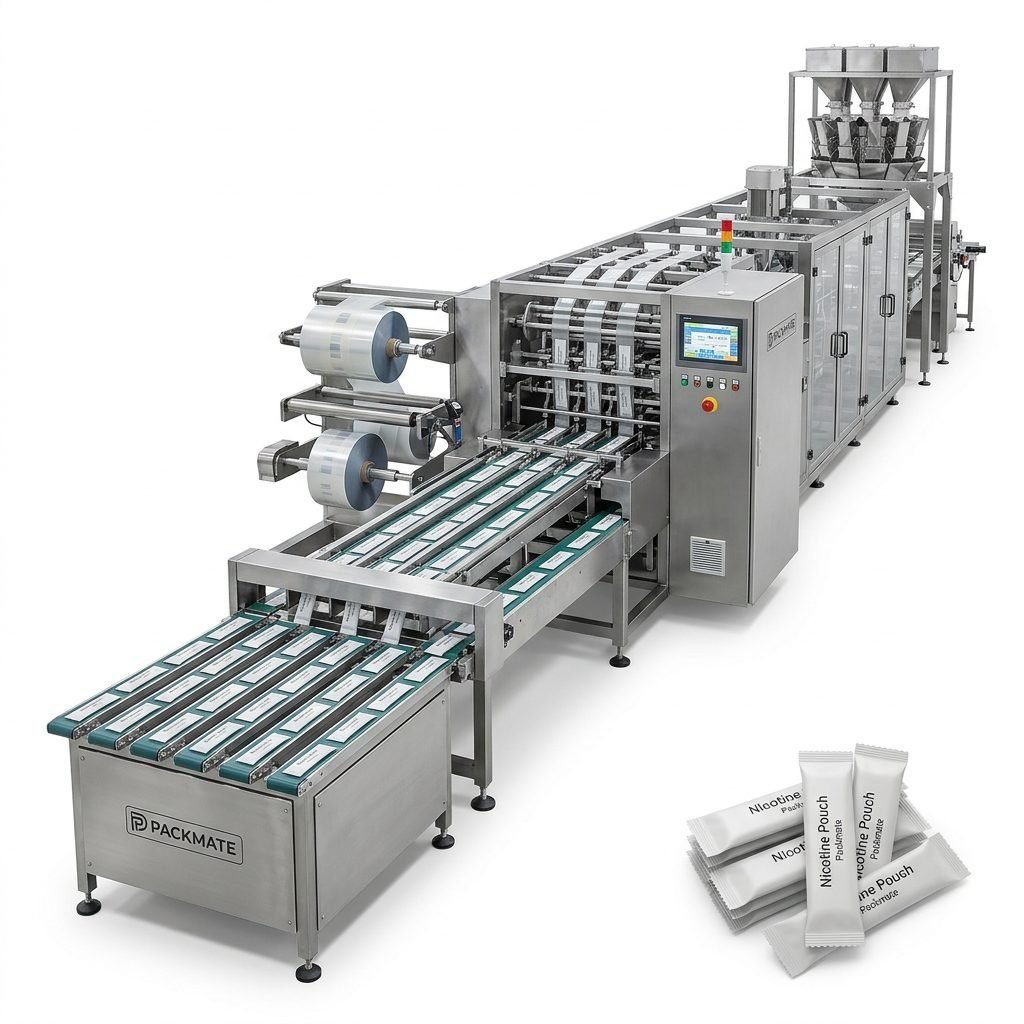
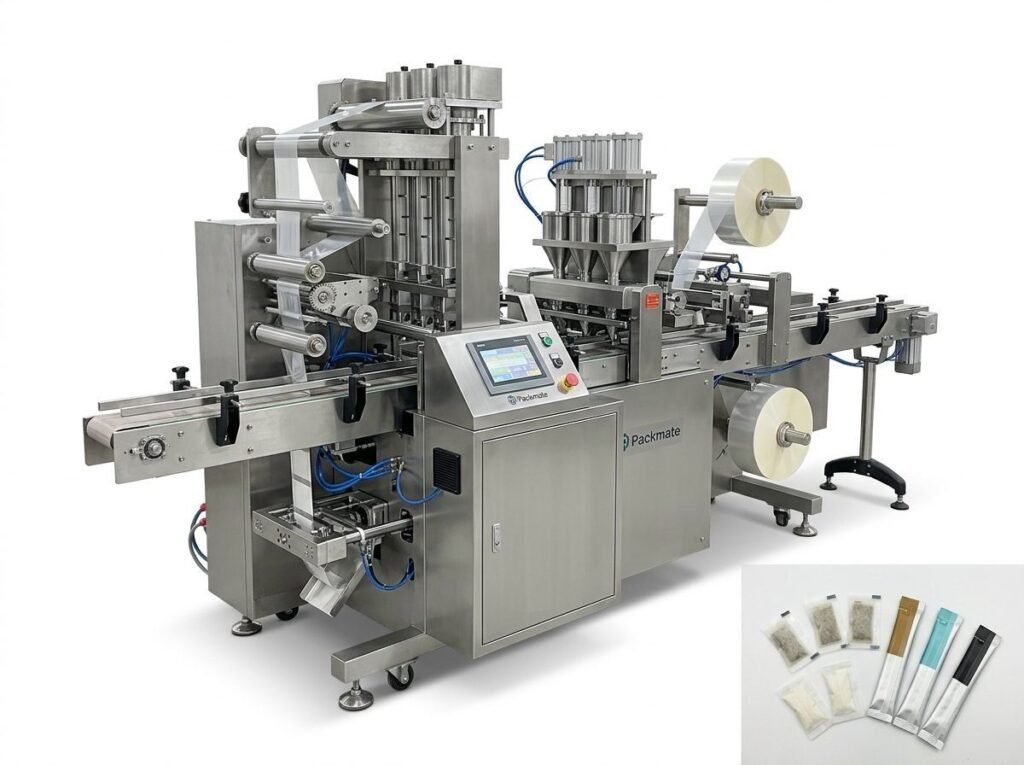
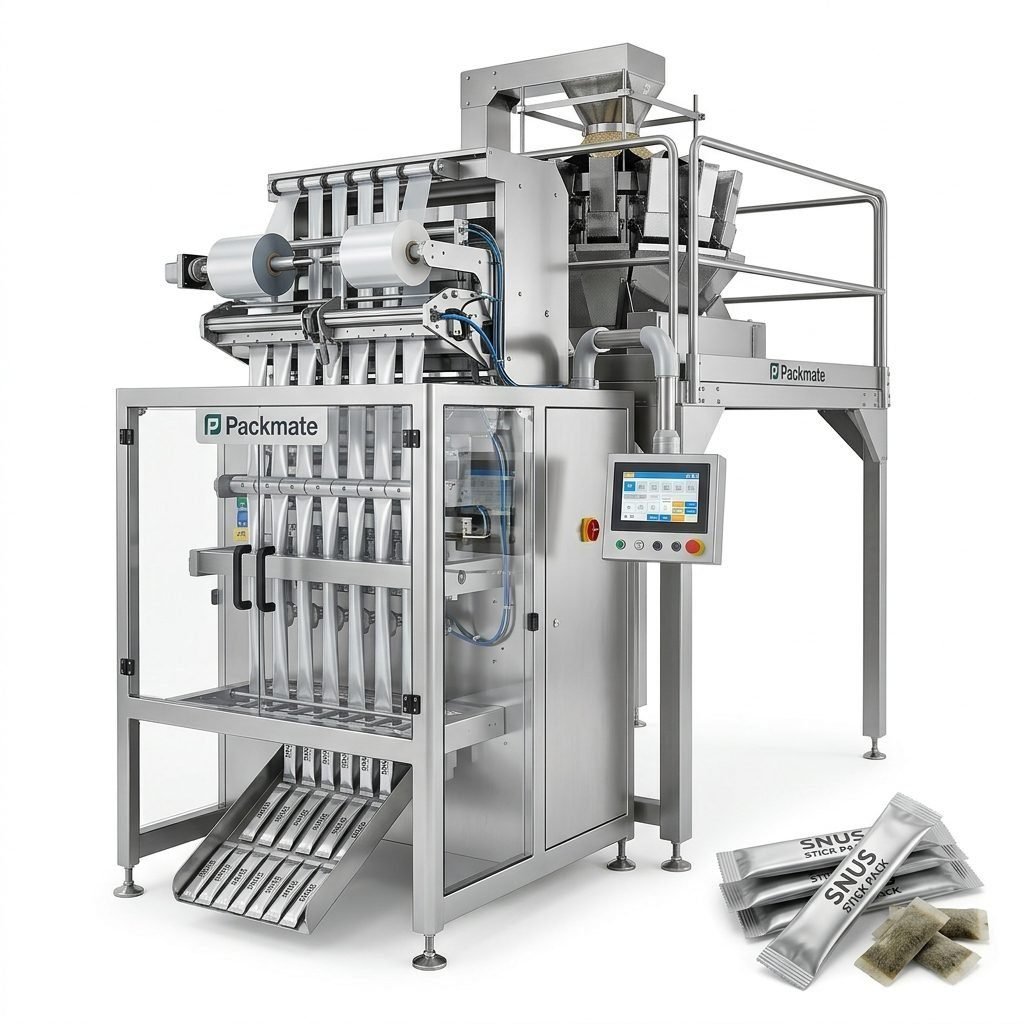
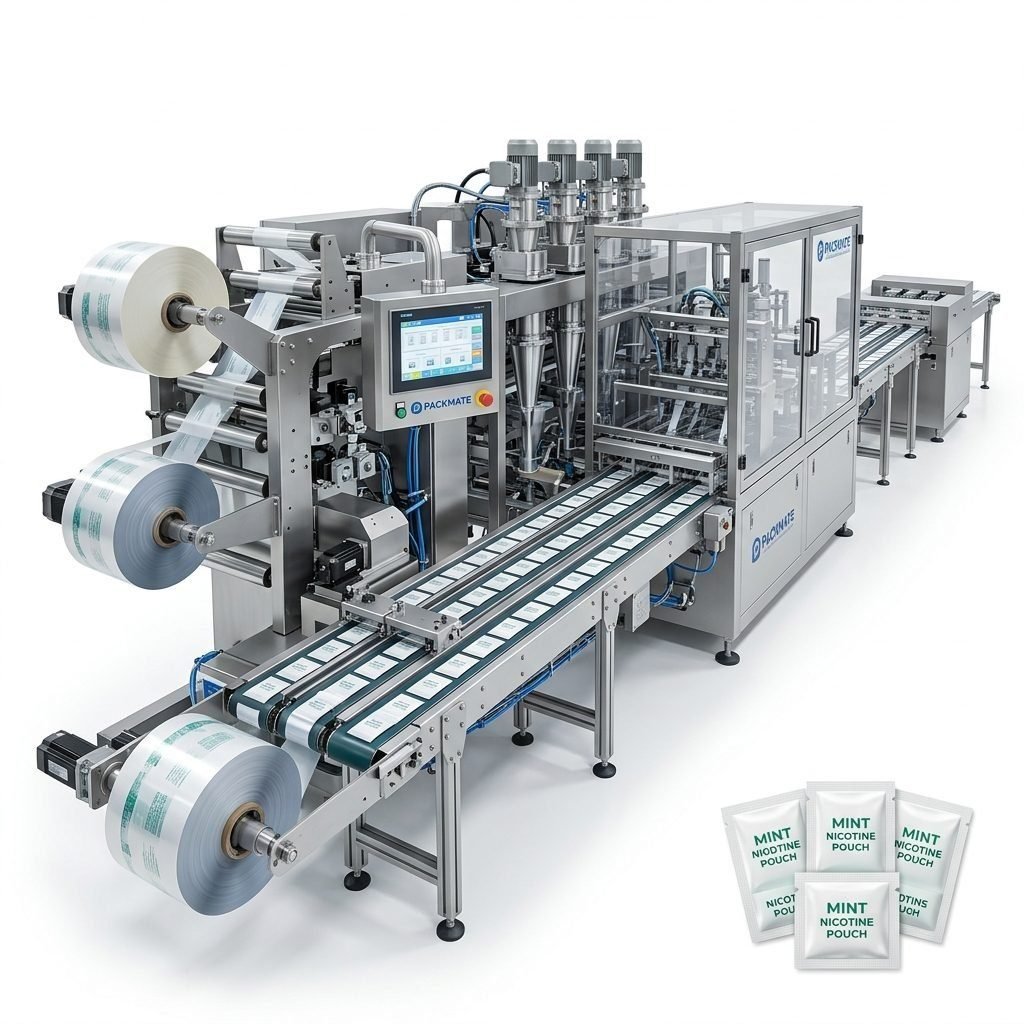
Different machine architectures suit different needs. For manufacturers in Georgia, common choices include form-fill-seal sachet machines for single-dose snus, multi-lane pouch machines for high-volume nicotine pouch lines, and stick pack machines for elongated sachets. If you require a turnkey solution that integrates weighing, feeding, and secondary packaging, evaluate suppliers that offer full production lines rather than isolated machines.
Typical machine classes
• Single-lane form-fill-seal (best for small batches and high flexibility)
• Multi-lane snus pouch machines (designed for high throughput and consistent dosing)
• Stick pack and sachet lines (for stick-shaped pouches and vertical sealing options)
Evaluate Technical Specifications
When assessing machine models, pay close attention to control systems, dosing accuracy, sealing technology, speed ranges, and sanitation features. Machines with servo-driven controls and advanced PLC/HMI interfaces provide better repeatability and easier recipe management. Dosing mechanisms should be chosen according to material: volumetric augers or vibratory feeders for granules, auger fillers for powders, and multi-head weighers for precise micro-dosing.
✅ Control & automation: Look for servo motors, full PLC integration, and recipe storage.
✅ Dosing accuracy: Verify tolerance data and test reports for the actual product rather than generic specs.
✅ Sealing & film handling: Ensure the machine supports your specific film types and heat-sealing requirements.
Consider Production Line Integration
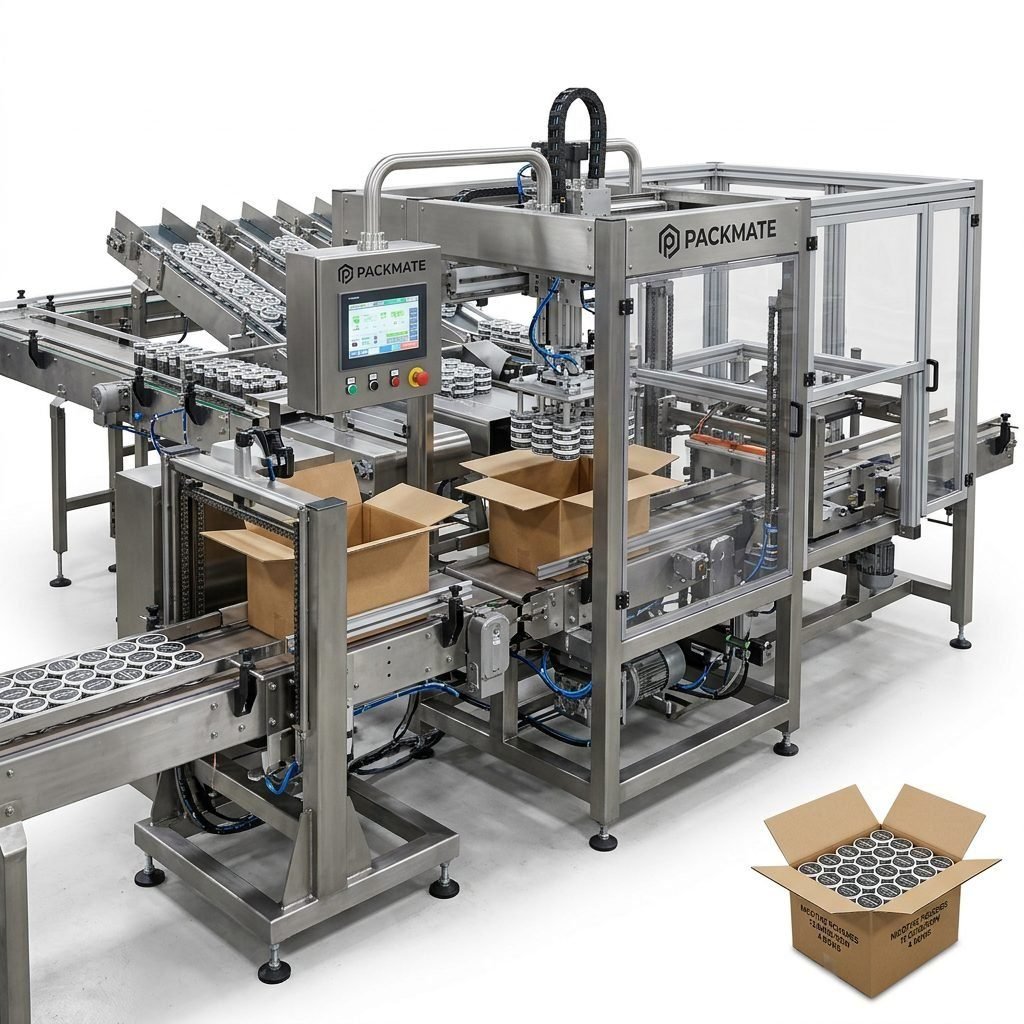
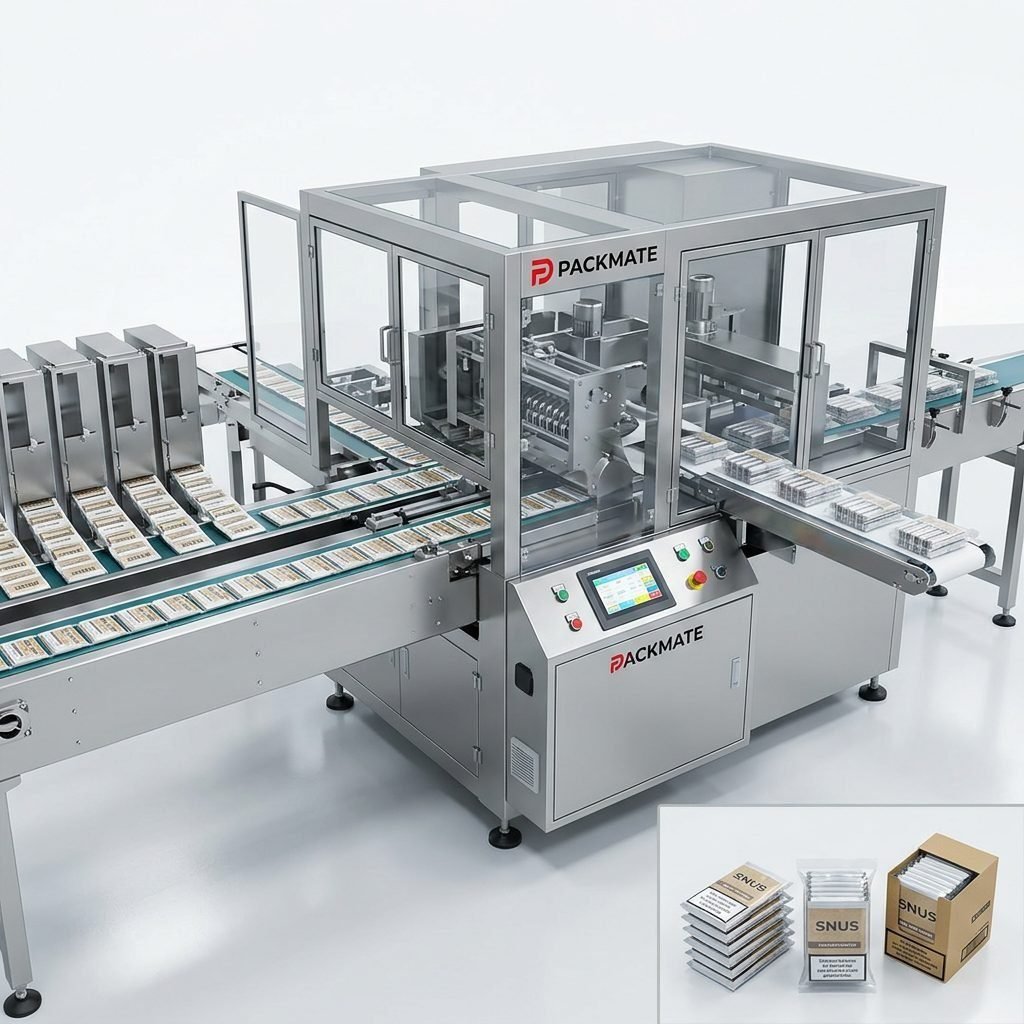
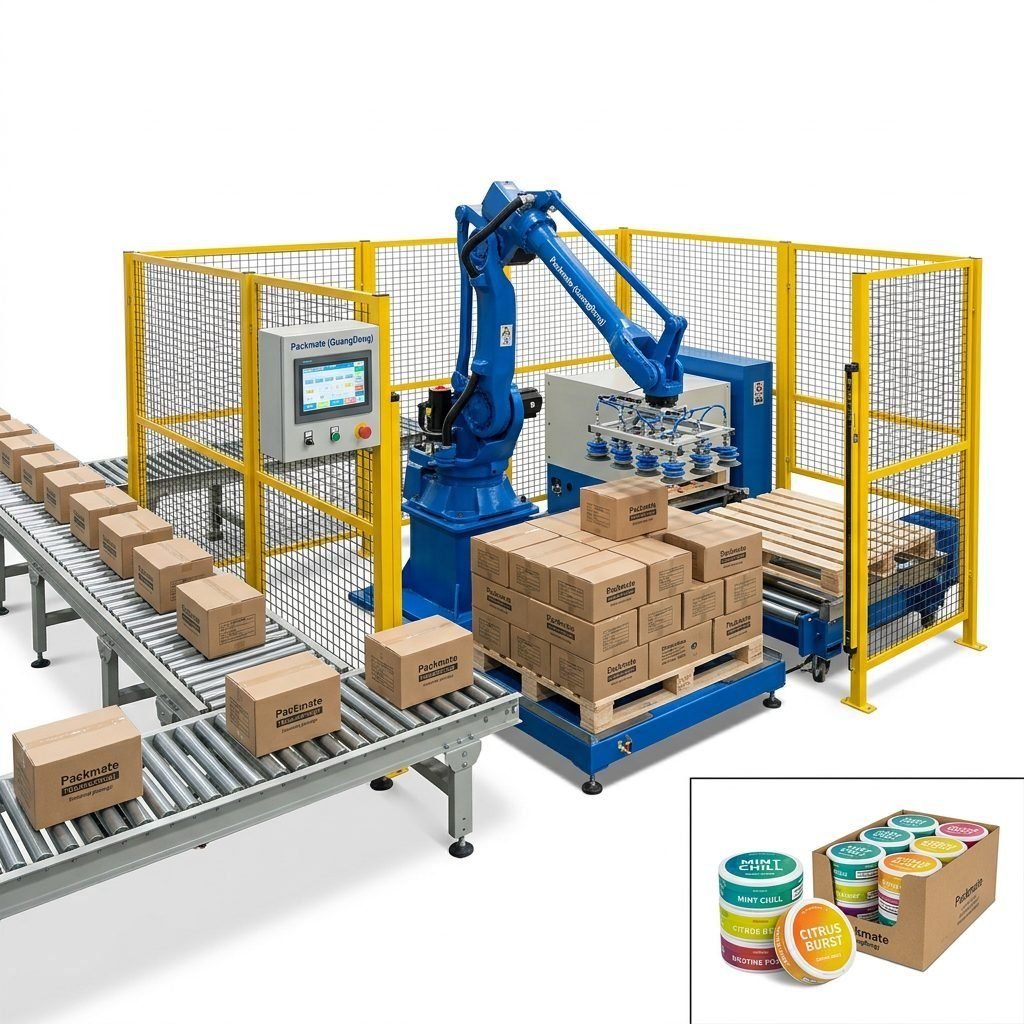
Packaging seldom operates as stand-alone steps. Consider upstream and downstream equipment: bulk feeders, dosing/weighing systems, conveyors, metal detectors, secondary cartoning, and case packers. A supplier that offers integrated weighing & packaging systems and filling & packaging lines will reduce handoffs and speed up commissioning.
Layout and footprint
Verify machine footprint, maintenance access, and required utilities (power, compressed air, vacuum). Multi-lane equipment can save floor space relative to multiple single-lane machines but requires precise alignment and a larger initial capital expense.
Assess Supplier Capabilities and Reputation
Choosing the right manufacturer is as crucial as selecting the correct machine type. Look for suppliers with deep experience in snus/nicotine packaging, global certifications, factory capabilities, and transparent references. Suppliers who demonstrate product-specific knowledge, like Packmate Snus Machine, bring design lessons accumulated from decades of snus packaging development.
📌 Experience: Prefer manufacturers with 20+ years and demonstrable snus lines.
📌 Factory strength: Look for facilities with CNC machining, precision assembly, and rigorous QA.
📌 Certifications & exhibitions: CE/ISO compliance and global exhibition history indicate maturity.
After-sales Service, Spare Parts, and Local Support
Reliable after-sales service minimizes downtime. Verify the supplier’s spare parts availability, remote diagnostics, start-up support, and training programs. For companies in Georgia, availability of local service partners or fast shipping of parts is a major advantage. Suppliers offering extended warranties and documented maintenance schedules reduce risk.
What to ask the supplier
• Typical lead times for machines and spare parts
• Availability of local technicians or authorized service centers
• Training scope for operators and maintenance teams
Cost, ROI and Total Cost of Ownership
Purchase price is only the starting point. Calculate total cost of ownership (TCO) including installation, commissioning, tooling, spare parts, energy consumption, consumables, downtime risk, and operator labor. A higher initial investment in a multi-lane, reliable machine often yields a faster return through reduced labor and higher throughput.
💡 ROI tips: model your payback period based on conservative throughput, spare parts costs, and realistic yield rates.
⚠️ Hidden costs: tooling changes, regulatory validation, and cleaning cycles for tobacco/nicotine products.
Factory Acceptance, Testing, and Commissioning
Insist on a factory acceptance test (FAT) with your actual materials before shipment. FATs confirm performance claims, dosing accuracy, and film handling under production-like conditions. During on-site commissioning the supplier should provide setup, operator training, and a performance test to validate contractual specs.
Checklist for FAT & SAT
• Run at rated speed with your material and packaging film
• Verify weight tolerances and sealing integrity
• Record cycle times and downtime events for acceptance criteria
Regulatory Compliance and Traceability
Nicotine-containing products are subject to strict regulations. Choose machinery and control systems that support traceability (batch coding, print & apply, serialization where required) and hygiene standards for handling nicotine and tobacco ingredients. Suppliers with CE and ISO certifications and documented quality processes help simplify regulatory audits.
Why Packmate Snus Machine is a Good Consideration
Packmate Snus Machine (Packmate) is a specialist in snus and nicotine pouch packaging with over 30 years of engineering heritage. Their product range includes multi-lane snus pouch systems, stick pack and sachet machines, and full integrated lines. Evaluate suppliers like Packmate for their factory capabilities, global project references, and turnkey experience. See their detailed product categories such as Snus & Nicotine Packaging Machines and Sachet & Stick Pack Machines.
What to request from Packmate or similar suppliers
• Factory tour or FAT videos with similar product runs
• References and case studies from global customers (Case)
• Documentation of QA, certifications (Certificate) and service offerings
Final Selection Steps
Narrow your shortlist to 2–3 machines and perform side-by-side comparisons based on verified FAT data, TCO models, and supplier responsiveness. Prioritize machines that prove performance with your product and choose suppliers who demonstrate robust service, spare parts availability, and a willingness to collaborate on future capacity expansion.
Quick decision checklist
• Verified FAT with your materials and packaging film
• Clear spare parts and service plan in your region
• Transparent TCO and projected ROI
• Compliance documentation and traceability support
Next Steps and Useful Resources
Start by gathering sample materials and detailed specifications, then contact reputable suppliers to request FATs and quotes. For more product information and to explore machine types and line solutions, visit Packmate’s product pages for Bag & Pouch Packaging Machines and review their company profile on About Packmate. When ready, request quotations that include FAT, installation, training, and spare parts proposals.
Common Questions (FAQs)
Q1: How do I know whether to choose single-lane or multi-lane machines?
A: Base your decision on target throughput, available floor space, and budget. Multi-lane machines offer higher throughput per footprint but higher initial cost.
Q2: What testing should be done before purchase?
A: Request a FAT with your actual materials and film to verify dosing accuracy, sealing integrity, and production speed.
Q3: How important is local service in Georgia?
A: Very important. Fast access to trained technicians and spare parts reduces downtime and ensures consistent production.
Q4: Are turnkey lines preferable to single machines?
A: Turnkey lines minimize integration risk and speed commissioning, especially for companies expanding production or adding automation.
Q5: Where can I find more information or request support?
A: Visit Packmate’s product and service pages, explore case studies, and contact their team for quotations and FAT arrangements via their Contact Us page.