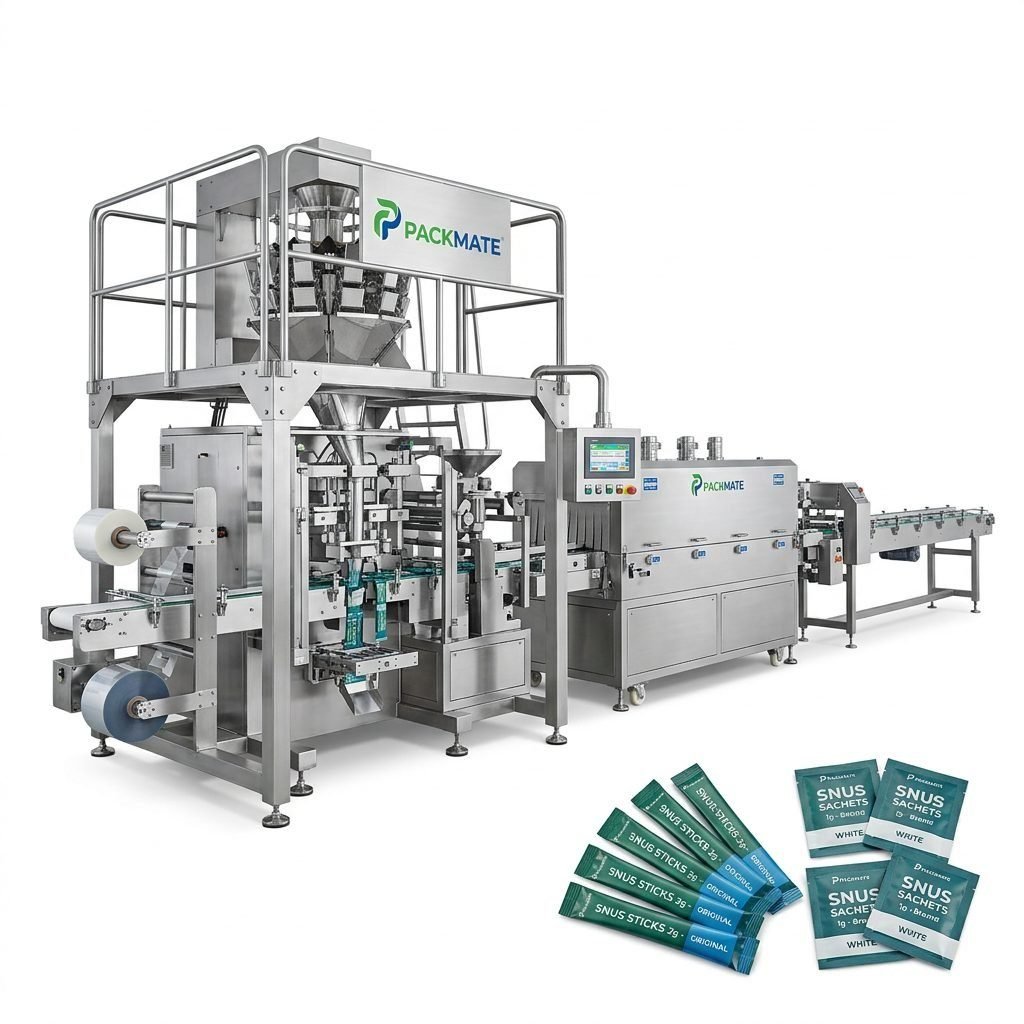
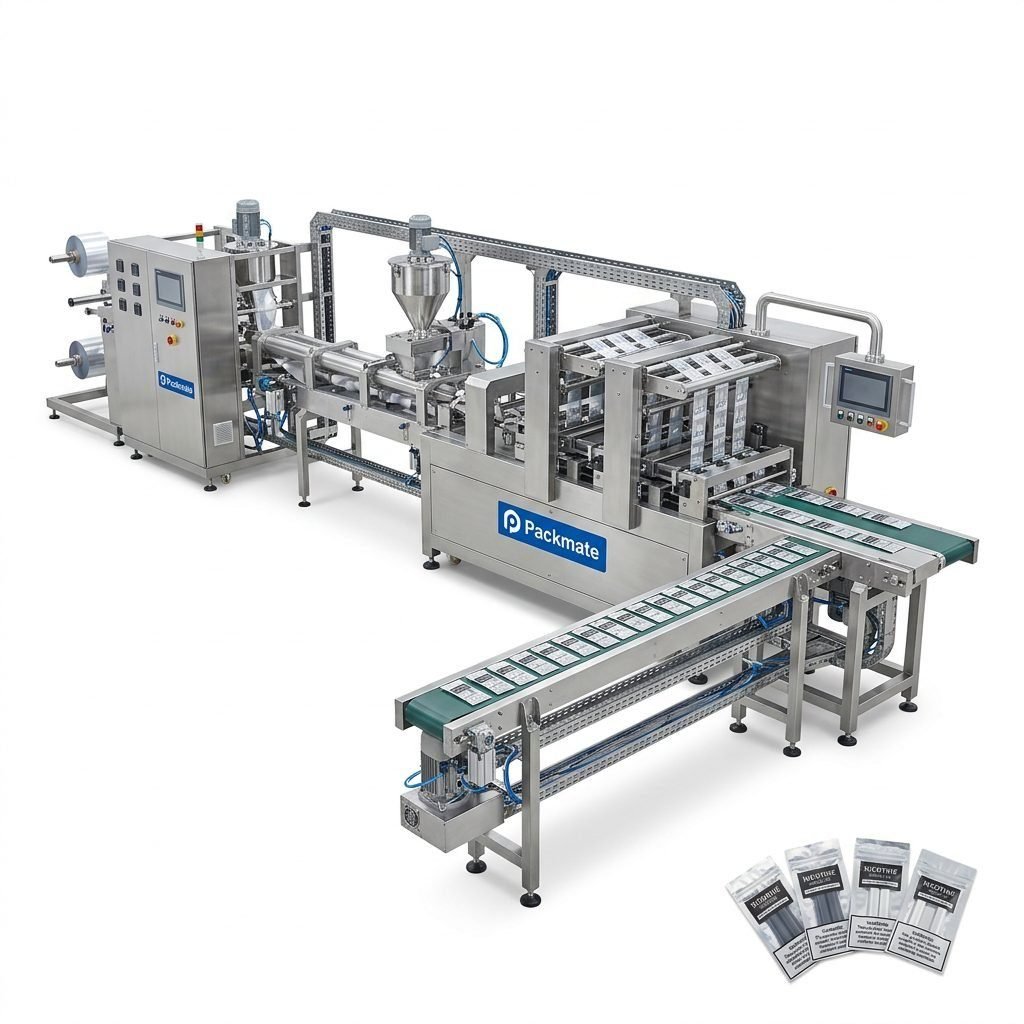
Choosing the right snus packaging machinery supplier in Kazakhstan is a strategic decision that affects product quality, regulatory compliance, production efficiency, and long-term costs. This guide walks you through the most important considerations—from local market habits and regulatory demands to technical specifications and after-sales service—so you can select a supplier who delivers reliable machines, tailored solutions, and strong local support.
Understand Kazakhstan’s Market and Business Environment
Kazakhstan is a vast country with diverse consumer preferences and a mix of urban and rural distribution channels. While traditional tobacco products remain widespread, nicotine pouches and snus have gained traction among younger and urban consumers seeking smoke-free alternatives. Business culture often combines formal contract negotiation with relationship-driven trust-building—visiting suppliers and establishing face-to-face connections remains valuable.
Key local considerations:
🔍 Language and documentation: prepare for Russian and Kazakh language needs in manuals, training, and labeling.
🚚 Logistics and climate: Kazakhstan’s long distances and cold winters can affect shipping timelines and equipment installation planning.
🏛️ Regulation and certification: ensure compliance with local and export/import regulations; CE and ISO certificates are commonly required for acceptance by distributors and regulators.
Essential Technical Criteria for Snus Packaging Machines
When evaluating equipment, prioritize machine attributes that support stable, hygienic, and flexible production:
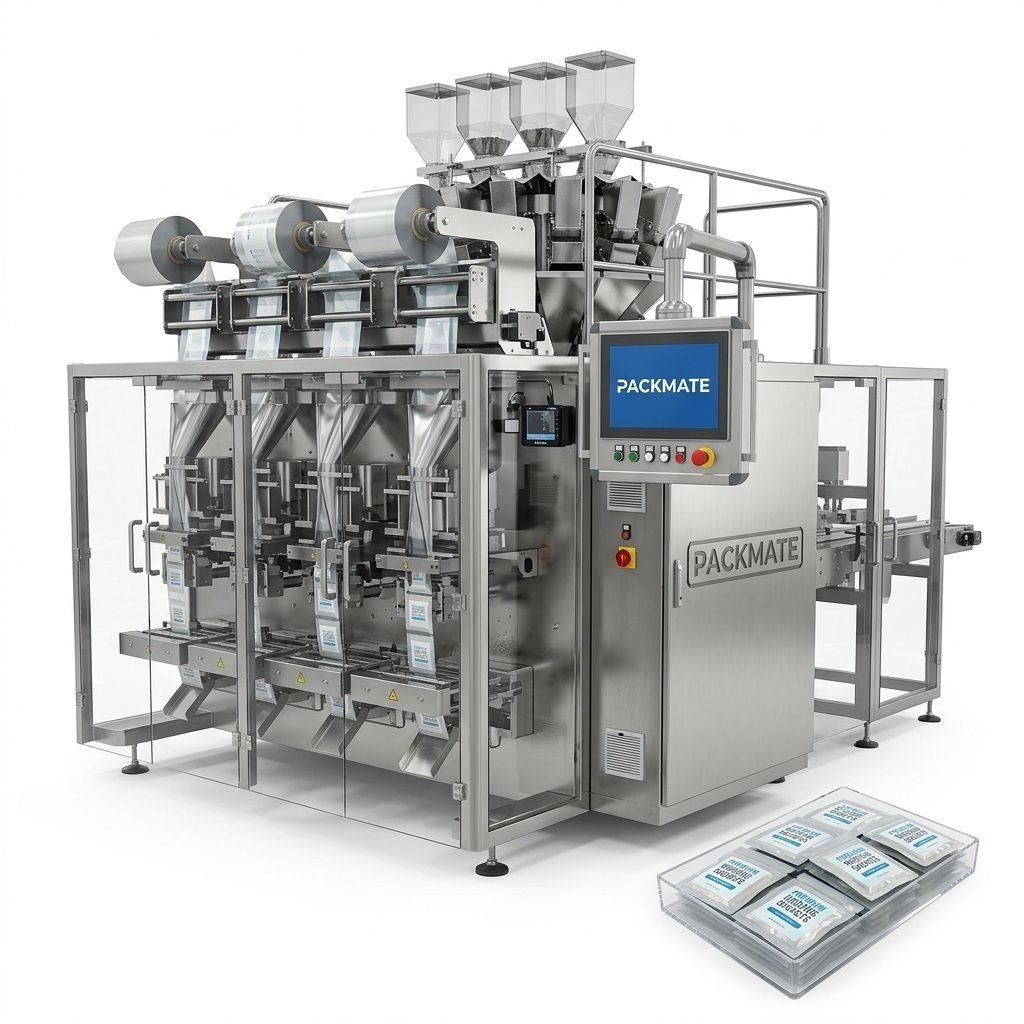
✅ Production capacity & scalability: confirm the machine’s output (pouches/minute) and whether multi-lane systems are available for scaling.
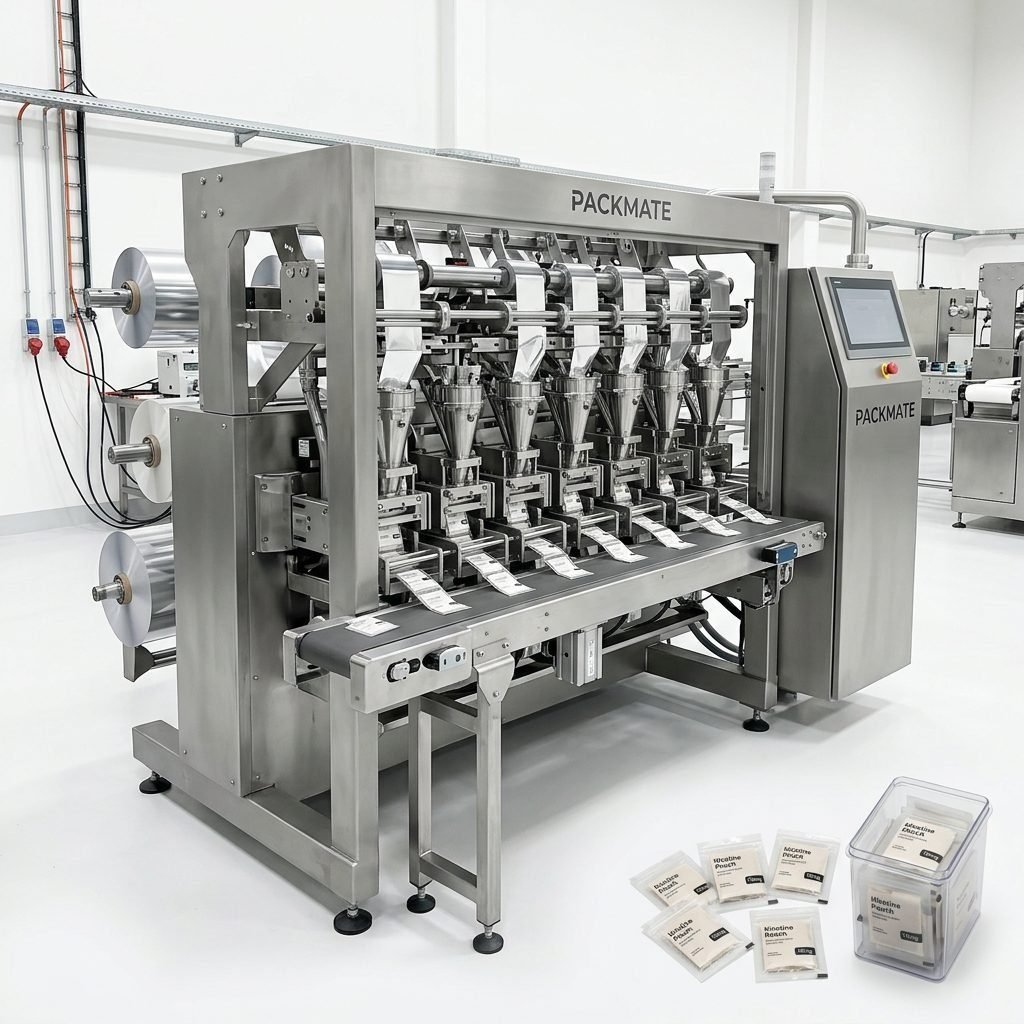
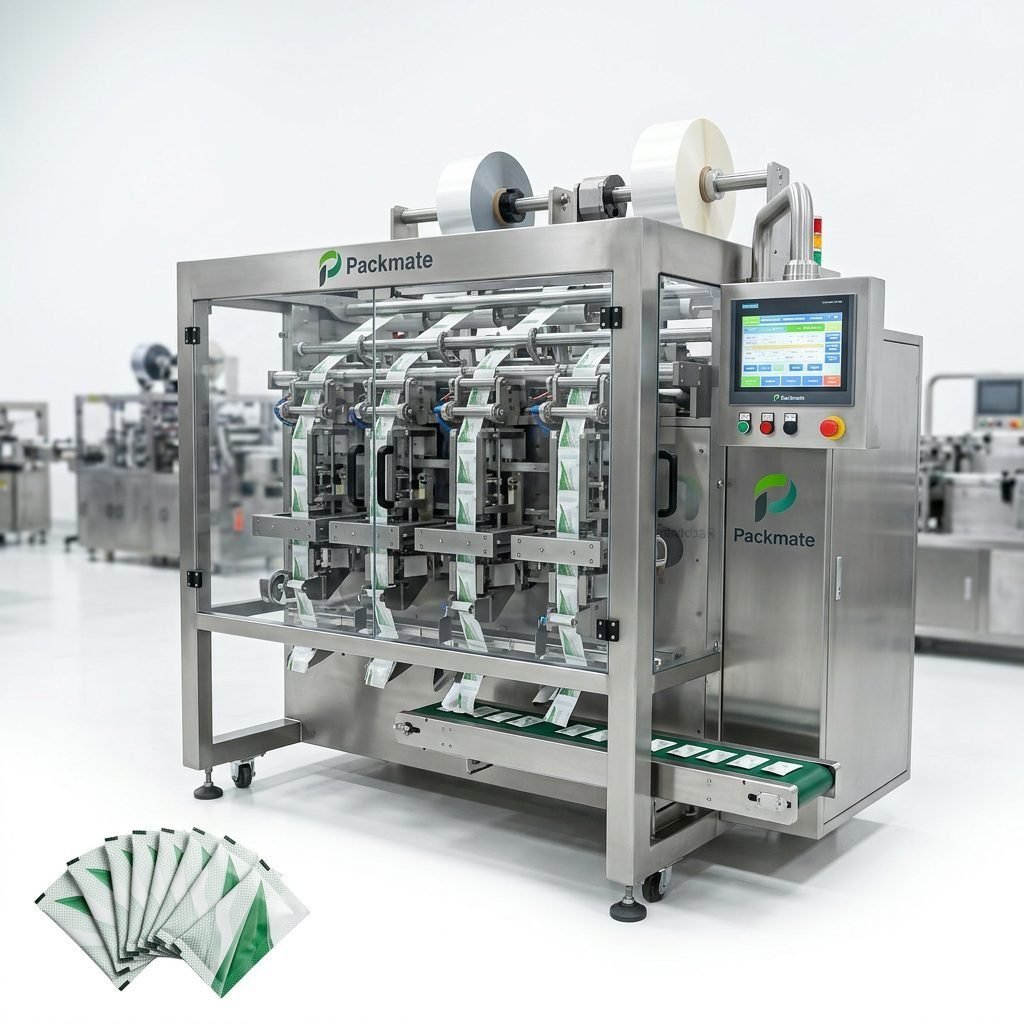
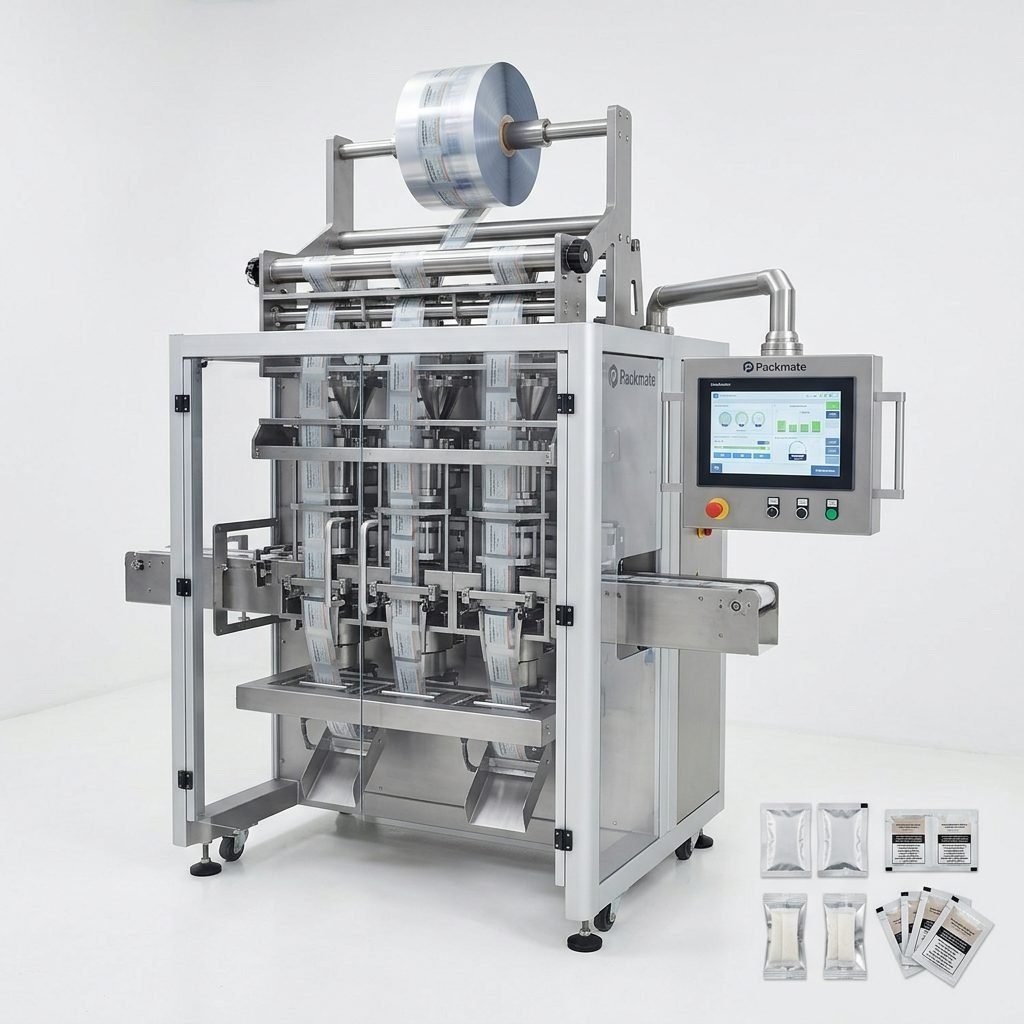
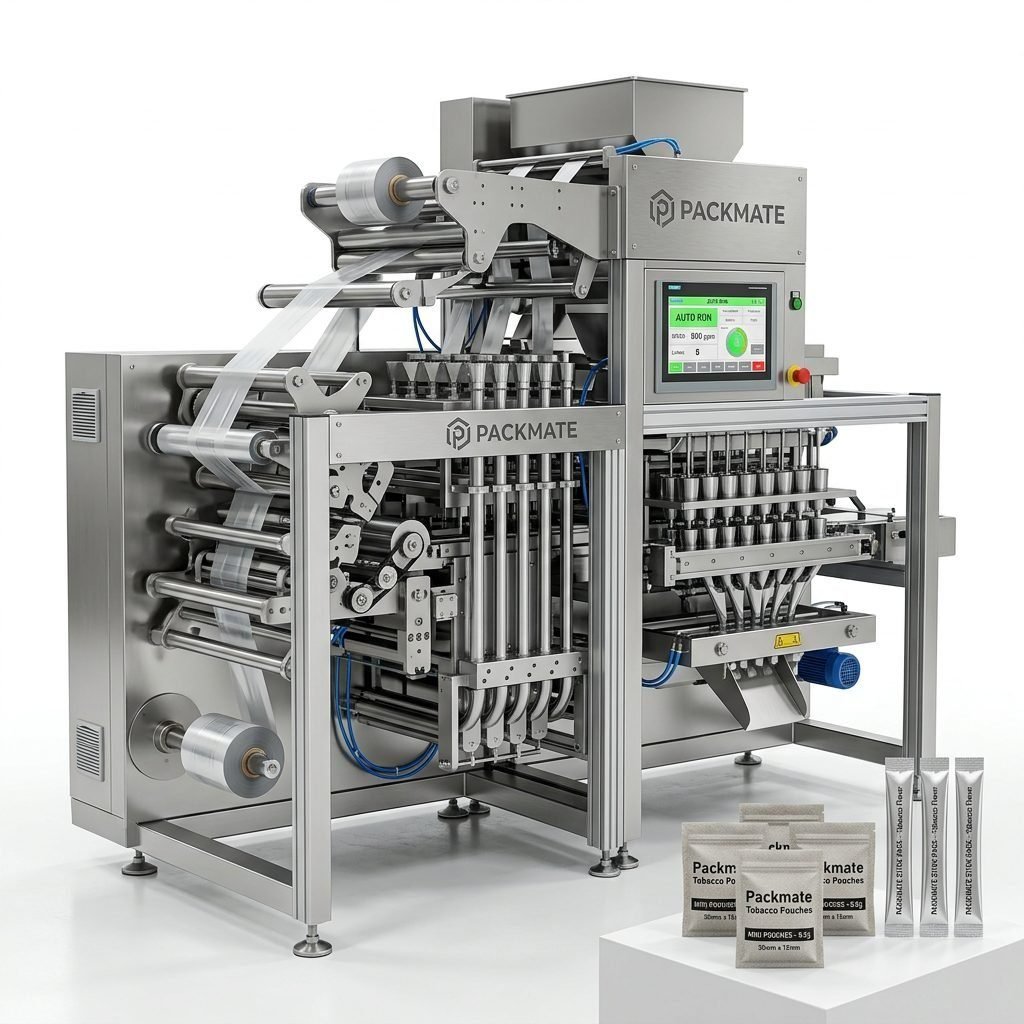
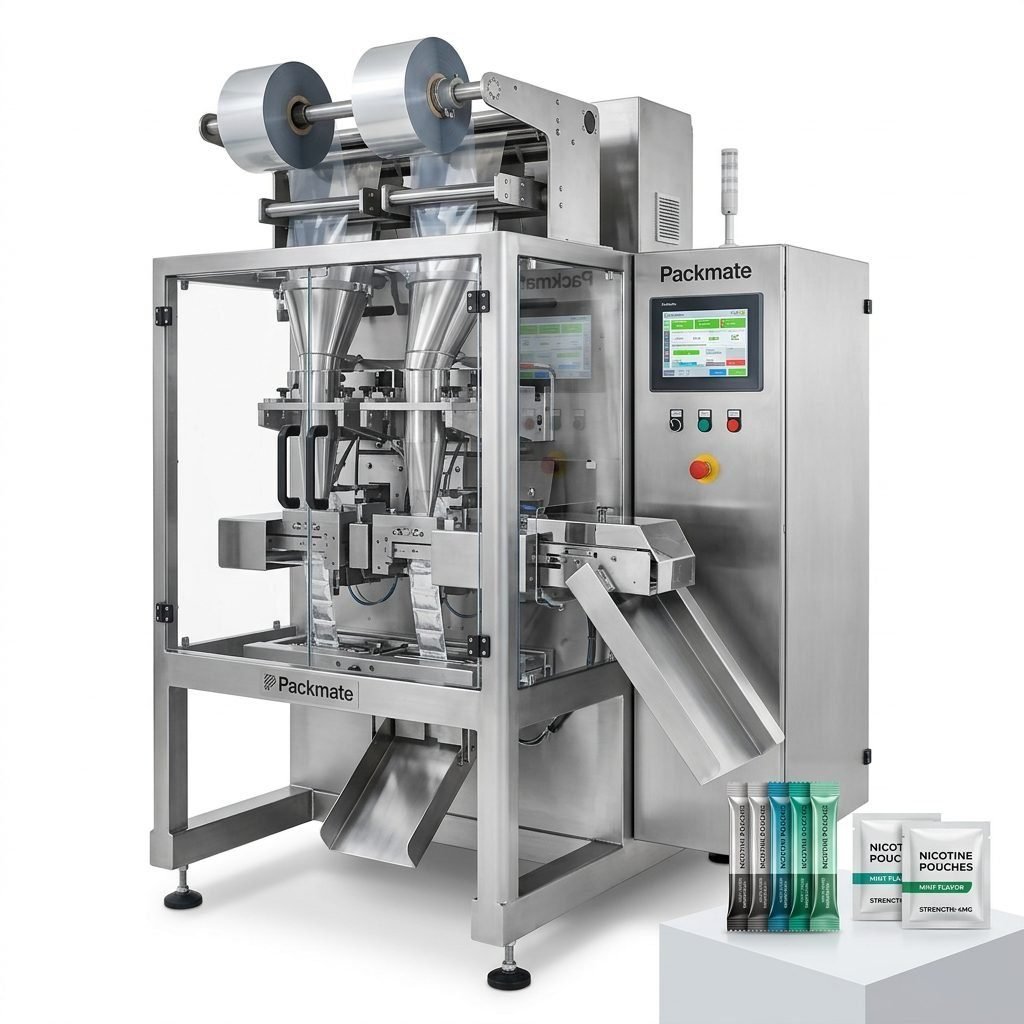
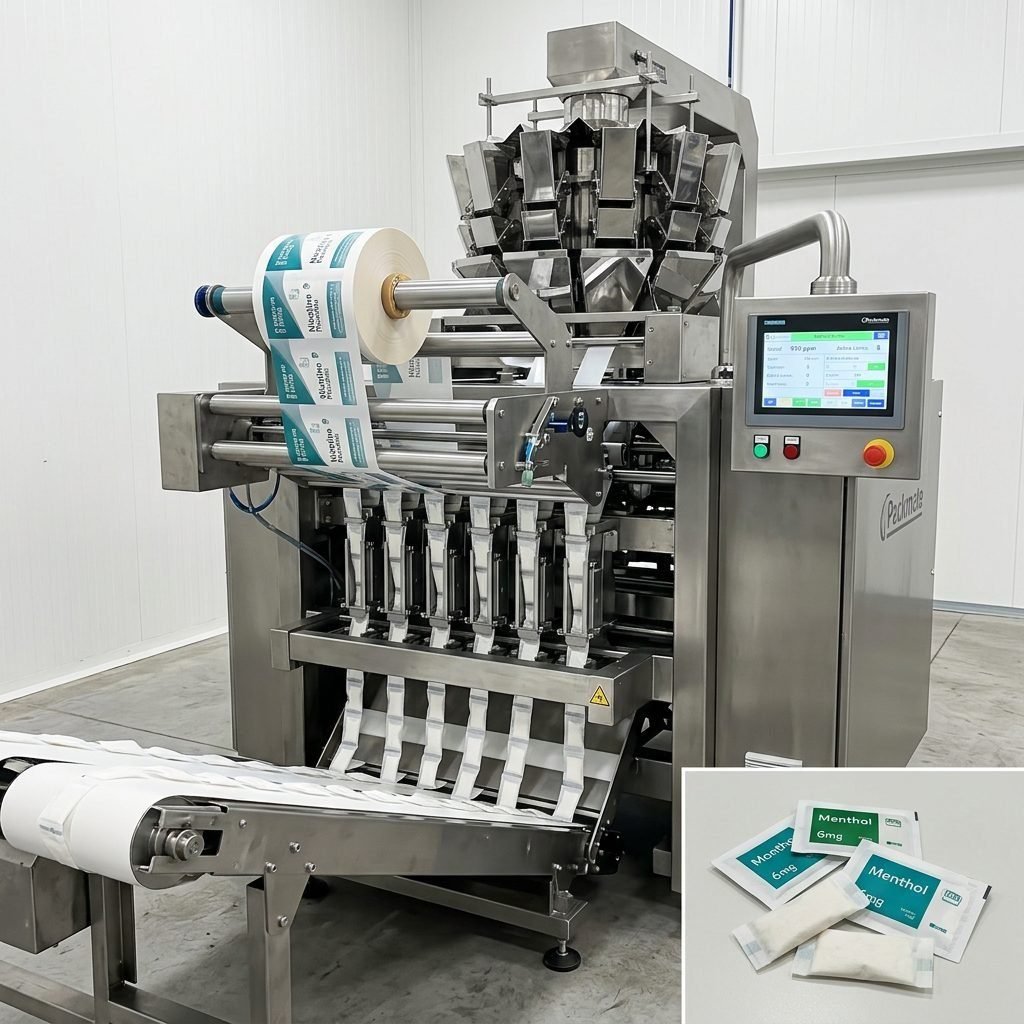
✅ Packaging formats supported: stick packs, sachets, and various pouch sizes—your supplier should offer models for nicotine pouches and adaptable tooling.
✅ Weighing and dosing accuracy: precise filling systems reduce waste and ensure consistent dosing for regulatory and consumer trust.
✅ Material compatibility & hygiene: food-grade materials and easy-clean designs are essential for nicotine pouch production.
Why Certifications and Testing Matter
Certifications like CE and ISO signal a supplier’s commitment to international standards. In Kazakhstan, customs and local buyers often expect verifiable documentation. Ask for:
⚠️ Factory test reports and FAT (Factory Acceptance Test): these show the machine’s real-world performance.
⚠️ Certificates (CE, ISO): verify originals and check expiration dates.
⚠️ Traceability and quality control: view factory quality processes, component sourcing records, and post-production inspections.
After-Sales Service: The Hidden Value
Machines are long-term investments. Strong after-sales service reduces downtime and extends equipment life.
🔧 Local representation or authorized partners: having a local agent or technician in Kazakhstan speeds up spare parts and maintenance.
🔧 Spare parts availability: confirm stock levels and lead times for critical parts like seals, sensors, and belts.
🔧 Remote support & training: remote troubleshooting, online manuals in Russian/Kazakh, and on-site commissioning/training ensure smooth start-up.
Evaluate Supplier Experience and References
A reputable supplier will show evidence of successful projects, industry expertise, and relevant machine models. Look for:
📁 Case studies and references: ask for examples of nicotine pouch lines or similar projects in climates and markets comparable to Kazakhstan. Viewing cases demonstrates real-world reliability.
📁 Factory tours and virtual demos: factory visits are highly valuable—if travel isn’t possible, request a live virtual demonstration of the exact machine model.
📁 Proven product lines: suppliers with diverse models (stick pack, sachet, multi-lane) demonstrate versatility. For instance, explore machines at
Snus & Nicotine Packaging Machines and
Sachet & Stick Pack Machines.
Commercial Terms and Contracts
Clear commercial terms prevent misunderstandings during procurement and delivery.
💼 Warranty and liability: ensure the warranty period, scope, and response times are specified.
💼 Payment terms: negotiate favorable terms (LC, T/T split, escrow) suited to your risk tolerance.
💼 Delivery & installation: include timelines, responsibilities for customs clearance, and acceptance criteria (site acceptance test).
💼 Spare-parts agreements and service contracts: long-term maintenance agreements can reduce overall operating costs.
Customization, Integration, and Turnkey Solutions
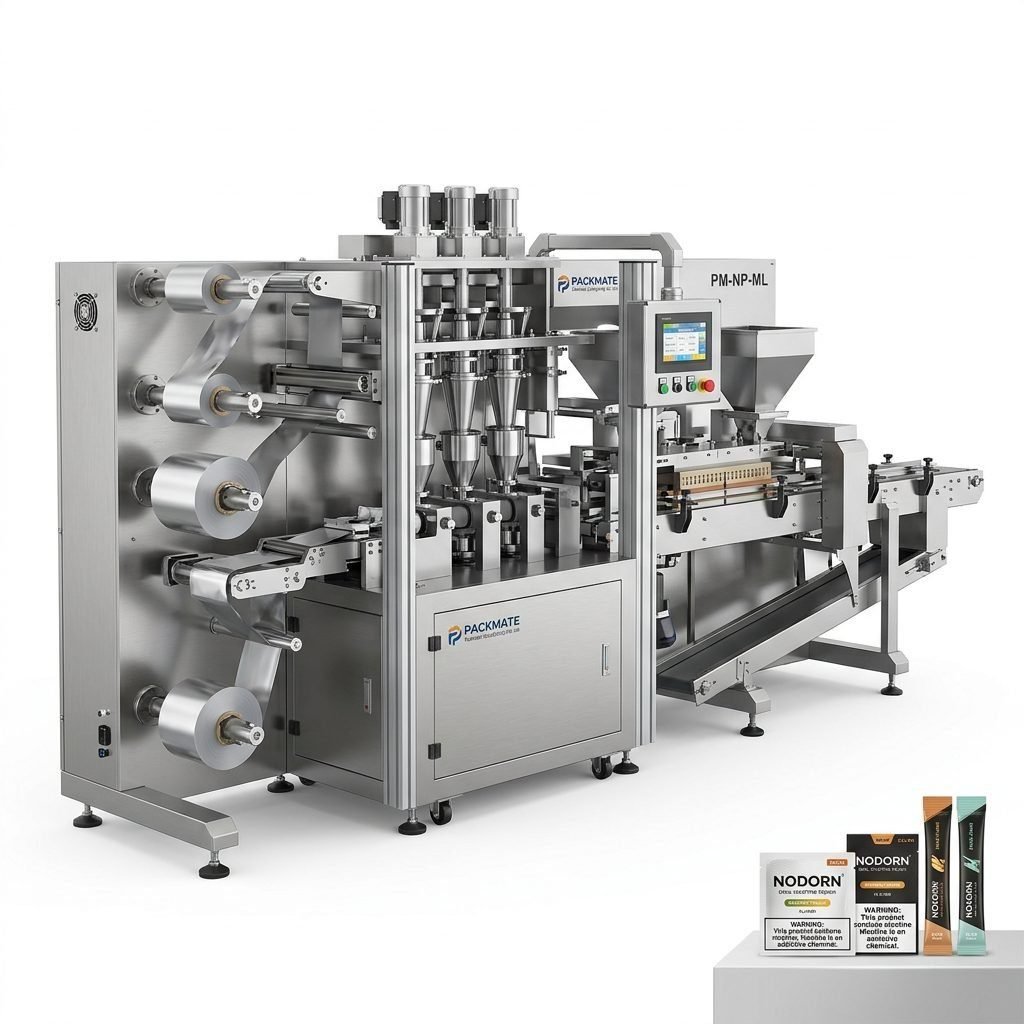
Depending on your product range and volume forecasts, you may need tailored systems. Top suppliers will provide customized filling heads, multi-lane options, integrated weighing, and downstream packaging lines. Look for companies that offer turnkey solutions—design, fabrication, commissioning, and training—so you receive a ready-to-run line.
For full-line solutions and additional equipment like weighing or auxiliary machines, review the supplier’s broader portfolio:
Weighing & Packaging Systems and
Auxiliary Packaging Equipment.
Site Assessment and Commisioning Requirements
Before purchase, conduct a site evaluation to confirm utilities, floor loading, and environmental conditions:
🏭 Power and air requirements: verify voltage, phase, and compressed air quality.
🏭 Foundation and layout: ensure proper alignment, space for maintenance, and operator movement.
🏭 Environmental controls: temperature and humidity can affect pouch sealing and product stability—plan HVAC accordingly.
Negotiation Tips and Building a Long-Term Partnership
Building a partnership with your supplier avoids repeated procurement cycles. Consider:
🤝 Start with a pilot system: a smaller installation allows validation of product compatibility and staff training.
🤝 Agree on KPIs: define acceptable uptime, changeover time, and output targets to measure supplier performance.
🤝 Plan spare-part kits: stock critical parts locally to minimize downtime, especially during winter transport delays.
Where to Find Reputable Suppliers
Reputable machinery makers participate in global exhibitions and share in-depth product information online. Consider suppliers with decades of experience and evidence of global turnkey projects. For example, Packmate has 30+ years of experience, a 20,000㎡ factory, and a wide range of specialized machines for nicotine pouch production—see their company overview:
About Packmate.
You can also review project examples and exhibition appearances to verify presence and credibility:
Case |
Our Exhibition.
Checklist: Questions to Ask Potential Suppliers
Use this practical checklist when speaking with suppliers:
1. What is the machine’s guaranteed output (pouches/minute) under our product parameters?
2. Can you provide FAT reports, CE & ISO certificates, and client references in the snus industry?
3. What are the lead times for delivery and for critical spare parts to Kazakhstan?
4. Do you offer local training, remote troubleshooting, and documented setup procedures in Russian/Kazakh?
5. Are turnkey options available that include weighing, filling, and secondary packaging lines?
Final considerations before signing
Before finalizing any purchase, request a comprehensive proposal that includes technical specifications, acceptance criteria, training plans, warranty details, and a realistic implementation timeline that accounts for customs clearance and winter transport in Kazakhstan. If possible, visit the supplier’s factory or request a live machine demonstration to validate performance claims.
Quick links to explore supplier offerings
Explore product categories and services to evaluate the supplier’s breadth:
Filling & Packaging Lines |
Bag & Pouch Packaging Machines |
Contact Us.
Summary: Choose a supplier for long-term partnership, not just a machine
The best snus packaging machinery supplier for Kazakhstan is one who understands local market dynamics, provides certified and tested equipment, offers strong after-sales support (ideally local or fast-response remote support), and can supply spare parts promptly. Prioritize suppliers who demonstrate transparent documentation, proven case studies, and turnkey capabilities so your production line is reliable, compliant, and scalable.
For detailed product lines and services, review the supplier’s product pages and catalogs, and arrange live demos to verify performance before you commit.
Common Questions (FAQs)
Q: How important is CE/ISO certification when importing machines into Kazakhstan?
A: Very important—certifications simplify customs clearance, reassure buyers, and indicate compliance with international quality and safety standards.
Q: What lead times should I expect for a customized snus packaging line?
A: Lead times vary from several weeks for standard models to multiple months for customized turnkey lines; account for production, testing, shipment, customs, and on-site installation.
Q: Is on-site training necessary and is it provided in Russian/Kazakh?
A: Yes, on-site training ensures operators and maintenance staff are competent; top suppliers provide manuals and training in multiple languages—confirm availability in Russian or Kazakh.
Q: How can I minimize downtime for spare parts in remote areas of Kazakhstan?
A: Negotiate a spare-part kit with your supplier, maintain local stock of critical items, and secure a service contract with guaranteed response times.
Q: Where can I get more information and view supplier credentials?
A: Visit the supplier’s about page, catalogs, and case sections for company history, certifications, and real project examples:
About Packmate,
Case, and
Certificate.