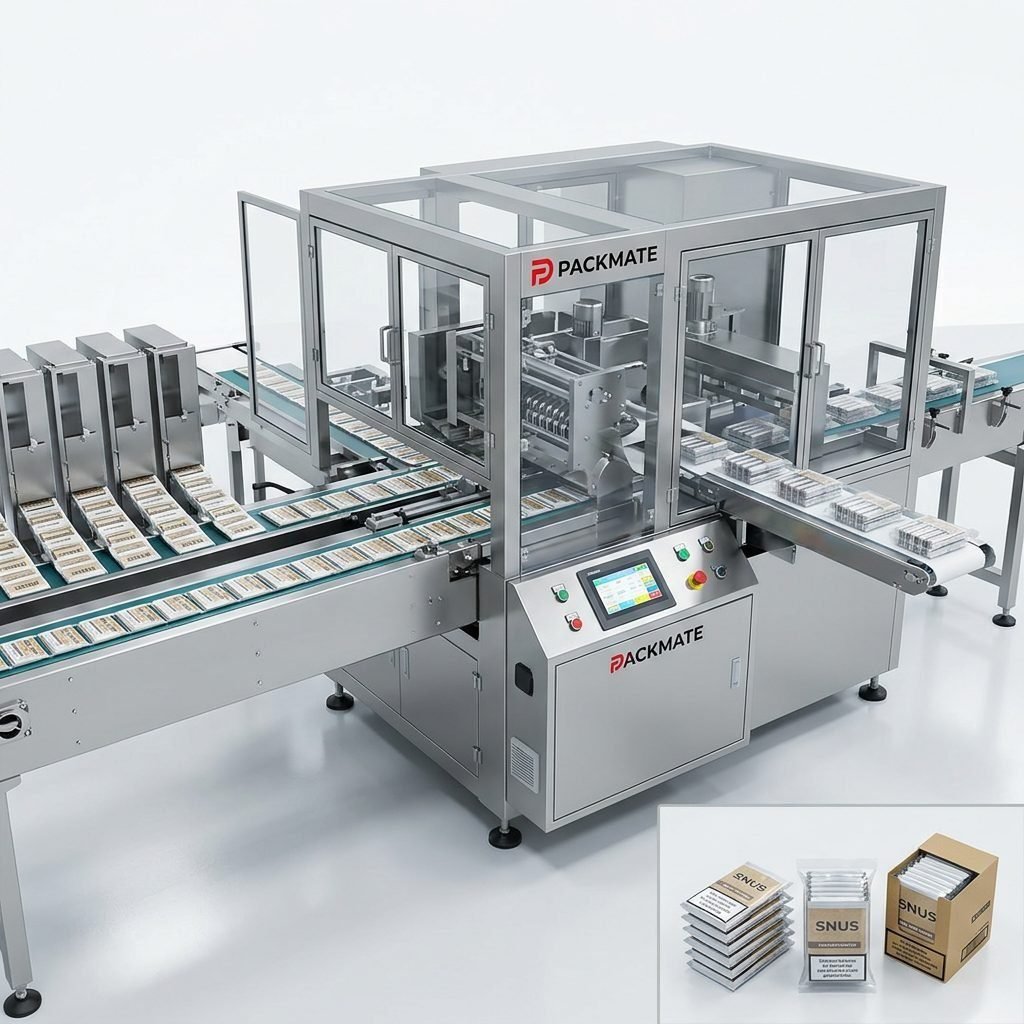
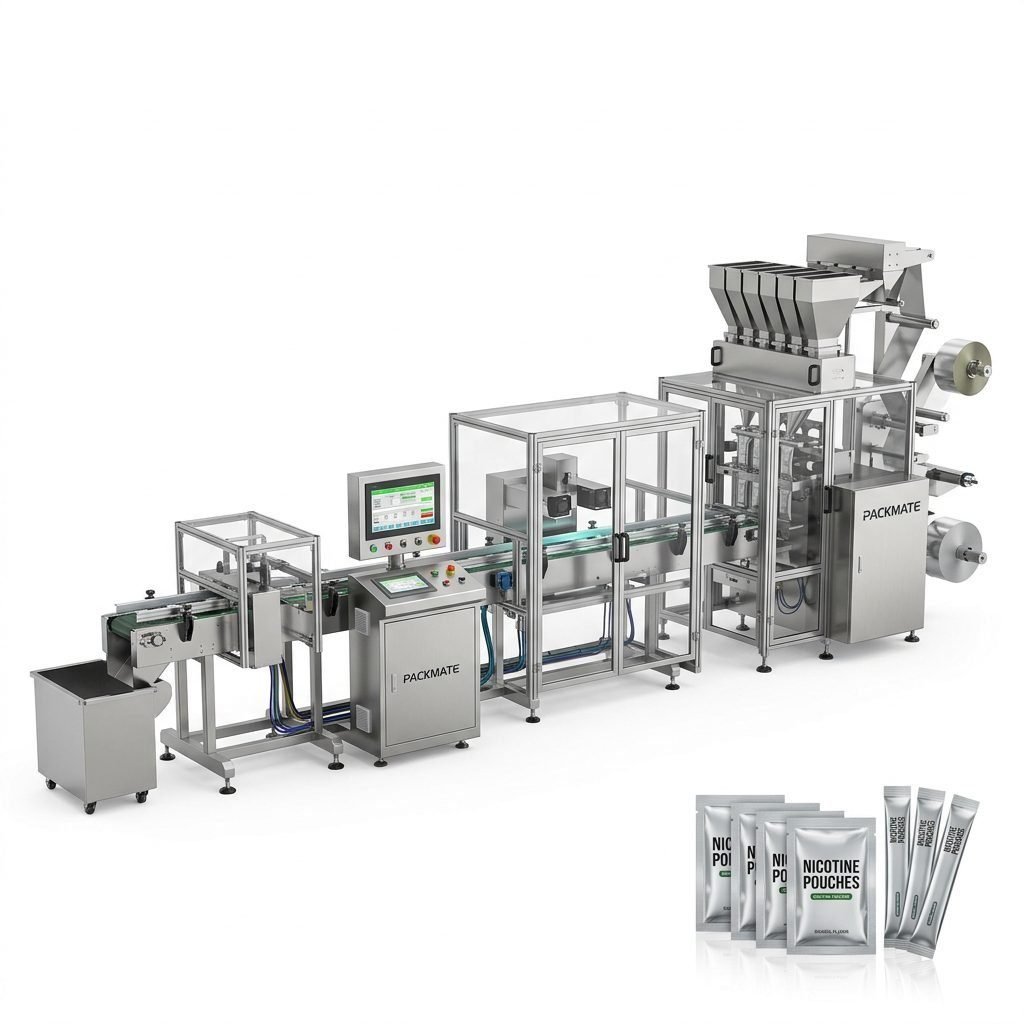
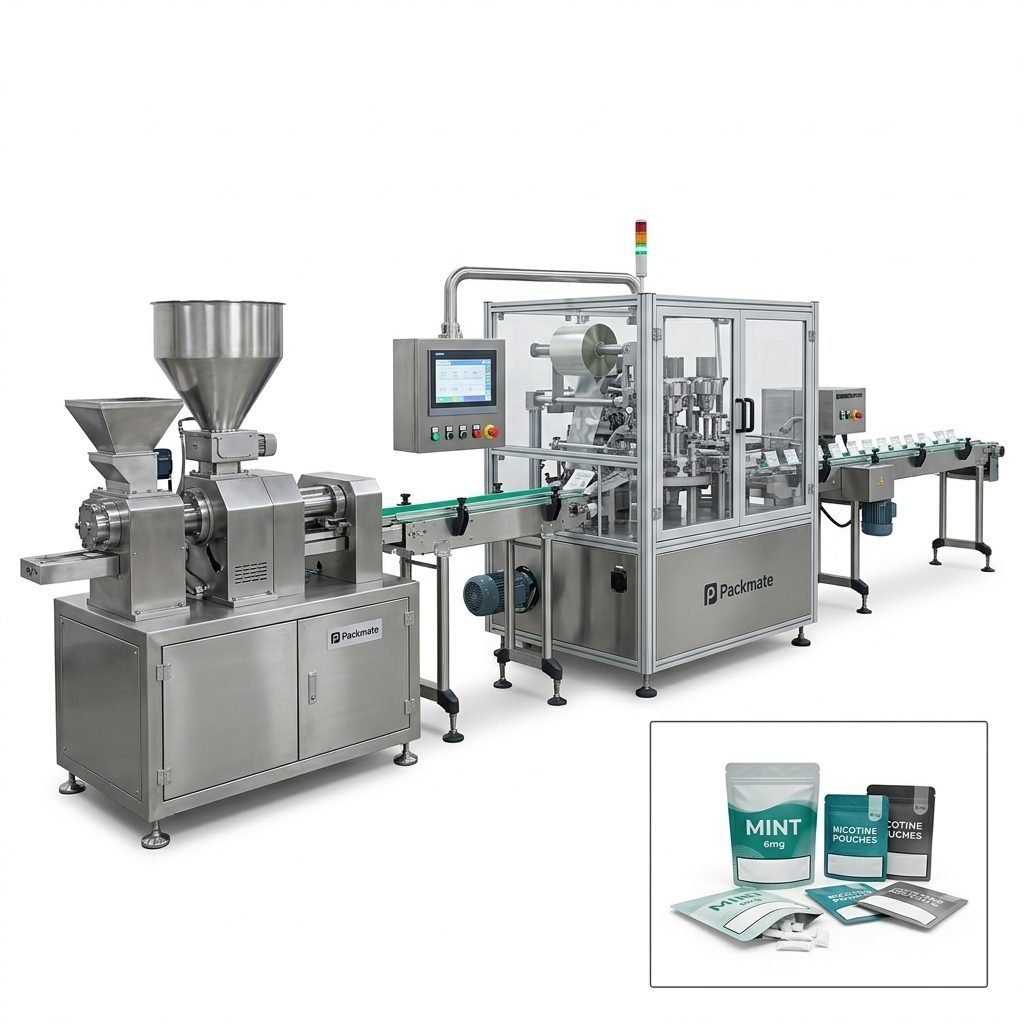
Choosing the right nicotine packaging machinery manufacturer for your factory in Yemen requires more than a quick price check. It involves understanding local market needs, religious and cultural schedules, import logistics, machine performance, after-sales support, and compliance with both international and regional standards. This guide will walk you through the practical steps to identify a reliable partner that can deliver consistent, high-quality snus and nicotine pouch packaging solutions suited to Yemen’s operating environment.
Understand Yemen’s Market and Local Working Customs
Yemen is a predominantly Muslim country with cultural and religious rhythms that affect business operations. Expect shorter working hours during Ramadan and weekly pauses for Friday prayers. Planning deliveries, installation, and training around these times will reduce downtime and miscommunication. Also consider local labor skill levels and language needs when negotiating training packages with a manufacturer.
Practical logistics notes
Ports such as Aden and Hodeidah are common entry points, but political and security conditions can change routes and timelines. Choose a manufacturer experienced in international shipping and customs documentation, with clear INCOTERMS and flexible delivery options to handle delays or rerouting.
Key Features to Evaluate in Nicotine Packaging Machinery
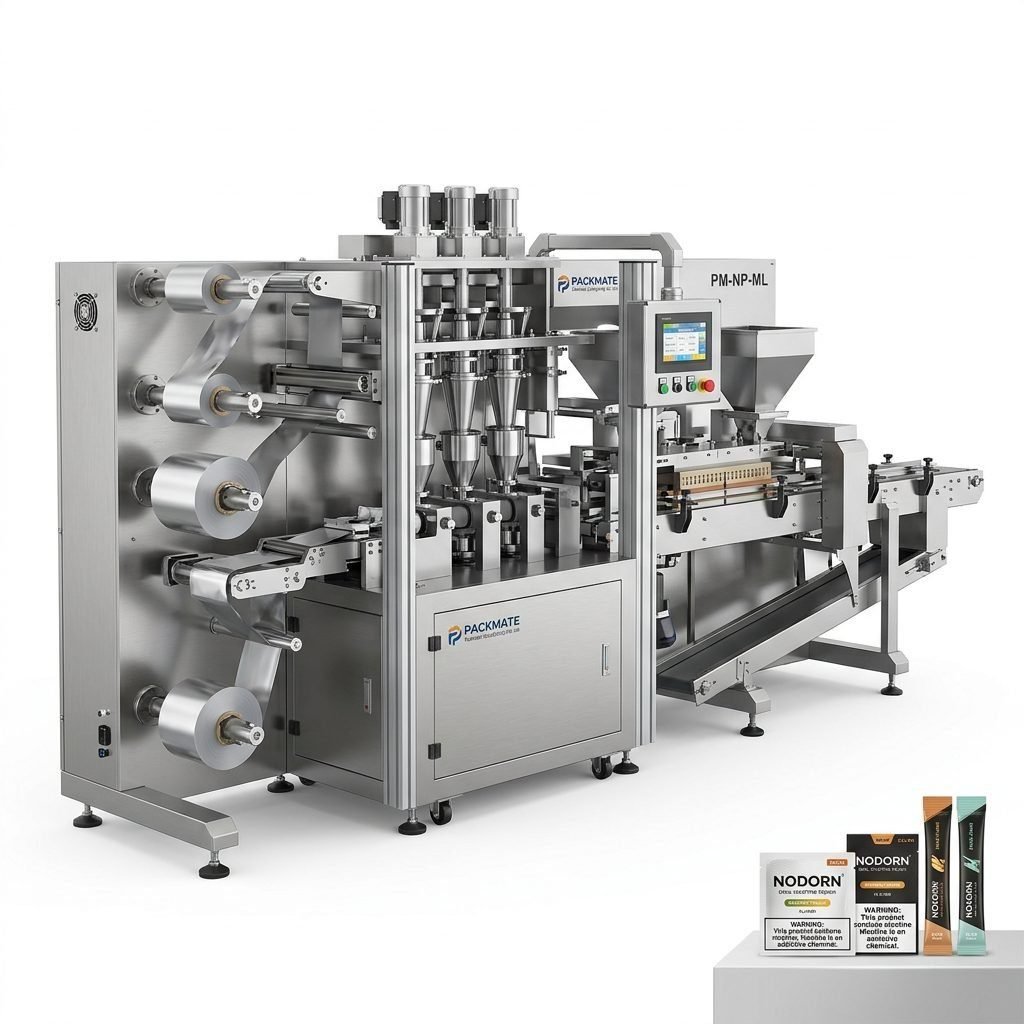
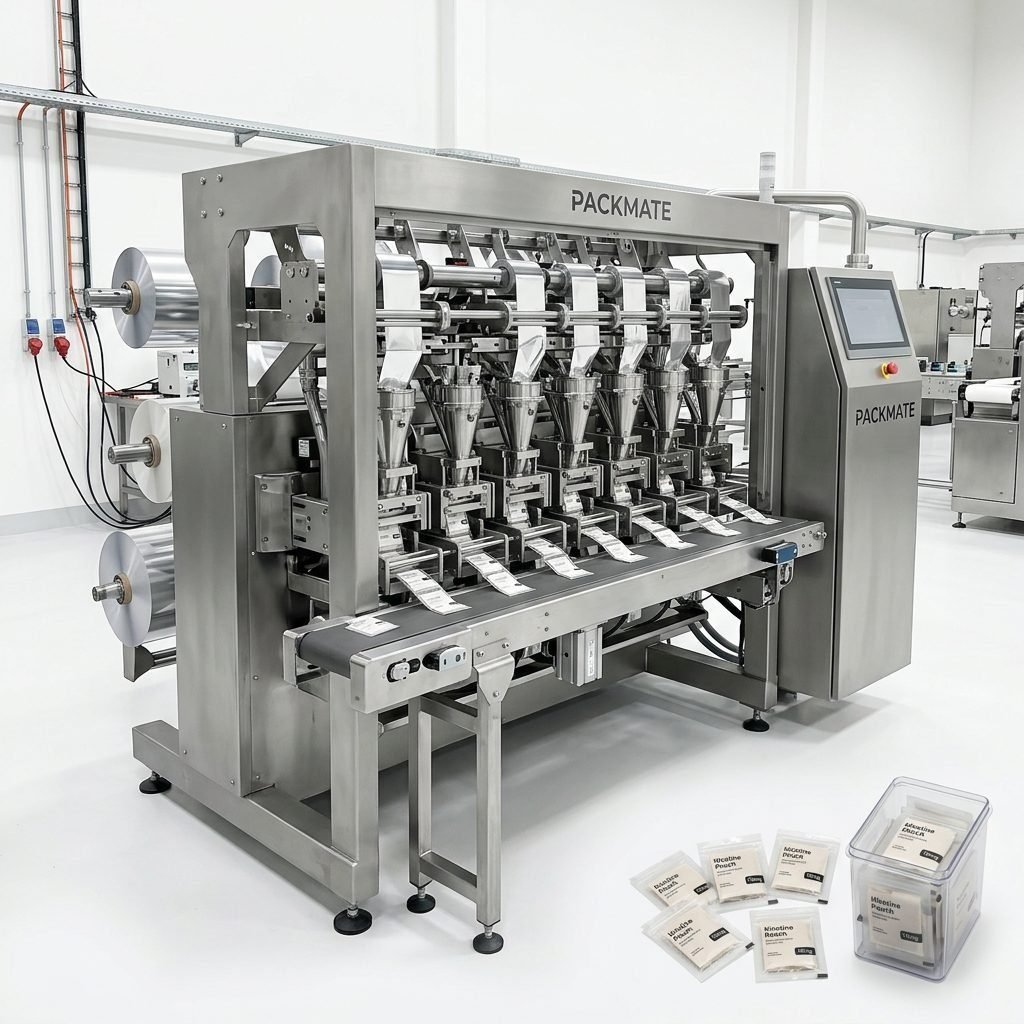
Focus on features that matter for nicotine pouches: precision dosing, gentle product handling, multi-lane capability for higher throughput, and flexible packaging formats (stick pack, sachet, pouch). Machines should be designed for small-dose accuracy, minimal product loss, and easy changeovers.
Must-have capabilities: precise dosing systems, servo-driven control for consistent speed, CIP-compatible components if required, and hygienic design for easy cleaning and maintenance.
Performance and Reliability Metrics
Ask for MTBF (mean time between failures), MTTR (mean time to repair), and proven uptime percentages. Look for machine models with real-world case studies and references that demonstrate stable performance under continuous production cycles.
Types of Packaging Lines and Their Uses
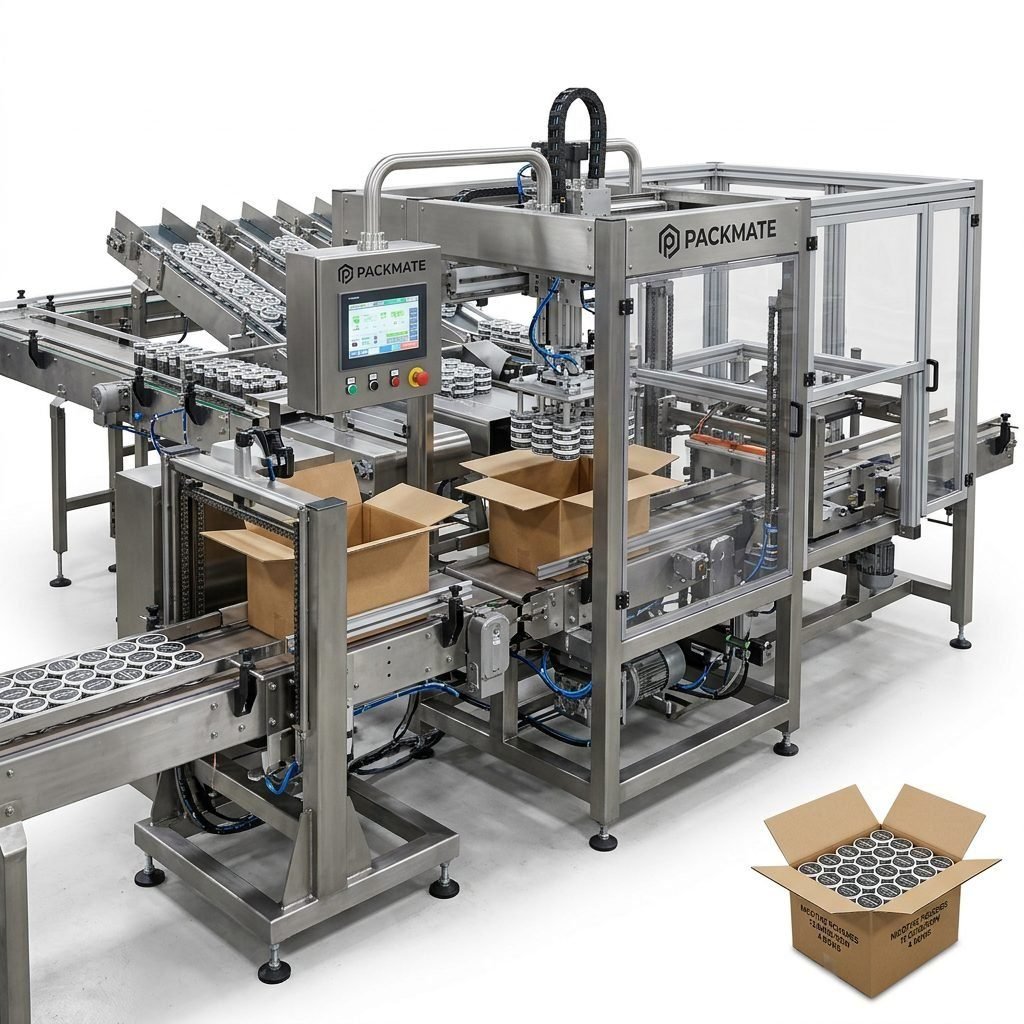
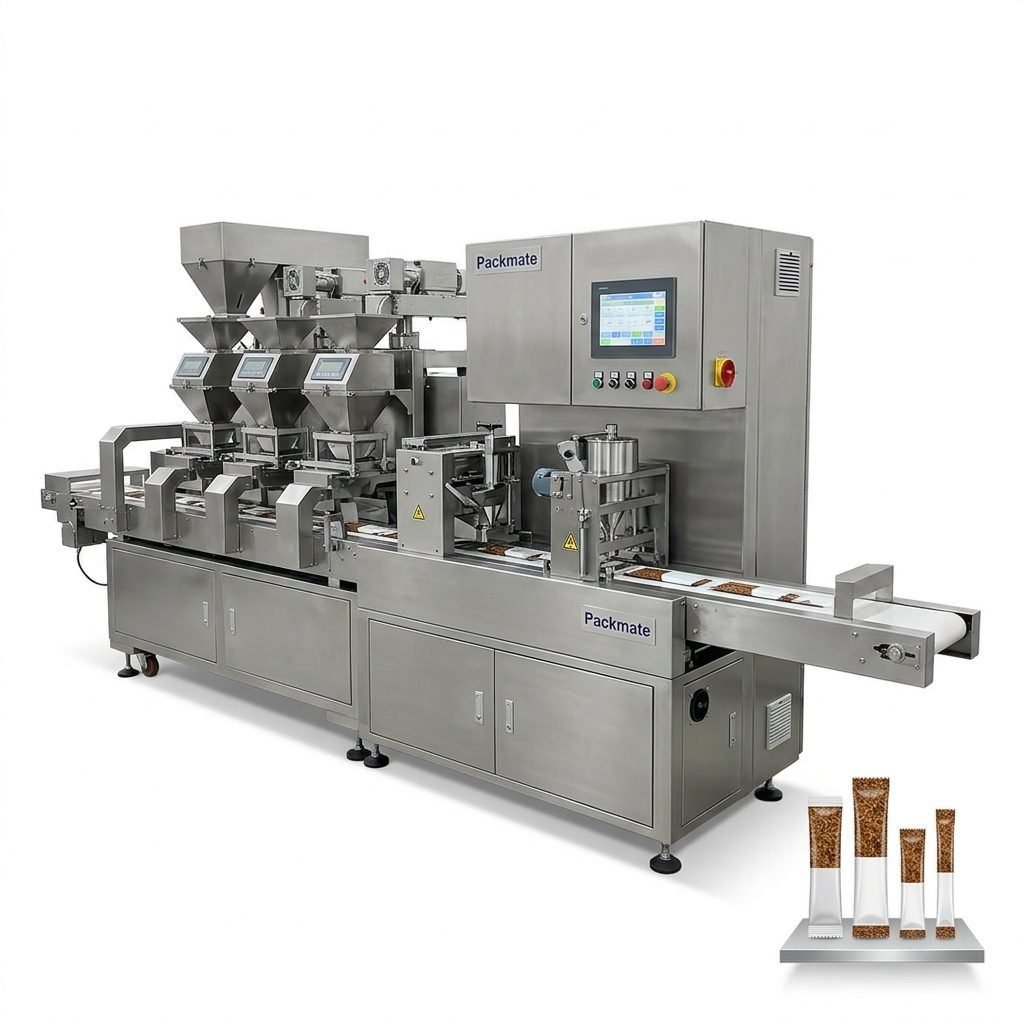
Different product forms and market segments require different machines. Common types include single-lane stick packers, sachet machines, and multi-lane snus pouch systems. If you plan to scale or produce multiple SKU formats, prioritize modular systems that allow expansion without full replacement.
Recommended resources: Explore specialized models such as Snus & Nicotine Packaging Machines and Sachet & Stick Pack Machines to match your product format and capacity needs.
Assessing Manufacturer Capability and Factory Strength
A manufacturer’s workshop size, CNC capabilities, and quality control processes give insight into their ability to deliver reliable machines. Suppliers with dedicated assembly lines, advanced machining centers, and ISO or CE certifications generally provide better long-term stability.
Look for: factory area, number of machine models, quality testing labs, and documented development history. For example, vendors that showcase a multi-decade development timeline and a 20,000㎡ manufacturing footprint usually have mature production and QC systems.
Why certifications matter
Certifications such as CE and ISO indicate compliance with international safety and quality standards. While Yemen may not mandate all global certificates, having them simplifies exports and reassures buyers about machine safety, electrical compliance, and build quality.
After-sales Support: Training, Spare Parts and Remote Assistance
In Yemen, local technical expertise can be scarce. Prioritize manufacturers that offer comprehensive installation, on-site training, remote troubleshooting, and fast spare parts supply. Clear SLAs for response times and parts availability will reduce production risk.
Key support services to request: installation supervision, operator training in Arabic or with interpreters, preventive maintenance plans, and a stocked spare parts list.
Remote monitoring and digital tools
Ask if the machine supports PLC/HMI data access for remote diagnostics. Even intermittent internet connectivity can allow for basic remote guidance and fault diagnosis, saving valuable time and travel costs.
Budgeting, Financing and Return on Investment (ROI)
Calculate total cost of ownership: base price, shipping, import duties, installation, local utilities upgrade, and spare parts stock. Compare this to expected throughput, yield rates, and product margins to estimate ROI. Multi-lane machines typically deliver faster payback for high-volume producers.
Tip: Request a breakdown of consumables and routine maintenance costs to model operating expenses accurately.
Integration with Existing Lines and Utilities
Consider available factory utilities: stable power supply, compressed air quality, and workshop space. If power fluctuations are common, ask about voltage stabilization features or UPS options. Choose machines with compact footprints if workshop space is limited.
Legal and Regulatory Considerations in Yemen
Nicotine products have regulatory nuances across countries. Ensure your packaging lines can accommodate required labeling, batch coding, and tamper-evidence features. Work with legal advisors familiar with Yemeni import rules and local consumer regulations for tobacco-related products.
Selecting a Trusted Manufacturer: Checklist
Use this checklist during supplier evaluation: manufacturing history, factory visits (virtual or in-person), technical documentation, certifications, references, spare parts policy, warranty terms, and demonstrated experience with nicotine/snuspouch projects.
Supplier proof points: case studies, exhibition participation, and global cooperation examples. Check detailed machine catalogs and real cases to confirm claims. Review their Case pages and exhibition records.
Make use of demonstrations
Request machine demos, either recorded or live. A live demonstration of the model you’ll buy helps confirm fill accuracy, sealing quality, changeover speed, and user interface ease.
Why Packmate Snus Machine Could Be a Good Fit
Manufacturers like Packmate have decades of industry experience, a broad product range, and turnkey capabilities. Their portfolio includes specialized snus pouch lines, stick pack and sachet systems, and integrated filling and weighing solutions. When evaluating partners, consider vendors who can supply end-to-end production lines and ongoing technical support.
Explore their offerings: detailed product lines such as Bag & Pouch Packaging Machines, Weighing & Packaging Systems, and integrated Filling & Packaging Lines.
Communication and Local Presence
Successful implementations rely on clear communication. If a manufacturer lacks local offices, confirm they can provide local partners or certified technicians. Regular remote meetings, clear documentation in English (and Arabic if possible), and a dedicated account manager will streamline the project.
Cultural sensitivity matters
Respect local customs and prayer schedules when planning on-site activities. Work schedules and training timings should be agreed upon in advance to avoid conflict with religious observances.
Negotiation Tips and Contracts
Negotiate clear acceptance criteria, FAT (Factory Acceptance Test) procedures, delivery milestones, and penalty clauses for missed commitments. Make warranties explicit and confirm what is included in the spare parts kit.
Document checklist to include: technical drawings, electrical schematics, list of consumables, spare part numbers, FAT scripts, training agenda, and detailed payment and delivery schedules.
Implementation: From Order to Production
A successful rollout follows clear phases: design confirmation, FAT, shipping, installation, commissioning, and operator training. Ensure FAT verifies the exact product type and packaging material you will use in Yemen. Ask for a pre-shipment checklist to avoid surprises at customs.
Training and knowledge transfer
Comprehensive operator training reduces downtime and improves yield. Prefer vendors who provide laminated SOPs, troubleshooting guides, and follow-up support sessions after installation.
Final Checklist Before You Commit
Review machine specifications vs. required output, spare parts list, warranty terms, shipping and customs plan, FAT results, training plan, and after-sales support SLA. Confirm language support and cultural scheduling considerations for onsite activities.
Contact and next steps: If you need product catalogs, technical specs, or to arrange a demo, review the manufacturer’s About page and Contact Us details to schedule a consultation.
Conclusion
Selecting the best nicotine packaging machinery manufacturer for your Yemeni factory is a multi-faceted decision. Balance technical performance, factory strength, support services, and cultural sensitivities. Prioritize vendors with demonstrated snus and nicotine packaging experience, clear after-sales plans, and the ability to navigate international shipping and Yemeni customs. With careful planning and the right partner, you can establish a reliable, efficient production line that meets market demands and respects local working norms.
Common Questions
Q: How do I handle spare parts supply to Yemen?
A: Ensure your contract includes a spare parts kit, agreed lead times, and an inventory plan. Ask the supplier about regional distributors or express shipping options for critical parts.
Q: Can I get operator training in Arabic?
A: Ask the manufacturer if they can provide local-language training or arrange for a translator during installation and commissioning.
Q: What certifications should I request?
A: Request CE and ISO certificates, electrical compliance documents, and any other export documentation the supplier can provide to simplify Yemeni import clearance.
Q: How do I ensure machines work with local utilities?
A: Verify voltage and frequency compatibility, air supply requirements, and request recommendations for voltage stabilization and filtration if your area experiences fluctuations.
Q: Where can I see real machine examples and catalogs?
A: Review product lines and downloadable catalogs on the manufacturer’s website for detailed specs and case studies to validate claims.