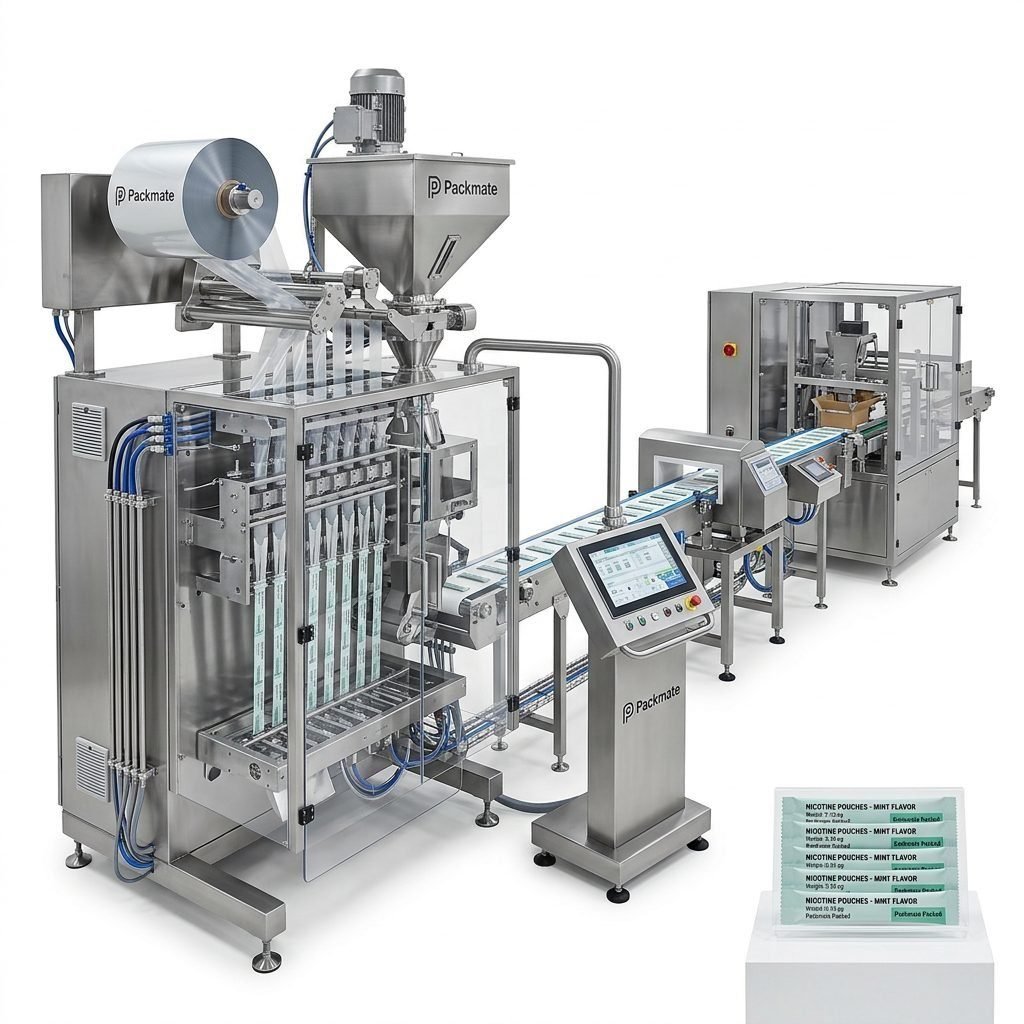
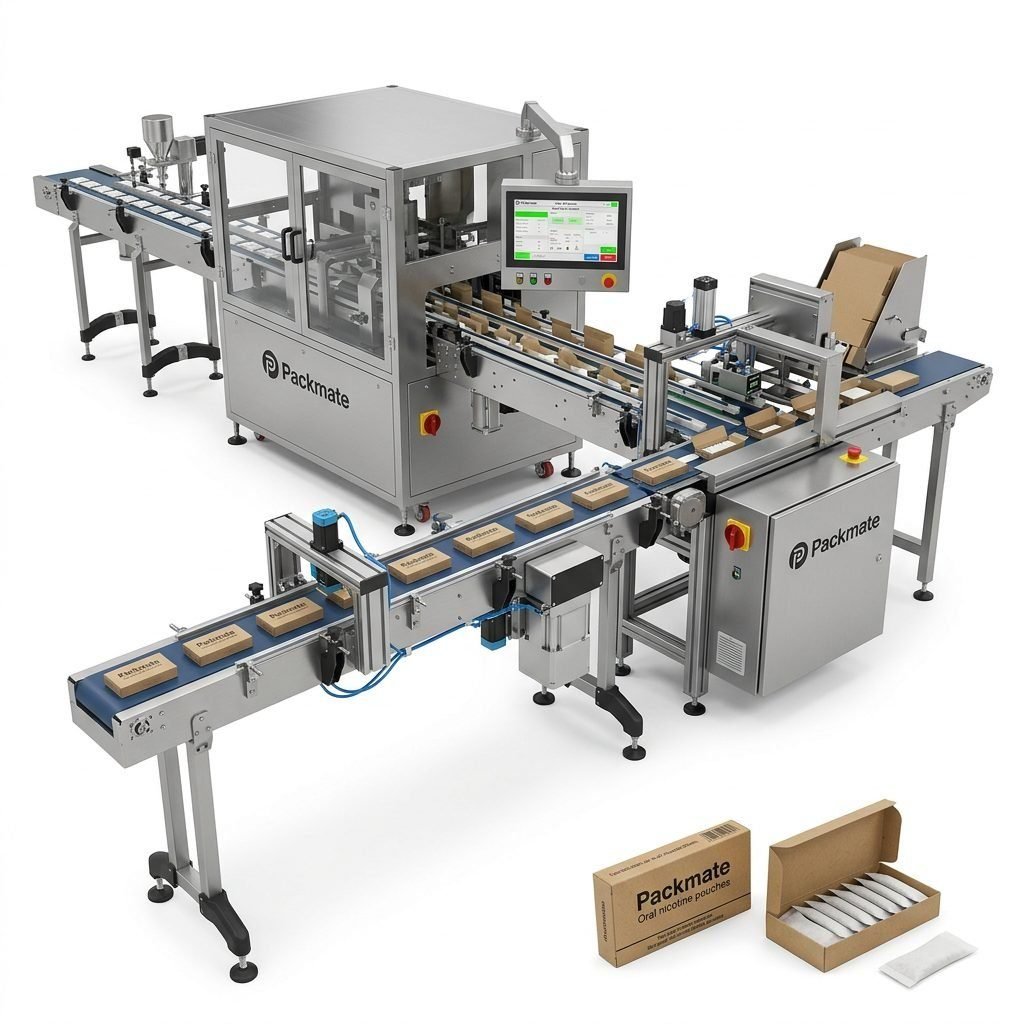
Choosing a reliable nicotine packaging machine supplier in Burundi requires a blend of technical understanding, local-market awareness, and careful vendor evaluation. This guide walks you through the critical factors to consider — from machine type and regulatory compliance to logistics, after-sales support, and cultural nuances specific to Burundi. Use these practical recommendations to select a partner who will keep your production stable, compliant, and cost-effective.
Understand the Burundian Market and Local Habits
Burundi is a landlocked country in East Africa with French and Kirundi widely used in business and labeling. Retail formats in Burundi often favor smaller, single-use packages due to purchasing power and distribution through informal retail channels. When evaluating suppliers, prioritize machines that can reliably produce small-dose pouches, stick packs, or sachets with consistent weight and sealing quality. A supplier who understands small-batch flexibility and rapid changeovers will be much more valuable here.
Key local considerations
✔️ Labeling in French/Kirundi and compliance with local health warnings;
✔️ Preference for compact, energy-efficient equipment due to variable power supply;
✔️ Logistics routes: most imports for Burundi go through Dar es Salaam or Mombasa ports and then by road — plan lead times accordingly;
✔️ Buyers often expect clear documentation, local-language manuals, and basic operator training.
🔍 Practical tip: Ask potential suppliers whether they can provide labels and warning templates in French and a simple operator manual translated to Kirundi or French — this saves time at customs and speeds up local adoption.
Match Machine Type to Your Product and Volume
Different nicotine formats require different machines. Identify your target pack type, dosing accuracy needs, and projected volumes before contacting suppliers.
Common machine categories
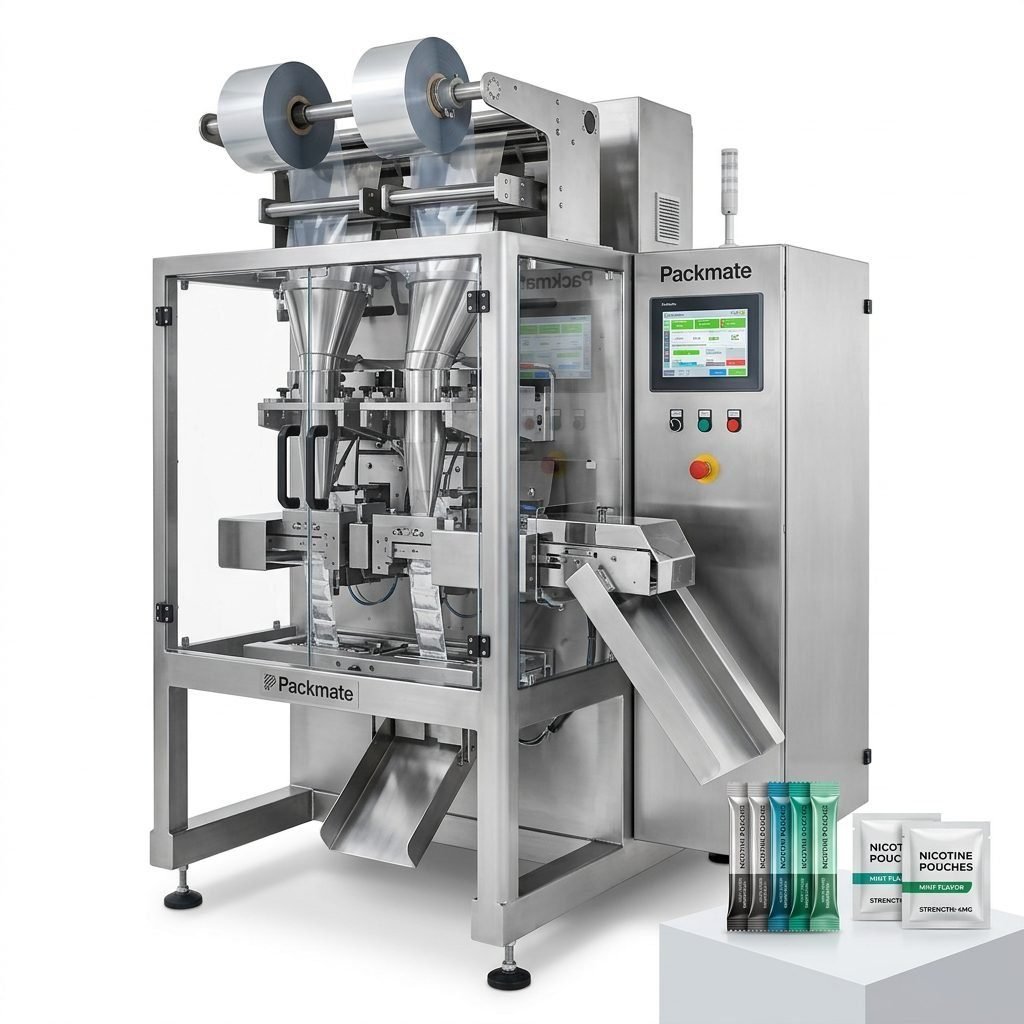
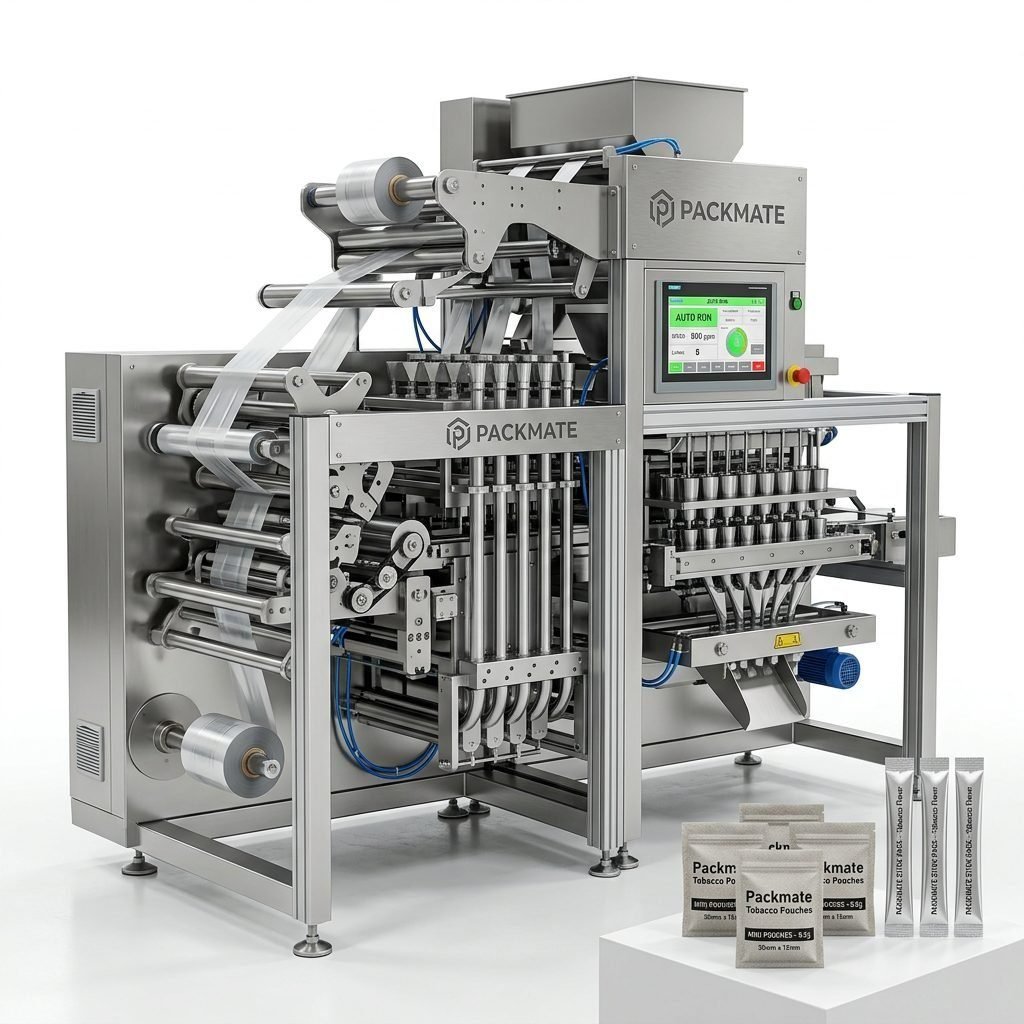
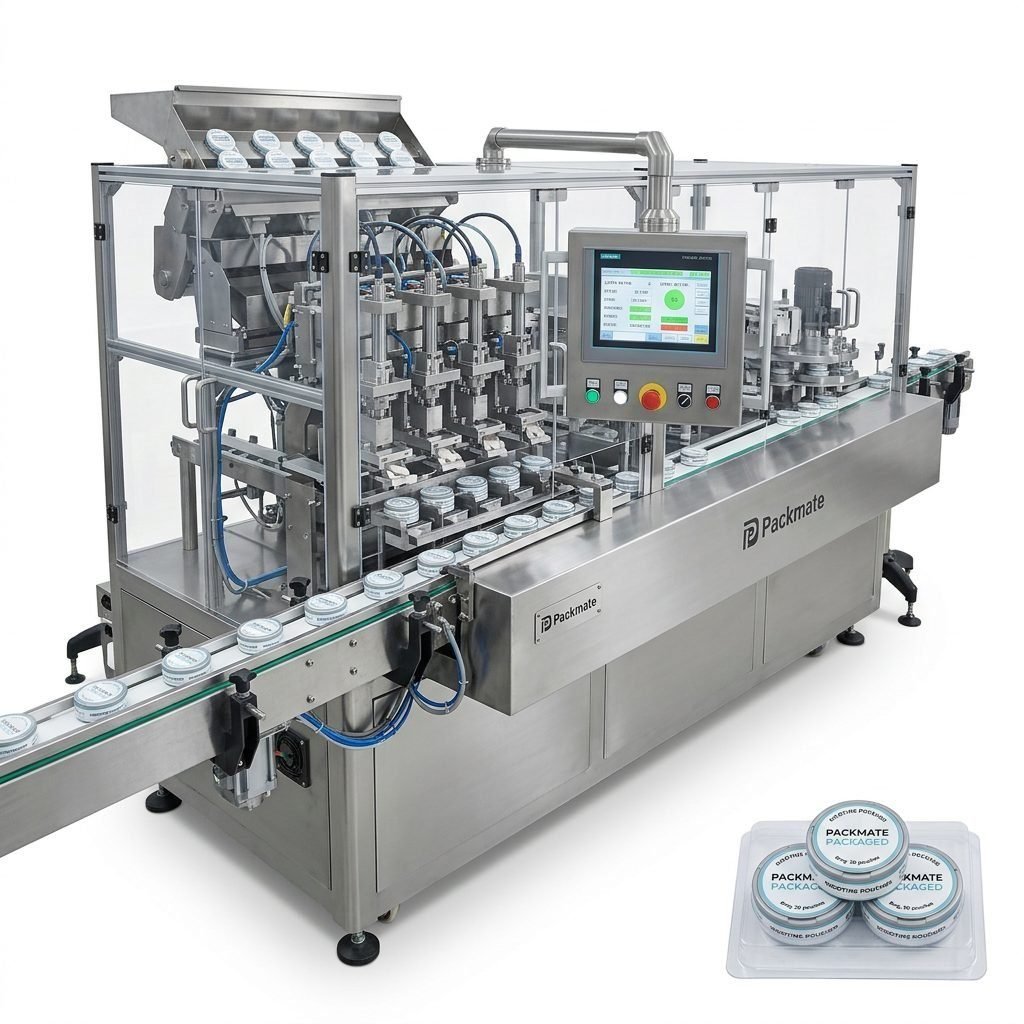
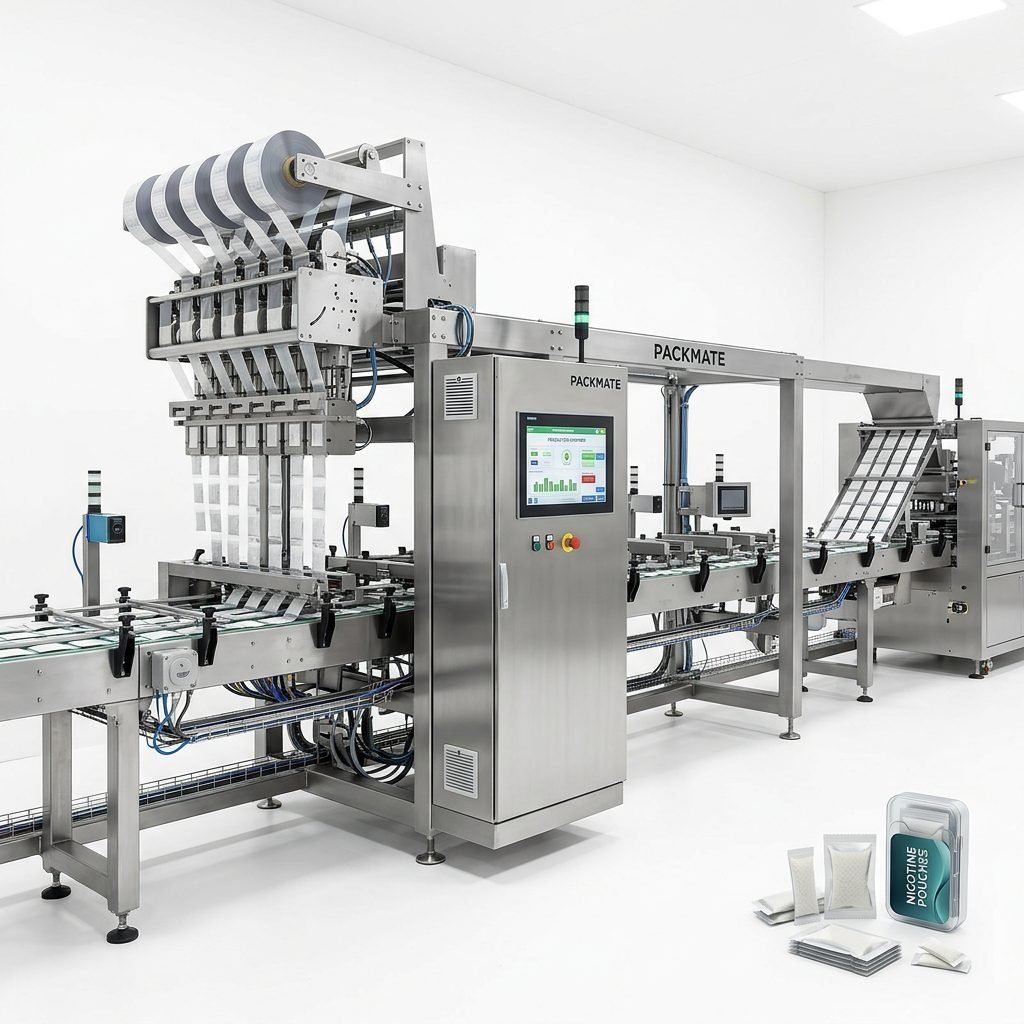
✔️ Snus & Nicotine Pouch Packaging Machines — ideal for small-dose pouches and snus-style products. See product examples at Snus & Nicotine Packaging Machines.
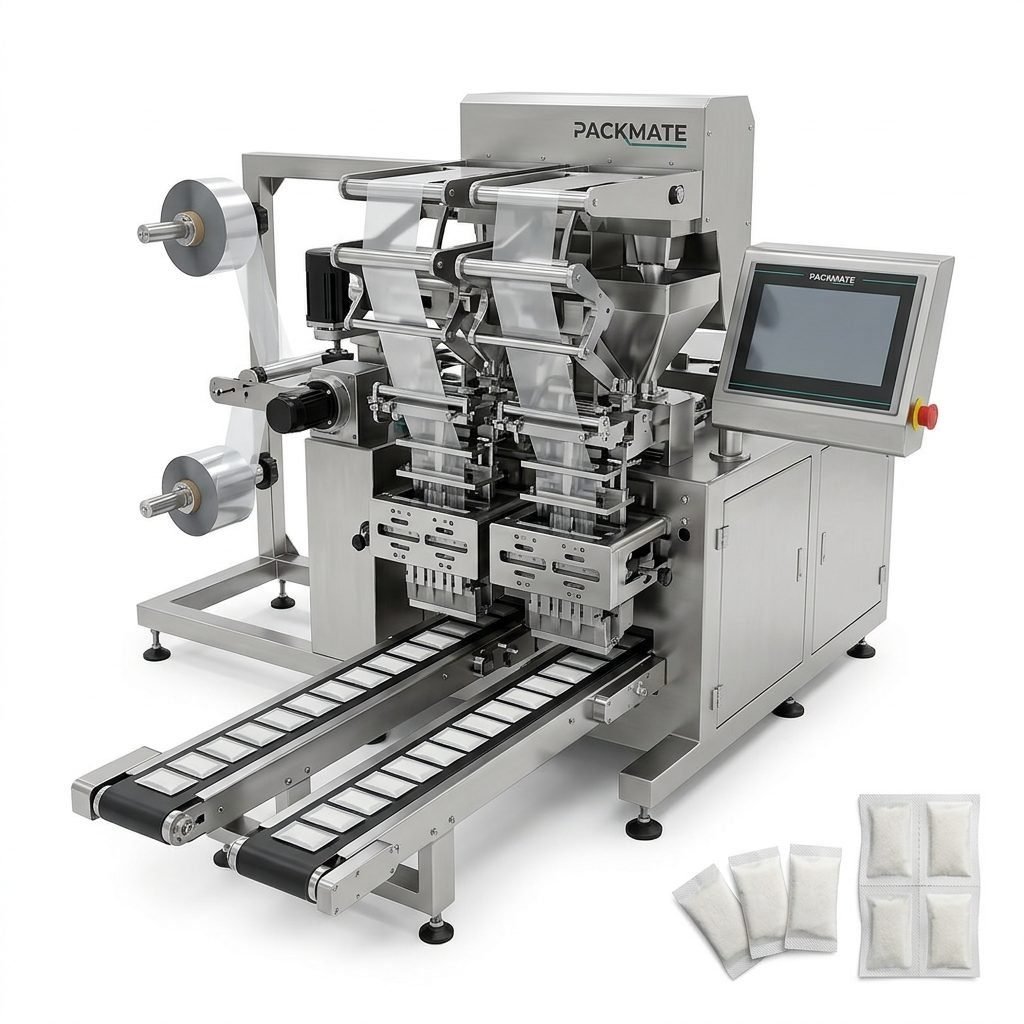
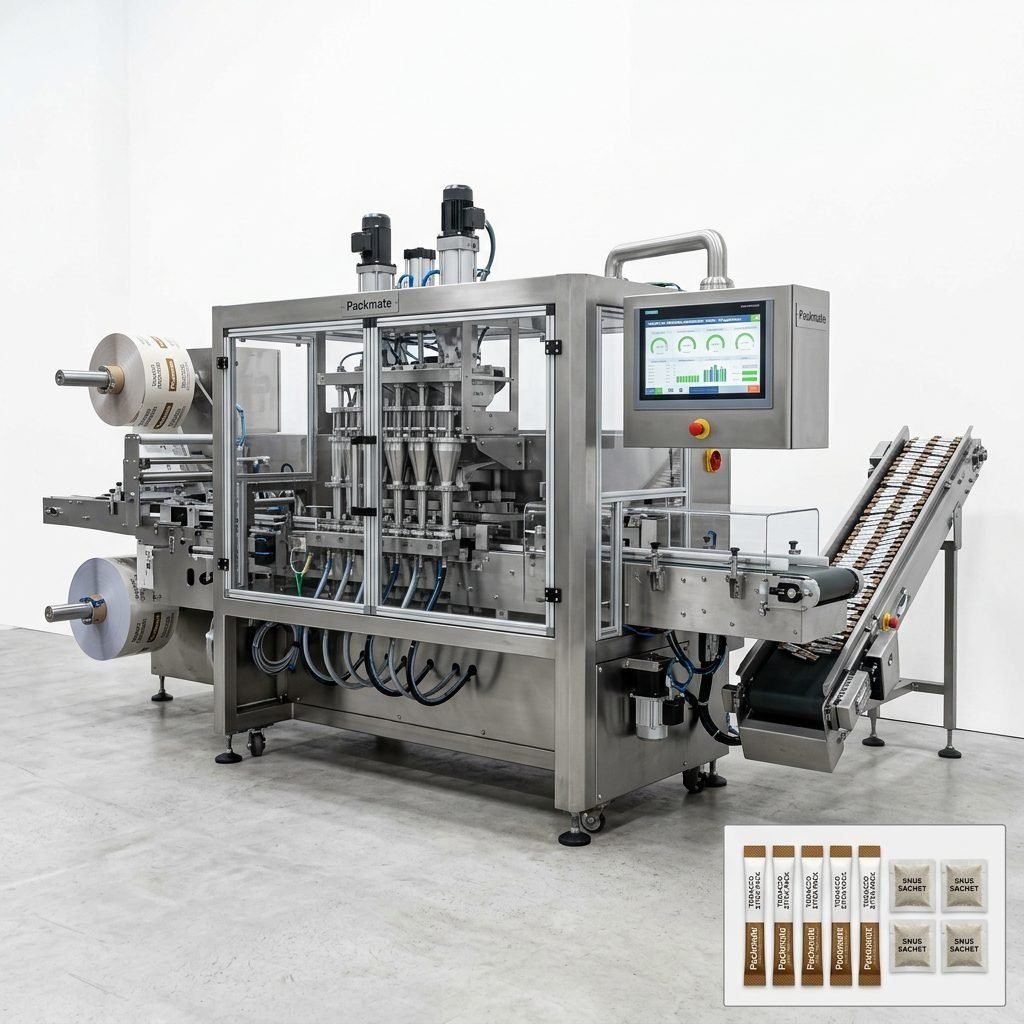
✔️ Sachet & Stick Pack Machines — excellent for single-dose sachets and stick packs with fast changeover. (Reference: Sachet & Stick Pack Machines)
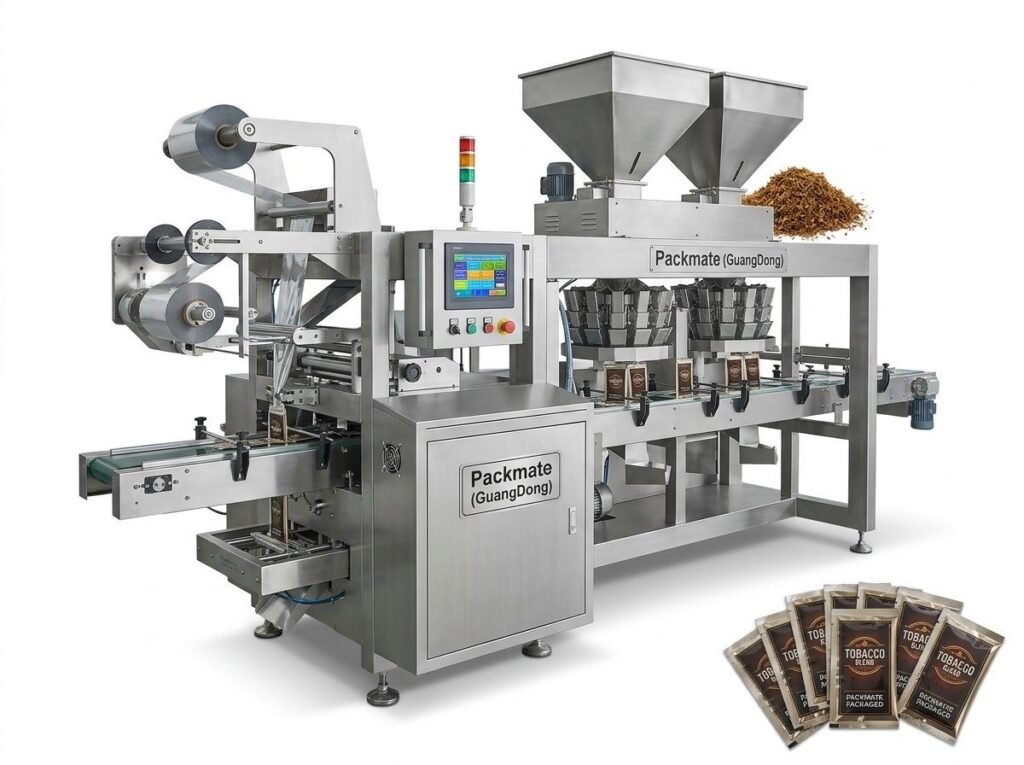
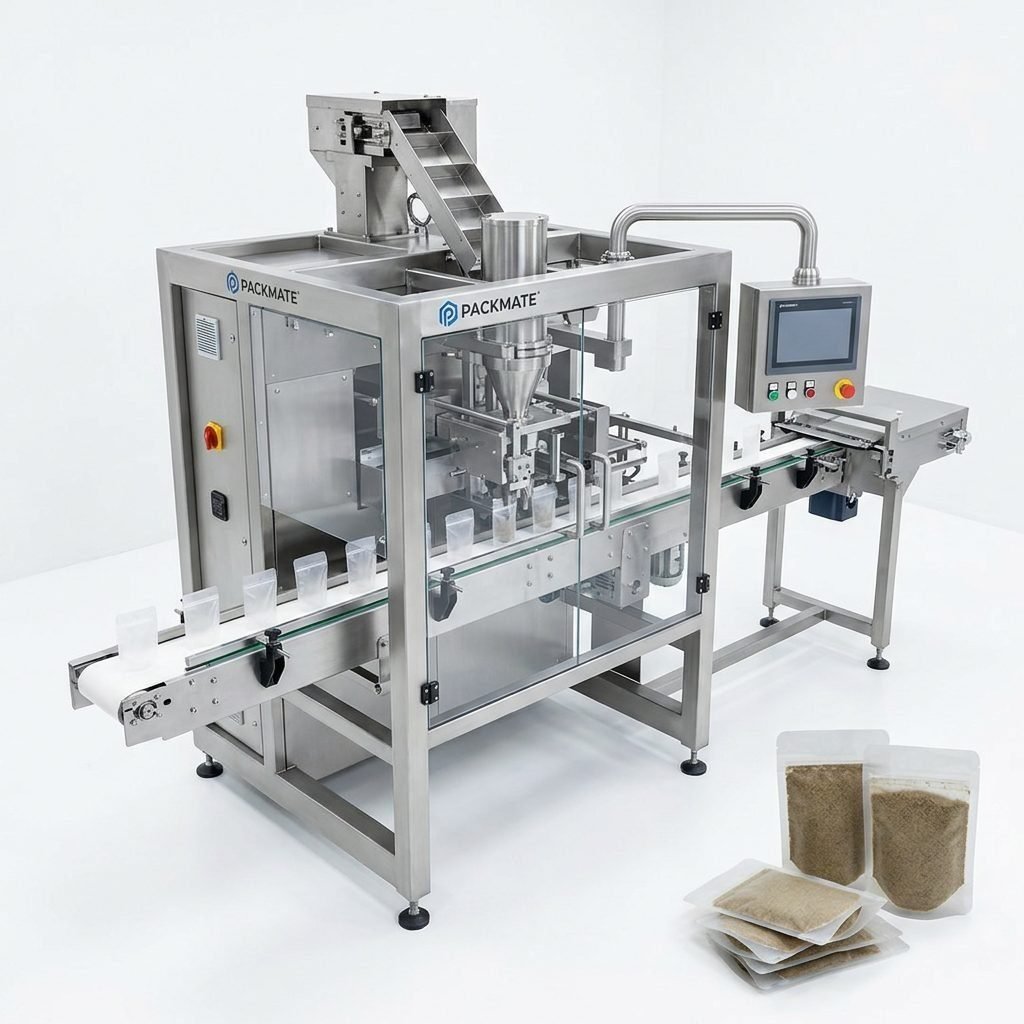
✔️ Weighing & Packaging Systems — if you need precise dosing for powders and blends. (Reference: Weighing & Packaging Systems)
Evaluate Technical Performance and Quality
Technical performance directly impacts product consistency and production uptime. Use this checklist when assessing suppliers:
📌 Accuracy & Repeatability: Verify dosing accuracy across production speeds. For nicotine pouches small variance equals regulatory risk.
📌 Speed vs Stability: High speeds are attractive, but stability at realistic operating conditions (temperature, humidity, raw material variation) is more valuable for long-term yield.
📌 Material Compatibility: Confirm sealing compatibility for your chosen pouch film and that seal strength meets transport and shelf-life needs.
⚙️ Factory capability matters: Choose suppliers with a strong manufacturing base, advanced CNC machining centers, and rigorous quality control — these attributes reduce rework and improve machine longevity.
Certifications, Compliance, and Local Regulation
Regulatory compliance is essential for nicotine products. Prioritize suppliers whose equipment meets international safety and quality standards (CE, ISO). Also factor in Burundian regulations and regional rules on nicotine importation and packaging. Obtain legal advice locally to confirm labeling requirements, permitted nicotine concentrations, and any special transit documents.
Reliable suppliers will provide test reports and certificates. Packmate Snus Machine, for example, emphasizes CE and ISO compliance and can support documentation requests — learn more at Certificate.
After-sales Service, Training and Spare Parts
A machine is only as good as the support behind it. In Burundi, access to fast spare parts delivery and clear technical guidance is crucial.
✔️ Spare parts availability: Ask for spare parts lists and typical lead times. Does the supplier maintain a global parts network?
✔️ Remote support & training: Confirm that the vendor provides remote diagnostics, operator training, and on-site commissioning options. Training materials in French reduce the learning curve.
✔️ Warranty & Service Contracts: Compare warranty terms, response times, and the availability of extended maintenance agreements.
Practical questions to ask suppliers
• Can you provide references of customers operating in Africa or similar markets? (See Packmate case studies: Case)
• What is the typical spare parts lead time to East Africa?
• Do you offer operator manuals and training in French or translated local languages?
Logistics, Shipping and Customs for Burundi
Because Burundi is landlocked, plan for cross-border transport costs and customs clearance procedures. Suppliers experienced with East Africa can advise on preferred ports (Dar es Salaam or Mombasa), road freight partners, and necessary paperwork to avoid delays.
🚚 Shipping note: Insist on detailed Incoterms in the contract and a clear plan for inland transport into Burundi. A reliable supplier will provide documentation support for customs clearance.
Commercial Terms, Payment and Risk Mitigation
Negotiate terms that balance your cash flow and supplier commitment. Common approaches include deposit + balance on shipment, standby letters of credit (L/C), or staged payments linked to factory acceptance tests (FAT) and shipment milestones.
Consider requesting factory acceptance tests, video demonstrations, and performance guarantees. A supplier with transparent production timelines and test records reduces procurement risk.
Factory Visits, Demos and FAT
If possible, arrange a factory visit or remote live demonstration. Inspect machining quality, assembly practices, and control systems. Ask for a FAT so you can verify speed, dosing, and sealing on your intended packaging materials before shipment.
Packmate highlights a 20,000㎡ manufacturing facility and advanced CNC centers — such infrastructure is a good indicator of consistent product quality. Learn more about their capabilities at About Packmate.
Customization and Scalability
Your supplier should support customization (multi-lane configurations, dosing options, and bespoke feeding systems) and be able to scale as your volumes grow. Multi-lane snus systems are especially useful when small-dose output needs to increase without large capital steps.
If you expect seasonality or product variation, choose modular solutions that enable quick format changes and minimal downtime.
Checklist: Selecting the Best Supplier for Burundi
1) Technical fit: machine type, dosing accuracy, and material compatibility.
2) Compliance: CE/ISO certificates, test reports, and help with local regulatory requirements.
3) After-sales: spare parts, training in French, local support options, and remote diagnostics.
4) Logistics: experience shipping to East Africa, clear Incoterms, and customs documentation support.
5) Commercial terms: FAT, payment milestones, warranty, and references from similar markets.
Why a Specialized Supplier Matters — The Packmate Example
Choosing a manufacturer with deep experience in snus and nicotine pouch packaging reduces implementation risk. Suppliers like Packmate Snus Machine focus on snus packing lines, multi-lane systems, and turnkey solutions for nicotine pouches — offering a broad product range and documented experience. For specific product lines, you can review their machine categories: Snus & Nicotine Packaging Machines, Bag & Pouch Packaging Machines, and Filling & Packaging Lines.
Final Recommendations
Start with a clear specification document (pack type, target OEE, materials, labeling languages). Shortlist suppliers who can demonstrate relevant experience in small-dose pouch lines, provide CE/ISO documentation, and offer robust after-sales service. Include FAT and remote commissioning in the purchase contract and confirm spare parts logistics to East Africa before signing.
Quick action plan
• Prepare sample pouches and a product brief in French to speed technical review.
• Request FAT videos and references from African customers where possible.
• Secure clear Incoterms and plan inland transport from Dar es Salaam or Mombasa.
Frequently Asked Questions (FAQs)
Q1: How do I know if a machine is suitable for very small nicotine pouch dosages?
A1: Ask for dosing accuracy data, sample output videos with similar pouch sizes, and request a FAT using your actual materials. Look for precision feeders and multi-lane dosing options.
Q2: What documentation should a supplier provide for customs and compliance in Burundi?
A2: Suppliers should supply CE/ISO certificates, commercial invoices, packing lists, and a detailed machine specification sheet. Also request user manuals in French and any hazard or handling documents relevant to nicotine-containing products.
Q3: How can I ensure fast spare parts delivery to Burundi?
A3: Negotiate a spare parts kit at purchase, confirm global stock locations, and choose a supplier with express shipping options or regional warehouses.
Q4: Is on-site installation necessary or can it be done remotely?
A4: On-site installation simplifies commissioning, but many reputable suppliers offer remote commissioning combined with on-site local engineers. For first-time setups, plan for at least one on-site visit.
Q5: Where can I find more information about Packmate’s machines and services?
A5: Review Packmate’s product pages and service information: Service, Catalog, and Contact Us.